
2026 Asia Seafood Expo Opens New Procurement Channel for Micro-tunnelling Equipment





Singapore’s 2026 Asia Seafood Expo (2–4 September, Marina Bay Sands) — while primarily a seafood trade event — has unexpectedly created a targeted procurement pathway for micro-tunnelling equipment manufacturers. The concurrent ‘Asia-Pacific Underground Infrastructure Procurement Matchmaking Forum’ is opening its first-ever direct invitation to such suppliers, drawing interest from infrastructure contractors across the Middle East, Southeast Asia, and Africa. This development signals a shift in how specialized civil engineering equipment may access overseas municipal and water infrastructure projects — bypassing traditional distribution layers.
Event Overview
The 2026 Asia Seafood Expo will take place from 2 to 4 September 2026 at Marina Bay Sands, Singapore. Organized by Diversified Communications, the event includes an ancillary forum titled the ‘Asia-Pacific Underground Infrastructure Procurement Matchmaking Forum’. For the first time, this forum is extending formal, targeted invitations to manufacturers of micro-tunnelling equipment — specifically those producing rectangular pipe jacking machines, micro-tunnelling boring systems, and intelligent guidance modules. Seventeen large-scale infrastructure contractors from the Middle East, Southeast Asia, and Africa have registered as invited buyers. Their stated evaluation focus is on localised delivery capability — including technical support, spare parts logistics, and compliance with regional project specifications.
Industries Affected
Micro-tunnelling equipment manufacturers: Though outside the core seafood value chain, these firms are now granted direct access to decision-makers involved in municipal wastewater, stormwater, and utility tunneling projects. The impact lies not in product substitution, but in channel efficiency — reducing reliance on regional distributors or general engineering agents when engaging with end-client procurement teams.
Civil infrastructure contractors (especially those bidding on municipal/water projects): These buyers gain early exposure to niche equipment vendors with proven capabilities in constrained urban environments. Their evaluation criteria — centred on localised delivery — suggest growing emphasis on after-sales responsiveness over lowest upfront cost.
Engineering procurement & construction (EPC) service providers: Firms that support international contractors in vendor qualification or technical specification drafting may see increased demand for due diligence on micro-tunnelling system integrators — particularly regarding local support infrastructure and regulatory alignment in target markets.
What Relevant Companies or Practitioners Should Focus On — and How to Respond
Monitor official registration updates and buyer profile disclosures
Diversified Communications has confirmed 17 contractor registrations, but full buyer names, project portfolios, and regional priorities remain unpublished. Tracking subsequent announcements — especially any pre-event technical briefings or buyer requirement documents — will clarify which geographies and infrastructure segments (e.g., wastewater vs. district cooling) carry highest near-term relevance.
Prioritise readiness for technical and logistical vetting — not just marketing outreach
Invited equipment suppliers should prepare documentation demonstrating localised delivery capacity: evidence of regional service partners, warehoused critical spares, multilingual operator training materials, and case studies showing commissioning timelines in comparable regulatory environments. Marketing pitches alone are unlikely to meet the evaluation threshold set by procurement teams.
Distinguish between matchmaking intent and binding procurement outcomes
This is a structured introduction forum — not a tender platform. Analysis shows that no contracts or purchase orders are expected to be signed during the event. Instead, it functions as a pre-qualification touchpoint. Companies should treat engagements as relationship-building opportunities with defined follow-up milestones (e.g., site visits, pilot demonstrations), rather than expecting immediate sales conversion.
Assess alignment with specific municipal and water authority procurement cycles
Many participating contractors serve government-owned utilities. Current more relevant is understanding whether their upcoming project pipelines (e.g., Singapore’s Deep Tunnel Sewerage System Phase 2, Jakarta’s Coastal Defense Tunnel, or Riyadh’s Metro Utility Corridors) require equipment deliveries within 2027–2028. Aligning technical proposals and lead-time commitments with those timelines improves post-event traction.
Editorial Perspective / Industry Observation
Observably, this initiative reflects a broader trend: trade fairs increasingly serving as cross-sectoral procurement infrastructure — not just vertical marketplaces. The inclusion of micro-tunnelling suppliers under a seafood expo banner is less about thematic coherence and more about leveraging existing high-credibility platforms to convene hard-to-reach buyer groups. From an industry perspective, it signals growing recognition that underground infrastructure modernisation is becoming a shared priority across diverse geographies — one where equipment specificity matters more than broad industrial categorisation. However, it remains a signal, not yet an outcome: actual procurement decisions will depend on post-event technical validation, not forum attendance. Continued attention should focus on whether similar formats emerge in other regional infrastructure events — and whether buyer participation translates into measurable bid invitations in 2027.
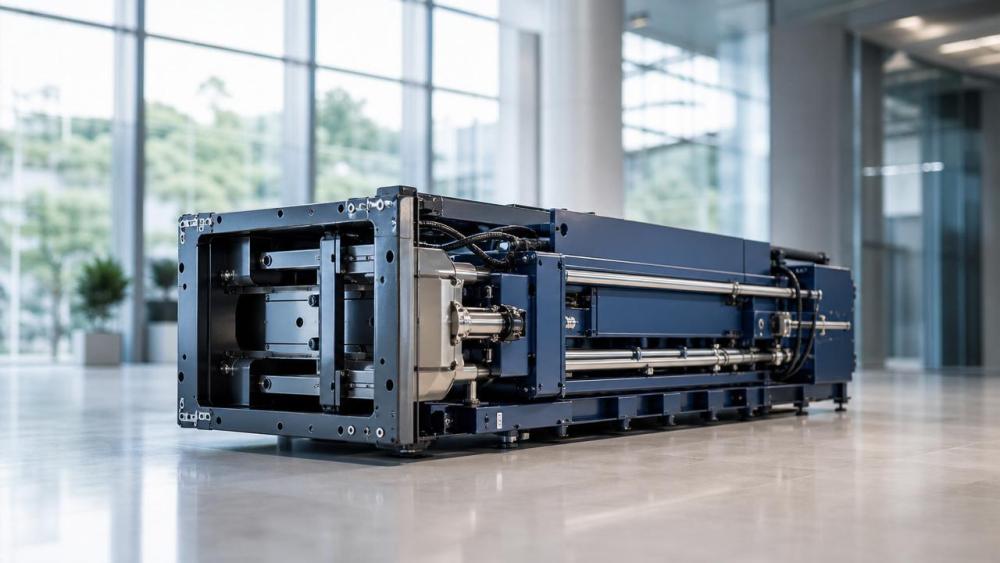
In summary, the 2026 Asia Seafood Expo’s infrastructure matchmaking initiative does not represent a new market, but rather a newly formalised access point — one that lowers entry friction for micro-tunnelling equipment suppliers targeting public-sector underground works in emerging economies. Its significance lies in procedural efficiency, not market creation. Currently, it is best understood as an early-stage procurement facilitation mechanism — valuable for visibility and qualification, but requiring disciplined follow-through to yield tangible business impact.
Source: Diversified Communications (official announcement, confirmed buyer count and scope). Note: Buyer identities, specific project references, and contractual outcomes remain unconfirmed and are subject to ongoing observation.
Related News
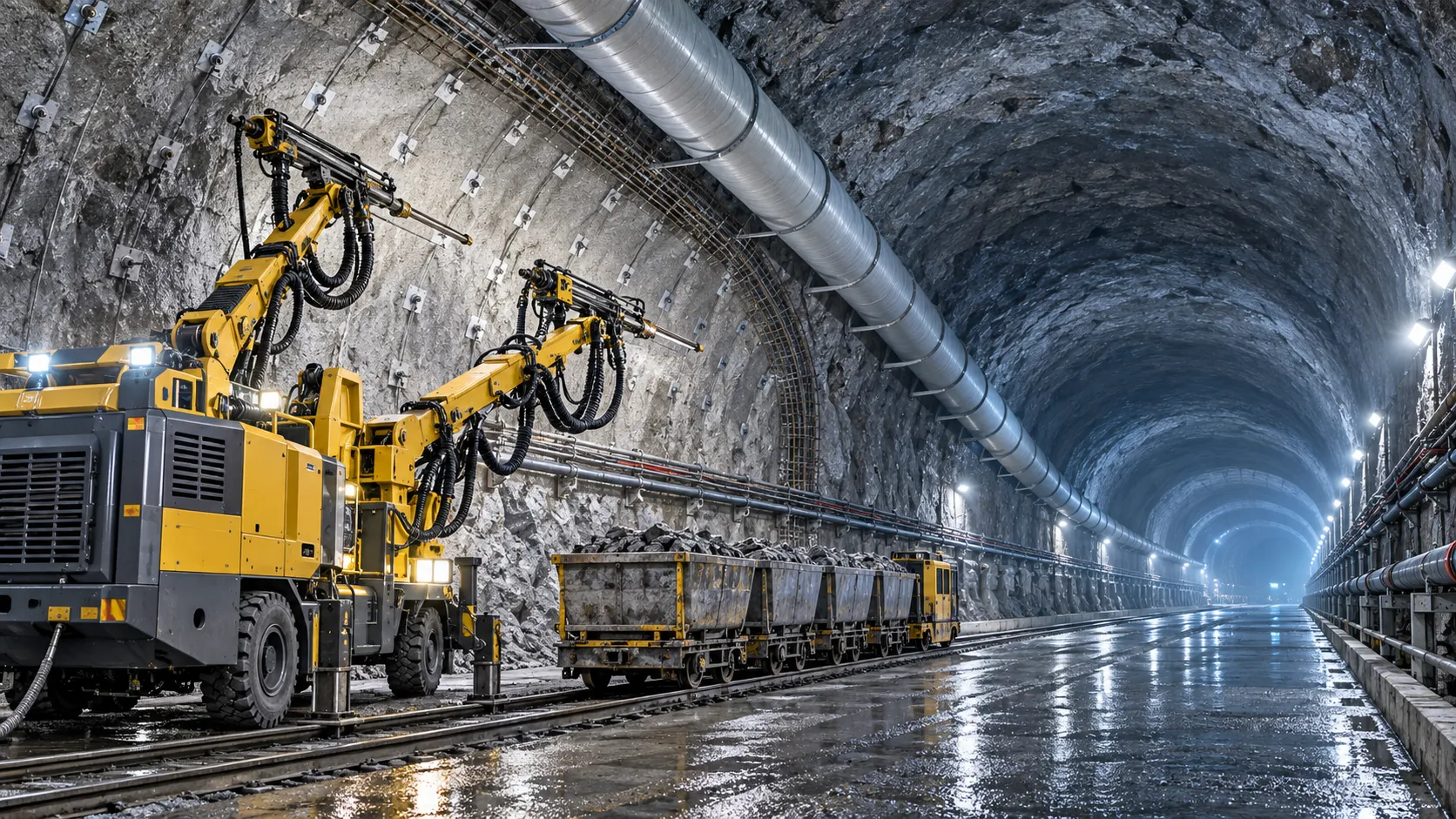
How to Evaluate European Drill-and-Blast Tunnelling Contractors for Complex Projects
Drill and blast tunnelling contractors Europe: learn how to assess geology expertise, blast control, equipment reliability, safety, and programme resilience for complex projects.
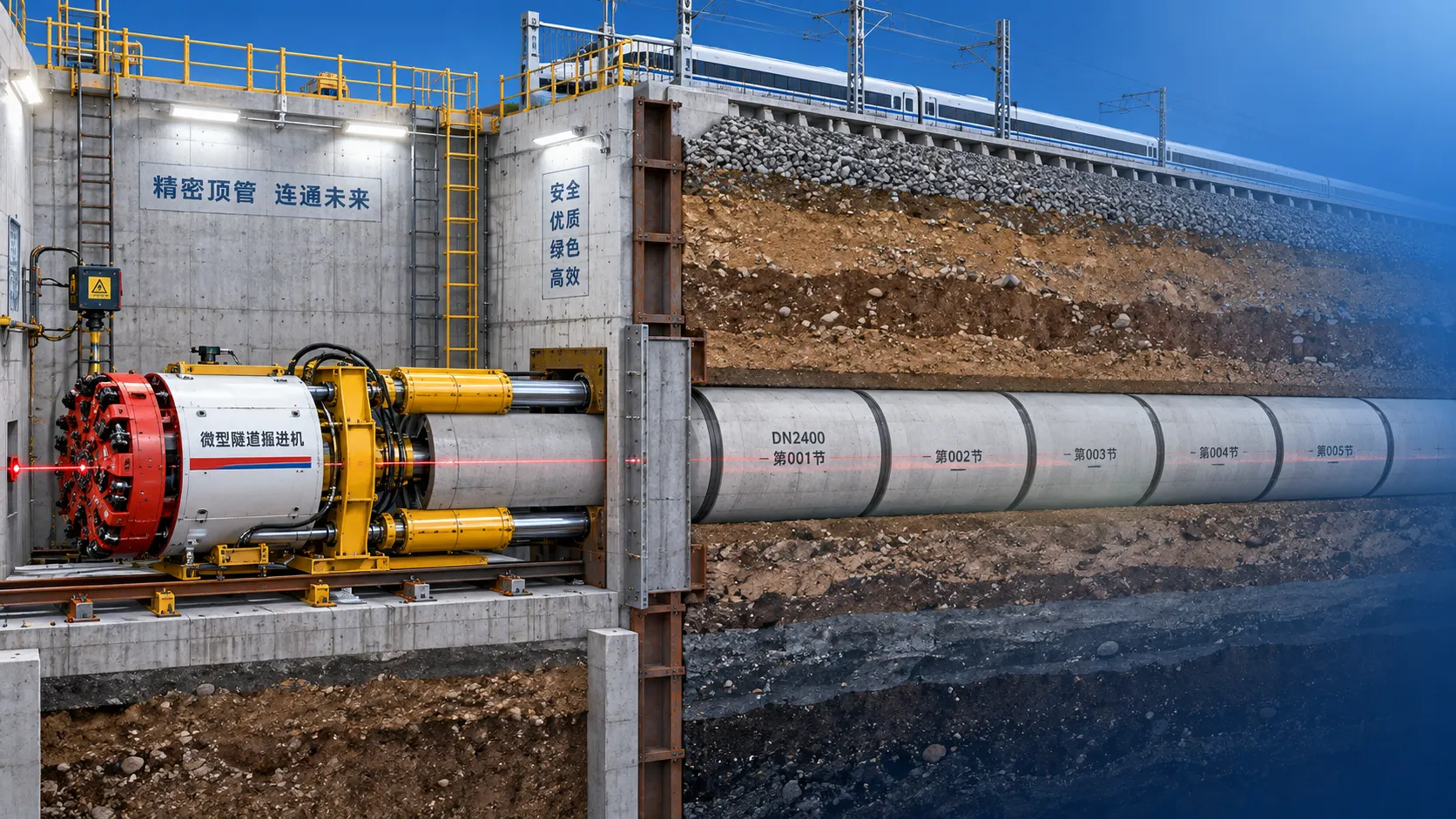
Which Trenchless Construction Technique Fits Your Utility Crossing Conditions?
Trenchless construction techniques compared for utility crossings: choose HDD, microtunnelling, pipe jacking, or auger boring based on ground, accuracy, access, and risk.
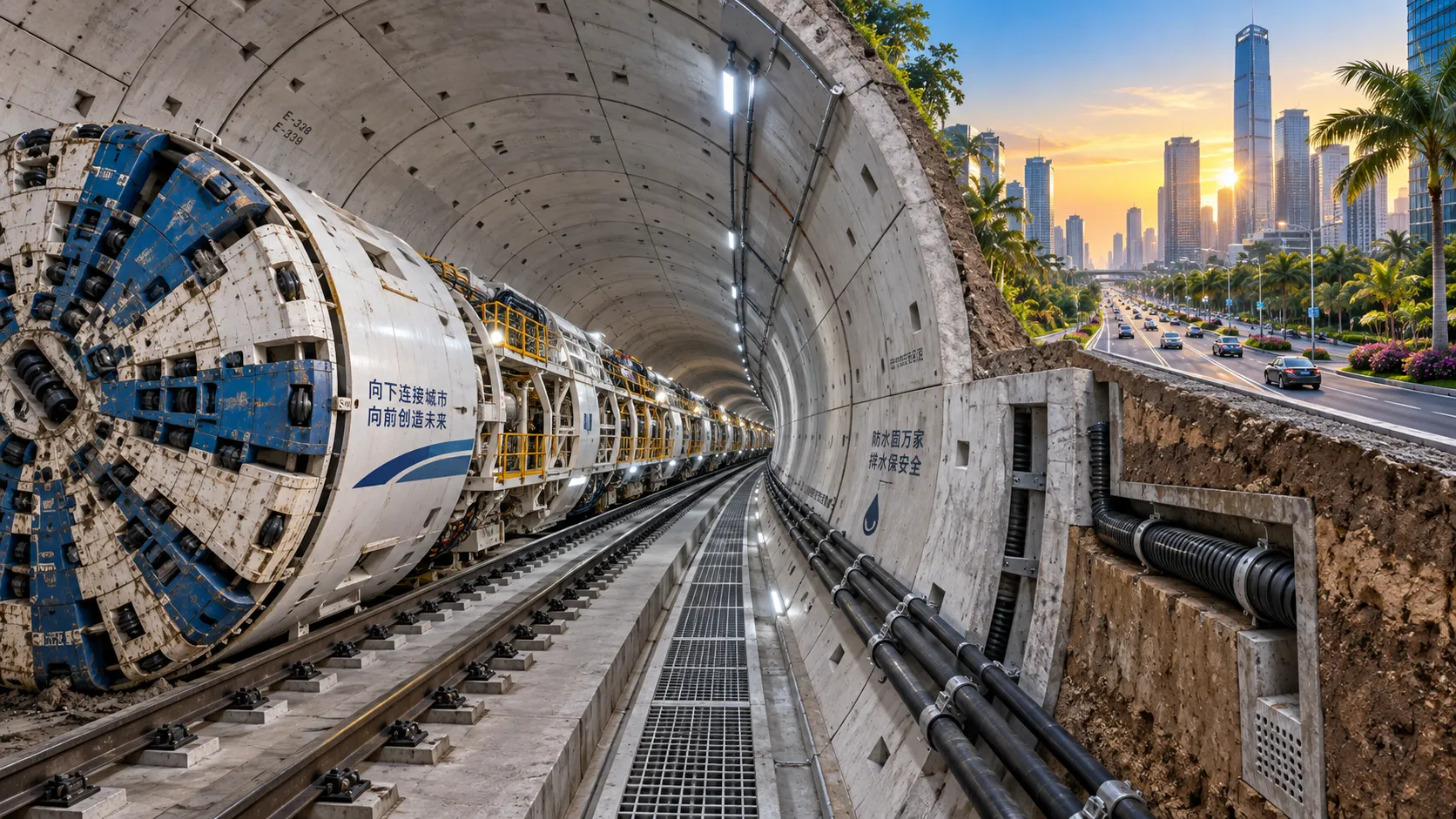
What Is Driving Metro Tunnelling Demand Across Southeast Asia’s Major Cities?
Metro tunnelling Southeast Asia is accelerating as major cities tackle congestion, flooding, and connectivity. Explore the market forces, technical risks, and opportunities shaping demand.
Hard Rock Tunnelling in Australia: Selecting Methods for Variable Ground Conditions
Hard rock tunnelling in Australia: compare TBM, drill-and-blast and hybrid methods to manage variable ground, reduce risk and protect project costs.
Hydropower Tunnel Excavation: Selecting Methods for Variable Rock Conditions
Hydropower tunnel excavation methods for variable rock conditions: compare TBM, drill-and-blast, and hybrid strategies to improve safety, progress, and project control.
How to Select Underground Safety Equipment for Tunnelling by Hazard and Work Zone
Underground Safety Equipment for tunnelling: match protection to hazards, work zones, compliance, and emergency needs with this practical selection guide.
EPB or Slurry Shield? Selecting Soft-Ground Tunnelling Equipment by Soil Conditions
Tunnel Excavation Equipment for soft ground: compare EPB and slurry shields by soil, groundwater, settlement risk, and project logistics to choose confidently.
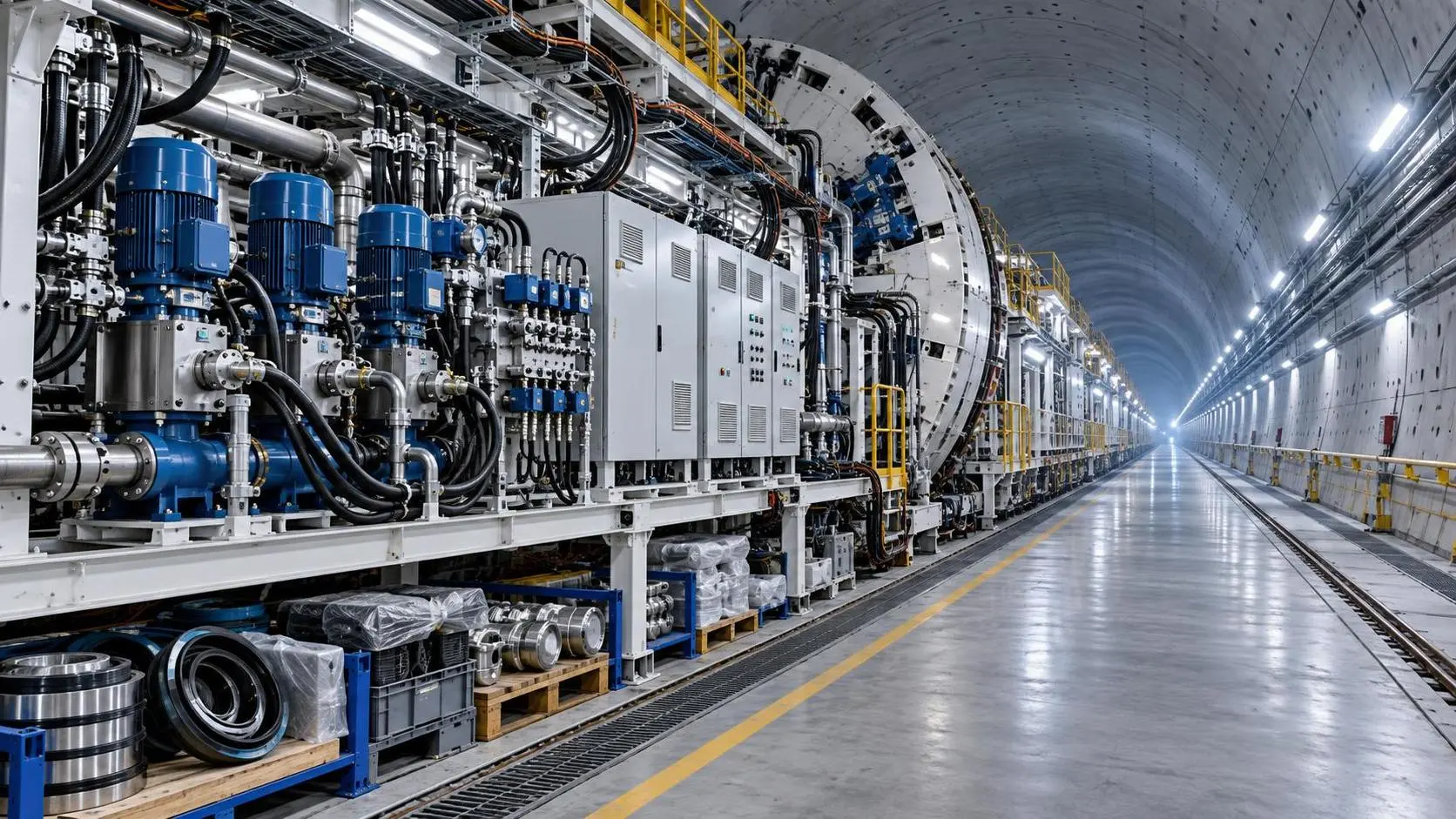
How to Specify TBM Backup System Parts for Reliable Long-Distance Tunnelling
TBM backup system parts: learn how to specify reliable spares for long-distance tunnelling, reduce downtime, ensure compatibility, and speed underground recovery.

How to Size Open Pit Mining Trucks for Haul Distance, Grade, and Payload?
Open Pit Mining Trucks: learn how to match payload, haul distance, grade, road resistance, and loading capacity for safer, lower-cost mine operations.
Related News
- 00
0000-00
How to Evaluate European Drill-and-Blast Tunnelling Contractors for Complex Projects - 00
0000-00
Which Trenchless Construction Technique Fits Your Utility Crossing Conditions? - 00
0000-00
What Is Driving Metro Tunnelling Demand Across Southeast Asia’s Major Cities? - 00
0000-00
Hard Rock Tunnelling in Australia: Selecting Methods for Variable Ground Conditions - 00
0000-00
Hydropower Tunnel Excavation: Selecting Methods for Variable Rock Conditions
Weekly Insights
Stay ahead with our curated technology reports delivered every Monday.