
EU Mandates Full-Life Carbon Footprint Reports for Autonomous LHDs from 1 June 2026





Effective 1 June 2026, the European Commission’s Heavy-Duty Machinery Green Compliance Regulation (EU/2026/883) enters into force, imposing binding lifecycle carbon accounting requirements on all Autonomous LHDs (Autonomous Load-Haul-Dump machines) placed on the EU market — directly impacting manufacturers, exporters, and supply chain partners in the underground mining equipment sector.
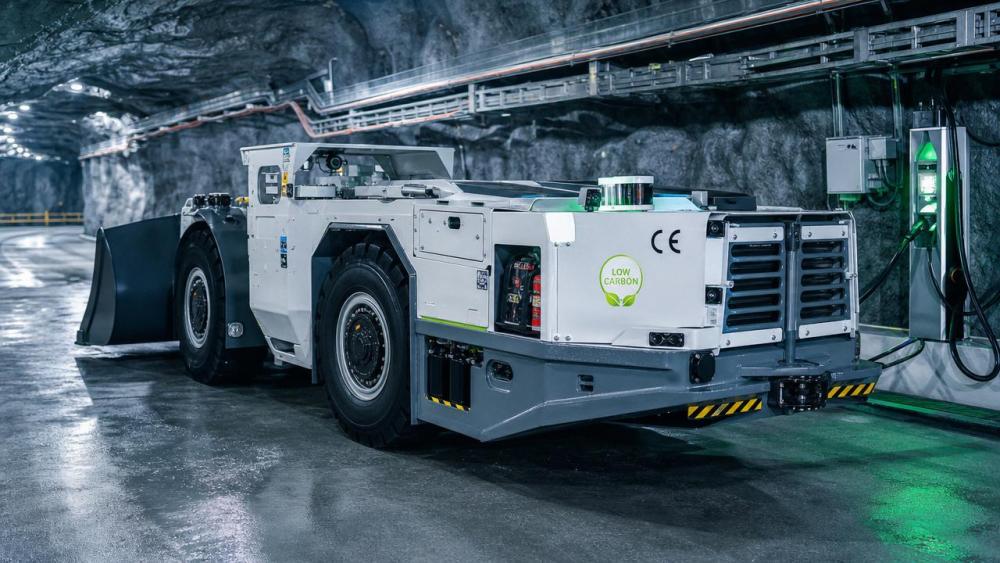
Mandatory LCA Reporting Under EU/2026/883
The regulation requires that every Autonomous LHD exported to the EU must be accompanied by a third-party certified Life Cycle Assessment (LCA) report. This report must quantify greenhouse gas emissions across five defined stages: raw material extraction (especially battery minerals), manufacturing, transport to point of use, underground operational phase, and end-of-life recycling or disposal. Non-compliant products will not qualify for CE marking renewal, thereby blocking market access and jeopardising delivery commitments scheduled for the second half of 2026.
Impact Across the Value Chain
Exporters and OEMs
Direct trade enterprises face immediate compliance pressure: CE mark renewal is now contingent on validated LCA documentation. Contract fulfilment for Q3–Q4 2026 deliveries hinges on submission timelines and certification readiness — delays may trigger penalties or order cancellations.
Raw Material Suppliers
Companies sourcing lithium, cobalt, nickel, or rare earth elements must now provide auditable carbon data — including mine-level energy sources, processing emissions, and transport logistics — to enable upstream LCA integration. Lack of granular emission inventories may render downstream reporting incomplete.
Manufacturers and Assemblers
Equipment builders must revise internal environmental management systems to capture process-specific emissions (e.g., battery cell assembly, chassis welding, software deployment energy). Integration with ERP and PLM platforms for traceable carbon data becomes operationally essential.
Supply Chain Service Providers
Logistics firms, certification bodies, and LCA consultants are seeing accelerated demand for EU-aligned verification services — particularly for multi-tiered, cross-border supply chains where emission attribution remains technically complex and jurisdictionally fragmented.
Key Actions for Export-Ready Enterprises
Initiate LCA Certification Pathways Now
Engage accredited LCA practitioners early to map system boundaries, select appropriate databases (e.g., ILCD, Ecoinvent), and align with EN 15804 and ISO 14040/44 standards. Pre-certification gap analysis is recommended before formal audit scheduling.
Secure Traceable Material Declarations
Require Tier-1 and Tier-2 suppliers to submit verified Environmental Product Declarations (EPDs) or equivalent carbon statements — especially for batteries, electric drivetrains, and structural steel components.
Align Technical Documentation with EU Regulatory Timelines
Update technical files, conformity declarations, and CE documentation packages to embed LCA reports as mandatory annexes. Ensure version control reflects the 1 June 2026 compliance cutoff for new submissions.
Reassess Delivery Schedules and Contract Clauses
Integrate LCA validation milestones into procurement and delivery planning. Review force majeure and compliance contingency clauses in export contracts to reflect regulatory dependency on certification outcomes.
Industry Observation: Beyond Compliance, a Structural Shift
Analysis shows this requirement signals more than a procedural update — it marks the institutionalisation of embodied carbon as a core product specification, comparable in weight to safety or performance criteria. From an industry perspective, the six-month window between now and enforcement is unlikely to suffice for full supply chain decarbonisation, making data transparency and collaborative LCA modelling increasingly strategic. What deserves closer attention is how national certification bodies interpret ‘certified LCA’ — variability in scope acceptance, data recency thresholds, and allocation rules for multi-use facilities could create uneven implementation across Member States.
Toward Embedded Sustainability in Mining Equipment
This regulation does not merely raise a compliance threshold; it redefines competitiveness in the autonomous underground machinery segment. Success will hinge less on standalone product innovation and more on integrated environmental intelligence — from mine-to-manufacturing traceability, through digital twin-enabled operational carbon monitoring, to circularity-ready design. A measured, evidence-based approach — rather than reactive compliance — best positions stakeholders for long-term resilience.
Source Information and Verification Notes
This article is generated exclusively from the user-provided title, event date (2026-06-01), and summary. Specific official source links were not provided in the input and should be verified continuously. Stakeholders are advised to monitor updates from the European Commission’s Directorate-General for Climate Action, notified bodies accredited under Regulation (EU) No 765/2008, and forthcoming guidance documents related to EU/2026/883 implementation — particularly concerning LCA methodology harmonisation, SME support mechanisms, and transitional provisions for ongoing contracts.
Related News
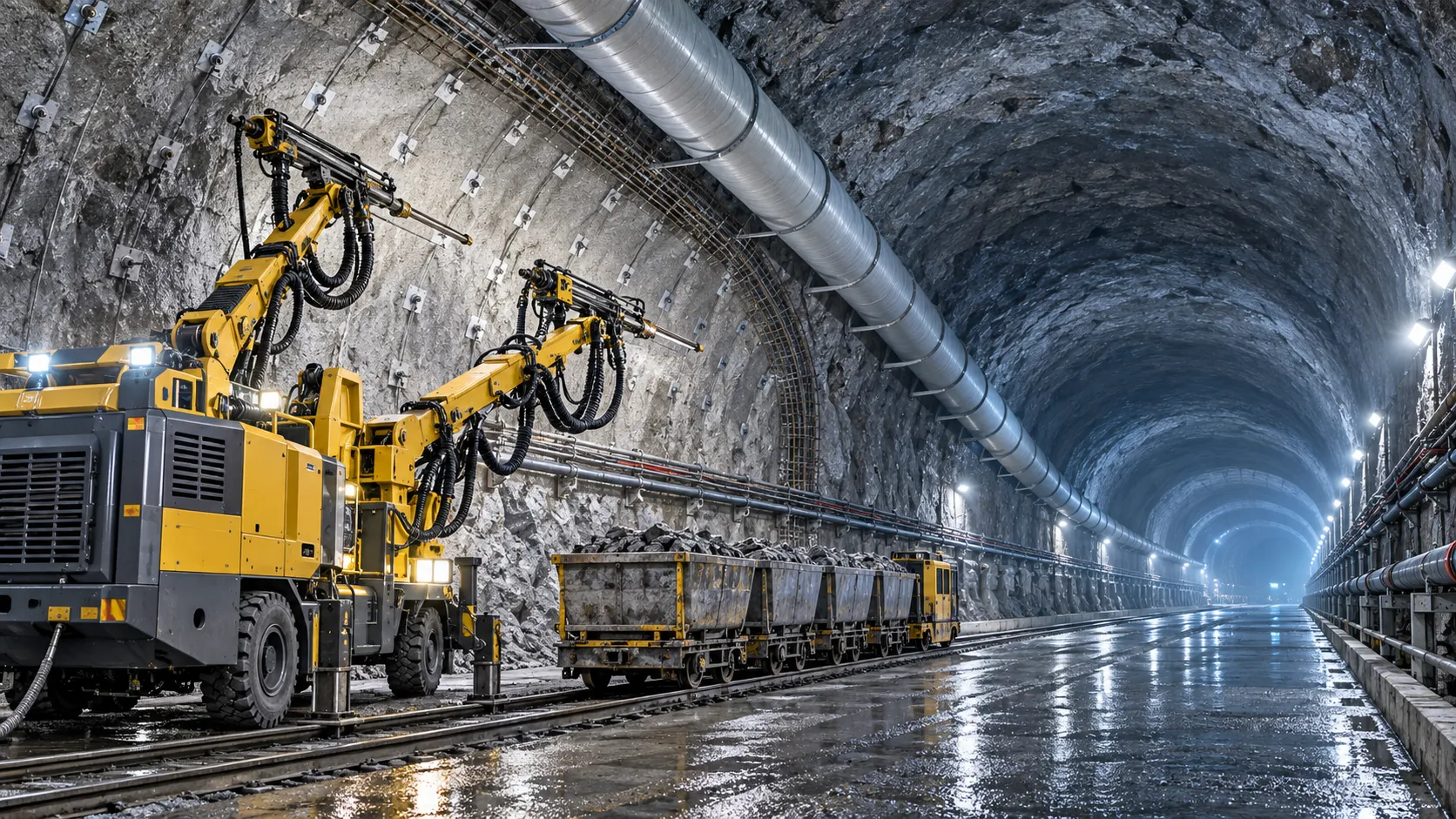
How to Evaluate European Drill-and-Blast Tunnelling Contractors for Complex Projects
Drill and blast tunnelling contractors Europe: learn how to assess geology expertise, blast control, equipment reliability, safety, and programme resilience for complex projects.
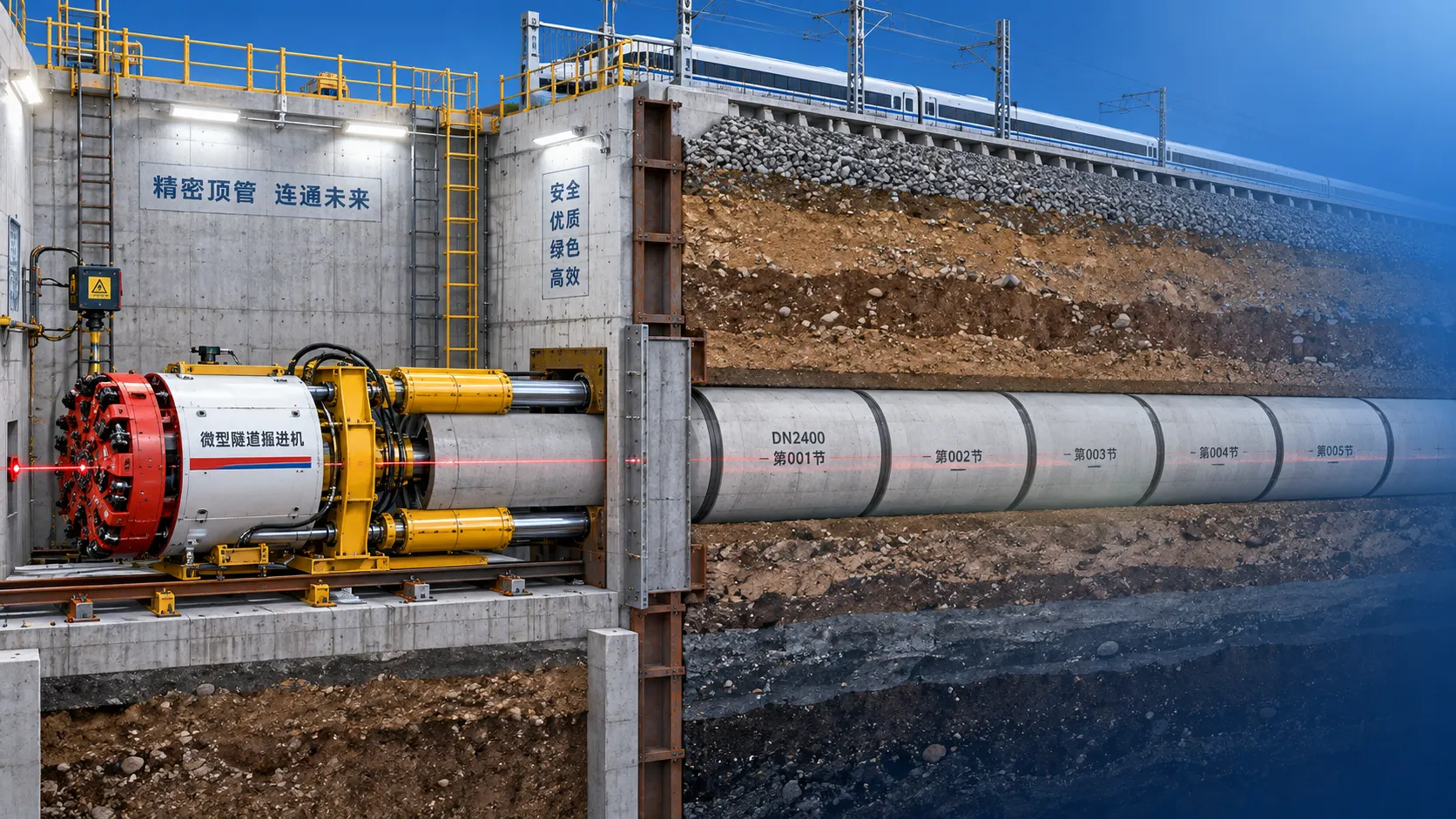
Which Trenchless Construction Technique Fits Your Utility Crossing Conditions?
Trenchless construction techniques compared for utility crossings: choose HDD, microtunnelling, pipe jacking, or auger boring based on ground, accuracy, access, and risk.
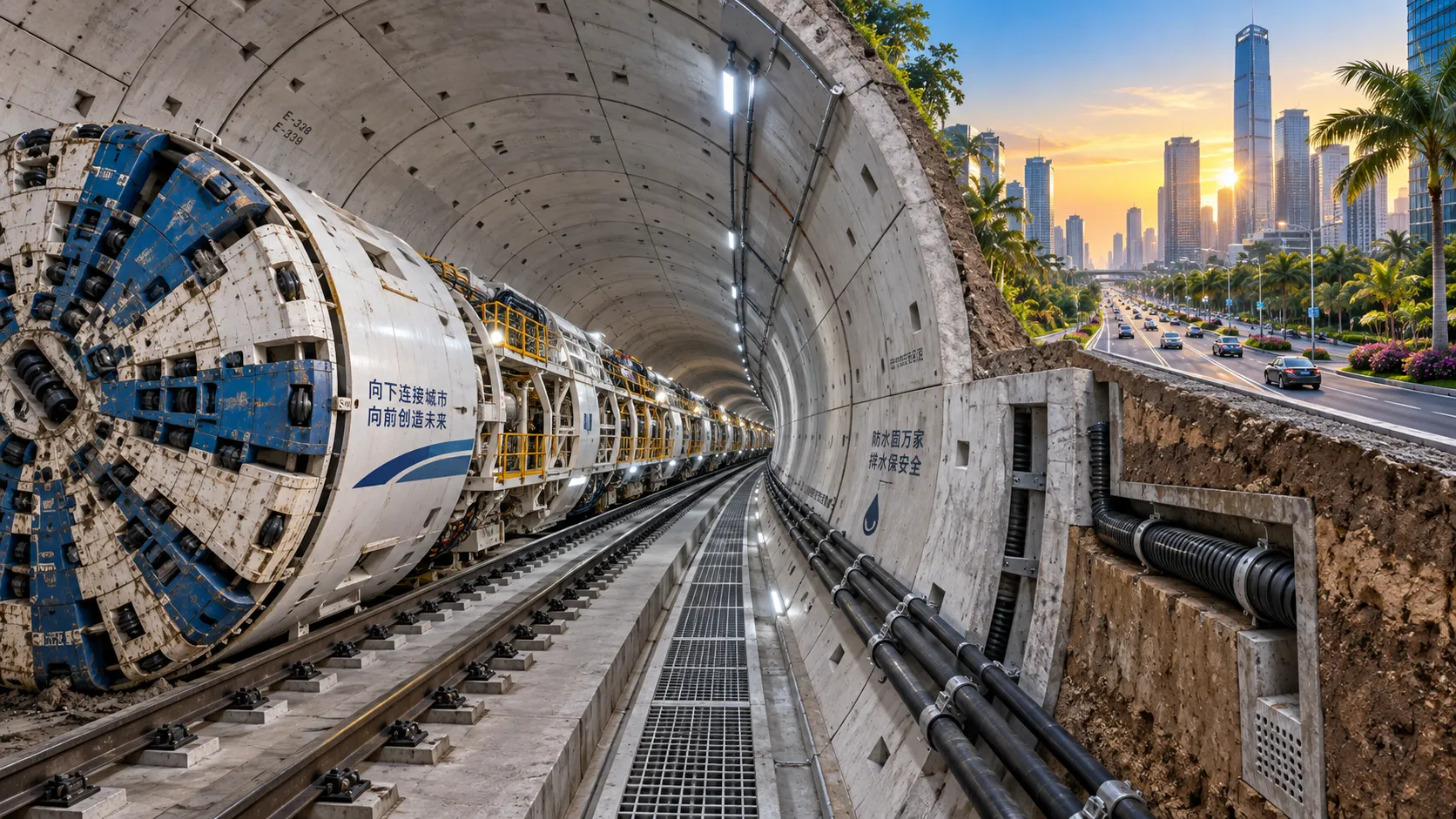
What Is Driving Metro Tunnelling Demand Across Southeast Asia’s Major Cities?
Metro tunnelling Southeast Asia is accelerating as major cities tackle congestion, flooding, and connectivity. Explore the market forces, technical risks, and opportunities shaping demand.
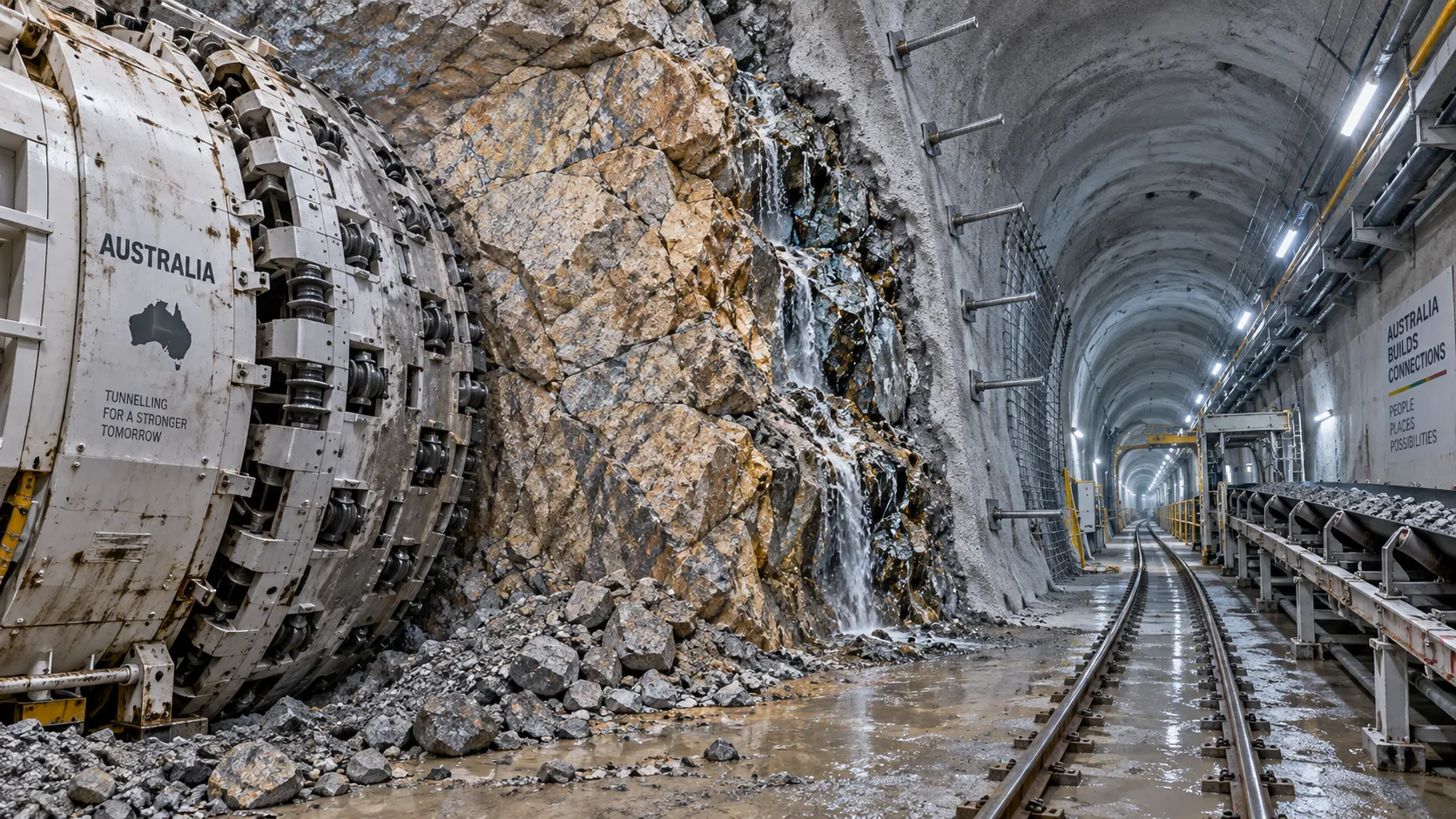
Hard Rock Tunnelling in Australia: Selecting Methods for Variable Ground Conditions
Hard rock tunnelling in Australia: compare TBM, drill-and-blast and hybrid methods to manage variable ground, reduce risk and protect project costs.
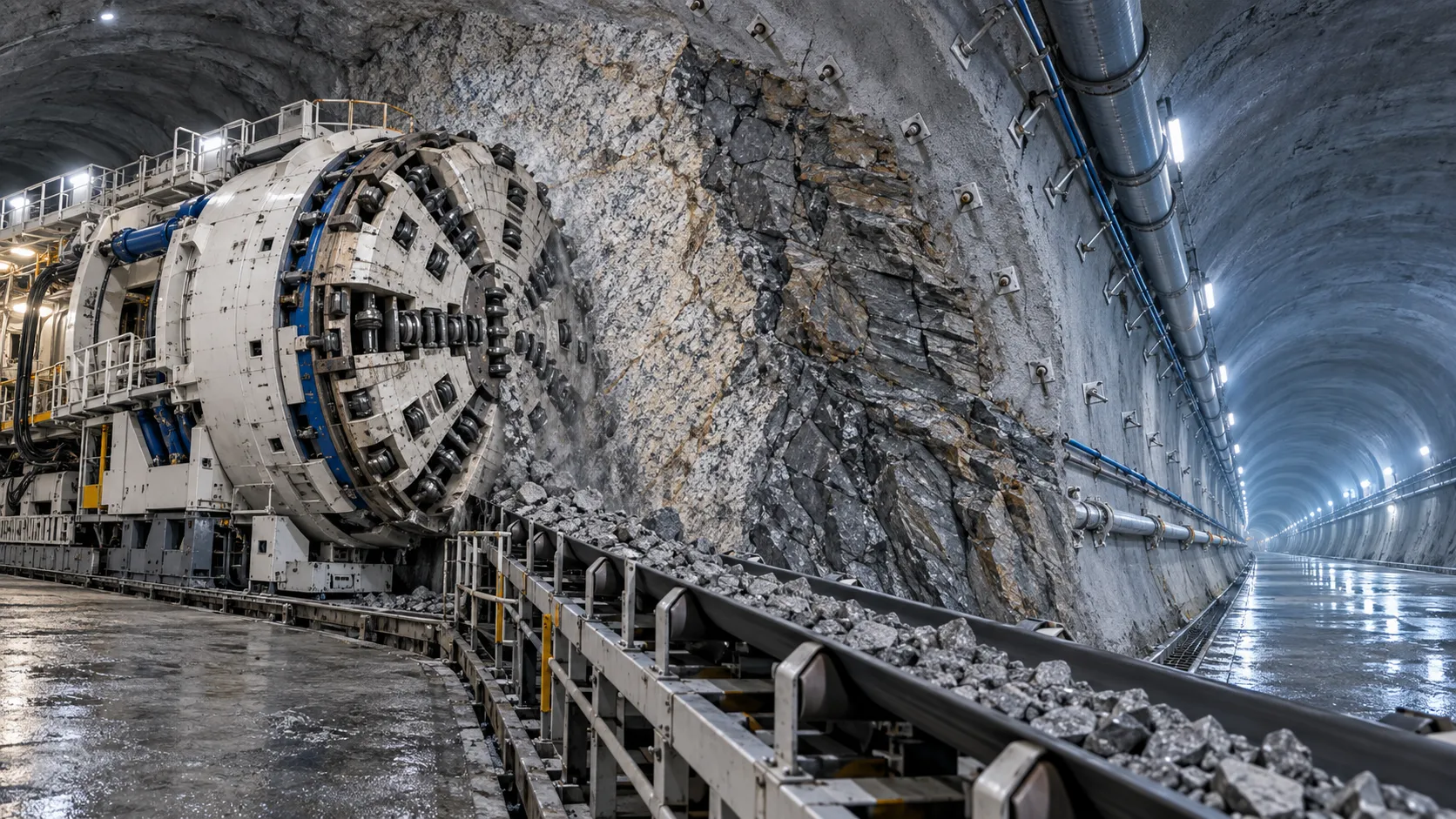
Hydropower Tunnel Excavation: Selecting Methods for Variable Rock Conditions
Hydropower tunnel excavation methods for variable rock conditions: compare TBM, drill-and-blast, and hybrid strategies to improve safety, progress, and project control.
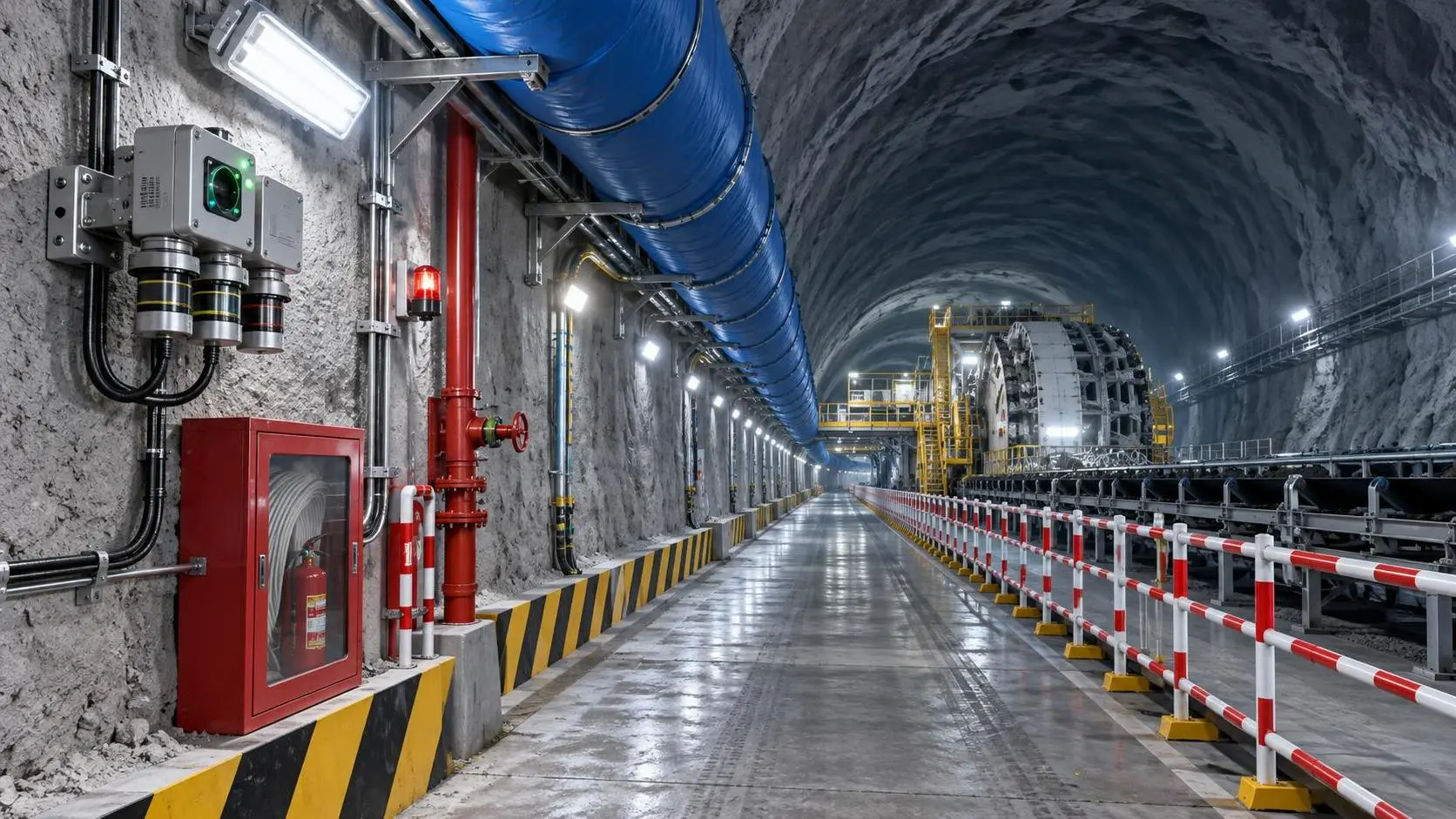
How to Select Underground Safety Equipment for Tunnelling by Hazard and Work Zone
Underground Safety Equipment for tunnelling: match protection to hazards, work zones, compliance, and emergency needs with this practical selection guide.
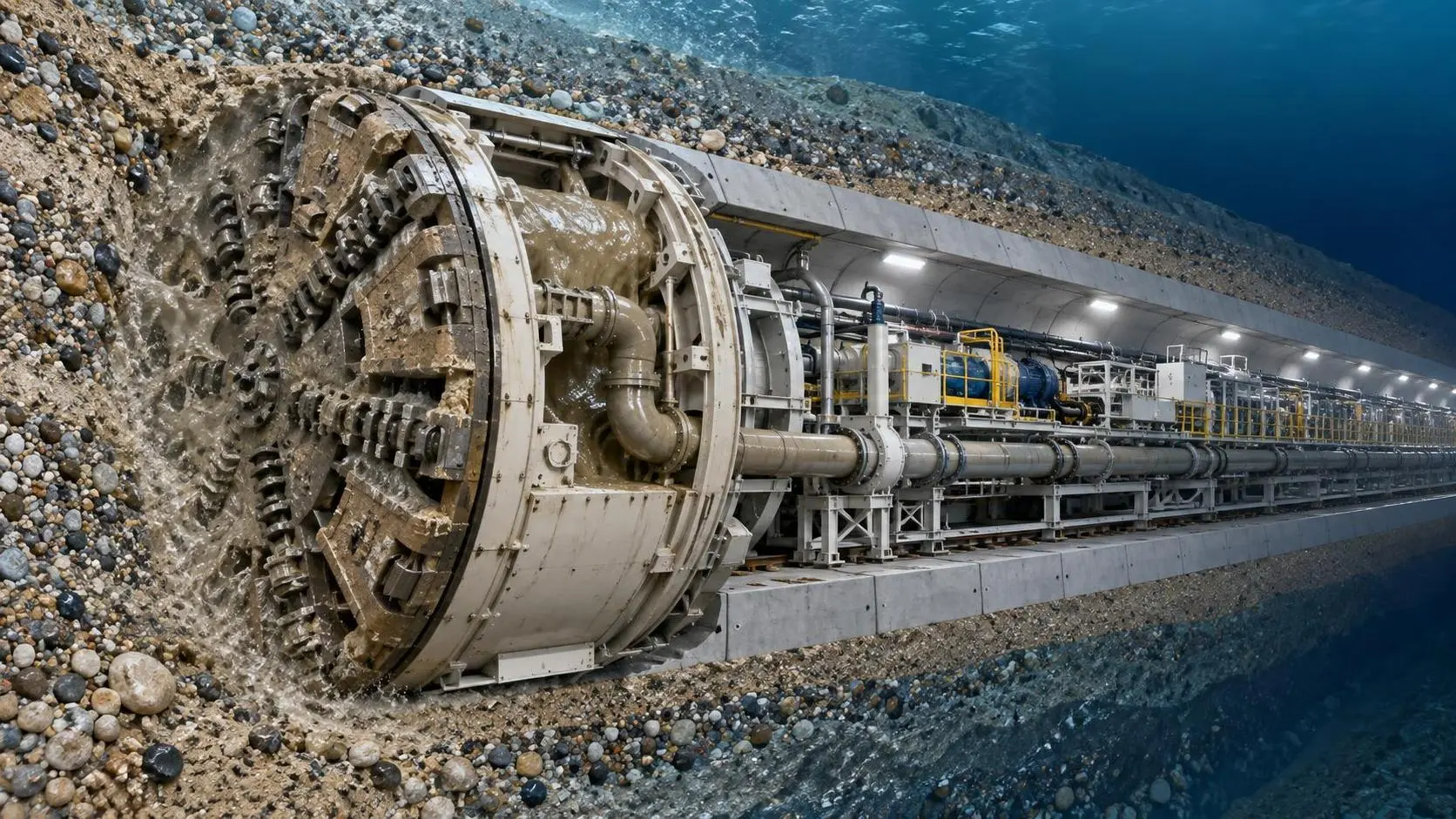
EPB or Slurry Shield? Selecting Soft-Ground Tunnelling Equipment by Soil Conditions
Tunnel Excavation Equipment for soft ground: compare EPB and slurry shields by soil, groundwater, settlement risk, and project logistics to choose confidently.
How to Specify TBM Backup System Parts for Reliable Long-Distance Tunnelling
TBM backup system parts: learn how to specify reliable spares for long-distance tunnelling, reduce downtime, ensure compatibility, and speed underground recovery.
How to Size Open Pit Mining Trucks for Haul Distance, Grade, and Payload?
Open Pit Mining Trucks: learn how to match payload, haul distance, grade, road resistance, and loading capacity for safer, lower-cost mine operations.
Related News
- 00
0000-00
How to Evaluate European Drill-and-Blast Tunnelling Contractors for Complex Projects - 00
0000-00
Which Trenchless Construction Technique Fits Your Utility Crossing Conditions? - 00
0000-00
What Is Driving Metro Tunnelling Demand Across Southeast Asia’s Major Cities? - 00
0000-00
Hard Rock Tunnelling in Australia: Selecting Methods for Variable Ground Conditions - 00
0000-00
Hydropower Tunnel Excavation: Selecting Methods for Variable Rock Conditions
Weekly Insights
Stay ahead with our curated technology reports delivered every Monday.