
2026 Pingtan International Tunnel Expo Launches Fujian’s Annual Procurement Demand





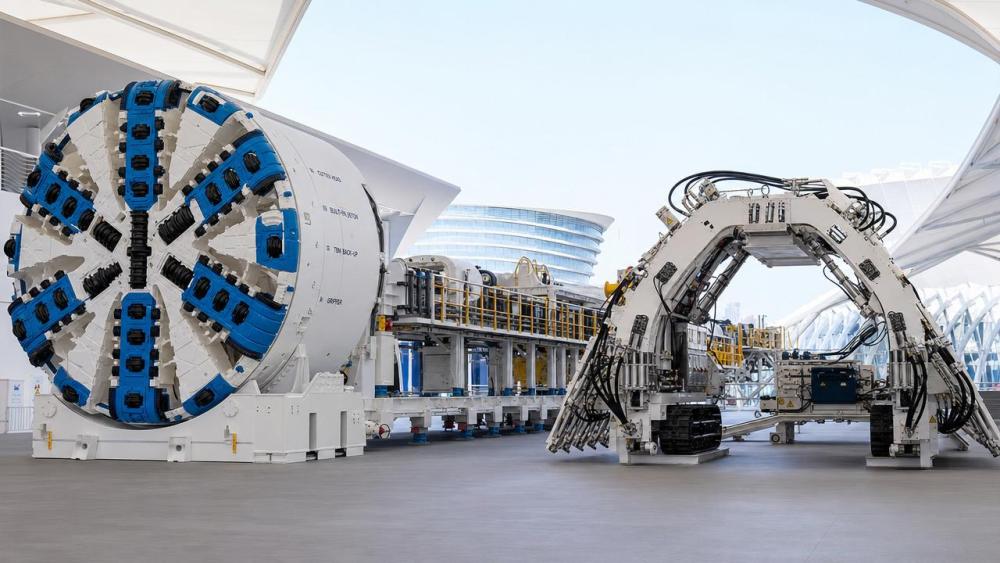
On May 26, 2026, the 2026 Pingtan International Tunnel and Underground Construction Equipment Technology Exhibition opened in Pingtan, Fujian Province, releasing the 2026 Annual Procurement Demand Information for Fujian Tunnel Enterprises—a comprehensive equipment procurement roadmap covering tunnel boring machines (TBMs), shaft boring systems, intelligent support systems, and related auxiliary technologies. The event also marked the official launch of the ‘Tunnel Hui Dai’ financial support program, aimed at easing capital constraints for equipment suppliers and contractors. With nearly 100 participating enterprises—including Caterpillar and Zoomlion—the exhibition coincided with the formal unveiling of the Pingtan Tunnel Machinery Industrial Park.
Event Highlights and Confirmed Facts
The 2026 Pingtan International Tunnel and Underground Construction Equipment Technology Exhibition commenced on May 26, 2026. During the opening ceremony, the 2026 Annual Procurement Demand Information for Fujian Tunnel Enterprises was officially published, specifying demand across the full tunneling equipment value chain—including TBMs, vertical shaft excavation equipment, and intelligent ground support systems. Concurrently, the ‘Tunnel Hui Dai’ financing initiative was signed into effect. The exhibition drew approximately 100 domestic and international enterprises, including global manufacturers Caterpillar and Zoomlion. The Pingtan Tunnel Machinery Industrial Park was formally introduced as an integrated industrial support platform aligned with the exhibition’s strategic objectives.
Implications Across the Tunneling Supply Chain
Equipment exporters and international trade firms
These stakeholders face immediate implications due to the publication of standardized, province-level procurement specifications. The demand list signals a shift toward consolidated, pre-vetted technical requirements—potentially streamlining tender participation but raising the bar for documentation alignment, CE or ISO compliance verification, and local certification readiness (e.g., CCC for applicable components).
Raw material and component suppliers
Suppliers of high-strength steels, hydraulic control units, sensor modules, and advanced composites must now anticipate tighter delivery windows and traceability expectations. The emphasis on intelligent support systems implies increased demand for certified sub-assemblies meeting functional safety standards (e.g., IEC 61508) and environmental resilience under underground operating conditions.
Machinery manufacturers and system integrators
Manufacturers are directly affected by the explicit inclusion of TBMs and shaft boring equipment in the procurement list. This reinforces the need for up-to-date type test reports, third-party verification of performance parameters (e.g., thrust force, cutterhead torque, advance rate under specified geological conditions), and readiness to submit technical bids aligned with Fujian’s infrastructure project timelines.
Logistics, commissioning, and after-sales service providers
With the Pingtan Tunnel Machinery Industrial Park now operational, supply chain localization is accelerating. Service providers must assess capacity for rapid on-site commissioning, remote diagnostics integration, spare parts warehousing in Fujian, and adherence to new regional maintenance protocol requirements—particularly for smart systems requiring firmware validation and cybersecurity compliance.
Key Priorities and Actionable Steps for Suppliers
Validate technical specification alignment early
Review the published procurement list against product datasheets, especially for TBM cutterhead configurations, shield pressure control ranges, and real-time monitoring interfaces required for intelligent support systems. Confirm compatibility with common tunnel project geotechnical profiles used in Fujian (e.g., weathered granite, fault zones).
Prepare financial and contractual readiness for ‘Tunnel Hui Dai’
Eligible suppliers should assess eligibility criteria for the newly launched financing scheme—including credit history thresholds, minimum contract value requirements, and documentation needed for loan disbursement tied to milestone-based equipment delivery.
Confirm certification status for regional deployment
Verify that core equipment holds valid certifications relevant to Chinese infrastructure projects: CCC for electrical safety, GB/T standards for structural integrity, and, where applicable, NACE MR0175/ISO 15156 compliance for corrosion resistance in high-humidity, chloride-rich underground environments.
Engage with Pingtan Tunnel Machinery Industrial Park on logistics integration
Explore co-location opportunities, bonded warehousing options, or joint R&D pathways offered by the newly unveiled industrial park—particularly for firms targeting long-term partnerships with Fujian-based tunnel operators and EPC contractors.
Industry Observation: From Fragmented Procurement to Integrated Ecosystem Development
Analysis shows that this initiative reflects a broader trend toward institutionalized, regionally coordinated procurement—not merely as a purchasing exercise, but as a catalyst for ecosystem consolidation. What deserves closer attention is how the Pingtan Tunnel Machinery Industrial Park may evolve beyond warehousing into a hub for localized testing, certification facilitation, and even pilot deployment of AI-driven tunneling analytics platforms. Observably, the linkage between financial instruments (‘Tunnel Hui Dai’) and technical procurement signals a maturing approach to de-risking innovation adoption—though actual implementation fidelity will depend on subsequent tender guidelines and enforcement consistency.
Strategic Significance for the Tunneling Sector
This event marks more than a trade exhibition: it represents a formal step toward standardizing demand signals, aligning financing mechanisms with technical delivery, and anchoring infrastructure supply chains within dedicated industrial infrastructure. For global suppliers, it underscores the growing importance of dual readiness—technical compliance with Chinese and international standards, and operational agility in engaging with provincial-level industrial policies. No single outcome is guaranteed, but the convergence of procurement transparency, financial support, and physical infrastructure signals a meaningful acceleration in market entry preparation cycles.
Source Attribution and Ongoing Monitoring
This article is based exclusively on the user-provided title, event date (2026-05-26), and event summary. Specific official source links were not provided in the input and should be verified continuously. Stakeholders are advised to monitor forthcoming tender documents issued by Fujian provincial transport authorities, updates to the ‘Tunnel Hui Dai’ eligibility framework, and technical annexes accompanying future procurement notices—particularly regarding verification protocols for intelligent system interoperability and lifecycle documentation requirements.
Related News
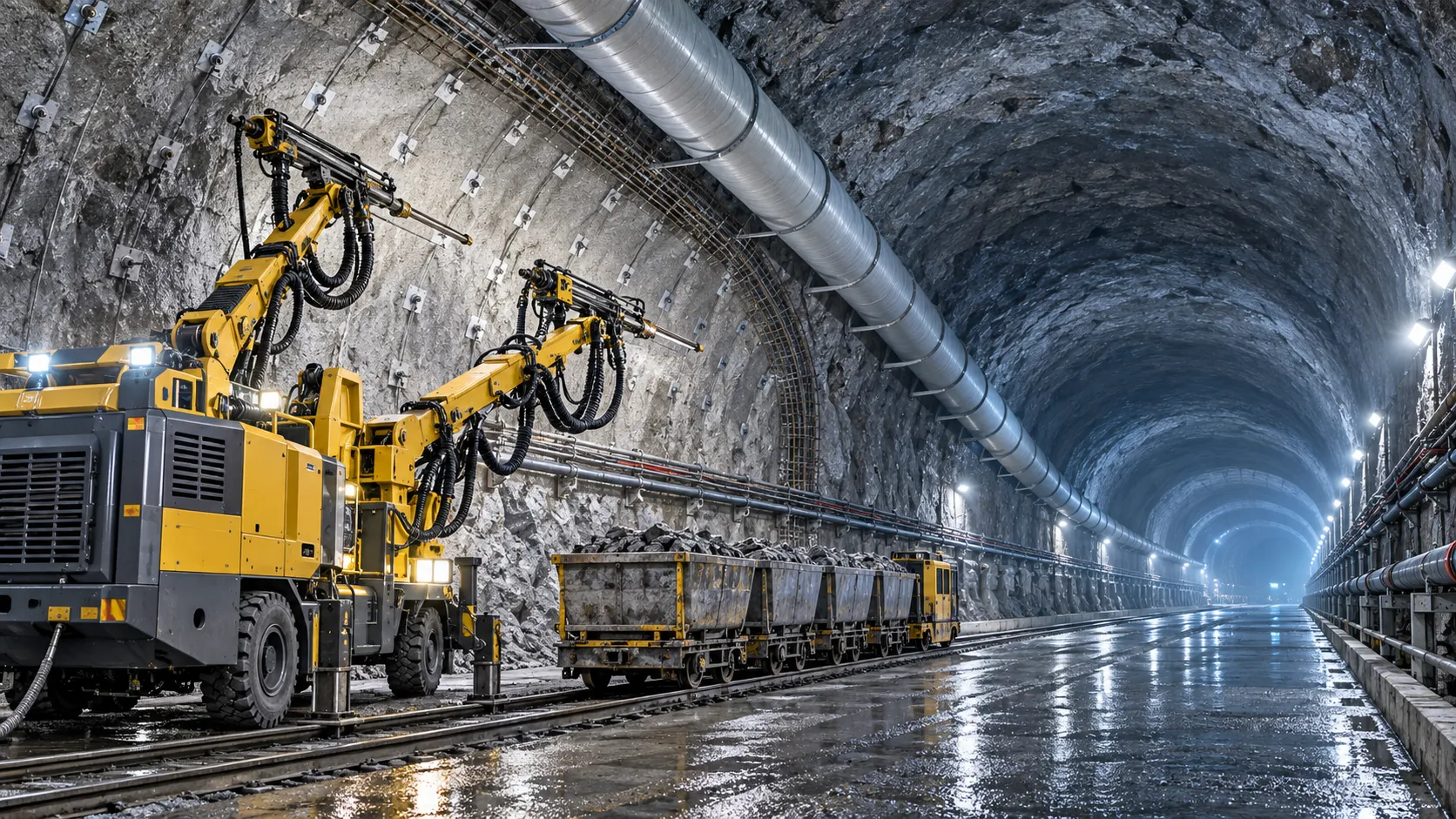
How to Evaluate European Drill-and-Blast Tunnelling Contractors for Complex Projects
Drill and blast tunnelling contractors Europe: learn how to assess geology expertise, blast control, equipment reliability, safety, and programme resilience for complex projects.
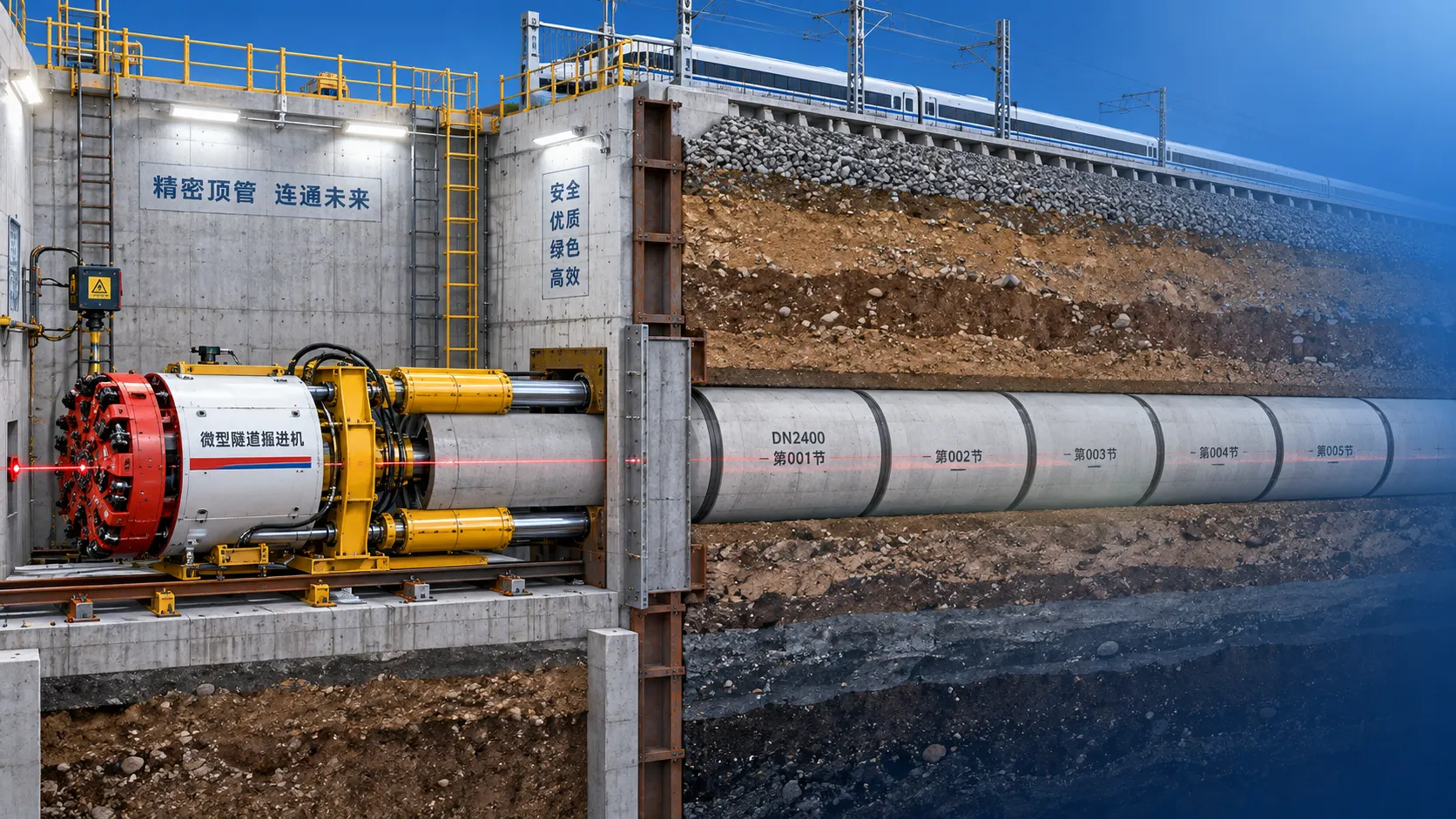
Which Trenchless Construction Technique Fits Your Utility Crossing Conditions?
Trenchless construction techniques compared for utility crossings: choose HDD, microtunnelling, pipe jacking, or auger boring based on ground, accuracy, access, and risk.
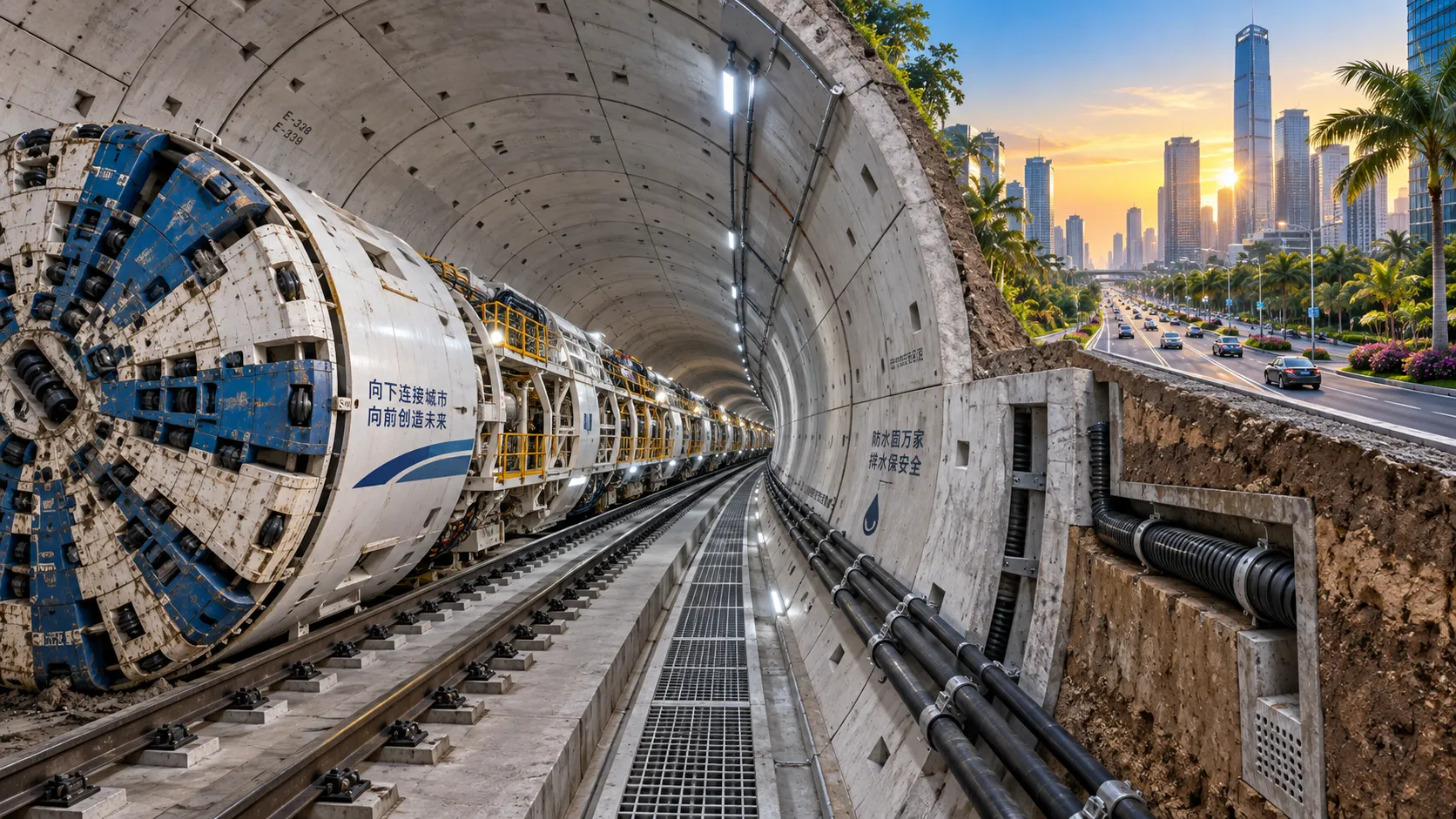
What Is Driving Metro Tunnelling Demand Across Southeast Asia’s Major Cities?
Metro tunnelling Southeast Asia is accelerating as major cities tackle congestion, flooding, and connectivity. Explore the market forces, technical risks, and opportunities shaping demand.
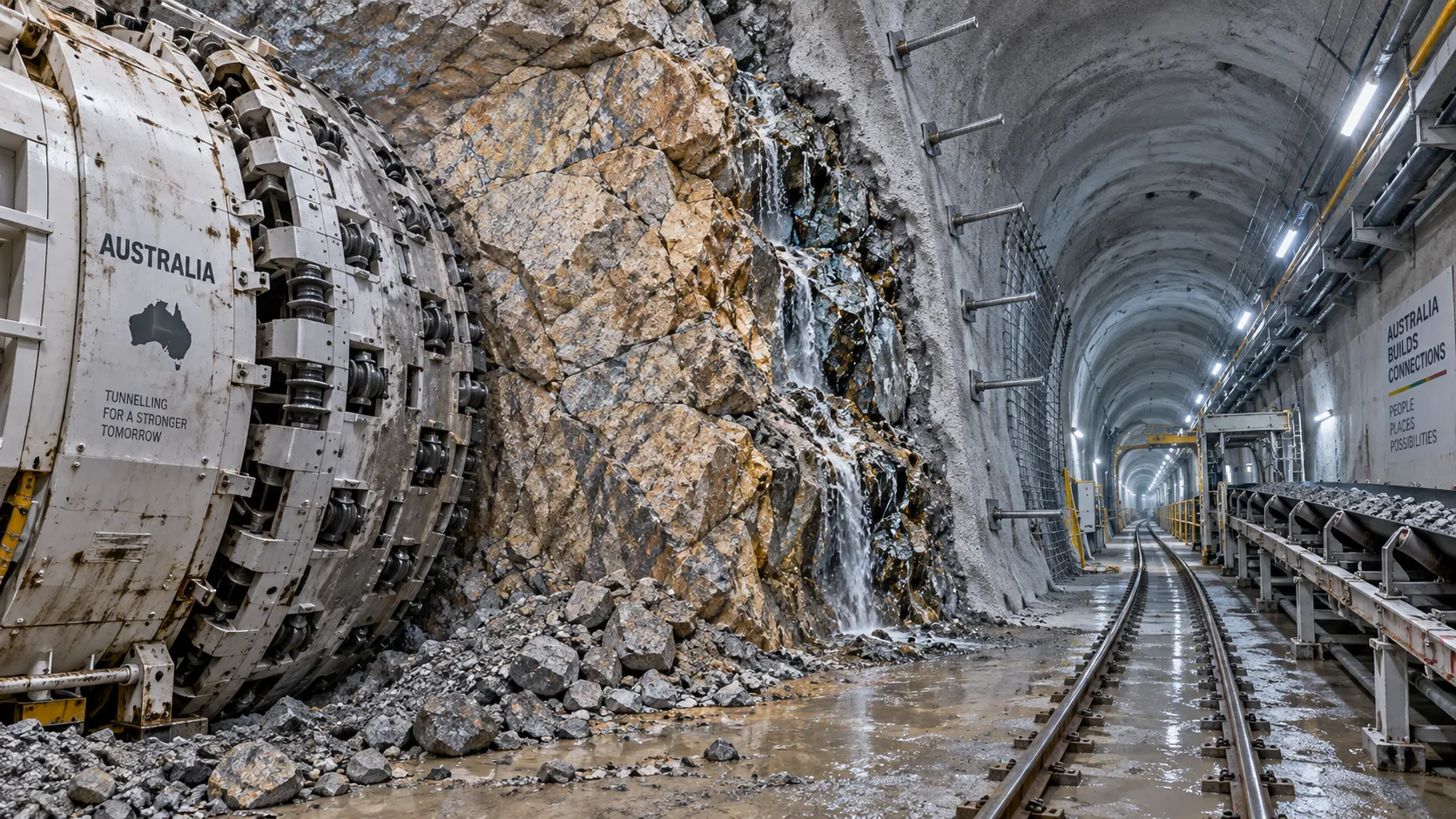
Hard Rock Tunnelling in Australia: Selecting Methods for Variable Ground Conditions
Hard rock tunnelling in Australia: compare TBM, drill-and-blast and hybrid methods to manage variable ground, reduce risk and protect project costs.
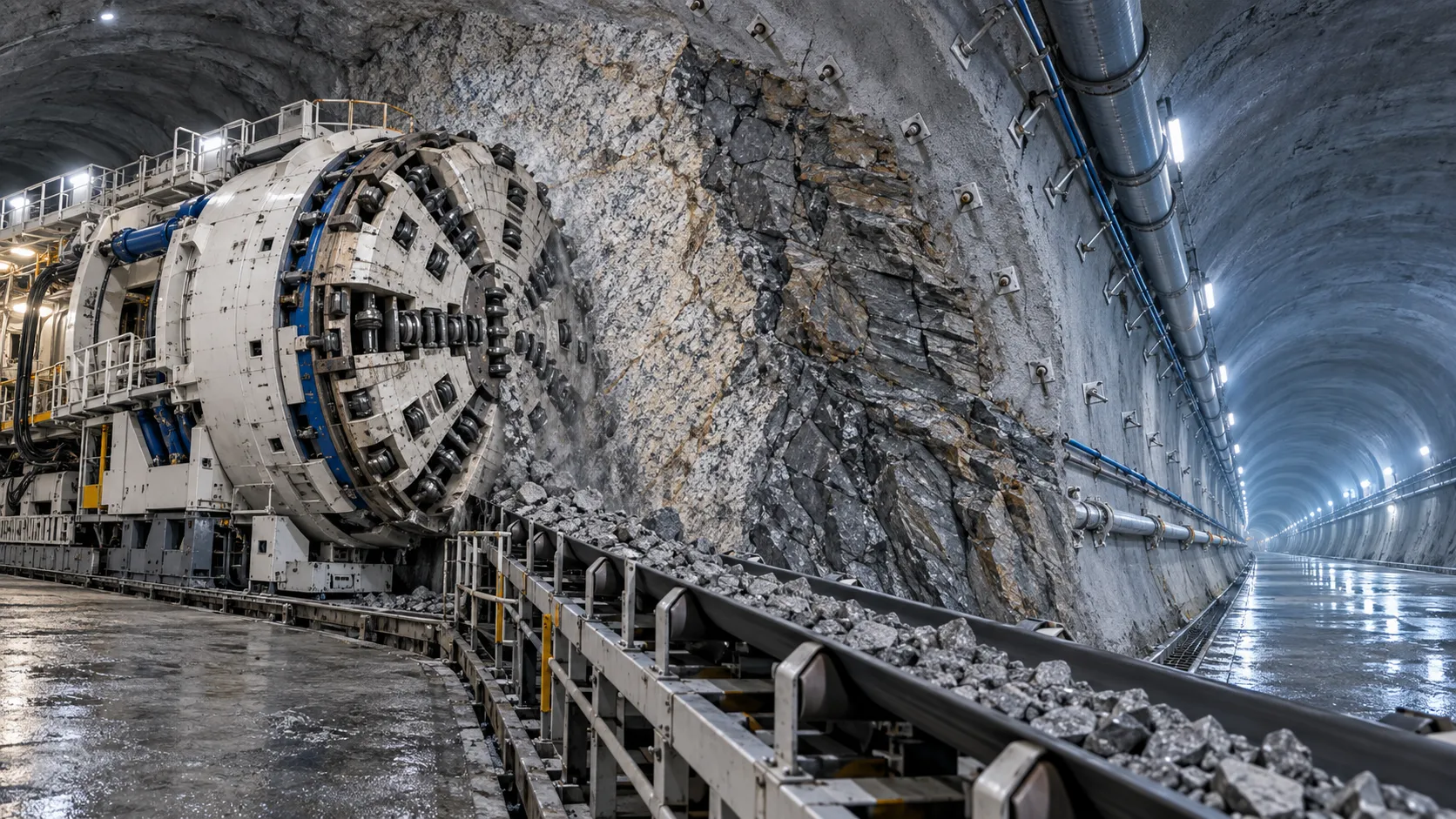
Hydropower Tunnel Excavation: Selecting Methods for Variable Rock Conditions
Hydropower tunnel excavation methods for variable rock conditions: compare TBM, drill-and-blast, and hybrid strategies to improve safety, progress, and project control.
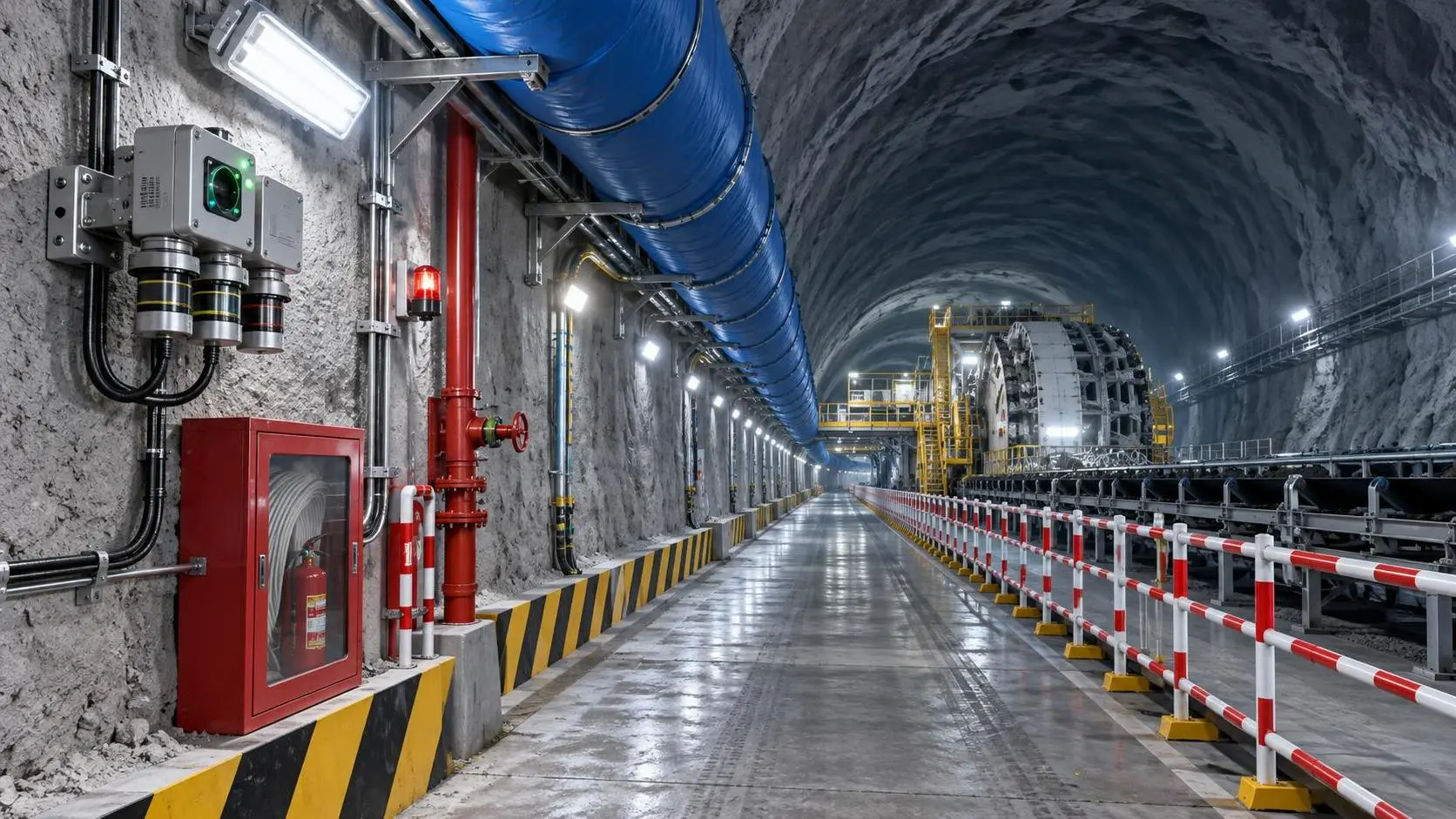
How to Select Underground Safety Equipment for Tunnelling by Hazard and Work Zone
Underground Safety Equipment for tunnelling: match protection to hazards, work zones, compliance, and emergency needs with this practical selection guide.
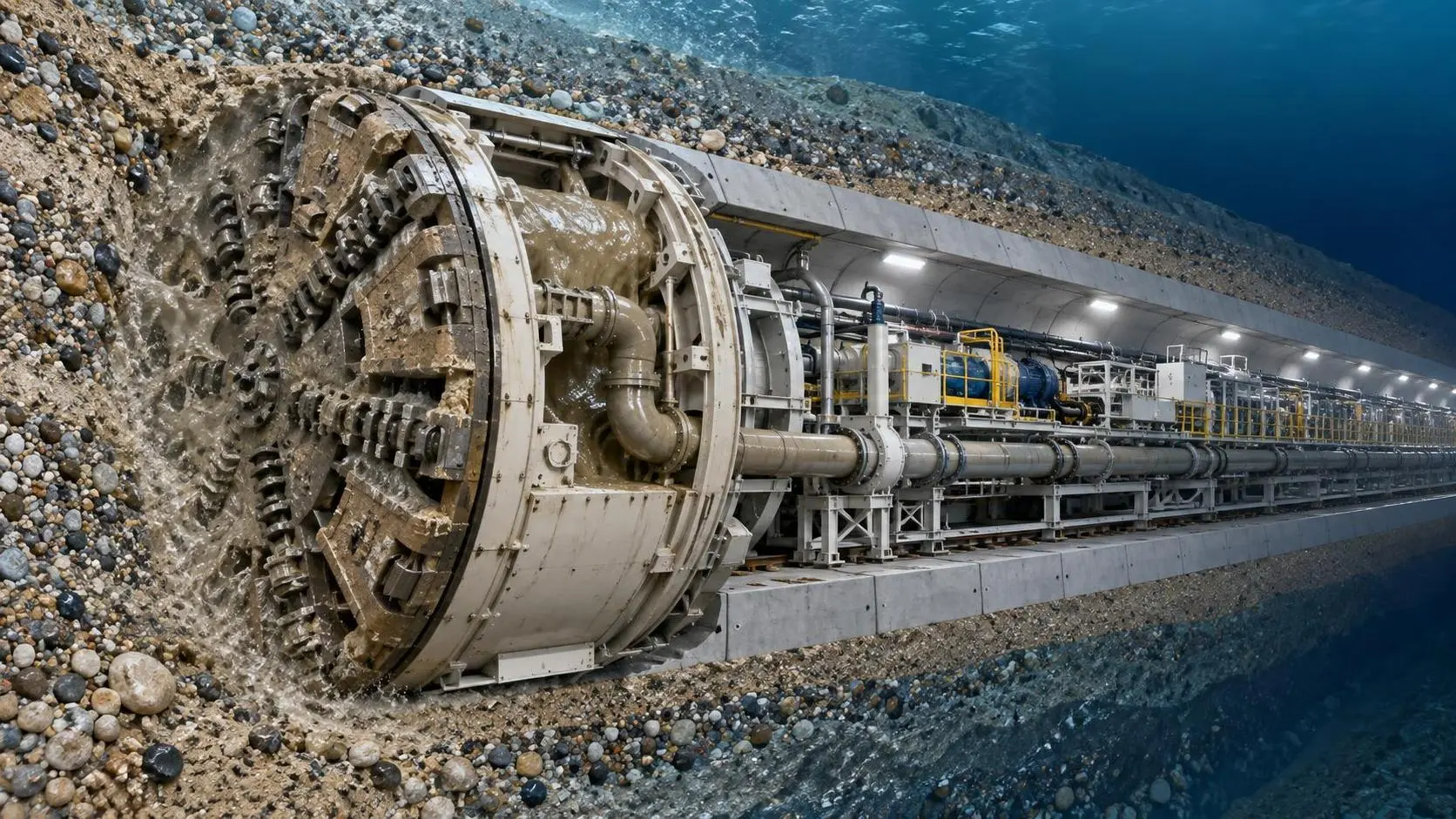
EPB or Slurry Shield? Selecting Soft-Ground Tunnelling Equipment by Soil Conditions
Tunnel Excavation Equipment for soft ground: compare EPB and slurry shields by soil, groundwater, settlement risk, and project logistics to choose confidently.
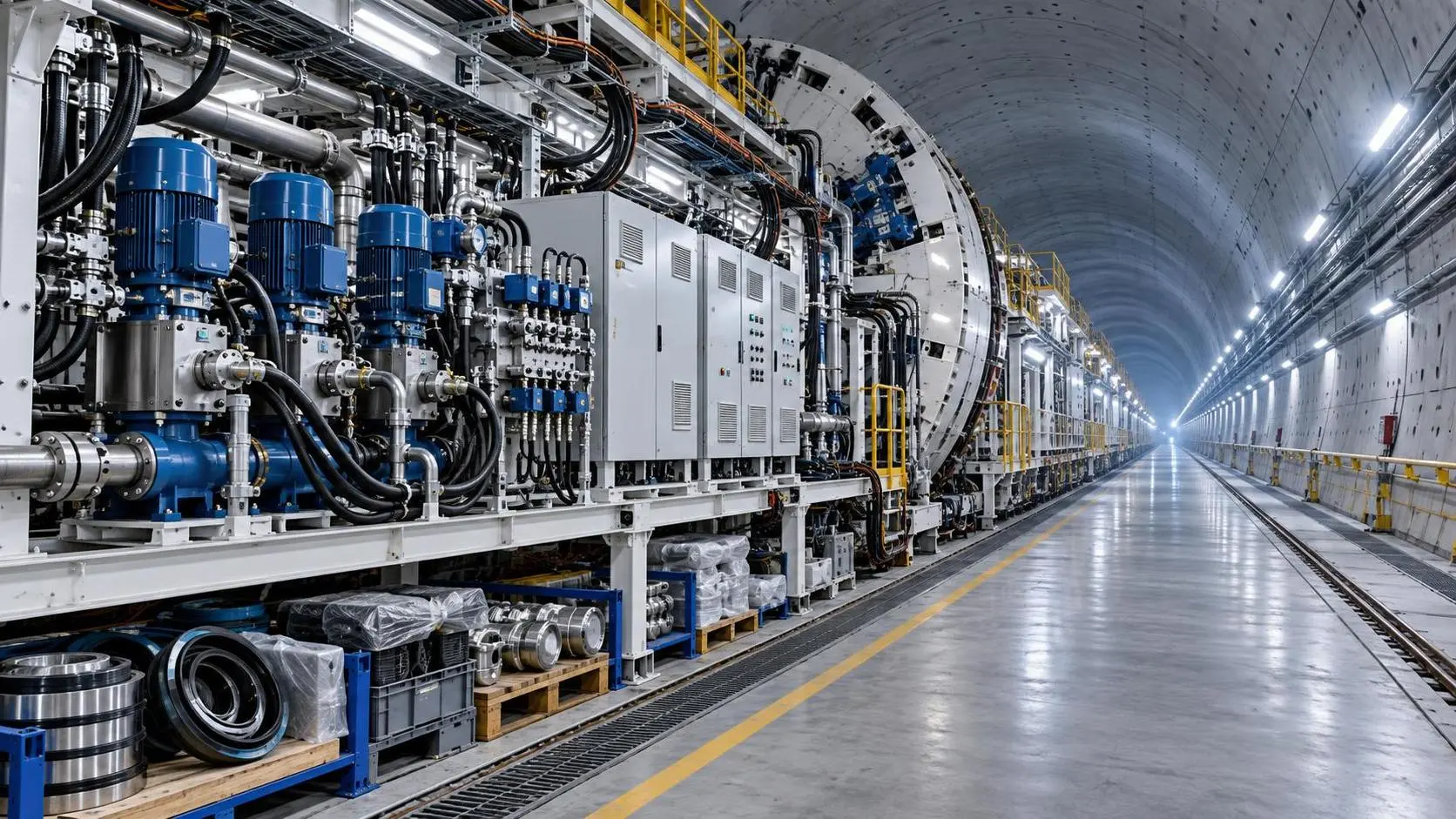
How to Specify TBM Backup System Parts for Reliable Long-Distance Tunnelling
TBM backup system parts: learn how to specify reliable spares for long-distance tunnelling, reduce downtime, ensure compatibility, and speed underground recovery.

How to Size Open Pit Mining Trucks for Haul Distance, Grade, and Payload?
Open Pit Mining Trucks: learn how to match payload, haul distance, grade, road resistance, and loading capacity for safer, lower-cost mine operations.
Related News
- 00
0000-00
How to Evaluate European Drill-and-Blast Tunnelling Contractors for Complex Projects - 00
0000-00
Which Trenchless Construction Technique Fits Your Utility Crossing Conditions? - 00
0000-00
What Is Driving Metro Tunnelling Demand Across Southeast Asia’s Major Cities? - 00
0000-00
Hard Rock Tunnelling in Australia: Selecting Methods for Variable Ground Conditions - 00
0000-00
Hydropower Tunnel Excavation: Selecting Methods for Variable Rock Conditions
Weekly Insights
Stay ahead with our curated technology reports delivered every Monday.