
Zhite New Materials' Hydraulic Climbing Formwork for Gate Shafts Debuts at Linzhi Construction Expo





On May 28, 2026, Zhite New Materials unveiled its independently developed hydraulic climbing formwork system for gate shafts at the Tibet Linzhi Construction Expo — a key platform for advanced infrastructure technologies in high-altitude and geotechnically challenging environments. The launch signals growing international recognition of China-developed intelligent formwork solutions for deep vertical shaft construction, particularly where stringent safety, precision, and automation requirements apply.
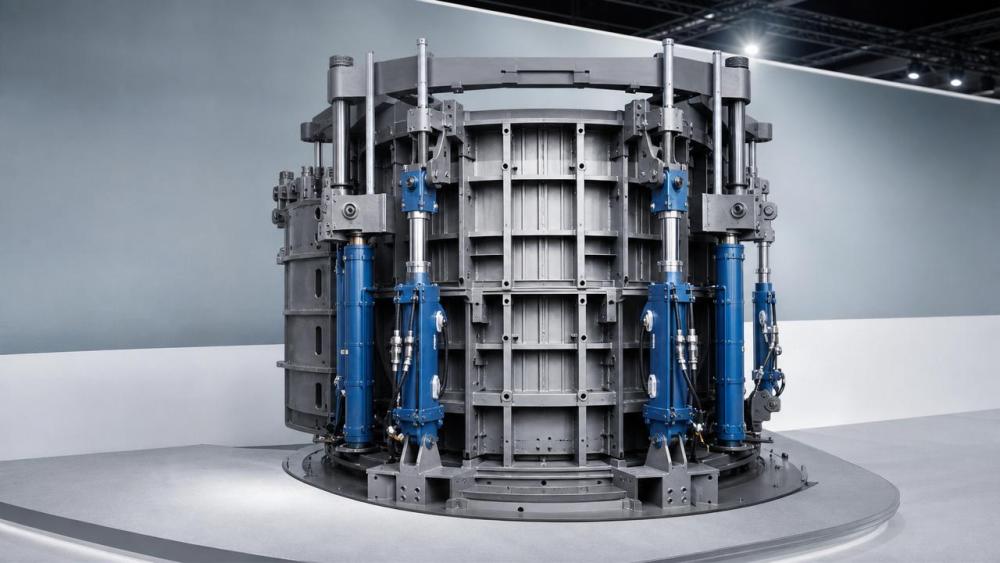
Event Highlights: Global-Ready Shaft Formwork on Display
From May 28 to 30, 2026, Zhite New Materials exhibited its hydraulic climbing formwork system for gate shafts at the Linzhi Construction Expo in Tibet. Designed specifically for automated, self-climbing construction of deep underground vertical shafts, the system has already been deployed in globally recognized infrastructure projects — including Singapore’s Deep Tunnel Sewerage System (DTSS) Phase II. Under complex geological conditions and at a burial depth of 35 meters, it achieves millimeter-level concrete forming accuracy and eliminates manual formwork removal. The system supports multiple shaft diameters and offers high turnover efficiency, and complies with ISO 12100 for machinery safety.
Supply Chain Implications Across Key Roles
Export-Oriented Construction Equipment Suppliers
Suppliers engaged in cross-border sales of formwork systems must now assess whether their current product portfolios meet internationally referenced mechanical safety standards such as ISO 12100 — especially when targeting markets with rigorous procurement rules (e.g., Singapore, EU, or World Bank–funded infrastructure). Certification alignment may influence bid eligibility and technical evaluation scores.
Raw Material and Component Procurement Firms
Firms sourcing structural steel, hydraulic actuators, or control-system components for climbing formwork should anticipate increased demand for traceable, certified materials — particularly those supporting fatigue resistance and long-term performance under high-cycle loading. Compliance documentation (e.g., material test reports, weld procedure qualifications) may become mandatory in tender submissions.
Engineering Contractors and Formwork Manufacturers
Contractors executing deep-shaft works — especially in seismically active or high-altitude regions — face tighter technical specification requirements. Adoption of fully automated, zero-manual-demolding systems implies shifts in labor planning, site logistics, and QA/QC protocols. Manufacturers must verify that design validation includes real-world service conditions — not just static load testing.
Logistics and Technical Support Service Providers
Service providers offering commissioning, operator training, or lifecycle maintenance for climbing formwork must align with ISO 12100’s risk assessment framework. This includes documenting hazard identification, safeguarding measures, and emergency stop functionality — all increasingly scrutinized during pre-bid technical audits.
Strategic Priorities for Enterprises
Verify ISO 12100 Conformity Documentation
Enterprises evaluating or specifying this formwork type must request full conformity evidence — including risk assessment reports, safety-related control system architecture diagrams, and third-party verification certificates — rather than relying solely on manufacturer declarations.
Assess Multi-Size Adaptability Against Project Specifications
Procurement teams should cross-check the claimed multi-diameter adaptability against actual project shaft geometry, interface tolerances, and lifting capacity margins — especially where non-standard diameters or irregular transitions are involved.
Review Turnover Rate Claims in Context of Site Constraints
While high formwork turnover is cited as an advantage, enterprises must validate cycle-time assumptions against local labor availability, crane scheduling, and weather-related downtime — particularly in high-altitude locations like Linzhi, where atmospheric pressure and temperature fluctuations affect hydraulic response times.
Confirm International Deployment Track Record
Given successful application in Singapore’s DTSS, buyers should request project-specific performance data — including dimensional stability records, maintenance logs, and incident-free operational duration — to inform reliability assessments and warranty negotiations.
Industry Observation: Automation Standards Are Becoming Procurement Gateways
Analysis shows that mechanical safety standards such as ISO 12100 are no longer merely compliance checkboxes — they are evolving into de facto technical thresholds for market access in major infrastructure tenders. Observably, international clients increasingly treat documented risk assessment and functional safety integration as prerequisites for shortlisting, especially in automated construction equipment categories. What deserves closer attention is how regional adaptation — e.g., performance validation under low-oxygen, high-UV, or freeze-thaw conditions — may soon be codified into supplementary certification requirements beyond core ISO norms.
Conclusion: A Milestone in Intelligent Shaft Construction
This debut reflects more than a product launch — it marks a maturing capability in intelligent, safety-certified formwork engineering for extreme civil works. Its proven performance in demanding global projects underscores a shift toward outcome-based specifications, where precision, automation, and verifiable safety converge as non-negotiable benchmarks — not differentiators.
Source Attribution
This article was generated based on the provided title, event date (2026-05-28), and event summary. Typical authoritative sources for such developments include national construction expos’ official bulletins, ISO certification databases, project completion reports from agencies like PUB Singapore, and technical proceedings from international tunneling associations. Specific official source links were not provided in the input and should be verified continuously. Ongoing monitoring is recommended for updates on tender specifications referencing ISO 12100 in shaft construction, regional adaptations of mechanical safety requirements, and field performance feedback from high-altitude deployments.
Related News
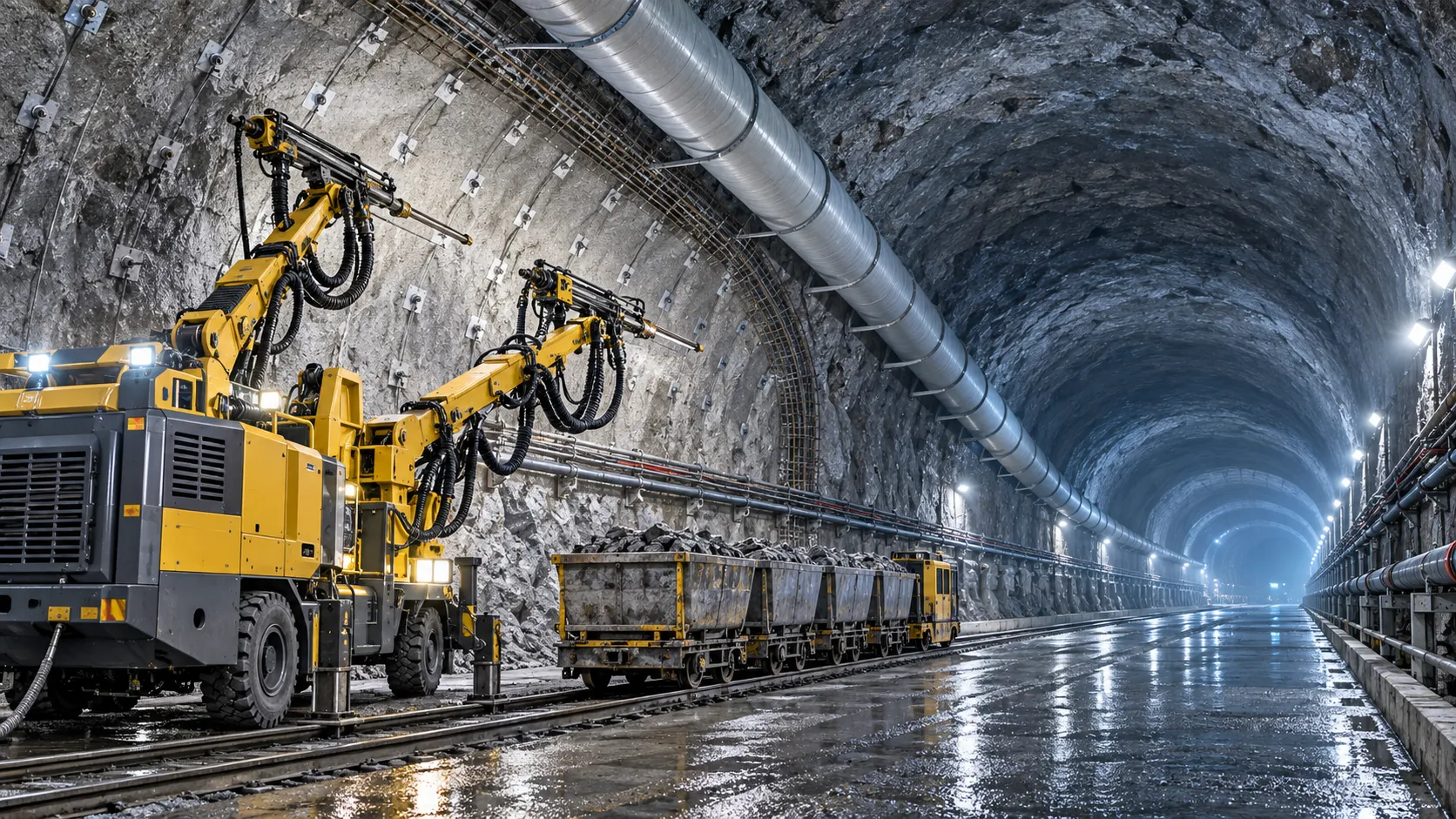
How to Evaluate European Drill-and-Blast Tunnelling Contractors for Complex Projects
Drill and blast tunnelling contractors Europe: learn how to assess geology expertise, blast control, equipment reliability, safety, and programme resilience for complex projects.
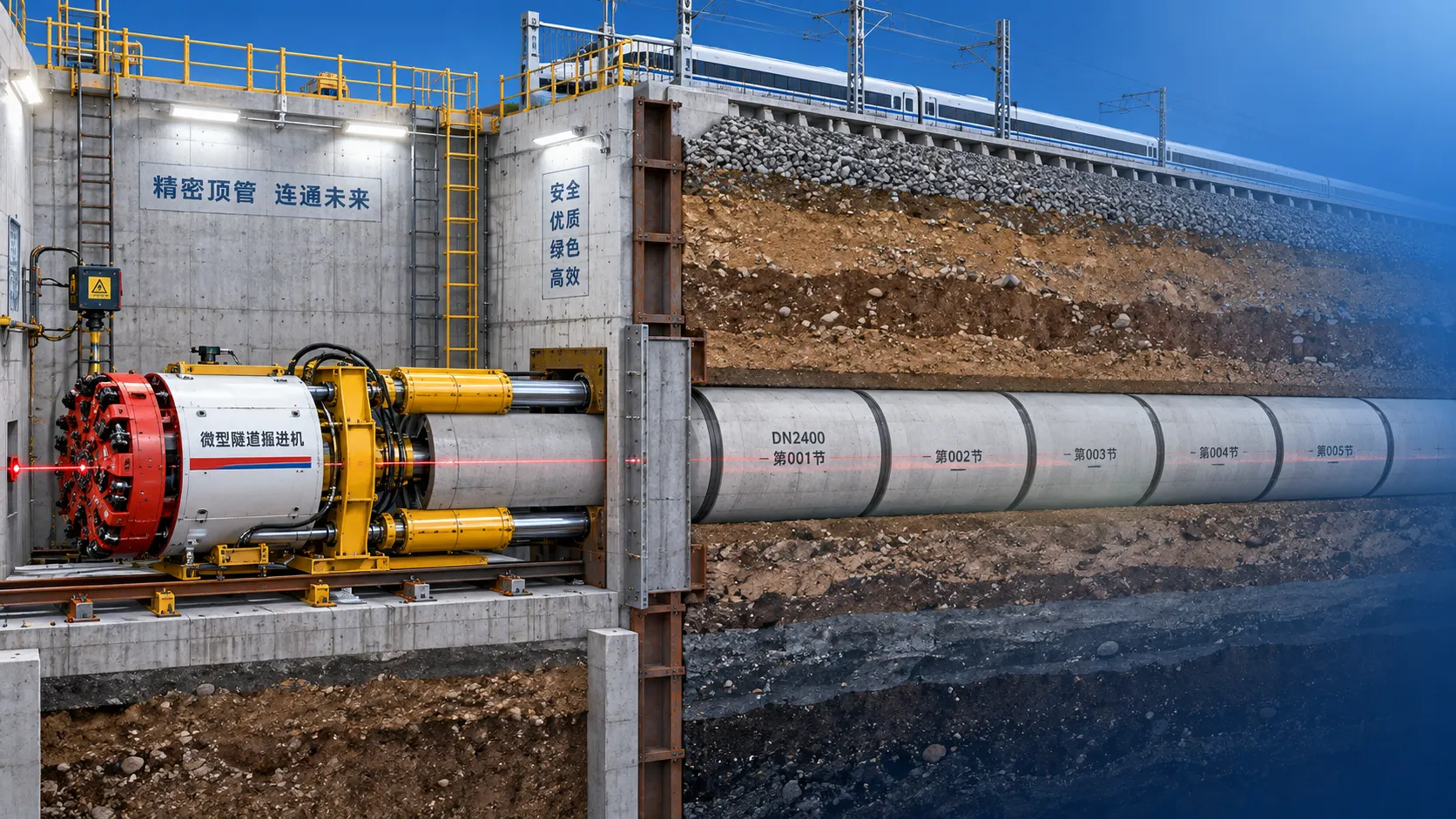
Which Trenchless Construction Technique Fits Your Utility Crossing Conditions?
Trenchless construction techniques compared for utility crossings: choose HDD, microtunnelling, pipe jacking, or auger boring based on ground, accuracy, access, and risk.
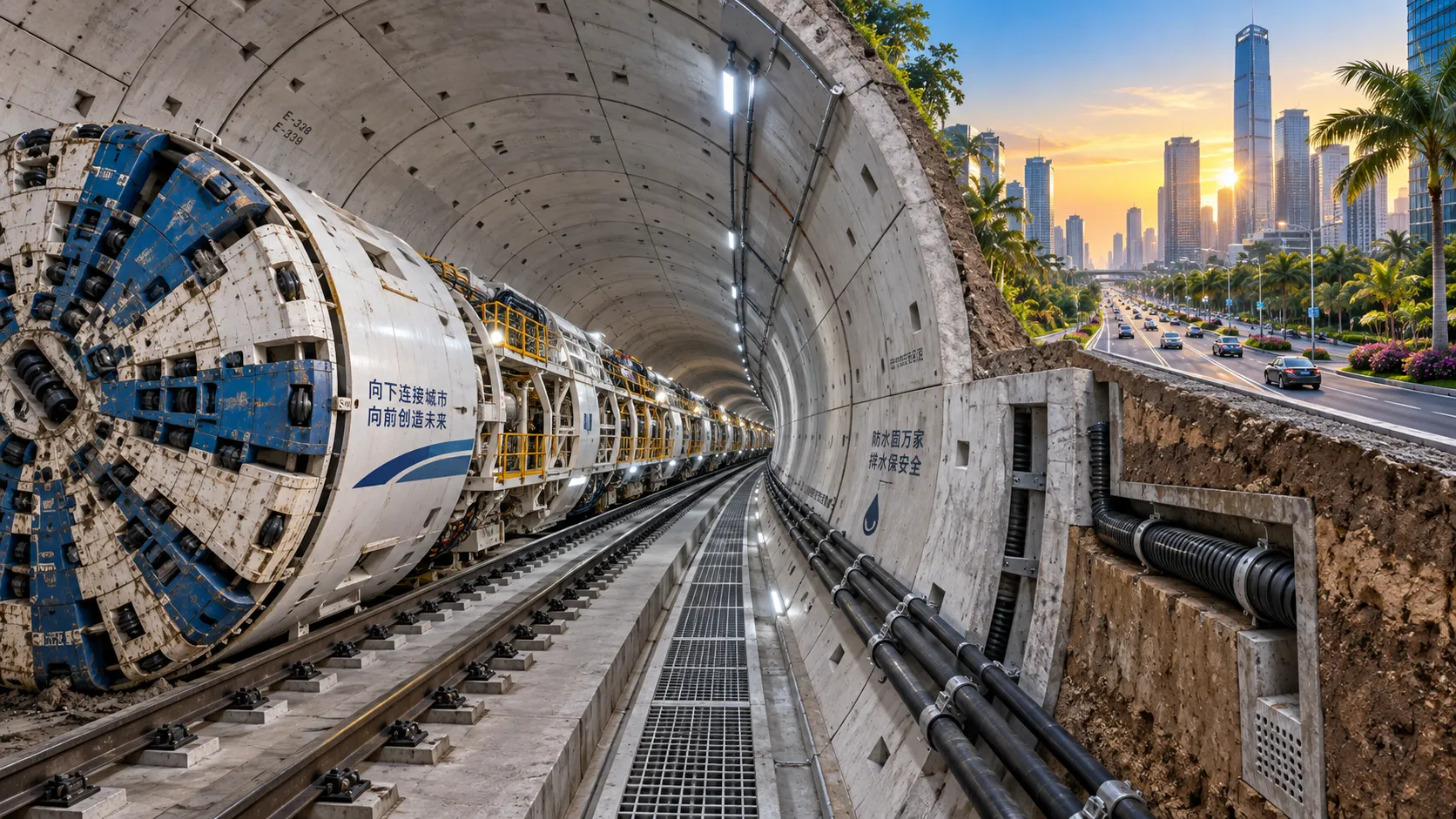
What Is Driving Metro Tunnelling Demand Across Southeast Asia’s Major Cities?
Metro tunnelling Southeast Asia is accelerating as major cities tackle congestion, flooding, and connectivity. Explore the market forces, technical risks, and opportunities shaping demand.
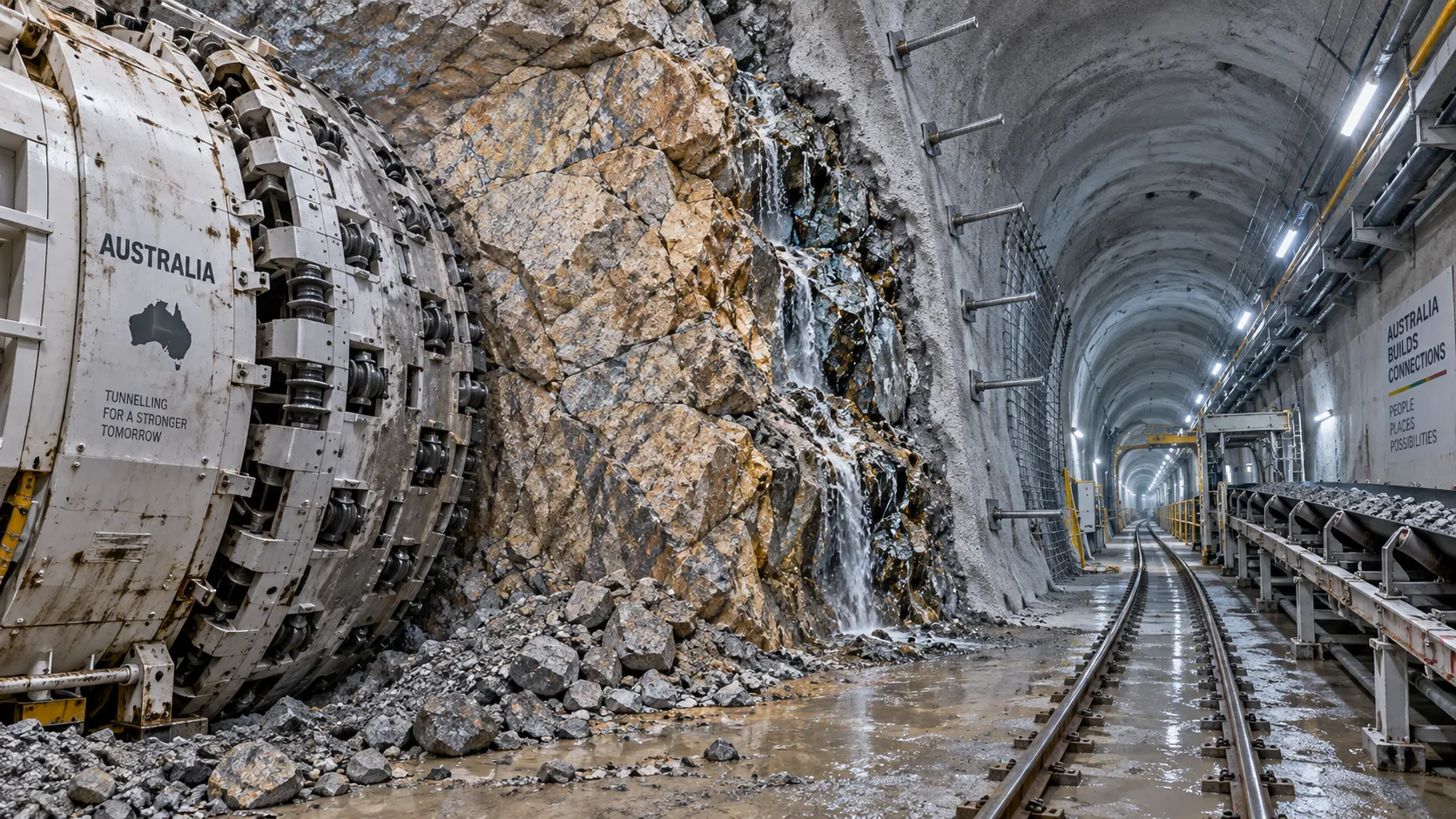
Hard Rock Tunnelling in Australia: Selecting Methods for Variable Ground Conditions
Hard rock tunnelling in Australia: compare TBM, drill-and-blast and hybrid methods to manage variable ground, reduce risk and protect project costs.
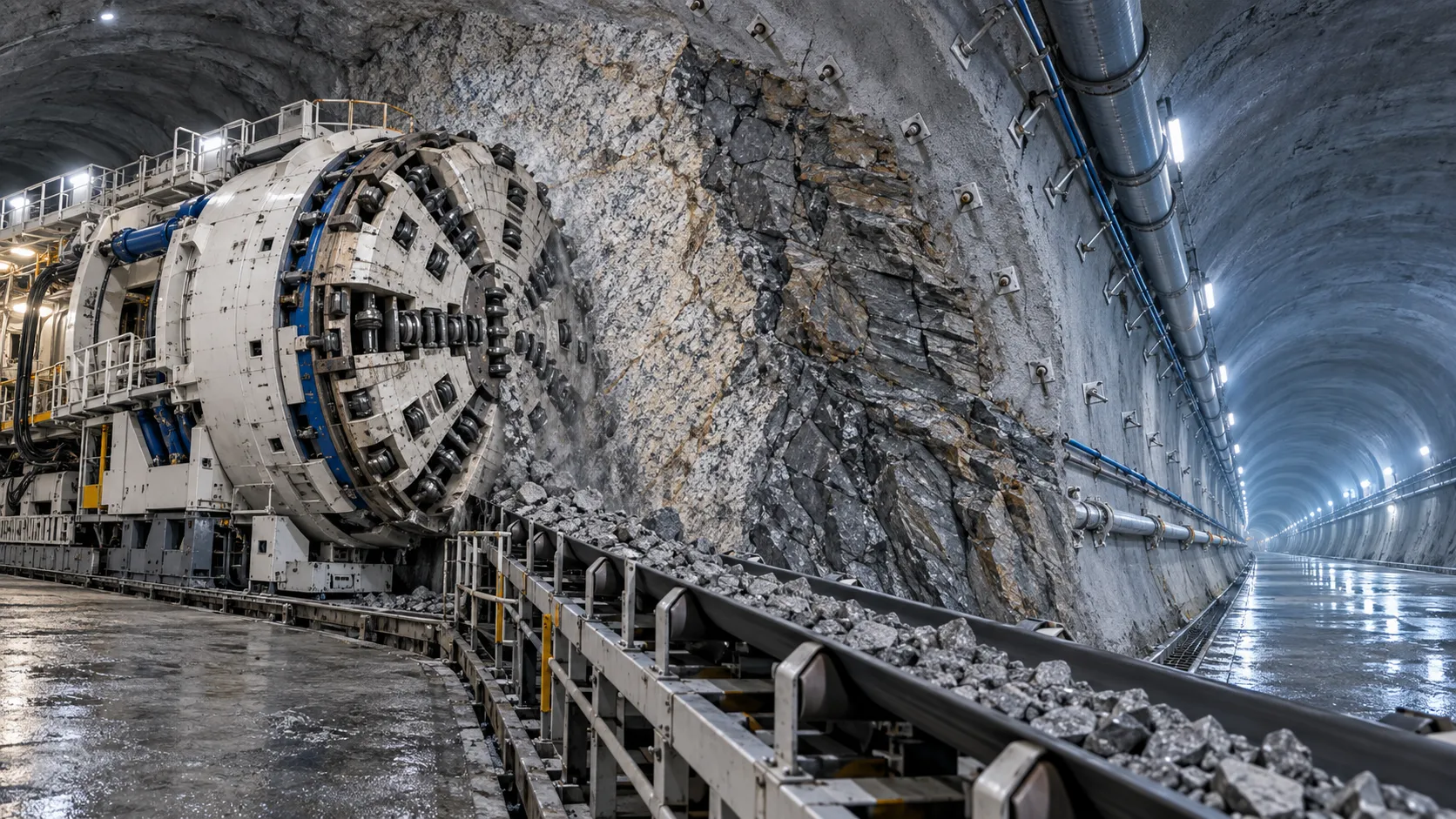
Hydropower Tunnel Excavation: Selecting Methods for Variable Rock Conditions
Hydropower tunnel excavation methods for variable rock conditions: compare TBM, drill-and-blast, and hybrid strategies to improve safety, progress, and project control.
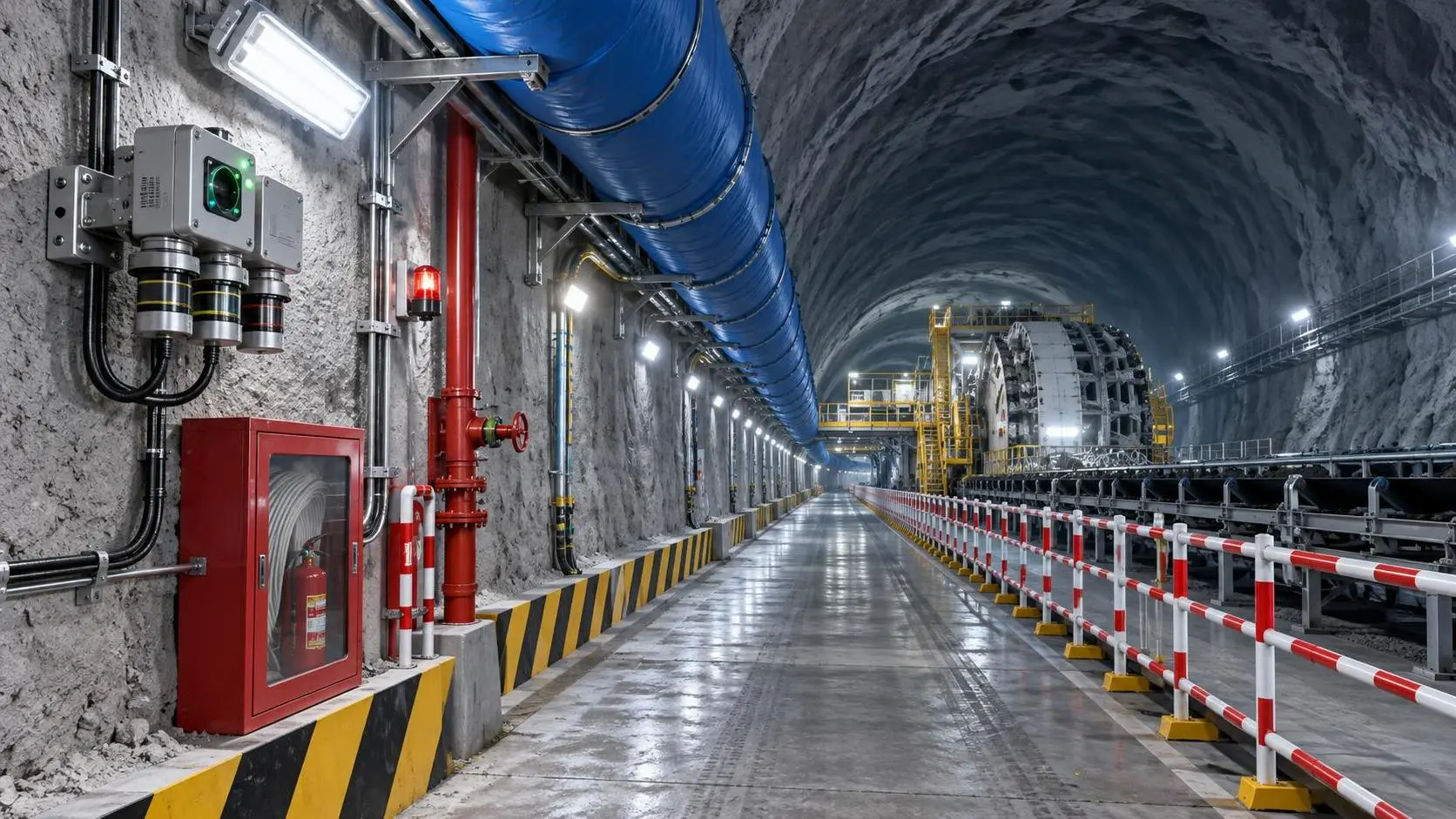
How to Select Underground Safety Equipment for Tunnelling by Hazard and Work Zone
Underground Safety Equipment for tunnelling: match protection to hazards, work zones, compliance, and emergency needs with this practical selection guide.
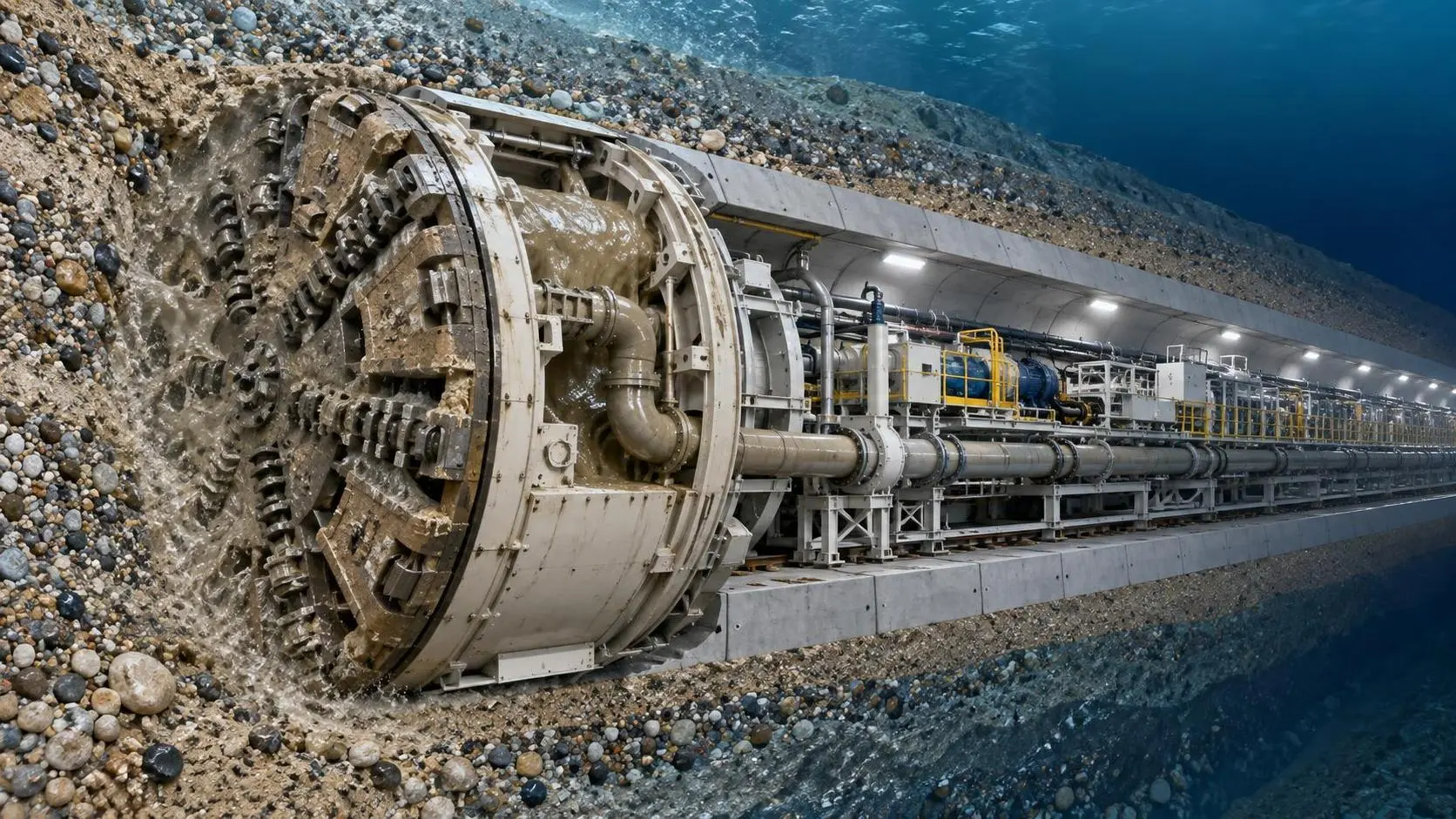
EPB or Slurry Shield? Selecting Soft-Ground Tunnelling Equipment by Soil Conditions
Tunnel Excavation Equipment for soft ground: compare EPB and slurry shields by soil, groundwater, settlement risk, and project logistics to choose confidently.
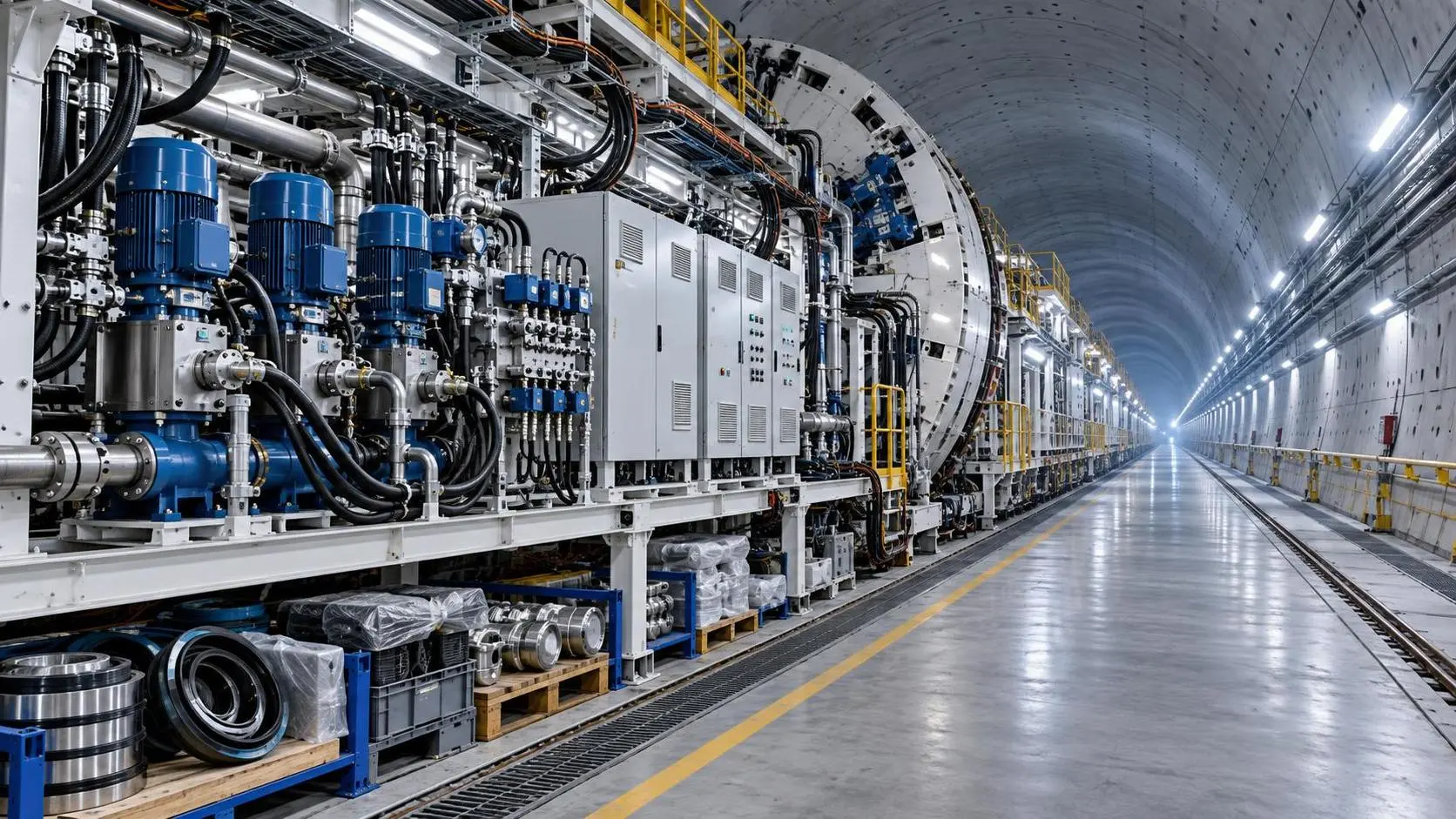
How to Specify TBM Backup System Parts for Reliable Long-Distance Tunnelling
TBM backup system parts: learn how to specify reliable spares for long-distance tunnelling, reduce downtime, ensure compatibility, and speed underground recovery.
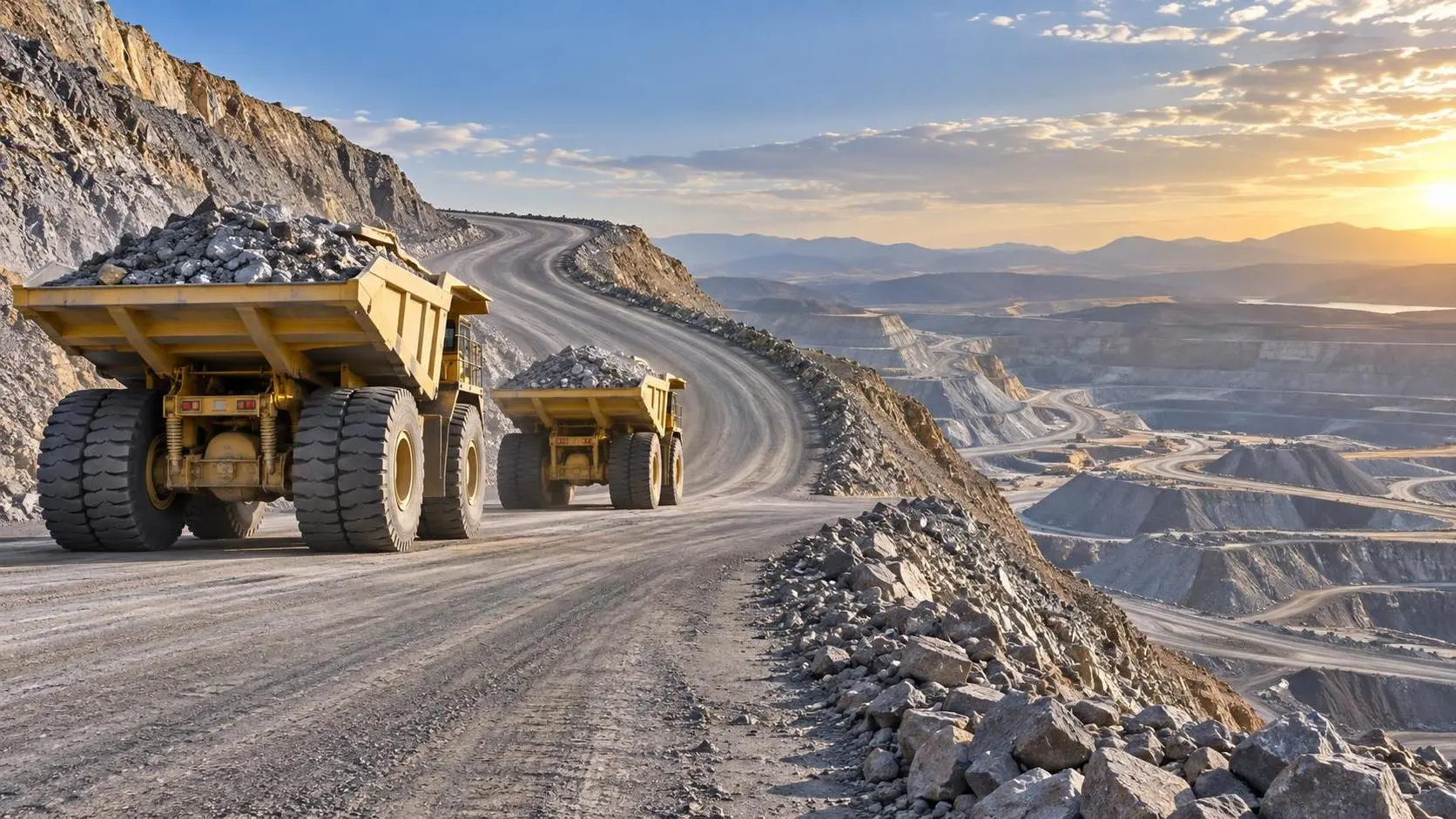
How to Size Open Pit Mining Trucks for Haul Distance, Grade, and Payload?
Open Pit Mining Trucks: learn how to match payload, haul distance, grade, road resistance, and loading capacity for safer, lower-cost mine operations.
Related News
- 00
0000-00
How to Evaluate European Drill-and-Blast Tunnelling Contractors for Complex Projects - 00
0000-00
Which Trenchless Construction Technique Fits Your Utility Crossing Conditions? - 00
0000-00
What Is Driving Metro Tunnelling Demand Across Southeast Asia’s Major Cities? - 00
0000-00
Hard Rock Tunnelling in Australia: Selecting Methods for Variable Ground Conditions - 00
0000-00
Hydropower Tunnel Excavation: Selecting Methods for Variable Rock Conditions
Weekly Insights
Stay ahead with our curated technology reports delivered every Monday.