
CRCC Heavy Industry Exports 12 Hard Rock TBMs to Italy





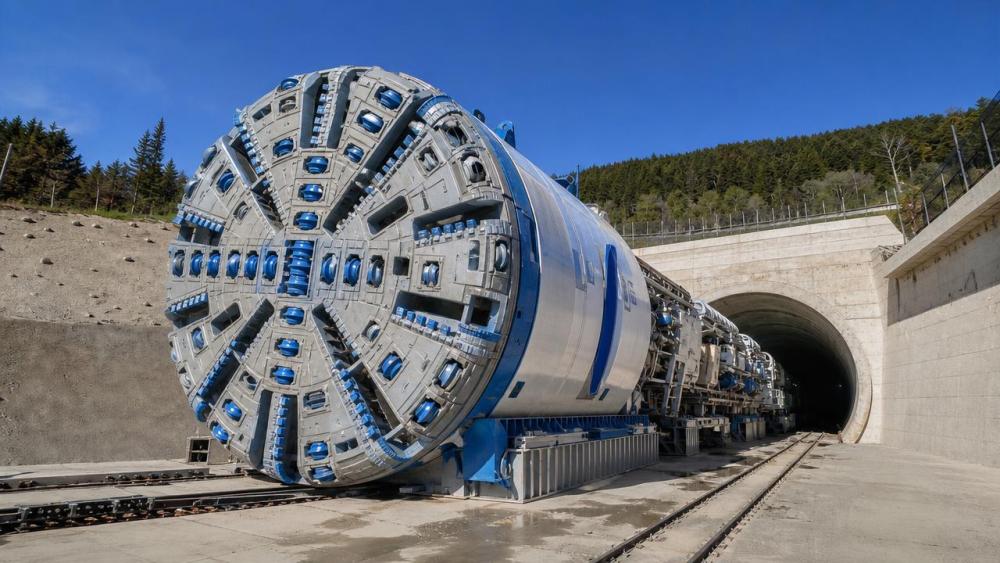
As of March 2026, CRCC Heavy Industry has exported 12 large-diameter hard rock tunnel boring machines (TBMs) to Italy — marking the first full-scale entry of Chinese-made, EU-compliant full-face rock TBMs into Europe’s high-barrier infrastructure market. This development is especially relevant for manufacturers of underground construction equipment, international engineering contractors, export compliance service providers, and suppliers engaged in CE-certified heavy machinery supply chains.
Event Overview
By March 31, 2026, CRCC Heavy Industry had delivered a total of 12 hard rock TBMs to Italy. The most recent two units — each with a diameter of 9.68 meters — are destined for the Fortezza railway tunnel project. Each machine is designed for a single-drive excavation length of 12.75 kilometers. All units have passed CE marking certification and comply with the EU standard EN 45001 for environmental and occupational safety management in construction operations.
Industries Affected by This Development
Direct Exporters of Tunneling Equipment
Why affected: EU infrastructure procurement increasingly mandates conformity with EN 45001 and full CE compliance across the entire equipment lifecycle — not just mechanical performance but also energy use, noise emissions, and on-site safety protocols. Impact includes stricter pre-shipment verification requirements, longer lead times for documentation, and higher third-party audit costs.
Suppliers of Critical Subsystems (e.g., cutterheads, propulsion systems, control software)
Why affected: EU projects now require traceability and independent certification of key components — including material sourcing, manufacturing process validation, and embedded software safety assurance. Impact manifests as tighter technical data submission obligations and earlier engagement with EU-notified bodies during design phases.
Engineering Procurement Construction (EPC) Contractors Operating in EU Markets
Why affected: Tender documents for EU-funded rail and metro projects increasingly reference EN 45001 as a mandatory eligibility criterion for TBM suppliers. Impact includes heightened due diligence on equipment vendors’ compliance history and greater scrutiny of operational environmental reporting during contract execution.
Logistics & Certification Support Providers
Why affected: CE marking for complex machinery like TBMs requires coordinated involvement of EU-based authorized representatives, notified body assessments, and multi-language technical documentation. Impact includes rising demand for bilingual (EN/IT/DE) regulatory support and certified translation services aligned with EU Machinery Directive Annexes.
What Relevant Enterprises or Practitioners Should Monitor and Act On
Track official updates from EU national notified bodies and the European Commission’s Machinery Directive implementation guidance
EN 45001 is not a harmonized standard under the EU Machinery Directive, but its adoption in major infrastructure tenders signals de facto alignment expectations. Monitoring formal references to EN 45001 in upcoming EU procurement notices — particularly in Italy, Germany, and Austria — will clarify whether it transitions from ‘preferred’ to ‘required’.
Assess current product documentation packages against EN 45001 Clause 4–10 requirements
Unlike CE conformity for mechanical safety alone, EN 45001 requires documented evidence of environmental impact assessment, worker exposure controls, and continuous improvement processes. Companies should verify whether their existing technical files include auditable records for noise mapping, dust suppression system validation, and energy consumption baselines per drive cycle.
Distinguish between tender-level compliance signals and broader regulatory adoption
This export reflects project-specific client requirements (e.g., Italian state railway operator RFI), not an EU-wide legislative change. Enterprises should avoid overgeneralizing this case as evidence of new regulation — instead treat it as an early indicator of tightening contractual clauses in publicly funded civil works.
Prepare for extended pre-delivery coordination with EU-based authorized representatives
CE certification for TBMs typically involves joint review of risk assessments, type examination reports, and post-installation verification plans. Firms without established EU representative arrangements should initiate engagements at least six months prior to tender submission — especially where EN 45001-related documentation is referenced in technical specifications.
Editorial Perspective / Industry Observation
Observably, this shipment represents a milestone in market access — not regulatory precedent. It demonstrates that Chinese TBM manufacturers can meet stringent, process-oriented EU standards beyond basic mechanical safety. However, analysis shows this remains a project-level achievement rather than evidence of systemic harmonization: no EU legislation currently mandates EN 45001 for tunneling equipment, and its inclusion appears tied to client-specific sustainability commitments within Italy’s National Recovery and Resilience Plan (NRRP). The broader significance lies less in immediate replication and more in validating a pathway for other non-EU manufacturers seeking entry into EU infrastructure contracts with green procurement criteria.
It is more accurately understood as a signal of evolving client expectations — particularly among public-sector infrastructure owners integrating environmental KPIs into equipment procurement — rather than a new compliance threshold. Industry stakeholders should monitor whether similar clauses appear in upcoming tenders across Central and Southern Europe, especially those co-financed by the EU’s Connecting Europe Facility (CEF).
Conclusion
This export confirms that EU infrastructure markets are increasingly evaluating tunnel boring equipment through dual lenses: technical capability and verifiable environmental and operational safety governance. For industry participants, the implication is not that EN 45001 has become mandatory, but that documentation rigor, supply chain transparency, and proactive regulatory alignment are becoming decisive differentiators in competitive bidding — especially for projects funded under EU green transition frameworks. Current interpretation should emphasize readiness for contractual specification evolution, not anticipation of imminent regulatory overhaul.
Information Sources
Main source: Publicly confirmed delivery timeline and technical specifications released by CRCC Heavy Industry (as of March 31, 2026).
Note: Ongoing observation is warranted regarding whether EN 45001 references expand beyond the Fortezza project into other EU member state infrastructure tenders — this remains unconfirmed and subject to future procurement documentation releases.
Related News
How to Evaluate European Drill-and-Blast Tunnelling Contractors for Complex Projects
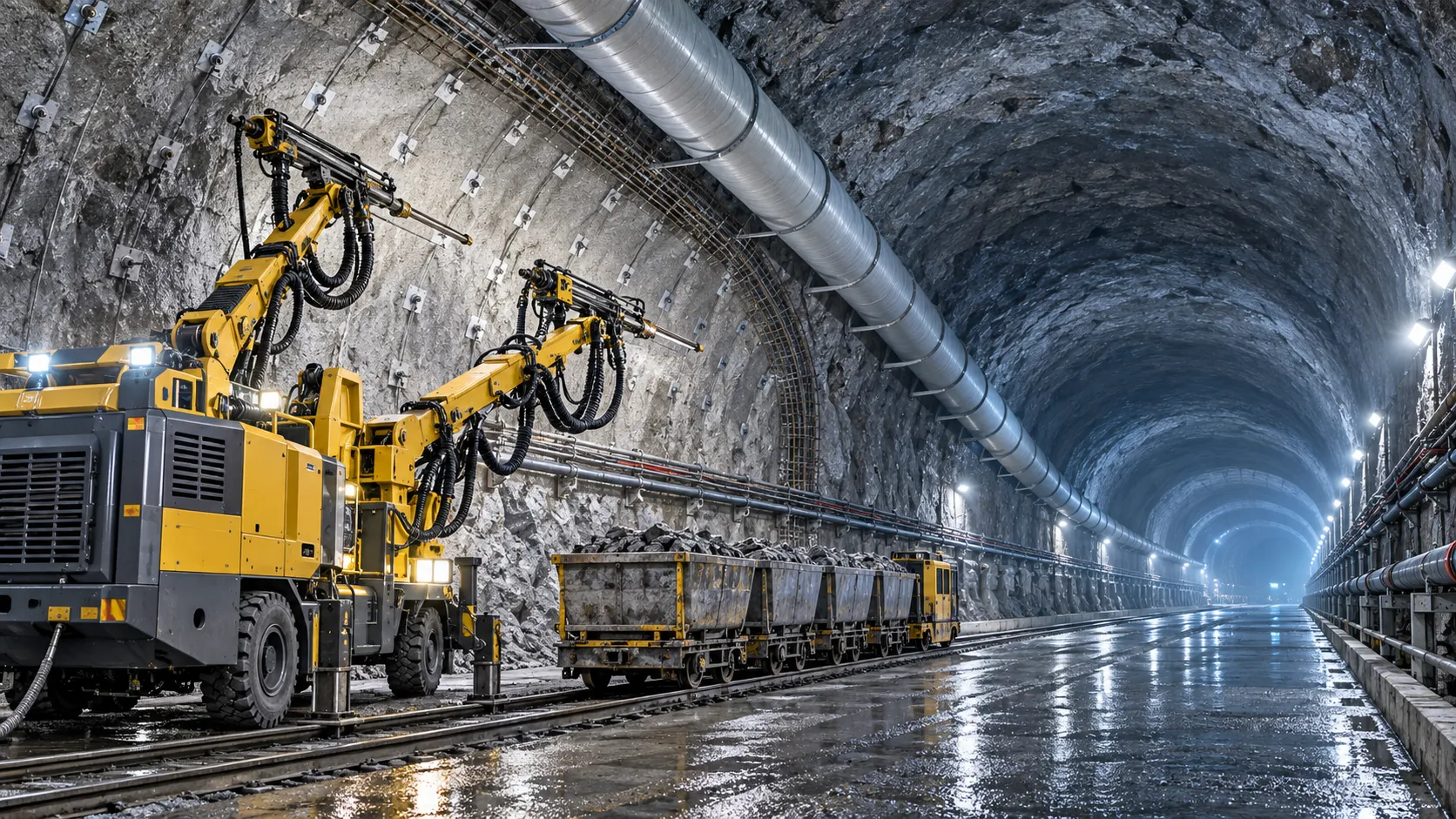
Drill and blast tunnelling contractors Europe: learn how to assess geology expertise, blast control, equipment reliability, safety, and programme resilience for complex projects.
Which Trenchless Construction Technique Fits Your Utility Crossing Conditions?
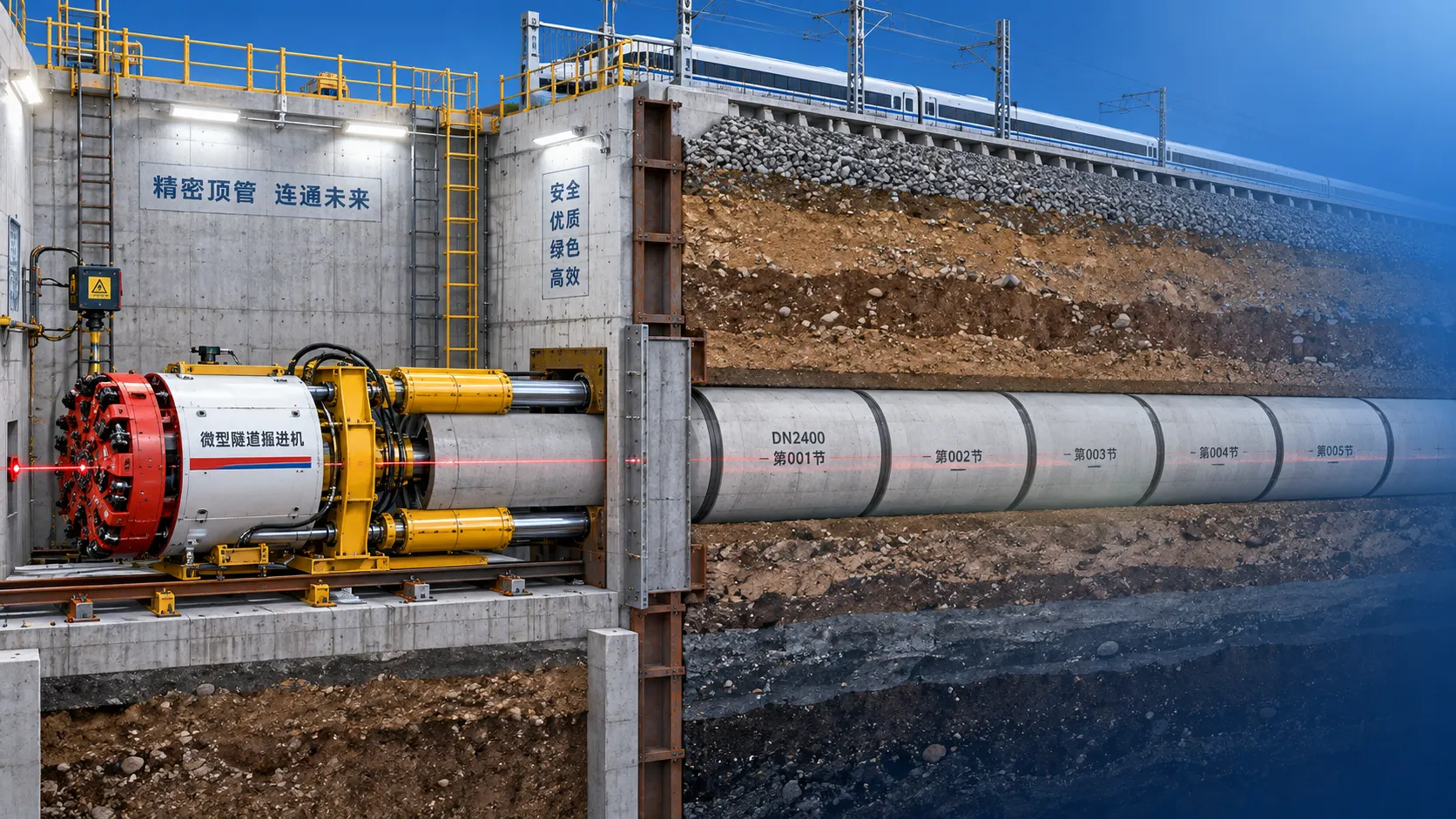
Trenchless construction techniques compared for utility crossings: choose HDD, microtunnelling, pipe jacking, or auger boring based on ground, accuracy, access, and risk.
What Is Driving Metro Tunnelling Demand Across Southeast Asia’s Major Cities?
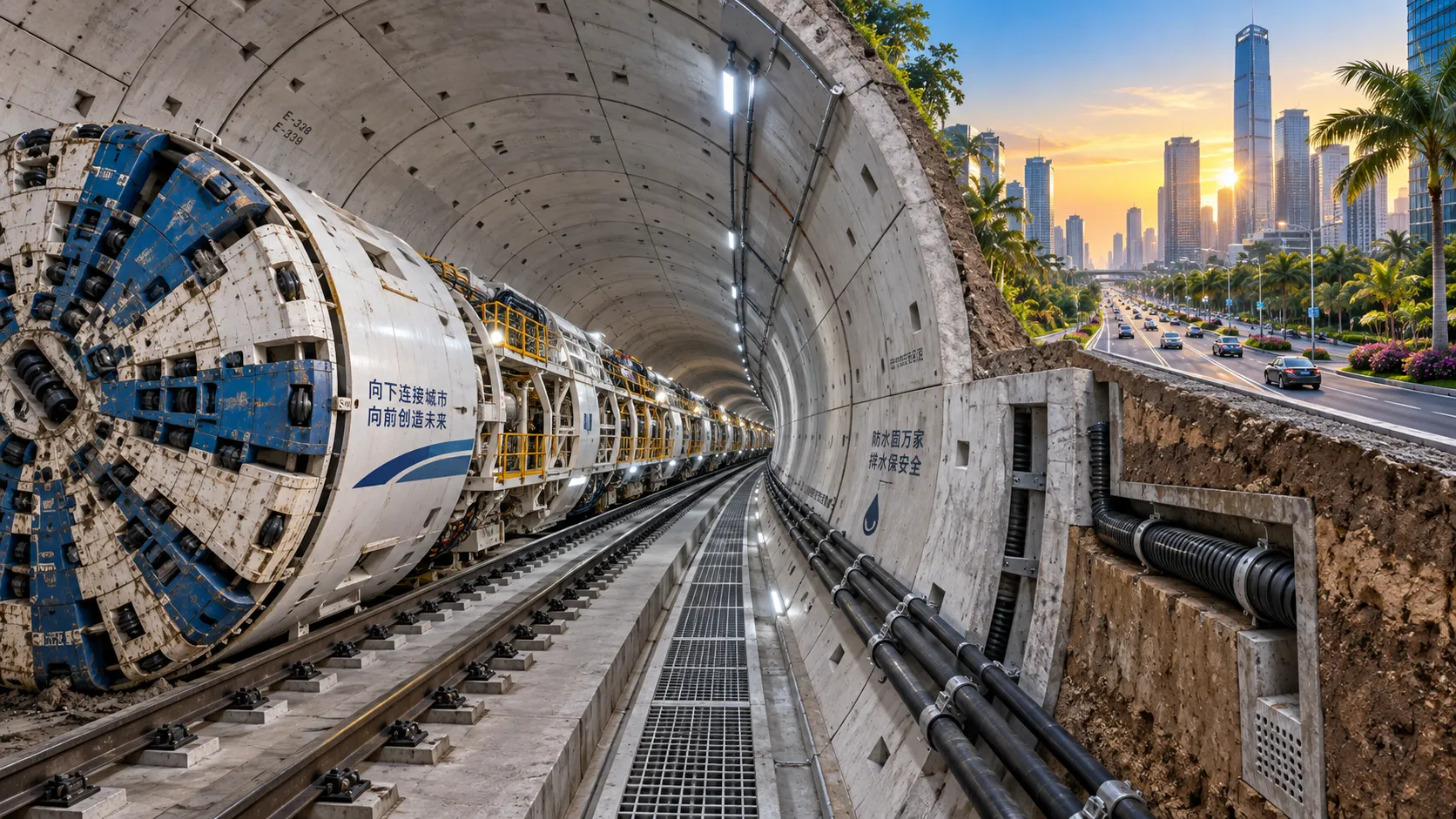
Metro tunnelling Southeast Asia is accelerating as major cities tackle congestion, flooding, and connectivity. Explore the market forces, technical risks, and opportunities shaping demand.
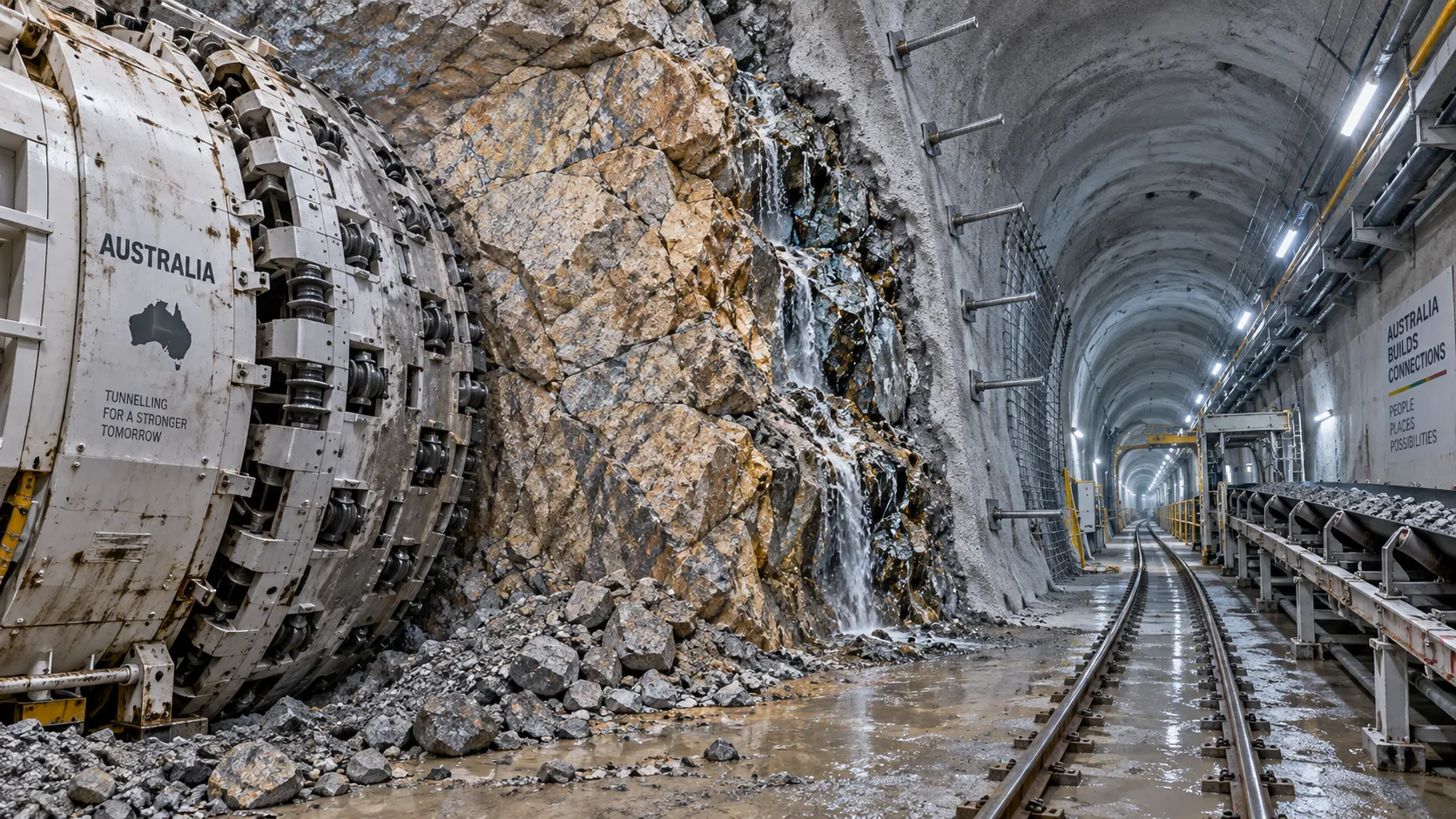
Hard Rock Tunnelling in Australia: Selecting Methods for Variable Ground Conditions
Hard rock tunnelling in Australia: compare TBM, drill-and-blast and hybrid methods to manage variable ground, reduce risk and protect project costs.
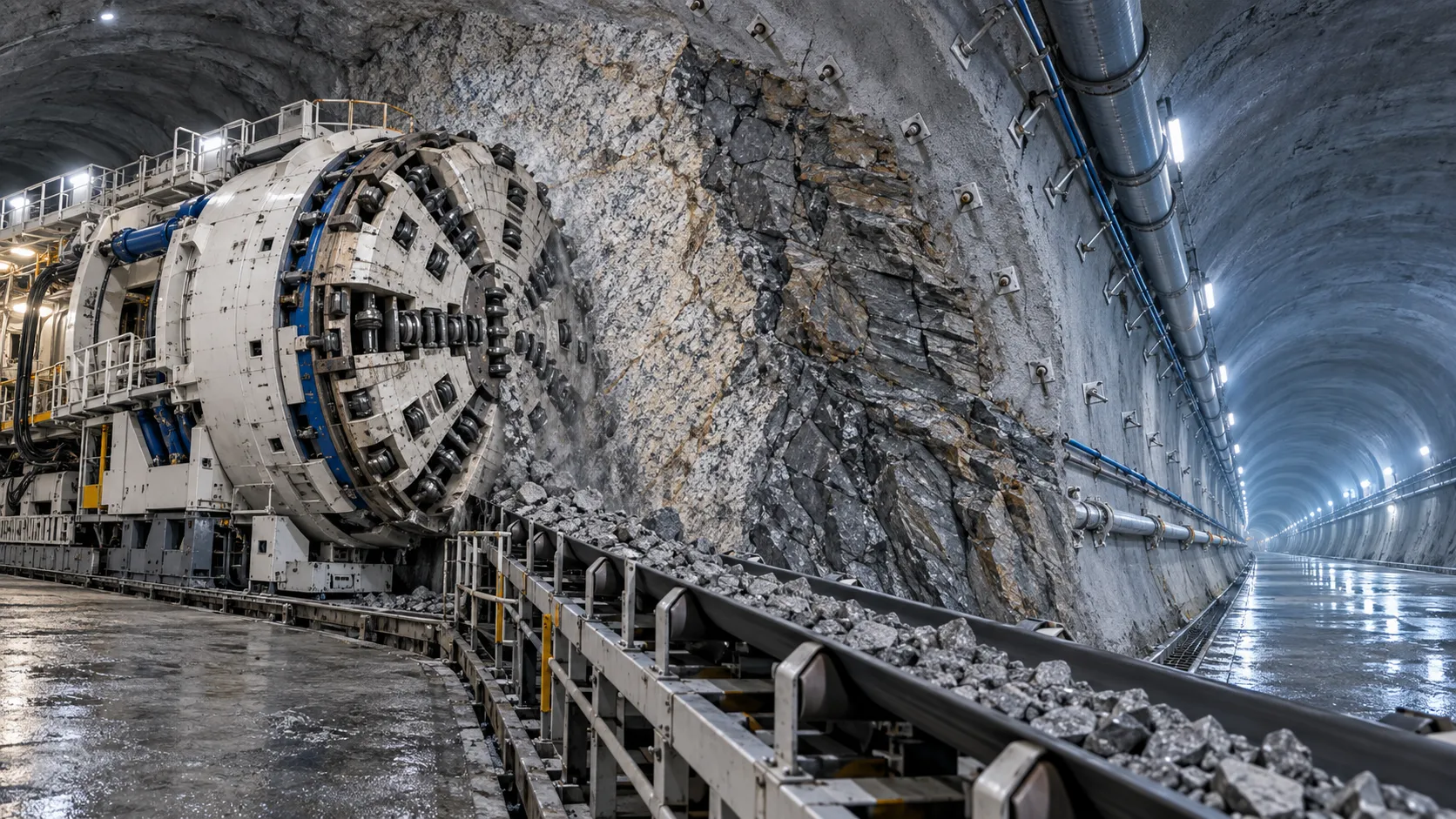
Hydropower Tunnel Excavation: Selecting Methods for Variable Rock Conditions
Hydropower tunnel excavation methods for variable rock conditions: compare TBM, drill-and-blast, and hybrid strategies to improve safety, progress, and project control.
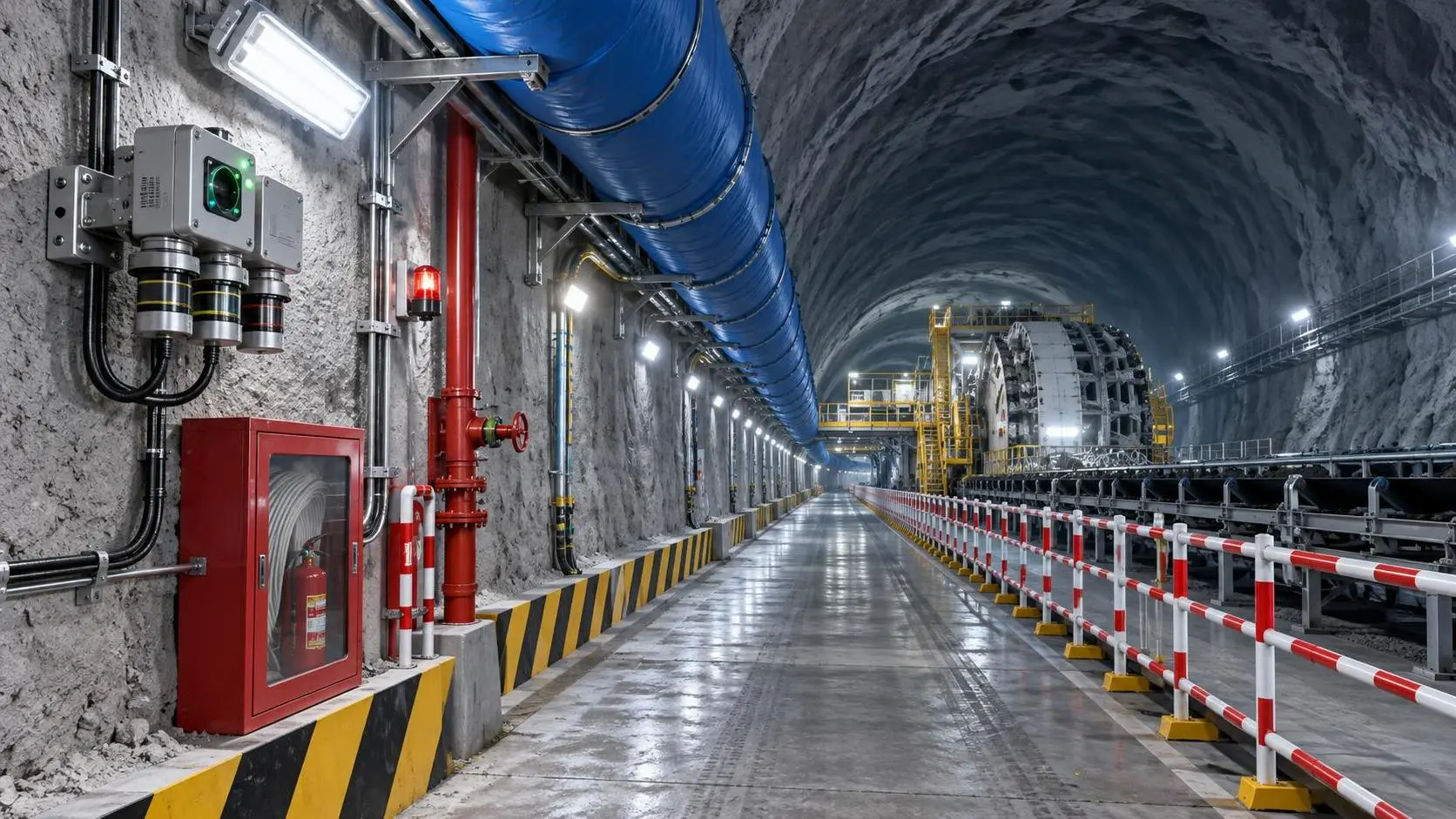
How to Select Underground Safety Equipment for Tunnelling by Hazard and Work Zone
Underground Safety Equipment for tunnelling: match protection to hazards, work zones, compliance, and emergency needs with this practical selection guide.
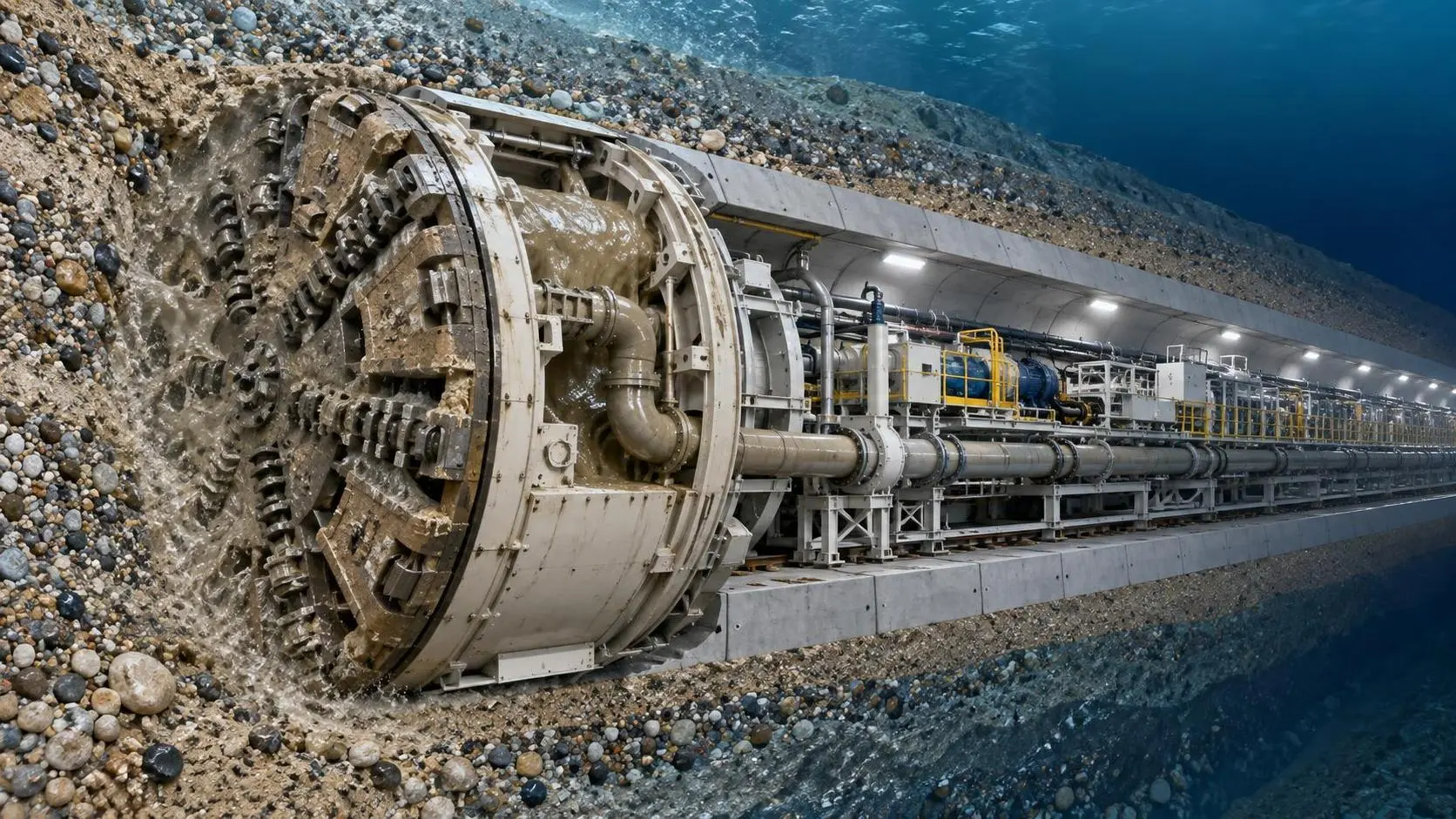
EPB or Slurry Shield? Selecting Soft-Ground Tunnelling Equipment by Soil Conditions
Tunnel Excavation Equipment for soft ground: compare EPB and slurry shields by soil, groundwater, settlement risk, and project logistics to choose confidently.
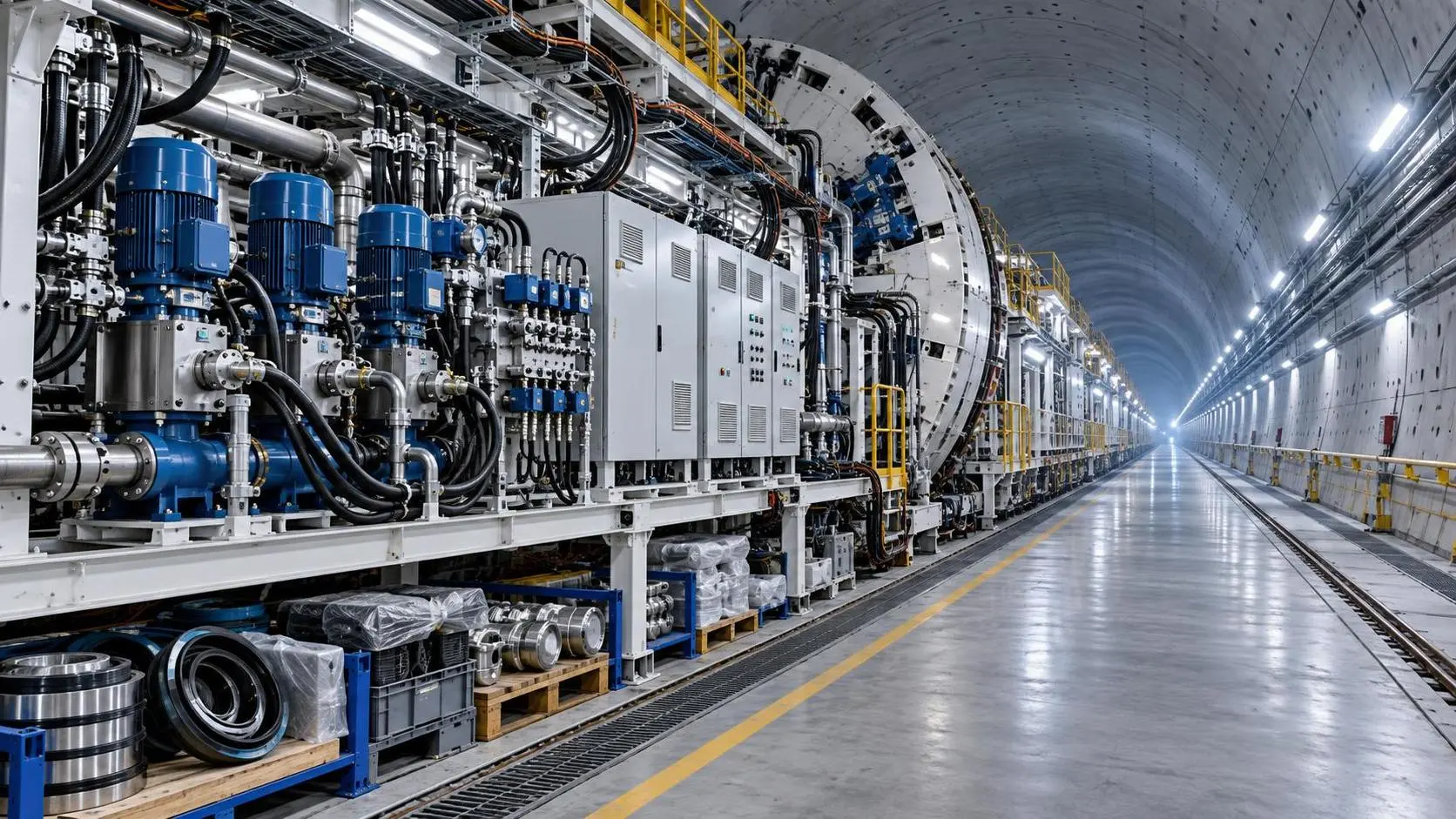
How to Specify TBM Backup System Parts for Reliable Long-Distance Tunnelling
TBM backup system parts: learn how to specify reliable spares for long-distance tunnelling, reduce downtime, ensure compatibility, and speed underground recovery.
How to Size Open Pit Mining Trucks for Haul Distance, Grade, and Payload?
Open Pit Mining Trucks: learn how to match payload, haul distance, grade, road resistance, and loading capacity for safer, lower-cost mine operations.
Related News
- 00
0000-00
How to Evaluate European Drill-and-Blast Tunnelling Contractors for Complex Projects - 00
0000-00
Which Trenchless Construction Technique Fits Your Utility Crossing Conditions? - 00
0000-00
What Is Driving Metro Tunnelling Demand Across Southeast Asia’s Major Cities? - 00
0000-00
Hard Rock Tunnelling in Australia: Selecting Methods for Variable Ground Conditions - 00
0000-00
Hydropower Tunnel Excavation: Selecting Methods for Variable Rock Conditions
Weekly Insights
Stay ahead with our curated technology reports delivered every Monday.