
ASTM F2100-26 Takes Effect, Affecting Battery LHD Respiratory Systems Export to US





Effective May 1, 2026, the updated U.S. medical face mask standard ASTM F2100-26 becomes mandatory, introducing stricter requirements for filtration efficiency, resistance to synthetic blood penetration, and fit testing. While developed for personal protective equipment (PPE), this standard is now referenced by the U.S. Mine Safety and Health Administration (MSHA) as a compliance benchmark for respiratory protection systems integrated into battery-powered Load-Haul-Dump (LHD) vehicles used in underground mining. Exporters of such LHD systems with built-in air supply modules to the U.S. market must ensure their respiratory components meet ASTM F2100-26.
Event Overview
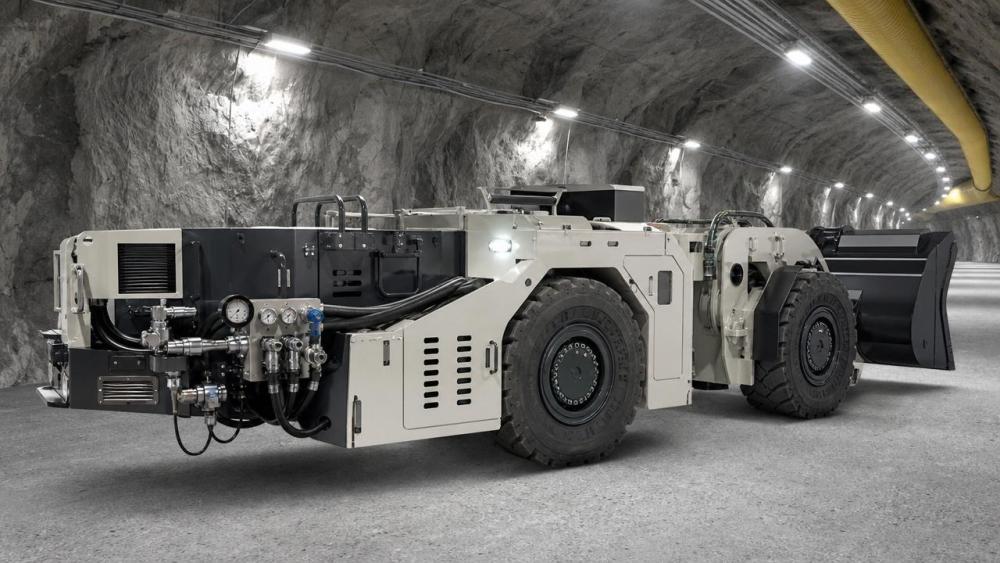
On May 1, 2026, the American Society for Testing and Materials (ASTM) standard F2100-26 entered into force as a mandatory requirement for medical-grade face masks in the United States. The revision upgrades performance criteria across three core areas: bacterial filtration efficiency (BFE), submicron particulate filtration (PFE), and resistance to synthetic blood penetration at specified pressures. Notably, the U.S. Mine Safety and Health Administration (MSHA) has formally incorporated ASTM F2100-26 as a reference standard for evaluating respiratory protection subsystems integrated into battery-electric LHD equipment deployed in underground mines. This applies specifically to LHD units equipped with onboard compressed-air or supplied-air breathing modules intended for use in hazardous atmospheres.
Industries Affected
Manufacturers of Integrated Battery LHD Systems
These companies design and assemble complete LHD machines—including chassis, powertrain, control systems, and integrated respiratory support modules. Because MSHA now references ASTM F2100-26 for respiratory component evaluation, manufacturers must verify that any air-supply interface, mask interface, or user-worn breathing assembly complies—not just as standalone PPE, but as part of the machine’s certified safety architecture.
Suppliers of Respiratory Components for Mining Equipment
This includes firms producing facepieces, headgear, air hoses, quick-connect couplings, and pressure-regulated delivery units intended for integration into LHD-mounted breathing systems. Their products—previously assessed under general industrial respirator standards (e.g., NIOSH 42 CFR Part 84)—now require alignment with ASTM F2100-26’s specific test protocols, particularly regarding fluid resistance and facial fit repeatability under operational conditions.
Export-Oriented Distributors and Compliance Service Providers
Distributors handling U.S.-bound shipments of battery LHD systems—and third-party conformity assessment bodies supporting them—must update documentation workflows. Declarations of conformity, technical files, and test reports must now explicitly address ASTM F2100-26 applicability to respiratory interfaces, even if the full LHD system falls outside traditional PPE regulatory scope.
What Stakeholders Should Monitor and Do Now
Track MSHA’s Implementation Guidance
MSHA has not yet published formal enforcement timelines or interpretation bulletins clarifying whether ASTM F2100-26 applies to all integrated respiratory subsystems or only those directly contacting the wearer’s face. Stakeholders should monitor MSHA’s official notices and upcoming stakeholder webinars for clarification on scope and grandfathering provisions.
Review Component-Level Certification Pathways
For respiratory parts already certified to other standards (e.g., EN 149, ISO 13485), analysis shows that ASTM F2100-26 introduces distinct test parameters—especially synthetic blood penetration at 160 mm Hg and quantitative fit testing using manikin-based protocols. Manufacturers should initiate gap assessments between existing certifications and F2100-26 requirements before initiating new U.S. submissions.
Verify Integration-Specific Test Documentation
Observably, ASTM F2100-26 was written for disposable masks—not engineered interfaces within heavy mobile equipment. Current more relevant is whether test data from mask-only evaluations can be extrapolated to mounted breathing assemblies subject to vibration, thermal cycling, and mechanical stress. Companies should prepare integrated-system test plans addressing interface integrity and real-world fit retention, rather than relying solely on component-level reports.
Update Technical Files and Supply Chain Communication
Suppliers should revise product specifications, declarations, and labeling to reflect ASTM F2100-26 applicability where relevant. OEMs should proactively align procurement contracts with respiratory component vendors to include F2100-26 compliance clauses—and confirm vendor capacity to provide updated test evidence ahead of planned U.S. shipments after May 2026.
Editorial Observation / Industry Perspective
This development is better understood as an early-stage regulatory signal—not an immediate certification barrier. Analysis shows that MSHA’s referencing of ASTM F2100-26 reflects growing emphasis on human-centered safety validation in automated underground equipment, rather than a sudden expansion of PPE regulation into machinery domains. From an industry perspective, it signals increasing convergence between occupational health standards and machine-integrated safety systems. Stakeholders should treat this as a prompt to strengthen cross-functional collaboration between respiratory engineering, machinery safety certification, and regulatory affairs teams—particularly for battery LHDs targeting U.S. underground operations.
Conclusion
This update does not represent a wholesale reclassification of LHD equipment as PPE. Rather, it marks a targeted extension of respiratory performance expectations to critical user-interface components within mining machinery. For affected stakeholders, the current priority is not broad compliance overhauls—but precise, evidence-based alignment of respiratory subsystem documentation and testing with ASTM F2100-26’s defined scope. A measured, component-focused response remains more appropriate than systemic redesign at this stage.
Source Disclosure
Main source: Official ASTM International announcement of F2100-26 publication and effective date (April 2026); MSHA’s April 2026 regulatory notice referencing F2100-26 in context of battery LHD safety evaluation.
Note: MSHA’s detailed enforcement criteria, transitional arrangements, and acceptance of alternative test methodologies remain under observation and are not yet publicly finalized.
Related News
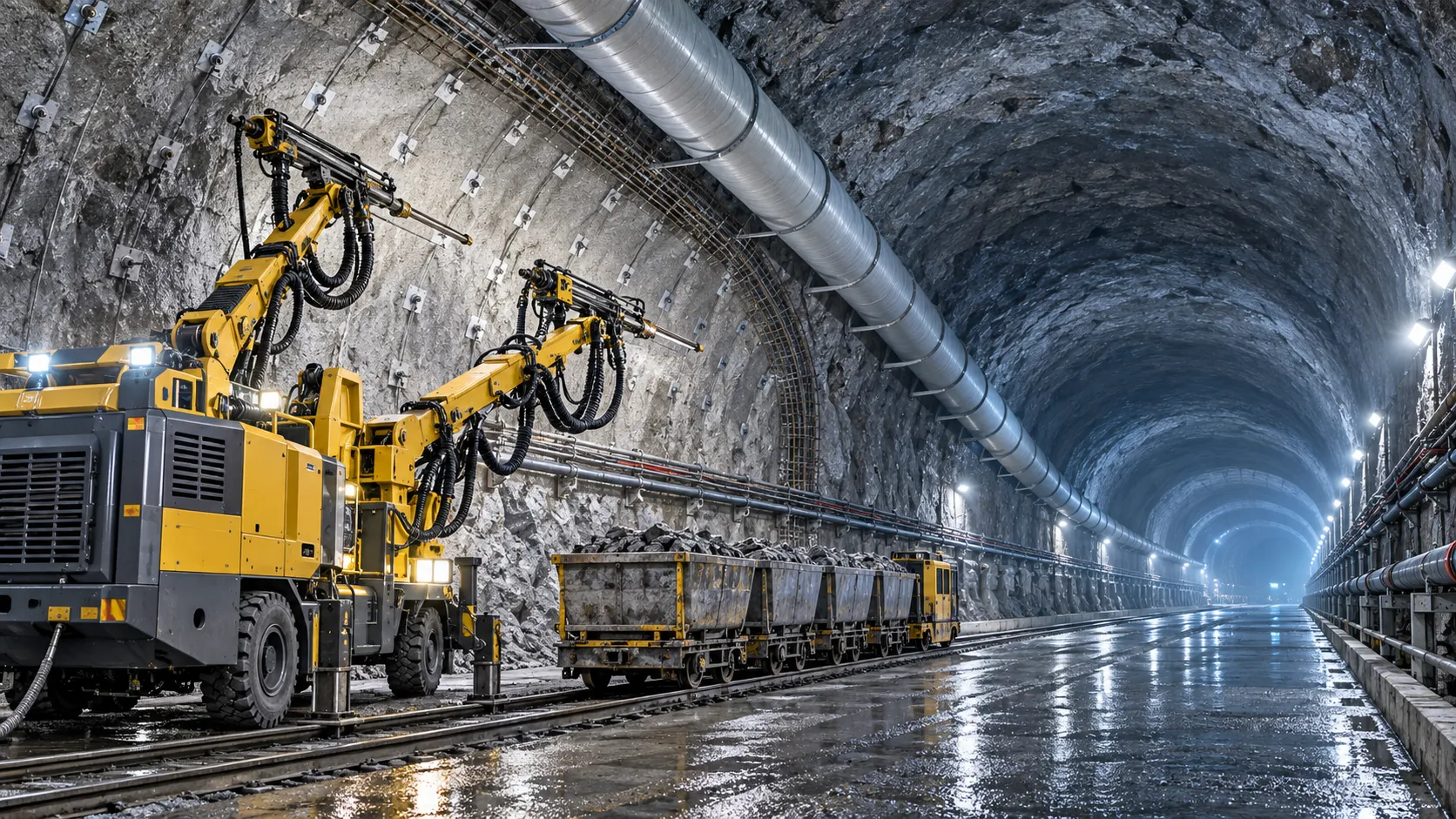
How to Evaluate European Drill-and-Blast Tunnelling Contractors for Complex Projects
Drill and blast tunnelling contractors Europe: learn how to assess geology expertise, blast control, equipment reliability, safety, and programme resilience for complex projects.
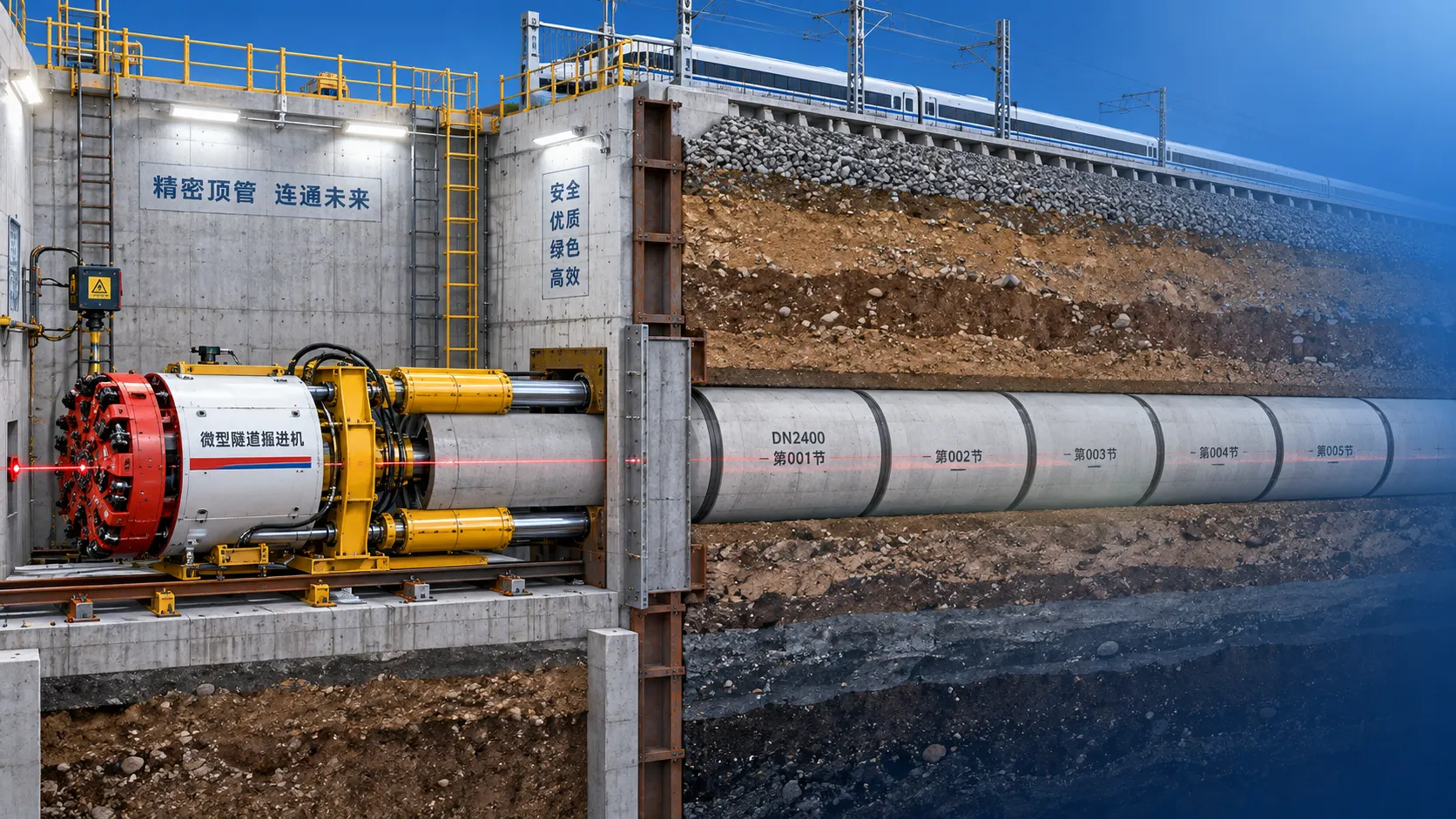
Which Trenchless Construction Technique Fits Your Utility Crossing Conditions?
Trenchless construction techniques compared for utility crossings: choose HDD, microtunnelling, pipe jacking, or auger boring based on ground, accuracy, access, and risk.
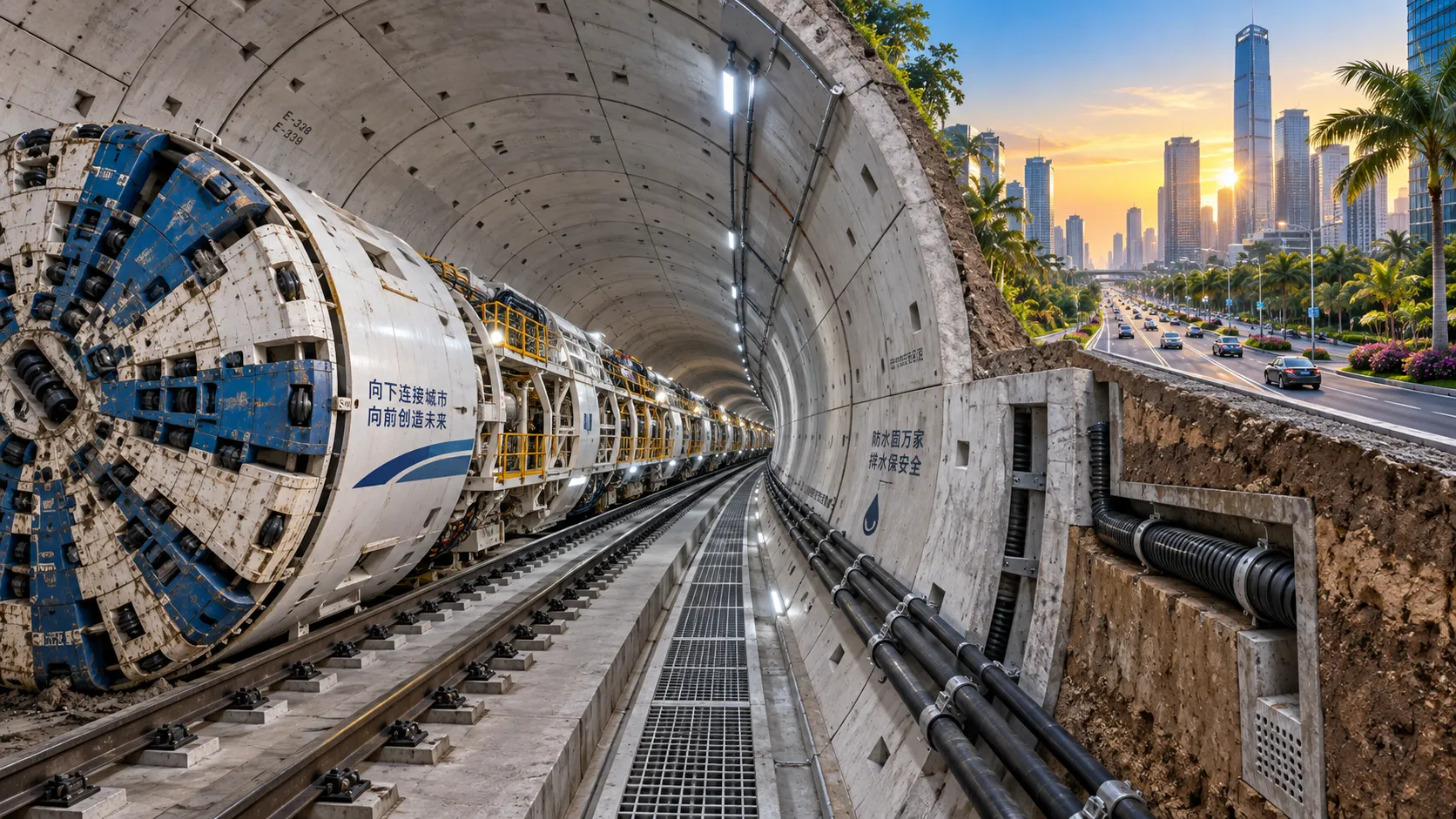
What Is Driving Metro Tunnelling Demand Across Southeast Asia’s Major Cities?
Metro tunnelling Southeast Asia is accelerating as major cities tackle congestion, flooding, and connectivity. Explore the market forces, technical risks, and opportunities shaping demand.
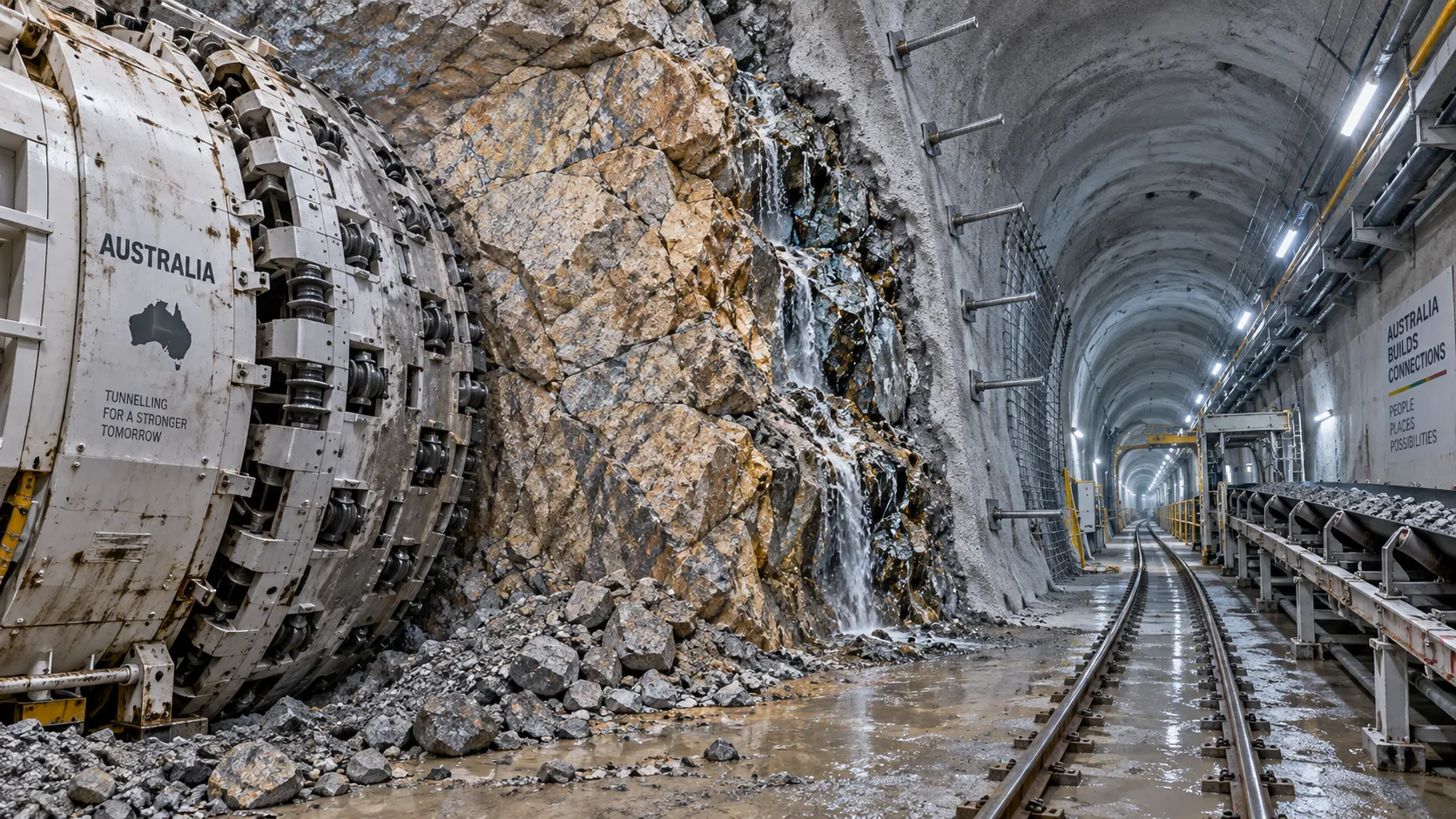
Hard Rock Tunnelling in Australia: Selecting Methods for Variable Ground Conditions
Hard rock tunnelling in Australia: compare TBM, drill-and-blast and hybrid methods to manage variable ground, reduce risk and protect project costs.
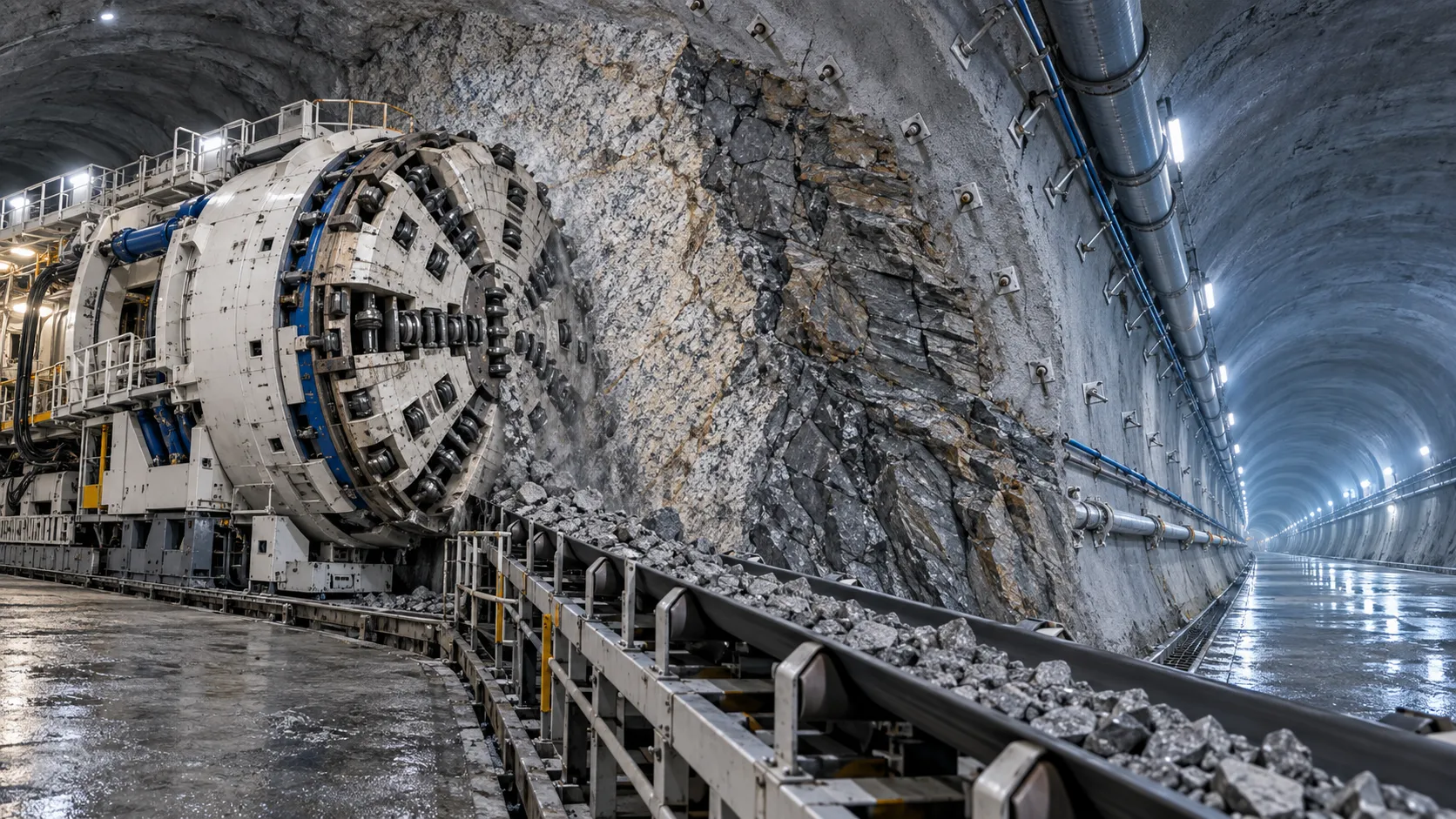
Hydropower Tunnel Excavation: Selecting Methods for Variable Rock Conditions
Hydropower tunnel excavation methods for variable rock conditions: compare TBM, drill-and-blast, and hybrid strategies to improve safety, progress, and project control.
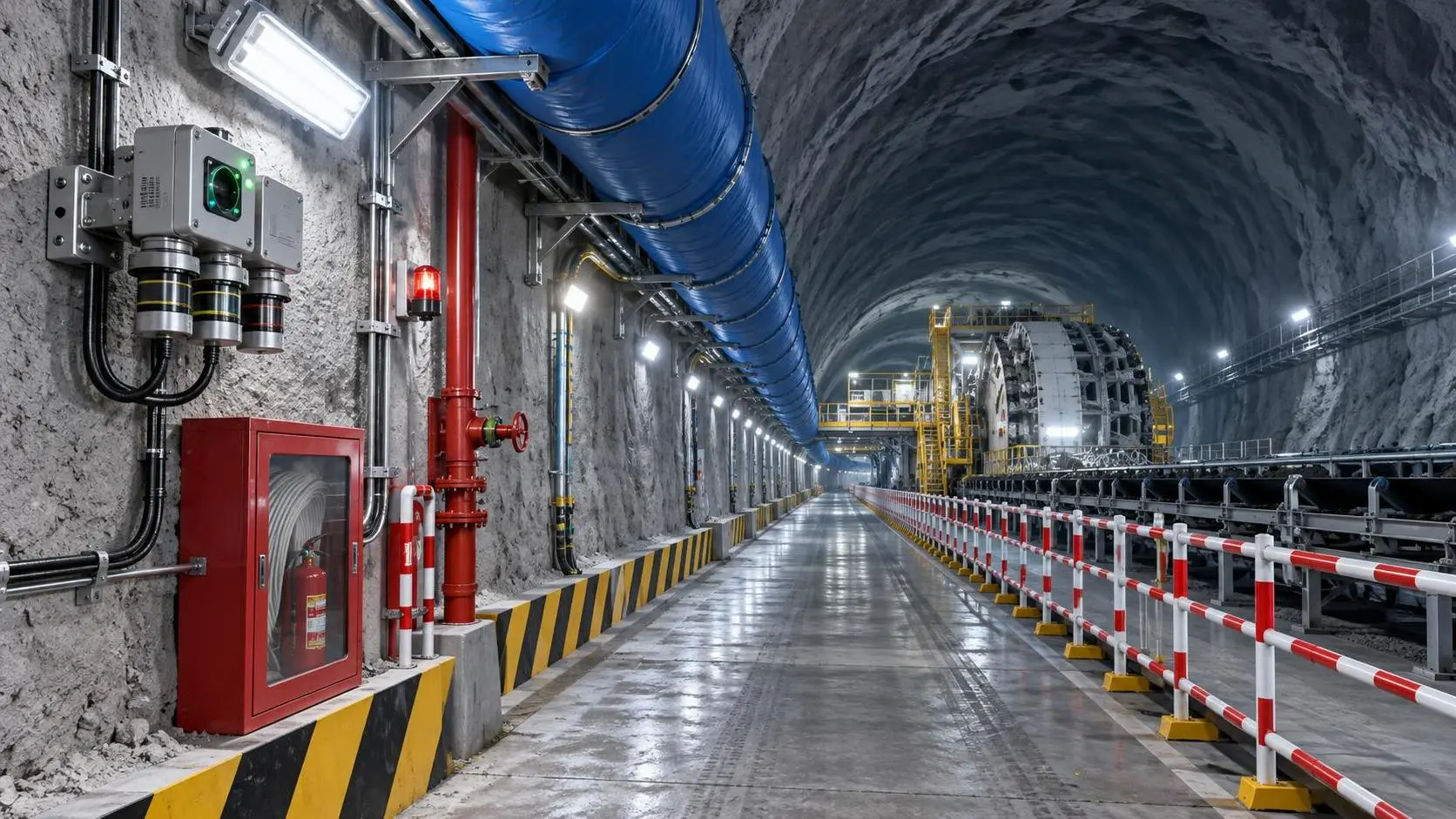
How to Select Underground Safety Equipment for Tunnelling by Hazard and Work Zone
Underground Safety Equipment for tunnelling: match protection to hazards, work zones, compliance, and emergency needs with this practical selection guide.
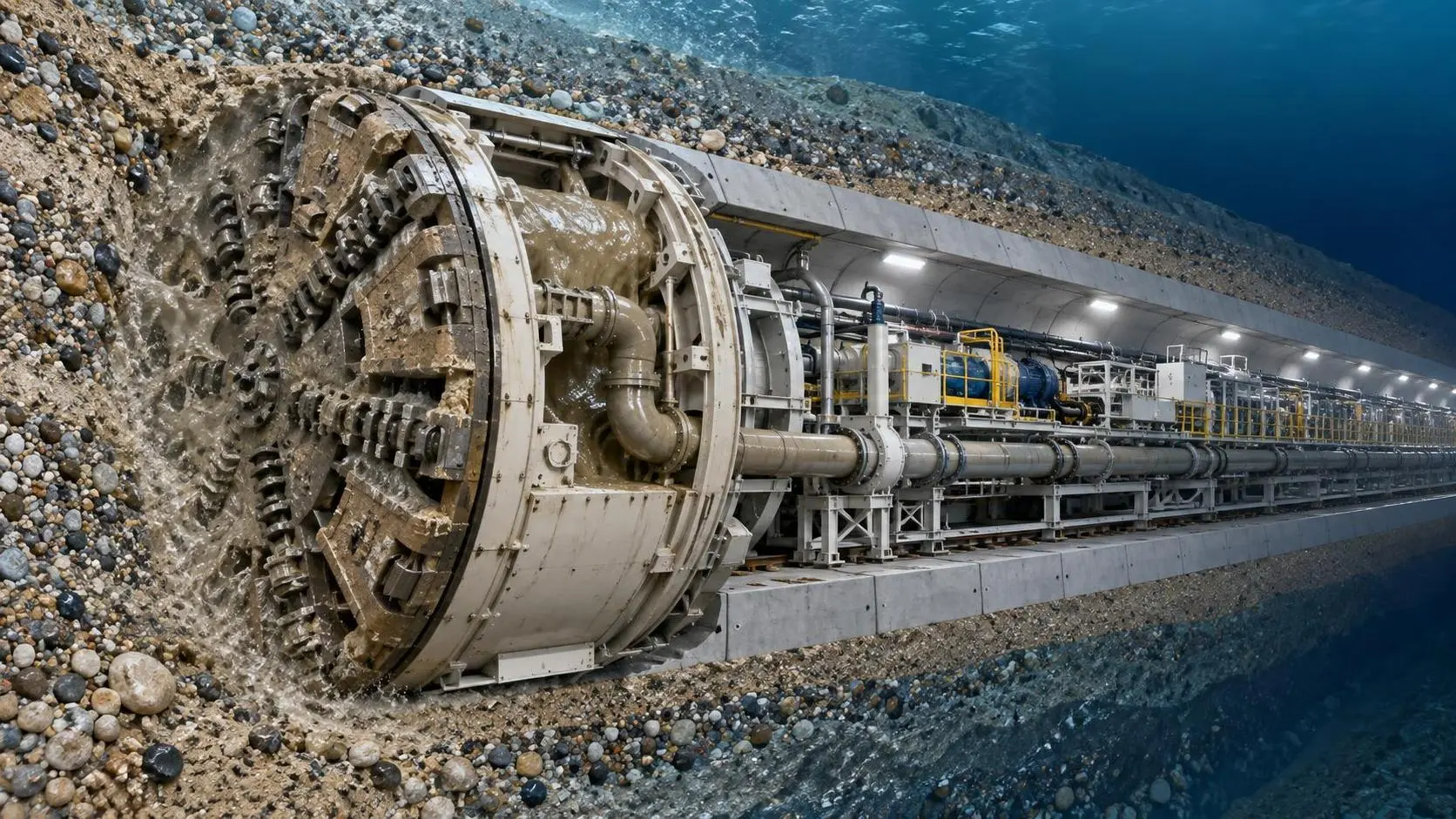
EPB or Slurry Shield? Selecting Soft-Ground Tunnelling Equipment by Soil Conditions
Tunnel Excavation Equipment for soft ground: compare EPB and slurry shields by soil, groundwater, settlement risk, and project logistics to choose confidently.
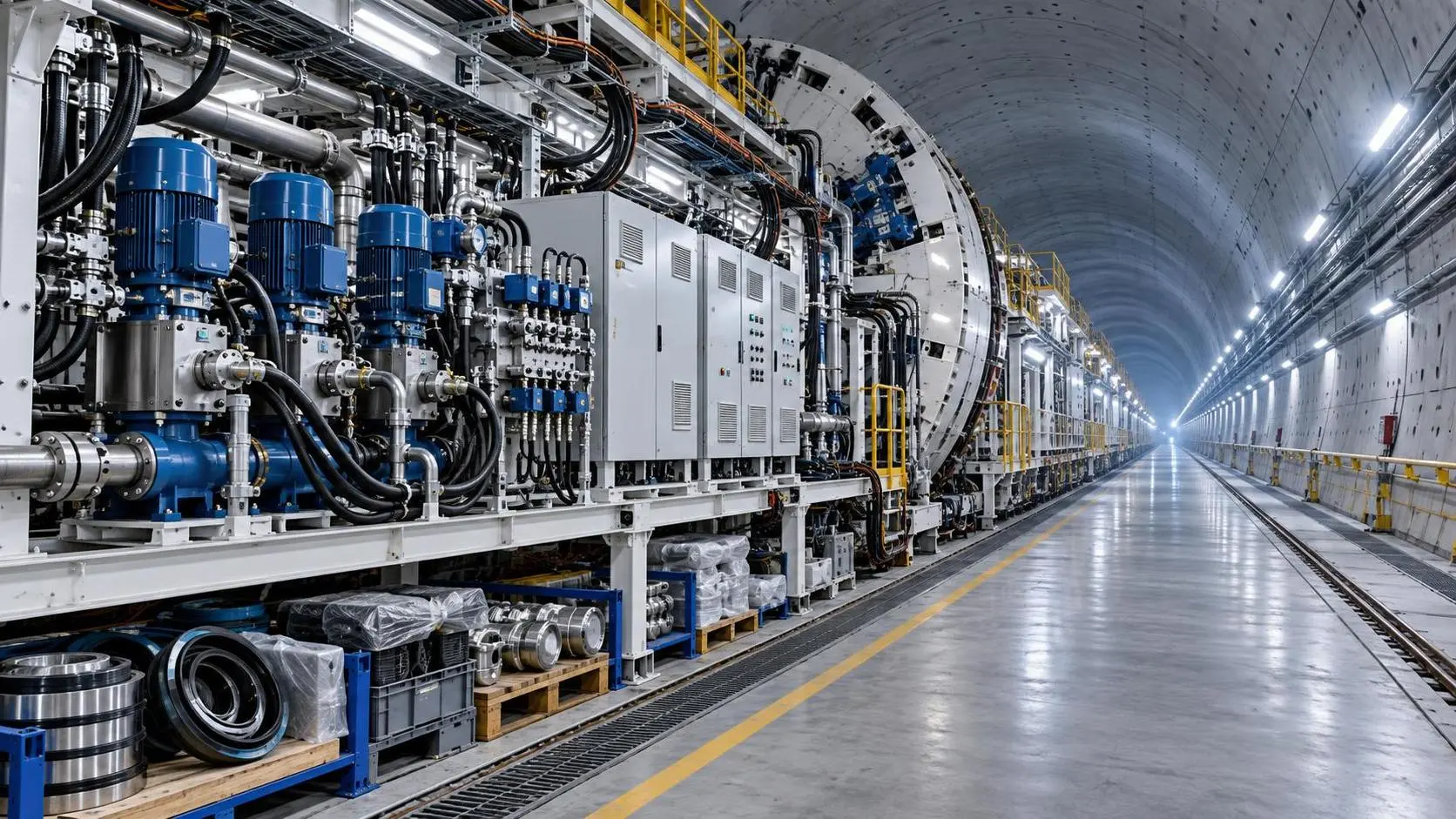
How to Specify TBM Backup System Parts for Reliable Long-Distance Tunnelling
TBM backup system parts: learn how to specify reliable spares for long-distance tunnelling, reduce downtime, ensure compatibility, and speed underground recovery.
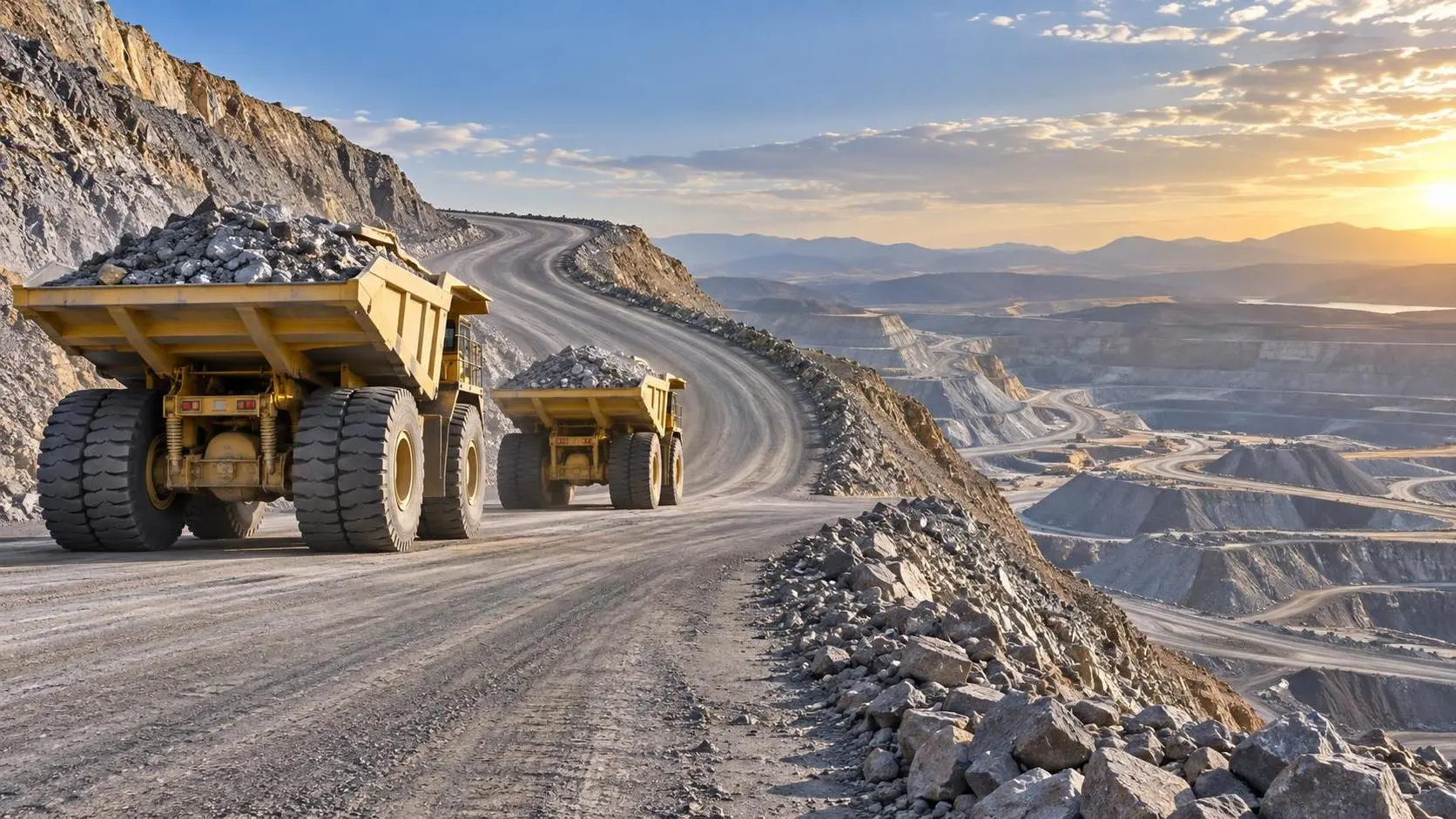
How to Size Open Pit Mining Trucks for Haul Distance, Grade, and Payload?
Open Pit Mining Trucks: learn how to match payload, haul distance, grade, road resistance, and loading capacity for safer, lower-cost mine operations.
Related News
- 00
0000-00
How to Evaluate European Drill-and-Blast Tunnelling Contractors for Complex Projects - 00
0000-00
Which Trenchless Construction Technique Fits Your Utility Crossing Conditions? - 00
0000-00
What Is Driving Metro Tunnelling Demand Across Southeast Asia’s Major Cities? - 00
0000-00
Hard Rock Tunnelling in Australia: Selecting Methods for Variable Ground Conditions - 00
0000-00
Hydropower Tunnel Excavation: Selecting Methods for Variable Rock Conditions
Weekly Insights
Stay ahead with our curated technology reports delivered every Monday.