
EU Imposes 50% Tariffs on Chinese Steel, Raising Costs for Hard Rock TBM Structural Components and Segment Molds





On 21 May 2026, the European Commission announced final anti-dumping duties of up to 50% on certain Chinese-origin hot-rolled heavy plates, high-strength structural steels, and precision machined tool steels. This measure directly affects export pricing and delivery timelines for high-value steel structural components used in hard rock tunnel boring machines (TBMs) — including main load-bearing beams, segment erector hydraulic support frames, and precast tunnel segment molds — prompting re-negotiation requests from some EU-based procurement parties.
Event Overview
The European Commission confirmed on 21 May 2026 that definitive anti-dumping duties have been imposed on specific categories of steel products originating in China: hot-rolled heavy plates, high-strength structural steels, and precision machined tool steels. The duty rate is uniformly set at 50%. No further provisional measures or review timelines were disclosed in the initial announcement.
Industries Affected by Sector
Export-Oriented Manufacturing Enterprises
Manufacturers exporting TBM main structural beams, segment erector support frames, or tunnel segment molds to the EU face immediate cost pressure. Since these components are fabricated from the targeted steel grades, the 50% tariff applies at customs clearance, raising landed costs and compressing margins. Pricing renegotiations and delivery delays have already been reported by some exporters.
Steel Material Procurement & Supply Chain Firms
Firms sourcing raw or semi-finished steel materials (e.g., thick plates or pre-machined blanks) from Chinese suppliers for onward fabrication into EU-bound TBM parts now confront higher input costs. Even if final assembly occurs outside China, origin tracing of critical steel inputs may trigger tariff applicability under EU rules of origin — increasing compliance scrutiny.
Engineering Contractors & EPC Providers with EU Projects
Contractors responsible for delivering full TBM systems or tunnel lining solutions in the EU must reassess procurement pathways. Delays in customs clearance, revised commercial terms, and potential substitution challenges for certified structural steel grades could affect project scheduling and contractual liability clauses tied to delivery timelines.
Key Considerations and Recommended Actions for Stakeholders
Monitor official EU tariff classifications and origin rulings
Stakeholders should verify whether their specific steel grades and fabricated components fall under the exact product scope listed in the Commission’s regulation. Classification may depend on chemical composition, thickness, heat treatment status, and machining level — not just end-use application.
Assess supply chain traceability and documentation readiness
Prepare for enhanced EU customs verification: ensure mill test reports, heat numbers, and processing records for all steel inputs are complete and verifiable. Where possible, obtain written confirmation from upstream suppliers regarding material origin and conformity with EU-defined product definitions.
Differentiate between policy signal and operational impact
This measure reflects a formalized trade remedy outcome, not a proposal or consultation. However, actual enforcement timing, customs implementation consistency across member states, and potential exemptions for certified low-risk consignments remain subject to national-level execution — requiring close coordination with EU-based import agents.
Review contract terms and contingency planning for ongoing orders
For active contracts with EU clients, assess force majeure, price adjustment, or delivery extension clauses. Proactively engage procurement teams to document tariff-related cost increases and explore partial local sourcing or alternative certified steel sources where technically permissible and certified for structural use.
Editorial Perspective / Industry Observation
Observably, this 50% duty represents a consolidated outcome of an established anti-dumping investigation — not an isolated escalation. It signals a continued tightening of market access conditions for Chinese-origin engineered steel components in infrastructure-critical applications. Analysis shows that while the tariff targets raw and semi-finished steel, its practical effect extends to downstream fabricated goods due to the essential role of these base materials in structural integrity and certification compliance. From an industry perspective, this is less a short-term pricing shock and more a structural recalibration point for supply chain resilience planning in heavy civil machinery exports.
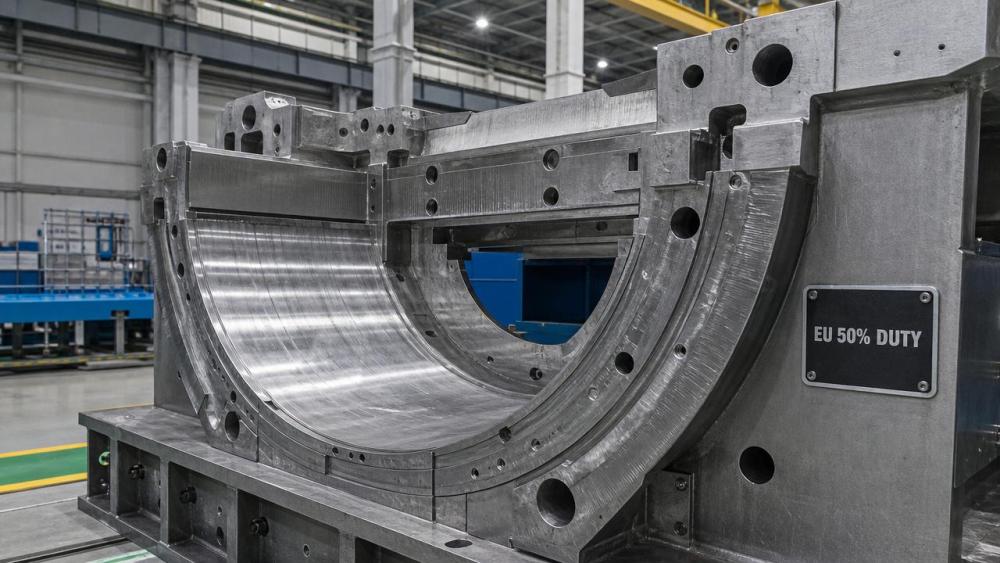
Conclusion: This tariff decision confirms a material shift in cost and compliance requirements for exporting structural steel components for hard rock TBMs and tunnel segment production systems to the EU. It does not indicate a broader sector-wide restriction, but rather a targeted trade remedy applied to specific steel categories. Current interpretation should focus on its function as an enforceable regulatory constraint — not a temporary barrier — requiring technical, contractual, and logistical adaptation rather than expectation of near-term reversal.
Source: European Commission Press Release, 21 May 2026; Official Journal of the European Union (Regulation (EU) 2026/XXX, publication pending).
Further developments — including possible judicial review filings or Member State-level implementation guidance — remain under observation.
Related News
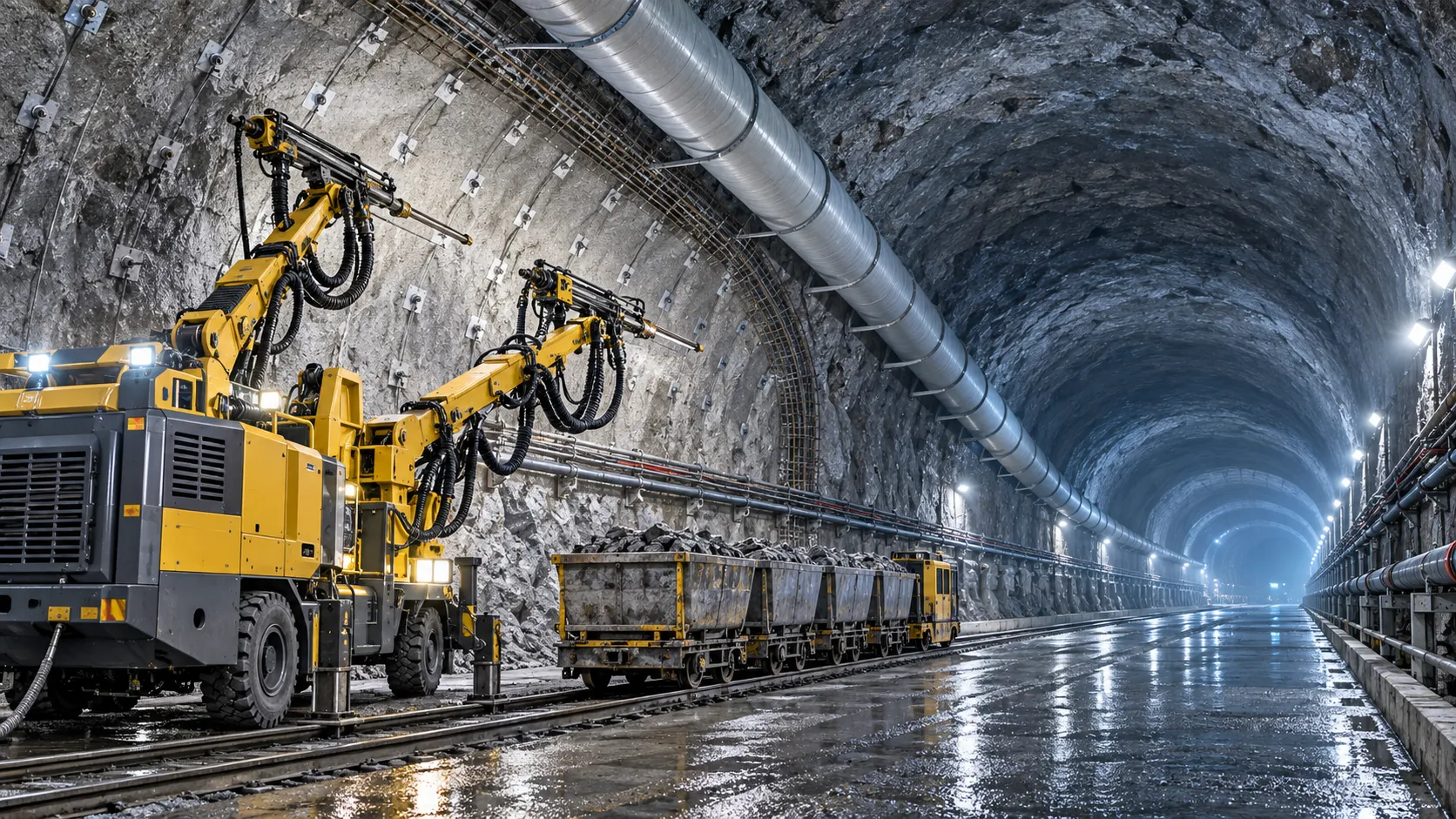
How to Evaluate European Drill-and-Blast Tunnelling Contractors for Complex Projects
Drill and blast tunnelling contractors Europe: learn how to assess geology expertise, blast control, equipment reliability, safety, and programme resilience for complex projects.
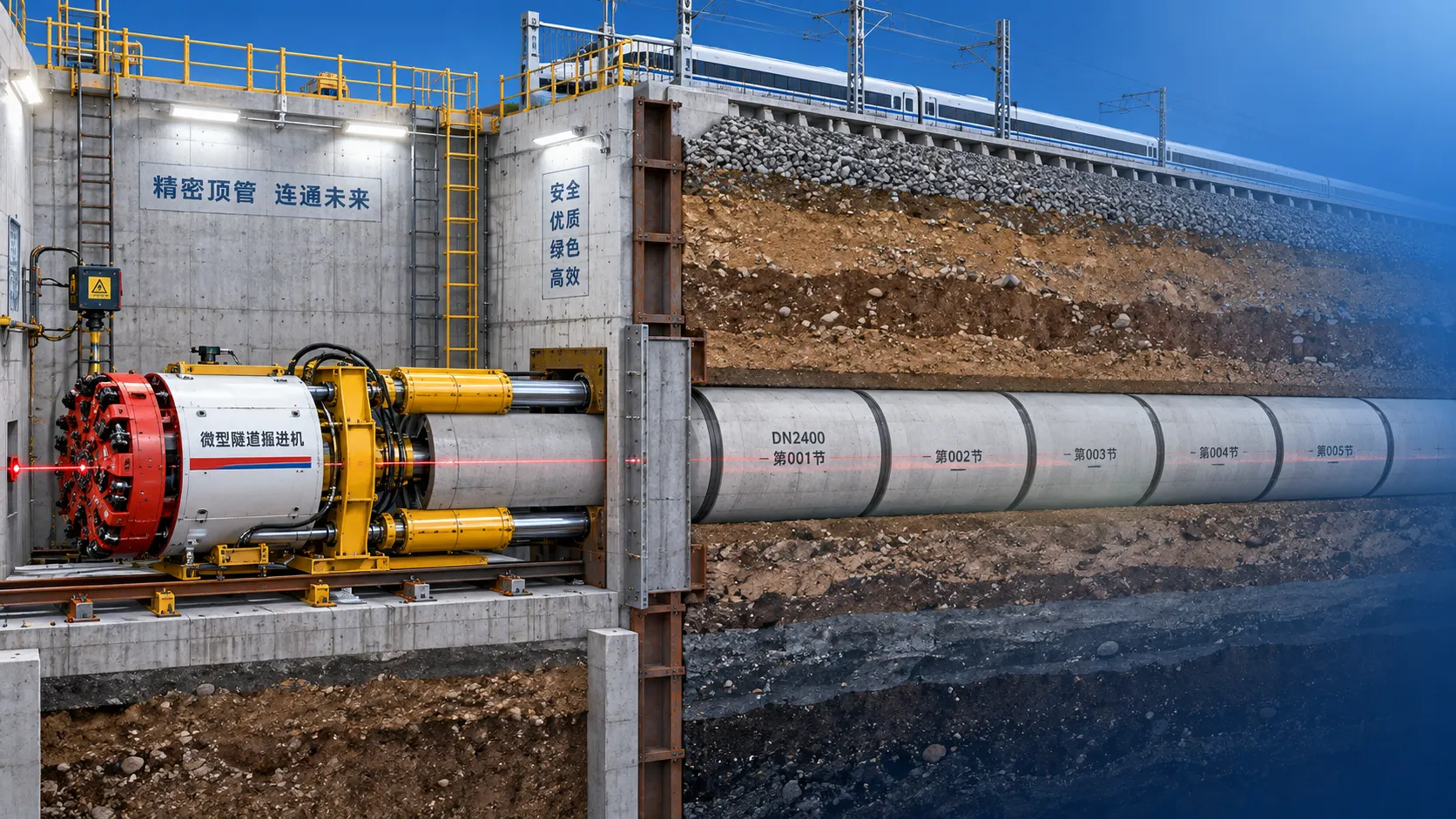
Which Trenchless Construction Technique Fits Your Utility Crossing Conditions?
Trenchless construction techniques compared for utility crossings: choose HDD, microtunnelling, pipe jacking, or auger boring based on ground, accuracy, access, and risk.
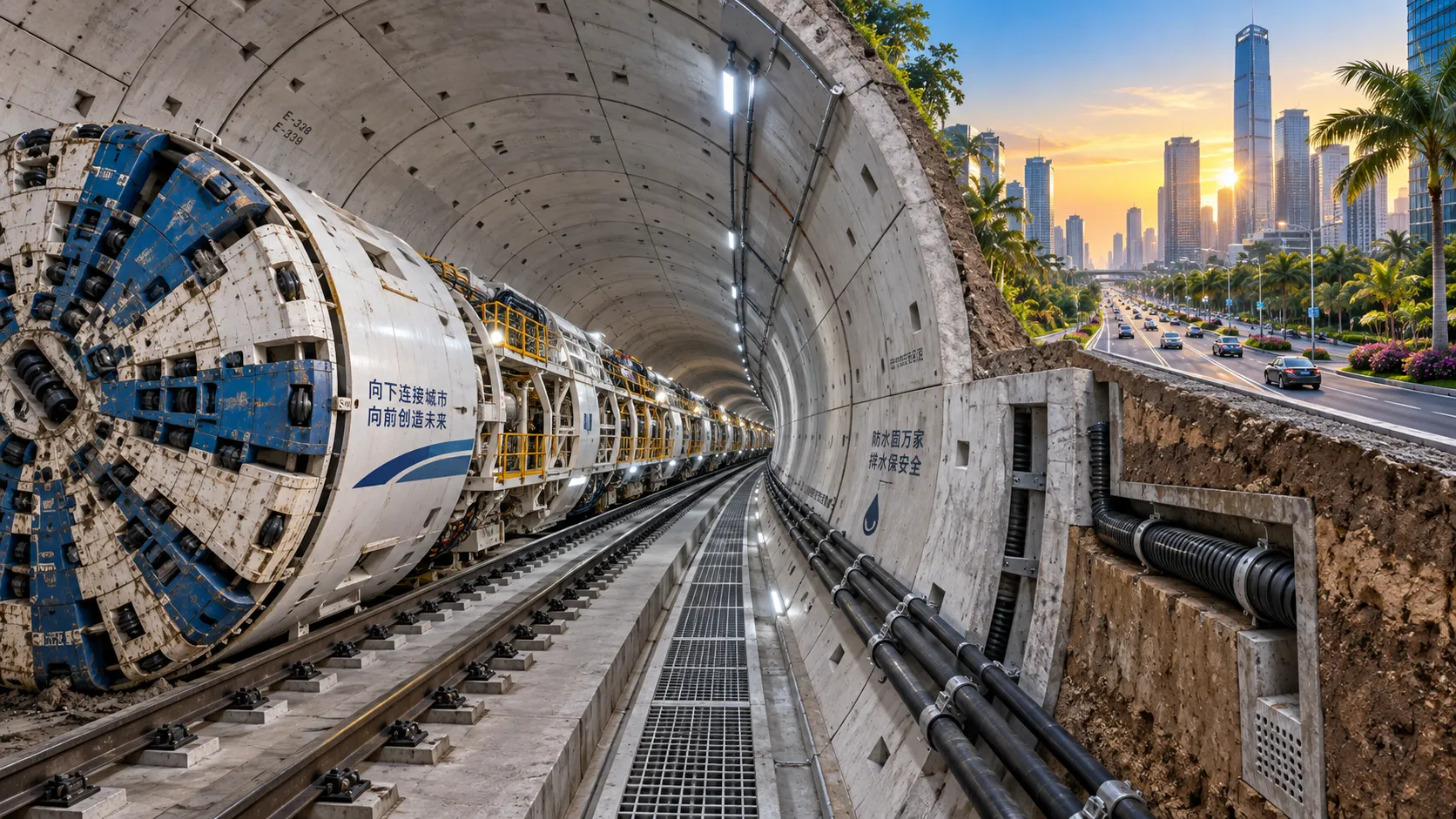
What Is Driving Metro Tunnelling Demand Across Southeast Asia’s Major Cities?
Metro tunnelling Southeast Asia is accelerating as major cities tackle congestion, flooding, and connectivity. Explore the market forces, technical risks, and opportunities shaping demand.
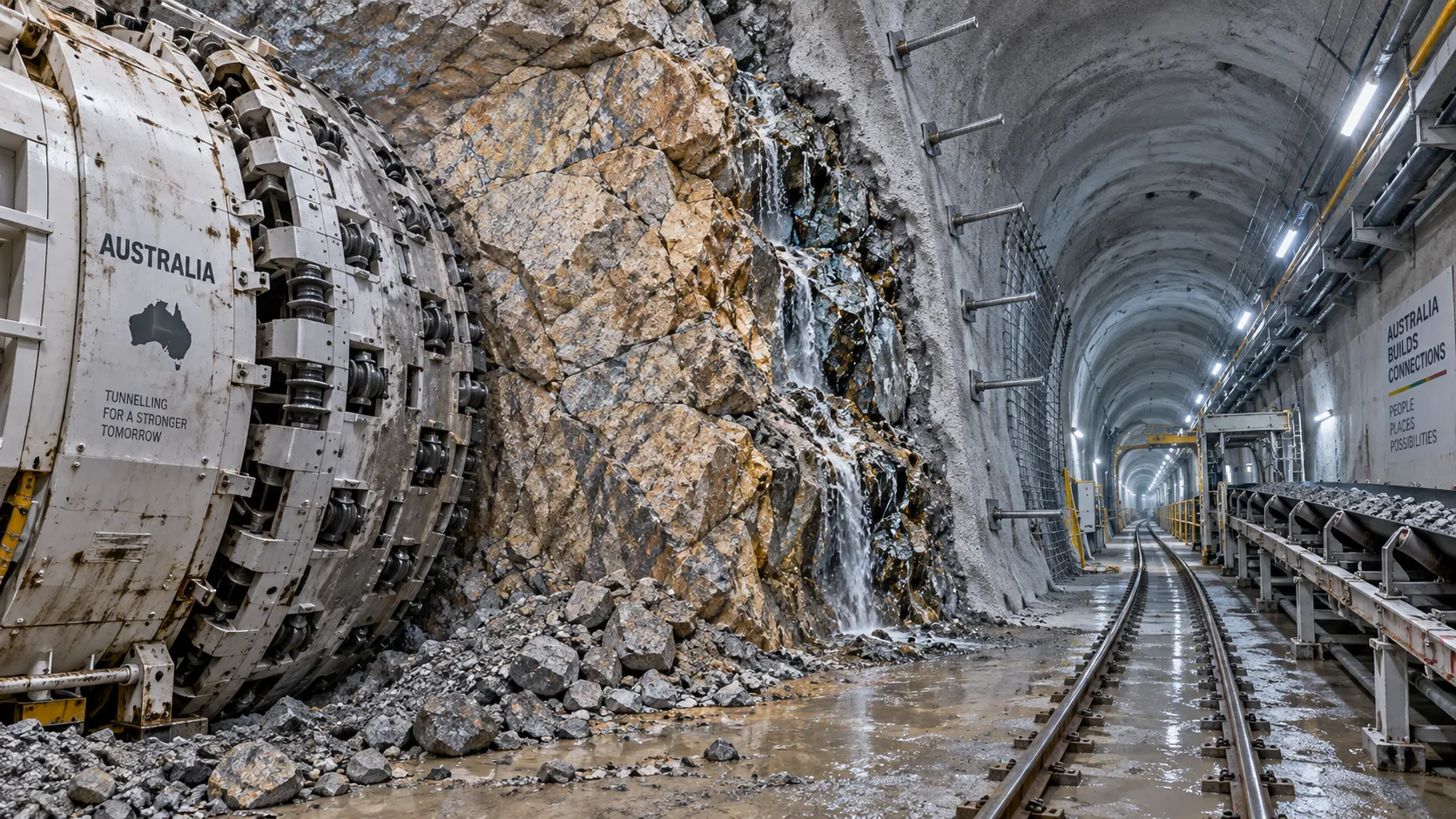
Hard Rock Tunnelling in Australia: Selecting Methods for Variable Ground Conditions
Hard rock tunnelling in Australia: compare TBM, drill-and-blast and hybrid methods to manage variable ground, reduce risk and protect project costs.
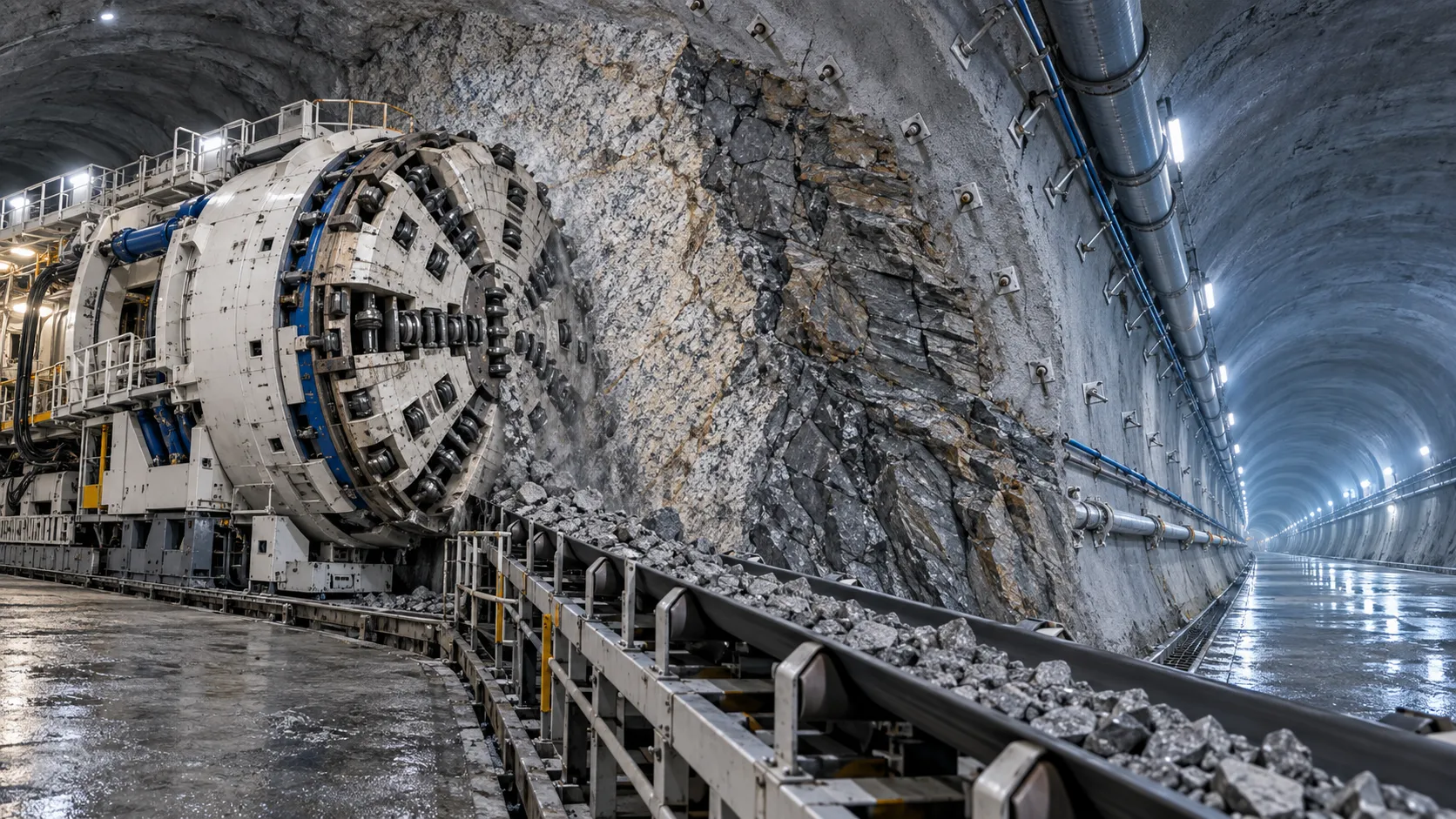
Hydropower Tunnel Excavation: Selecting Methods for Variable Rock Conditions
Hydropower tunnel excavation methods for variable rock conditions: compare TBM, drill-and-blast, and hybrid strategies to improve safety, progress, and project control.
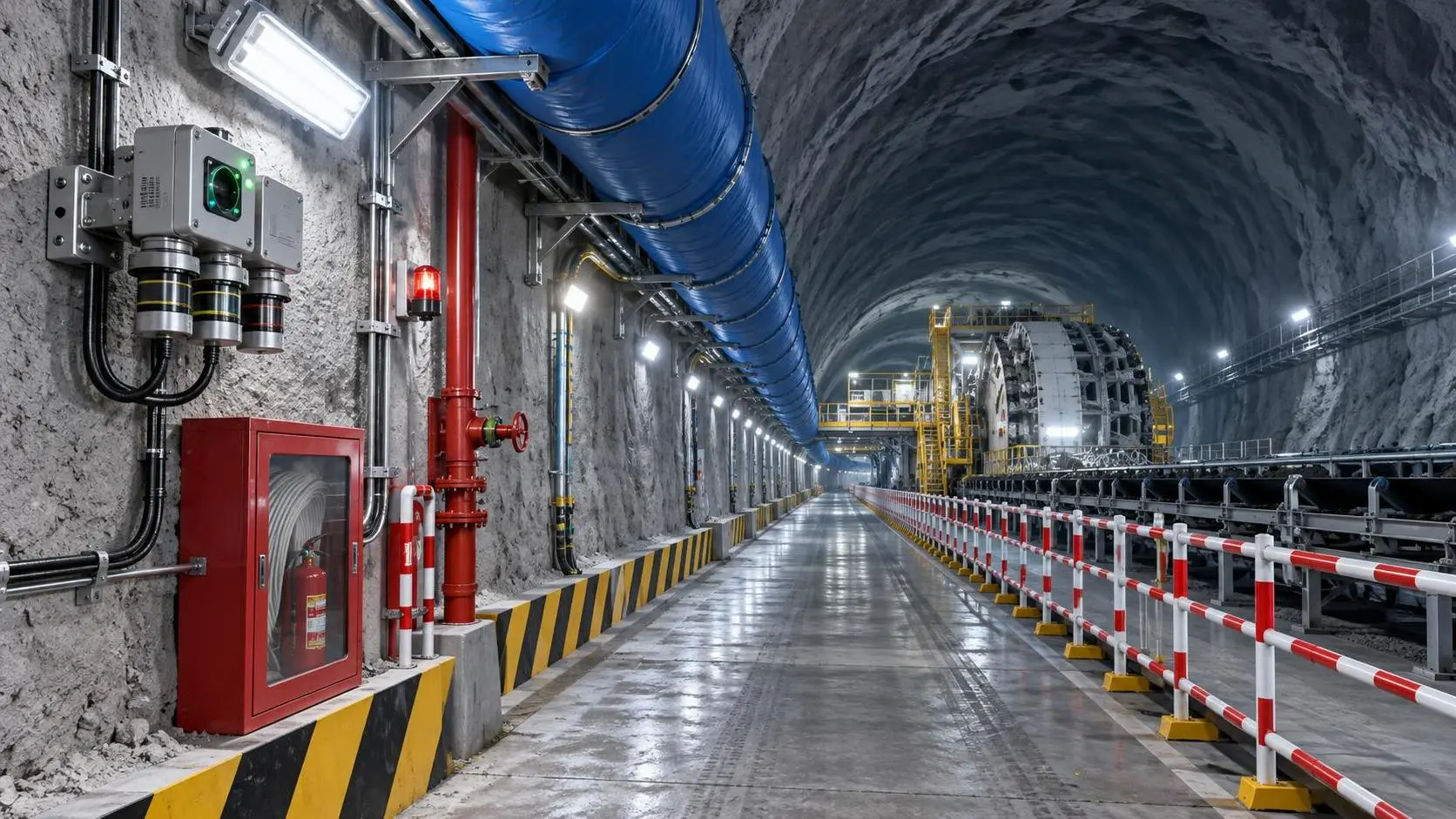
How to Select Underground Safety Equipment for Tunnelling by Hazard and Work Zone
Underground Safety Equipment for tunnelling: match protection to hazards, work zones, compliance, and emergency needs with this practical selection guide.
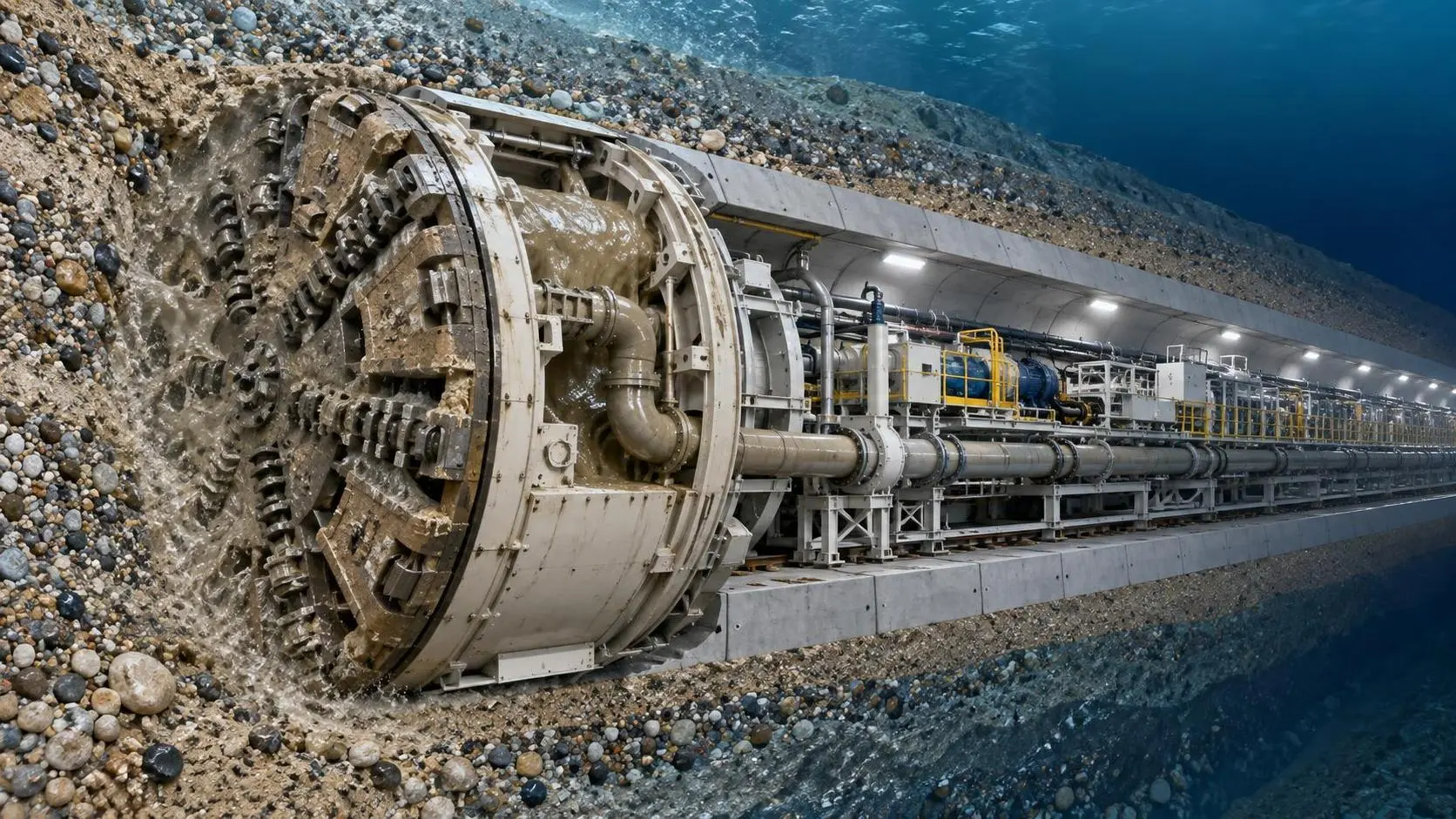
EPB or Slurry Shield? Selecting Soft-Ground Tunnelling Equipment by Soil Conditions
Tunnel Excavation Equipment for soft ground: compare EPB and slurry shields by soil, groundwater, settlement risk, and project logistics to choose confidently.
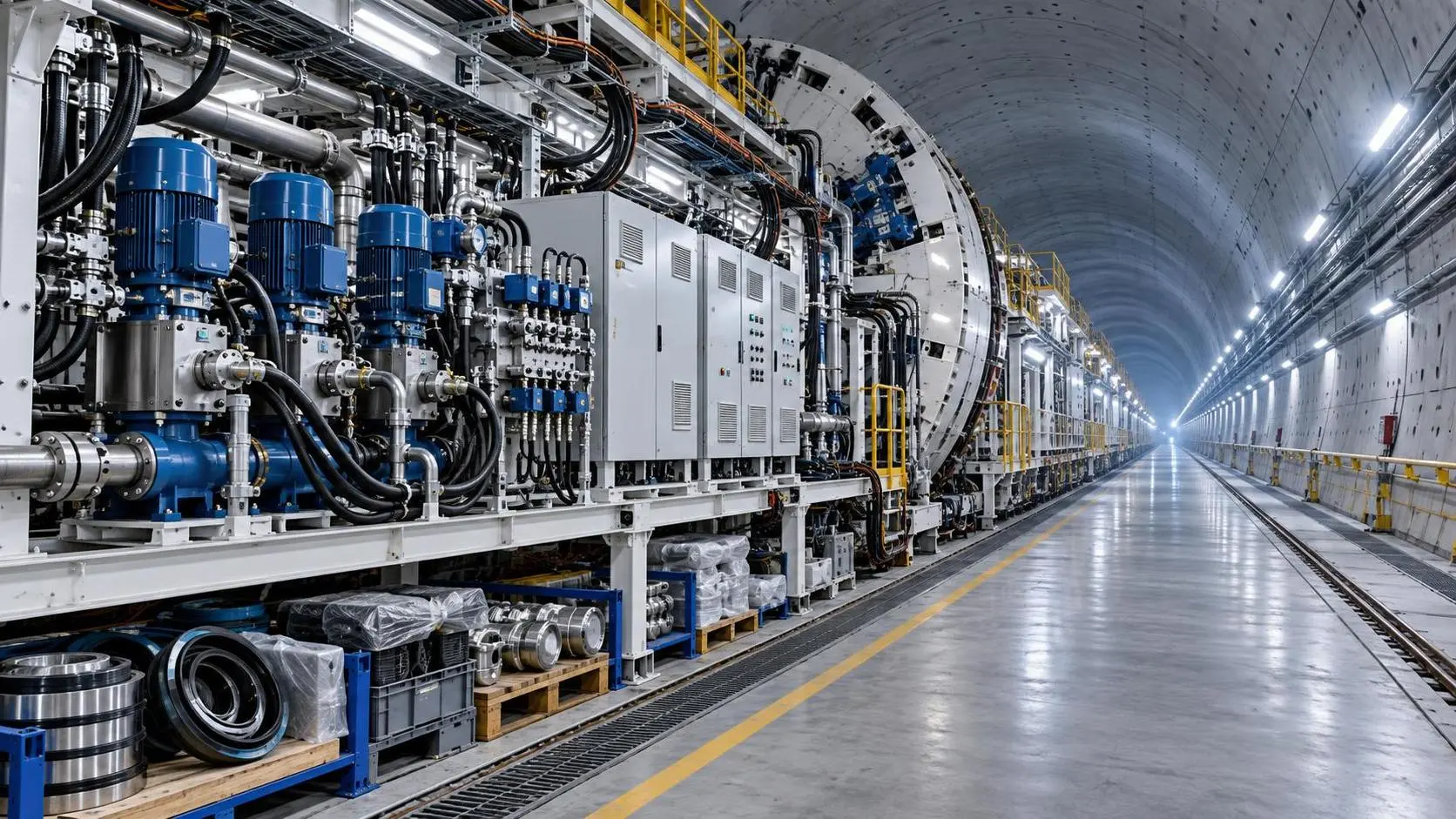
How to Specify TBM Backup System Parts for Reliable Long-Distance Tunnelling
TBM backup system parts: learn how to specify reliable spares for long-distance tunnelling, reduce downtime, ensure compatibility, and speed underground recovery.
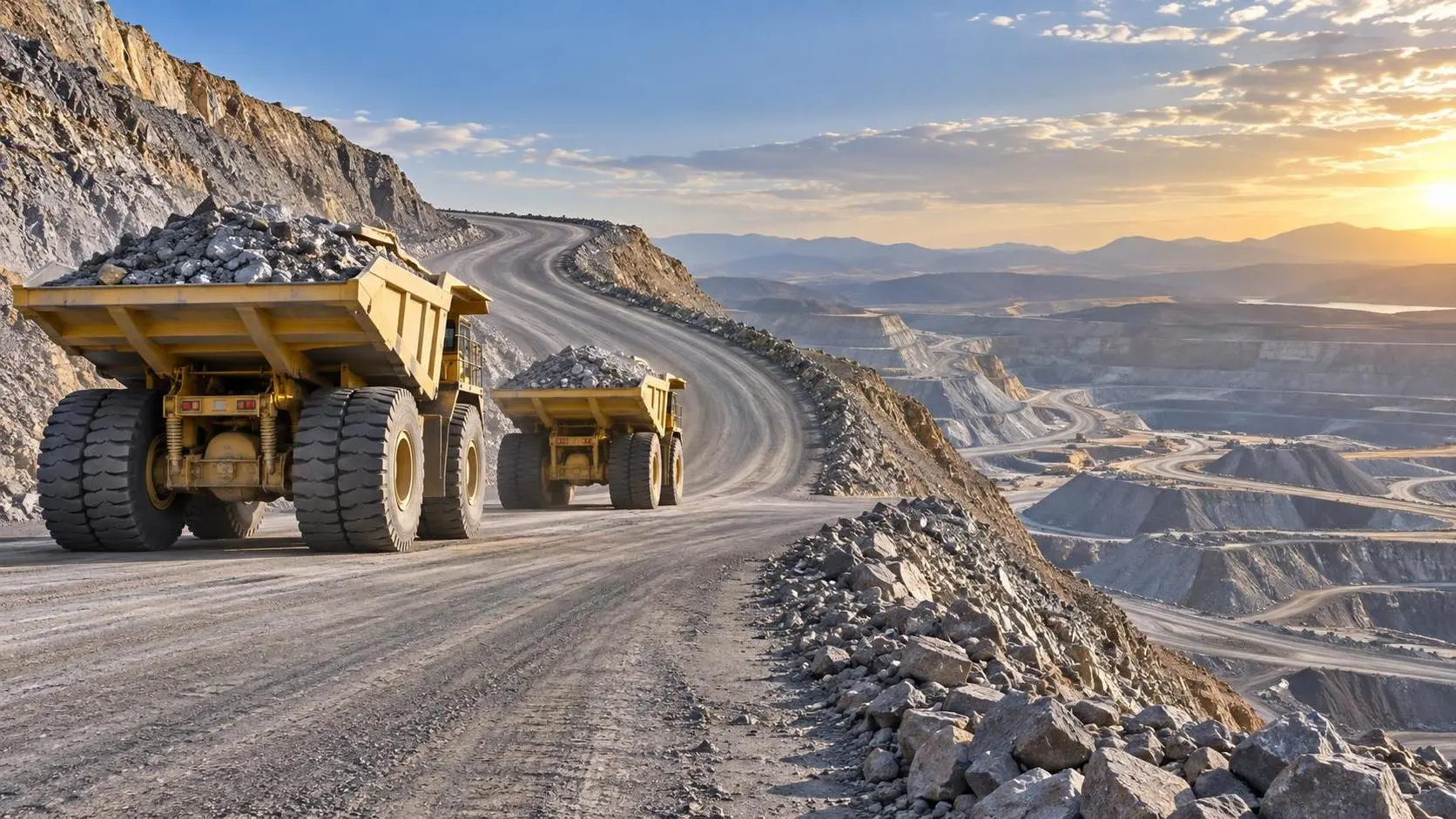
How to Size Open Pit Mining Trucks for Haul Distance, Grade, and Payload?
Open Pit Mining Trucks: learn how to match payload, haul distance, grade, road resistance, and loading capacity for safer, lower-cost mine operations.
Related News
- 00
0000-00
How to Evaluate European Drill-and-Blast Tunnelling Contractors for Complex Projects - 00
0000-00
Which Trenchless Construction Technique Fits Your Utility Crossing Conditions? - 00
0000-00
What Is Driving Metro Tunnelling Demand Across Southeast Asia’s Major Cities? - 00
0000-00
Hard Rock Tunnelling in Australia: Selecting Methods for Variable Ground Conditions - 00
0000-00
Hydropower Tunnel Excavation: Selecting Methods for Variable Rock Conditions
Weekly Insights
Stay ahead with our curated technology reports delivered every Monday.