
New Chinese Maritime Code Shifts Unclaimed Cargo Liability to Shippers





Effective 1 May 2026, the revised People’s Republic of China Maritime Code introduces a fundamental shift in liability for unclaimed cargo at discharge ports—transferring primary responsibility from consignees to shippers. This change directly affects exporters of large-diameter tunnel boring machines (TBMs), including slurry and EPB shields and hard rock TBMs, and carries material implications for international trade, logistics planning, and contract risk allocation.
Event Overview
The newly revised Maritime Code of the People’s Republic of China, effective 1 May 2026, amends Article 93 to establish the ‘shipper-first liability’ principle for unclaimed cargo at the port of discharge. This replaces the prior 33-year practice under which the consignee bore primary responsibility. The revision is officially confirmed and publicly in force as of the stated date; no further implementing regulations or transitional provisions have been disclosed beyond the statutory text.
Industries Affected
Direct Exporters of Heavy Engineering Equipment
Exporters of full-unit TBMs—particularly slurry shields, EPB shields, and hard rock TBMs—are directly exposed, as these units are typically shipped as oversized, high-value, project-critical cargo. Under the new rule, if the overseas buyer fails to complete customs clearance or arrange timely pickup, the Chinese shipper may be held jointly liable for demurrage, storage fees, and disposal costs—even where the bill of lading designates the consignee as the party responsible for import formalities.
International Freight Forwarders & NVOCCs Acting as Contracting Carriers
Forwarders or non-vessel operating common carriers (NVOCCs) that issue their own bills of lading and act as contractual carriers face increased exposure. As intermediaries between Chinese exporters and foreign buyers, they may be drawn into disputes over cost recovery and cargo abandonment—especially when documentation does not explicitly allocate post-discharge responsibilities consistent with the revised Article 93.
Project-Based EPC Contractors with Integrated Export Obligations
EPC contractors delivering turnkey tunneling projects often assume end-to-end logistics responsibility, including equipment export. The revised liability framework increases their operational and financial risk at destination ports—particularly in jurisdictions with slow customs processing or limited infrastructure—where delays in consignee action are common but now trigger shipper-level accountability under Chinese law.
Key Considerations and Recommended Actions
Review and revise Incoterms® and contract clauses immediately
Parties must update sales contracts, charter parties, and bills of lading to reflect the new liability regime—specifically clarifying who bears responsibility for customs clearance, port charges, and cargo disposal upon arrival. Relying on legacy terms such as FOB or CFR without explicit carve-outs for post-discharge obligations is no longer sufficient.
Assess exposure in high-risk destination markets
Current implementation focuses on enforcement under Chinese law, but its practical impact is most acute in countries with protracted customs procedures, limited warehousing capacity, or weak consignee readiness (e.g., certain emerging infrastructure markets in Southeast Asia, Africa, and Latin America). Exporters should prioritize pre-shipment risk mapping for these destinations.
Verify alignment between documentary instructions and legal liability
Where Chinese shippers instruct carriers or forwarders to release cargo only against payment or specific documentation (e.g., letter of indemnity), those instructions must now be legally enforceable under both domestic and international frameworks. Discrepancies between commercial practice and statutory liability may create gaps in recourse.
Monitor for judicial interpretation or enforcement guidance
While the statutory language is effective, courts have yet to issue rulings applying the revised Article 93. Stakeholders should track early case law—particularly disputes involving TBM shipments—to understand how liability thresholds (e.g., what constitutes ‘reasonable effort’ by the shipper to notify or assist the consignee) will be interpreted in practice.
Editorial Observation / Industry Perspective
This revision is best understood not as an isolated legal update, but as a structural recalibration of risk allocation in China’s outbound heavy equipment trade. Analysis shows it reflects growing policy emphasis on strengthening shipper-side due diligence and contractual clarity—not merely shifting cost burdens. Observably, the change signals increasing convergence between Chinese maritime law and international norms emphasizing upstream accountability, though implementation remains jurisdictionally bounded. From an industry perspective, it functions primarily as a regulatory signal: one that has immediate contractual consequences but whose full operational impact will depend on cross-border enforcement coordination and judicial precedent—not statutory text alone.
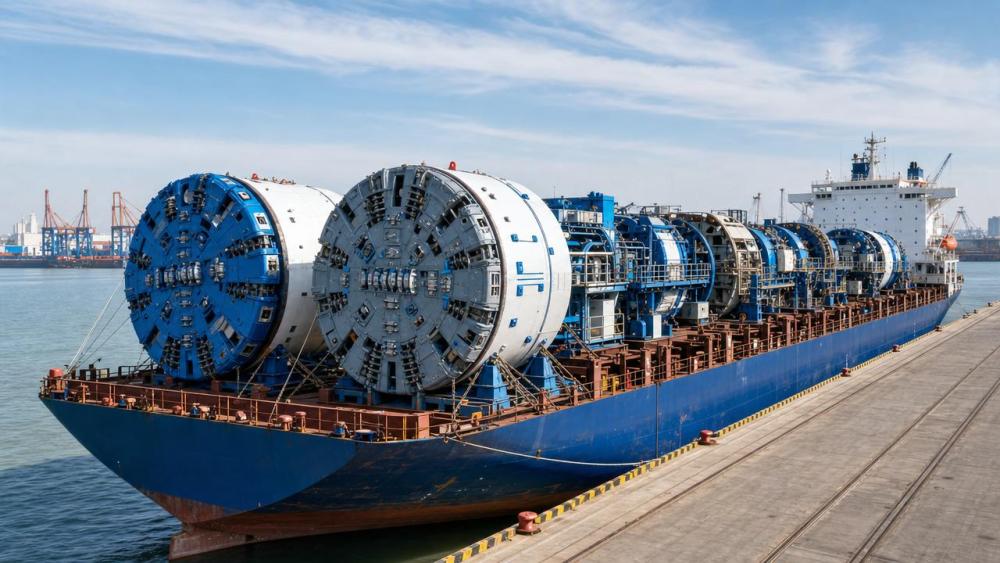
In summary, the 2026 revision marks a consequential realignment of maritime liability for Chinese exporters of large-scale engineering equipment. It does not introduce new categories of risk, but rather reassigns existing risks more definitively to the shipper under Chinese law. Current understanding should treat this as a binding legal baseline for contract drafting and risk mitigation—not as a provisional or negotiable standard.
Source: Official promulgation notice of the revised Maritime Code of the People’s Republic of China, effective 1 May 2026; Article 93 as published in the State Council Gazette. Note: Judicial application, customs administrative guidance, and sector-specific enforcement protocols remain under observation and are not yet publicly available.
Related News
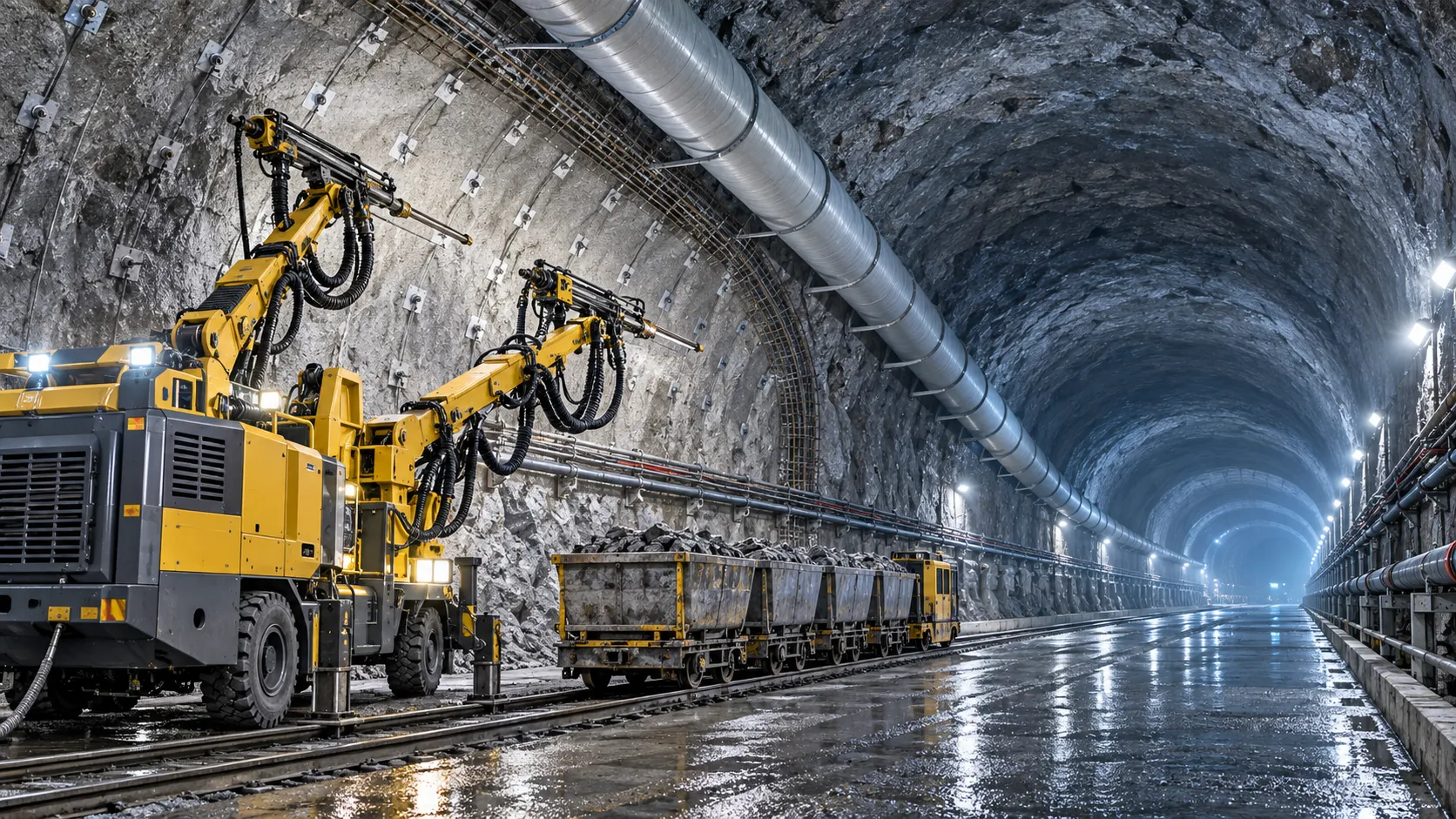
How to Evaluate European Drill-and-Blast Tunnelling Contractors for Complex Projects
Drill and blast tunnelling contractors Europe: learn how to assess geology expertise, blast control, equipment reliability, safety, and programme resilience for complex projects.
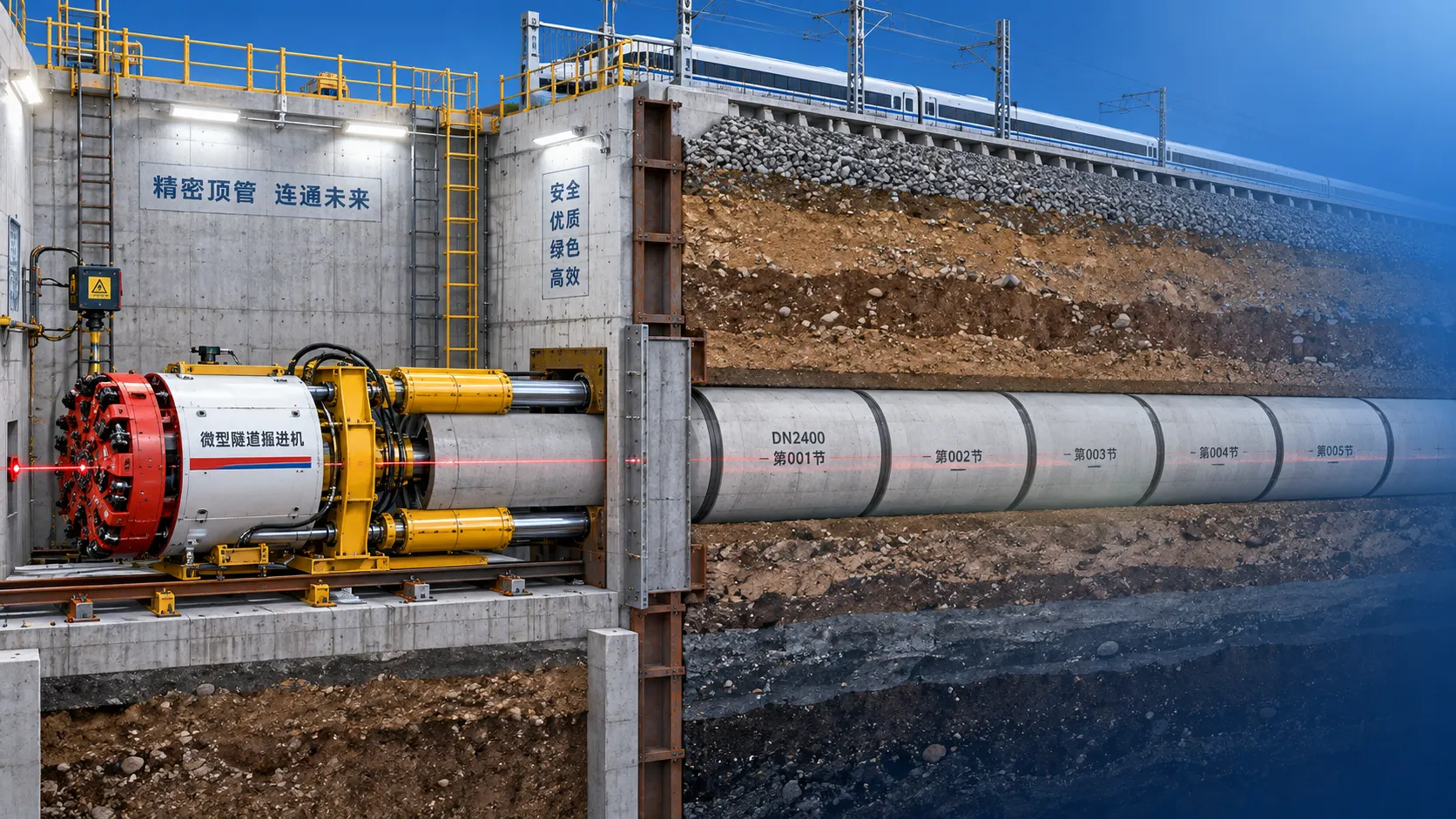
Which Trenchless Construction Technique Fits Your Utility Crossing Conditions?
Trenchless construction techniques compared for utility crossings: choose HDD, microtunnelling, pipe jacking, or auger boring based on ground, accuracy, access, and risk.
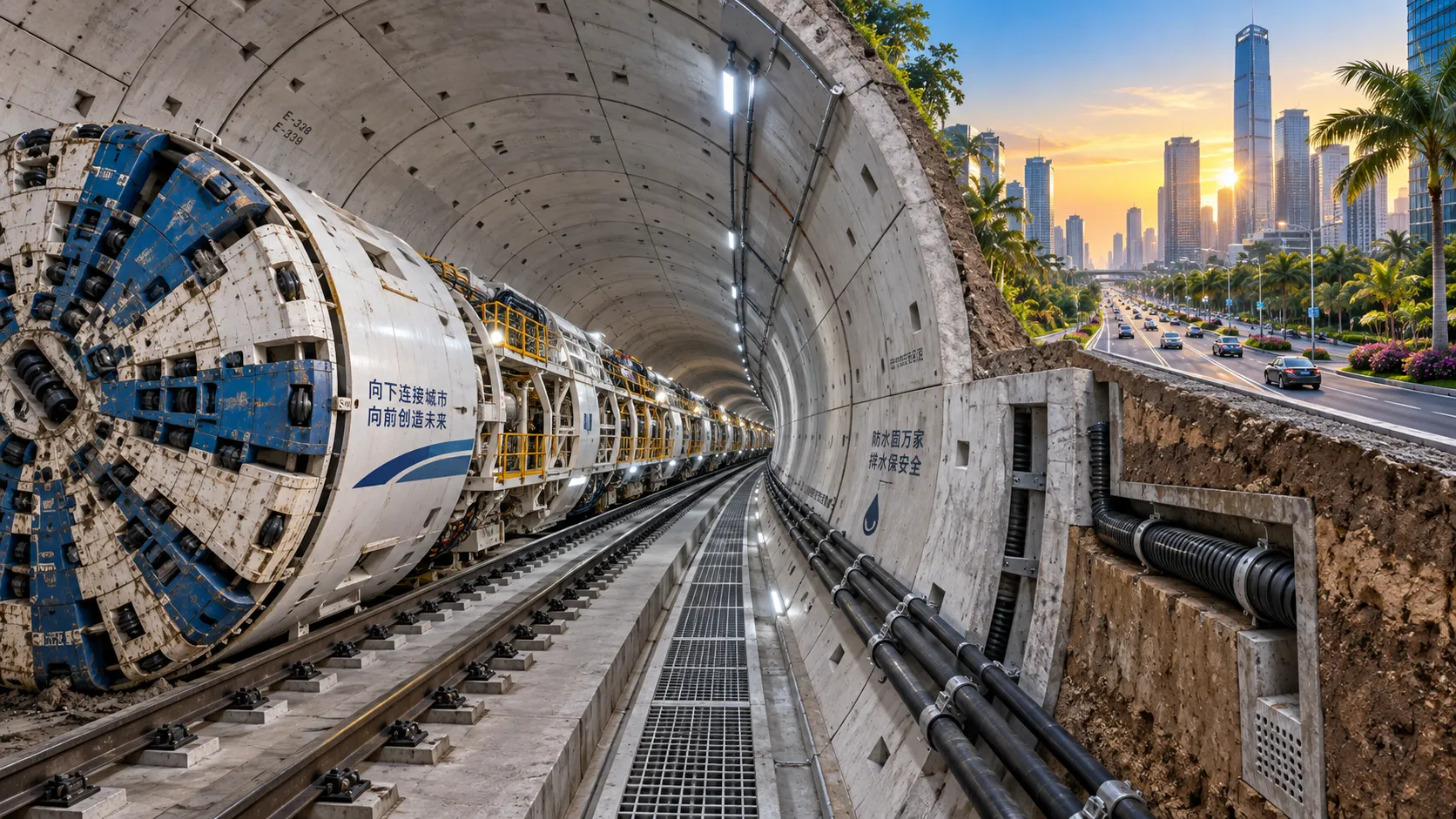
What Is Driving Metro Tunnelling Demand Across Southeast Asia’s Major Cities?
Metro tunnelling Southeast Asia is accelerating as major cities tackle congestion, flooding, and connectivity. Explore the market forces, technical risks, and opportunities shaping demand.
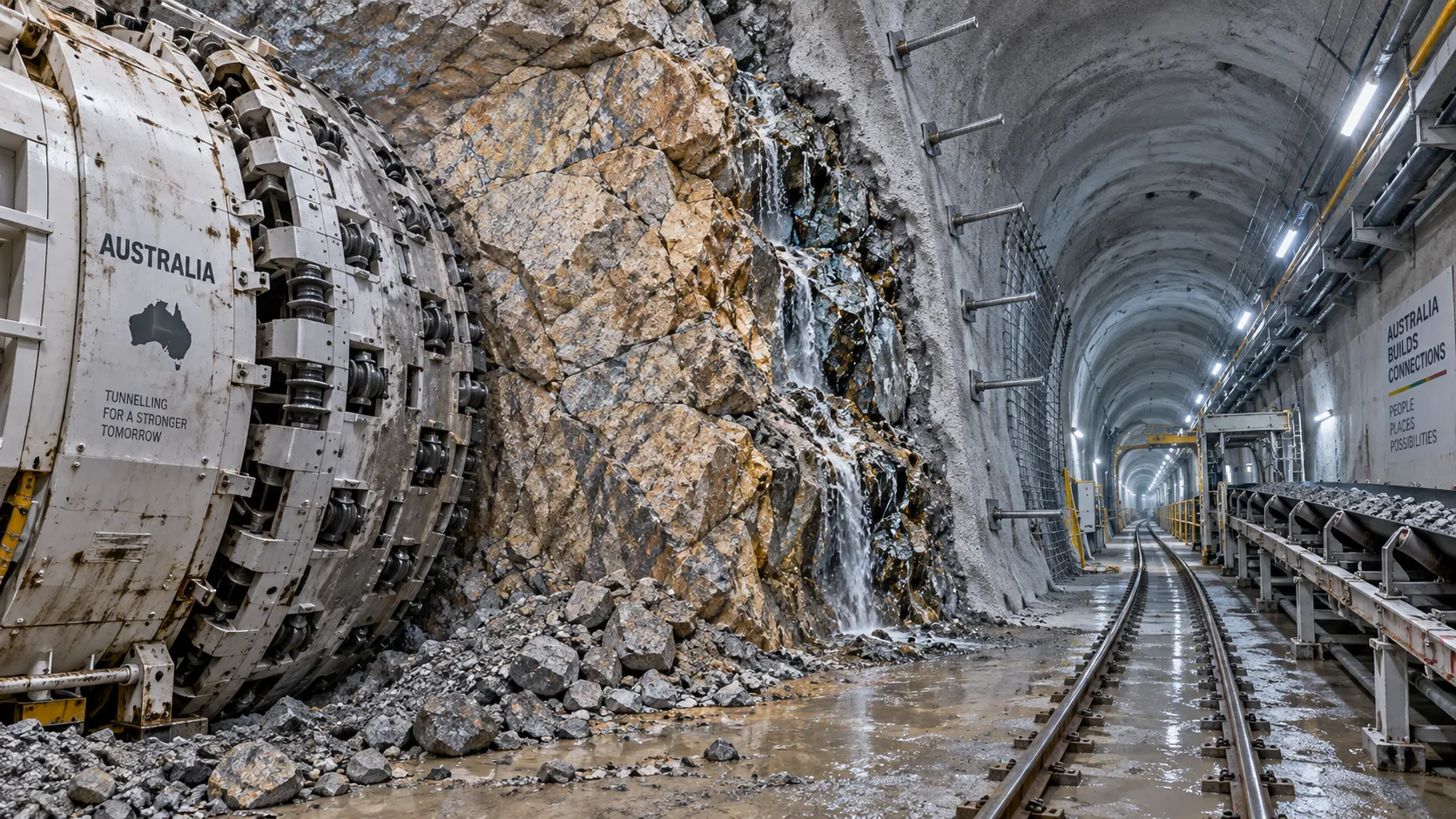
Hard Rock Tunnelling in Australia: Selecting Methods for Variable Ground Conditions
Hard rock tunnelling in Australia: compare TBM, drill-and-blast and hybrid methods to manage variable ground, reduce risk and protect project costs.
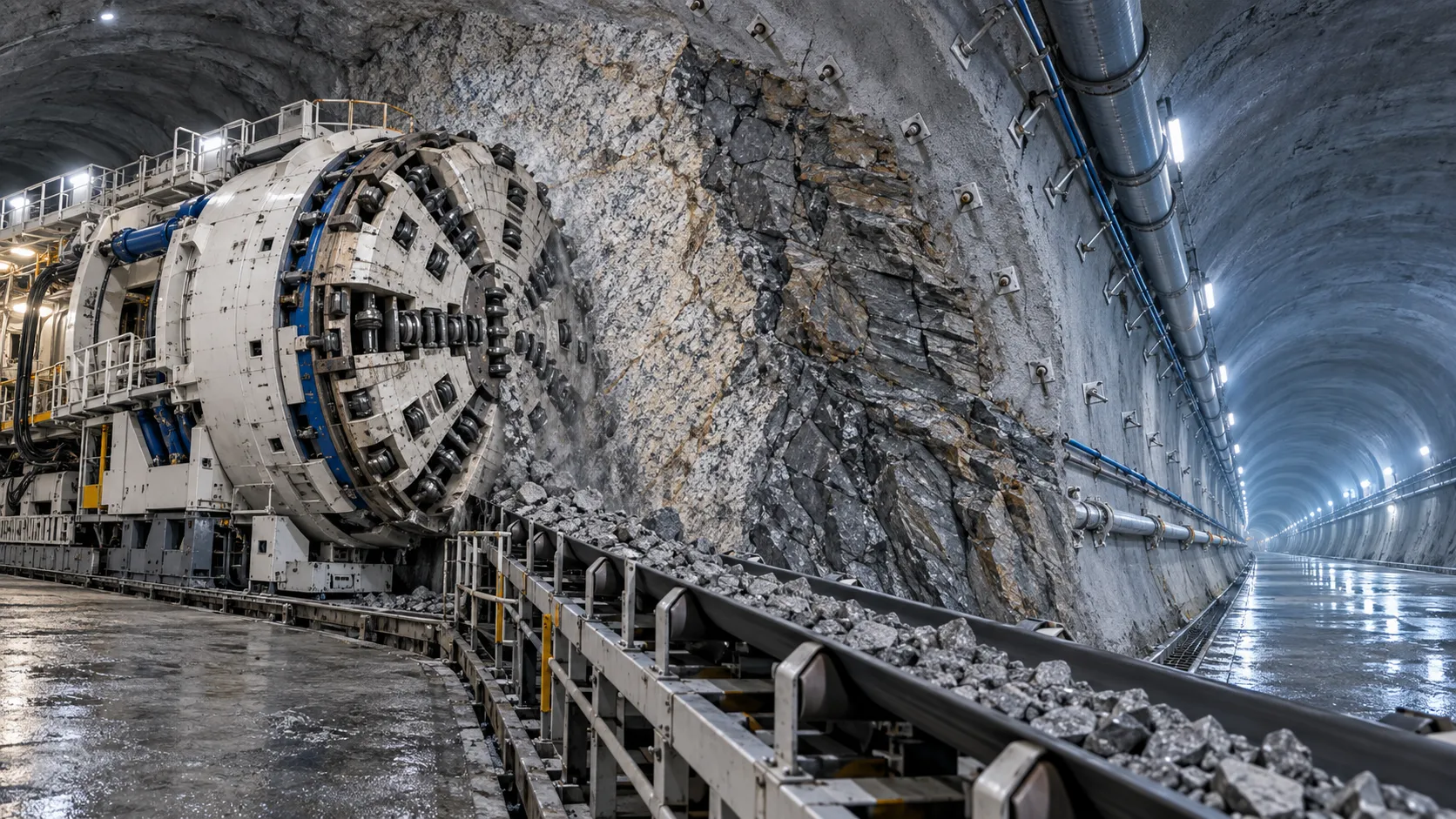
Hydropower Tunnel Excavation: Selecting Methods for Variable Rock Conditions
Hydropower tunnel excavation methods for variable rock conditions: compare TBM, drill-and-blast, and hybrid strategies to improve safety, progress, and project control.
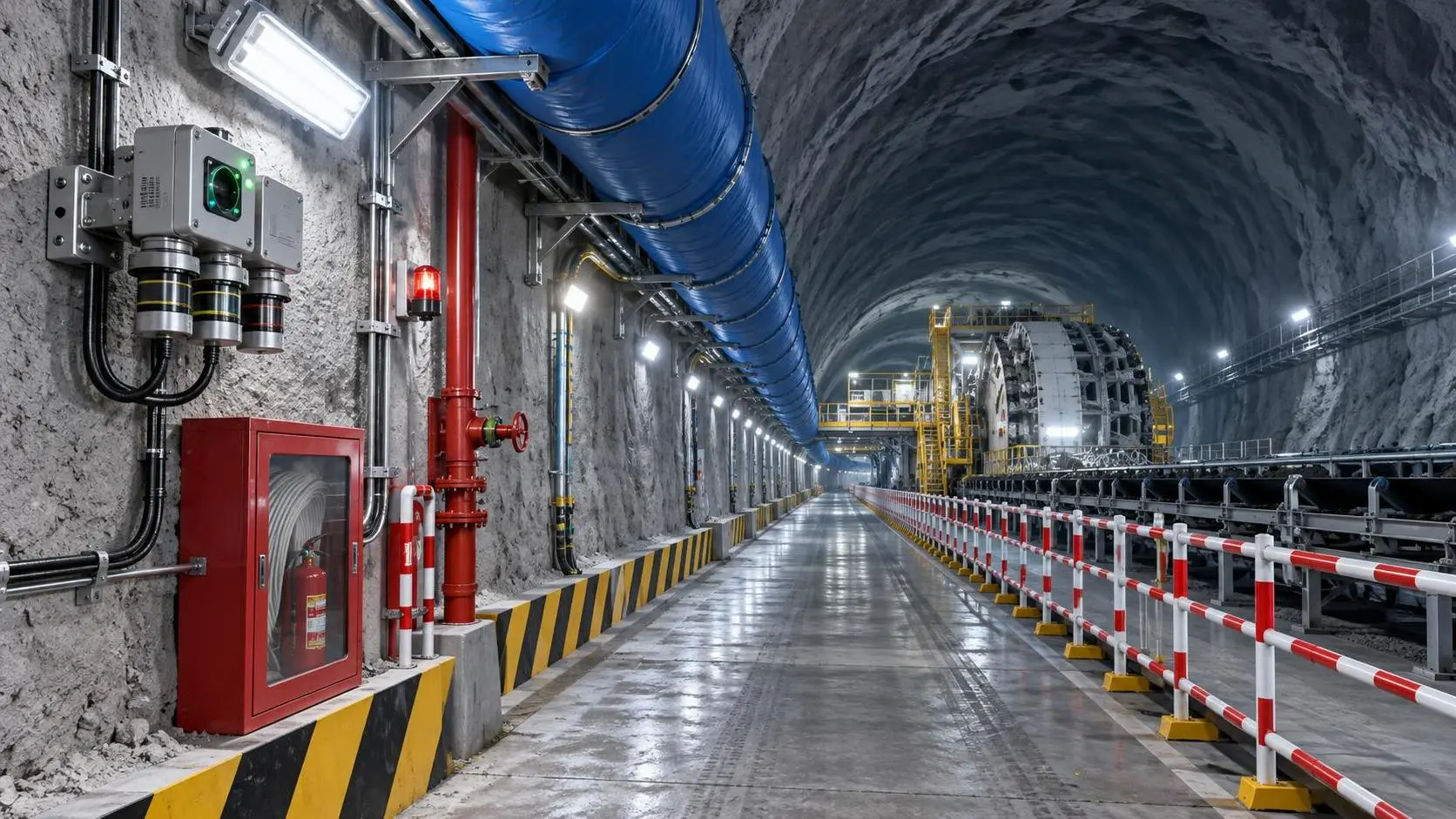
How to Select Underground Safety Equipment for Tunnelling by Hazard and Work Zone
Underground Safety Equipment for tunnelling: match protection to hazards, work zones, compliance, and emergency needs with this practical selection guide.
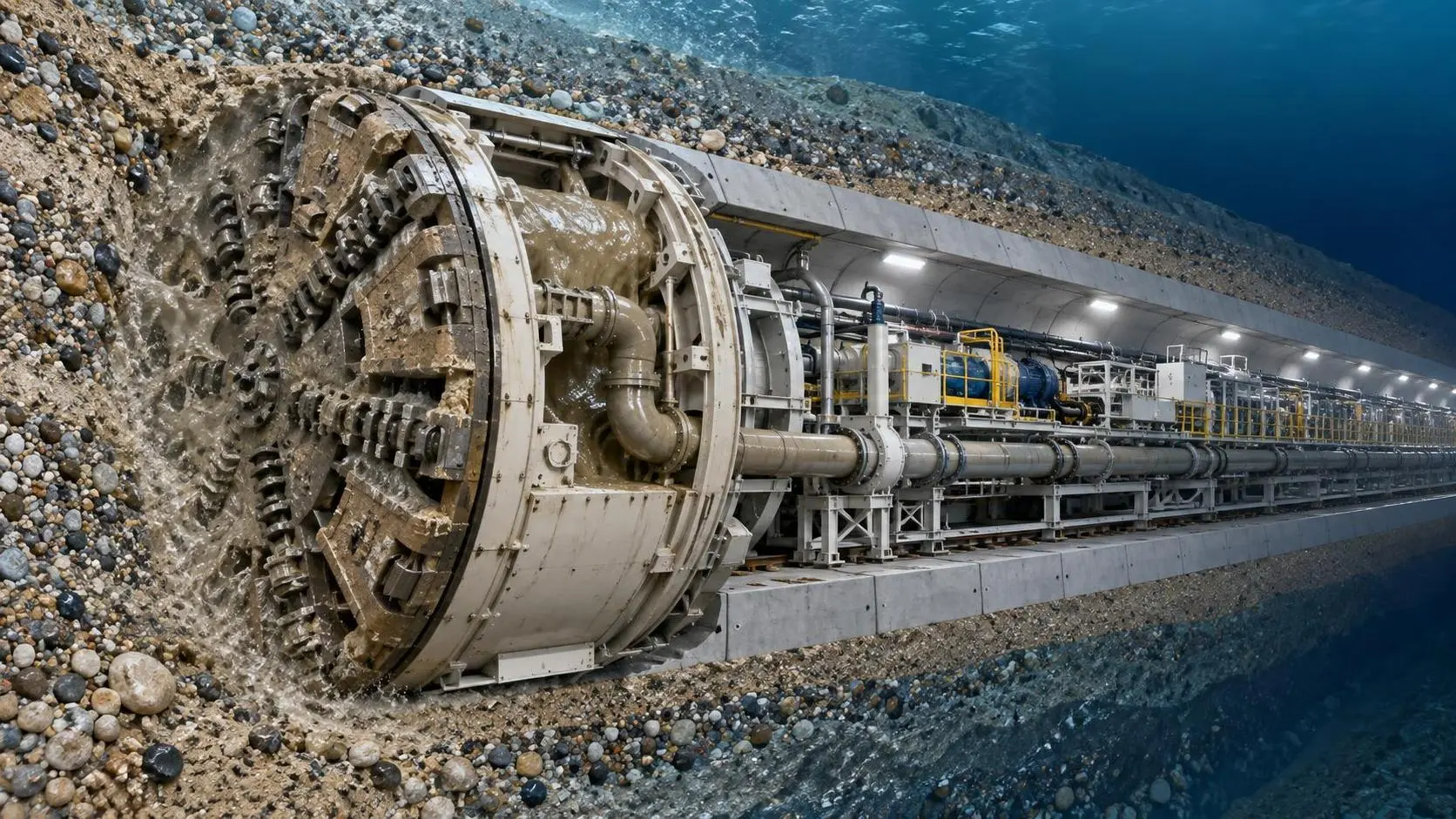
EPB or Slurry Shield? Selecting Soft-Ground Tunnelling Equipment by Soil Conditions
Tunnel Excavation Equipment for soft ground: compare EPB and slurry shields by soil, groundwater, settlement risk, and project logistics to choose confidently.
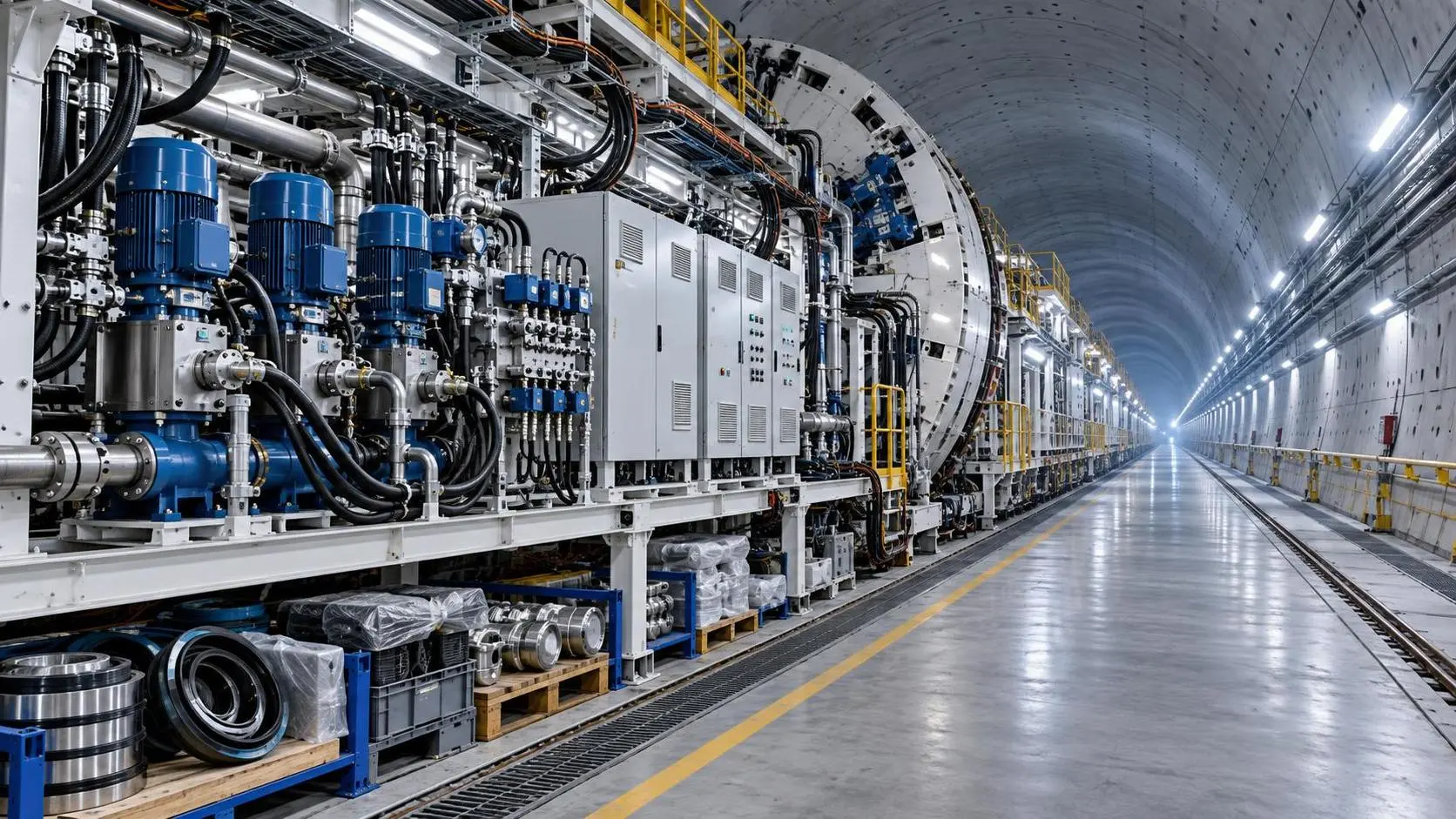
How to Specify TBM Backup System Parts for Reliable Long-Distance Tunnelling
TBM backup system parts: learn how to specify reliable spares for long-distance tunnelling, reduce downtime, ensure compatibility, and speed underground recovery.

How to Size Open Pit Mining Trucks for Haul Distance, Grade, and Payload?
Open Pit Mining Trucks: learn how to match payload, haul distance, grade, road resistance, and loading capacity for safer, lower-cost mine operations.
Related News
- 00
0000-00
How to Evaluate European Drill-and-Blast Tunnelling Contractors for Complex Projects - 00
0000-00
Which Trenchless Construction Technique Fits Your Utility Crossing Conditions? - 00
0000-00
What Is Driving Metro Tunnelling Demand Across Southeast Asia’s Major Cities? - 00
0000-00
Hard Rock Tunnelling in Australia: Selecting Methods for Variable Ground Conditions - 00
0000-00
Hydropower Tunnel Excavation: Selecting Methods for Variable Rock Conditions
Weekly Insights
Stay ahead with our curated technology reports delivered every Monday.