
CATL Accelerates Sodium-Ion Battery Mass Production, Set to Reshape LHD Battery Supply Chain by Q4 2026





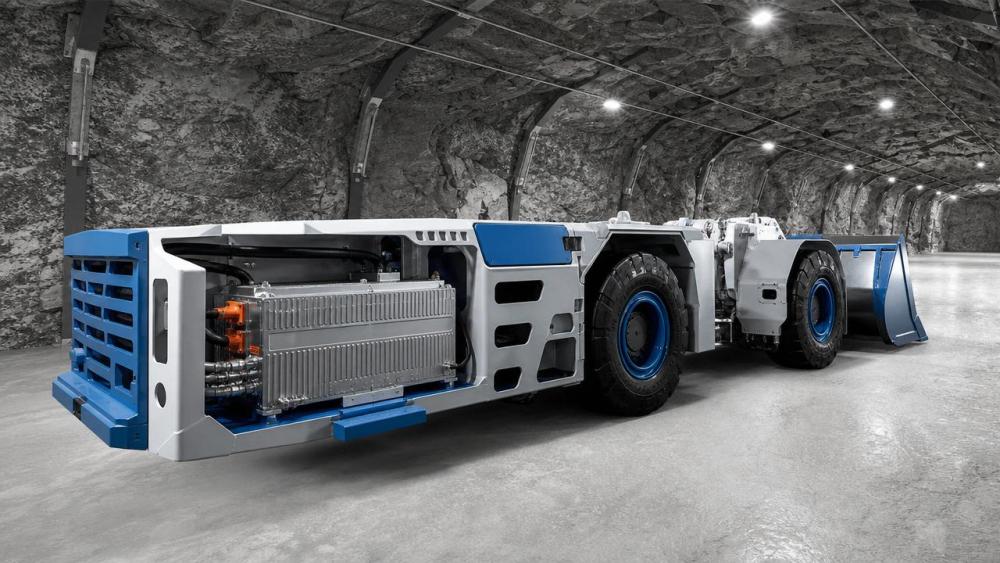
On April 21, 2026, Contemporary Amperex Technology Co. Limited (CATL) announced the imminent mass production of its sodium-ion battery technology, scheduled for launch in Q4 2026 — a development poised to significantly impact the global underground mining equipment sector, particularly Battery-Powered Load-Haul-Dump (LHD) machines, due to enhanced low-temperature performance and extended cycle life.
Confirmed Rollout Timeline and Technical Specifications
CATL confirmed that sodium-ion battery mass production will commence in Q4 2026, with 40 GWh of annual capacity to be commissioned within the same year. The cells deliver >85% discharge retention at −20 °C and exceed 3,000 charge-discharge cycles. These performance characteristics are explicitly validated for deep-mine LHD operating conditions. Concurrently, international mining equipment integrators have initiated joint development of sodium-ion-powered LHD units. A partial substitution of lithium iron phosphate (LFP) systems is anticipated beginning in 2027.
Supply Chain Impacts Across Key Stakeholder Groups
Equipment Exporters & OEMs
Manufacturers exporting battery-integrated LHD machines face urgent requirements to adapt product configurations for sodium-ion compatibility — especially in thermal management and mechanical mounting interfaces. Export timelines may be affected if BMS firmware updates or new safety certifications are mandated prior to shipment.
Raw Material Procurement Firms
Suppliers of cathode precursors, aluminum current collectors, and electrolyte components must reassess material specifications and qualification protocols, as sodium-ion chemistries impose distinct purity thresholds, moisture sensitivity, and impurity tolerance levels compared to LFP systems.
Battery Pack Assemblers & System Integrators
Domestic LHD battery pack manufacturers are required to upgrade battery management system (BMS) architecture to support sodium-ion voltage profiles, state-of-charge (SoC) estimation algorithms, and low-temperature charging protocols — a shift beyond incremental firmware patches toward hardware-level redesign.
Logistics & Certification Support Providers
Third-party testing labs, UN38.3 certification bodies, and transport compliance services must prepare updated test plans addressing sodium-ion-specific thermal runaway propagation behavior, storage stability under high-humidity mine environments, and revised labeling requirements for non-lithium chemistries.
Strategic Priorities for Manufacturers and Integrators
Validate BMS Compatibility Against Sodium-Ion Voltage Signatures
Existing BMS platforms designed for LFP’s flat 3.2 V plateau require recalibration or replacement to interpret sodium-ion’s steeper 2.7–3.6 V curve accurately — critical for SoC accuracy and overcharge protection in deep-mine deployments.
Secure Pre-Qualified Sodium-Ion Cell Sourcing Channels
With CATL’s initial 40 GWh capacity committed to early partners, equipment makers must establish direct technical and procurement alignment before Q3 2026 to avoid allocation bottlenecks during pilot integration phases.
Update Safety Documentation and Mine-Specific Compliance Files
New hazard classification reports, intrinsically safe (IS) interface assessments, and mine ventilation compatibility studies will be needed — as sodium-ion thermal behavior under fault conditions differs from conventional Li-ion chemistries.
Industry Observation: Beyond Chemistry Transition Lies System-Level Requalification
Analysis shows this is not merely a cathode-material substitution but a cascade revalidation requirement across mechanical, electrical, and safety domains. Observably, the 3,000-cycle durability target implies revised maintenance scheduling logic for fleet operators; the −20 °C performance advantage reshapes regional deployment eligibility — particularly in Nordic and Canadian hard-rock mines. What deserves closer attention is the lag between cell availability (Q4 2026) and full LHD system certification (likely mid-2027), creating a narrow window for integrators to complete design freeze, testing, and regulatory filing.
Long-Term Industry Implication
This milestone signals a structural inflection: sodium-ion batteries are transitioning from emergency backup or low-power auxiliary roles into primary traction power for mission-critical underground machinery. It underscores a broader industry shift toward chemistry-diversified energy storage strategies — reducing reliance on geopolitically constrained lithium supply chains while meeting stringent operational reliability standards in extreme underground conditions.
Source Attribution and Verification Guidance
This article is generated exclusively from the user-provided title, event date (2026-04-21), and summary text. Specific official source links were not provided in the input and should be verified continuously. Stakeholders are advised to monitor upcoming updates to IEC 62619 amendments, MSHA battery safety guidance revisions, and CATL’s official technical documentation releases — all of which may clarify implementation scope, certification pathways, and timeline contingencies.
Related News
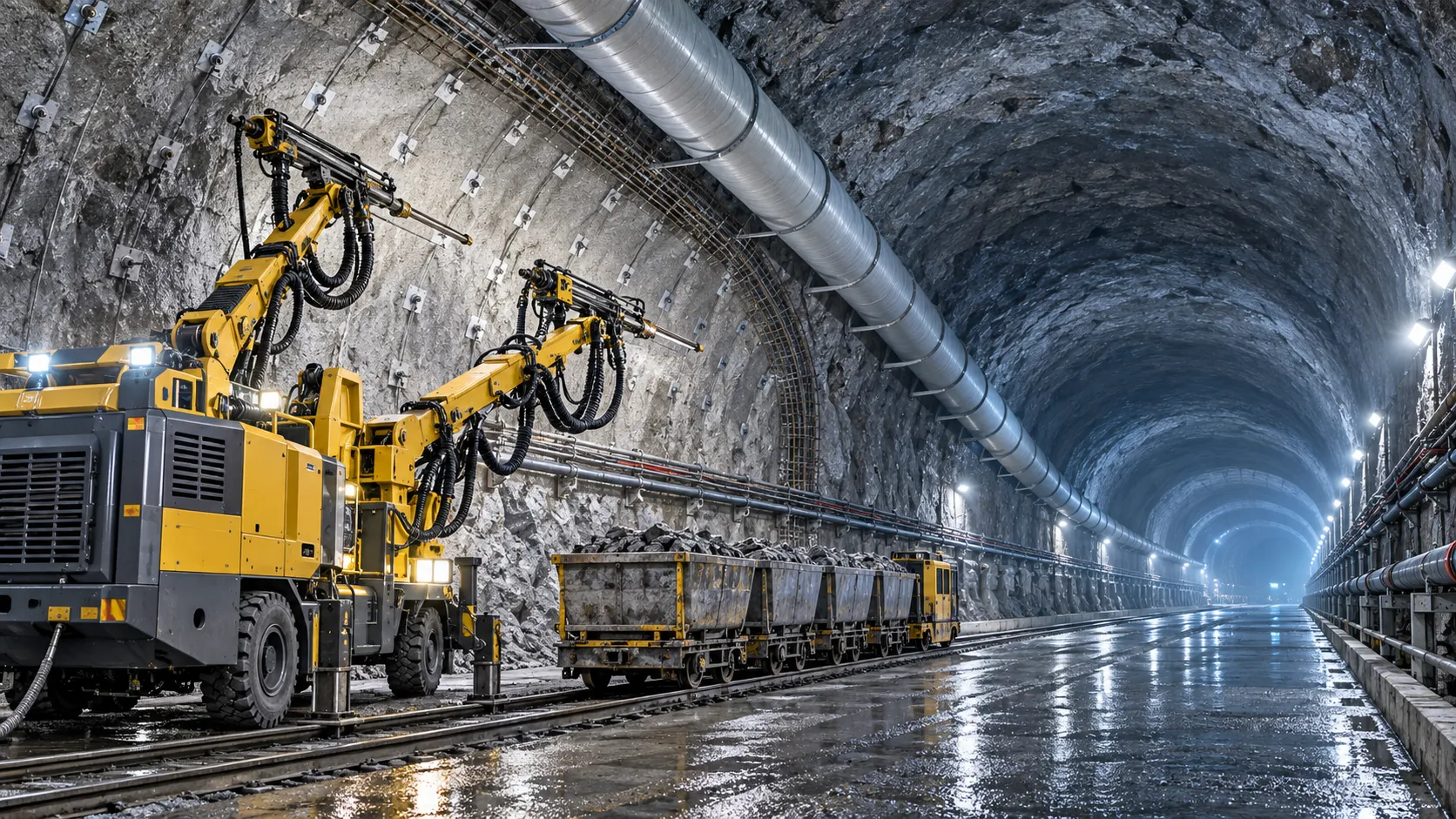
How to Evaluate European Drill-and-Blast Tunnelling Contractors for Complex Projects
Drill and blast tunnelling contractors Europe: learn how to assess geology expertise, blast control, equipment reliability, safety, and programme resilience for complex projects.
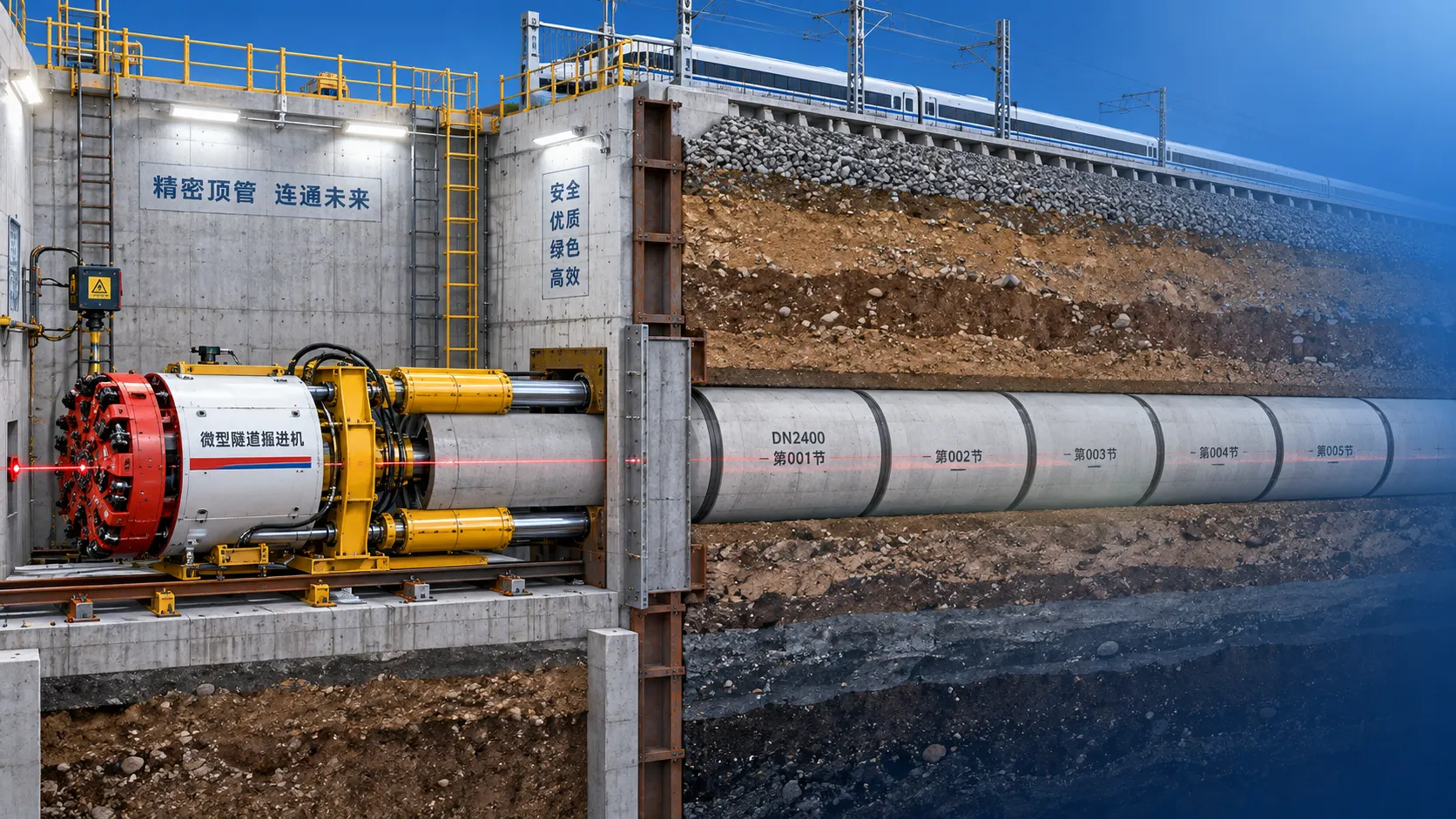
Which Trenchless Construction Technique Fits Your Utility Crossing Conditions?
Trenchless construction techniques compared for utility crossings: choose HDD, microtunnelling, pipe jacking, or auger boring based on ground, accuracy, access, and risk.
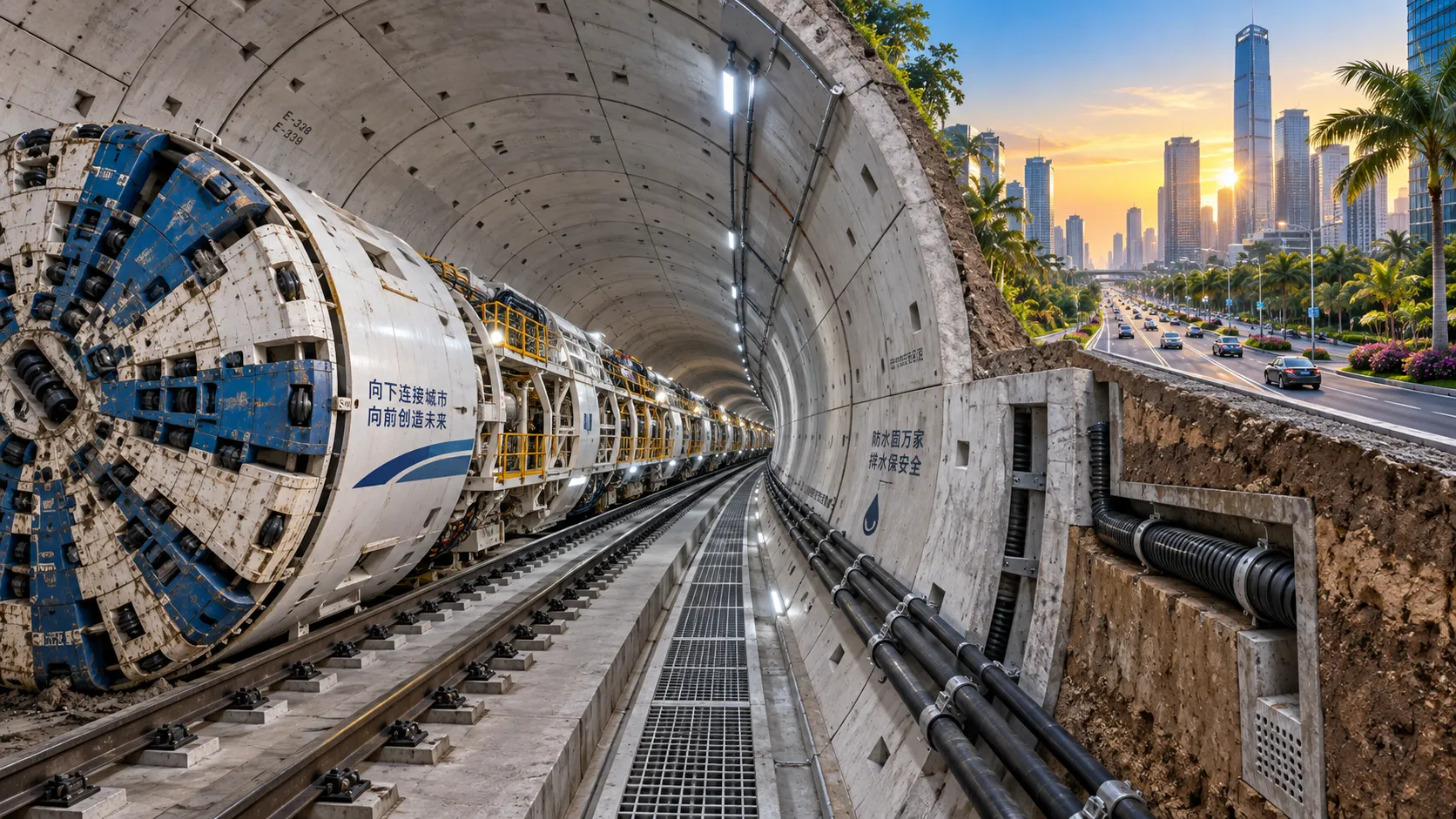
What Is Driving Metro Tunnelling Demand Across Southeast Asia’s Major Cities?
Metro tunnelling Southeast Asia is accelerating as major cities tackle congestion, flooding, and connectivity. Explore the market forces, technical risks, and opportunities shaping demand.
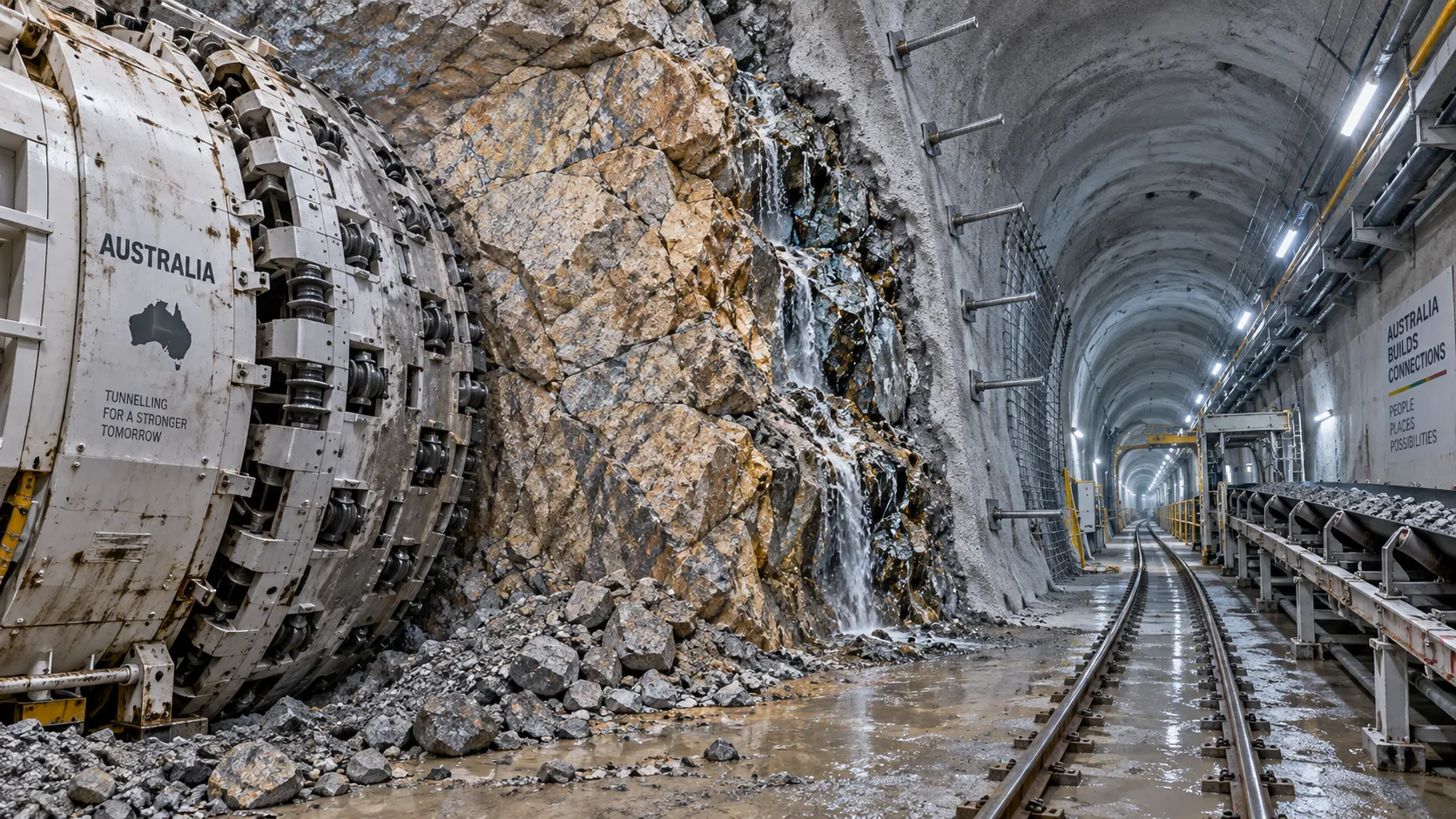
Hard Rock Tunnelling in Australia: Selecting Methods for Variable Ground Conditions
Hard rock tunnelling in Australia: compare TBM, drill-and-blast and hybrid methods to manage variable ground, reduce risk and protect project costs.
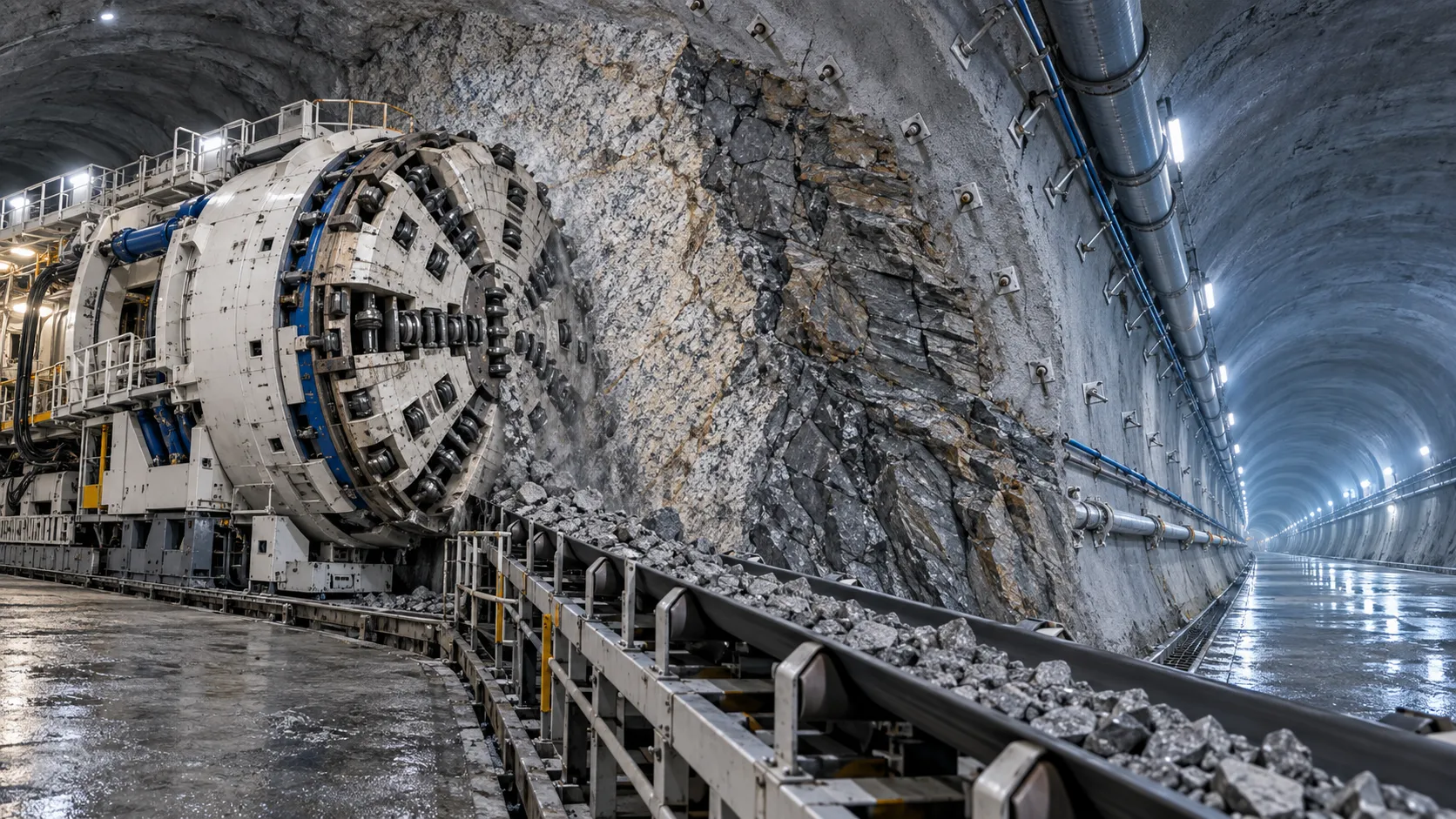
Hydropower Tunnel Excavation: Selecting Methods for Variable Rock Conditions
Hydropower tunnel excavation methods for variable rock conditions: compare TBM, drill-and-blast, and hybrid strategies to improve safety, progress, and project control.
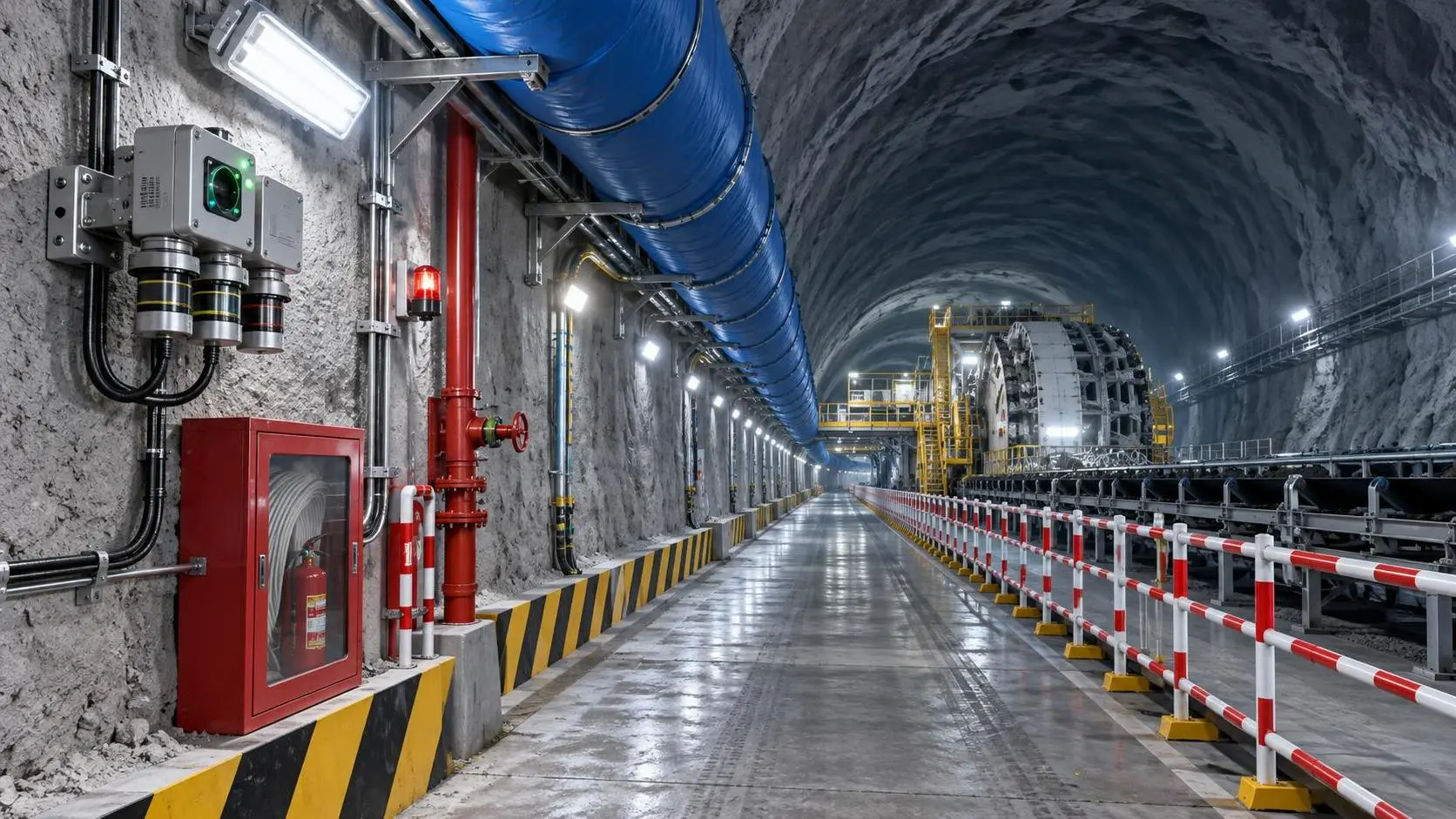
How to Select Underground Safety Equipment for Tunnelling by Hazard and Work Zone
Underground Safety Equipment for tunnelling: match protection to hazards, work zones, compliance, and emergency needs with this practical selection guide.
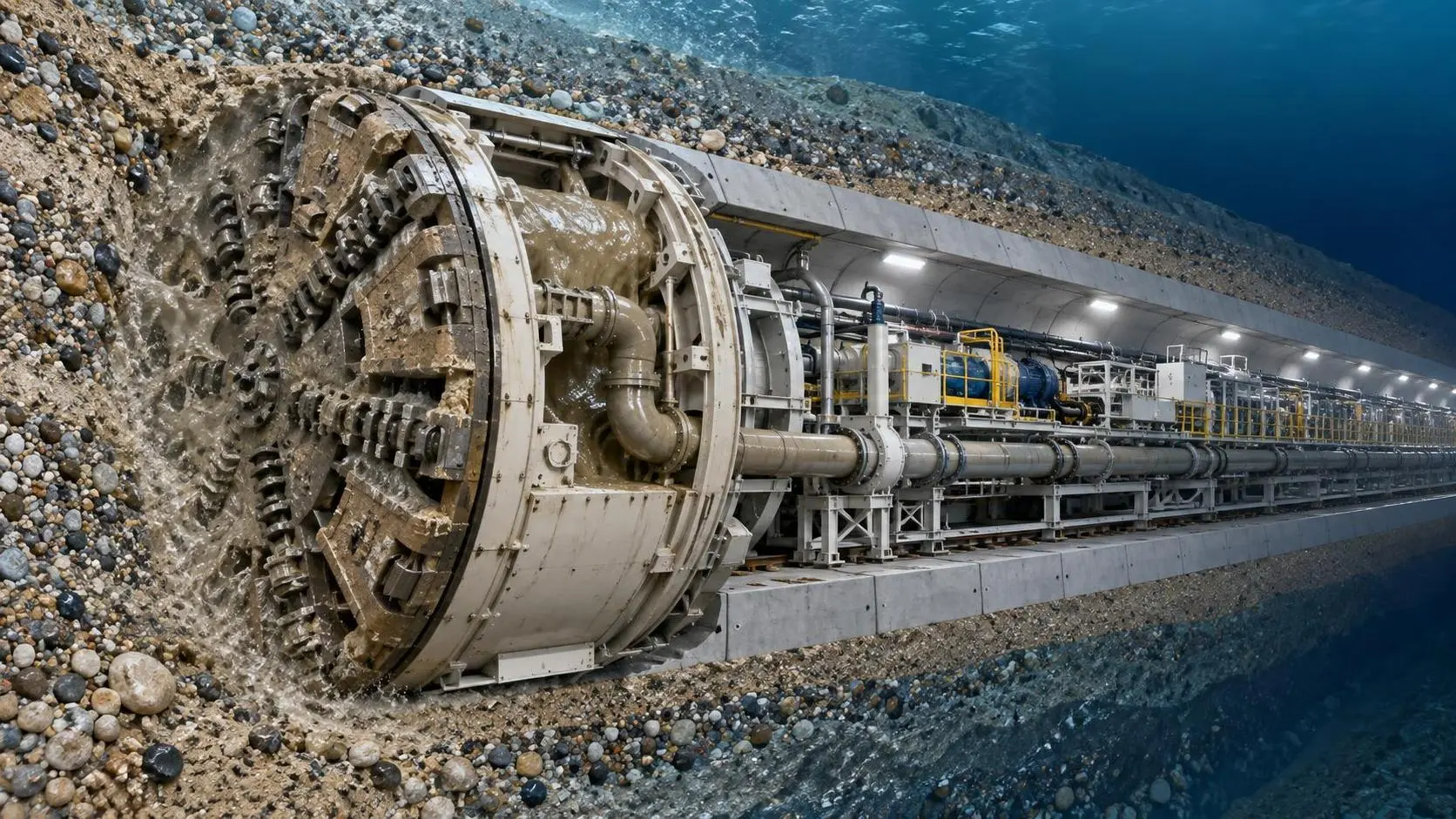
EPB or Slurry Shield? Selecting Soft-Ground Tunnelling Equipment by Soil Conditions
Tunnel Excavation Equipment for soft ground: compare EPB and slurry shields by soil, groundwater, settlement risk, and project logistics to choose confidently.
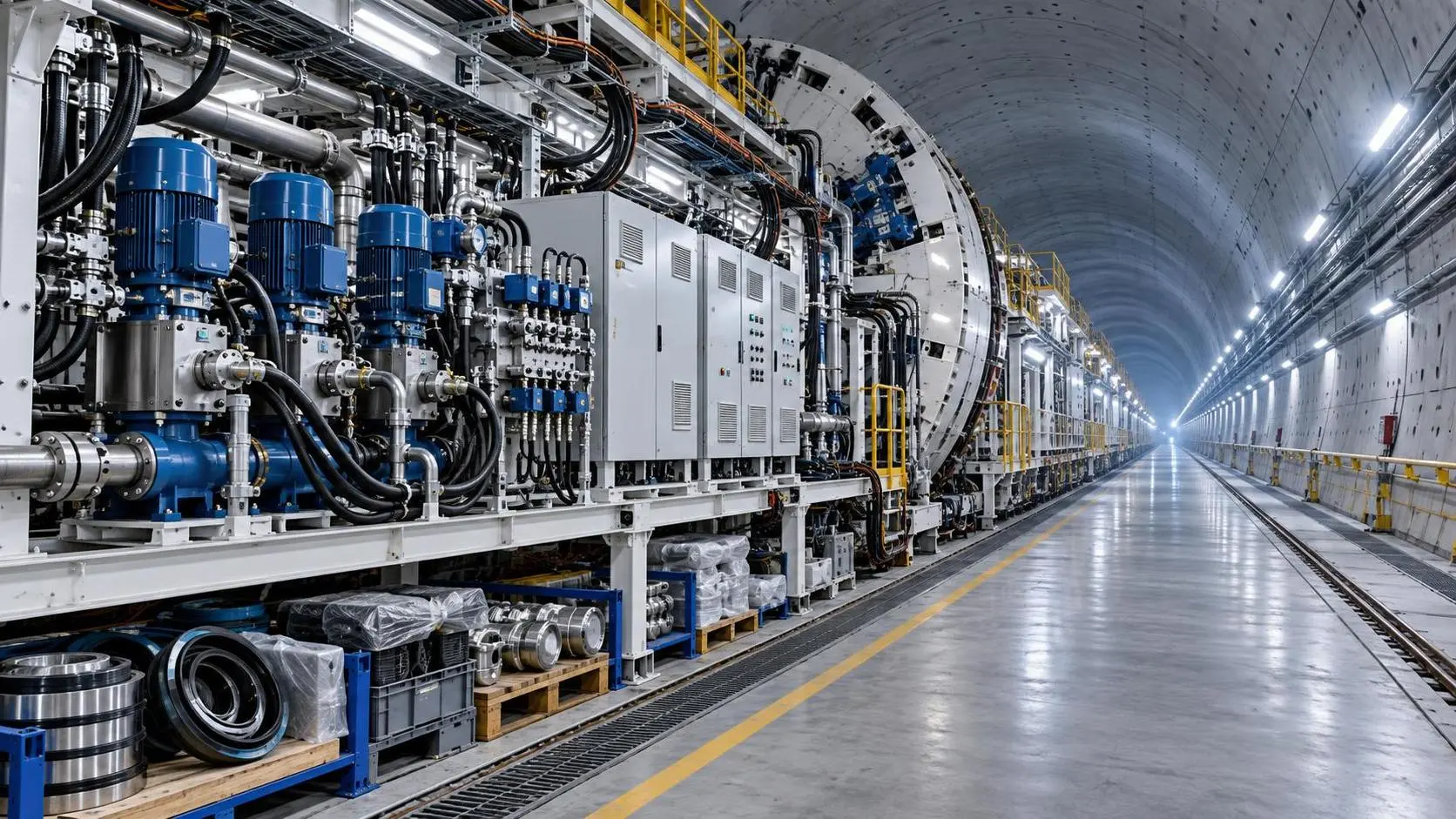
How to Specify TBM Backup System Parts for Reliable Long-Distance Tunnelling
TBM backup system parts: learn how to specify reliable spares for long-distance tunnelling, reduce downtime, ensure compatibility, and speed underground recovery.
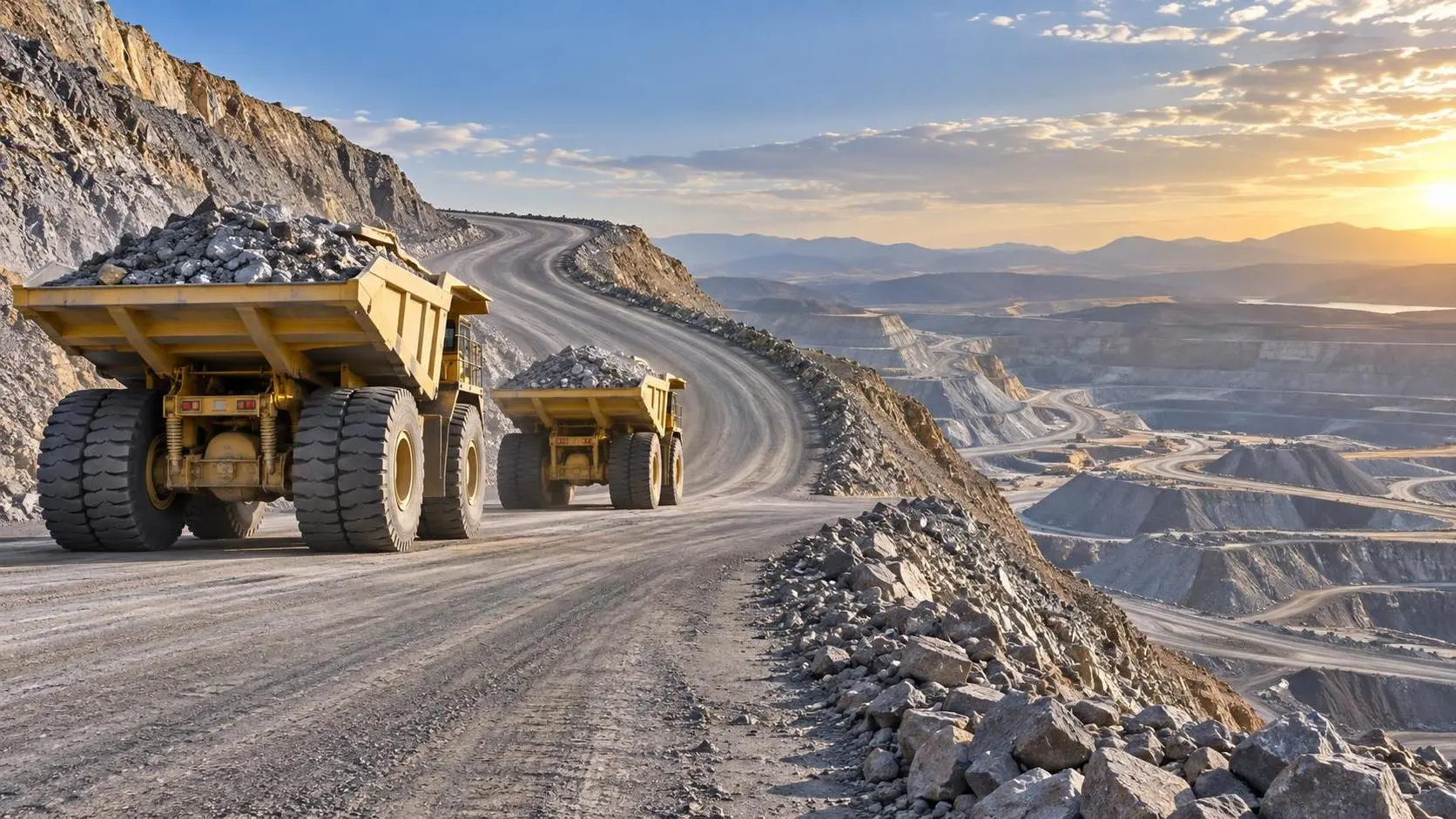
How to Size Open Pit Mining Trucks for Haul Distance, Grade, and Payload?
Open Pit Mining Trucks: learn how to match payload, haul distance, grade, road resistance, and loading capacity for safer, lower-cost mine operations.
Related News
- 00
0000-00
How to Evaluate European Drill-and-Blast Tunnelling Contractors for Complex Projects - 00
0000-00
Which Trenchless Construction Technique Fits Your Utility Crossing Conditions? - 00
0000-00
What Is Driving Metro Tunnelling Demand Across Southeast Asia’s Major Cities? - 00
0000-00
Hard Rock Tunnelling in Australia: Selecting Methods for Variable Ground Conditions - 00
0000-00
Hydropower Tunnel Excavation: Selecting Methods for Variable Rock Conditions
Weekly Insights
Stay ahead with our curated technology reports delivered every Monday.