
Chile Enforces New EMC + Explosion-Proof Certification for Autonomous LHDs





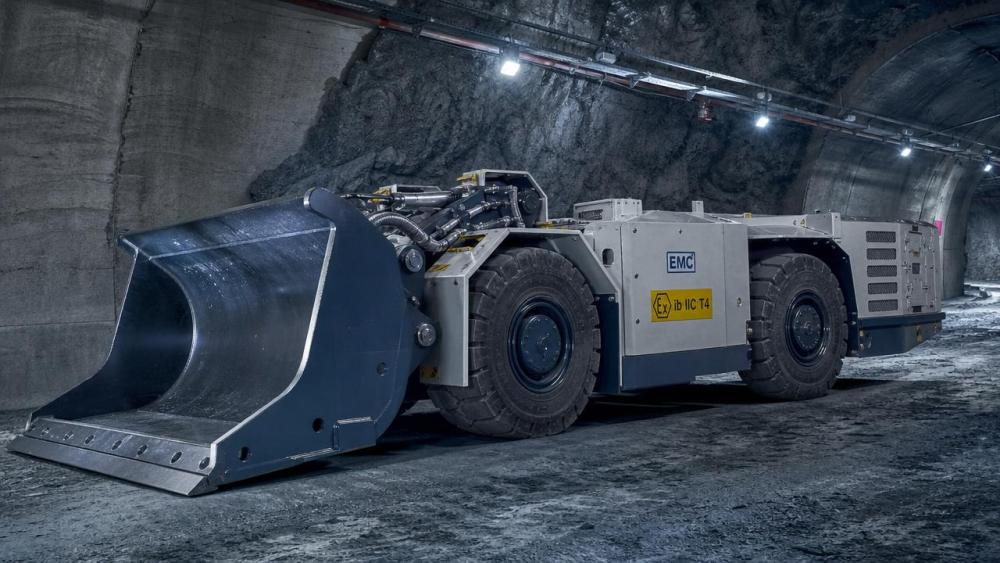
Starting 1 May 2026, Chile’s National Standards Institute (INN) will enforce NCh 3428/2026 — a mandatory electrical safety standard for autonomous loading, hauling, and dumping equipment (Autonomous LHDs) used in underground mining. This requirement directly impacts manufacturers and exporters of mining automation systems targeting the Chilean and broader South American market.
Event Overview
Effective 1 May 2026, INN mandates compliance with NCh 3428/2026 for all Autonomous LHDs deployed in underground mines in Chile. The standard requires successful electromagnetic compatibility (EMC) testing and intrinsic safety certification to Ex ib IIC T4 level. Previously, only mechanical safety certification was required. Public reports confirm that two Chinese LHD exporters experienced delivery delays for May 2026 orders due to non-compliance with the new dual certification requirement.
Industries Affected
Direct Exporters of Mining Automation Equipment
Exporters supplying Autonomous LHDs to Chile must now obtain both EMC and Ex ib IIC T4 certifications before customs clearance or site commissioning. The added testing and documentation process extends lead times and increases pre-shipment compliance costs.
Manufacturers of Underground Mining Machinery
Original equipment manufacturers (OEMs) integrating autonomous control systems into LHD platforms face redesign or retrofitting requirements — particularly for power electronics, sensor shielding, and enclosure integrity — to meet the Ex ib IIC T4 classification. Legacy models certified only to mechanical standards are no longer eligible for underground deployment in Chile.
Supply Chain Service Providers (Testing & Certification Agencies)
Certification bodies accredited for INN-recognized EMC and ATEX/IECEx-type explosion-proof assessments are seeing increased demand for parallel testing pathways. Lead times for Ex ib IIC T4 evaluations — especially those requiring third-party witnessed testing in certified labs — have lengthened across Latin America and Europe.
What Enterprises and Practitioners Should Monitor and Do Now
Track official INN guidance on transitional arrangements
Although enforcement begins 1 May 2026, INN has not publicly clarified whether grandfathering applies to contracts signed prior to that date or whether field-upgrade pathways exist for already-deployed units. Exporters should monitor INN’s official notices and consult Chilean import agents for updates on enforcement interpretation.
Verify certification scope against actual product configurations
EMC and Ex ib IIC T4 certifications are model-specific and configuration-dependent. Modifications such as battery type, communication module, or hydraulic control unit may invalidate existing certificates. Exporters must align technical documentation precisely with the version submitted for testing.
Engage accredited labs early in product development cycles
Given typical turnaround times — often 10–14 weeks for full Ex ib IIC T4 assessment — delaying certification planning until final production risks shipment hold-ups. Integrating EMC and intrinsic safety design reviews at the engineering stage is now operationally necessary, not optional.
Confirm local representation requirements for post-market surveillance
NCh 3428/2026 assigns responsibility for ongoing conformity to a locally established representative in Chile. Foreign manufacturers without a legal entity there must appoint an authorized agent capable of handling regulatory correspondence, technical file retention, and incident reporting — a prerequisite for registration with INN’s product database.
Editorial Perspective / Industry Observation
Observably, this regulation signals a broader regional shift toward harmonizing underground mining equipment standards with international intrinsic safety frameworks — particularly IEC 60079 series — rather than treating electrical safety as a secondary consideration. Analysis shows the dual-certification mandate is not merely procedural; it reflects growing operational reliance on wireless telemetry, AI-driven navigation, and high-power battery systems in confined, gaseous environments. From an industry perspective, the delayed deliveries reported by two Chinese exporters suggest that many suppliers had not anticipated the scope or timing of this upgrade — indicating a gap between current export readiness and evolving South American regulatory expectations. It is more accurate to view NCh 3428/2026 as an enforcement milestone rather than an isolated policy change: its real impact lies in accelerating alignment requirements across neighboring markets considering similar amendments.
This update underscores that regulatory compliance for autonomous mining equipment in Latin America is shifting from mechanical assurance to integrated electrical system safety. It does not represent a temporary hurdle but a structural recalibration — one where EMC performance and explosion protection are now inseparable from functional specification. Current understanding should treat this not as an exception, but as the emerging baseline for underground automation deployments in high-risk mining jurisdictions.
Source: Chilean National Standards Institute (INN), official announcement of NCh 3428/2026; verified incident reports from two China-based LHD exporters (publicly disclosed in Q1 2026 trade briefings).
Note: Transitional provisions, enforcement discretion, and applicability to refurbished units remain under observation and are not yet formally clarified by INN.
Related News
How to Evaluate European Drill-and-Blast Tunnelling Contractors for Complex Projects
Drill and blast tunnelling contractors Europe: learn how to assess geology expertise, blast control, equipment reliability, safety, and programme resilience for complex projects.
Which Trenchless Construction Technique Fits Your Utility Crossing Conditions?
Trenchless construction techniques compared for utility crossings: choose HDD, microtunnelling, pipe jacking, or auger boring based on ground, accuracy, access, and risk.
What Is Driving Metro Tunnelling Demand Across Southeast Asia’s Major Cities?
Metro tunnelling Southeast Asia is accelerating as major cities tackle congestion, flooding, and connectivity. Explore the market forces, technical risks, and opportunities shaping demand.
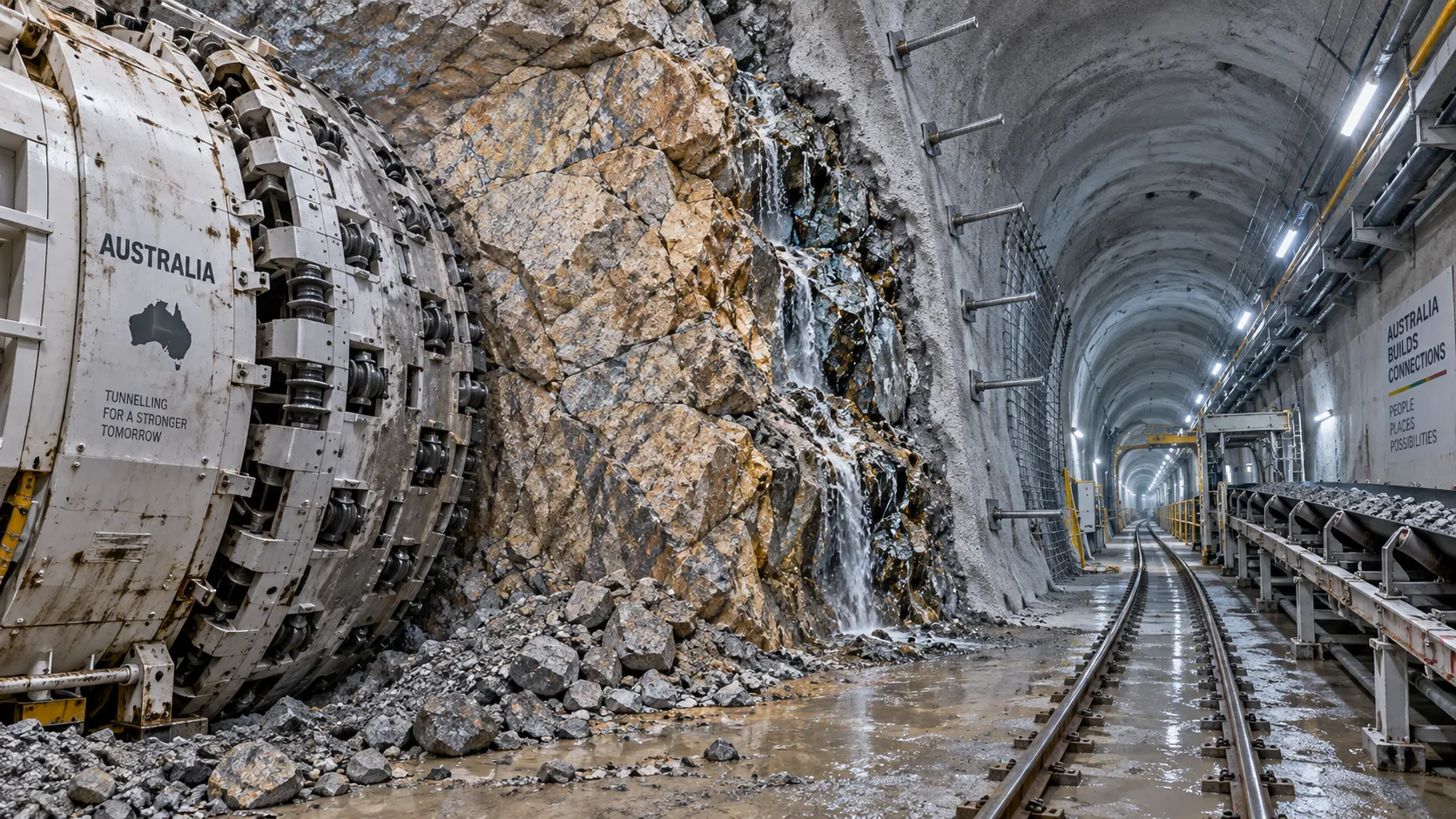
Hard Rock Tunnelling in Australia: Selecting Methods for Variable Ground Conditions
Hard rock tunnelling in Australia: compare TBM, drill-and-blast and hybrid methods to manage variable ground, reduce risk and protect project costs.
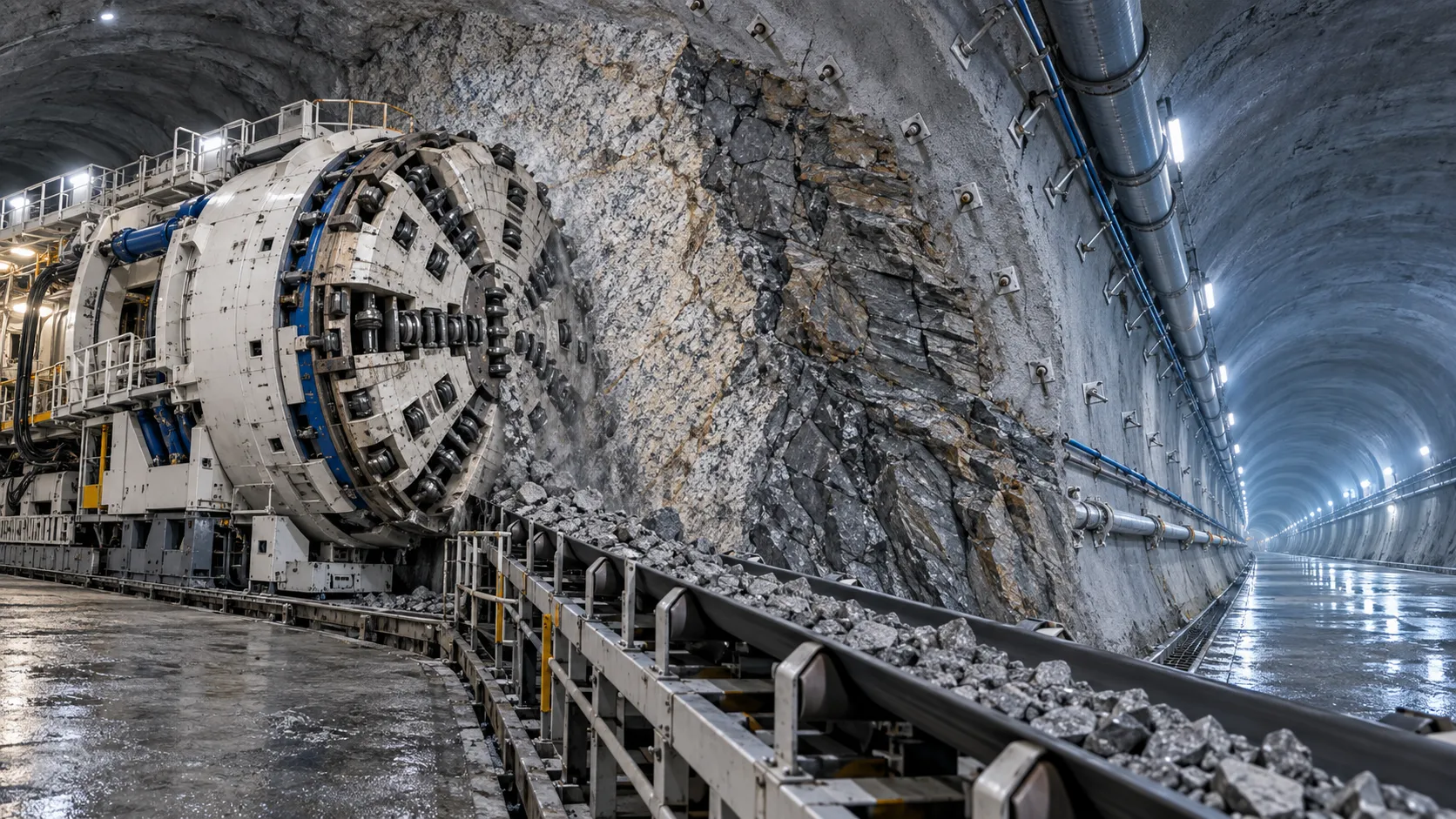
Hydropower Tunnel Excavation: Selecting Methods for Variable Rock Conditions
Hydropower tunnel excavation methods for variable rock conditions: compare TBM, drill-and-blast, and hybrid strategies to improve safety, progress, and project control.
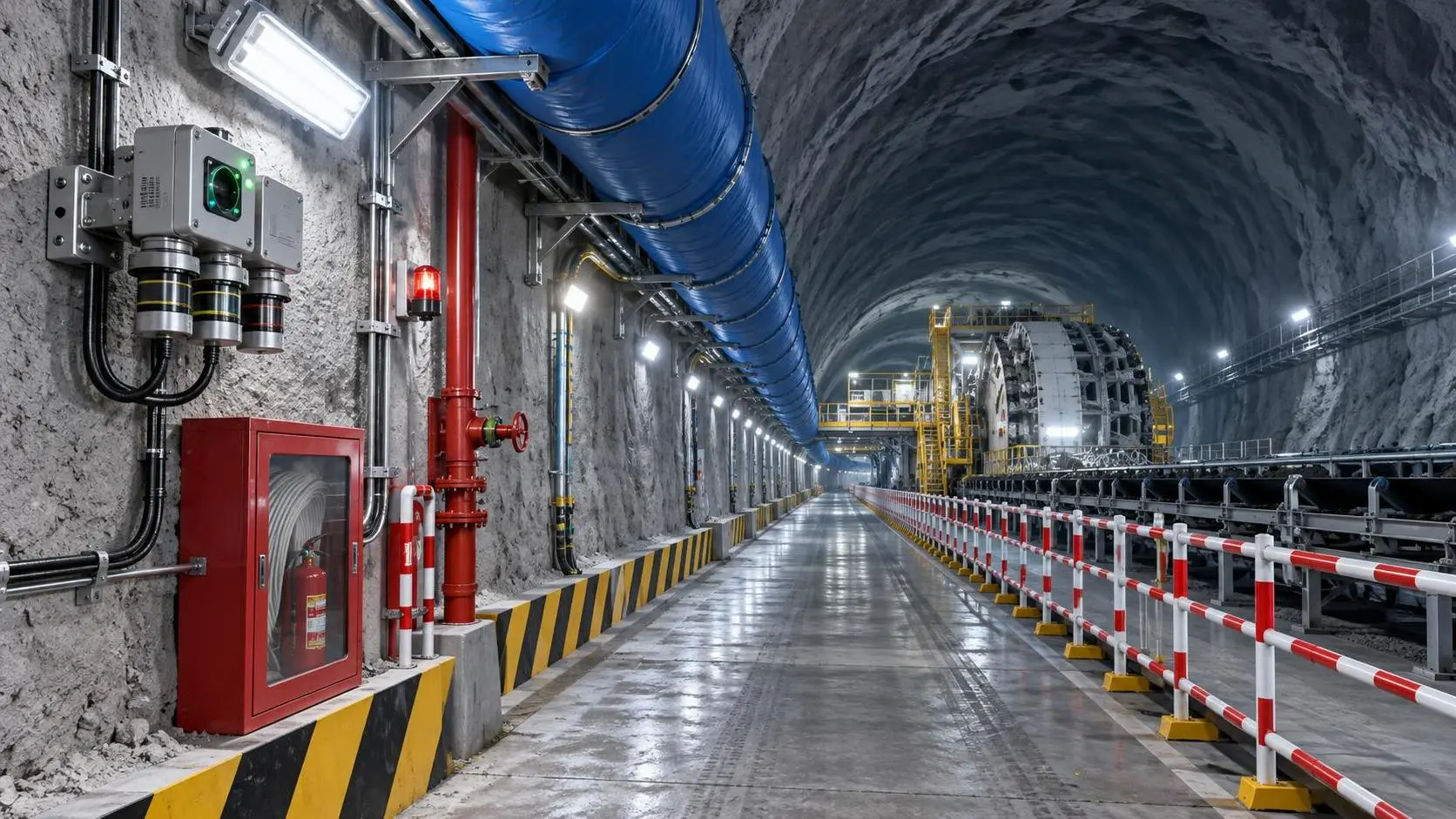
How to Select Underground Safety Equipment for Tunnelling by Hazard and Work Zone
Underground Safety Equipment for tunnelling: match protection to hazards, work zones, compliance, and emergency needs with this practical selection guide.
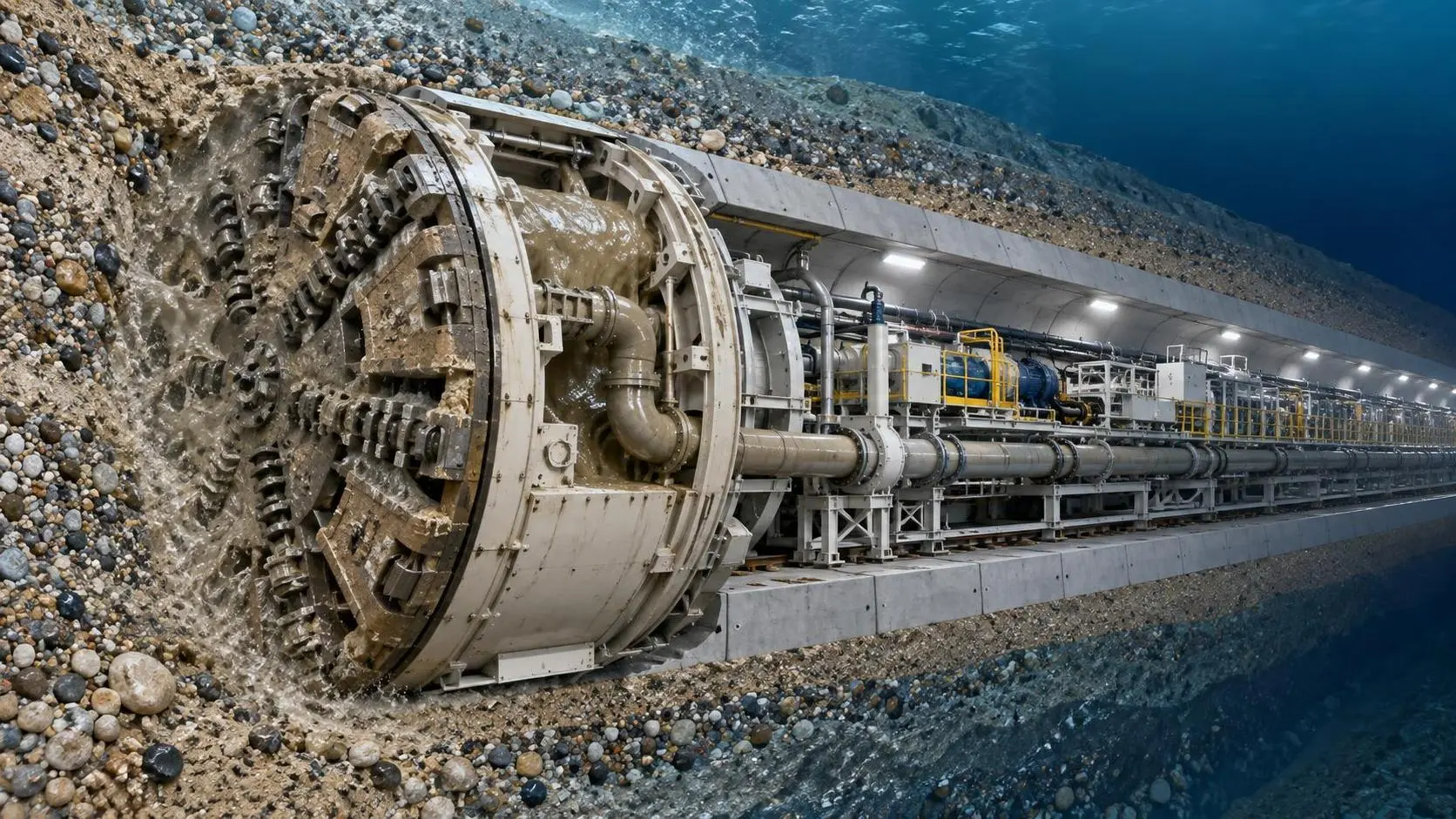
EPB or Slurry Shield? Selecting Soft-Ground Tunnelling Equipment by Soil Conditions
Tunnel Excavation Equipment for soft ground: compare EPB and slurry shields by soil, groundwater, settlement risk, and project logistics to choose confidently.
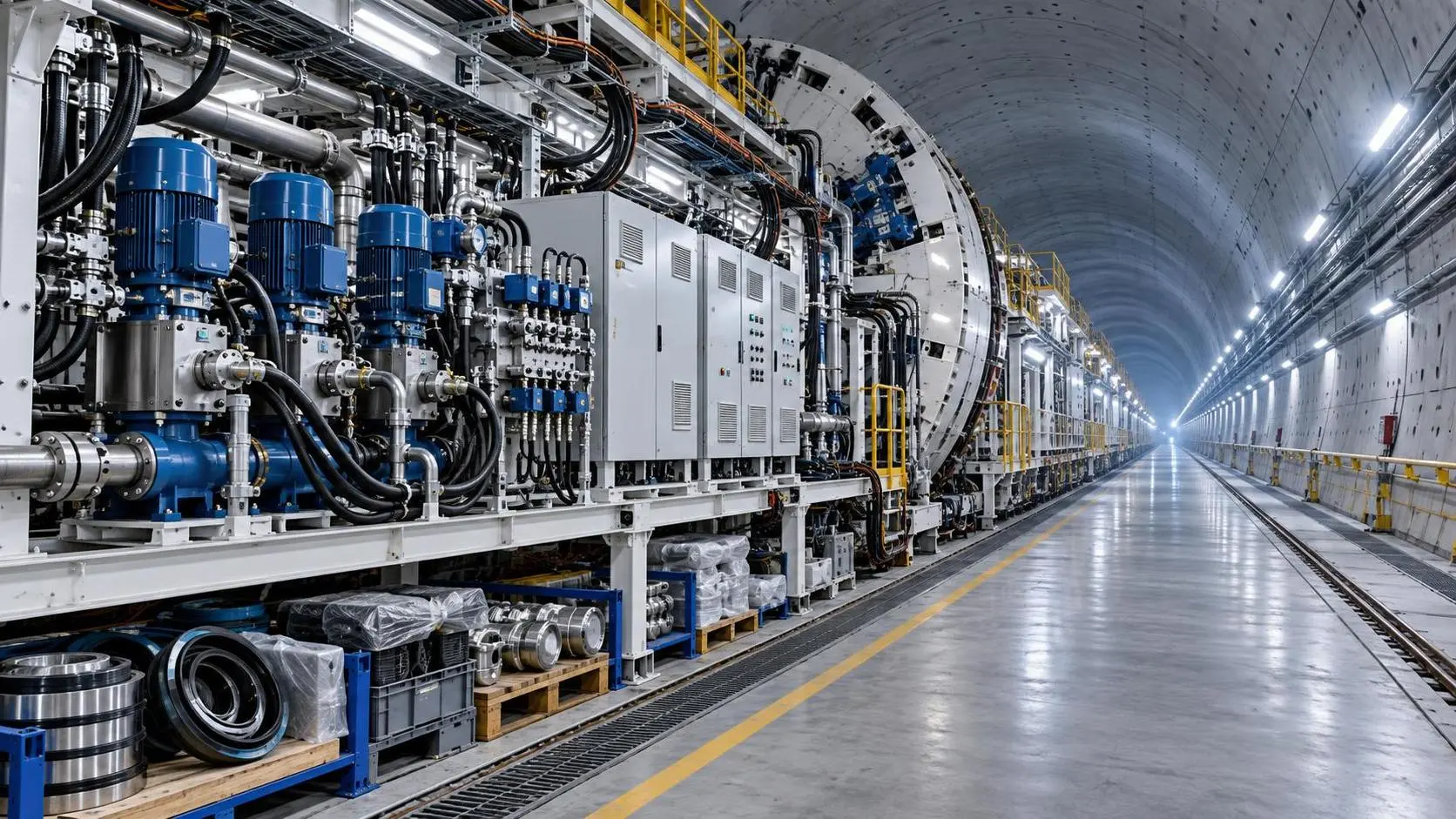
How to Specify TBM Backup System Parts for Reliable Long-Distance Tunnelling
TBM backup system parts: learn how to specify reliable spares for long-distance tunnelling, reduce downtime, ensure compatibility, and speed underground recovery.
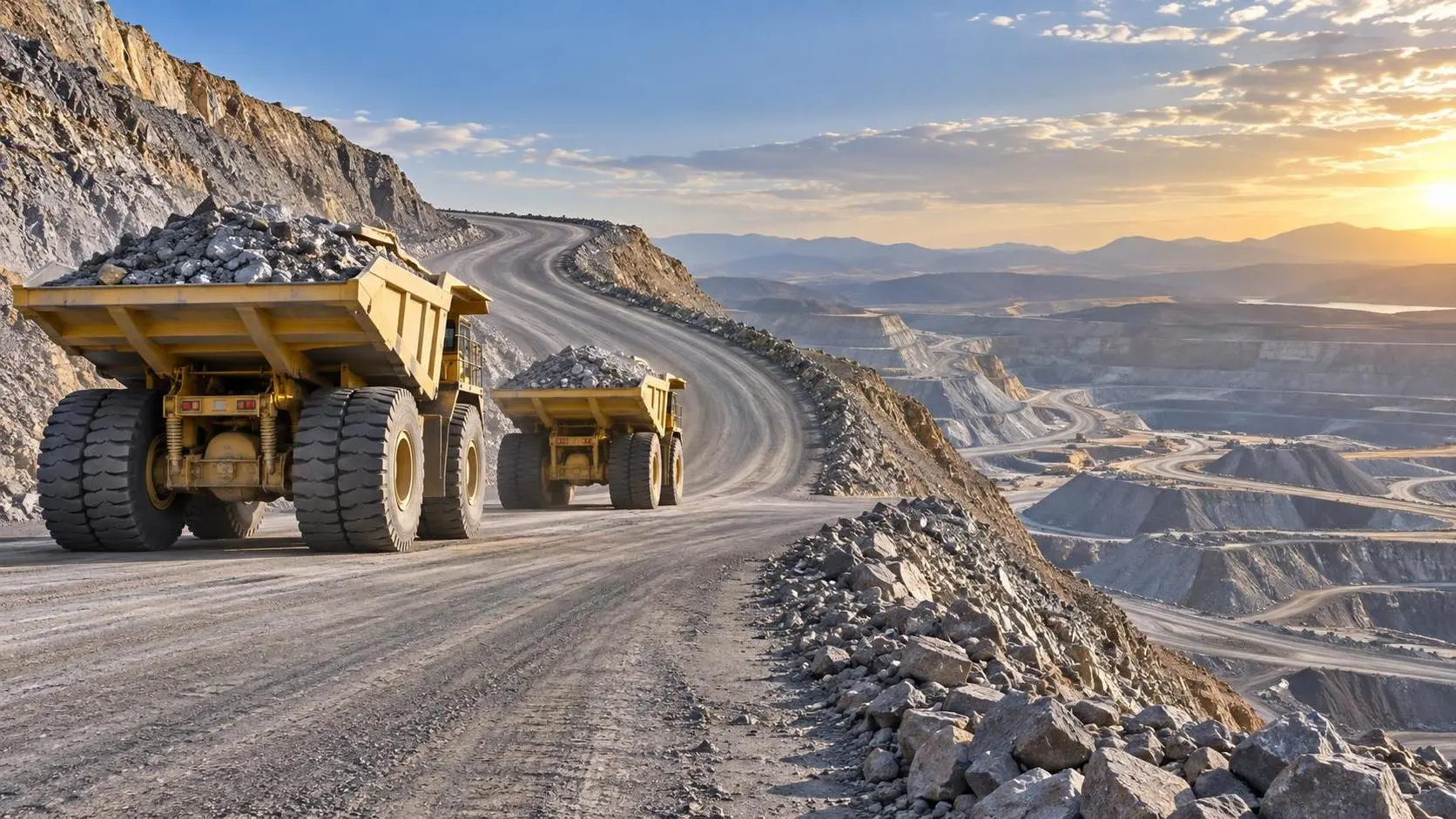
How to Size Open Pit Mining Trucks for Haul Distance, Grade, and Payload?
Open Pit Mining Trucks: learn how to match payload, haul distance, grade, road resistance, and loading capacity for safer, lower-cost mine operations.
Related News
- 00
0000-00
How to Evaluate European Drill-and-Blast Tunnelling Contractors for Complex Projects - 00
0000-00
Which Trenchless Construction Technique Fits Your Utility Crossing Conditions? - 00
0000-00
What Is Driving Metro Tunnelling Demand Across Southeast Asia’s Major Cities? - 00
0000-00
Hard Rock Tunnelling in Australia: Selecting Methods for Variable Ground Conditions - 00
0000-00
Hydropower Tunnel Excavation: Selecting Methods for Variable Rock Conditions
Weekly Insights
Stay ahead with our curated technology reports delivered every Monday.