
Chinese Tunnel Boring Machines Capture Over 70% Global Market Share





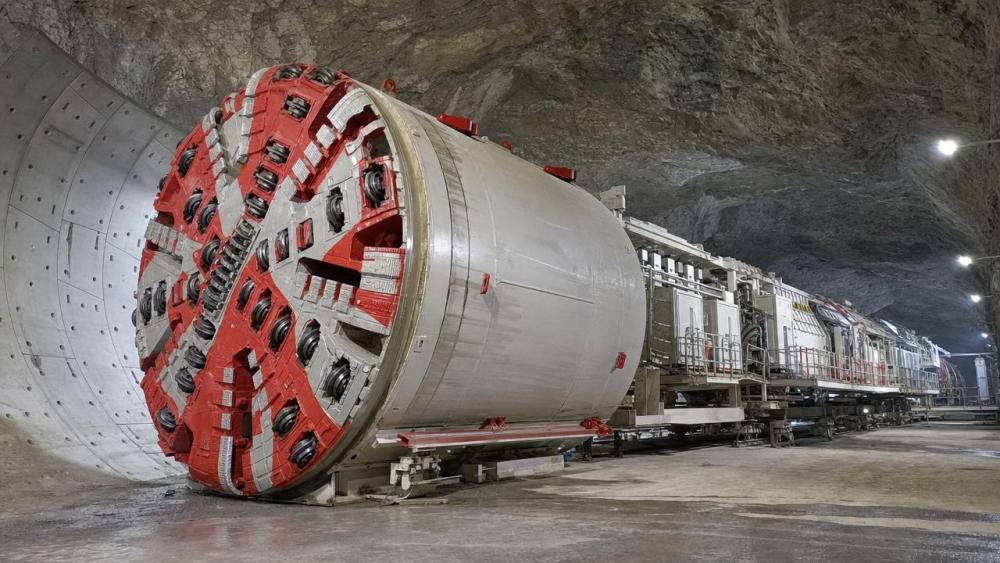
On 27 May 2026, China’s tunnel boring machines (TBMs) achieved a global market share exceeding 70%, marking a structural shift from equipment exports to integrated underground infrastructure solutions — spanning design, manufacturing, construction, and operations & maintenance. This development directly impacts international civil engineering, heavy machinery export regulation, and cross-border infrastructure procurement standards.
Confirmed Market Milestone and Technical Adoption
As of May 2026, domestically produced tunnel boring machines hold over 70% of the global market share, serving more than 60 countries. The export model has evolved from standalone hardware supply to full-scope underground engineering service delivery. Flagship projects — including the Sydney Harbour Subsea Tunnel (Australia), Paris Metro expansion (France), and the Turkish Deep-Sea Highway Tunnel — all deploy Chinese-made Slurry and EPB Shields. Core technologies such as intelligent cutter-changing systems and sub-millimetre automatic posture adjustment have received formal certification from multiple national regulatory authorities.
Impact Across Supply Chain Roles
Export-oriented machinery manufacturers
These firms face heightened requirements for system-level compliance documentation, not just CE or ISO certifications for individual components. Export contracts now routinely demand integrated technical dossiers covering design validation, on-site commissioning protocols, and long-term operational performance data — increasing pre-bid preparation time and technical bid alignment effort.
Raw material and component suppliers
Suppliers must align with extended traceability expectations: materials used in certified TBM systems — especially pressure-sealing elastomers, wear-resistant alloys, and hydraulic control valves — require verified test reports compliant with host-country standards (e.g., EN 15085 for welding, EN 13445 for pressure vessels), even when sourced indirectly.
Heavy equipment fabricators and assemblers
Fabrication facilities are increasingly subject to third-party audits tied to end-project certification. Structural weld inspections, non-destructive testing (NDT) records, and calibration logs for machining tools now form part of mandatory submission packages for overseas infrastructure tenders.
Logistics and commissioning service providers
With turnkey delivery models gaining traction, logistics partners must support not only transport and customs clearance but also on-site technical handover, crew training, and post-installation commissioning supervision — requiring deeper integration with OEM engineering teams and familiarity with local safety and occupational health regulations.
Strategic Priorities for Enterprise Preparedness
Expand certification scope beyond product-level to solution-level compliance
Organisations must proactively pursue host-nation approvals not only for Slurry/EPB Shield units but also for associated digital control platforms, remote diagnostics modules, and automated maintenance workflows — particularly where local regulators mandate sovereign data handling or cybersecurity attestations.
Strengthen technical documentation for international tender alignment
Bid submissions increasingly require harmonised specifications referencing EN, ASTM, or BS standards alongside Chinese GB/T norms. Firms must ensure technical manuals, failure mode analyses (FMEA), and spare parts interchangeability matrices reflect internationally recognised terminology and measurement conventions.
Validate lifecycle performance under diverse operating conditions
Given deployments across marine, urban, and high-pressure geotechnical environments (e.g., Sydney’s seabed sediments, Paris’s historic strata, Istanbul’s seismic zones), verification reports must explicitly cover fatigue life, thermal stability, and corrosion resistance under representative service conditions — not just factory acceptance tests.
Upgrade after-sales capability to meet integrated service obligations
Warranty frameworks now extend to uptime guarantees, predictive maintenance SLAs, and real-time remote monitoring — necessitating investment in multilingual technical support centres, certified field engineers, and interoperable telemetry infrastructure compatible with client asset management systems.
Industry Perspective: From Hardware Exporter to Infrastructure Partner
Analysis shows this transition reflects a broader recalibration of global infrastructure procurement logic: buyers no longer treat TBMs as isolated capital goods but as embedded subsystems within mission-critical public works programmes. What deserves closer attention is how this elevates the strategic weight of technical sovereignty — host nations now assess not only equipment reliability but also data governance, software update transparency, and long-term spares availability. Observably, compliance costs are shifting upstream into R&D and quality assurance phases, while supply chain resilience is increasingly measured by dual-sourcing capacity for critical sensors and control units — not just mechanical parts.
Long-Term Significance for Global Infrastructure Markets
This milestone signals a maturing of China’s heavy engineering export capability — moving beyond cost competitiveness toward verifiable technical authority and contractual accountability. It does not imply automatic dominance across all infrastructure segments, but rather confirms that full-lifecycle underground solution delivery has become a viable, bankable, and increasingly preferred procurement pathway in complex urban and subsea environments. Stakeholders should monitor how this influences future tender evaluation criteria — particularly the weighting assigned to integrated service experience versus lowest equipment price.
Source Attribution and Ongoing Verification
This article synthesises information provided in the original briefing: title, event date (27 May 2026), and factual summary. Specific official source links were not provided in the input and should be verified continuously. Readers are advised to track updates from national transport authorities (e.g., Transport for NSW, RATP Dev), international standardisation bodies (ISO/TC 194, CEN/TC 333), and project-specific procurement portals for evolving certification requirements, tender document revisions, and field performance feedback.
Related News
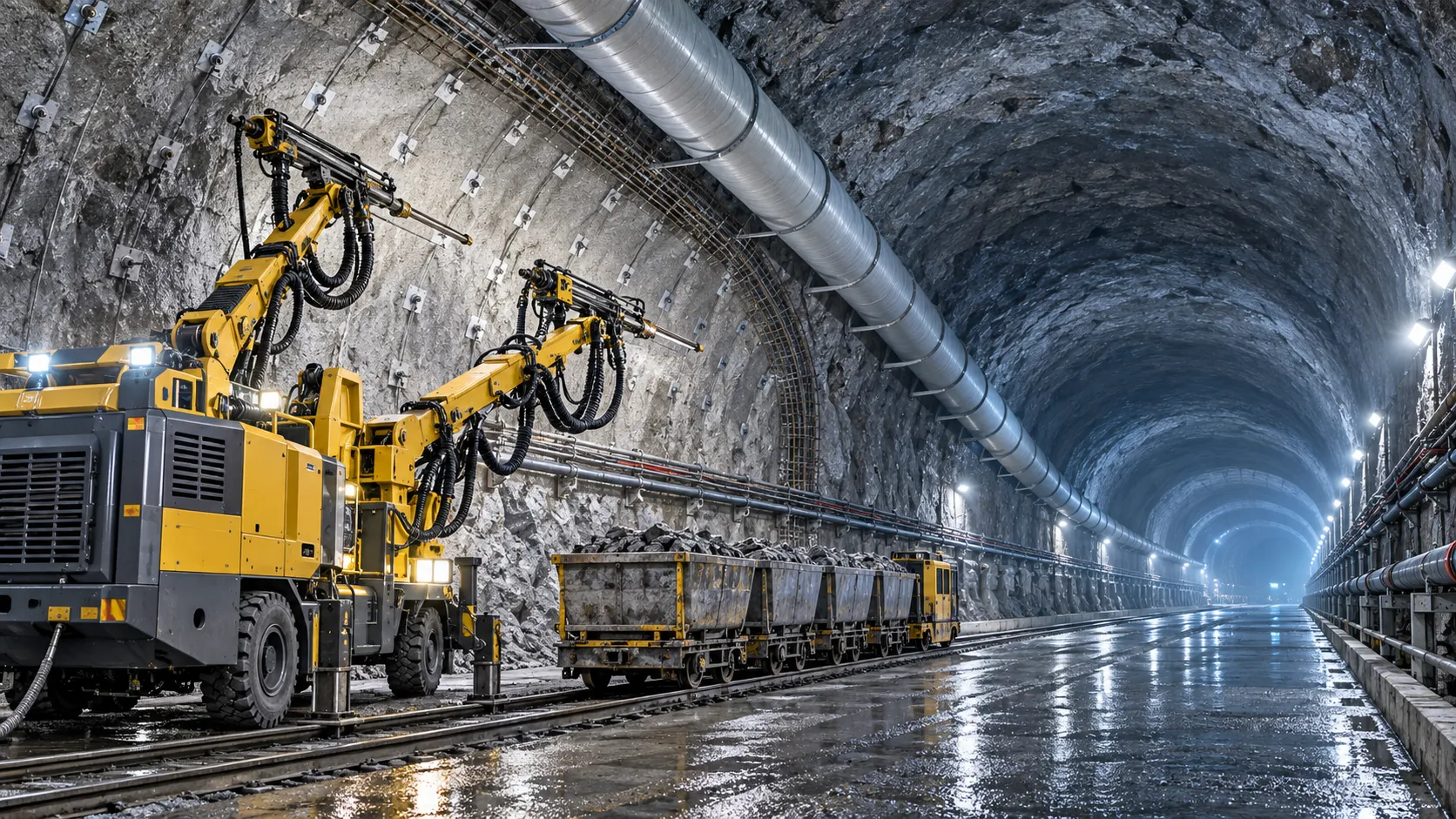
How to Evaluate European Drill-and-Blast Tunnelling Contractors for Complex Projects
Drill and blast tunnelling contractors Europe: learn how to assess geology expertise, blast control, equipment reliability, safety, and programme resilience for complex projects.
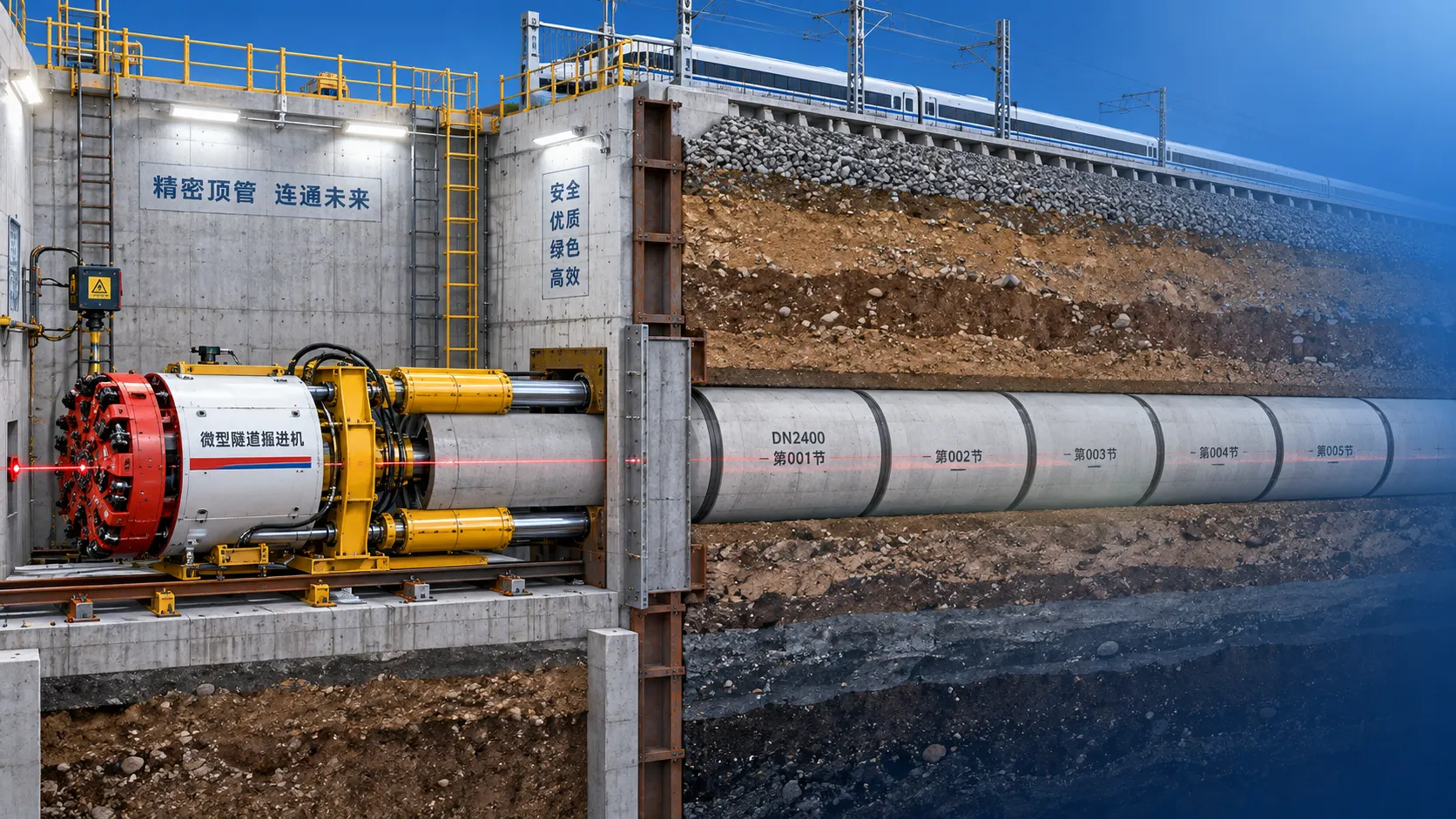
Which Trenchless Construction Technique Fits Your Utility Crossing Conditions?
Trenchless construction techniques compared for utility crossings: choose HDD, microtunnelling, pipe jacking, or auger boring based on ground, accuracy, access, and risk.
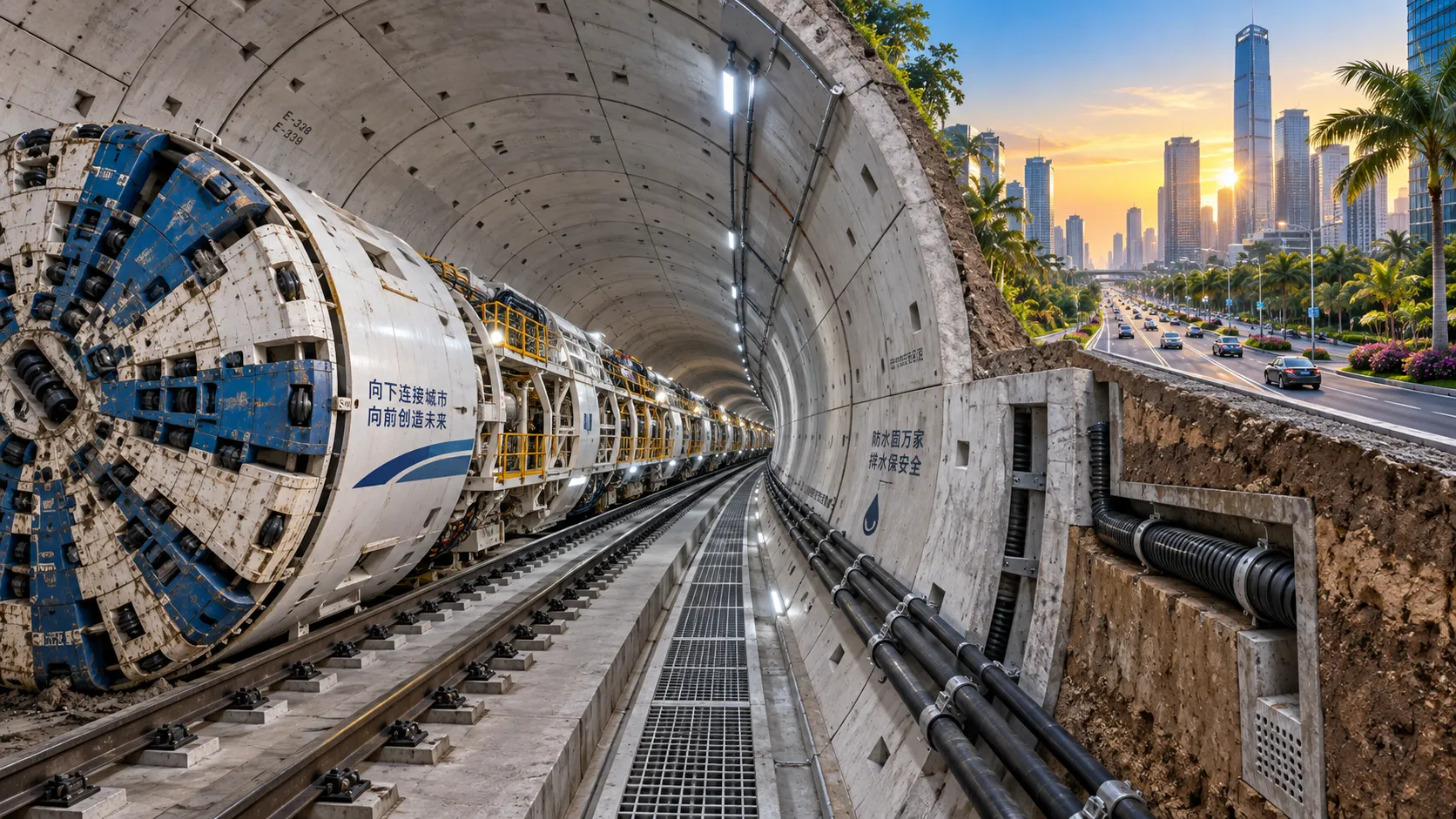
What Is Driving Metro Tunnelling Demand Across Southeast Asia’s Major Cities?
Metro tunnelling Southeast Asia is accelerating as major cities tackle congestion, flooding, and connectivity. Explore the market forces, technical risks, and opportunities shaping demand.
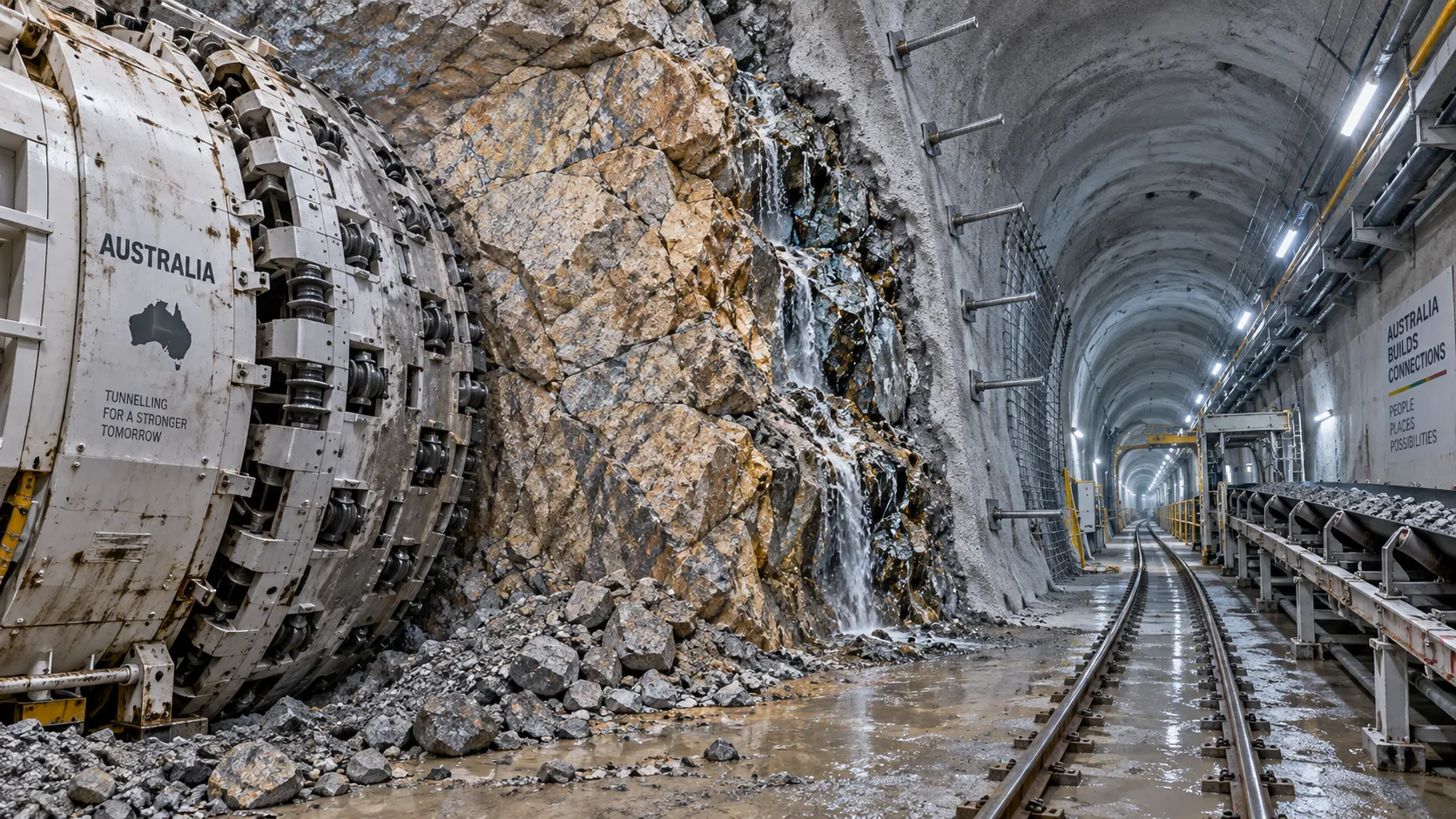
Hard Rock Tunnelling in Australia: Selecting Methods for Variable Ground Conditions
Hard rock tunnelling in Australia: compare TBM, drill-and-blast and hybrid methods to manage variable ground, reduce risk and protect project costs.
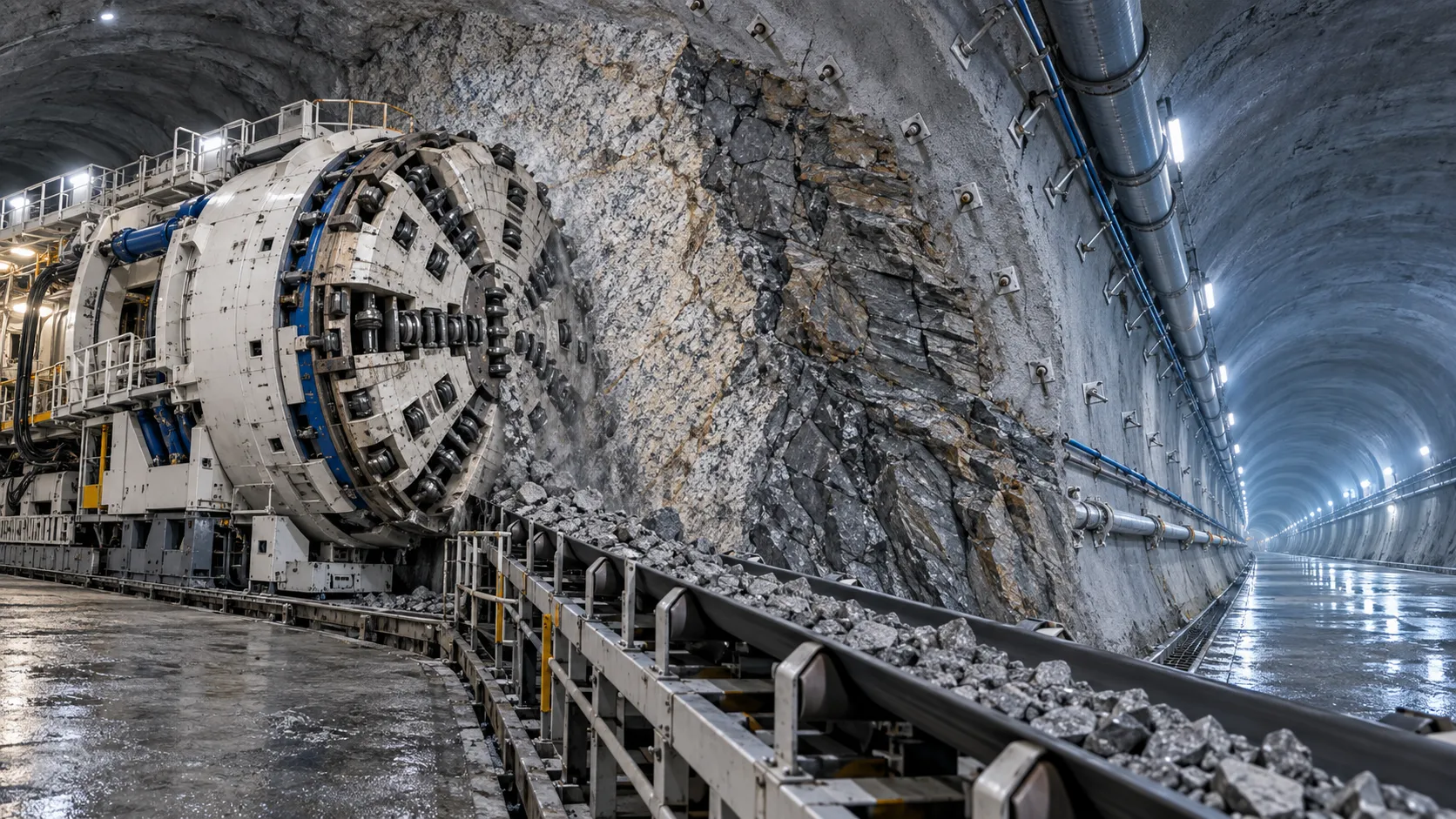
Hydropower Tunnel Excavation: Selecting Methods for Variable Rock Conditions
Hydropower tunnel excavation methods for variable rock conditions: compare TBM, drill-and-blast, and hybrid strategies to improve safety, progress, and project control.
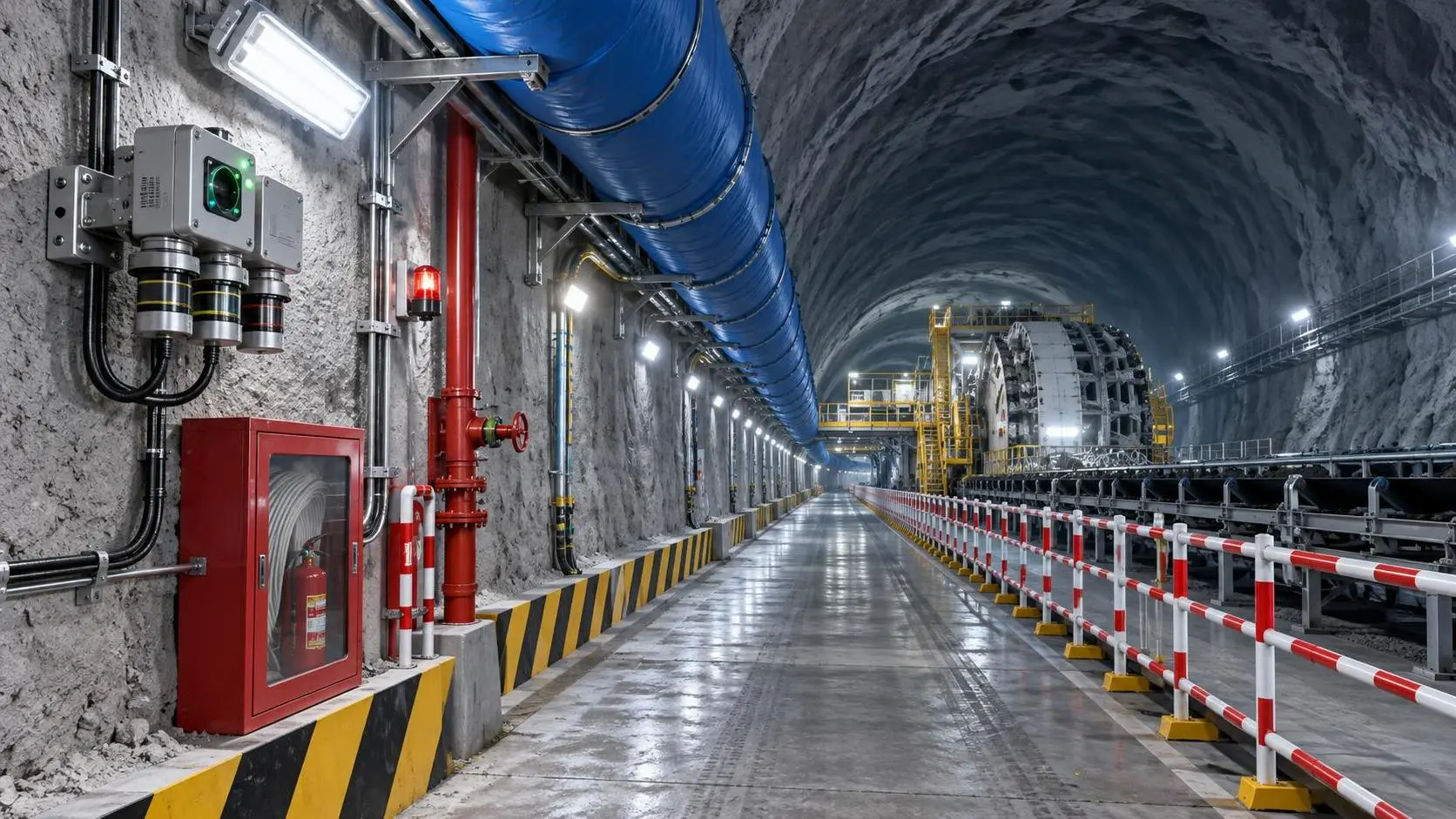
How to Select Underground Safety Equipment for Tunnelling by Hazard and Work Zone
Underground Safety Equipment for tunnelling: match protection to hazards, work zones, compliance, and emergency needs with this practical selection guide.
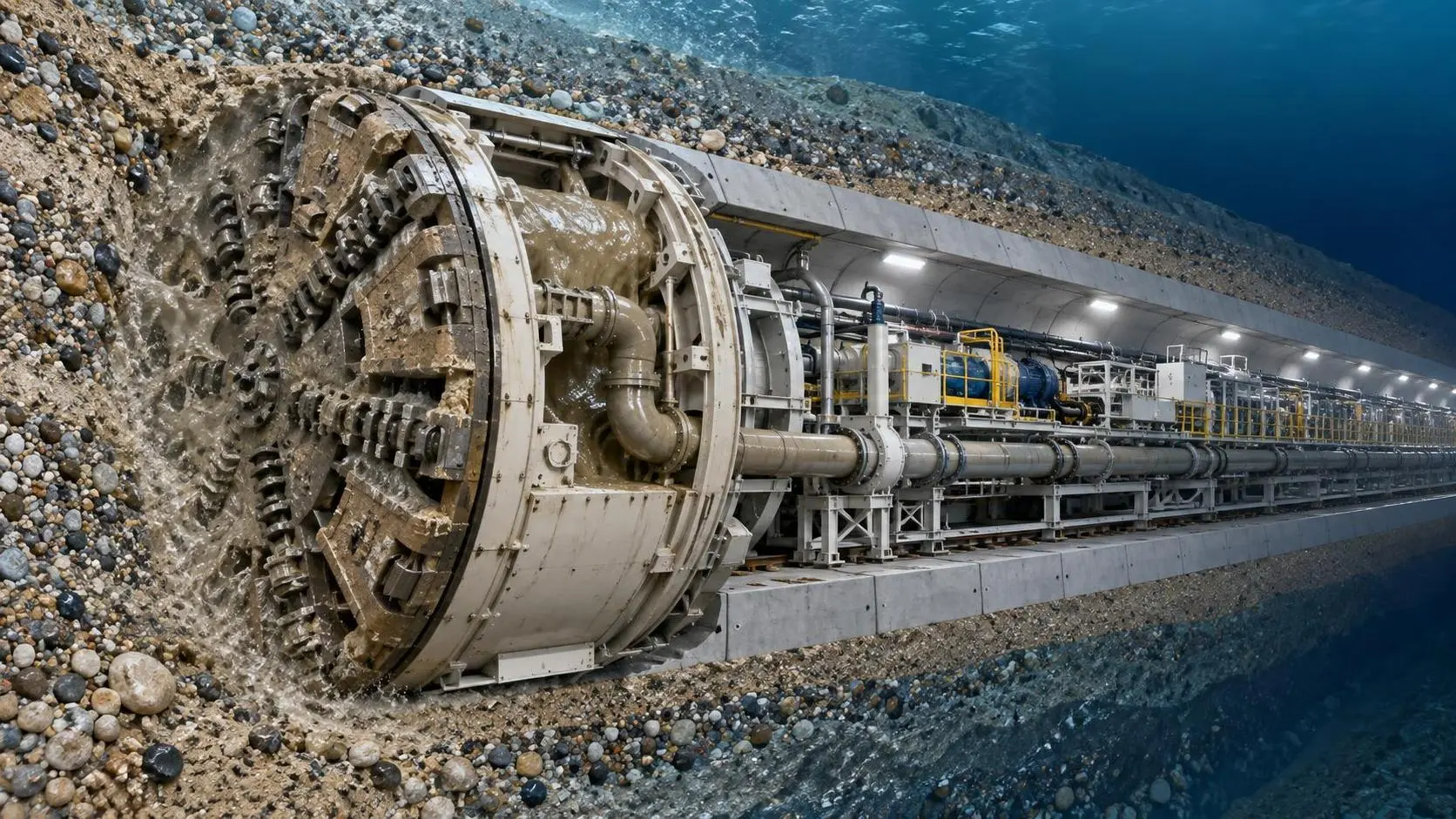
EPB or Slurry Shield? Selecting Soft-Ground Tunnelling Equipment by Soil Conditions
Tunnel Excavation Equipment for soft ground: compare EPB and slurry shields by soil, groundwater, settlement risk, and project logistics to choose confidently.
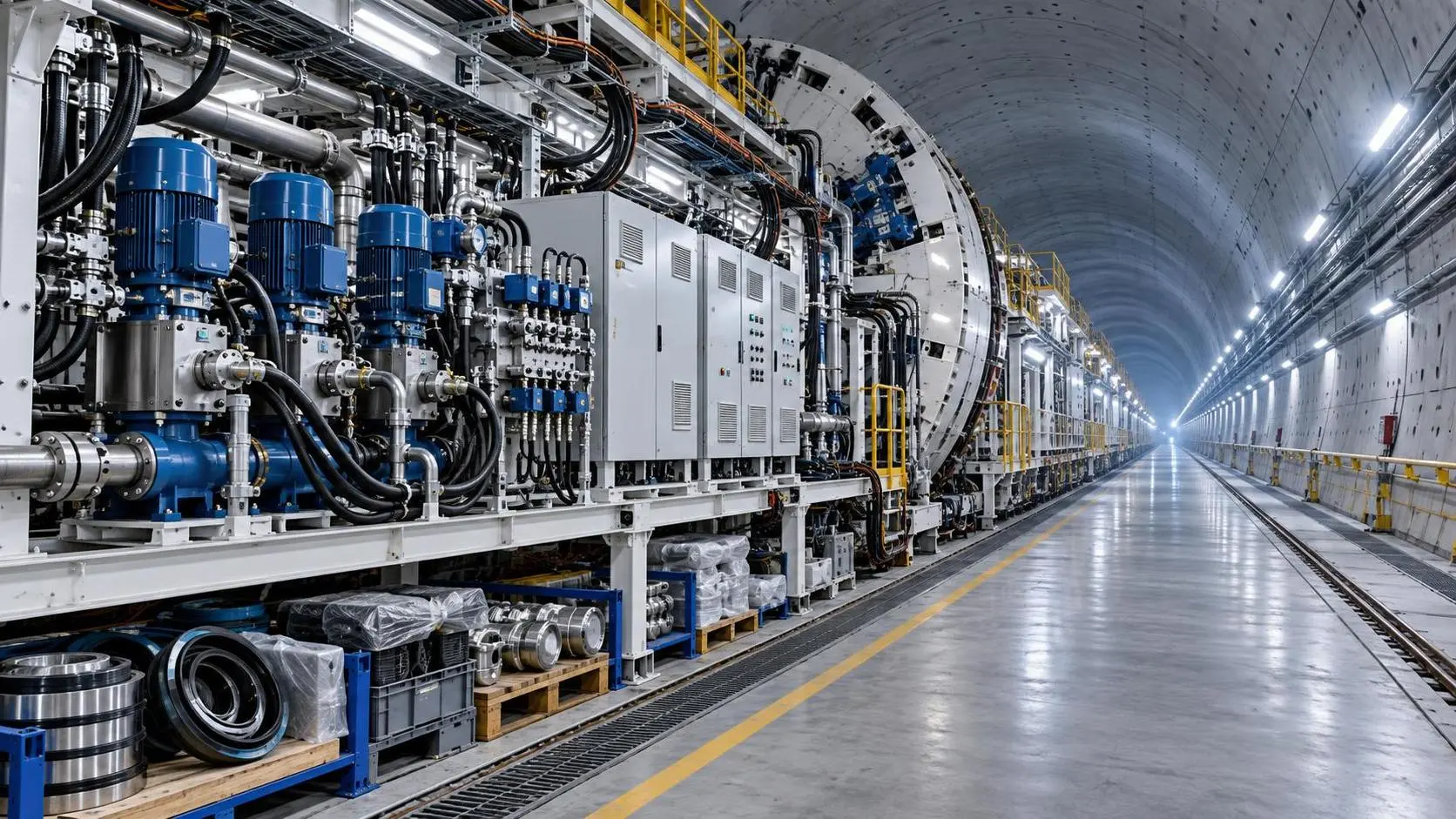
How to Specify TBM Backup System Parts for Reliable Long-Distance Tunnelling
TBM backup system parts: learn how to specify reliable spares for long-distance tunnelling, reduce downtime, ensure compatibility, and speed underground recovery.

How to Size Open Pit Mining Trucks for Haul Distance, Grade, and Payload?
Open Pit Mining Trucks: learn how to match payload, haul distance, grade, road resistance, and loading capacity for safer, lower-cost mine operations.
Related News
- 00
0000-00
How to Evaluate European Drill-and-Blast Tunnelling Contractors for Complex Projects - 00
0000-00
Which Trenchless Construction Technique Fits Your Utility Crossing Conditions? - 00
0000-00
What Is Driving Metro Tunnelling Demand Across Southeast Asia’s Major Cities? - 00
0000-00
Hard Rock Tunnelling in Australia: Selecting Methods for Variable Ground Conditions - 00
0000-00
Hydropower Tunnel Excavation: Selecting Methods for Variable Rock Conditions
Weekly Insights
Stay ahead with our curated technology reports delivered every Monday.