
China's Jintang Subsea Tunnel Advances with Domestic Mega-Diameter Slurry Shield





On May 27, 2026, Premier Li Qiang inspected the construction progress of the Jintang Subsea Tunnel — a critical segment of the Ningbo–Zhoushan Railway — during a visit to the Ningbo-Zhoushan Port. This milestone signals intensified scrutiny of domestic ultra-large-diameter tunneling technology and its implications for infrastructure export readiness, marine engineering compliance, and supply chain resilience in high-difficulty geological environments.
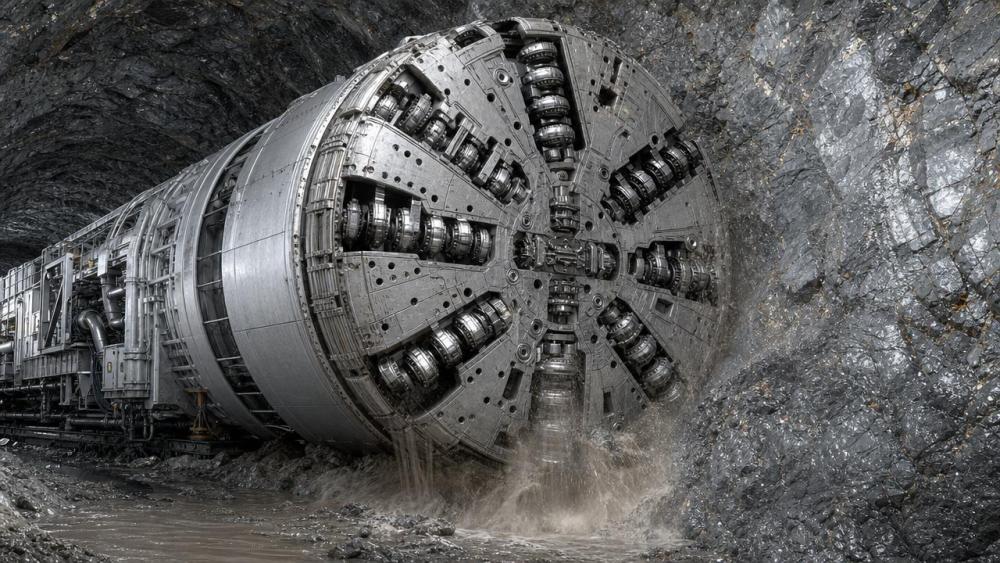
Confirmed Progress on the Jintang Subsea Tunnel
During his field visit on May 27, 2026, Premier Li Qiang specifically reviewed the ongoing construction of the Jintang Subsea Tunnel. The tunnel features exceptionally complex geology and is being excavated using a domestically manufactured mega-diameter slurry shield (Slurry Shields). As of the inspection date, the tunnel boring machine had entered a high-strength hard rock excavation phase. Upon completion, the project will establish the first railway connection to the Zhoushan Islands and serve as a new benchmark for China’s long-distance subsea shield technology exports.
Impacts Across Key Industry Stakeholders
Direct Exporters and Infrastructure Contractors
Contractors engaged in overseas rail or marine tunnel projects may face heightened technical validation requirements when proposing Chinese-made slurry shields. Clients in emerging markets are likely to reference the Jintang Tunnel’s performance in hard rock as a de facto benchmark for equipment reliability, influencing tender evaluation criteria and warranty expectations.
Raw Material Suppliers
Suppliers of wear-resistant alloys, high-strength steel forgings, and specialized hydraulic components must anticipate tighter traceability and certification demands. The tunnel’s hard-rock conditions underscore the need for documented material fatigue resistance and third-party verification against ISO 14855 or equivalent service-life testing protocols.
Machinery Manufacturers and Assembly Integrators
Domestic manufacturers of tunnel boring machines and subsystems (e.g., cutterhead drives, slurry separation units) face growing pressure to align technical documentation — including torque curves, pressure ratings, and maintenance intervals — with international procurement standards such as FIDIC Conditions of Contract or EN 1538 for underground works.
Logistics and Technical Support Providers
Supply chain service enterprises involved in oversized component transport, on-site commissioning, or remote monitoring systems must prepare for stricter pre-shipment conformity checks. The Jintang project’s real-time geological adaptation capability sets a precedent for contractual obligations around predictive maintenance integration and data interoperability (e.g., compatibility with ISO 15926 or IEC 61850 frameworks).
Strategic Priorities for Enterprise Preparedness
Alignment with International Tender Specifications
Companies supplying shield components or subsystems should proactively cross-map their technical bids against common clauses in global infrastructure tenders — especially those referencing EN 14194 (tunneling equipment safety), ISO 22846 (geotechnical monitoring), and API RP 1163 (integrity management for subsea structures).
Verification of Hard-Rock Operational Endurance
Manufacturers must ensure test reports and type certifications explicitly cover performance under sustained high-abrasion, high-compressive-strength rock conditions — not just soft-ground or mixed-face scenarios. Independent lab validation per ASTM D4543 or ISRM suggested methods is increasingly expected.
Documentation Readiness for Technology Transfer
As the Jintang Tunnel becomes a reference case for overseas deployment, firms preparing for technology licensing or joint ventures must standardize operational manuals, failure mode analyses (FMEA), and spare parts catalogs in accordance with ISO/IEC 82045-1 and IEC 62443 cybersecurity annexes for industrial control systems.
Industry Observation: Beyond the Tunnel Bore
Analysis shows that the Jintang Tunnel’s progression into hard rock is less about isolated engineering success and more about systemic readiness — revealing gaps in harmonized testing protocols for mega-diameter shields across jurisdictions. Observably, procurement authorities in Southeast Asia and Latin America have begun incorporating ‘Jintang-equivalent’ geological stress parameters into prequalification questionnaires. It is more appropriate to understand this as an emergent de facto standardization pathway, where national infrastructure projects catalyze technical convergence without formal regulatory mandates. What deserves closer attention is how certification bodies respond: whether they extend existing CE or ISO 9001 scopes to include site-specific rock-class validation, or develop new modular assessment modules for extreme-condition TBM operation.
Broader Significance for Global Infrastructure Markets
The Jintang Subsea Tunnel represents a pivotal inflection point — not merely as a transportation link, but as a demonstrable proof point for China’s capacity to deliver certified, field-validated, large-scale subsea tunneling solutions under demanding geological constraints. Its successful completion could accelerate acceptance of domestically engineered TBMs in markets previously reliant on European or Japanese suppliers, provided compliance documentation meets internationally recognized auditability thresholds. However, sustained competitiveness will depend less on breakthrough hardware than on transparent, auditable, and interoperable technical governance — from materials traceability to real-time performance reporting.
Source Attribution and Monitoring Guidance
This article was generated exclusively from the provided title, event date (May 27, 2026), and summary. No external sources or proprietary data were used. Typical authoritative references for similar developments include official releases from China’s National Development and Reform Commission (NDRC), Ministry of Transport announcements, and technical bulletins from the China Academy of Railway Sciences. Specific official source links were not provided in the input and should be verified continuously. Stakeholders are advised to monitor upcoming updates on tender specifications for follow-on projects (e.g., Guangdong–Hainan inter-island rail), evolving interpretation of GB/T 34370 (slurry shield design standards), and feedback from international clients participating in Jintang Tunnel commissioning reviews.
Related News
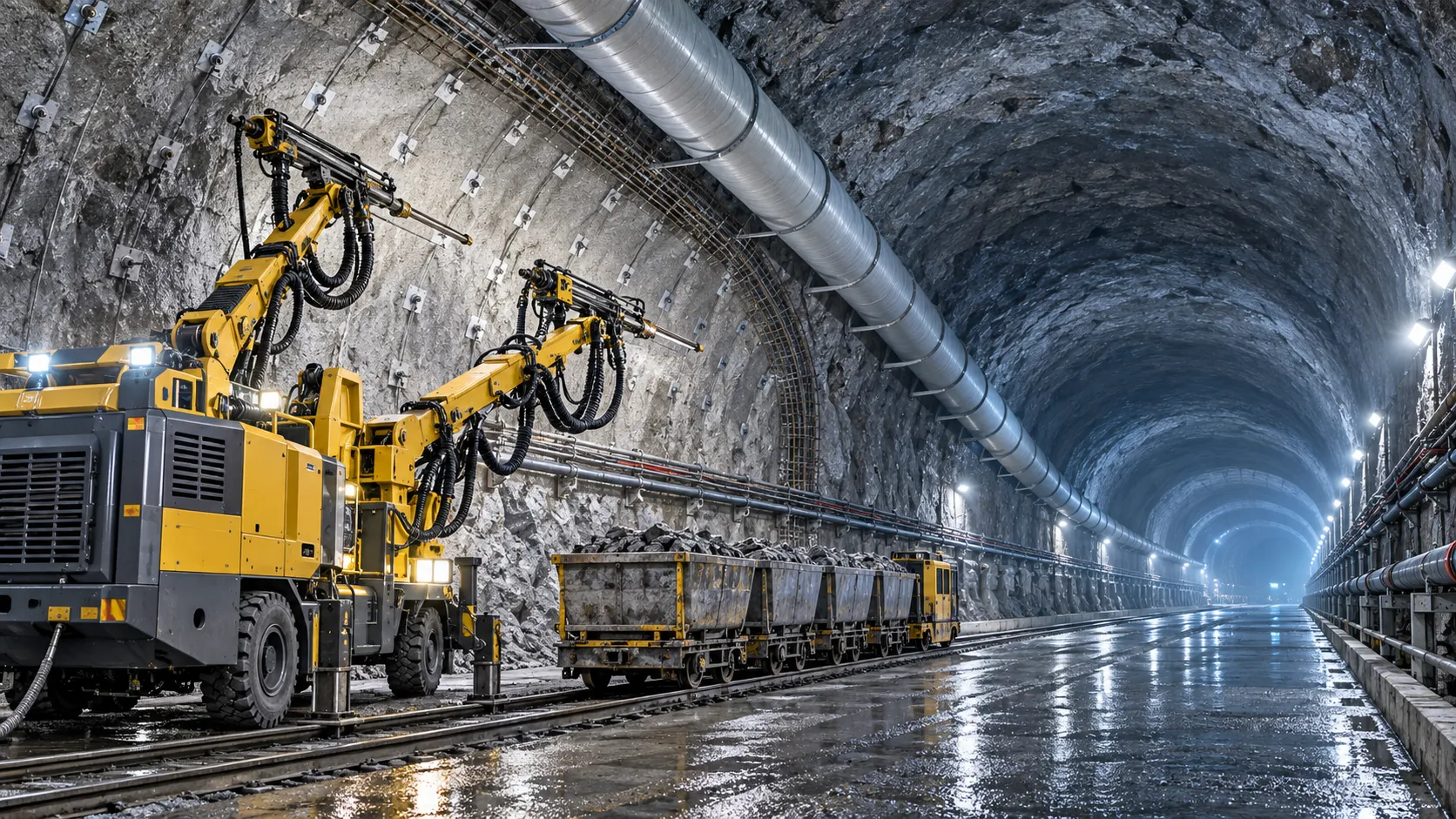
How to Evaluate European Drill-and-Blast Tunnelling Contractors for Complex Projects
Drill and blast tunnelling contractors Europe: learn how to assess geology expertise, blast control, equipment reliability, safety, and programme resilience for complex projects.
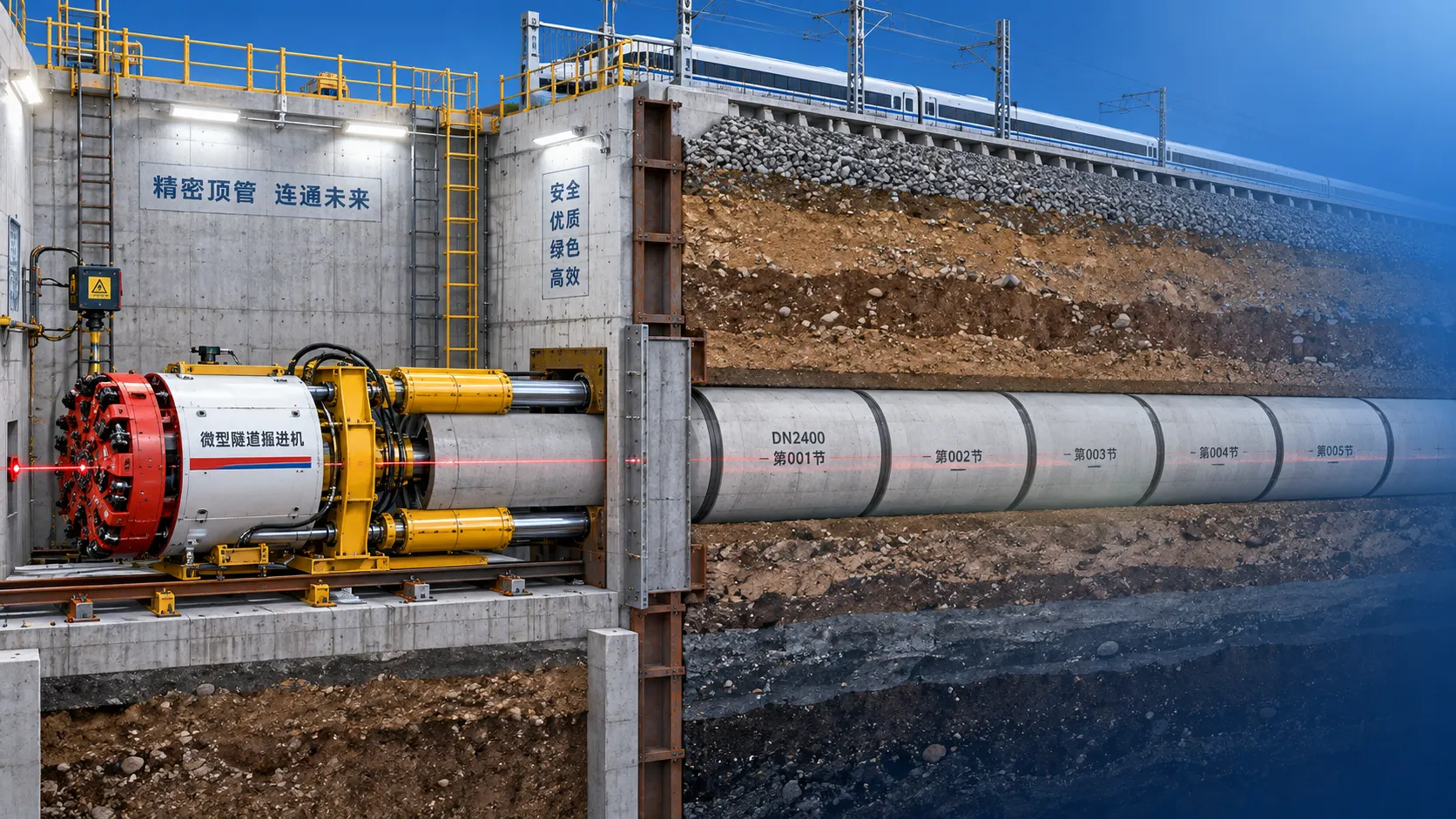
Which Trenchless Construction Technique Fits Your Utility Crossing Conditions?
Trenchless construction techniques compared for utility crossings: choose HDD, microtunnelling, pipe jacking, or auger boring based on ground, accuracy, access, and risk.
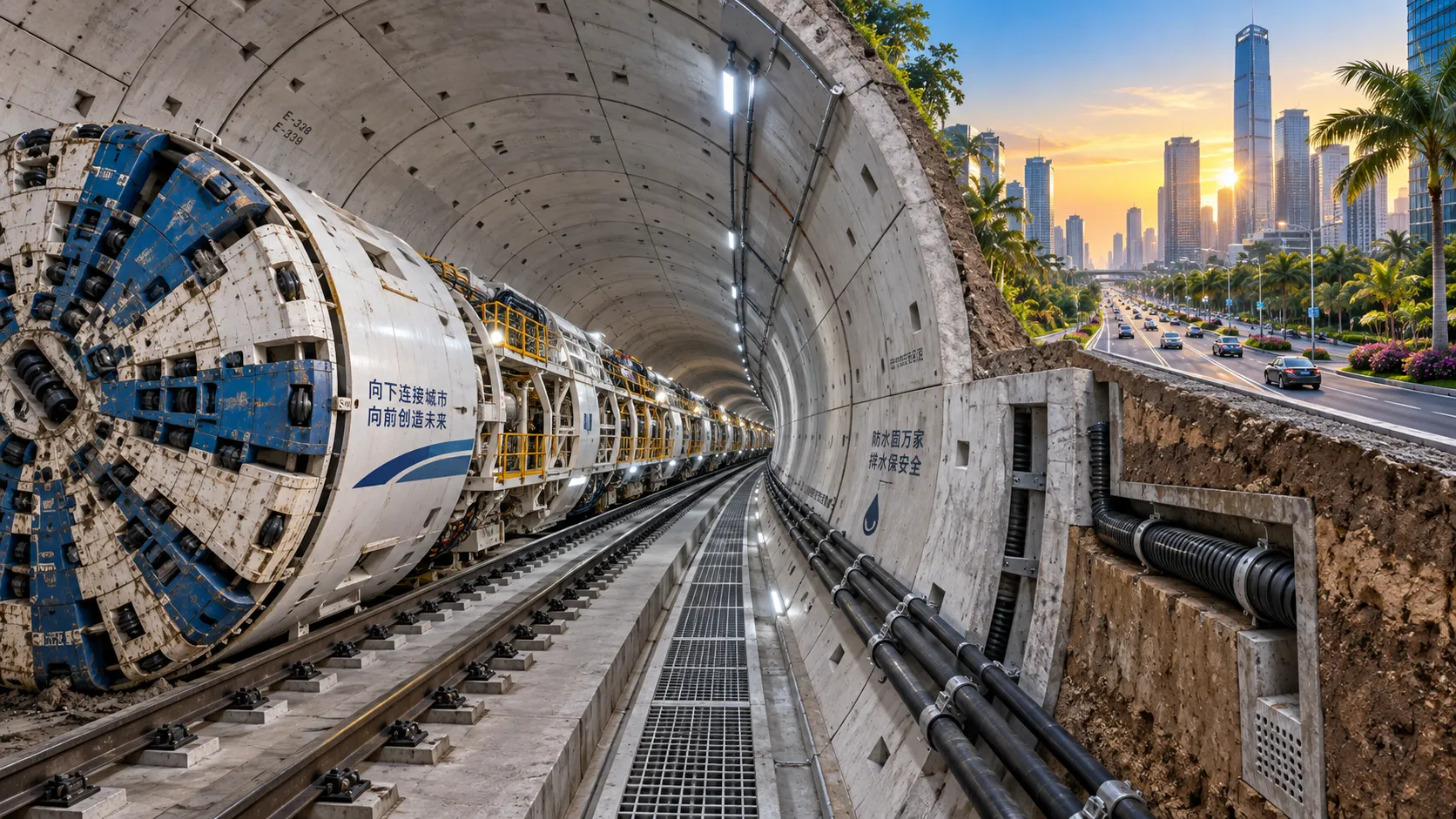
What Is Driving Metro Tunnelling Demand Across Southeast Asia’s Major Cities?
Metro tunnelling Southeast Asia is accelerating as major cities tackle congestion, flooding, and connectivity. Explore the market forces, technical risks, and opportunities shaping demand.
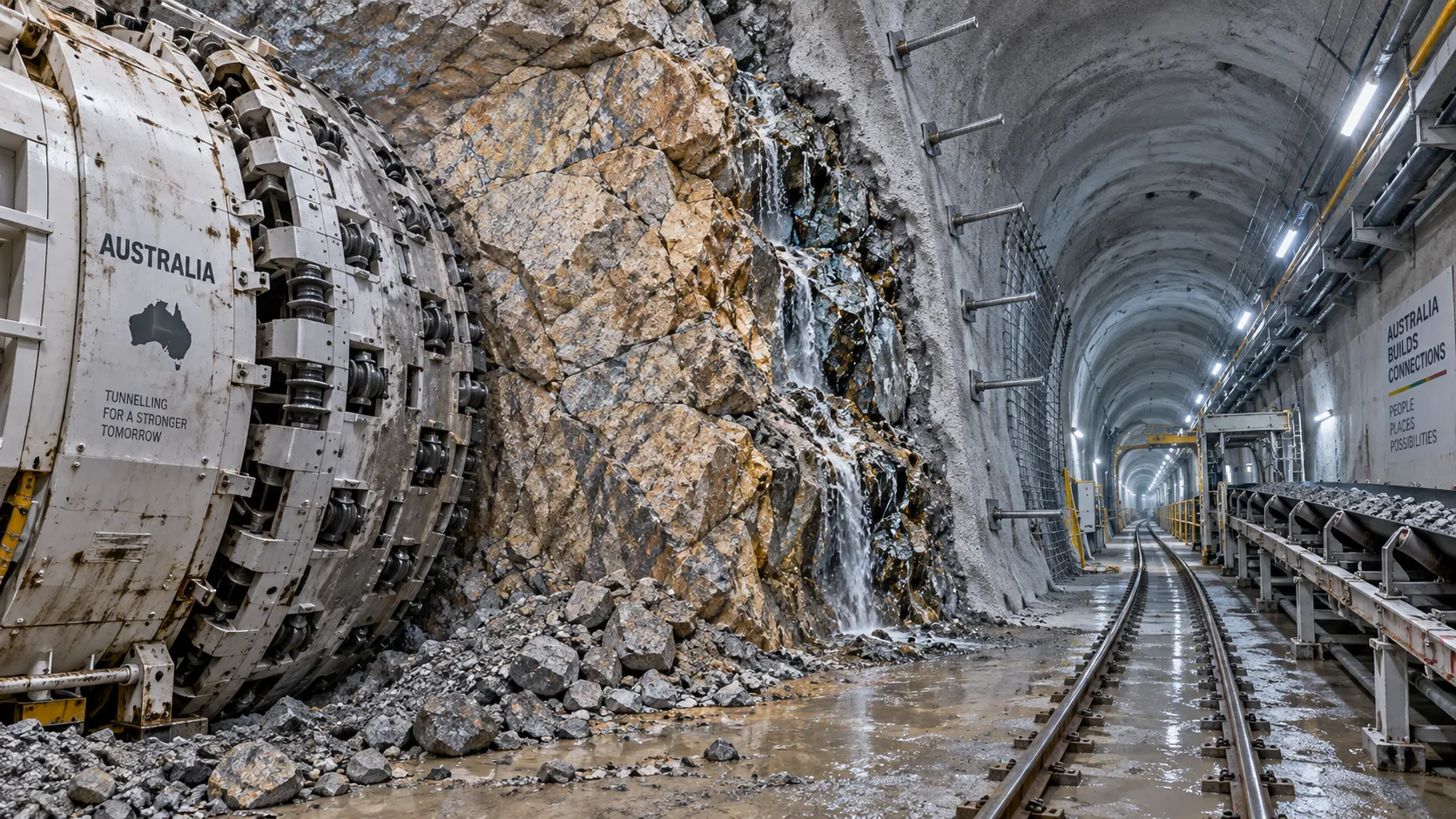
Hard Rock Tunnelling in Australia: Selecting Methods for Variable Ground Conditions
Hard rock tunnelling in Australia: compare TBM, drill-and-blast and hybrid methods to manage variable ground, reduce risk and protect project costs.
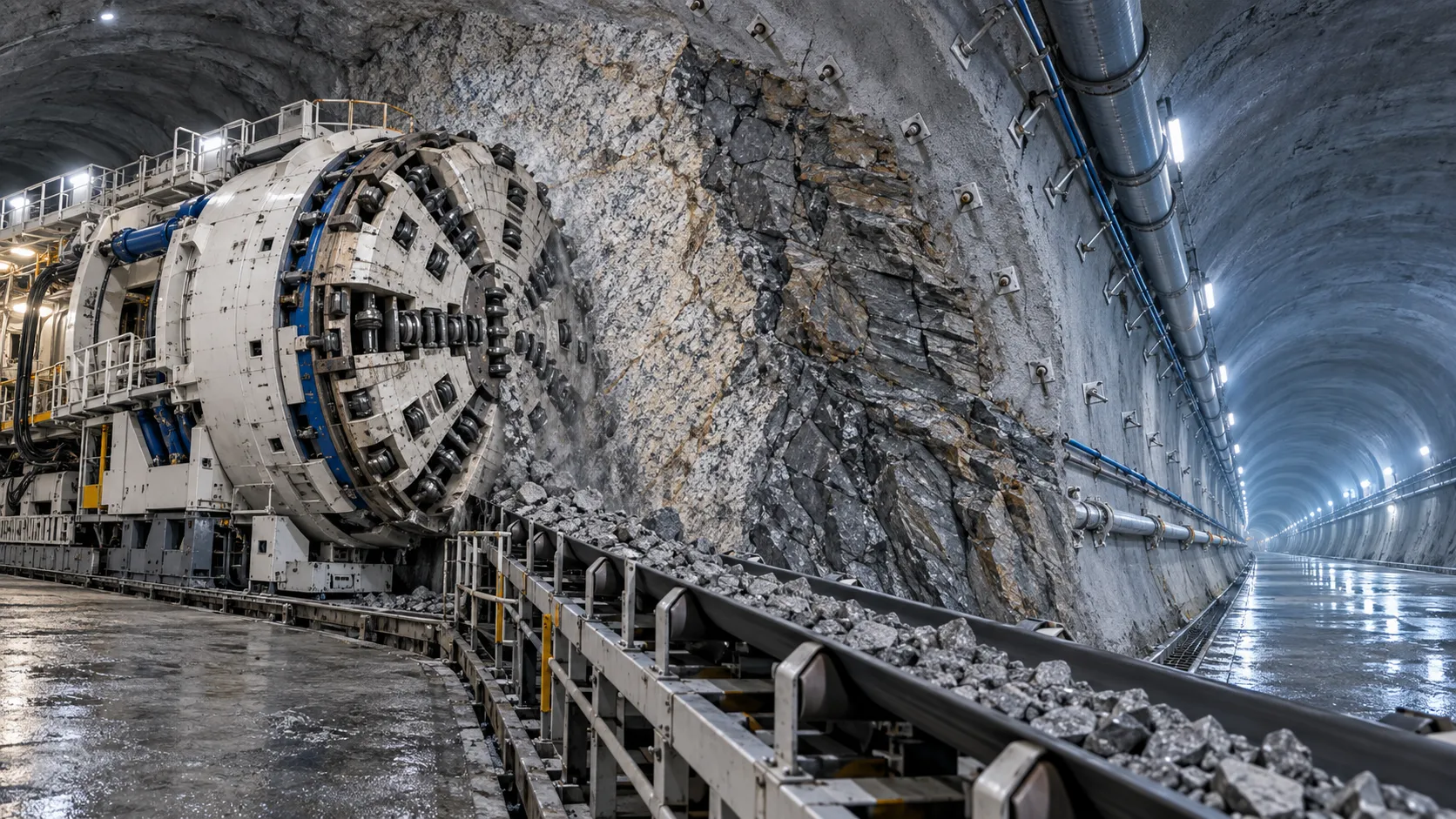
Hydropower Tunnel Excavation: Selecting Methods for Variable Rock Conditions
Hydropower tunnel excavation methods for variable rock conditions: compare TBM, drill-and-blast, and hybrid strategies to improve safety, progress, and project control.
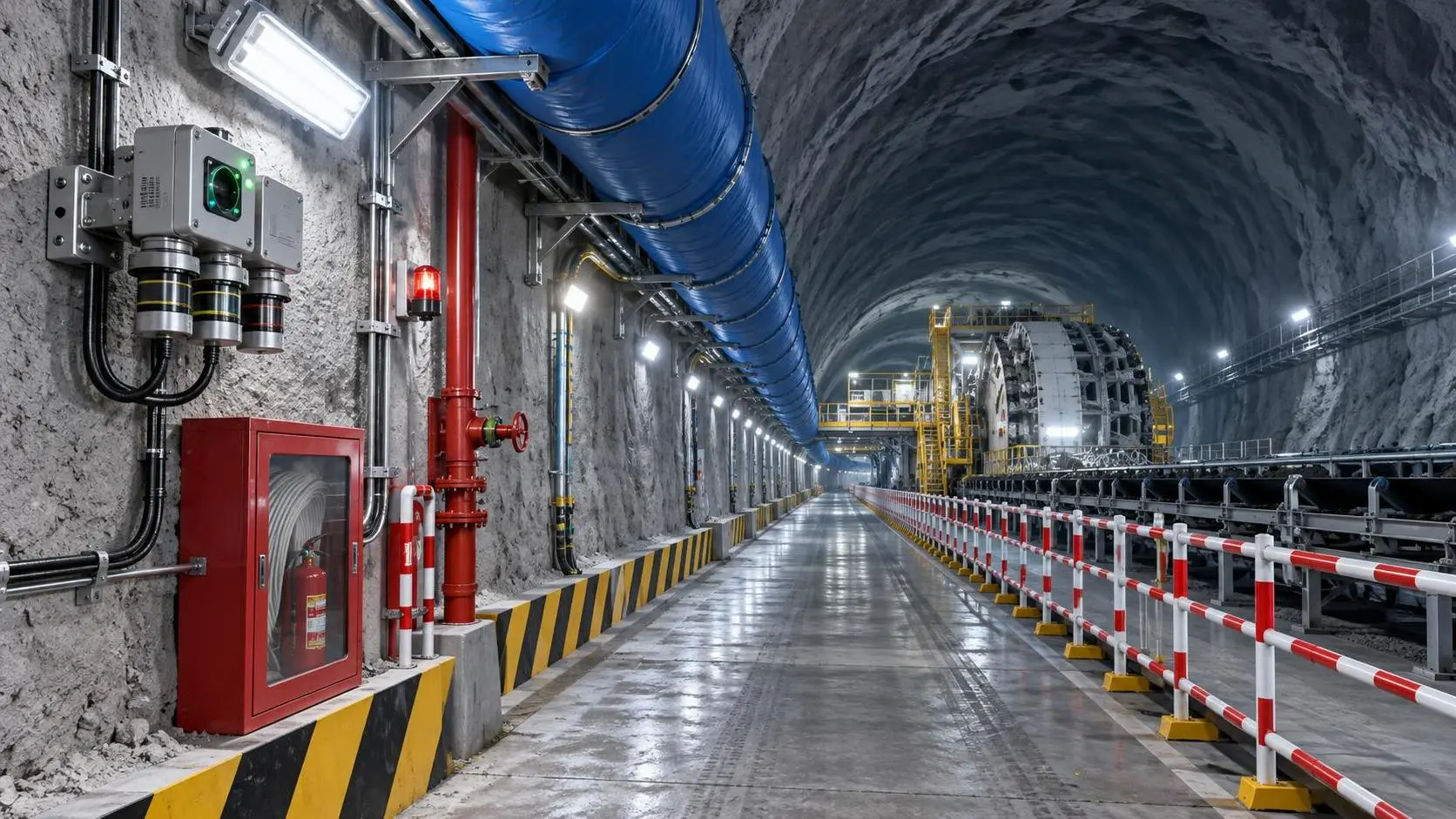
How to Select Underground Safety Equipment for Tunnelling by Hazard and Work Zone
Underground Safety Equipment for tunnelling: match protection to hazards, work zones, compliance, and emergency needs with this practical selection guide.
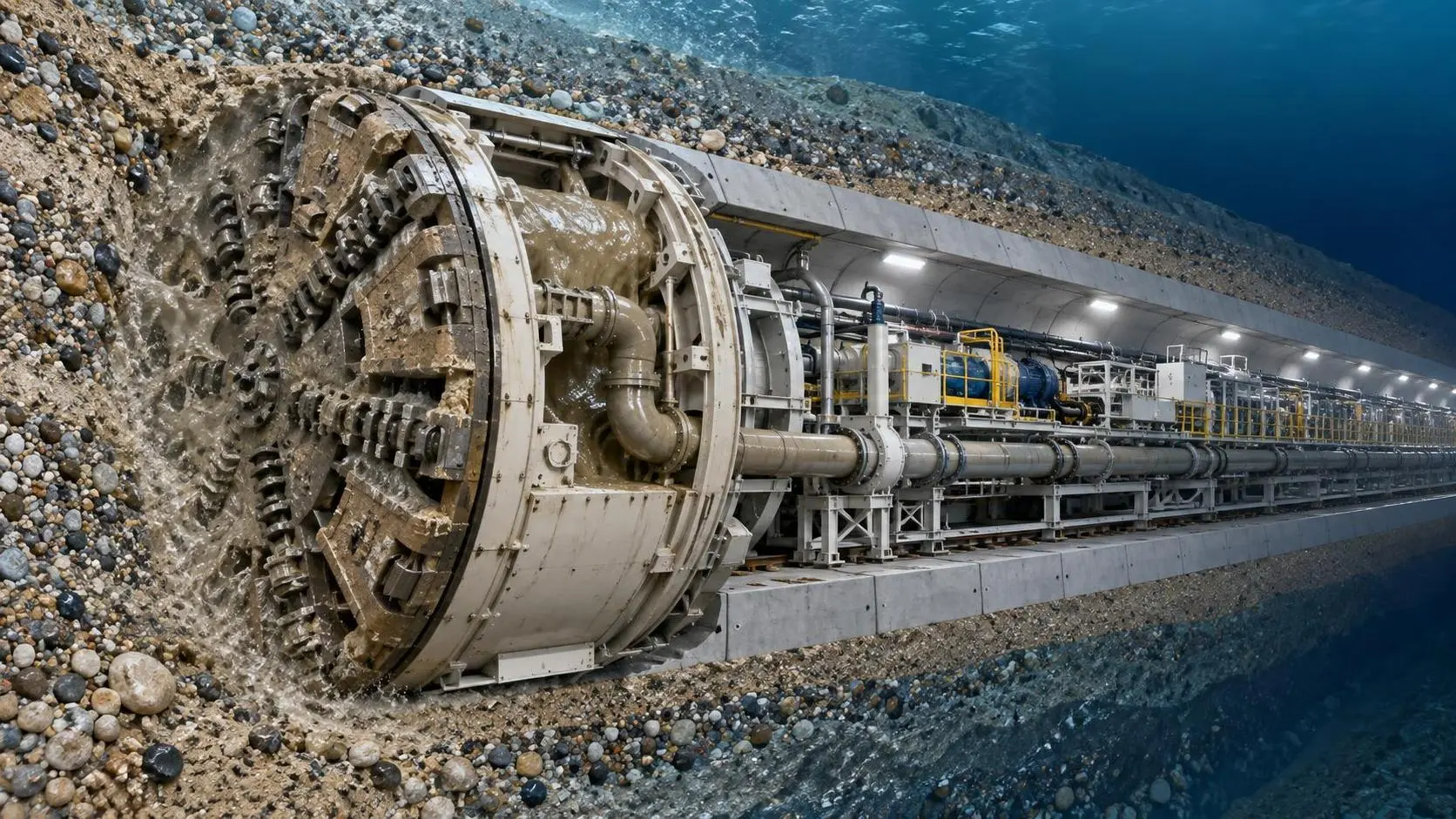
EPB or Slurry Shield? Selecting Soft-Ground Tunnelling Equipment by Soil Conditions
Tunnel Excavation Equipment for soft ground: compare EPB and slurry shields by soil, groundwater, settlement risk, and project logistics to choose confidently.
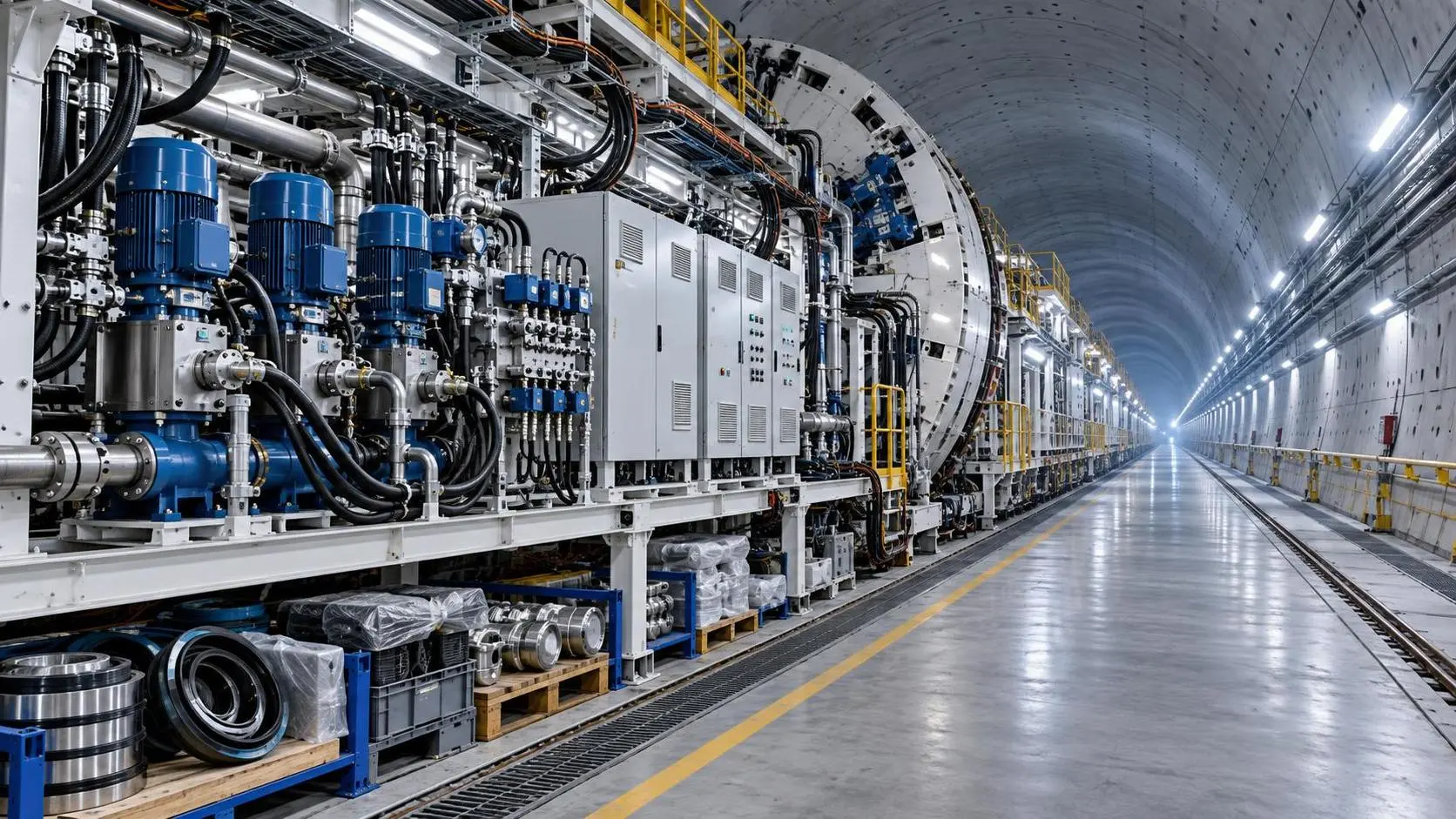
How to Specify TBM Backup System Parts for Reliable Long-Distance Tunnelling
TBM backup system parts: learn how to specify reliable spares for long-distance tunnelling, reduce downtime, ensure compatibility, and speed underground recovery.
How to Size Open Pit Mining Trucks for Haul Distance, Grade, and Payload?
Open Pit Mining Trucks: learn how to match payload, haul distance, grade, road resistance, and loading capacity for safer, lower-cost mine operations.
Related News
- 00
0000-00
How to Evaluate European Drill-and-Blast Tunnelling Contractors for Complex Projects - 00
0000-00
Which Trenchless Construction Technique Fits Your Utility Crossing Conditions? - 00
0000-00
What Is Driving Metro Tunnelling Demand Across Southeast Asia’s Major Cities? - 00
0000-00
Hard Rock Tunnelling in Australia: Selecting Methods for Variable Ground Conditions - 00
0000-00
Hydropower Tunnel Excavation: Selecting Methods for Variable Rock Conditions
Weekly Insights
Stay ahead with our curated technology reports delivered every Monday.