
China's Track Excavator Exports to Italy Surpass 10,000 Units in 2025





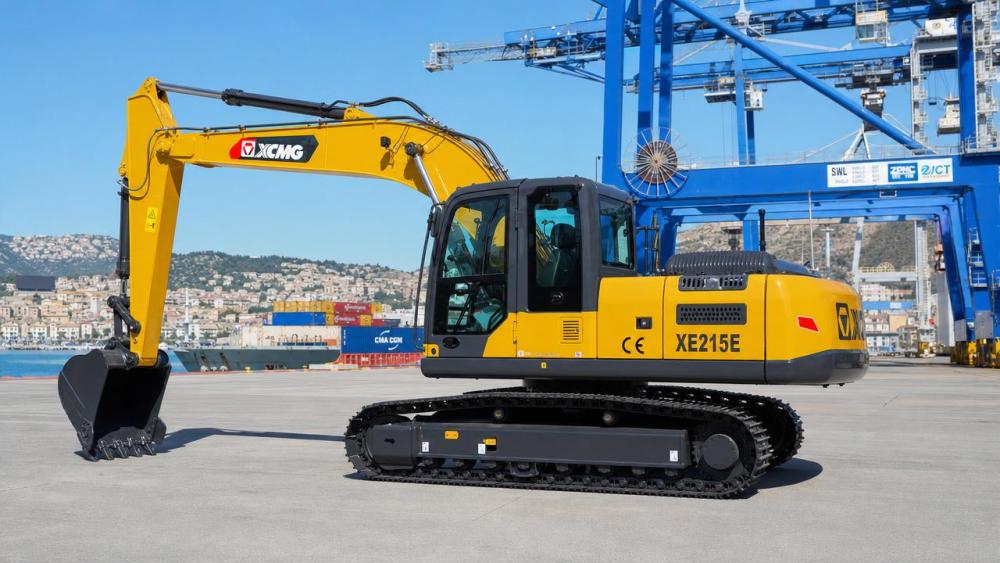
On 30 November 2025, China’s exports of track-type hydraulic excavators to Italy exceeded 10,000 units for the year—ranking Italy among the top six destination countries by volume. This milestone reflects evolving trade dynamics and regulatory alignment enabling Chinese construction equipment to gain stronger foothold in the EU’s mid-tier earthmoving machinery market.
Confirmed Export Performance in 2025
According to data released by China’s General Administration of Customs, China exported more than 10,000 track-type hydraulic excavators to Italy in 2025, placing Italy sixth among all national export destinations. In November 2025 alone, month-on-month export volume increased by over 100%. Concurrently, Italy’s total imports of earthmoving machinery rose by 5.9% year-on-year for the January–October 2025 period.
Impact Across the Construction Equipment Value Chain
Export-oriented manufacturers
Companies directly engaged in exporting track excavators to Italy face heightened demand planning and production scheduling requirements. The sharp November 2025 surge signals need for agile capacity ramp-up and tighter coordination with logistics partners to meet delivery windows aligned with Italian project timelines.
Raw material and component suppliers
Suppliers of hydraulic pumps, undercarriage components, and control systems must anticipate extended order lead times and stricter documentation demands—including CE marking conformity evidence and technical files compliant with EU Machinery Directive 2006/42/EC.
Domestic assembly and integration facilities
Manufacturers integrating imported subsystems (e.g., engines, hydraulics) into final excavator units must verify traceability of CE-certified subassemblies and maintain updated EU Declaration of Conformity records for each batch shipped.
Logistics and compliance service providers
Freight forwarders and regulatory consultants supporting export operations are seeing increased requests for EU customs classification support (HS Code 8429.51), origin certification (Form A or EUR.1), and post-shipment CE documentation audits.
Key Operational Priorities for Exporting Firms
CE certification validity and scope verification
With rapid volume growth, firms must confirm that existing CE certificates cover the exact model configurations being exported—including noise emission levels (2000/14/EC), exhaust emissions (Stage V compliance per Regulation (EU) 2016/1628), and electromagnetic compatibility (2014/30/EU).
Supply chain readiness for EU-specific configurations
Italian infrastructure projects increasingly specify EU-compliant safety features (e.g., ROPS/FOPS certification, rear-view camera systems, and bilingual operator manuals). Manufacturers must align procurement and assembly accordingly—not just for compliance but for competitive differentiation.
Technical documentation and tender responsiveness
Public tenders in Italy often require full technical dossiers—including test reports from EU-notified bodies, lifecycle validation summaries, and spare parts availability commitments. Preparing these in advance shortens bid response cycles.
After-sales service infrastructure planning
Rising unit volumes necessitate local technical support capacity. Firms should assess partnerships with authorized service centers in Italy capable of delivering CE-mandated maintenance logs, software updates, and warranty claim processing compliant with EU consumer protection regulations.
Industry Observation: A Strategic Inflection Point
Analysis shows this export milestone is not merely cyclical—it reflects a structural shift in how Chinese OEMs engage with EU regulatory frameworks. Observably, success in Italy correlates less with price advantage and more with demonstrable adherence to harmonized standards, responsive documentation practices, and localized service design. It is more appropriate to understand this as early evidence of maturing export discipline—not just manufacturing scale. What deserves closer attention is whether this momentum extends to other EU markets with similar mid-tier procurement profiles, such as Spain and Poland, where comparable regulatory expectations apply but local distribution networks remain underdeveloped.
Toward Sustainable Market Integration
This achievement underscores that sustained access to the EU construction equipment market hinges on consistent regulatory diligence—not isolated certification events. For Chinese exporters, it marks a transition from transactional compliance to embedded quality governance across product development, supply chain management, and after-sales ecosystems. Continued growth will depend less on volume targets and more on verifiable, auditable conformity performance.
Source Attribution and Verification Guidance
This article synthesizes the provided title, event date (30 November 2025), and summary facts sourced from China’s General Administration of Customs. Specific official source links were not provided in the input and should be verified continuously. Stakeholders are advised to monitor upcoming updates to EU Commission guidance on Machinery Regulation (EU) 2023/1230 implementation timelines, national-level tender rule revisions in Italy’s public works sector, and evolving interpretations of CE conformity assessment pathways for integrated construction equipment.
Related News
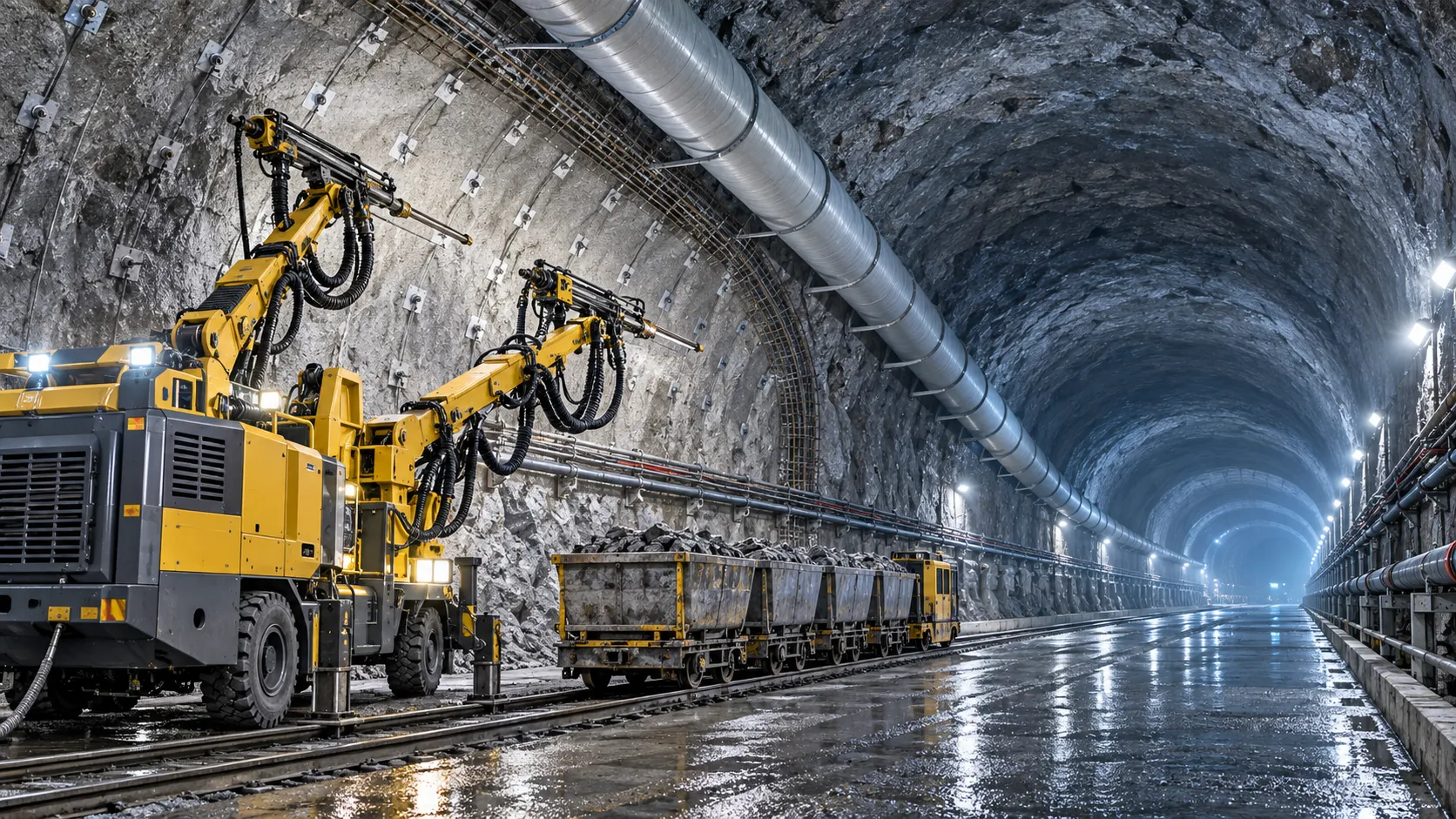
How to Evaluate European Drill-and-Blast Tunnelling Contractors for Complex Projects
Drill and blast tunnelling contractors Europe: learn how to assess geology expertise, blast control, equipment reliability, safety, and programme resilience for complex projects.
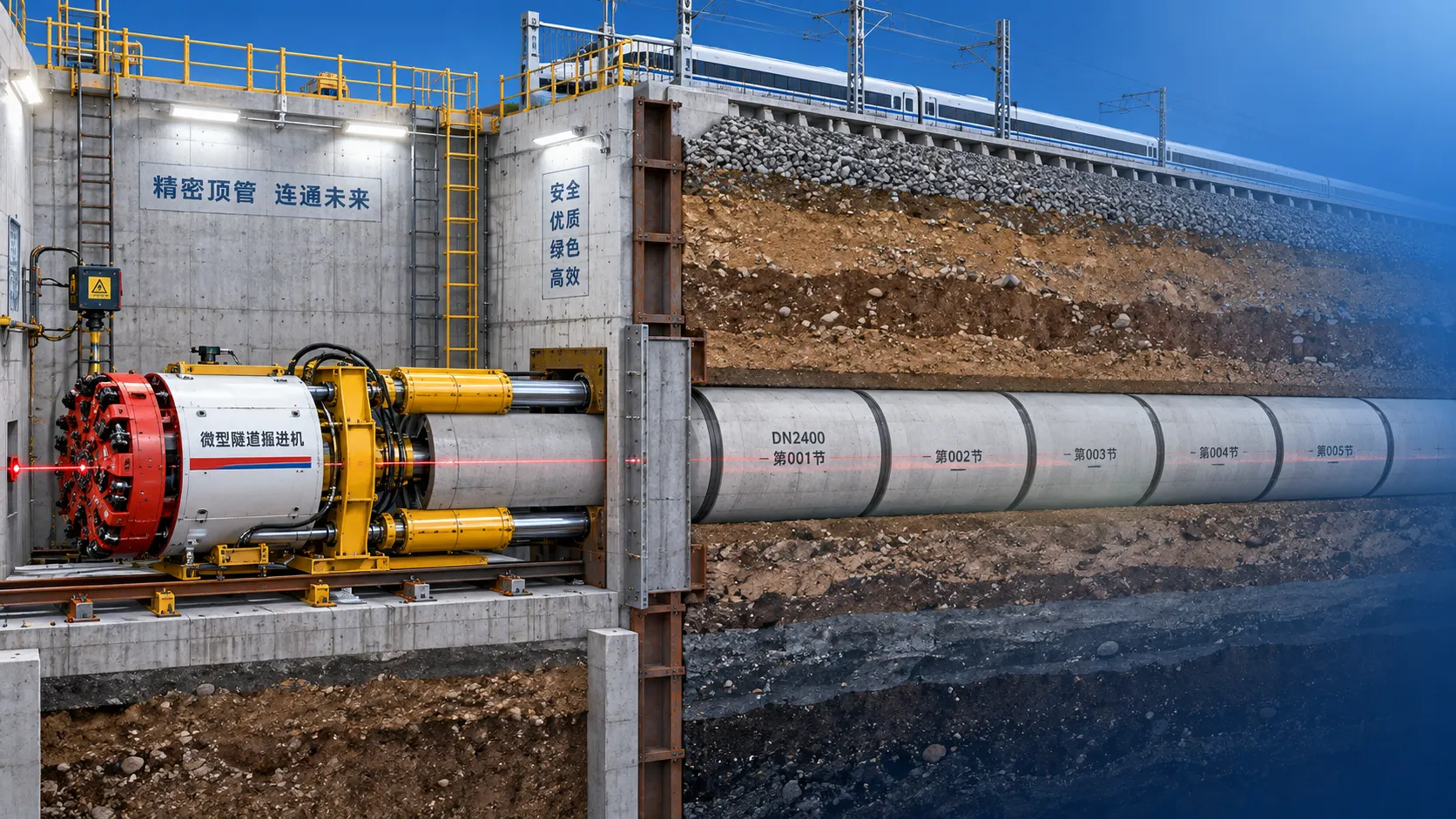
Which Trenchless Construction Technique Fits Your Utility Crossing Conditions?
Trenchless construction techniques compared for utility crossings: choose HDD, microtunnelling, pipe jacking, or auger boring based on ground, accuracy, access, and risk.
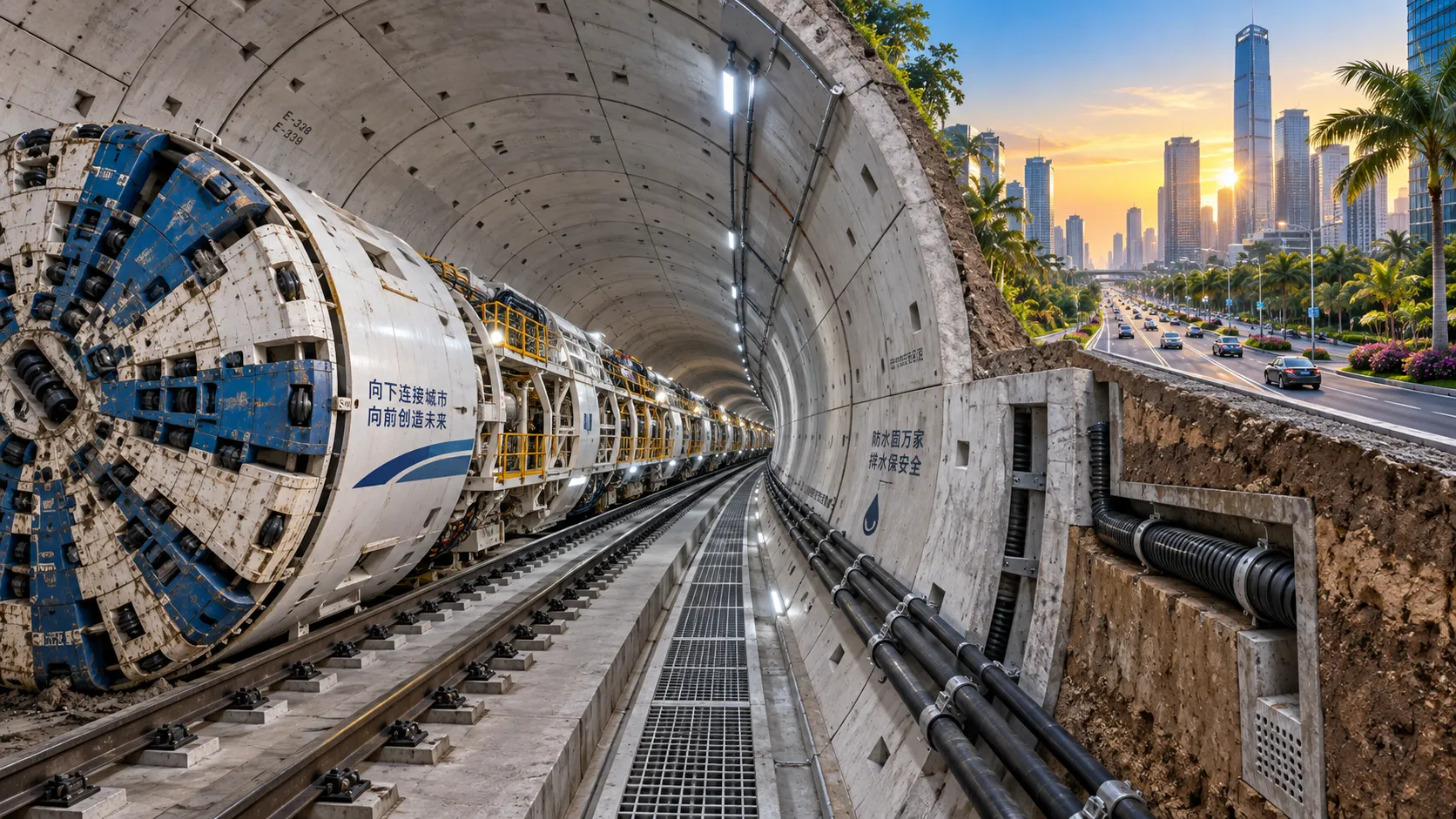
What Is Driving Metro Tunnelling Demand Across Southeast Asia’s Major Cities?
Metro tunnelling Southeast Asia is accelerating as major cities tackle congestion, flooding, and connectivity. Explore the market forces, technical risks, and opportunities shaping demand.
Hard Rock Tunnelling in Australia: Selecting Methods for Variable Ground Conditions
Hard rock tunnelling in Australia: compare TBM, drill-and-blast and hybrid methods to manage variable ground, reduce risk and protect project costs.
Hydropower Tunnel Excavation: Selecting Methods for Variable Rock Conditions
Hydropower tunnel excavation methods for variable rock conditions: compare TBM, drill-and-blast, and hybrid strategies to improve safety, progress, and project control.
How to Select Underground Safety Equipment for Tunnelling by Hazard and Work Zone
Underground Safety Equipment for tunnelling: match protection to hazards, work zones, compliance, and emergency needs with this practical selection guide.
EPB or Slurry Shield? Selecting Soft-Ground Tunnelling Equipment by Soil Conditions
Tunnel Excavation Equipment for soft ground: compare EPB and slurry shields by soil, groundwater, settlement risk, and project logistics to choose confidently.
How to Specify TBM Backup System Parts for Reliable Long-Distance Tunnelling
TBM backup system parts: learn how to specify reliable spares for long-distance tunnelling, reduce downtime, ensure compatibility, and speed underground recovery.
How to Size Open Pit Mining Trucks for Haul Distance, Grade, and Payload?
Open Pit Mining Trucks: learn how to match payload, haul distance, grade, road resistance, and loading capacity for safer, lower-cost mine operations.
Related News
- 00
0000-00
How to Evaluate European Drill-and-Blast Tunnelling Contractors for Complex Projects - 00
0000-00
Which Trenchless Construction Technique Fits Your Utility Crossing Conditions? - 00
0000-00
What Is Driving Metro Tunnelling Demand Across Southeast Asia’s Major Cities? - 00
0000-00
Hard Rock Tunnelling in Australia: Selecting Methods for Variable Ground Conditions - 00
0000-00
Hydropower Tunnel Excavation: Selecting Methods for Variable Rock Conditions
Weekly Insights
Stay ahead with our curated technology reports delivered every Monday.