
EU REACH Adds New Substance Restrictions Affecting TBM and Tunneling Equipment Exports





On 29 May 2026, the European Union published an update to the REACH Regulation in the Official Journal, introducing restriction clauses for three new substances of very high concern (SVHCs) — specifically targeting hydraulic sealants, cutterhead lubricants, and metal surface treatment coatings. This development directly impacts exporters of hard rock tunnel boring machines (TBMs), cutterheads, disc cutters, and related critical components into the EU market. Companies involved in manufacturing, supplying, or trading such equipment must act before 1 November 2026 to update SCIP notifications and upgrade technical documentation.
Event Overview
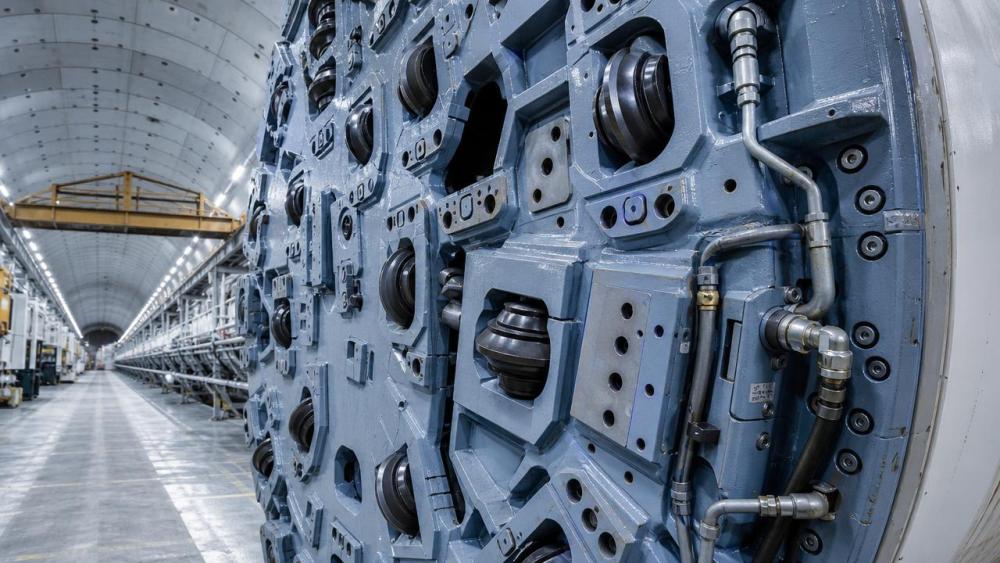
On 29 May 2026, the EU Official Journal released a revision to Regulation (EC) No 1907/2006 (REACH), adding restriction provisions for three newly identified SVHCs. The restrictions apply to substances used in hydraulic system sealing materials, lubricants for cutterheads and disc cutters, and coatings applied to metal surfaces of tunneling equipment. Affected products include complete hard rock TBMs, cutterheads, and disc cutters imported into the EU. Exporters are required to submit updated substance declarations via the SCIP database and revise supporting technical documentation by 1 November 2026.
Industries Affected by the Update
Direct export enterprises: Companies exporting assembled TBMs or key subassemblies (e.g., cutterheads, disc cutters) into the EU face direct compliance obligations. Non-compliance may result in customs delays, rejection of SCIP submissions, or inability to place products on the EU market after the deadline.
Component manufacturers: Suppliers of hydraulic seals, specialty lubricants, or coated metal parts used in TBM systems must verify substance content against the new SVHC list and provide updated declarations to their OEM customers. Their ability to support downstream compliance hinges on traceability and accurate material data.
Raw material and chemical suppliers: Producers or distributors of base oils, polymer sealants, or coating resins must assess whether their formulations contain any of the three newly restricted SVHCs. Downstream customers will increasingly require full substance-level disclosure, not just safety data sheets (SDS).
Supply chain service providers: Third-party compliance consultants, testing labs, and SCIP submission agents may see increased demand for verification, documentation review, and regulatory interpretation services — particularly for complex mechanical equipment with multi-tiered material sourcing.
Key Compliance Priorities and Recommended Actions
Monitor official updates from ECHA and EU national authorities
The final restriction entries — including concentration thresholds, exemption conditions, and enforcement guidance — are expected to be published separately following the Official Journal notice. Enterprises should track announcements from the European Chemicals Agency (ECHA) and relevant national helpdesks to confirm applicability scope and transitional arrangements.
Identify and prioritize affected product lines and supply tiers
Focus first on hydraulic seal assemblies, cutterhead greases, and surface-treated structural components (e.g., cutter disc substrates, bearing housings). Map material bills of these items down to Tier 2–3 suppliers, as SVHC presence may originate outside final assembly facilities.
Distinguish between regulatory signal and operational implementation
This is a formal regulatory amendment, not a proposal or draft. However, the actual enforcement timeline — including customs checks, market surveillance frequency, and penalties for incomplete SCIP entries — remains subject to national authority discretion. Businesses should treat the 1 November 2026 deadline as binding for documentation, but anticipate phased enforcement rollout.
Initiate internal documentation and supplier engagement now
Begin revising technical files (e.g., EU Declaration of Conformity annexes, substance inventories) and initiate supplier surveys for SVHC declaration. Allow at least 8–10 weeks for response cycles, especially when requesting data from non-EU-based chemical or component vendors.
Editorial Observation / Industry Perspective
Observably, this update signals a tightening of chemical compliance expectations for capital equipment — not just consumer goods or electronics. Analysis shows that the inclusion of substances embedded in functional, long-life mechanical components (e.g., lubricants sealed inside gearboxes, coatings bonded to steel surfaces) reflects ECHA’s expanding focus on ‘intentionally released’ and ‘service-life exposure’ scenarios. From an industry perspective, this is less a one-off adjustment and more part of a broader trend: REACH restrictions are progressively reaching deeper into industrial machinery supply chains. Current monitoring should therefore extend beyond immediate SCIP updates to include future SVHC candidate lists and potential revisions to Annex XVII restriction entries affecting mechanical engineering sectors.
Conclusion: This REACH update does not introduce broad-based bans, but rather imposes targeted substance-level reporting and documentation requirements on specific functional materials within TBM and tunneling equipment. It represents a concrete compliance milestone — not merely a warning — for exporters serving the EU infrastructure equipment market. Enterprises are better advised to interpret this as a fixed procedural obligation tied to product placement, rather than a negotiable or deferrable regulatory consideration.
Source: Official Journal of the European Union, Regulation (EC) No 1907/2006 (REACH), as amended on 29 May 2026. Ongoing implementation details — including national enforcement protocols and technical guidance documents — remain under observation and will be updated by ECHA and EU Member State competent authorities.
Related News

How to Evaluate European Drill-and-Blast Tunnelling Contractors for Complex Projects
Drill and blast tunnelling contractors Europe: learn how to assess geology expertise, blast control, equipment reliability, safety, and programme resilience for complex projects.

Which Trenchless Construction Technique Fits Your Utility Crossing Conditions?
Trenchless construction techniques compared for utility crossings: choose HDD, microtunnelling, pipe jacking, or auger boring based on ground, accuracy, access, and risk.

What Is Driving Metro Tunnelling Demand Across Southeast Asia’s Major Cities?
Metro tunnelling Southeast Asia is accelerating as major cities tackle congestion, flooding, and connectivity. Explore the market forces, technical risks, and opportunities shaping demand.

Hard Rock Tunnelling in Australia: Selecting Methods for Variable Ground Conditions
Hard rock tunnelling in Australia: compare TBM, drill-and-blast and hybrid methods to manage variable ground, reduce risk and protect project costs.

Hydropower Tunnel Excavation: Selecting Methods for Variable Rock Conditions
Hydropower tunnel excavation methods for variable rock conditions: compare TBM, drill-and-blast, and hybrid strategies to improve safety, progress, and project control.

How to Select Underground Safety Equipment for Tunnelling by Hazard and Work Zone
Underground Safety Equipment for tunnelling: match protection to hazards, work zones, compliance, and emergency needs with this practical selection guide.
EPB or Slurry Shield? Selecting Soft-Ground Tunnelling Equipment by Soil Conditions
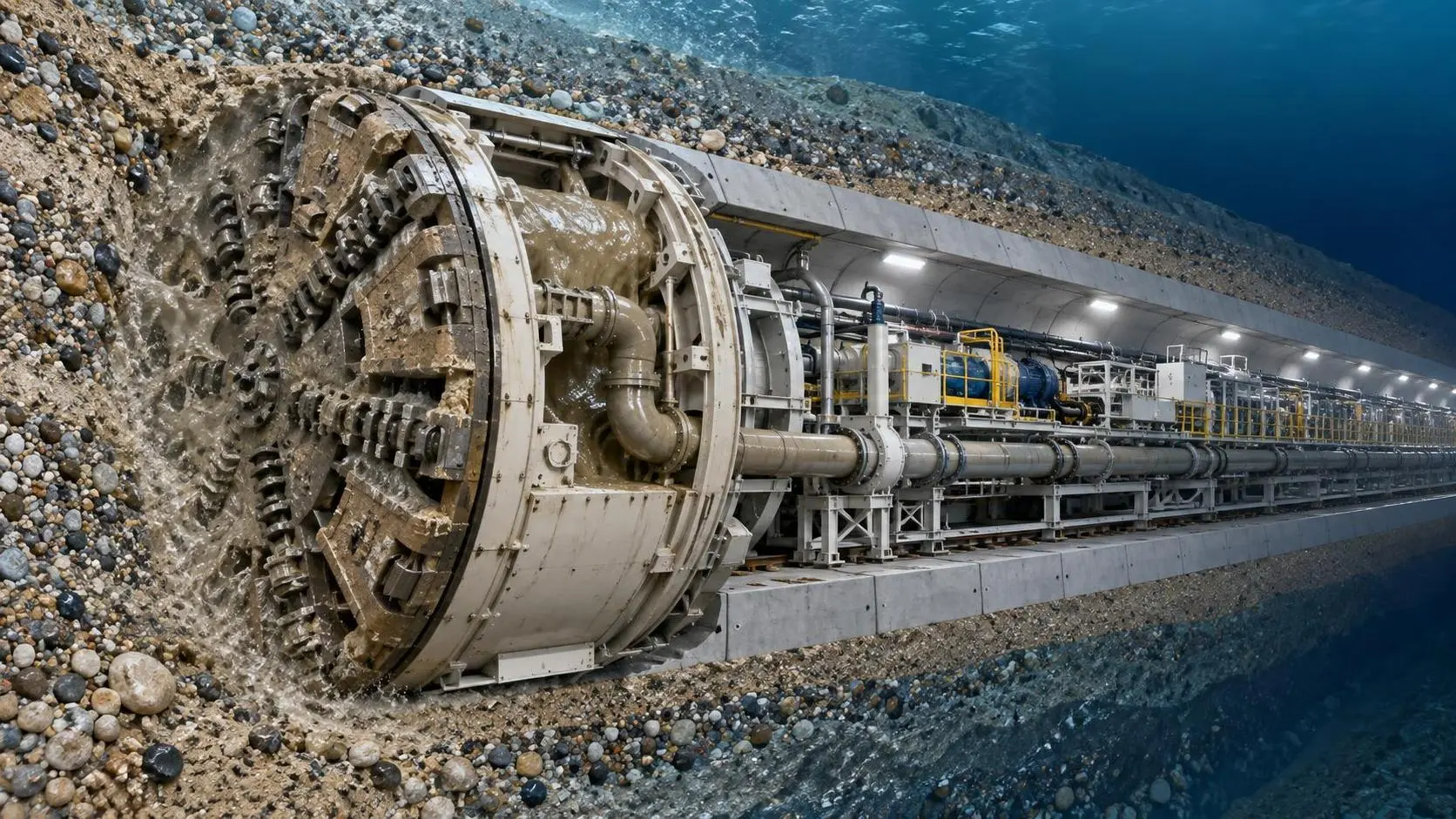
Tunnel Excavation Equipment for soft ground: compare EPB and slurry shields by soil, groundwater, settlement risk, and project logistics to choose confidently.
How to Specify TBM Backup System Parts for Reliable Long-Distance Tunnelling
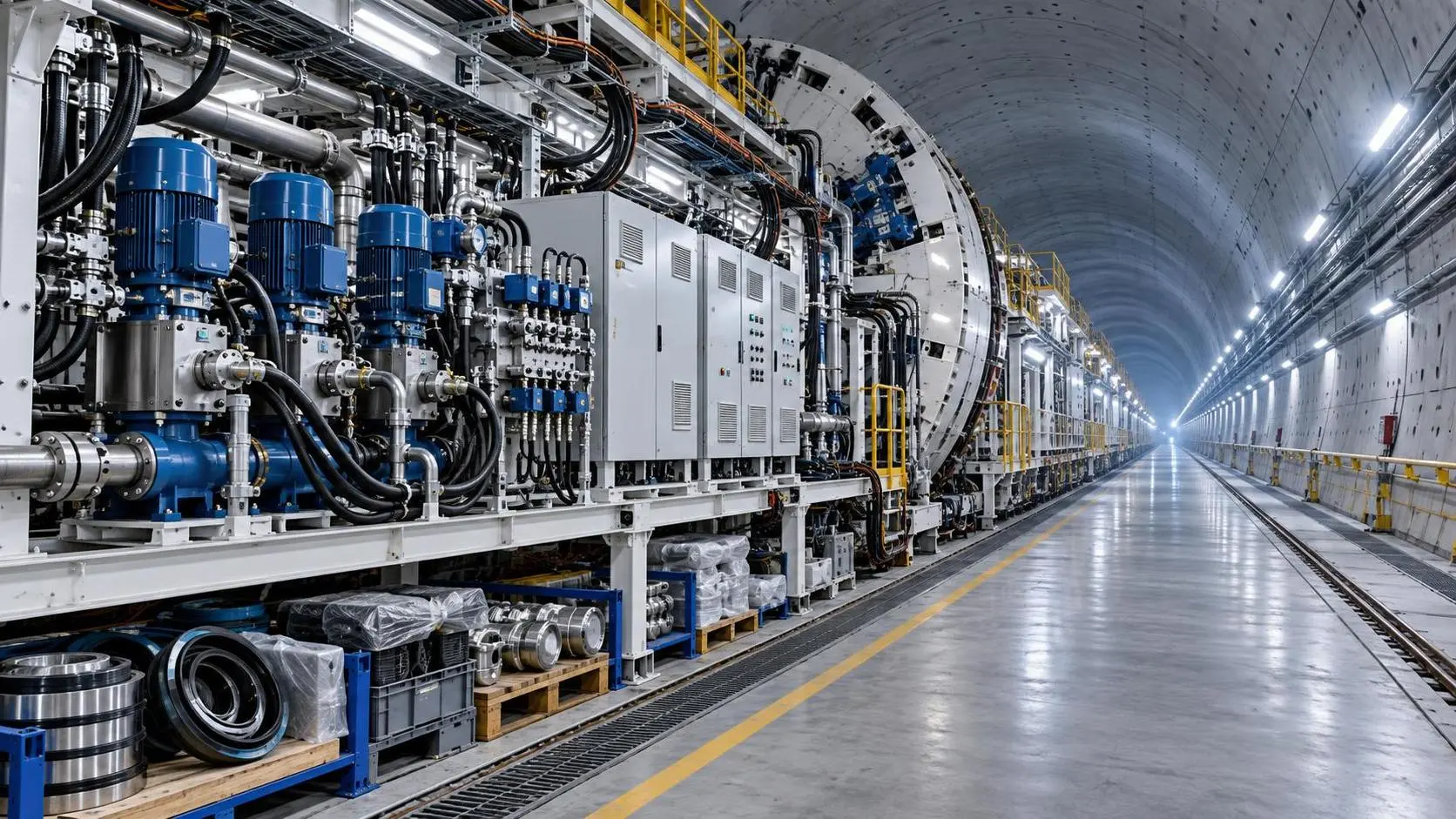
TBM backup system parts: learn how to specify reliable spares for long-distance tunnelling, reduce downtime, ensure compatibility, and speed underground recovery.

How to Size Open Pit Mining Trucks for Haul Distance, Grade, and Payload?
Open Pit Mining Trucks: learn how to match payload, haul distance, grade, road resistance, and loading capacity for safer, lower-cost mine operations.
Related News
- 00
0000-00
How to Evaluate European Drill-and-Blast Tunnelling Contractors for Complex Projects - 00
0000-00
Which Trenchless Construction Technique Fits Your Utility Crossing Conditions? - 00
0000-00
What Is Driving Metro Tunnelling Demand Across Southeast Asia’s Major Cities? - 00
0000-00
Hard Rock Tunnelling in Australia: Selecting Methods for Variable Ground Conditions - 00
0000-00
Hydropower Tunnel Excavation: Selecting Methods for Variable Rock Conditions
Weekly Insights
Stay ahead with our curated technology reports delivered every Monday.