
Pingtan International Tunnel Expo Concludes with 3-Month Extended Display Mechanism





Pingtan International Tunnel and Underground Construction Equipment Exhibition 2026 concluded on February 28, 2026. Its newly launched ‘3-day exhibition + 3-month extended display + year-round matchmaking’ ecosystem signals a structural shift in how global buyers evaluate and source tunneling equipment—particularly for firms engaged in hard-rock TBM procurement, automated drilling rig deployment, and battery-electric underground material handling.
Event Overview
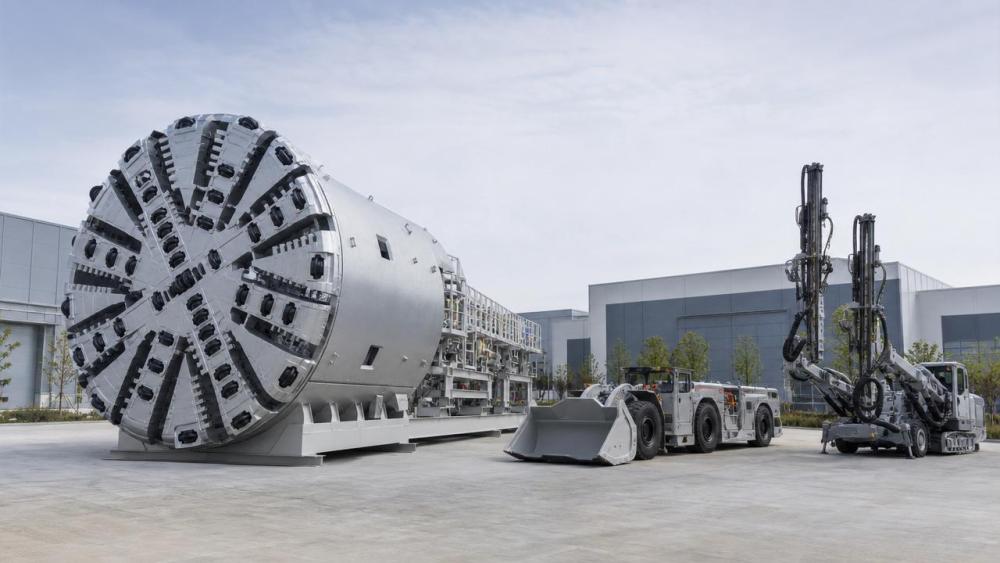
The 2026 Pingtan International Tunnel and Underground Construction Equipment Exhibition closed on February 28, 2026. As part of its post-event framework, all exhibited equipment—including Hard Rock Tunnel Boring Machines (TBMs), Computerized Jumbos, and Battery-Powered Load-Haul-Dump (LHD) vehicles—remains on-site at the Pingtan Tunnel Machinery Industrial Park through the end of May 2026, available for free, on-site verification and model selection. This extended display mechanism has already prompted established international firms—including Germany’s BAUER and Italy’s Casagrande—as well as Southeast Asian distributors, to establish permanent on-site inspection channels.
Impact on Specific Industry Segments
Direct Export & Trading Firms: These companies face revised buyer evaluation timelines. Instead of relying solely on short-term trade fair interactions, procurement decisions may now be deferred until after on-site technical validation during the extended display period. Impact includes longer sales cycles, increased need for localized technical support, and tighter coordination with regional distribution partners.
Equipment Manufacturers (OEMs): OEMs with machines physically present in Pingtan gain extended visibility without additional booth or logistics costs—but only if their units remain operational and demonstrable through May. The mechanism increases pressure to ensure field-readiness, documentation compliance (e.g., CE/ISO certifications for export markets), and real-time remote diagnostics capability for overseas buyers conducting remote pre-shipment assessments.
Supply Chain & Aftermarket Service Providers: Third-party service providers—including spare parts logistics operators, maintenance contractors, and training centers—must align capacity planning with the extended presence window. Demand for on-site commissioning support, operator training, and bilingual technical documentation is likely to concentrate between March and May 2026, rather than tapering immediately post-exhibition.
What Relevant Companies or Practitioners Should Focus On Now
Monitor official operational guidelines from the Pingtan Tunnel Machinery Industrial Park
While the 3-month extension is confirmed, details such as access protocols for non-exhibiting third parties, insurance requirements for extended equipment operation, and data privacy rules for remote monitoring remain unannounced. These will directly affect cross-border technical collaboration workflows.
Track participation patterns among Tier-1 international suppliers
The involvement of BAUER and Casagrande suggests early adoption by premium-tier manufacturers. Observably, firms supplying complementary systems—such as segment erectors, grouting packages, or battery thermal management subsystems—should assess whether their integration readiness with these anchor platforms is being implicitly tested during the extended phase.
Prepare for staggered procurement decision windows—not just calendar-based timing
Buyers from Southeast Asia and other regions are now able to conduct physical verification outside traditional trade fair schedules. Analysis shows this may compress Q2 2026 tender preparation cycles for projects requiring validated equipment specs; procurement teams should adjust internal review timelines accordingly, particularly for technical bid submissions tied to verified machine performance parameters.
Editorial Perspective / Industry Observation
This initiative is better understood as an institutional signal—not yet a proven market mechanism. It reflects an effort to bridge the gap between trade-show exposure and real-world equipment validation, especially where capital expenditure decisions involve high technical risk and long asset lifecycles. Observably, its success hinges less on duration than on consistency: sustained buyer engagement beyond initial inspection visits, repeat verification by engineering consultants, and measurable follow-up activity (e.g., RFQ volume, site survey requests) through May. The current phase remains one of infrastructure readiness testing—not commercial traction confirmation.
For the industry, the key question is not whether the model replicates elsewhere, but whether it reshapes expectations around pre-purchase due diligence. If buyer behavior shifts toward prioritizing extended, low-friction access over single-event presentations, then equipment vendors—and the ecosystems supporting them—will need to reconfigure resource allocation across time, geography, and technical support depth.
Concluding this event does not mark closure—it marks the start of a three-month observational window. The broader significance lies not in the exhibition itself, but in whether this extended, venue-based validation layer becomes a new baseline expectation for major underground construction equipment procurement in emerging markets. Current evidence supports cautious observation—not immediate strategic recalibration.
Source: Official announcement of the 2026 Pingtan International Tunnel and Underground Construction Equipment Exhibition; publicly confirmed participation status of BAUER, Casagrande, and Southeast Asian distributor channels. Note: Operational details of the extended display—including access terms for non-exhibitors, insurance frameworks, and data governance policies—remain pending formal publication and are subject to ongoing monitoring.
Related News
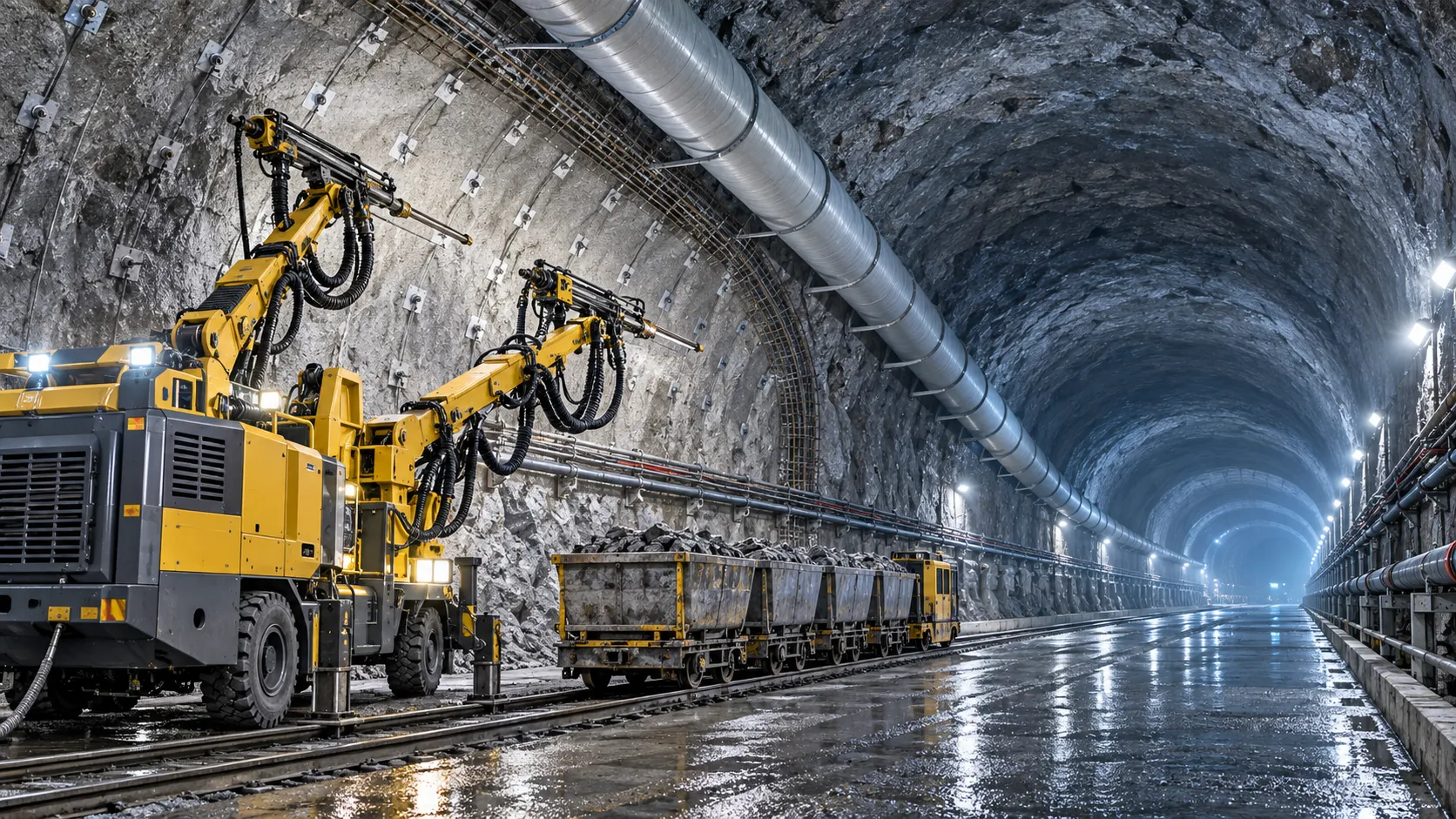
How to Evaluate European Drill-and-Blast Tunnelling Contractors for Complex Projects
Drill and blast tunnelling contractors Europe: learn how to assess geology expertise, blast control, equipment reliability, safety, and programme resilience for complex projects.
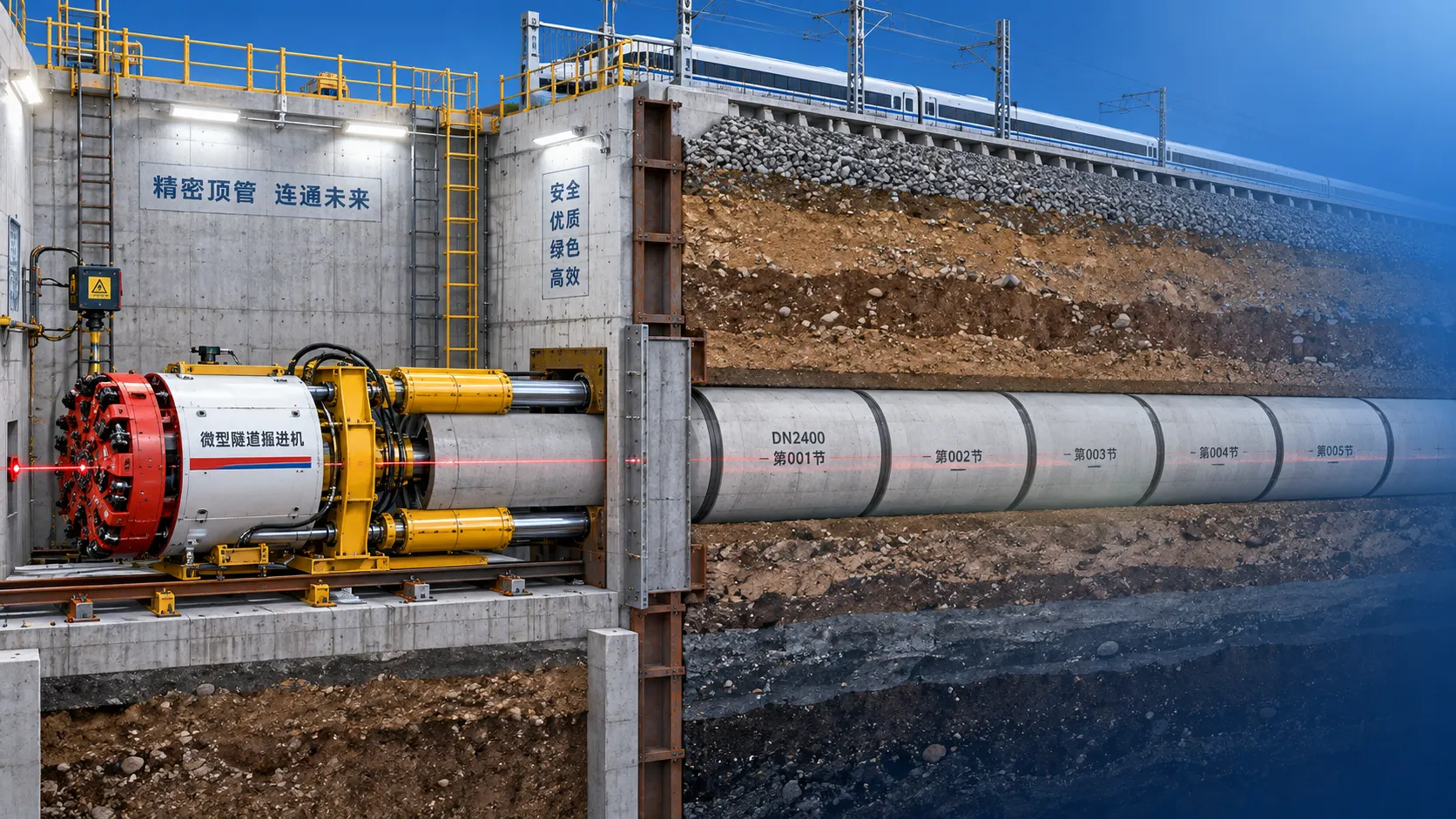
Which Trenchless Construction Technique Fits Your Utility Crossing Conditions?
Trenchless construction techniques compared for utility crossings: choose HDD, microtunnelling, pipe jacking, or auger boring based on ground, accuracy, access, and risk.
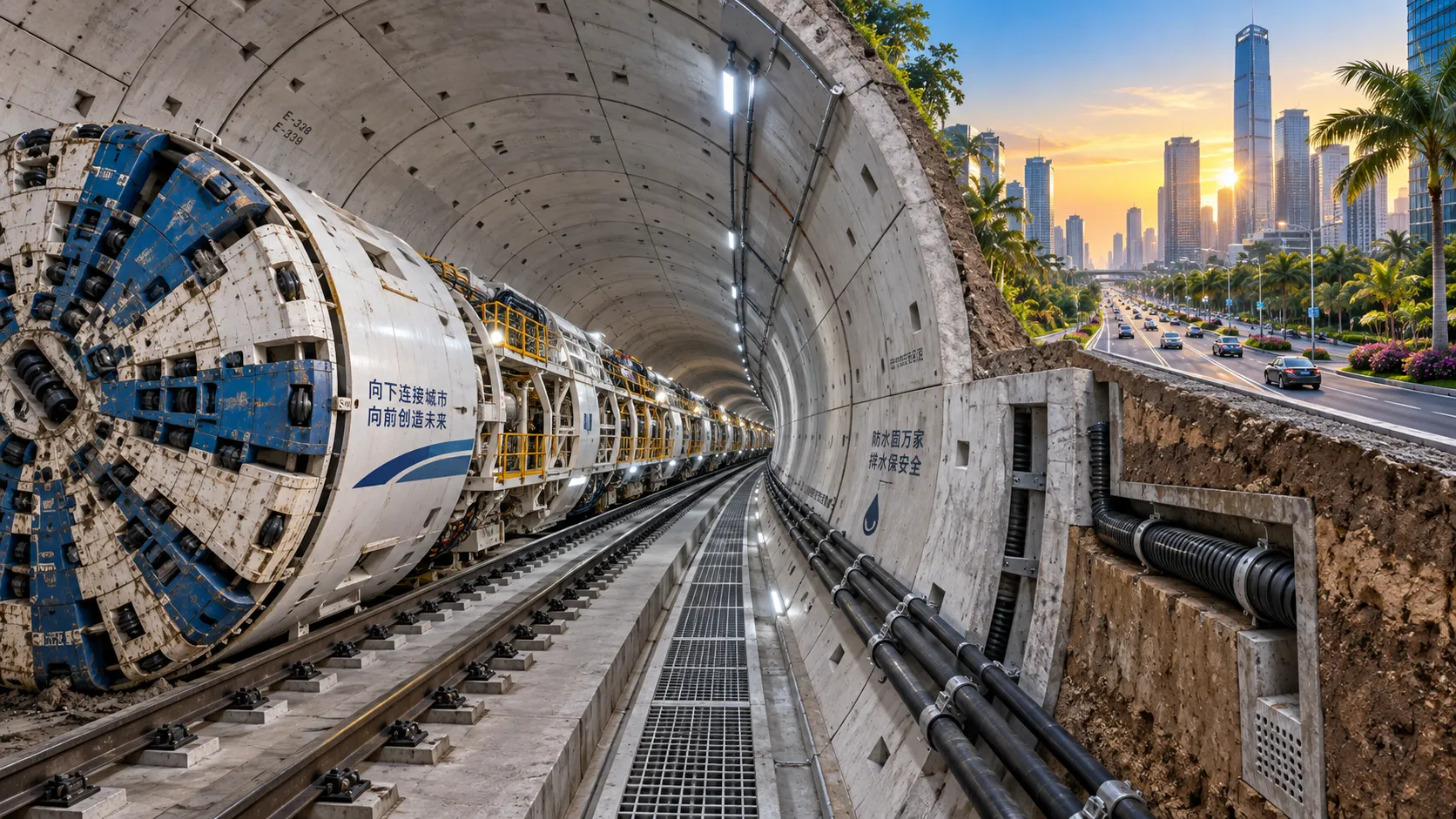
What Is Driving Metro Tunnelling Demand Across Southeast Asia’s Major Cities?
Metro tunnelling Southeast Asia is accelerating as major cities tackle congestion, flooding, and connectivity. Explore the market forces, technical risks, and opportunities shaping demand.
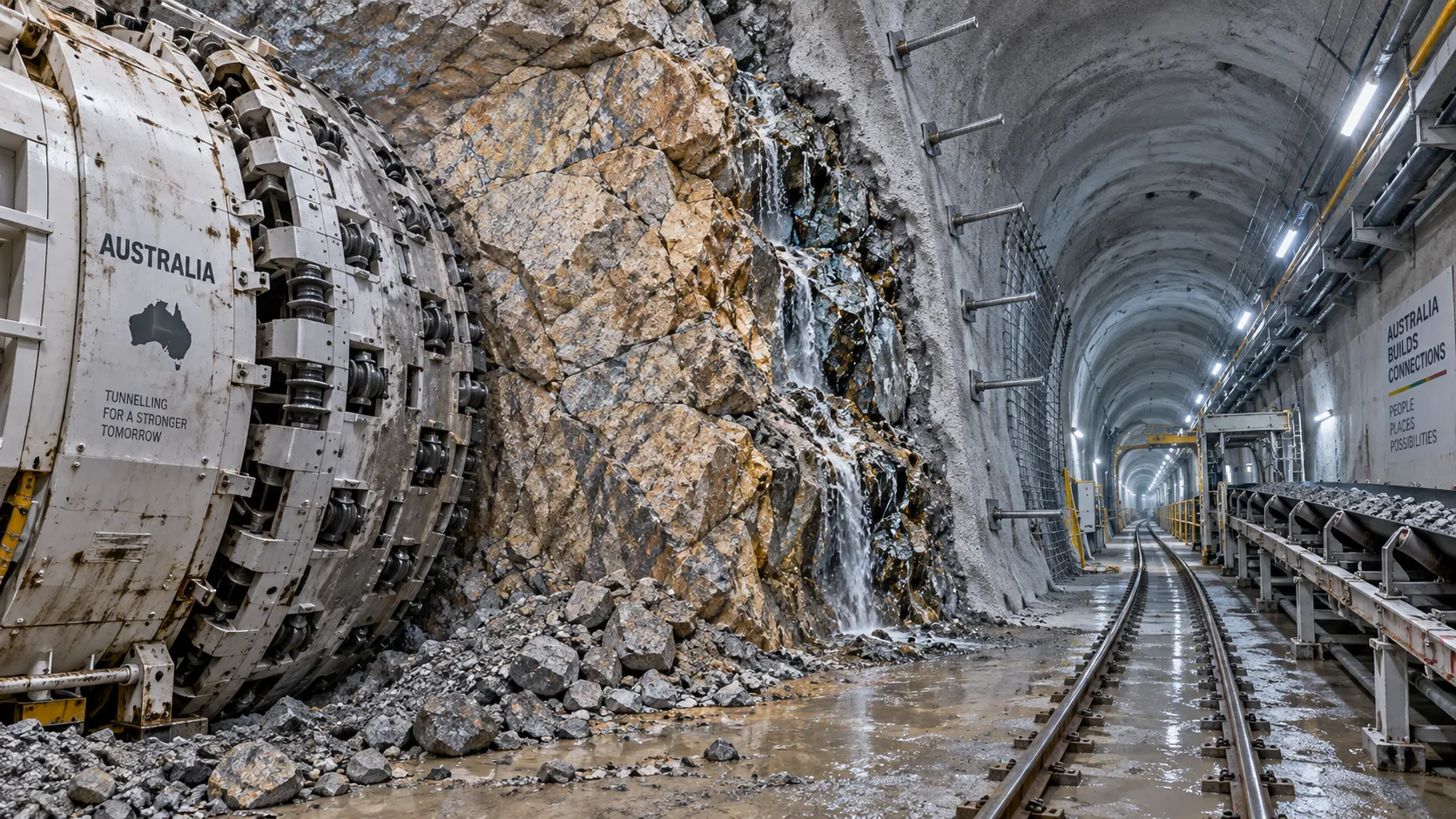
Hard Rock Tunnelling in Australia: Selecting Methods for Variable Ground Conditions
Hard rock tunnelling in Australia: compare TBM, drill-and-blast and hybrid methods to manage variable ground, reduce risk and protect project costs.
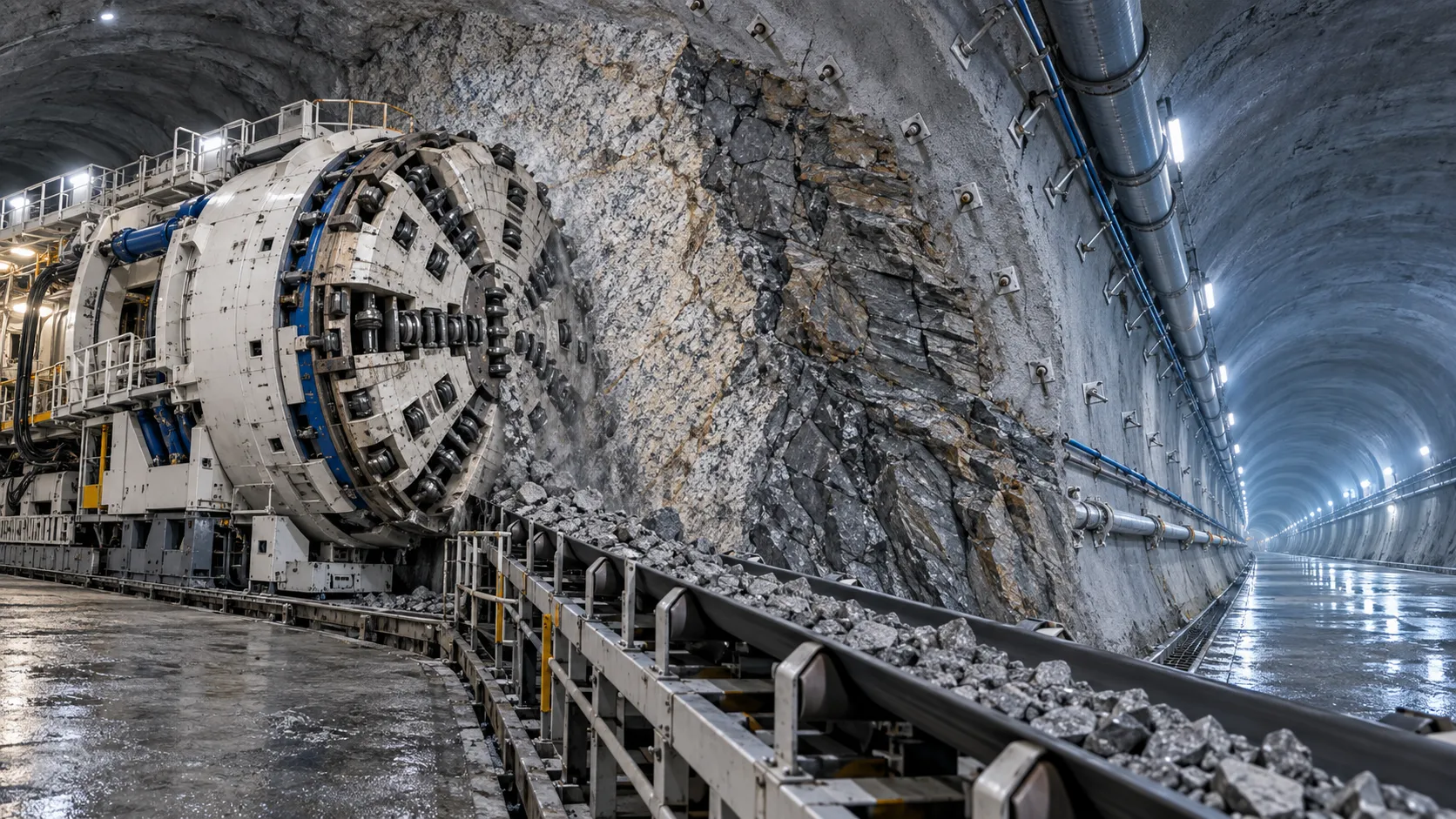
Hydropower Tunnel Excavation: Selecting Methods for Variable Rock Conditions
Hydropower tunnel excavation methods for variable rock conditions: compare TBM, drill-and-blast, and hybrid strategies to improve safety, progress, and project control.
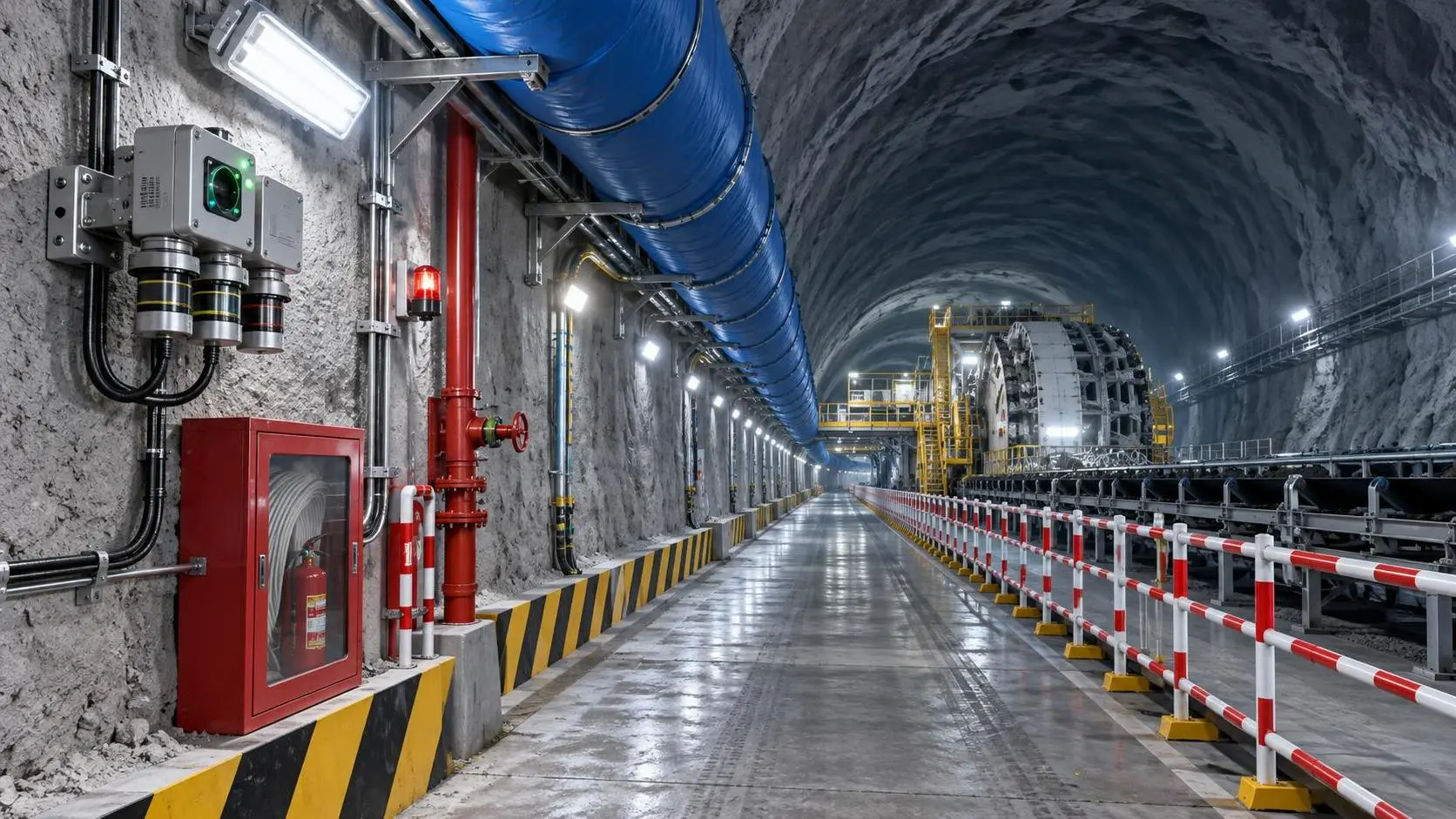
How to Select Underground Safety Equipment for Tunnelling by Hazard and Work Zone
Underground Safety Equipment for tunnelling: match protection to hazards, work zones, compliance, and emergency needs with this practical selection guide.
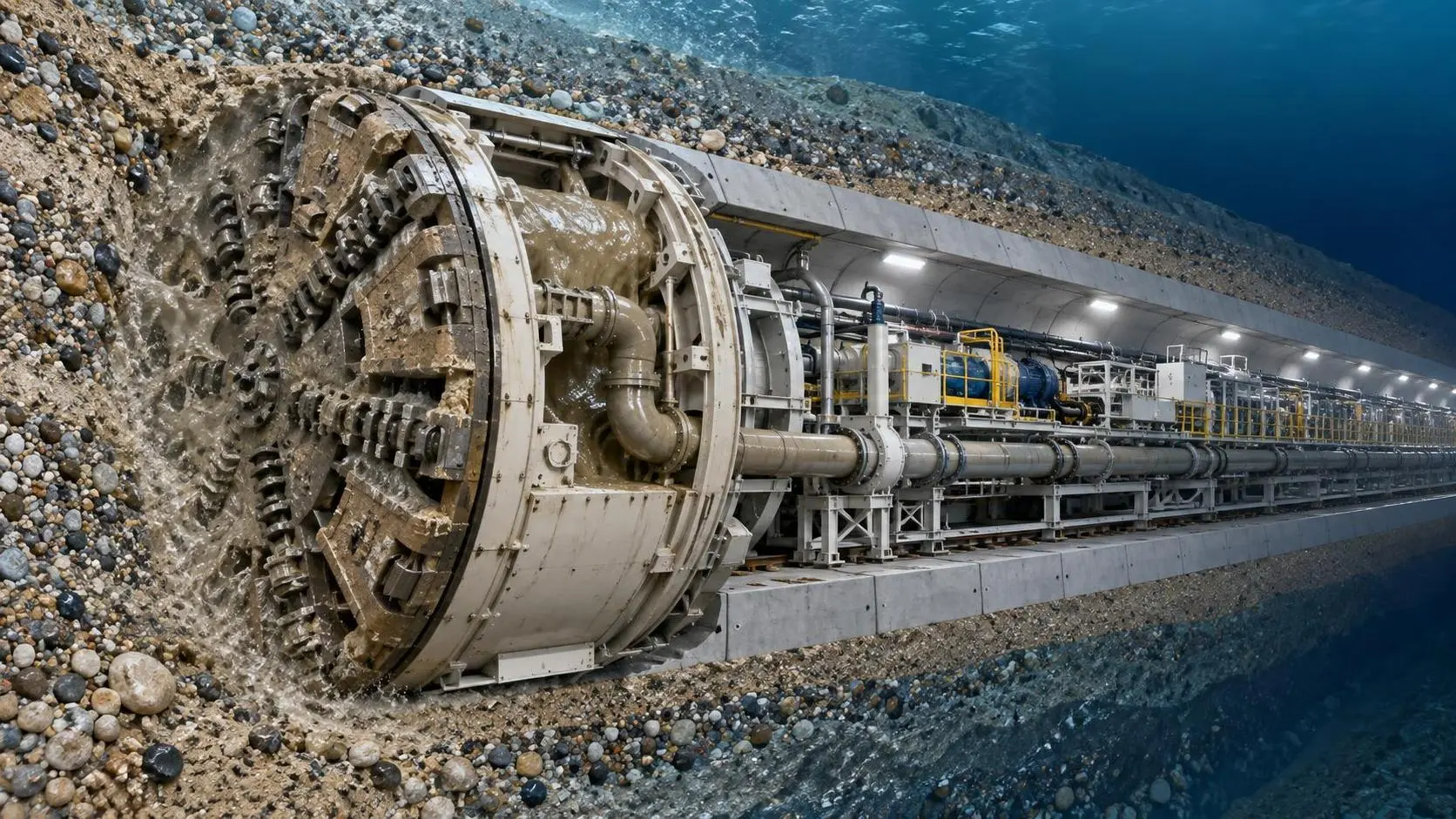
EPB or Slurry Shield? Selecting Soft-Ground Tunnelling Equipment by Soil Conditions
Tunnel Excavation Equipment for soft ground: compare EPB and slurry shields by soil, groundwater, settlement risk, and project logistics to choose confidently.
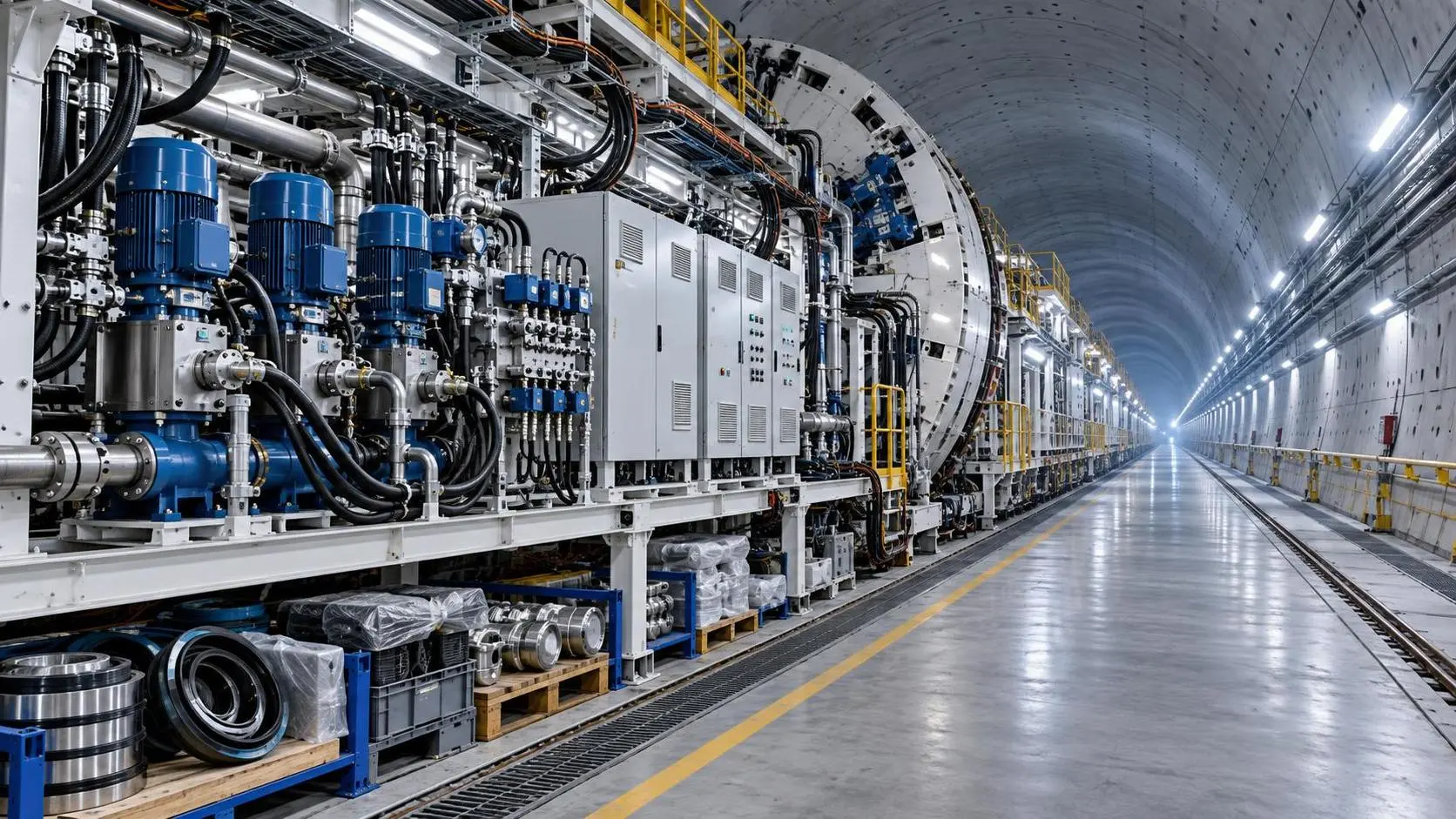
How to Specify TBM Backup System Parts for Reliable Long-Distance Tunnelling
TBM backup system parts: learn how to specify reliable spares for long-distance tunnelling, reduce downtime, ensure compatibility, and speed underground recovery.
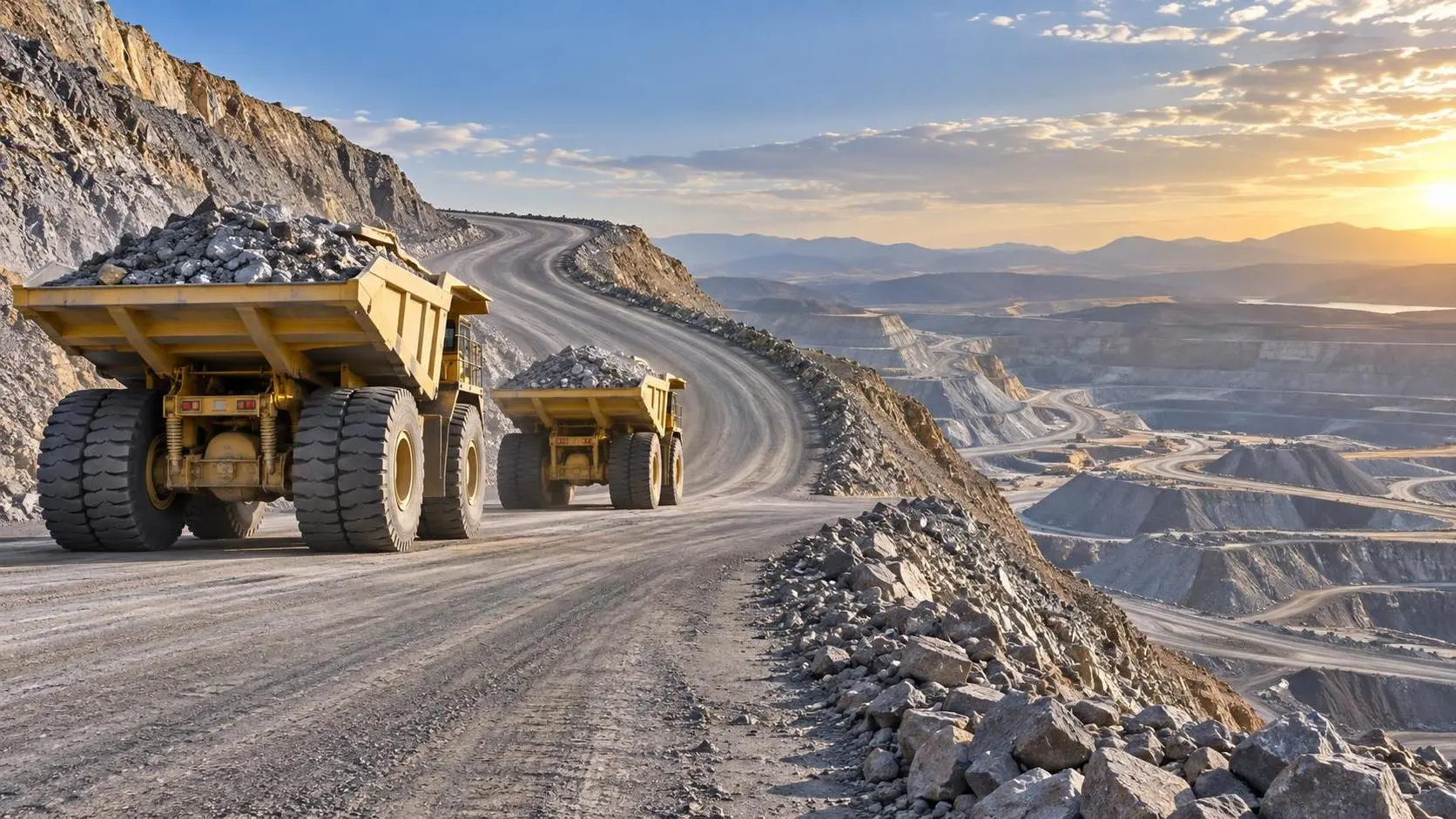
How to Size Open Pit Mining Trucks for Haul Distance, Grade, and Payload?
Open Pit Mining Trucks: learn how to match payload, haul distance, grade, road resistance, and loading capacity for safer, lower-cost mine operations.
Related News
- 00
0000-00
How to Evaluate European Drill-and-Blast Tunnelling Contractors for Complex Projects - 00
0000-00
Which Trenchless Construction Technique Fits Your Utility Crossing Conditions? - 00
0000-00
What Is Driving Metro Tunnelling Demand Across Southeast Asia’s Major Cities? - 00
0000-00
Hard Rock Tunnelling in Australia: Selecting Methods for Variable Ground Conditions - 00
0000-00
Hydropower Tunnel Excavation: Selecting Methods for Variable Rock Conditions
Weekly Insights
Stay ahead with our curated technology reports delivered every Monday.