
Codelco Launches 2026 Battery LHD Tender, Demand Up 300%





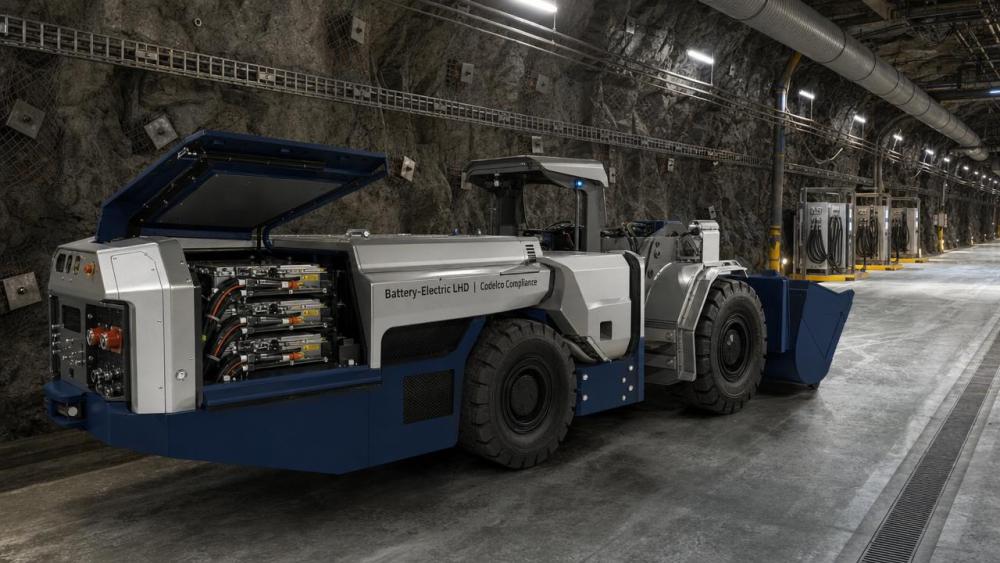
Codelco — the world’s largest copper producer — launched its 2026–2028 underground mine electrification tender on May 30, 2026. The initiative targets 12 core underground mines and mandates battery-powered load-haul-dump (LHD) equipment for all new procurements, with a hard deadline of zero diesel-powered LHDs underground by end-2027. This development signals material shifts for OEMs, battery system integrators, thermal management specialists, and mining equipment supply chain stakeholders.
Event Overview
On May 30, 2026, Codelco published its underground electrification upgrade plan covering 2026–2028. The first tender phase covers 12 primary underground mines. It explicitly requires all newly procured LHDs to be battery-electric (Battery LHDs). A firm operational milestone is set: no diesel-powered LHDs permitted underground after December 31, 2027. Per Codelco’s procurement guidelines, bidders must submit verified, field-collected underground thermal management performance data spanning at least five years, plus formal compatibility agreements for standardized battery swap interfaces. Several leading Chinese equipment manufacturers have passed prequalification.
Industries Affected
OEMs of Underground Mining Equipment
OEMs supplying LHDs to Codelco — especially those historically focused on diesel-hydraulic platforms — face immediate product portfolio recalibration. The tender’s technical requirements (e.g., multi-year thermal validation, modular battery interface compliance) raise entry barriers for legacy suppliers lacking validated battery-integrated designs.
Battery System Integrators & Thermal Management Providers
Suppliers specializing in ruggedized, mine-grade battery packs and active thermal control systems are directly impacted. Codelco’s stipulation of ≥5 years’ real-world underground thermal performance data implies demand for proven, site-validated solutions — not just lab-tested or surface-deployed units.
Mining Equipment Aftermarket & Service Providers
With full fleet electrification mandated by 2027, service providers must adapt maintenance protocols, technician training, spare parts logistics, and diagnostic tooling for high-voltage battery systems — diverging significantly from diesel engine service workflows.
Global Mining Equipment Distributors & Channel Partners
Distributors aligned with non-compliant or late-to-market Battery LHD platforms may see reduced access to Codelco’s procurement pipeline. The prequalification of select Chinese manufacturers also suggests potential shifts in regional sourcing influence within Latin American mining supply chains.
What Relevant Companies or Practitioners Should Focus On
Monitor official tender addenda and technical clarifications
Codelco’s procurement guidelines reference specific interface standards and thermal validation thresholds — but exact specifications (e.g., nominal voltage, cooling fluid type, data logging frequency) are pending formal tender documents. Stakeholders should track updates issued through Codelco’s official procurement portal.
Validate compatibility of existing Battery LHD platforms against stated thermal and interface requirements
Prequalified status does not guarantee award. Bidders must demonstrate alignment with Codelco’s documented thermal history criteria and formalize battery swap interface agreements — meaning engineering alignment, not just commercial intent, is decisive.
Distinguish between policy signal and near-term procurement volume
The 300% demand increase cited reflects projected procurement growth *relative to prior diesel-LHD volumes* under this tender framework — not an absolute global market expansion. Actual unit volumes depend on mine-specific fleet renewal schedules and final tender scope confirmation.
Prepare documentation for underground thermal performance verification
Suppliers without ≥5 years of verifiable, mine-site thermal telemetry data (e.g., cell-level temperature variance under continuous load, ambient heat rejection in confined drifts) risk disqualification — regardless of battery chemistry or power rating. Early compilation of auditable logs is operationally critical.
Editorial Perspective / Industry Observation
This tender is best understood as a structured, high-credibility implementation signal — not merely a sustainability pledge. Codelco’s binding 2027 diesel phase-out date, coupled with stringent technical prerequisites, elevates it beyond aspirational ESG messaging. Observably, it tests whether battery LHD technology has matured sufficiently for large-scale, safety-critical underground deployment — particularly regarding thermal resilience and interoperability. Analysis shows the emphasis on long-term field data suggests Codelco prioritizes operational reliability over novelty. The prequalification of Chinese OEMs further indicates that geographic origin is secondary to technical compliance — a notable shift in procurement norms for Tier-1 Latin American miners.
Concluding, Codelco’s 2026 Battery LHD tender represents a concrete inflection point for underground mining equipment electrification — one anchored in enforceable timelines and measurable technical benchmarks. It is less a forecast of future trends and more a near-term operational mandate with cascading implications across equipment design, battery integration, and service infrastructure. Currently, it is more appropriately interpreted as a rigorous, execution-focused procurement milestone than a broad industry transformation announcement — though its successful execution could set de facto benchmarks for peers globally.
Source: Codelco official procurement announcement, May 30, 2026.
Note: Tender scope details (e.g., exact unit quantities, interface standard references, evaluation weighting) remain pending formal RFP issuance and are subject to ongoing observation.
Related News
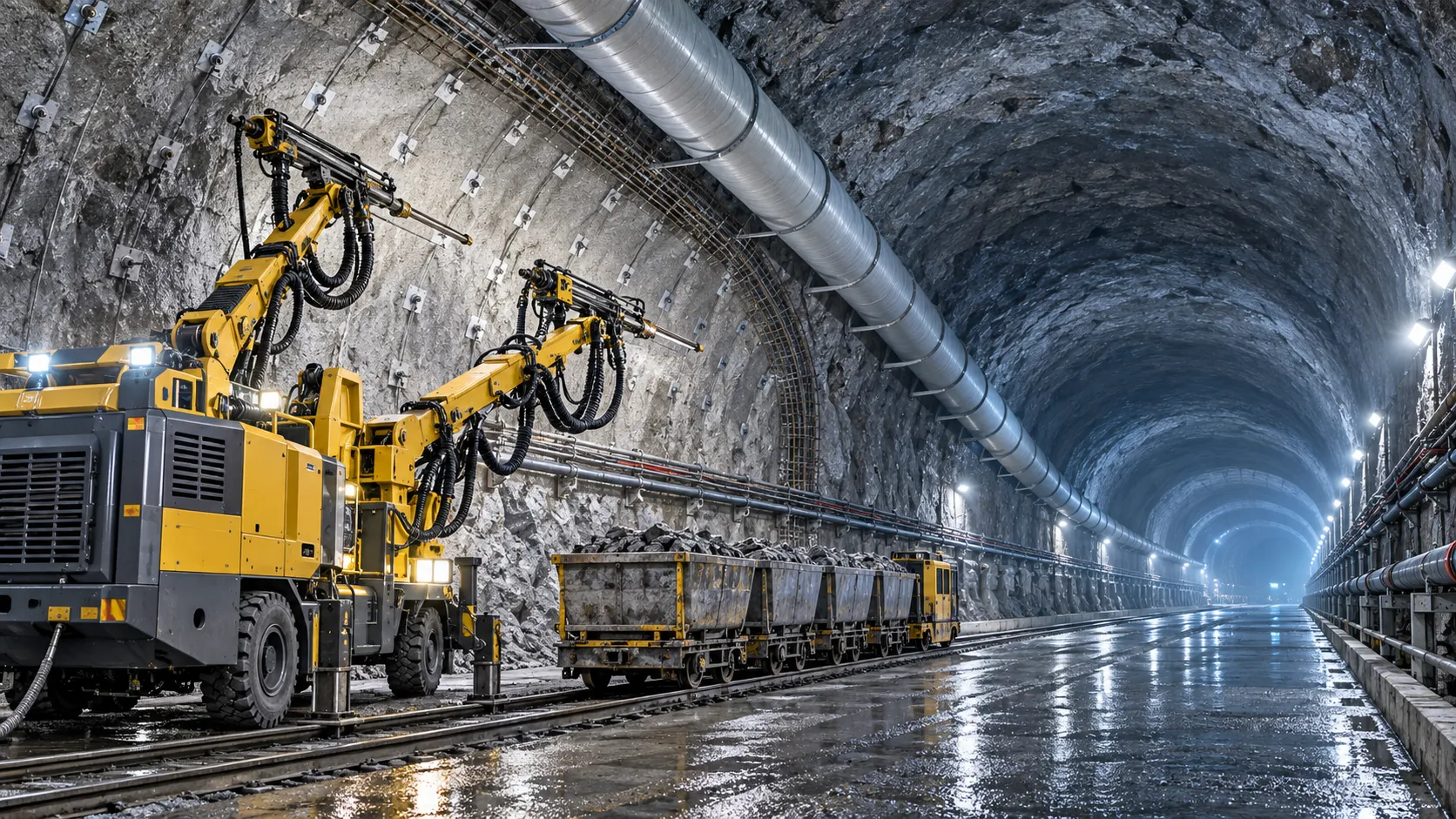
How to Evaluate European Drill-and-Blast Tunnelling Contractors for Complex Projects
Drill and blast tunnelling contractors Europe: learn how to assess geology expertise, blast control, equipment reliability, safety, and programme resilience for complex projects.
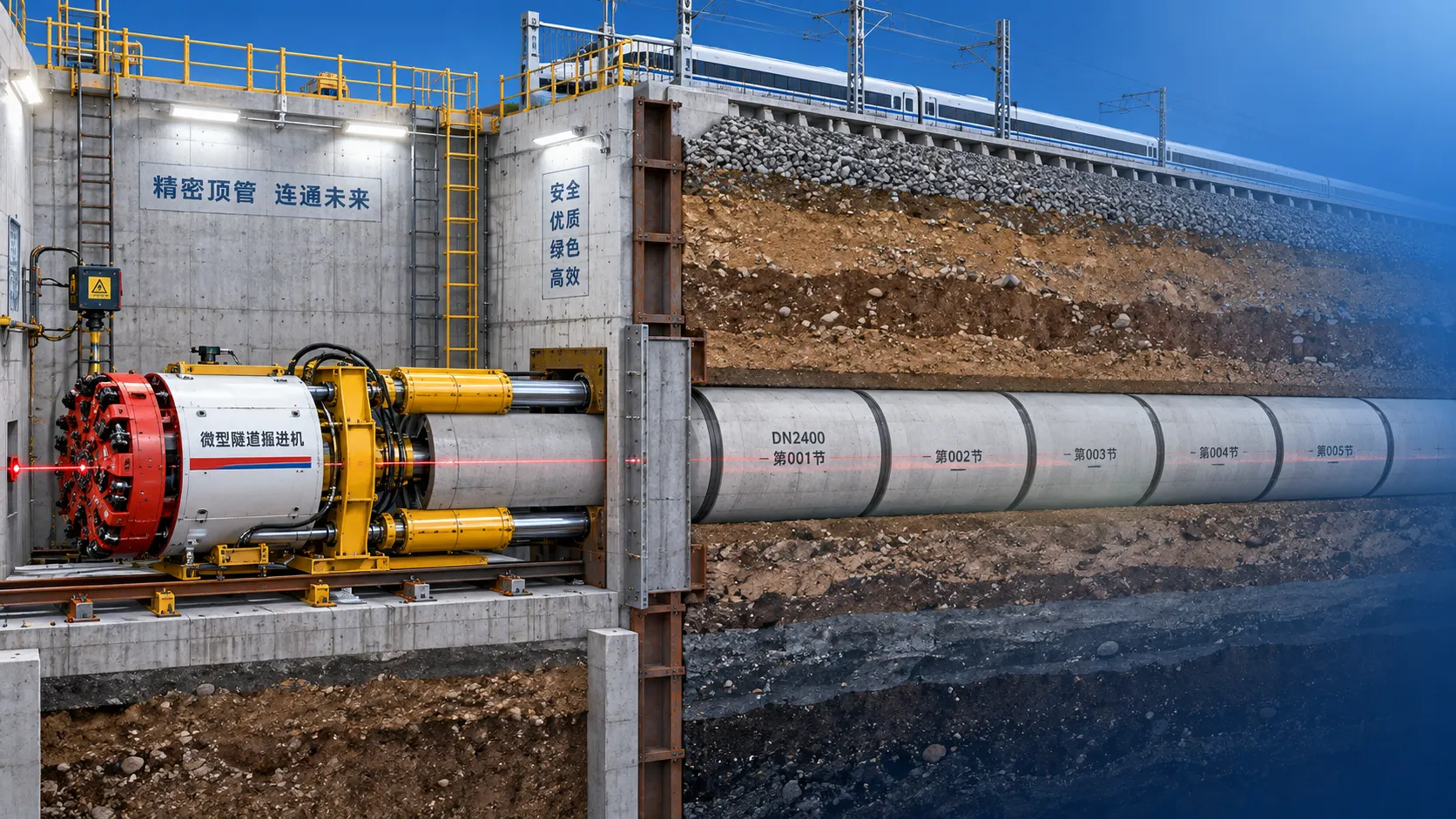
Which Trenchless Construction Technique Fits Your Utility Crossing Conditions?
Trenchless construction techniques compared for utility crossings: choose HDD, microtunnelling, pipe jacking, or auger boring based on ground, accuracy, access, and risk.
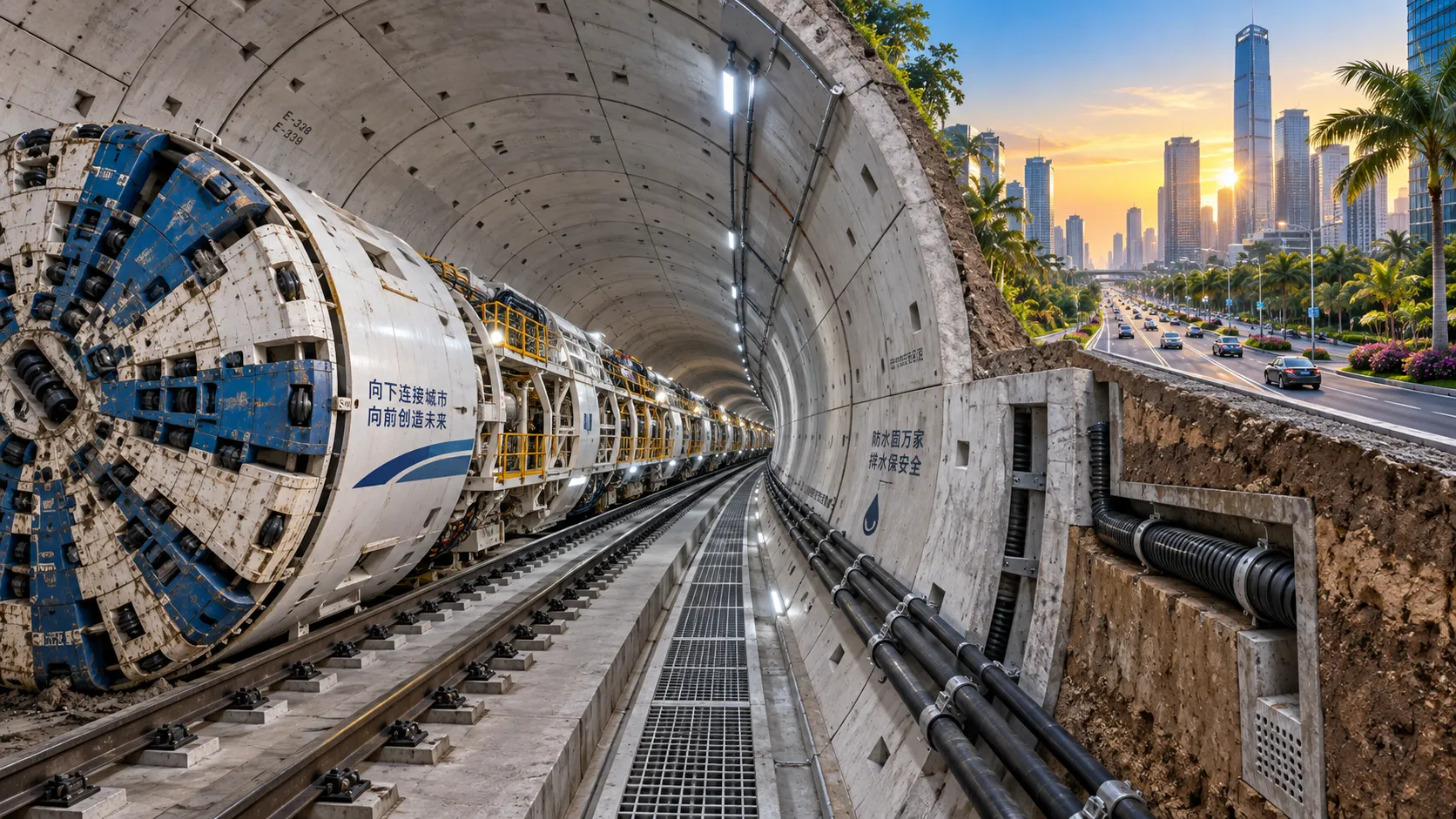
What Is Driving Metro Tunnelling Demand Across Southeast Asia’s Major Cities?
Metro tunnelling Southeast Asia is accelerating as major cities tackle congestion, flooding, and connectivity. Explore the market forces, technical risks, and opportunities shaping demand.
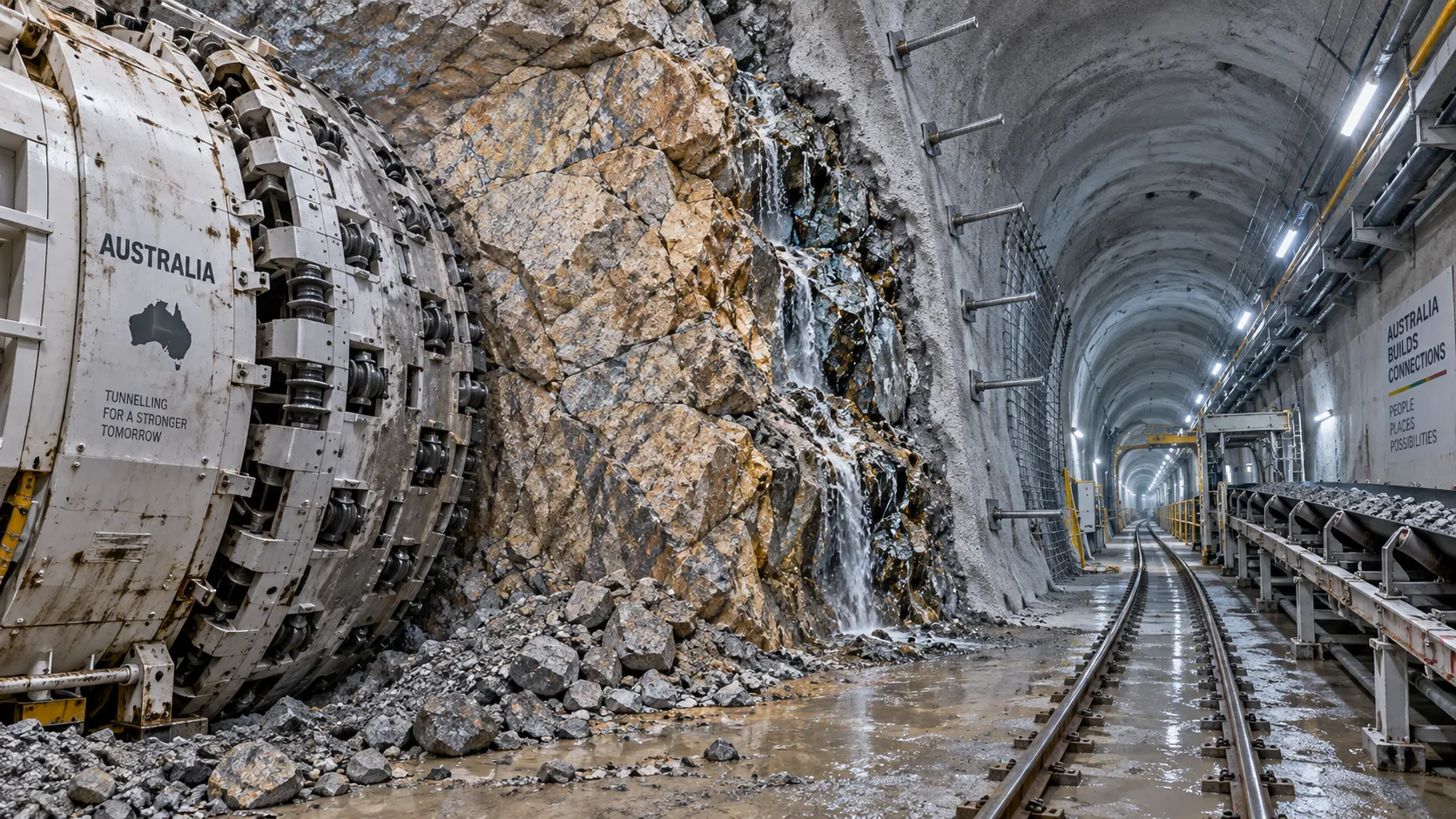
Hard Rock Tunnelling in Australia: Selecting Methods for Variable Ground Conditions
Hard rock tunnelling in Australia: compare TBM, drill-and-blast and hybrid methods to manage variable ground, reduce risk and protect project costs.
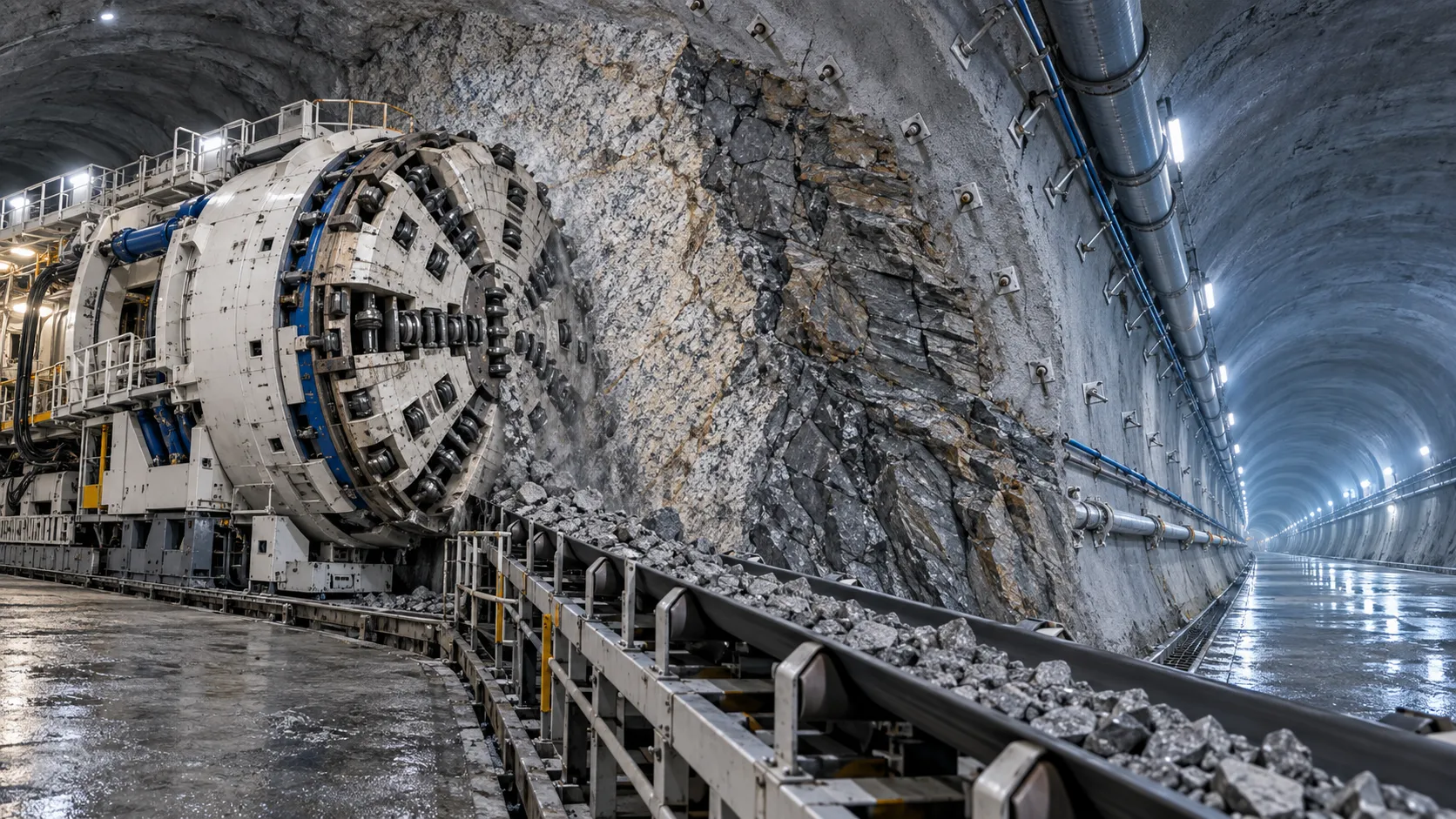
Hydropower Tunnel Excavation: Selecting Methods for Variable Rock Conditions
Hydropower tunnel excavation methods for variable rock conditions: compare TBM, drill-and-blast, and hybrid strategies to improve safety, progress, and project control.
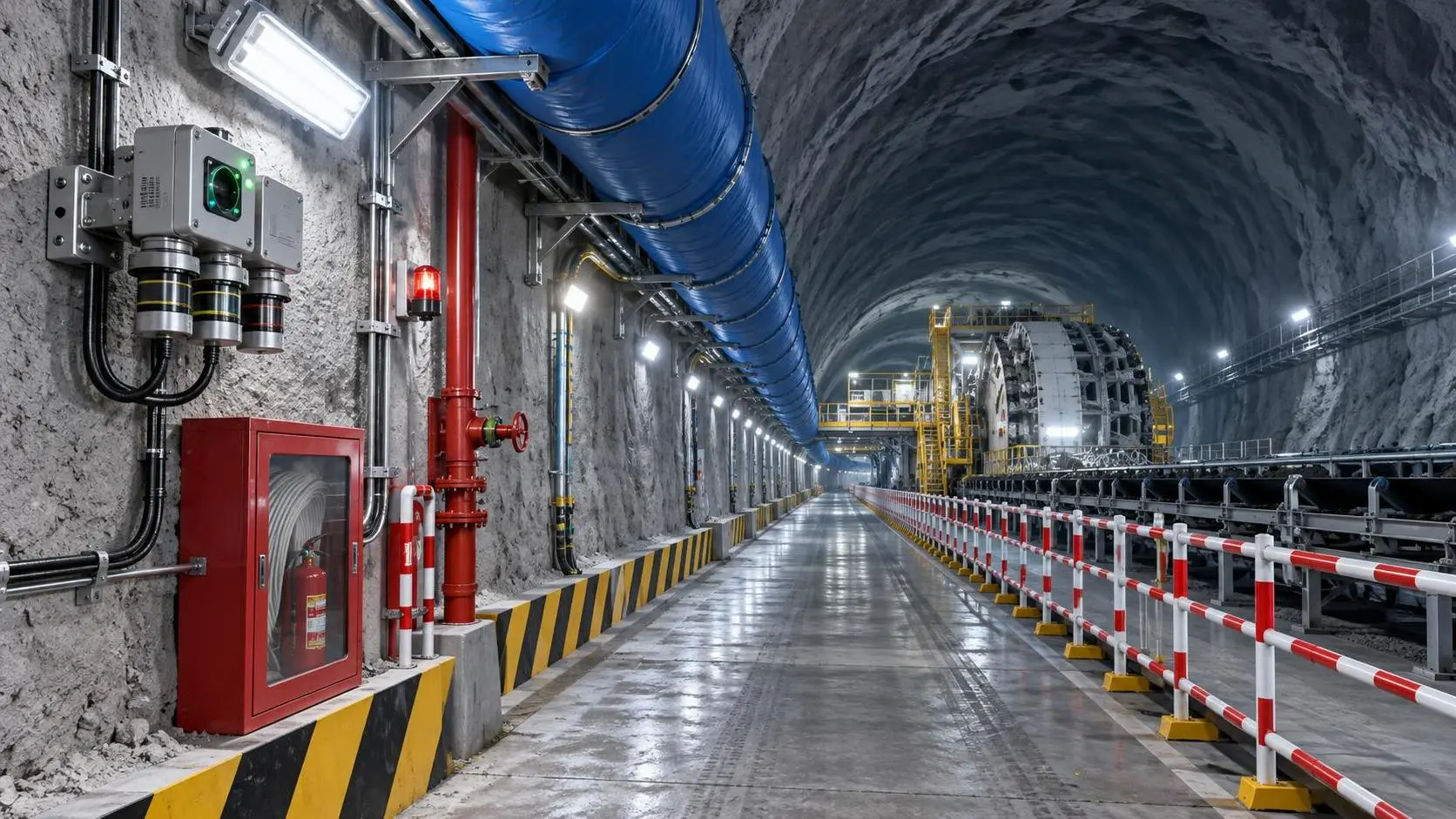
How to Select Underground Safety Equipment for Tunnelling by Hazard and Work Zone
Underground Safety Equipment for tunnelling: match protection to hazards, work zones, compliance, and emergency needs with this practical selection guide.
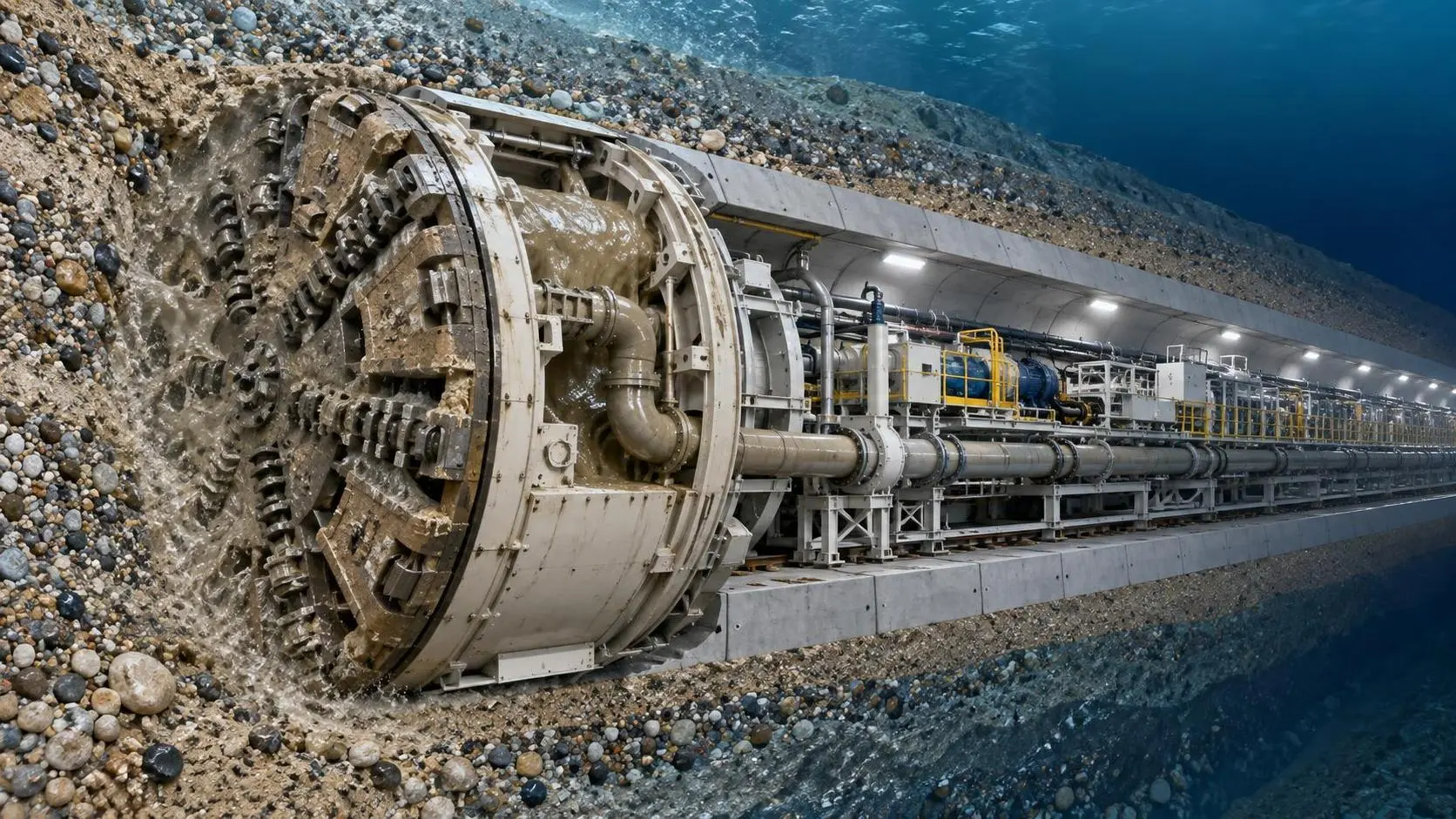
EPB or Slurry Shield? Selecting Soft-Ground Tunnelling Equipment by Soil Conditions
Tunnel Excavation Equipment for soft ground: compare EPB and slurry shields by soil, groundwater, settlement risk, and project logistics to choose confidently.
How to Specify TBM Backup System Parts for Reliable Long-Distance Tunnelling
TBM backup system parts: learn how to specify reliable spares for long-distance tunnelling, reduce downtime, ensure compatibility, and speed underground recovery.
How to Size Open Pit Mining Trucks for Haul Distance, Grade, and Payload?
Open Pit Mining Trucks: learn how to match payload, haul distance, grade, road resistance, and loading capacity for safer, lower-cost mine operations.
Related News
- 00
0000-00
How to Evaluate European Drill-and-Blast Tunnelling Contractors for Complex Projects - 00
0000-00
Which Trenchless Construction Technique Fits Your Utility Crossing Conditions? - 00
0000-00
What Is Driving Metro Tunnelling Demand Across Southeast Asia’s Major Cities? - 00
0000-00
Hard Rock Tunnelling in Australia: Selecting Methods for Variable Ground Conditions - 00
0000-00
Hydropower Tunnel Excavation: Selecting Methods for Variable Rock Conditions
Weekly Insights
Stay ahead with our curated technology reports delivered every Monday.