
Panama Canal Drought Extends Hard Rock TBM Shipment Times to 14 Weeks





On May 28, 2026, persistent drought across Central America triggered new draft restrictions at the Panama Canal—capping permissible vessel draft at 13.41 meters—disrupting maritime logistics for oversized tunnel boring machine (TBM) components destined for hard rock projects in Chile and Peru.
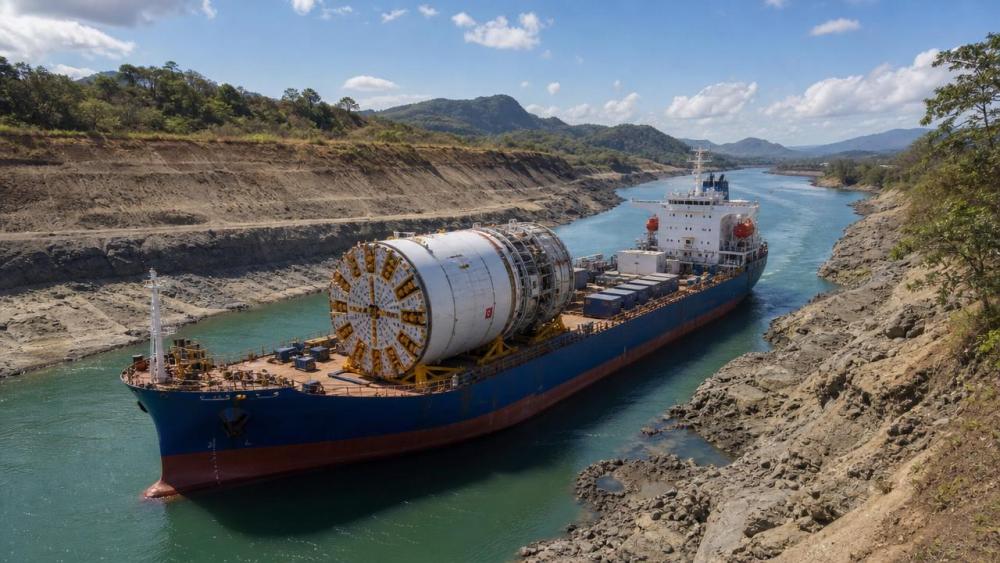
Confirmed Operational Impact on TBM Logistics
Effective May 28, 2026, the Panama Canal Authority imposed revised draft limits due to critically low water levels. Vessels carrying oversized Hard Rock TBM components—including main bearings and cutterhead assemblies—exceeding the 13.41-meter draft threshold were unable to transit and rerouted via Cape Horn. According to COSCO Shipping’s latest South America service bulletin, average sea freight lead times for complete Hard Rock TBMs and core components shipped from China to Chile and Peru have extended from the standard 8 weeks to 14 weeks. Some contracts now face potential liquidated damages due to delayed deliveries.
Supply Chain Impacts Across Key Stakeholder Groups
Direct Exporters and Trading Firms
Companies engaged in cross-border trade of heavy machinery face immediate delivery schedule slippage. Contractual obligations tied to fixed delivery windows—particularly under FOB or CIF terms with strict laytime clauses—are now at heightened risk of breach, triggering penalty assessments or renegotiation pressure.
Raw Material and Component Procurement Teams
Procurement units sourcing critical subassemblies (e.g., main bearings meeting ISO 281 or API RP 1174 requirements) must reassess safety stock thresholds and buffer timelines. Extended lead times compound exposure to raw material price volatility and supplier capacity constraints, especially for forged steel components subject to long furnace cycles.
Equipment Manufacturers and Assembly Facilities
Manufacturers integrating imported TBM systems into final assemblies—such as those supplying EPC contractors for Andean mining infrastructure—must revise master production schedules. Delayed component arrivals disrupt sequencing of precision machining, dynamic balancing, and factory acceptance testing (FAT), potentially compressing commissioning windows.
Logistics and Freight Forwarding Providers
Third-party logistics partners are adjusting routing protocols, documentation workflows, and insurance coverage parameters. The Cape Horn detour increases voyage duration by ~21 days and raises bunker consumption, hull insurance premiums, and cargo risk exposure—requiring updated contractual liability clauses and real-time AIS-based tracking integration.
Strategic Priorities for Affected Enterprises
Reassess Delivery Commitments and Contractual Safeguards
Review force majeure clauses, notice requirements, and extension-of-time provisions in active contracts. Where applicable, initiate formal notifications citing drought-related canal restrictions as a qualifying event under widely recognized trade frameworks (e.g., Incoterms® 2020 Article 19).
Accelerate Technical Documentation and Certification Readiness
Ensure all TBM subcomponents—especially those requiring compliance with ISO 14644 (cleanroom assembly), EN 15085 (welding certification), or ATEX/IECEx for underground use—have fully validated test reports and conformity declarations on file. Delays in document verification now directly impact customs clearance at Valparaíso or Callao ports.
Optimize Inventory and Alternate Sourcing Pathways
Evaluate feasibility of regional pre-positioning (e.g., warehousing key spares in Panama City or Cartagena) and assess qualified secondary suppliers for non-proprietary components. Prioritize dual-sourcing for items governed by ASME BPVC Section VIII Div. 1 or NACE MR0175/ISO 15156 standards to mitigate single-route dependency.
Industry Perspective: Climate-Driven Logistics Volatility Is Now Structural
Analysis shows that recurring hydrological stress at strategic maritime chokepoints is shifting from an operational contingency to a structural supply chain variable. What deserves closer attention is how equipment manufacturers are beginning to embed climate-resilient logistics assumptions—not just engineering tolerances—into tender responses and lifecycle cost models. From an industry perspective, procurement timelines for large-bore TBMs may need to incorporate a permanent +6-week buffer for trans-Pacific–South American shipments, reflecting recalibrated risk-adjusted planning horizons rather than temporary disruption.
Key Takeaway for Infrastructure Equipment Stakeholders
This event underscores that environmental constraints at global maritime nodes now directly influence technical delivery readiness—not merely shipping dates. For Hard Rock TBM deployments, compliance no longer ends at design certification or FAT; it extends through end-to-end logistical viability under evolving climate regimes. Prudent stakeholders will treat canal draft limits not as isolated anomalies but as indicators of broader infrastructure resilience requirements embedded in procurement strategy.
Source Attribution and Ongoing Monitoring Guidance
This article synthesizes the user-provided title, event date (May 28, 2026), and factual summary. Specific official source links were not provided in the input and should be verified continuously. Stakeholders are advised to monitor updates from the Panama Canal Authority, COSCO Shipping’s South America service advisories, and national port authorities in Chile and Peru for revisions to draft allowances, surcharge structures, or priority transit rules. Continued observation is warranted for emerging guidance on cargo classification exemptions, expedited customs protocols for critical infrastructure equipment, and industry-led coordination on standardized delay notification frameworks.
Related News
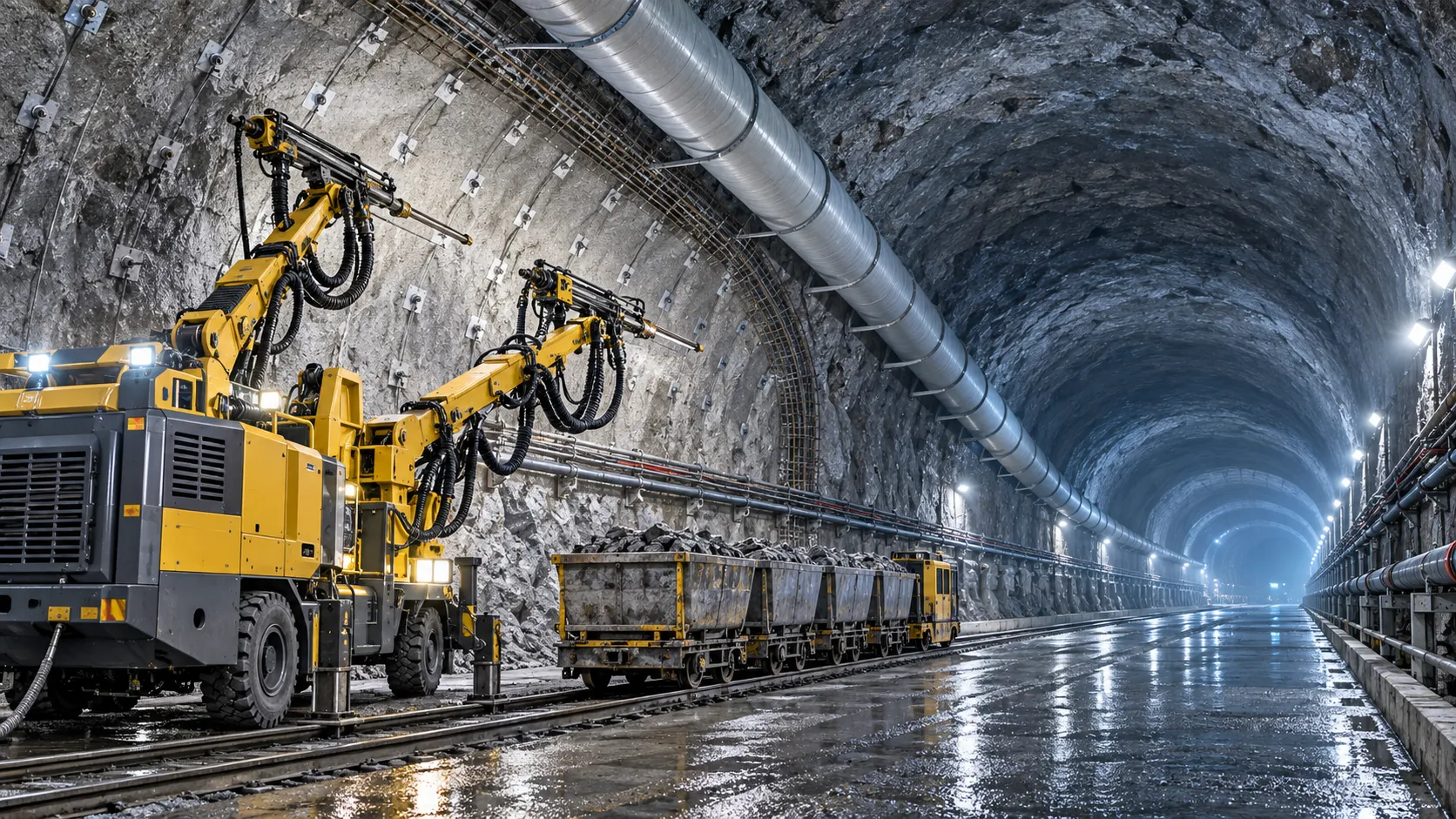
How to Evaluate European Drill-and-Blast Tunnelling Contractors for Complex Projects
Drill and blast tunnelling contractors Europe: learn how to assess geology expertise, blast control, equipment reliability, safety, and programme resilience for complex projects.
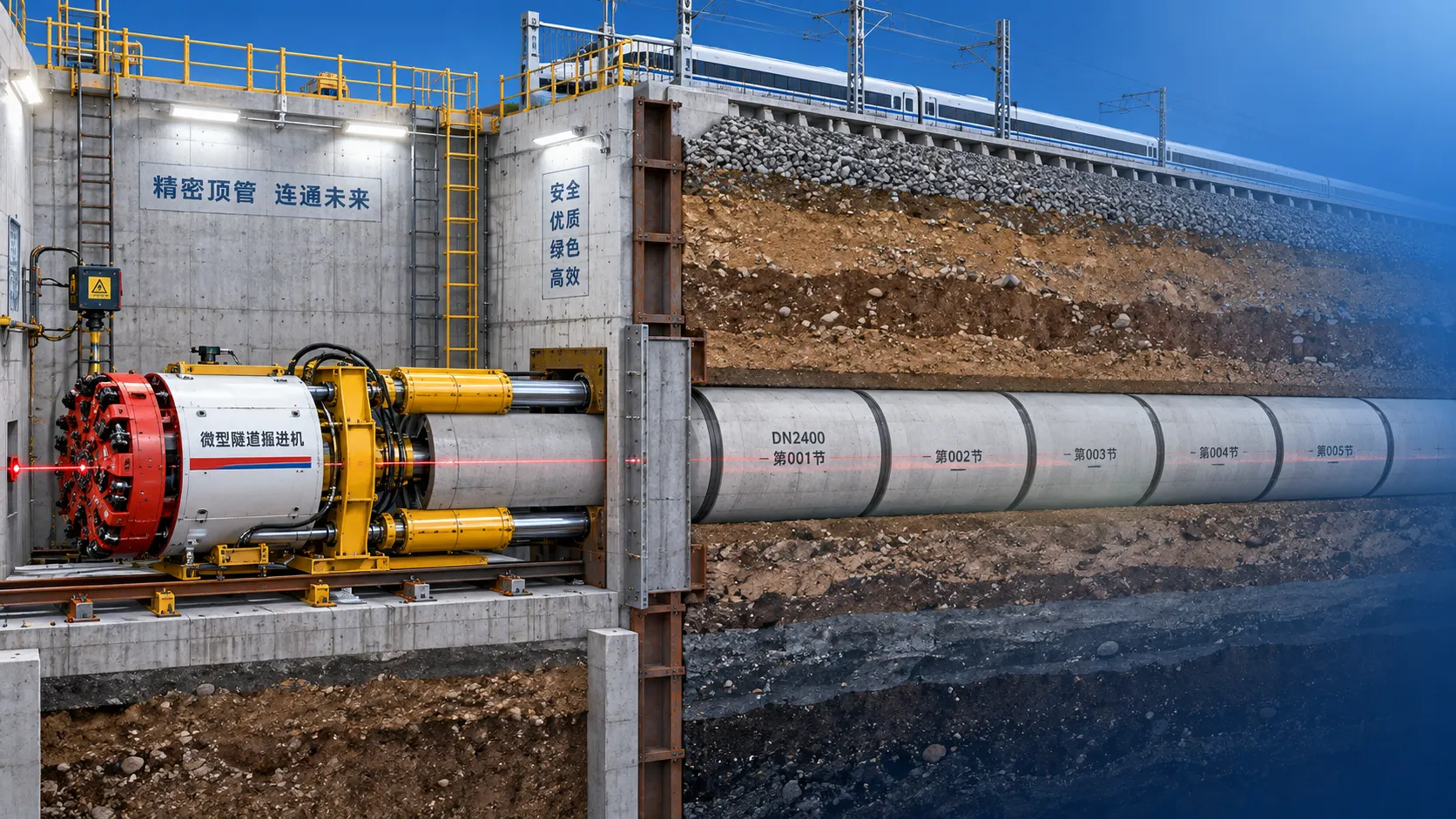
Which Trenchless Construction Technique Fits Your Utility Crossing Conditions?
Trenchless construction techniques compared for utility crossings: choose HDD, microtunnelling, pipe jacking, or auger boring based on ground, accuracy, access, and risk.
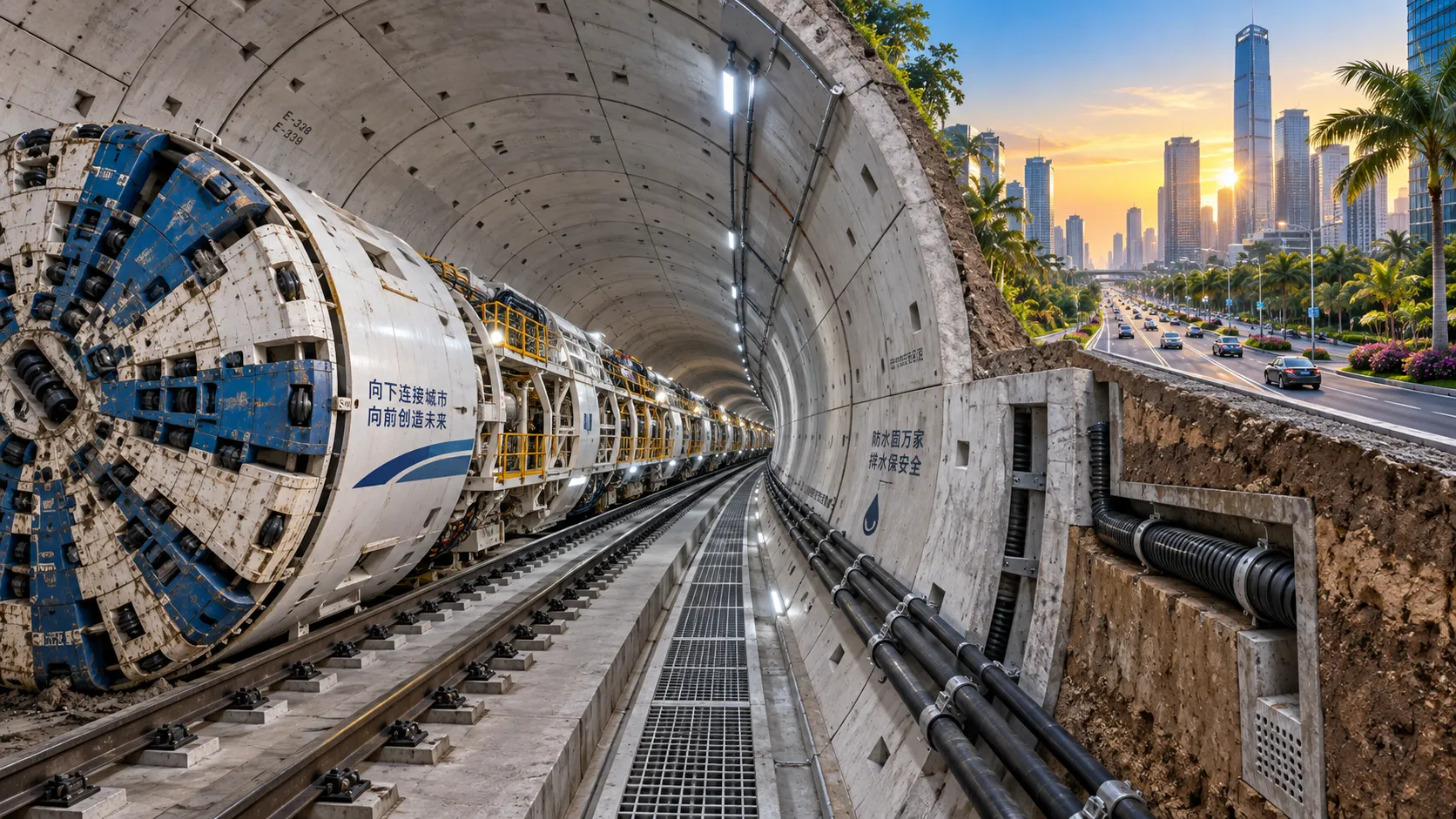
What Is Driving Metro Tunnelling Demand Across Southeast Asia’s Major Cities?
Metro tunnelling Southeast Asia is accelerating as major cities tackle congestion, flooding, and connectivity. Explore the market forces, technical risks, and opportunities shaping demand.
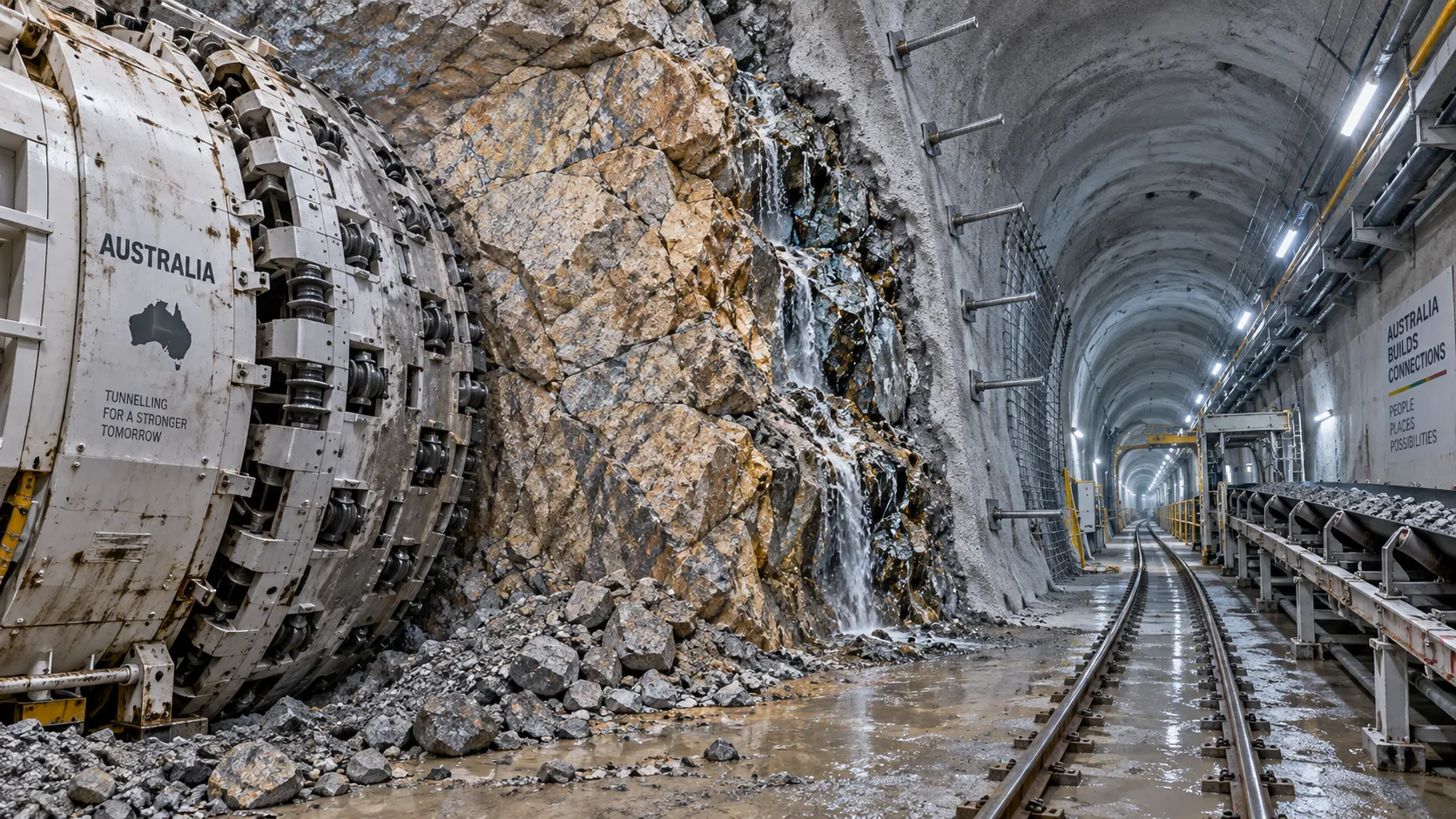
Hard Rock Tunnelling in Australia: Selecting Methods for Variable Ground Conditions
Hard rock tunnelling in Australia: compare TBM, drill-and-blast and hybrid methods to manage variable ground, reduce risk and protect project costs.
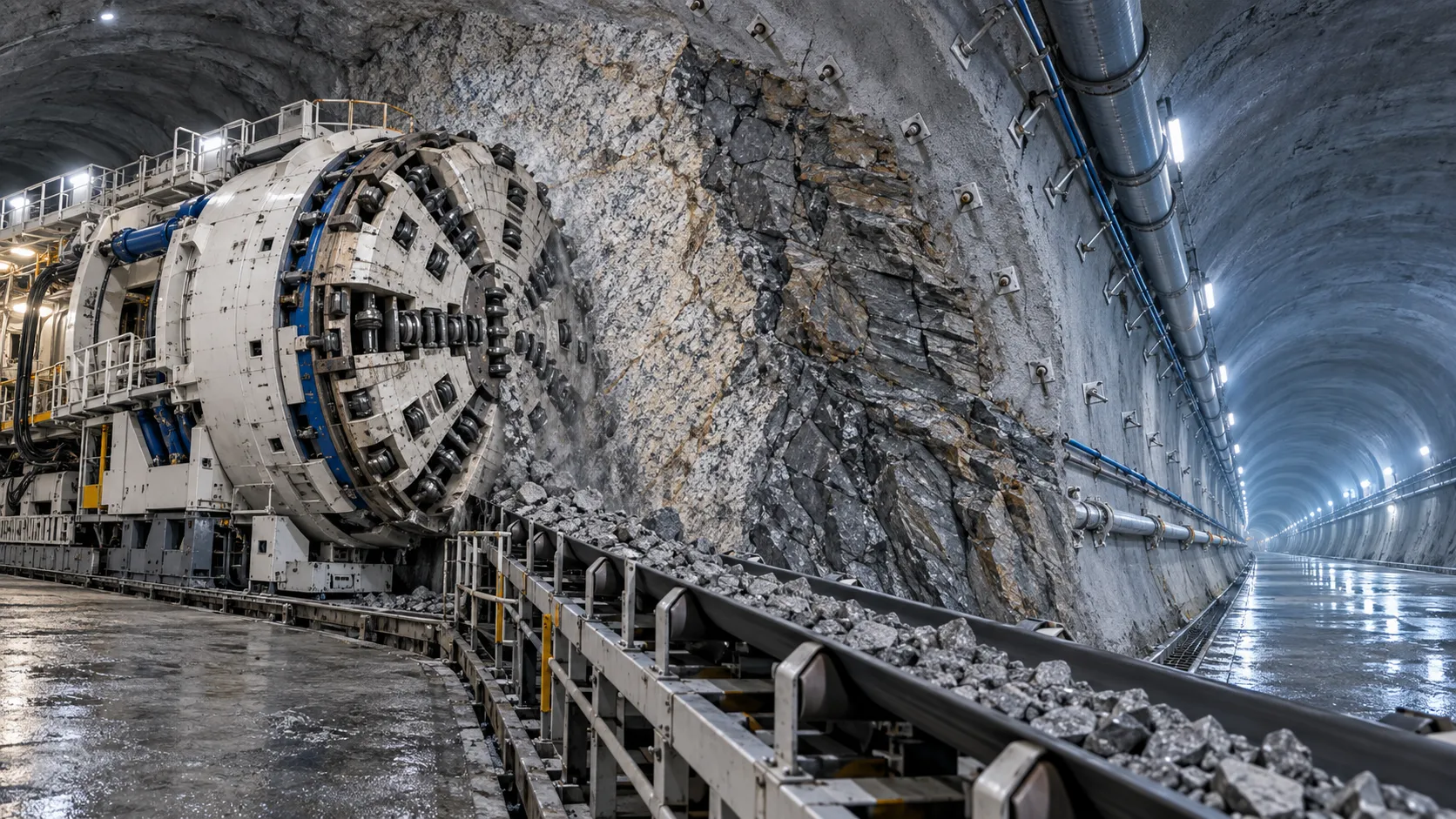
Hydropower Tunnel Excavation: Selecting Methods for Variable Rock Conditions
Hydropower tunnel excavation methods for variable rock conditions: compare TBM, drill-and-blast, and hybrid strategies to improve safety, progress, and project control.
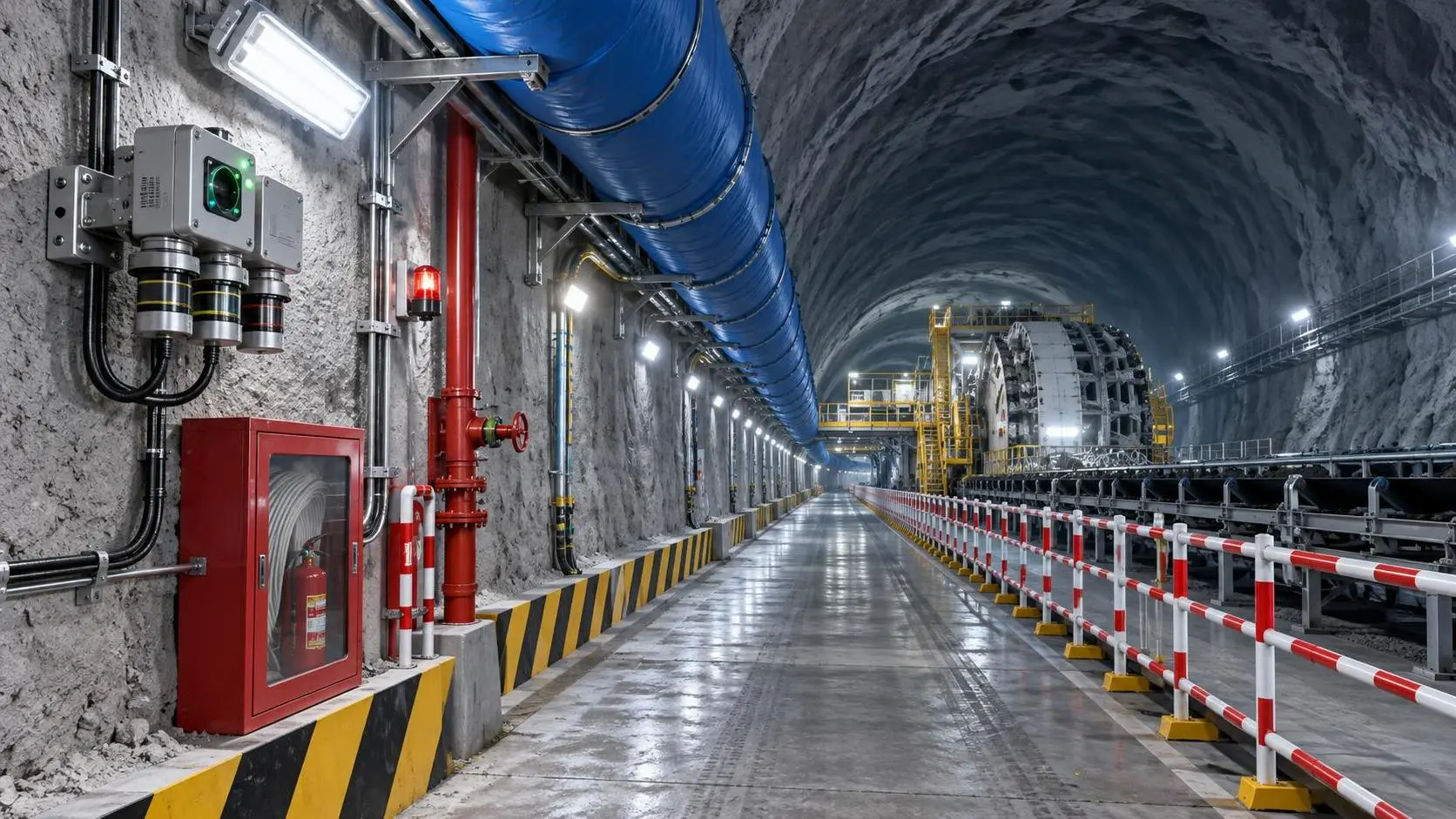
How to Select Underground Safety Equipment for Tunnelling by Hazard and Work Zone
Underground Safety Equipment for tunnelling: match protection to hazards, work zones, compliance, and emergency needs with this practical selection guide.
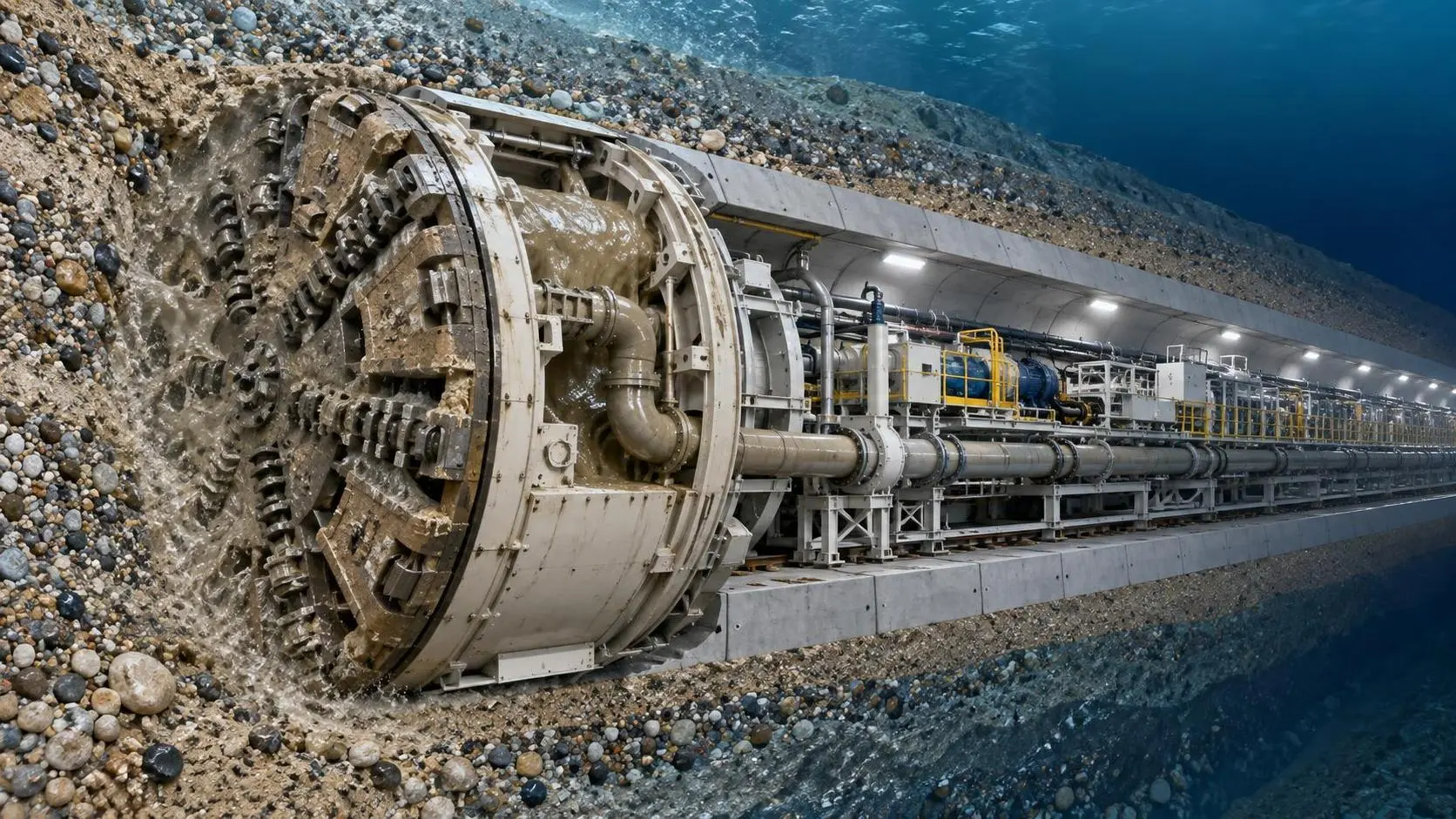
EPB or Slurry Shield? Selecting Soft-Ground Tunnelling Equipment by Soil Conditions
Tunnel Excavation Equipment for soft ground: compare EPB and slurry shields by soil, groundwater, settlement risk, and project logistics to choose confidently.
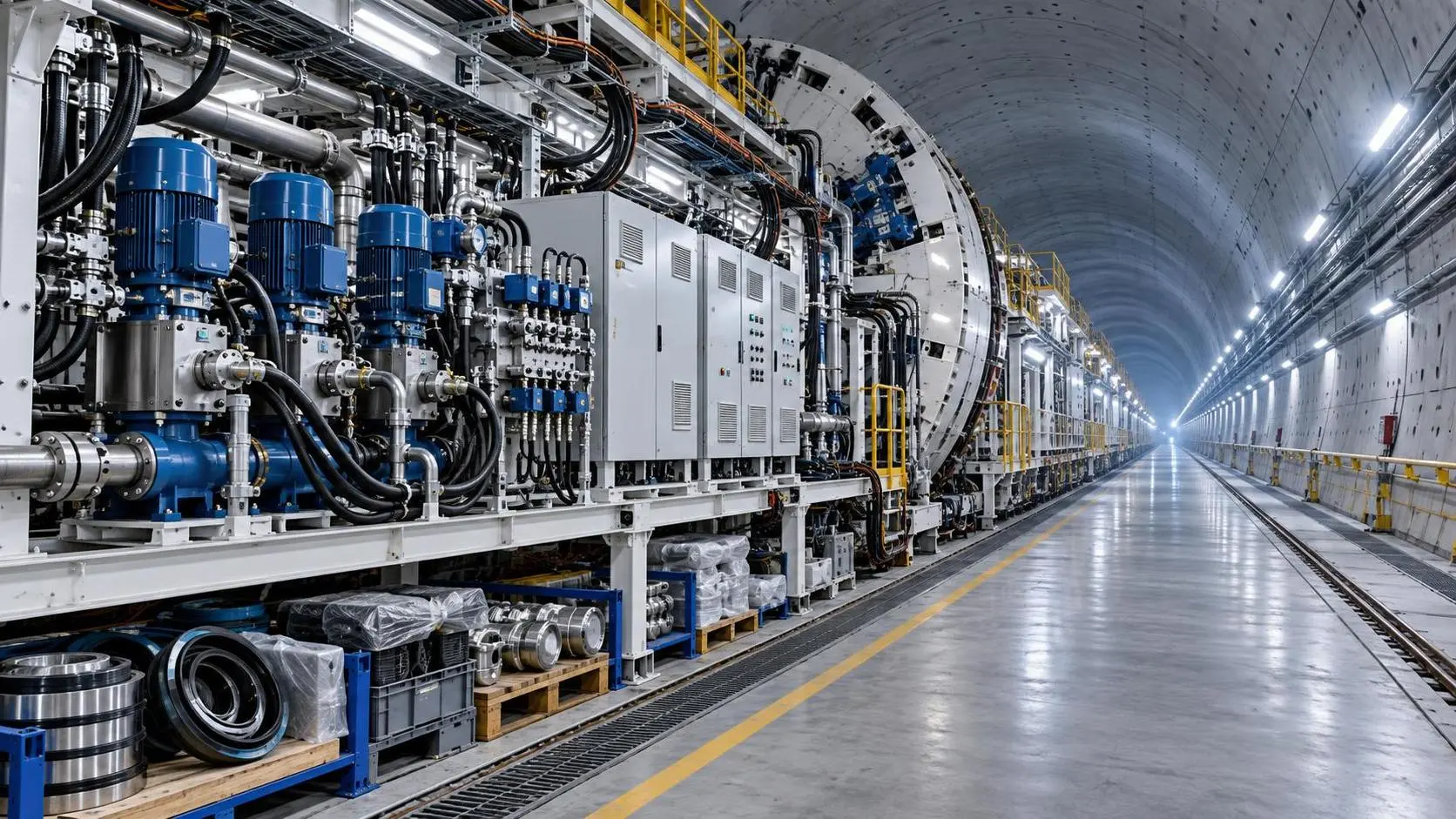
How to Specify TBM Backup System Parts for Reliable Long-Distance Tunnelling
TBM backup system parts: learn how to specify reliable spares for long-distance tunnelling, reduce downtime, ensure compatibility, and speed underground recovery.
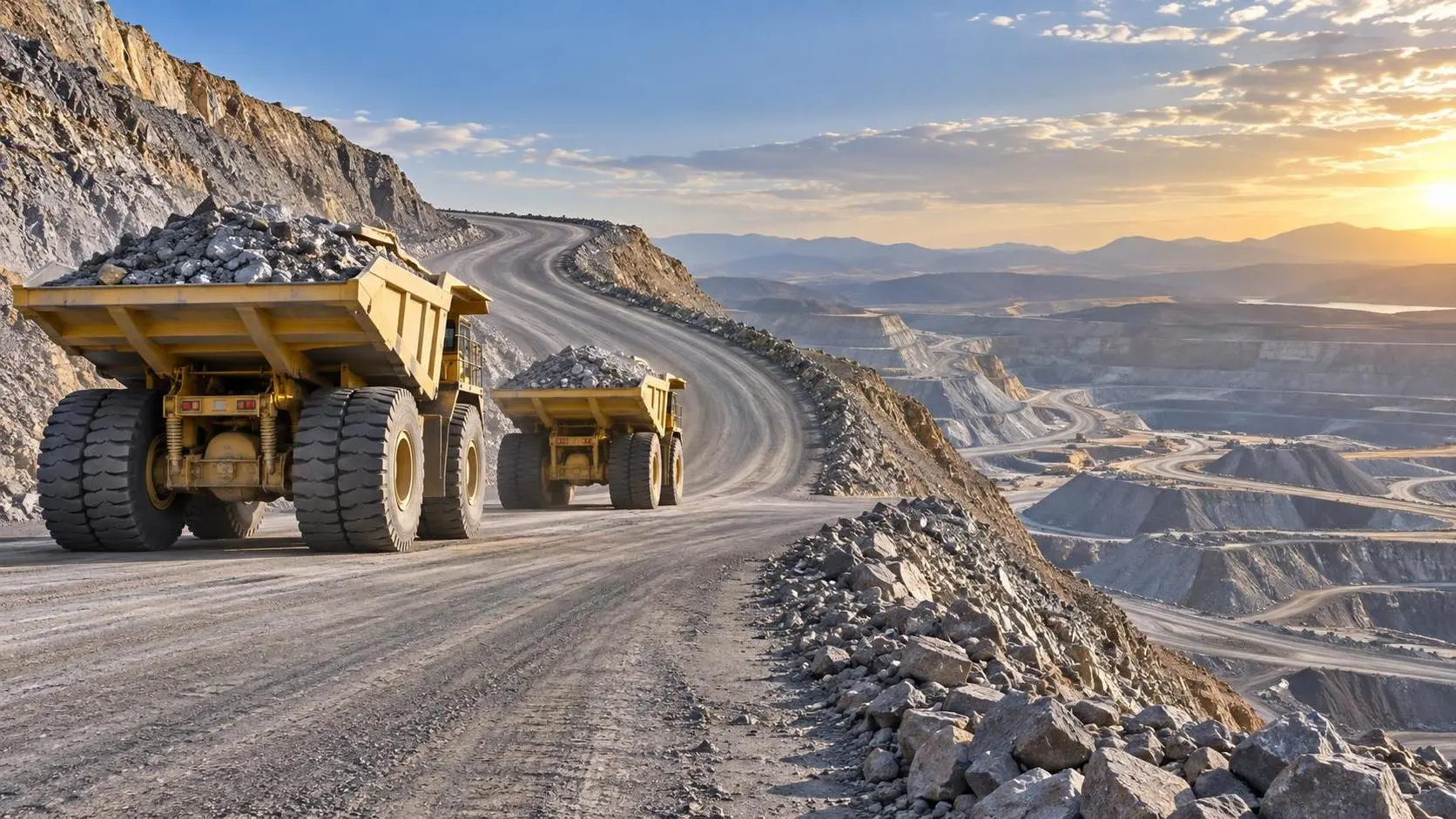
How to Size Open Pit Mining Trucks for Haul Distance, Grade, and Payload?
Open Pit Mining Trucks: learn how to match payload, haul distance, grade, road resistance, and loading capacity for safer, lower-cost mine operations.
Related News
- 00
0000-00
How to Evaluate European Drill-and-Blast Tunnelling Contractors for Complex Projects - 00
0000-00
Which Trenchless Construction Technique Fits Your Utility Crossing Conditions? - 00
0000-00
What Is Driving Metro Tunnelling Demand Across Southeast Asia’s Major Cities? - 00
0000-00
Hard Rock Tunnelling in Australia: Selecting Methods for Variable Ground Conditions - 00
0000-00
Hydropower Tunnel Excavation: Selecting Methods for Variable Rock Conditions
Weekly Insights
Stay ahead with our curated technology reports delivered every Monday.