
Common Drift Development Mining Delays and How to Improve Advance Rate Underground





Common Drift Development Mining Delays and How to Improve Advance Rate Underground
In drift development mining, delays rarely come from one single issue. They usually grow from several small losses inside one production cycle.
Poor drilling accuracy, weak ventilation flow, equipment stoppages, and broken coordination often cut advance rate more than crews expect.
That is why drift development mining performance improves fastest when every step is measured, tightened, and repeated with discipline.
This guide looks at the most common delay points and the practical changes that help underground teams move faster without losing control.
Why drift development mining delays stack up so quickly
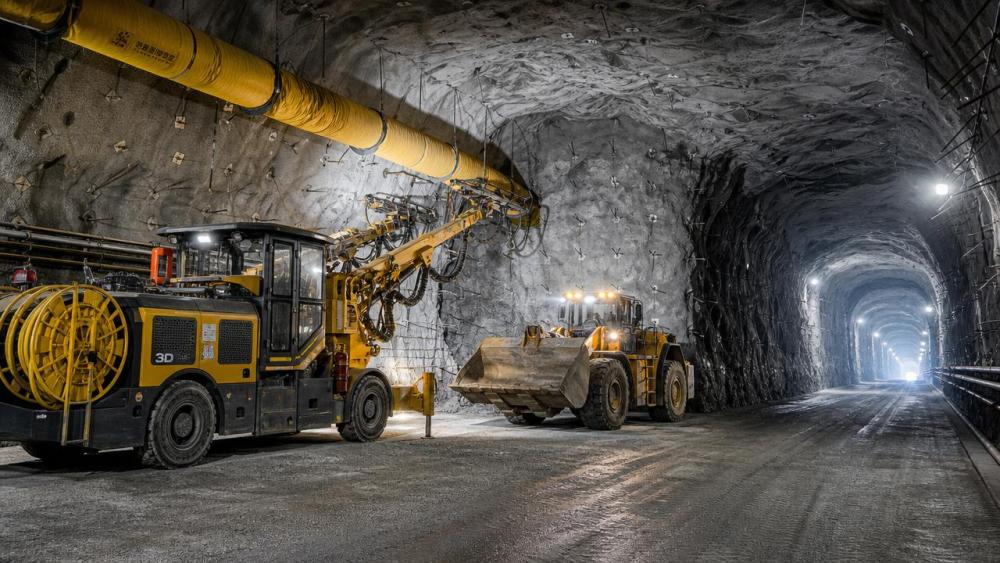
A development round is highly connected. If one activity slips, every following activity starts late or runs under pressure.
In drift development mining, drilling affects blasting. Blasting affects scaling. Scaling affects support. Support affects mucking and the next setup.
A lost hour rarely stays one hour. It often turns into short charging windows, incomplete bolting, poor cleanup, or delayed shift handover.
From recent operating changes, the clearer signal is this: mines with stable cycles usually beat mines with occasional peak performance.
That also means the goal is not only faster headings. The real goal is predictable, repeatable, and safe drift development mining output.
The most common causes of slow advance rate
1. Inaccurate drilling and poor face preparation
Many drift development mining delays begin before the first hole is drilled. Face condition, marking quality, and jumbo setup matter a lot.
If the face is uneven or poorly cleaned, burden and spacing become inconsistent. That leads to bad fragmentation and more overbreak.
The result is slower mucking, extra scaling, longer support installation, and a weaker next cycle.
2. Ventilation and re-entry delays
After blasting, poor air clearing can hold up the whole heading. This is a common drag in drift development mining operations.
Long duct runs, leakage, damaged vent bags, and weak fan placement reduce airflow where it is needed most.
When re-entry takes too long, every crew behind the blast window loses productive time.
3. Equipment downtime and slow recovery
A jumbo, bolter, LHD, or auxiliary loader stopping mid-cycle can break heading momentum immediately.
In many drift development mining headings, the bigger problem is not the failure itself. It is the slow restart after the failure.
Missing parts, poor fault reporting, and unclear maintenance priority keep machines waiting longer than necessary.
4. Ground support installed too late
Support delays usually come from weak coordination, not only from difficult ground.
If mesh, bolts, shotcrete, or resin are not ready at the right time, crews either wait or work around risk.
That creates uneven cycle times and reduces confidence in the entire drift development mining plan.
5. Haulage interruptions and poor muck flow
A heading can drill and blast well, then still miss targets because muck cannot leave the area quickly.
Congestion at ore passes, loader battery delays, truck waiting time, and road condition issues all slow the cycle.
In practical drift development mining work, haulage balance is often the difference between a clean round and a wasted shift.
How to improve drift development mining advance rate
Standardize the cycle first
The fastest headings usually follow a stable cycle. Everyone knows the target time, handoff point, and expected output by activity.
Break drift development mining into visible steps, then track actual time against planned time for each round.
- Face inspection and marking
- Drilling and charging
- Blast clearance and ventilation
- Scaling and ground support
- Mucking, cleanup, and setup
This makes hidden losses visible. It also stops teams from blaming one stage for problems created earlier in the round.
Tighten drilling quality
Better advance starts with better holes. Accurate collars, controlled depth, and correct angle reduce rework throughout drift development mining cycles.
Short daily checks help more than occasional audits. Focus on feed alignment, boom stability, and clear drill pattern communication.
Where possible, use jumbo guidance data to compare planned and actual drilling performance by operator and heading.
Improve blast outcome consistency
A strong blast gives clean breakage, manageable rock size, and less hanging ground. That saves time across the whole heading.
If drift development mining rounds show poor pull, examine charging practice, cut design, water conditions, and hole deviation together.
Looking at only one factor usually misses the real cause.
Shorten the ventilation bottleneck
Ventilation delays are often accepted as normal, but many are preventable.
Check leakage points, keep duct extension close to the face, and maintain fan performance before blast windows.
In more digital drift development mining environments, gas and airflow sensors also help crews decide safe re-entry faster and with better confidence.
Where operators usually gain the biggest time back
The biggest gains often come from simple operational discipline, not expensive changes.
In many drift development mining headings, the following actions give the fastest return:
- Start each shift with one shared heading priority.
- Confirm support material before the blast cycle ends.
- Report equipment defects immediately with exact symptoms.
- Keep muck bays and haul routes clear before congestion starts.
- Review one delay root cause every day, not once per month.
This approach sounds basic, but it works because drift development mining performance is usually lost in routine variation.
More importantly, it builds repeatability. And repeatability is what lifts monthly advance, not one unusually good round.
Useful metrics for drift development mining control
If a heading is not measured clearly, delays become opinions. A short control sheet can change that quickly.
These numbers do not need to be complicated. In drift development mining, simple, accurate, and daily data is more useful than a large delayed report.
How smarter underground systems support faster development
As headings go deeper, coordination becomes harder. This is where connected equipment and operational intelligence matter more.
UTMD closely tracks how drilling jumbos, underground LHDs, and digital monitoring tools are reshaping drift development mining performance worldwide.
For example, data-guided drilling improves hole accuracy. Remote or smart LHD operation reduces idle time in constrained headings.
Condition monitoring also helps maintenance teams act before a failure blocks the round.
This does not remove the need for good shift discipline. It strengthens it by giving teams clearer timing, location, and equipment status.
A practical action plan for the next 30 days
If drift development mining progress feels stuck, start with a short and focused improvement cycle.
- Measure one heading for five complete rounds.
- Record delay time by cycle step.
- Identify the top two repeated losses.
- Assign one owner for each corrective action.
- Review results at the end of every shift.
- Adjust only what crews can sustain daily.
That last point matters. Drift development mining improves when changes are practical enough to hold under real underground pressure.
The best results usually come from reducing repeated small losses, not chasing dramatic one-time fixes.
When drilling, ventilation, support, and haulage start working as one system, advance rate rises in a safer and more dependable way.
That is the real path to stronger drift development mining performance underground: fewer interruptions, tighter cycles, and better control every shift.
Related News
How to Evaluate European Drill-and-Blast Tunnelling Contractors for Complex Projects
Drill and blast tunnelling contractors Europe: learn how to assess geology expertise, blast control, equipment reliability, safety, and programme resilience for complex projects.
Which Trenchless Construction Technique Fits Your Utility Crossing Conditions?
Trenchless construction techniques compared for utility crossings: choose HDD, microtunnelling, pipe jacking, or auger boring based on ground, accuracy, access, and risk.
What Is Driving Metro Tunnelling Demand Across Southeast Asia’s Major Cities?
Metro tunnelling Southeast Asia is accelerating as major cities tackle congestion, flooding, and connectivity. Explore the market forces, technical risks, and opportunities shaping demand.
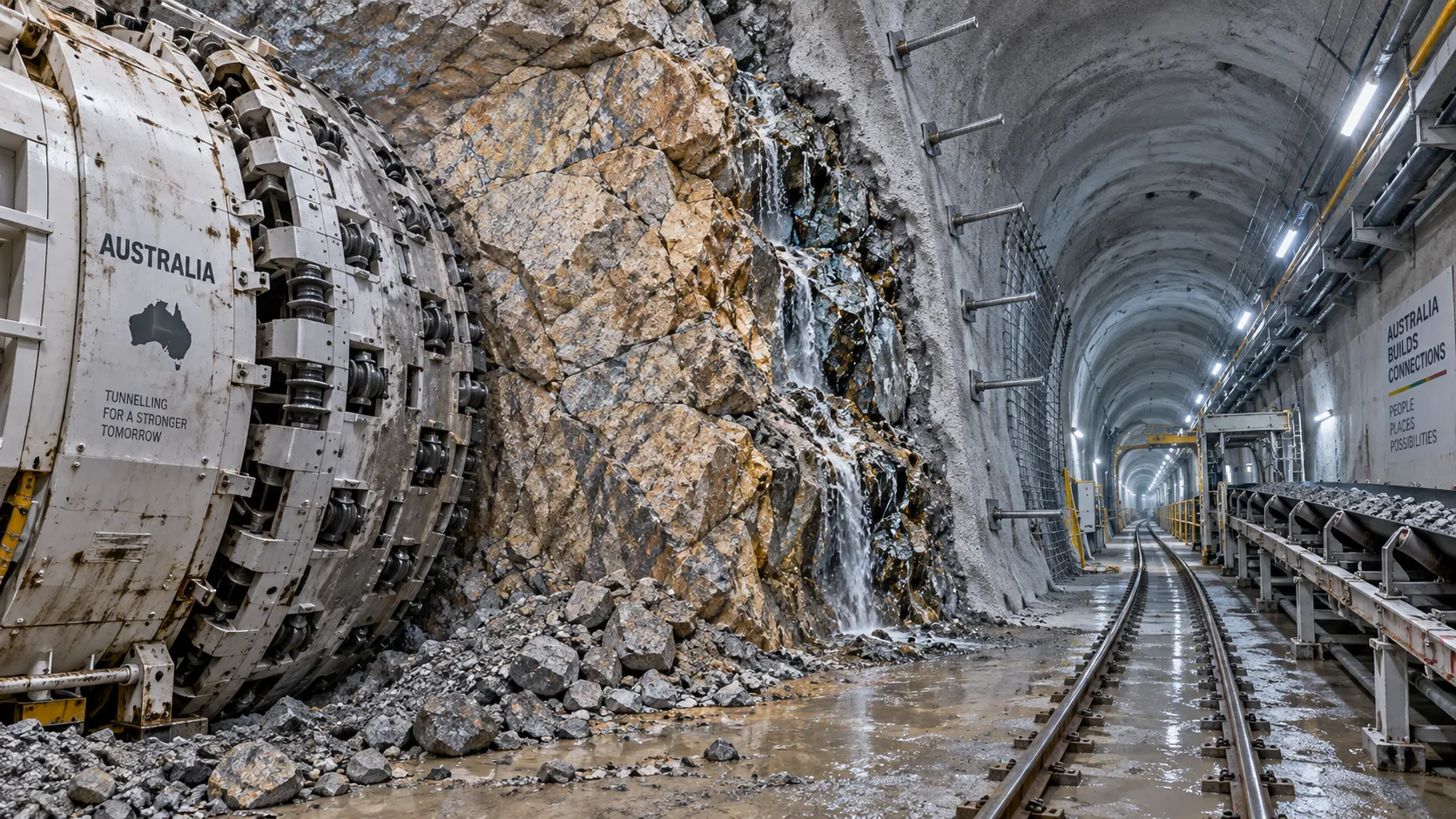
Hard Rock Tunnelling in Australia: Selecting Methods for Variable Ground Conditions
Hard rock tunnelling in Australia: compare TBM, drill-and-blast and hybrid methods to manage variable ground, reduce risk and protect project costs.
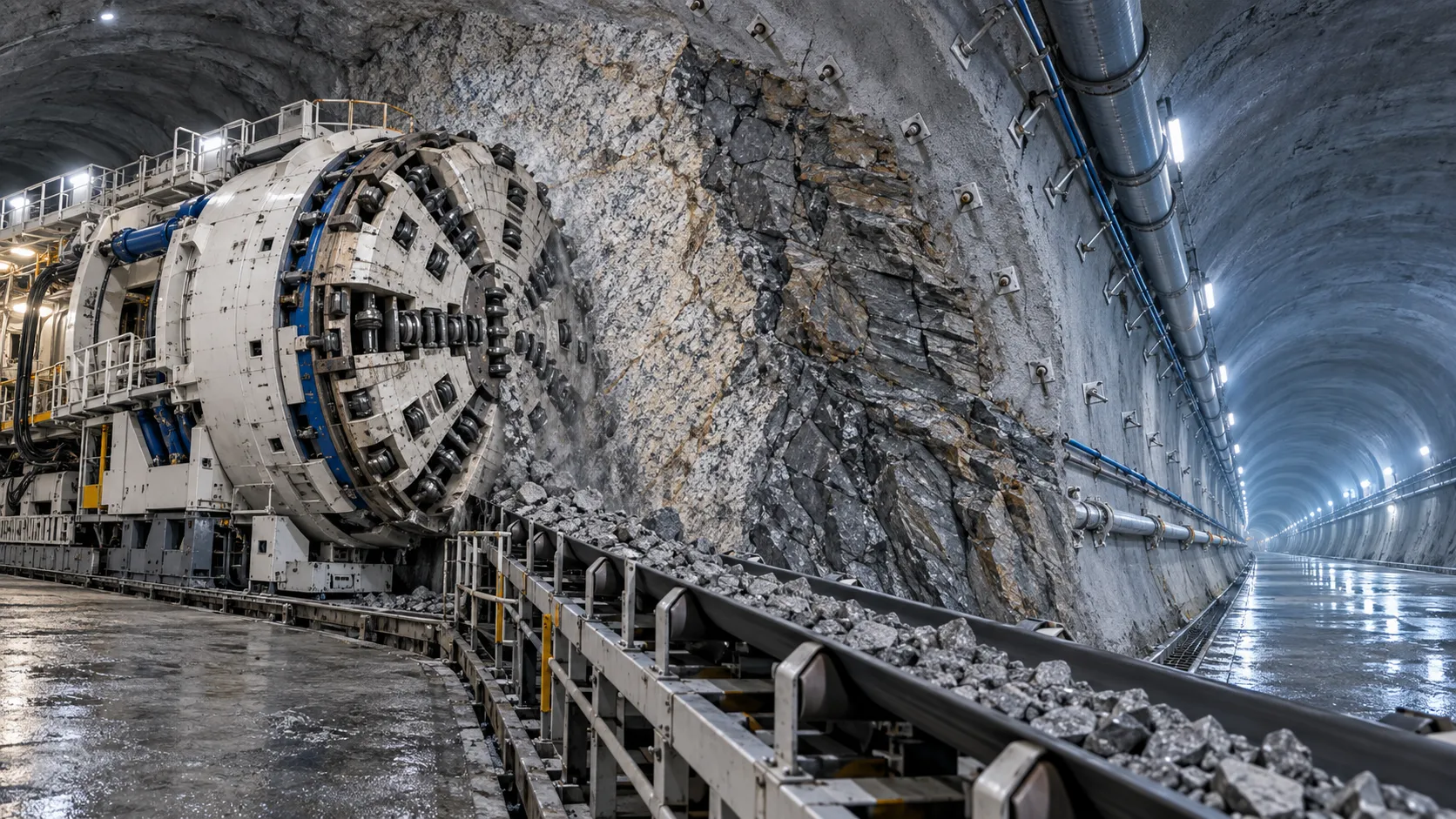
Hydropower Tunnel Excavation: Selecting Methods for Variable Rock Conditions
Hydropower tunnel excavation methods for variable rock conditions: compare TBM, drill-and-blast, and hybrid strategies to improve safety, progress, and project control.
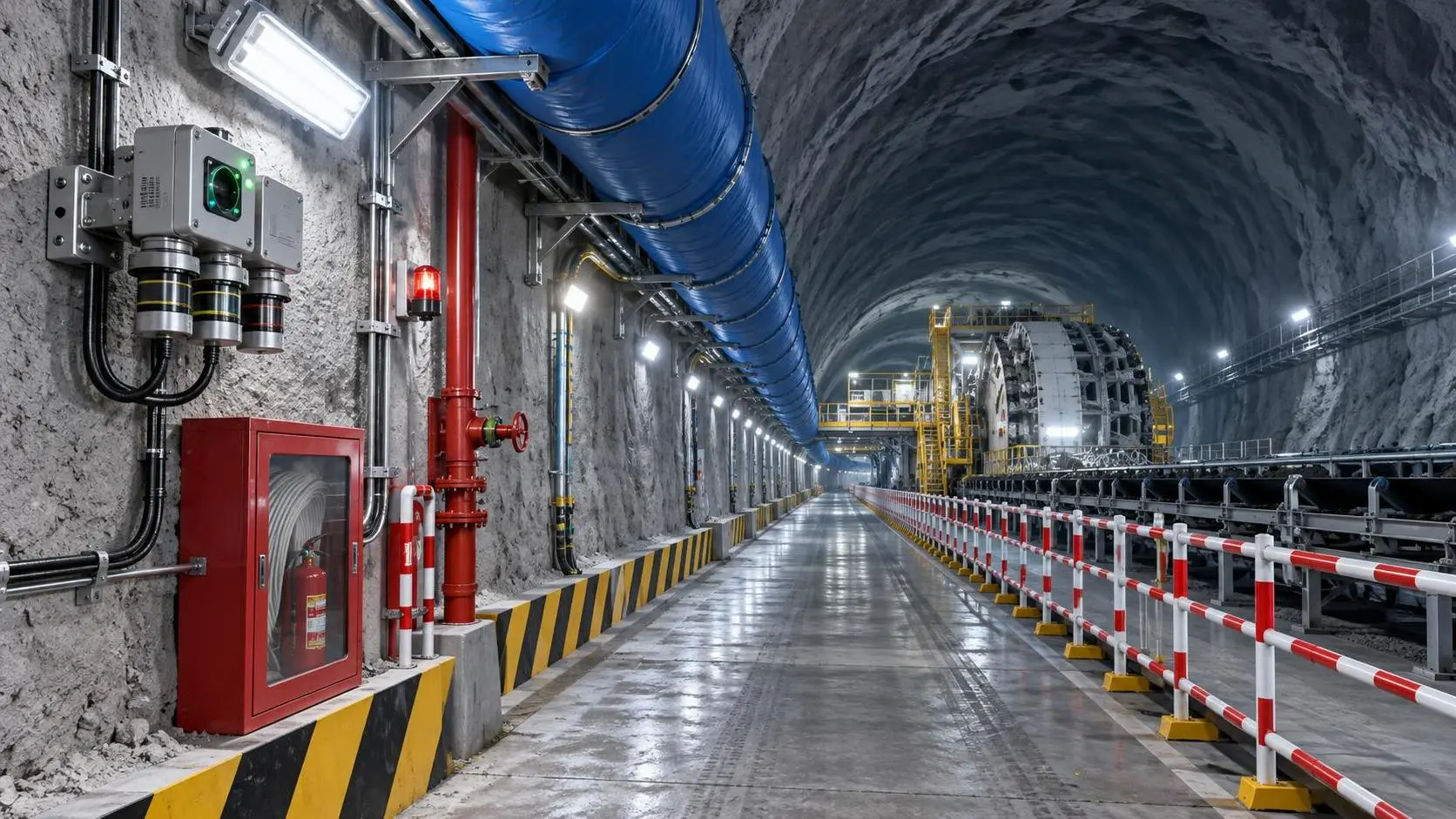
How to Select Underground Safety Equipment for Tunnelling by Hazard and Work Zone
Underground Safety Equipment for tunnelling: match protection to hazards, work zones, compliance, and emergency needs with this practical selection guide.
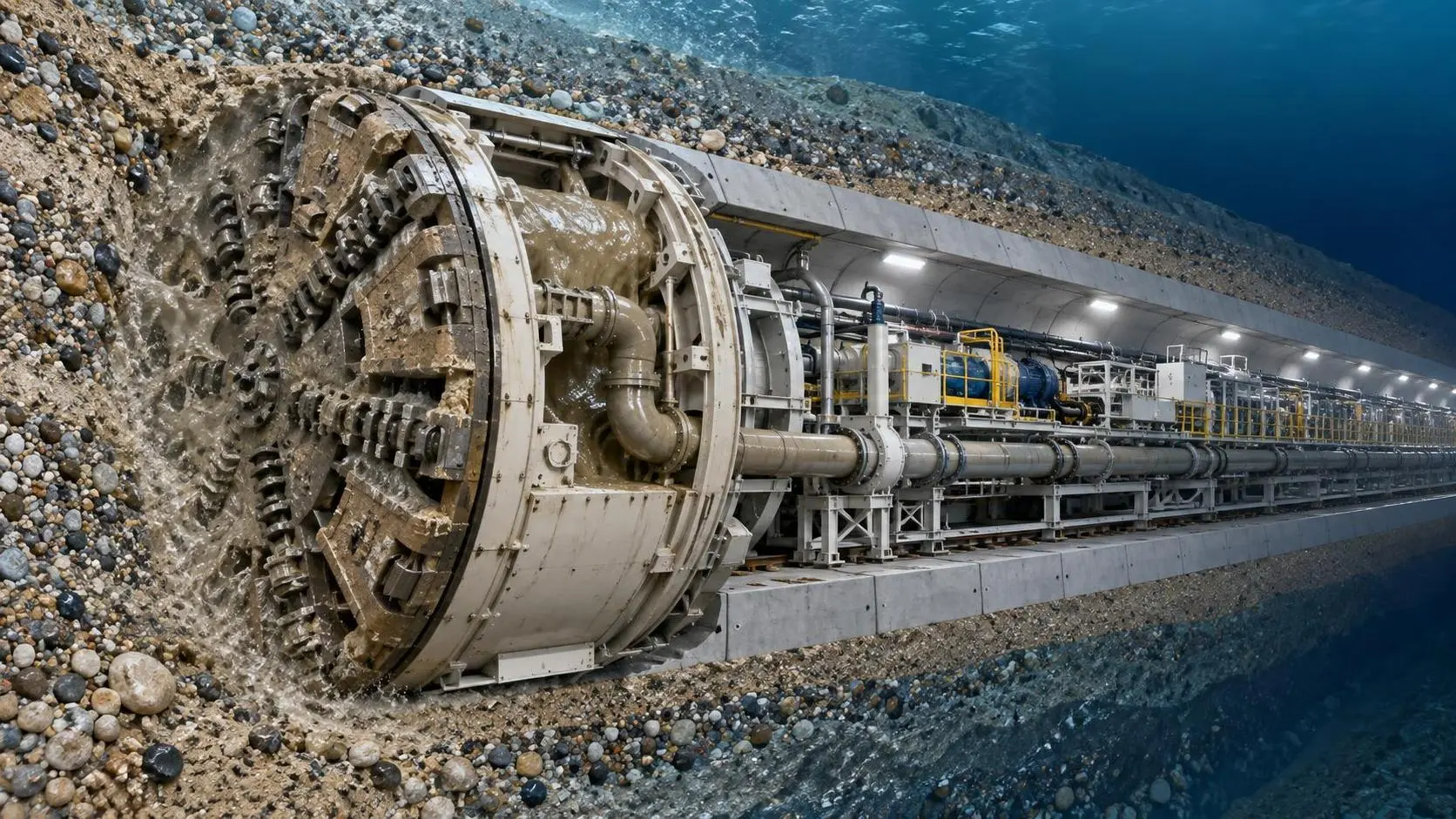
EPB or Slurry Shield? Selecting Soft-Ground Tunnelling Equipment by Soil Conditions
Tunnel Excavation Equipment for soft ground: compare EPB and slurry shields by soil, groundwater, settlement risk, and project logistics to choose confidently.
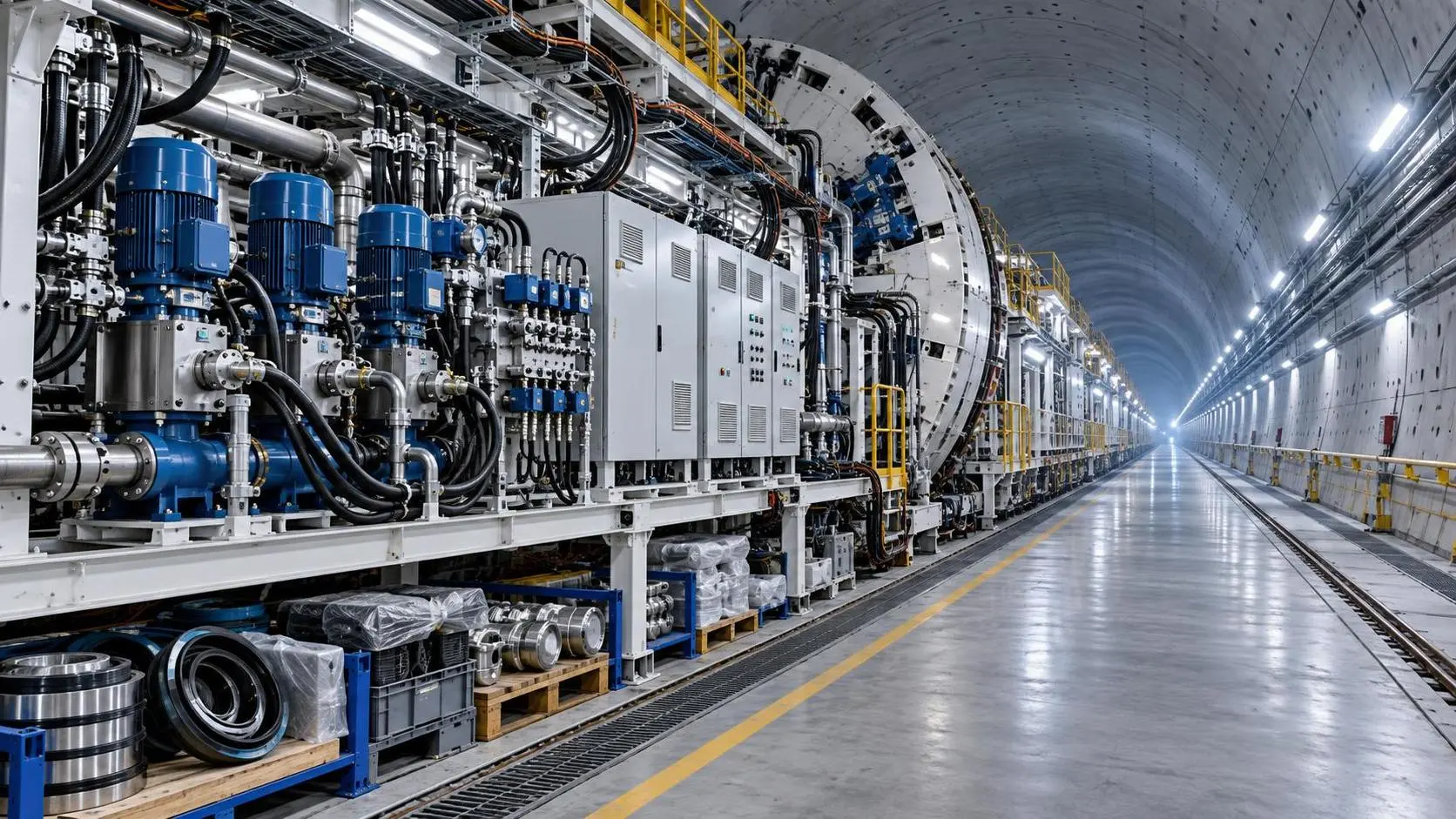
How to Specify TBM Backup System Parts for Reliable Long-Distance Tunnelling
TBM backup system parts: learn how to specify reliable spares for long-distance tunnelling, reduce downtime, ensure compatibility, and speed underground recovery.
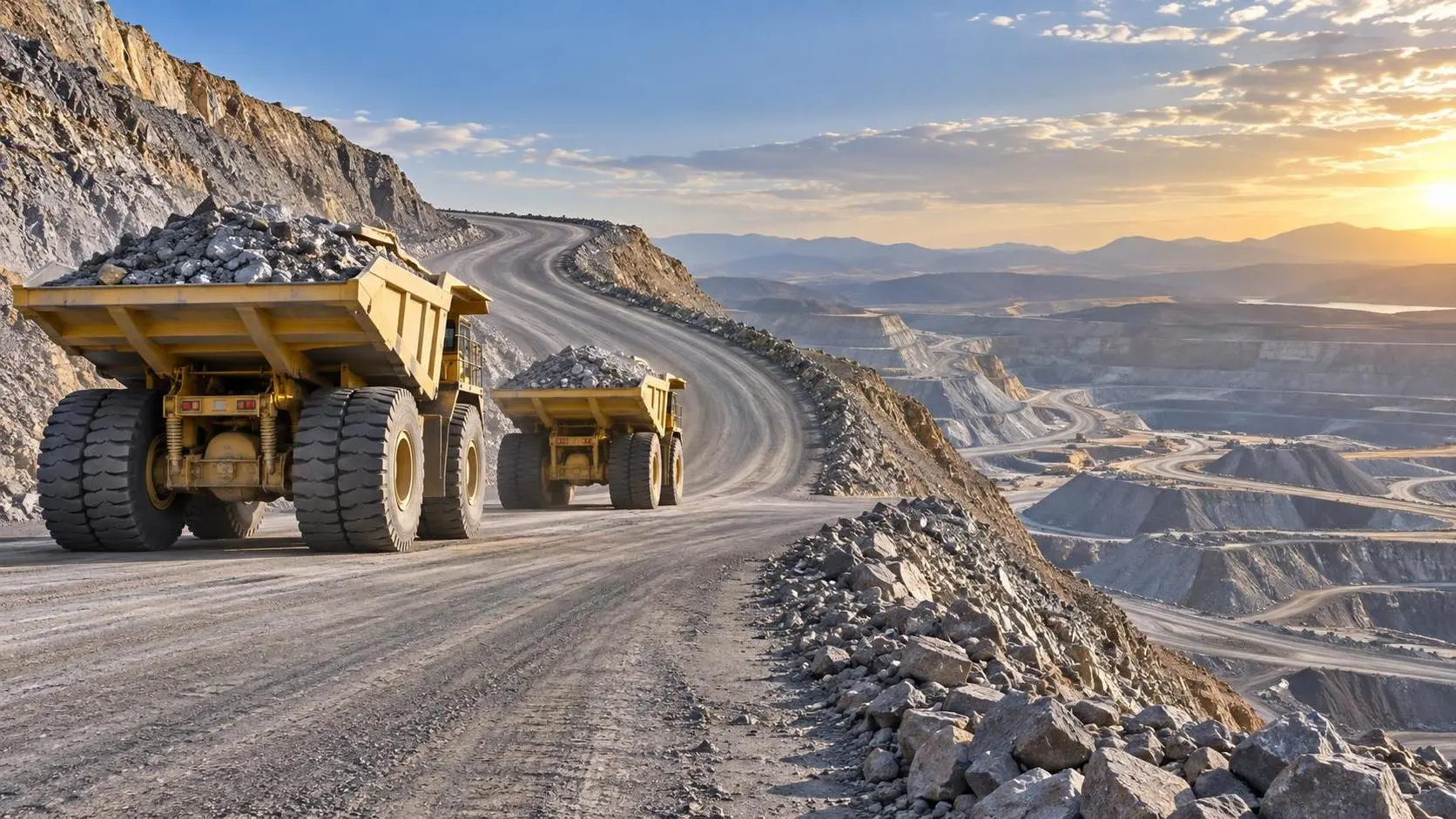
How to Size Open Pit Mining Trucks for Haul Distance, Grade, and Payload?
Open Pit Mining Trucks: learn how to match payload, haul distance, grade, road resistance, and loading capacity for safer, lower-cost mine operations.
Related News
- 00
0000-00
How to Evaluate European Drill-and-Blast Tunnelling Contractors for Complex Projects - 00
0000-00
Which Trenchless Construction Technique Fits Your Utility Crossing Conditions? - 00
0000-00
What Is Driving Metro Tunnelling Demand Across Southeast Asia’s Major Cities? - 00
0000-00
Hard Rock Tunnelling in Australia: Selecting Methods for Variable Ground Conditions - 00
0000-00
Hydropower Tunnel Excavation: Selecting Methods for Variable Rock Conditions
Weekly Insights
Stay ahead with our curated technology reports delivered every Monday.