
Underground Drilling Equipment Types Explained: Jumbos, Bolters, and Rock Drills





Why does Underground Drilling Equipment matter so much in modern tunnelling and mining?
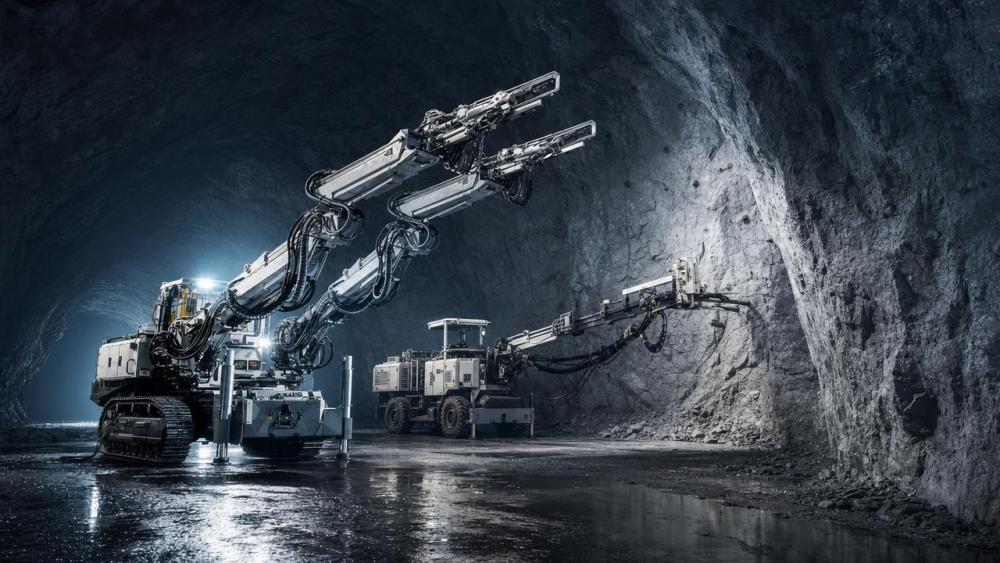
Underground Drilling Equipment sits at the center of excavation accuracy, ground support timing, and crew safety.
In hard-rock tunnels and deep mines, small drilling errors can expand into overbreak, weak support, slower blasting cycles, and costly rework.
That is why industry observers increasingly track jumbos, bolters, and rock drills as core production assets, not just supporting machines.
At a broader level, Underground Drilling Equipment also reflects where underground engineering is heading.
The shift is not only toward faster drilling.
It is also about cleaner underground air, digital control, automation, and reliable performance in narrow, high-stress working areas.
This is where UTMD’s perspective becomes useful.
Its coverage connects drilling systems with TBMs, trenchless equipment, underground loaders, and electric haulage trends across the same underground value chain.
So, understanding Underground Drilling Equipment is not only about machine names.
It is about seeing how drilling, support, ventilation, energy use, and automation influence one another underground.
When people compare jumbos, bolters, and rock drills, what are they really talking about?
The three names often appear together, but they do different jobs inside the development cycle.
A jumbo is mainly a drilling carrier.
It positions one or more booms to drill blast holes, face holes, or sometimes support holes with repeatable accuracy.
A bolter focuses on ground support.
It drills bolt holes and installs rock bolts, often in headings where fast support installation is essential after blasting.
A rock drill is the impact drilling unit itself.
It may be mounted on a jumbo or bolter, or used as a stand-alone tool in smaller jobs.
In simple terms, the carrier moves and controls the task, while the rock drill delivers the energy into the rock.
That difference matters because selection mistakes usually happen at the system level.
People may focus on impact power alone and ignore boom coverage, tunnel profile, bolt installation speed, or dust control requirements.
This comparison helps clarify one common confusion.
Underground Drilling Equipment is usually chosen as a drilling ecosystem, not as one isolated component.
Where does each machine fit in real underground operations?
In actual projects, the answer depends on excavation method, rock class, tunnel geometry, and support strategy.
Jumbos are most visible in drill-and-blast headings.
They are used to create precise blast patterns that shape the tunnel face and influence fragmentation quality.
That affects loading efficiency later, including LHD performance and haulage rhythm deeper in the cycle.
Bolters become more critical as soon as ground support controls schedule risk.
In fractured zones or high-stress areas, support timing can be more important than pure drilling speed.
A fast bolter reduces exposure time between excavation and reinforcement.
Rock drills appear across both categories because they are the energy source behind penetration and hole quality.
Needle-like hole deviation, poor flushing, and accelerated bit wear often point back to drill system matching.
There is another practical point worth noting.
As ESG pressure and electrification expand, Underground Drilling Equipment is increasingly assessed alongside ventilation demand and emissions control.
Battery-ready and low-emission systems are gaining attention because they reduce heat and exhaust burdens in confined spaces.
That aligns with the wider underground transition UTMD monitors across drilling, transport, and heavy mobile equipment.
How do you decide which Underground Drilling Equipment makes sense for a project?
The better approach is to start with the excavation cycle, not the brochure headline.
A machine that looks powerful on paper may still underperform if the heading profile is tight or support steps are poorly matched.
In practice, these are the questions that usually separate a workable choice from an expensive mismatch.
- What rock hardness and fracture pattern will the drill system face most of the time?
- How many square meters must each round cover, and how strict is profile control?
- Is support installation the bottleneck, or is drilling speed the real delay?
- How limited are ventilation capacity, heat load, and diesel exposure underground?
- What level of automation is needed for repeatability, operator safety, and reporting?
Automation deserves special attention here.
Modern Underground Drilling Equipment can include auto-positioning, drill plan execution, and performance logging.
Those features are not just convenience tools.
They help stabilize hole quality, reduce dependence on manual variation, and improve cycle analysis over time.
For projects tracked through intelligence platforms like UTMD, these digital features are becoming key indicators of long-term asset value.
What are the most common mistakes when comparing jumbos, bolters, and rock drills?
One mistake is assuming higher impact power always means better production.
If feed alignment, drilling control, or flushing quality are weak, extra power may only increase wear and deviation.
Another mistake is treating support equipment as secondary.
In unstable ground, bolting delays can slow the entire advance more than face drilling limitations do.
A third issue is ignoring service access and spare parts strategy.
Underground Drilling Equipment works in abrasive, wet, vibration-heavy conditions, so downtime risk should be judged early.
It is also common to underestimate the link between drilling systems and surrounding infrastructure.
Power supply, water quality, ventilation, digital connectivity, and traffic management all influence equipment results.
This is why high-quality industry analysis rarely looks at drilling machines in isolation.
UTMD’s broader underground focus is relevant because drilling efficiency often depends on how well adjacent systems are coordinated.
A quick mistake-check table helps before any shortlist is finalized
What should be on your checklist before following the next Underground Drilling Equipment trend?
Not every trend deserves immediate adoption.
Still, several shifts are clearly reshaping how Underground Drilling Equipment is evaluated.
Electrification is one of them, especially where ventilation costs are rising or decarbonization targets are tightening.
Automation is another, because repeatable drilling quality improves both productivity and data visibility.
Integrated intelligence matters as well.
The stronger trend is not simply smarter machines, but smarter connections between drilling, hauling, maintenance, and planning.
That is exactly why UTMD tracks drilling equipment beside TBMs, pipe jacking systems, LHDs, and electric mining trucks.
Underground systems no longer compete as separate islands.
They are increasingly judged by how efficiently they work together under harsh geological and operational limits.
If the goal is better selection, start by mapping the actual work cycle.
Then compare jumbos, bolters, and rock drills against rock conditions, support timing, ventilation constraints, service access, and automation needs.
That gives a more reliable basis than headline specifications alone.
A practical next step is to build a short evaluation sheet for one heading, one support method, and one drilling cycle.
Once those assumptions are clear, Underground Drilling Equipment decisions become easier to compare, test, and refine.
Related News

How to Evaluate European Drill-and-Blast Tunnelling Contractors for Complex Projects
Drill and blast tunnelling contractors Europe: learn how to assess geology expertise, blast control, equipment reliability, safety, and programme resilience for complex projects.

Which Trenchless Construction Technique Fits Your Utility Crossing Conditions?
Trenchless construction techniques compared for utility crossings: choose HDD, microtunnelling, pipe jacking, or auger boring based on ground, accuracy, access, and risk.

What Is Driving Metro Tunnelling Demand Across Southeast Asia’s Major Cities?
Metro tunnelling Southeast Asia is accelerating as major cities tackle congestion, flooding, and connectivity. Explore the market forces, technical risks, and opportunities shaping demand.

Hard Rock Tunnelling in Australia: Selecting Methods for Variable Ground Conditions
Hard rock tunnelling in Australia: compare TBM, drill-and-blast and hybrid methods to manage variable ground, reduce risk and protect project costs.

Hydropower Tunnel Excavation: Selecting Methods for Variable Rock Conditions
Hydropower tunnel excavation methods for variable rock conditions: compare TBM, drill-and-blast, and hybrid strategies to improve safety, progress, and project control.

How to Select Underground Safety Equipment for Tunnelling by Hazard and Work Zone
Underground Safety Equipment for tunnelling: match protection to hazards, work zones, compliance, and emergency needs with this practical selection guide.
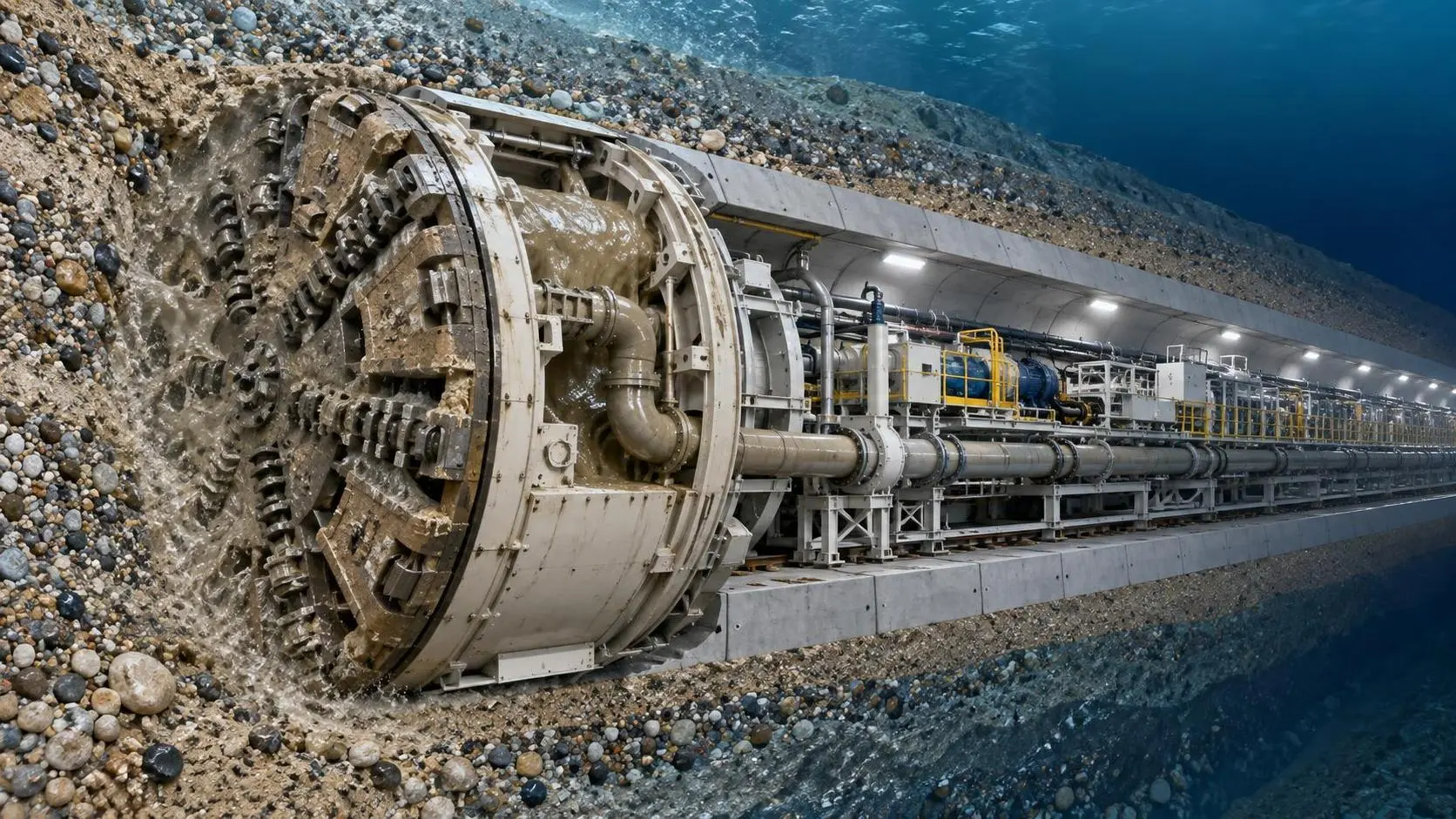
EPB or Slurry Shield? Selecting Soft-Ground Tunnelling Equipment by Soil Conditions
Tunnel Excavation Equipment for soft ground: compare EPB and slurry shields by soil, groundwater, settlement risk, and project logistics to choose confidently.
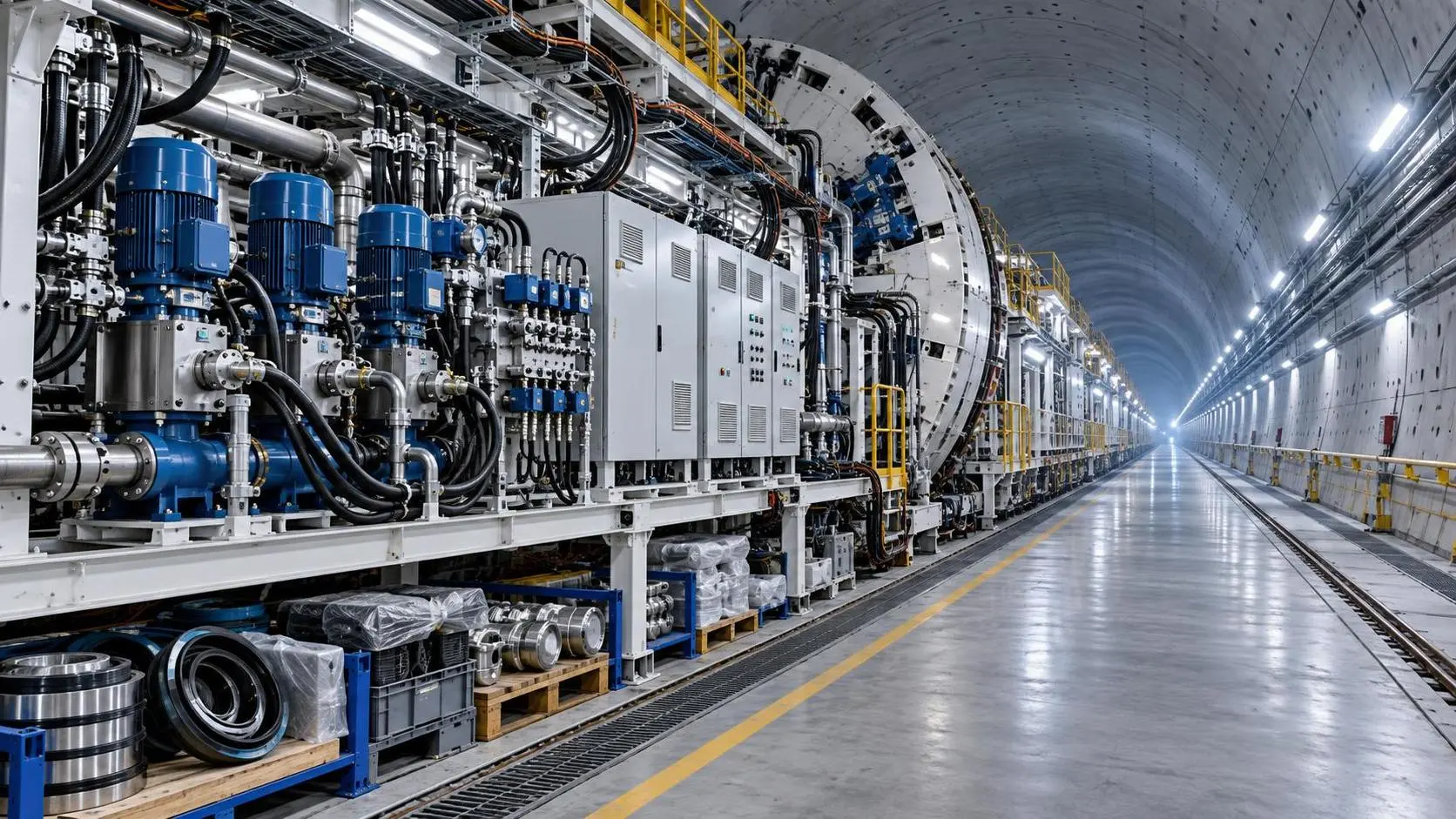
How to Specify TBM Backup System Parts for Reliable Long-Distance Tunnelling
TBM backup system parts: learn how to specify reliable spares for long-distance tunnelling, reduce downtime, ensure compatibility, and speed underground recovery.
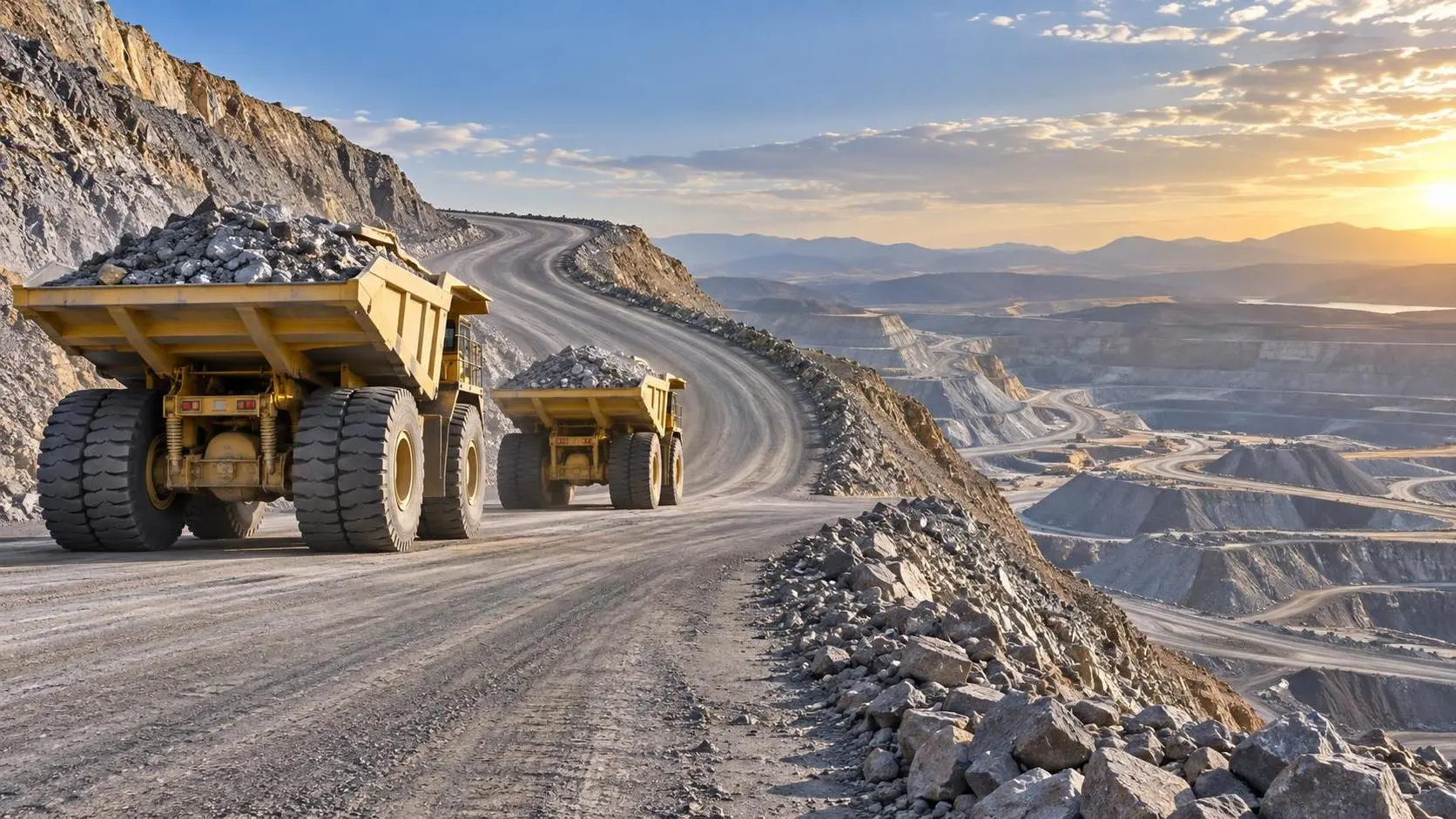
How to Size Open Pit Mining Trucks for Haul Distance, Grade, and Payload?
Open Pit Mining Trucks: learn how to match payload, haul distance, grade, road resistance, and loading capacity for safer, lower-cost mine operations.
Related News
- 00
0000-00
How to Evaluate European Drill-and-Blast Tunnelling Contractors for Complex Projects - 00
0000-00
Which Trenchless Construction Technique Fits Your Utility Crossing Conditions? - 00
0000-00
What Is Driving Metro Tunnelling Demand Across Southeast Asia’s Major Cities? - 00
0000-00
Hard Rock Tunnelling in Australia: Selecting Methods for Variable Ground Conditions - 00
0000-00
Hydropower Tunnel Excavation: Selecting Methods for Variable Rock Conditions
Weekly Insights
Stay ahead with our curated technology reports delivered every Monday.