
Does Blast-Hole Drilling Accuracy Affect Tunnel Stability in Soft Ground?





Does Blast-Hole Drilling Accuracy Affect Tunnel Stability in Soft Ground?
Does blast-hole drilling accuracy affect tunnel stability in soft ground? Absolutely. A small error in hole collar location, angle, depth, or loading can change how energy travels through the face and perimeter. In competent rock, some deviation may mainly show up as poor fragmentation or extra scaling. In weak, fractured, weathered, or water-sensitive ground, the same deviation can disturb the remaining ground mass, enlarge the excavation profile, trigger local ravelling, and leave support crews dealing with a face that no longer behaves as the design assumed.
That said, the question needs a practical qualification. Conventional drill-and-blast is generally associated with rock tunnels, while truly soft soils are more often managed with shielded TBMs, roadheaders, mechanical excavation, or carefully staged methods with immediate support and ground improvement. Yet many real headings sit between these categories: weak rock, decomposed rock, faulted zones, mixed faces, cemented soils, and soft ground containing hard inclusions. These are precisely the conditions where drilling accuracy becomes a stability-control issue rather than a simple production indicator.
For contractors, mine operators, and engineering teams, the central concern is not whether every hole hits a theoretical coordinate perfectly. It is whether the drilled pattern, explosives design, initiation sequence, water conditions, and support cycle work together to preserve a stable excavation boundary. Accuracy is the starting point for that control loop.
Why weak ground reacts so sharply to drilling errors
Soft ground often has low stand-up time: once confinement is removed, deformation or material loss can develop quickly. Its behavior may also vary significantly across a single tunnel face. One section may be damp, cohesive material; another may contain a crushed seam, weakly bonded blocks, or an inflow path. A blast designed around a regular, intact medium can become difficult to control when the ground’s stiffness and water content change over short distances.
The perimeter holes are especially consequential. Their job is not merely to complete the round; they define the residual ground shell that must carry load until shotcrete, bolts, ribs, lattice girders, or other support systems are installed and mobilized. If contour holes drift outward, the blast can remove material beyond the intended profile. That overbreak reduces the effective thickness and continuity of the remaining ground. It also creates irregular voids that may be difficult to fill properly, leaving unsupported pockets behind the initial lining.
If holes drift inward or terminate short, the resulting underbreak may appear safer at first. In practice, it can create a different set of problems: difficult mechanical trimming, uneven support contact, delayed cycle times, and repeated disturbance of an already weakened perimeter. The objective is a controlled profile, not simply the smallest possible excavation.
Burden and spacing errors matter as well. Holes placed too close together can concentrate energy and promote crushing or excessive cracking. Holes placed too far apart may leave toes, ridges, and irregular breakout. In soft or mixed ground, those imperfections can redirect loading into local weak zones. The effect is often cumulative: poor drilling creates an uneven blast, an uneven blast creates an irregular opening, and an irregular opening makes rapid, uniform support installation harder.
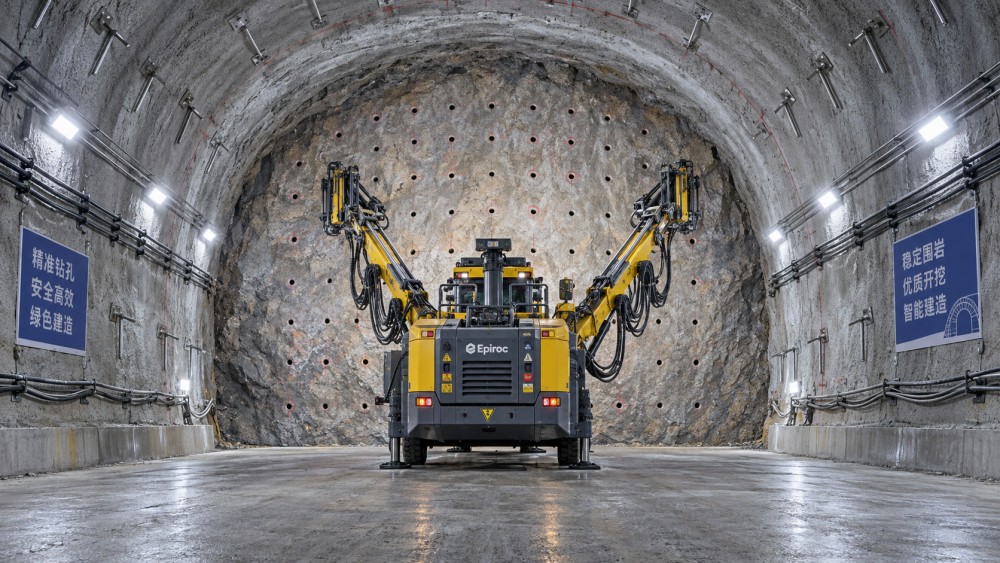
The four accuracy variables that influence excavation behavior
“Accurate drilling” is often discussed as though it means only correct hole position. In a tunnel round, it includes several linked variables:
- Collar position: The point where the drill enters the face determines the burden relationship across the pattern. A misplaced collar can shift a whole section of the round.
- Hole direction: Angular deviation becomes more significant with increasing hole length. At the perimeter, direction determines whether the final contour is protected or damaged.
- Hole depth: Uneven depth can create incomplete pull, poor relief, excessive toe, or local advance beyond the planned round length. It also disrupts loading assumptions.
- Hole condition: Collapse, blockage, water, or unrecognized voids can change the actual charge column and coupling. A nominally correct hole is not necessarily a usable hole.
In weak ground, these variables should not be separated from charging practice. A correctly drilled contour hole can still produce damaging results if charge concentration, stemming, decoupling, or timing is poorly matched to the ground. Conversely, a well-designed controlled-blasting approach cannot fully compensate for an erratic drilled pattern. The drilling jumbo, the explosives crew, the geologist, and the support team are managing one excavation system, even when their tasks are organized as separate shifts.
Overbreak is a stability problem before it becomes a cost problem
Overbreak is frequently measured because it affects muck volume, shotcrete consumption, haulage, and schedule. Those are real commercial consequences. But in soft ground, its more immediate significance is geotechnical. The designed tunnel profile represents a boundary used in support calculations and construction planning. When excavation extends beyond it, the support system may be asked to bridge a larger and less predictable void than intended.
The problem is not always dramatic collapse. More commonly, crews see sloughing around the crown, loose material releasing during scaling, disturbed material behind ribs, or recurring repair work after each round. Water can magnify the issue by softening fines, reducing apparent cohesion, or carrying material through newly opened fractures and interfaces. Where groundwater is present, a drilling deviation that creates a preferential path may have consequences that are disproportionate to the visible damage immediately after blasting.
Vibration deserves the same caution. Ground vibration cannot be evaluated from drilling accuracy alone; charge per delay, geological conditions, distance to sensitive assets, and initiation design all matter. Still, inaccurate hole placement can cause charge concentrations or poor burden conditions that make energy release less uniform. In a shallow urban tunnel, near existing utilities or structures, that uncertainty is not a minor operational inconvenience. It must be assessed within the project’s approved blast and monitoring framework.
A precise jumbo does not remove the need for geological judgement
Modern drilling jumbos can materially improve repeatability through automated boom positioning, onboard drill plans, navigation support, drill-data capture, and operator guidance. These functions help crews transfer the designed pattern to a real face more consistently, particularly where visibility, fatigue, restricted space, and repetitive rounds create avoidable variation. They can also establish records that make it easier to compare planned and executed drilling.
But digital positioning should not be mistaken for geological certainty. The machine can follow a coordinate plan, while the face may have changed since the plan was issued. A clay-filled seam, altered zone, unexpected water-bearing feature, or change in ground class may require a revised pattern, shorter advance, different perimeter treatment, pre-support, drainage, or even a temporary move away from blasting. Automation improves execution; it does not replace the decision to use a particular excavation method.
This is why drill data becomes useful only when someone reviews it in context. Penetration rate, feed pressure, rotation behavior, flushing response, and hole completion records may provide clues about changing ground conditions, although they are not a substitute for face mapping or formal investigation. A sudden pattern of difficult drilling, hole collapse, or water return should prompt a field discussion before the round is loaded—not merely a note in the production report.
What a practical control process looks like
The most reliable approach is a short feedback cycle between design, drilling, blasting, and support. It does not need to become a paperwork-heavy exercise, but it should make deviations visible before they become normal practice.
Before drilling, the crew needs a current face assessment and a pattern appropriate to the expected ground class. The plan should make clear which holes are perimeter-critical, where relief is required, what advance is intended, and what changes require engineering approval. In unstable or water-affected ground, a decision on pre-support and immediate post-blast support should be settled before drilling begins rather than improvised after mucking.
During drilling, the operator should be able to recognize unusable holes, lost holes, abnormal water, and directional problems. Re-drilling is sometimes necessary, but blindly adding holes can worsen a weak face. The response should be controlled against the blast design. After drilling, verification can range from visual checking and recorded boom data to more formal survey methods, depending on the project’s risk profile and contractual requirements.
After blasting, the team should inspect the actual perimeter, map visible defects, record overbreak and underbreak where required, examine support contact, and compare the outcome with the drill and charge records. The key question is not “Was the round pulled?” It is “Did the round leave a supportable opening consistent with the next cycle?” Repeated crown damage, uneven contours, persistent toe, or growing water ingress are signals to revisit the entire drill-and-blast arrangement.
When better drilling accuracy is not enough
There is a point at which improving positional accuracy no longer addresses the principal risk. If the material cannot maintain a stable face after a blast, if water pressure is mobilizing fines, or if the excavation passes through highly variable interfaces, the safer response may be to alter the excavation sequence or method. Shorter rounds, reduced charge energy, controlled perimeter techniques, pipe umbrellas, spiling, grouting, drainage, face reinforcement, or a different machine-based approach may need evaluation by the project’s geotechnical and construction teams.
This distinction is commercially important. A project can spend heavily on a sophisticated jumbo or navigation package and still lose time if the chosen cycle ignores the ground. Equipment capability must be matched to the support philosophy, ventilation constraints, loading and haulage cycle, water-management plan, and available monitoring. In underground work, a fast drilling round has little value if it produces an opening that cannot be made safe promptly.
Connecting drilling quality with the wider underground system
The Global Underground Tunnelling & Mining Dynamics (UTMD) follows this connection across the broader underground equipment landscape. A drilling jumbo is not an isolated “steel drill bit”; its accuracy influences blast outcomes, support demand, muck characteristics, and the availability of loaders and haulage equipment. In mining development headings, poor fragmentation or excess overbreak can also disrupt LHD loading, increase rehandling, and expose personnel to more scaling and rehabilitation work.
The same systems view applies to automation and lower-emission underground operations. Digital drill plans, machine data, remote-capable loading, and electrified equipment can improve control and air quality in confined spaces, but only when the physical excavation cycle is stable. UTMD’s intelligence work across TBMs, trenchless systems, drilling jumbos, mining trucks, and underground LHDs is built around that reality: technology decisions must be read alongside rock mechanics, operational sequencing, and the limits imposed by the ground.
So, does blast-hole drilling accuracy affect tunnel stability in soft ground? Yes—but accuracy should be treated as one layer of ground-control discipline, not a standalone promise. The useful next step is to review actual face conditions, planned advance, drill deviation records, charge design, water observations, and support performance together. If those records tell different stories, the tunnel is already indicating where the excavation cycle needs to change.
Related News
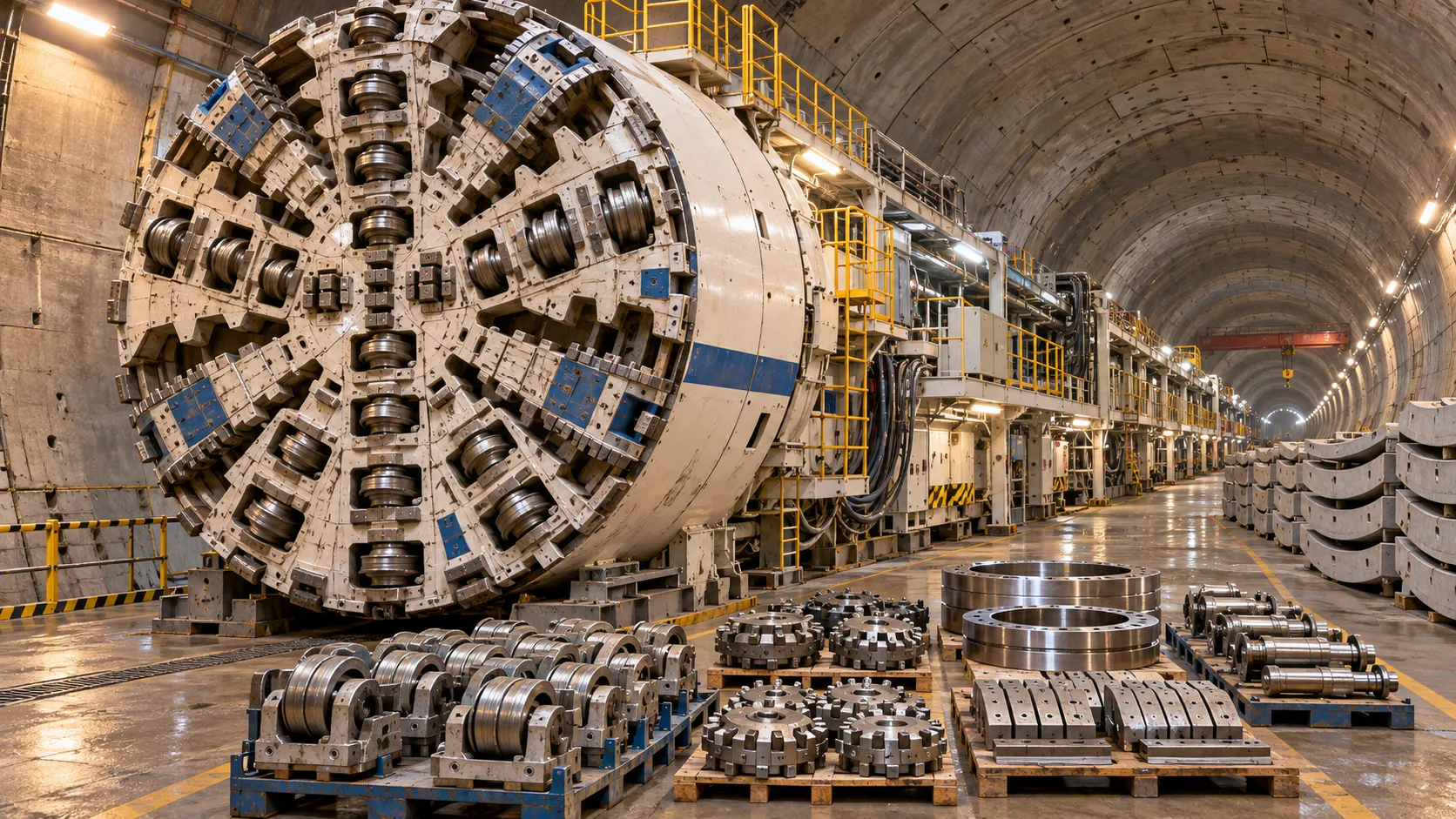
China's TBM Export Controls Prompt Infrastructure Concerns in India
China's TBM export controls could affect infrastructure projects in India. Explore potential supply risks and practical procurement steps.
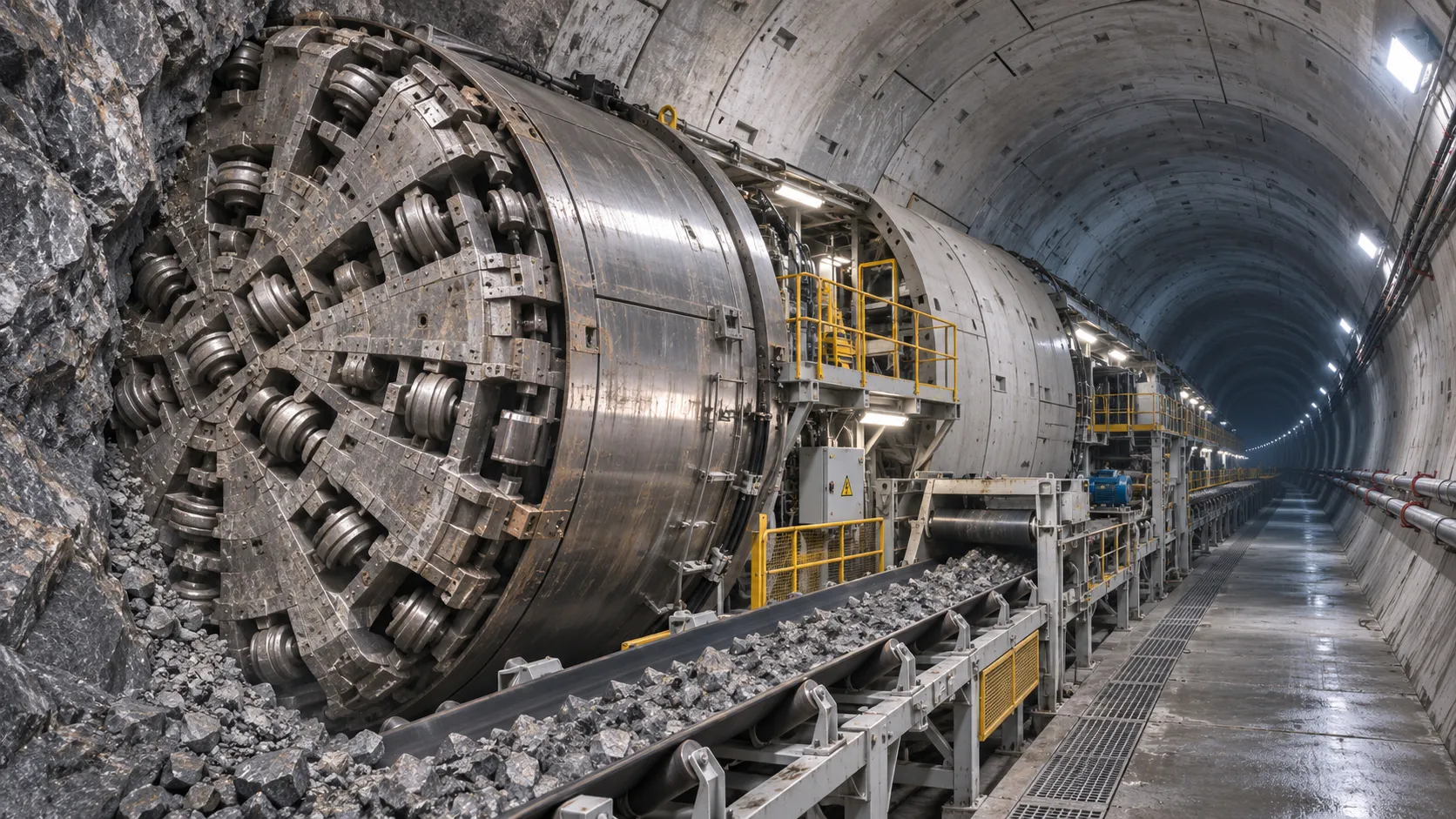
How TBM Excavation Works in Rock and Soft Ground: A Practical Guide
TBM Excavation in rock and soft ground explained: compare machine types, ground support, spoil removal, and the factors that guide smarter project planning.
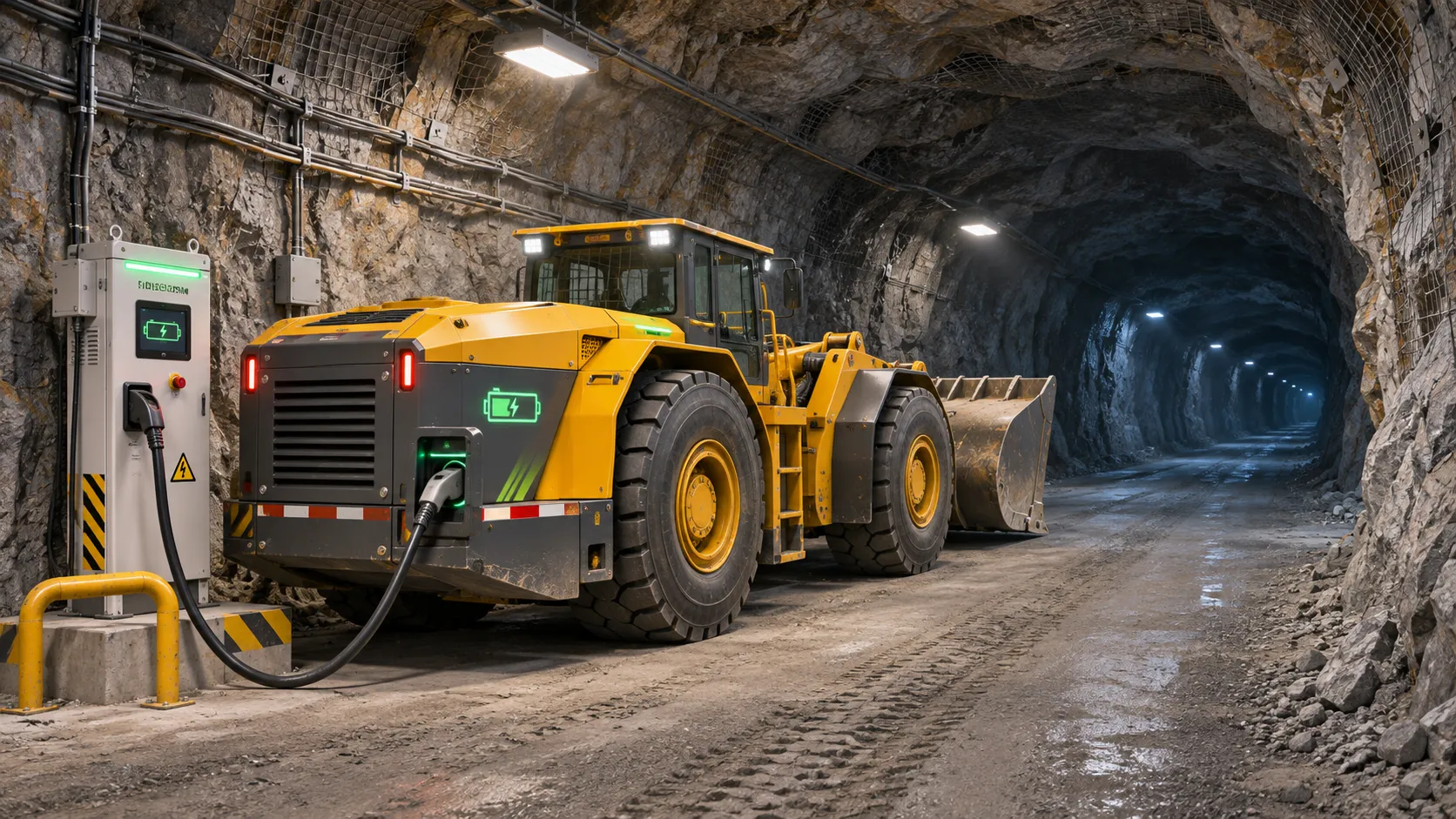
Choosing a Zero-Emission Underground Equipment Supplier: What to Check
Choosing a zero emission underground equipment supplier? Compare duty-cycle performance, charging, safety, total costs and support before you commit.
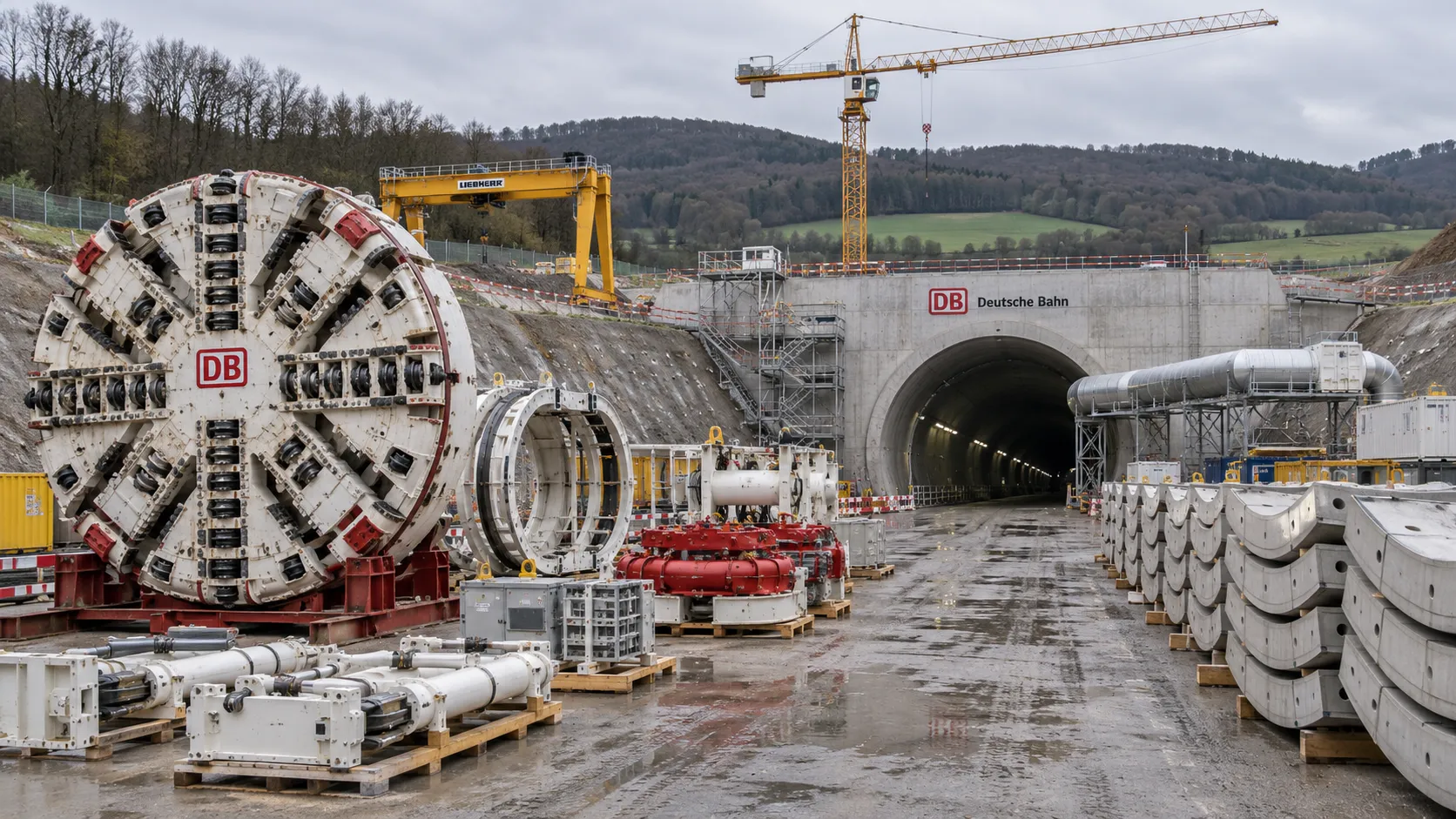
Construction Starts on Germany's Pfaffensteig Rail Tunnel, With Two TBMs Planned
Pfaffensteig rail tunnel construction is underway in Germany. Discover how two planned TBMs will support the 11-kilometre project near Stuttgart.
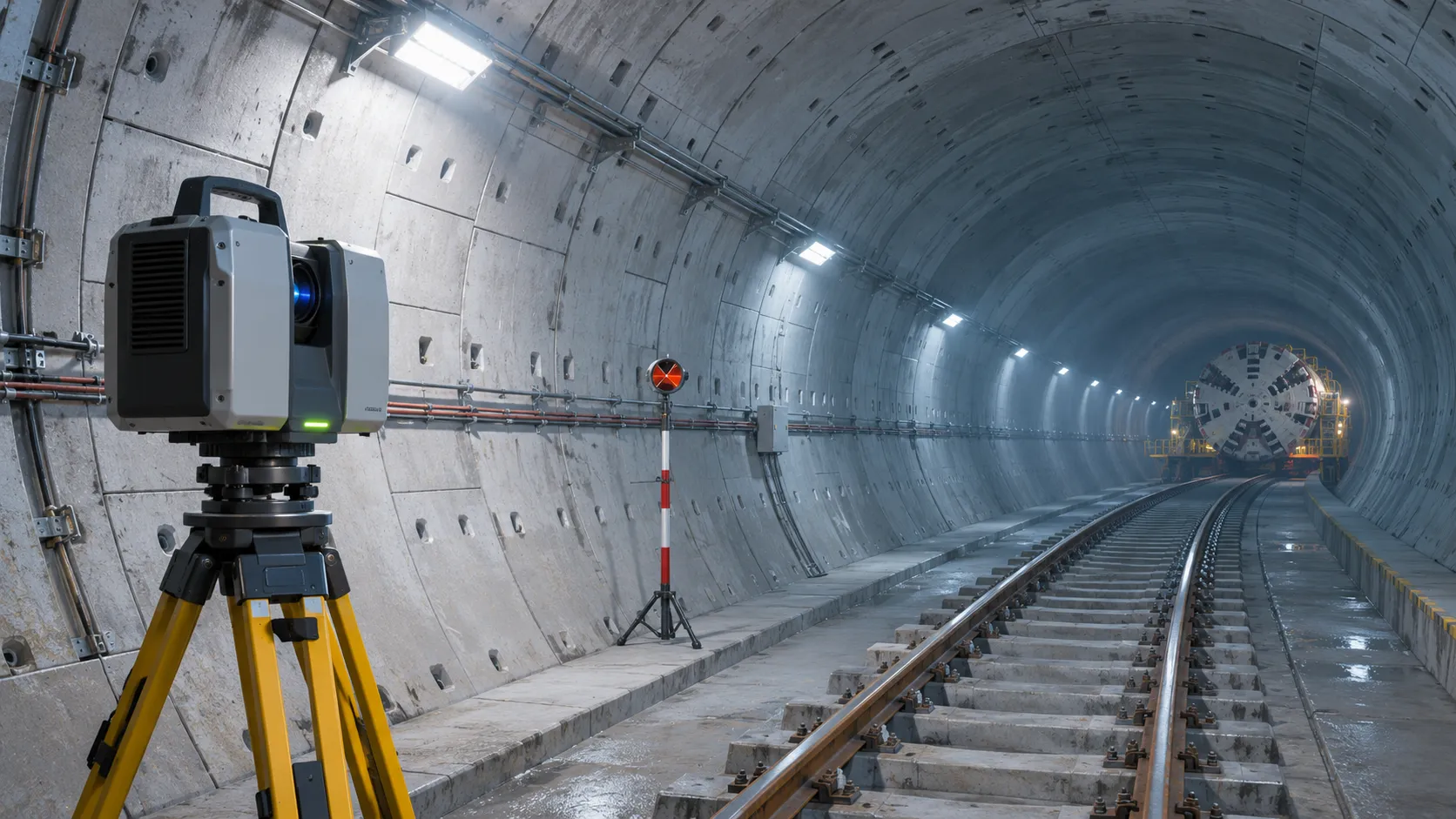
How Real-Time Underground Mapping Systems Work in Tunneling
Discover how real-time underground mapping systems guide tunneling teams, integrate sensor data, and support confident decisions with verified accuracy.
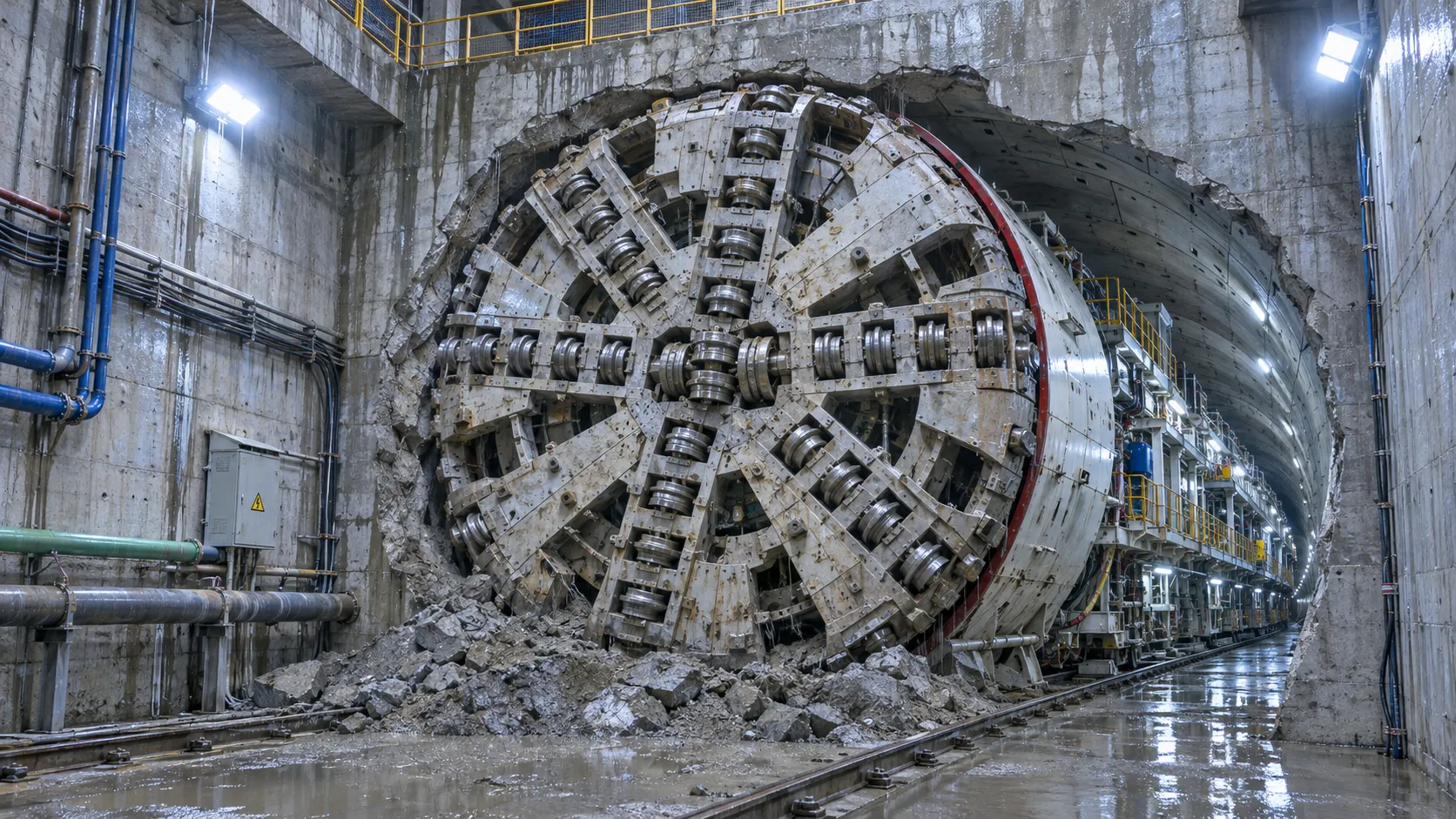
First Mechanized Tunnel Crossing Beneath the Panama Canal Completed
Panama Canal tunnel crossing: Explore the reported Metro Line 3 milestone and what it could mean for future underwater tunneling projects.
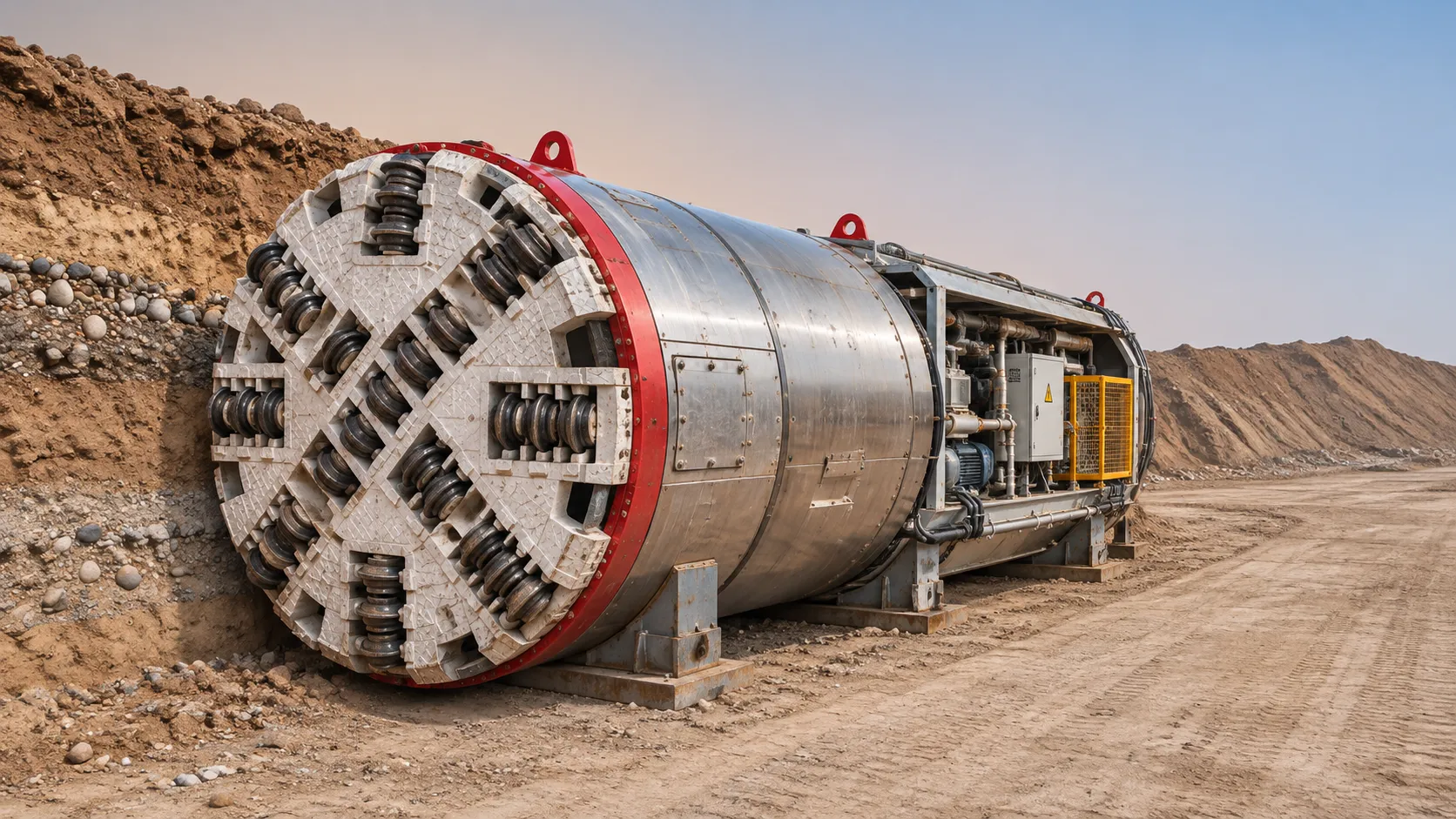
Underground Utility Construction Equipment: Choosing by Ground Conditions
Choose underground utility construction equipment with confidence. Compare trenching, HDD, microtunnelling and TBMs by ground conditions, risk and cost.
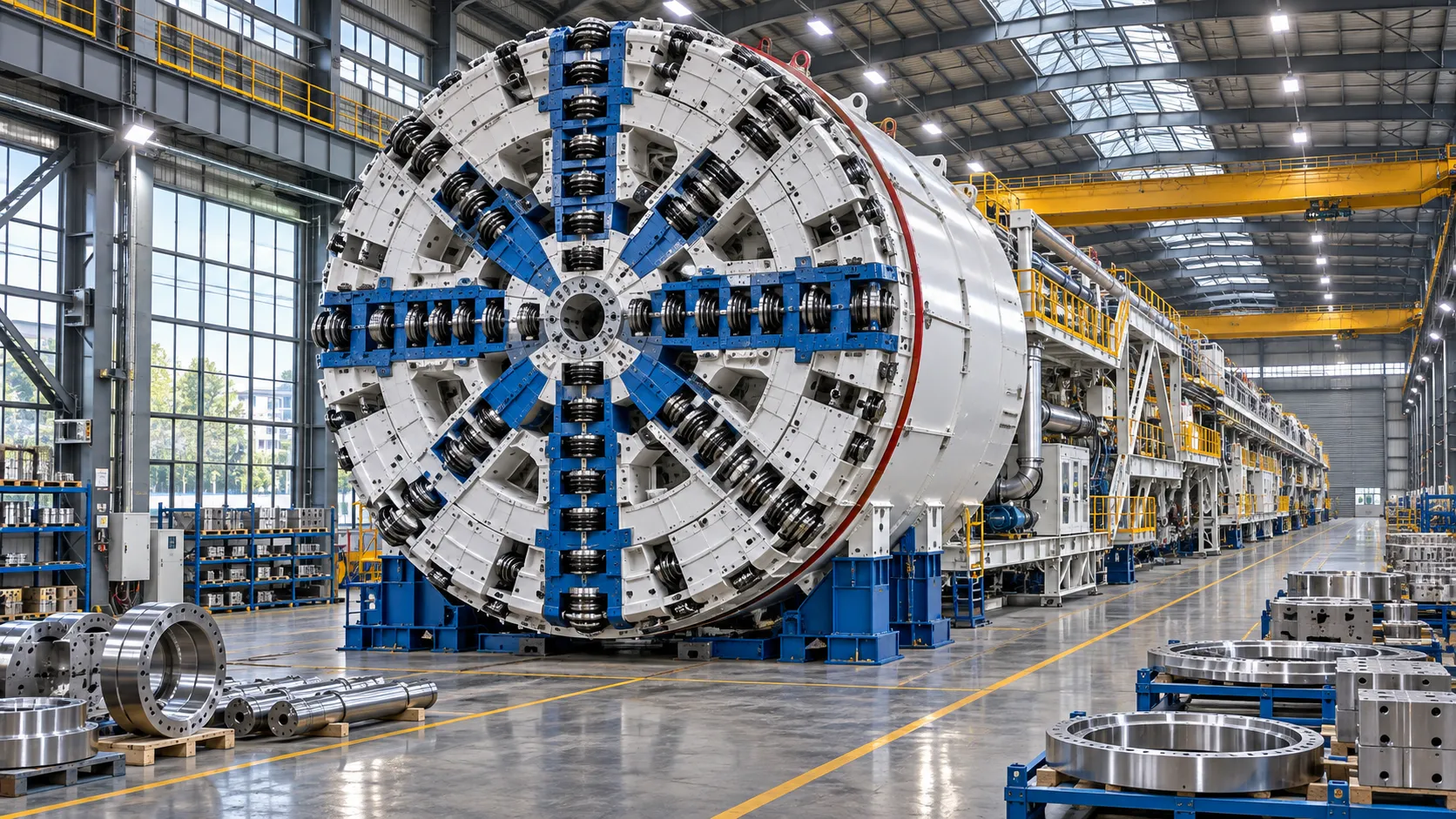
China Sets Tunnel Boring Machine Export Controls as India Pushes Local Production
China tunnel boring machine export controls could reshape procurement as India pushes local production. Explore potential supply and project impacts.
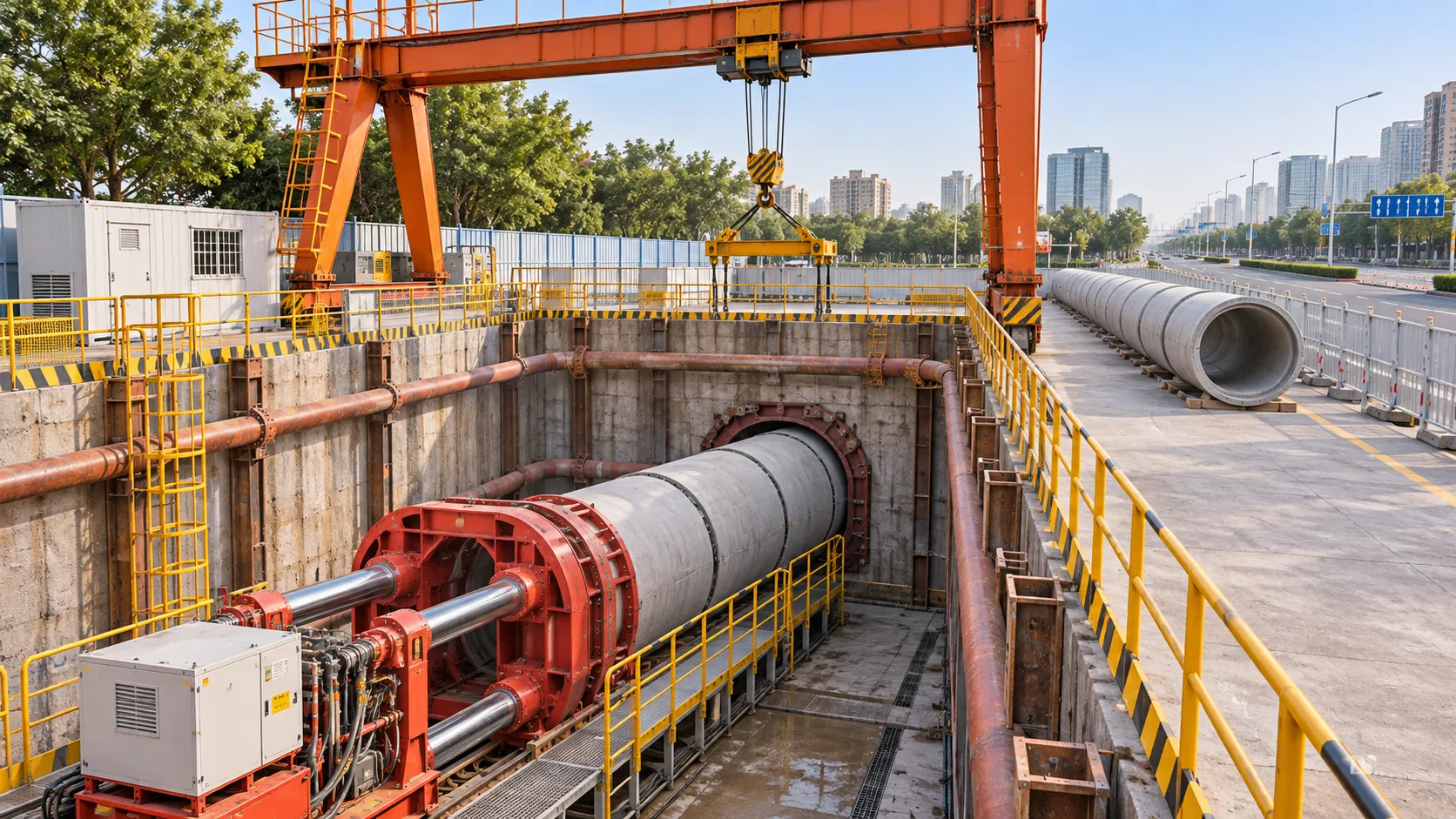
Choosing a Trenchless Pipeline Installation Contractor: Key Qualifications
Choose a trenchless pipeline installation contractor with confidence. Learn how to assess experience, equipment, safety, costs, and project risks before you hire.
Related News
- 00
0000-00
China's TBM Export Controls Prompt Infrastructure Concerns in India - 00
0000-00
How TBM Excavation Works in Rock and Soft Ground: A Practical Guide - 00
0000-00
Choosing a Zero-Emission Underground Equipment Supplier: What to Check - 00
0000-00
Construction Starts on Germany's Pfaffensteig Rail Tunnel, With Two TBMs Planned - 00
0000-00
How Real-Time Underground Mapping Systems Work in Tunneling
Weekly Insights
Stay ahead with our curated technology reports delivered every Monday.