
Selecting ground support systems for tunnelling in squeezing ground





Squeezing ground is not simply weak ground. It is ground in which the stress state, rock mass strength, discontinuity pattern, water condition and tunnel geometry combine to produce sustained inward deformation after excavation. A support system that appears adequate at the heading may become overloaded days or weeks later as convergence continues, the plastic zone expands, or the invert heaves.
The central selection question is therefore not “which support has the highest capacity?” It is whether the chosen system can control deformation without becoming prematurely rigid, brittle or inaccessible for repair. In severe squeezing conditions, the wrong balance between stiffness and yield can transfer load into shotcrete cracking, bolt failure, steel distortion, segment damage or unacceptable closure of the excavation profile.
Ground support systems for tunnelling in squeezing ground must be selected as a deformational management system rather than as a collection of individual products. Primary lining, rock reinforcement, face support, invert closure, drainage, excavation sequence and monitoring all influence the final load path. The required design response can differ sharply between a short, high-stress faulted zone and a long alignment through ductile, schistose or heavily altered rock.
Classifying the mechanism before selecting support
Rock-mass classification remains useful for early planning, but it cannot independently determine support in squeezing terrain. Ratings based on joint condition, intact strength and groundwater condition may not adequately capture in-situ stress, stress anisotropy, time-dependent creep, strain-softening behaviour or the consequences of a large excavation span. A support class derived directly from a classification chart can therefore understate the convergence demand.
The first technical distinction is between stress-driven squeezing and other forms of tunnel deformation. Stress-driven squeezing occurs when the rock mass around the opening yields because the redistributed stress exceeds its available strength. It is common where overburden is substantial, the rock mass is weak to moderately weak, and confinement is released rapidly during excavation. The response may include wall convergence, crown settlement, invert heave and progressive distress outside the initial support ring.
Swelling ground requires a separate assessment. Clay-bearing minerals, anhydrite transformation, moisture changes or chemical processes may generate deformation or pressure even where stress-induced yielding is not the dominant mechanism. The support arrangement may still need flexibility and robust closure, but water control and material-specific laboratory testing become more influential. Treating swelling as ordinary squeezing can lead to ineffective drainage or an incorrect allowance for long-term displacement.
A third condition is structurally controlled instability: wedges, ravelling, block fall and fault-zone loosening. These can coexist with squeezing, but they call for different immediate measures. A yielding support designed for large radial convergence does not replace systematic reinforcement needed to retain discrete blocks. The selected system must address the governing failure mode, not merely the most visible symptom.
The design input that matters most: expected deformation
Support selection should begin with a defensible convergence envelope. This is more useful than selecting a bolt pattern or steel set size from excavation diameter alone. The envelope should distinguish anticipated deformation before support installation, deformation accommodated by the primary support, residual deformation after closure, and the amount that can be tolerated without compromising clearance, waterproofing, final lining or TBM operations.
Key inputs include:
- initial stress magnitude and orientation, including the likely influence of tectonic stress;
- rock mass strength degradation under confinement loss, shear displacement and water exposure;
- the depth and extent of the yielded or plastic zone around the excavation;
- anisotropy caused by bedding, foliation, schistosity or persistent shear planes;
- excavation span, shape, advance length and the interval before ring closure;
- groundwater pressure, inflow pathways and whether drainage may reduce effective stress or cause material deterioration;
- the convergence that plant, segment erection, ventilation ducts, conveyor systems and final works can physically accommodate.
Numerical analysis can be valuable where the geological model and constitutive assumptions are sufficiently developed. Its output should not be read as a single predicted displacement value. More useful outputs are sensitivity ranges: how support demand changes if rock mass strength is lower, horizontal stress is higher, or installation is delayed. This reveals whether the design is robust or dependent on optimistic assumptions.
Where credible modelling is limited, an observational approach becomes even more important. The support concept should contain defined upgrade and downgrade triggers linked to convergence rate, cumulative deformation, support distress and face conditions. Monitoring is not a substitute for design; it is the means of confirming whether the selected deformation capacity remains adequate as the heading advances.

Stiffness, yield and confinement are not interchangeable
A common error is to assume that a stiffer support always provides better control. Early stiffness can be beneficial where deformation must be restrained quickly to prevent loosening, overbreak or loss of face stability. Fibre-reinforced shotcrete, mesh, lattice girders, steel ribs and closely spaced bolts can establish confinement soon after excavation. Yet if the rock mass continues to converge beyond the elastic range of that support, excessive stiffness can produce high lining loads and sudden cracking or buckling.
Yielding support elements are intended to accommodate controlled movement while maintaining residual resistance. Their role is not to permit unrestricted convergence. They must be selected for a defined displacement range, a sustained load level and a compatible installation detail. Sliding connections, frictional or compressible elements, deformable steel arches and purpose-designed yielding devices all behave differently under cyclic loading, eccentricity, corrosion exposure and non-uniform closure.
The selected yield mechanism must also remain inspectable and functional. A device that performs well in an axial laboratory test may be less reliable when the tunnel perimeter deforms asymmetrically, when shotcrete bridges the sliding interface, or when debris locks the movement path. Connection detailing, packing materials, shotcrete sequencing and clearance around deformable joints are part of the support design, not minor construction details.
For many squeezing conditions, the preferred response is staged confinement: immediate support to stabilize freshly excavated ground, followed by a yielding zone or controlled deformation allowance, then early ring closure to prevent continued expansion of the plastic zone. The proportion of stiff and yielding components depends on the anticipated rate and magnitude of movement. High convergence rates require rapid installation and a support system that can mobilize resistance immediately; slow but persistent creep requires attention to long-term capacity and final-lining isolation.
How the principal support components behave
Bolting deserves particular caution. Longer or stronger bolts do not automatically improve performance. Their value depends on whether they extend into a competent, relatively stable anchorage zone. In deep squeezing ground, the plastic zone may be deeper than assumed, and fully grouted bolts can attract load until they yield or fail in shear. Yielding bolts, debonded sections or modified anchorage details may be justified where deformation demand is substantial, but they must still retain enough early support function to stabilize the excavation perimeter.
Shotcrete should be assessed as a composite element rather than only by nominal compressive strength. Fibre type and dosage, early-age strength development, energy absorption, layer thickness, bond to substrate, sprayed quality and joint treatment affect its field performance. In a support system expected to deform, the tensile and post-crack behaviour are often more relevant than a high compressive-strength specification.
Excavation method changes the feasible support strategy
In drill-and-blast tunnelling, advance length, round sequence, blasting damage, temporary face geometry and the distance from face to invert closure are direct support variables. Shorter rounds can reduce unsupported exposure and improve control, but they may reduce cycle efficiency. Perimeter control is particularly important because blast-induced damage can enlarge the loosened zone and increase the deformation that the support system must accommodate.
For TBM drives, the interaction is different but no less demanding. Shielded machines can provide temporary radial confinement while the machine is present, yet the gap behind the shield, tail-skin clearance, ring build tolerance and backfilling quality influence how much ground relaxation occurs before the lining becomes engaged. A segmental lining designed mainly for normal ground loading may be vulnerable to concentrated thrust, joint opening, ovalisation or excessive ring convergence in severe squeezing zones.
Segment design and support selection for a TBM drive should therefore consider the complete system: cutterhead and shield articulation capacity, overcut, annular-gap treatment, grout stiffness and timing, ring joint configuration, bolt loading, gasket performance and the ability to maintain steering under converging ground. Increasing grout strength is not automatically beneficial if it creates a rigid load path before predicted deformation has occurred. Conversely, a weak or poorly controlled annular fill may allow excessive distortion before the ring is confined.
Closure timing often governs performance more than nominal capacity
Support capacity is frequently evaluated in isolation from closure timing. In squeezing ground, this is risky. The longer the sidewalls remain unconnected at the invert, the more opportunity there is for convergence and plastic-zone growth. Once deformation accelerates, later installation of a heavy invert may require recovering lost profile under unsafe conditions.
Early invert closure is not always practical at the face, particularly where transport, mucking or TBM backup operations require an open floor. The technical evaluation should therefore identify the maximum permissible distance between face and ring closure, then test whether the chosen equipment arrangement can consistently achieve it. A support concept that depends on rapid closure but conflicts with the production cycle is not a reliable design.
Temporary invert struts, partial invert arches, staged benches or revised logistics may be necessary where full closure cannot be installed immediately. Their purpose is to maintain geometry until the permanent or semi-permanent closing element is in place. The load transfer between temporary and final support must be understood; otherwise, removal or modification of temporary works can trigger renewed movement.
Water management must be compatible with the ground model
Drainage can reduce pore pressure and improve effective stress conditions in some fractured rock masses. It can also create adverse consequences in fine-grained, erodible, soluble or swelling materials. Uncontrolled water inflow may soften weak seams, wash fines from interfaces, corrode steel components and prevent satisfactory shotcrete adhesion. However, aggressive drainage can alter the hydraulic regime beyond the tunnel boundary or induce settlement-sensitive effects in certain settings.
The decision is not simply drained versus undrained support. It requires a hydrogeological model that links water pressure, permeability, material sensitivity and long-term lining requirements. Drain holes, pre-grouting, face grouting, waterproofing membranes and controlled drainage arrangements should be evaluated as parts of the same support strategy.
Verification should focus on triggers, not just installation records
Installation records confirm what was placed; they do not confirm that the ground-support interaction is behaving as intended. Convergence pins, extensometers, pressure cells where justified, bolt load monitoring and systematic mapping can reveal whether deformation is stabilising, migrating deeper into the rock mass or concentrating at particular support interfaces.
Useful trigger values are project-specific and should be tied to action. Rising convergence rate may call for shortened advance, additional face reinforcement or accelerated invert closure. Cracking patterns in shotcrete can indicate local bending, inadequate thickness, loss of bond or global ring distortion; they should not be treated as a single generic defect. Bolt head displacement, rib distortion and joint closure each provide different evidence about the active load path.
The strongest selection decisions reserve flexibility for changing conditions. This does not mean leaving support undefined. It means defining a base support class, credible heavier measures, the monitoring conditions that activate them, and the operational changes required to install them before deformation consumes the available clearance. In squeezing ground, a support system is adequate only when its mechanical capacity, deformation allowance, installation sequence and verification plan remain compatible through the period of sustained ground movement.
Related News
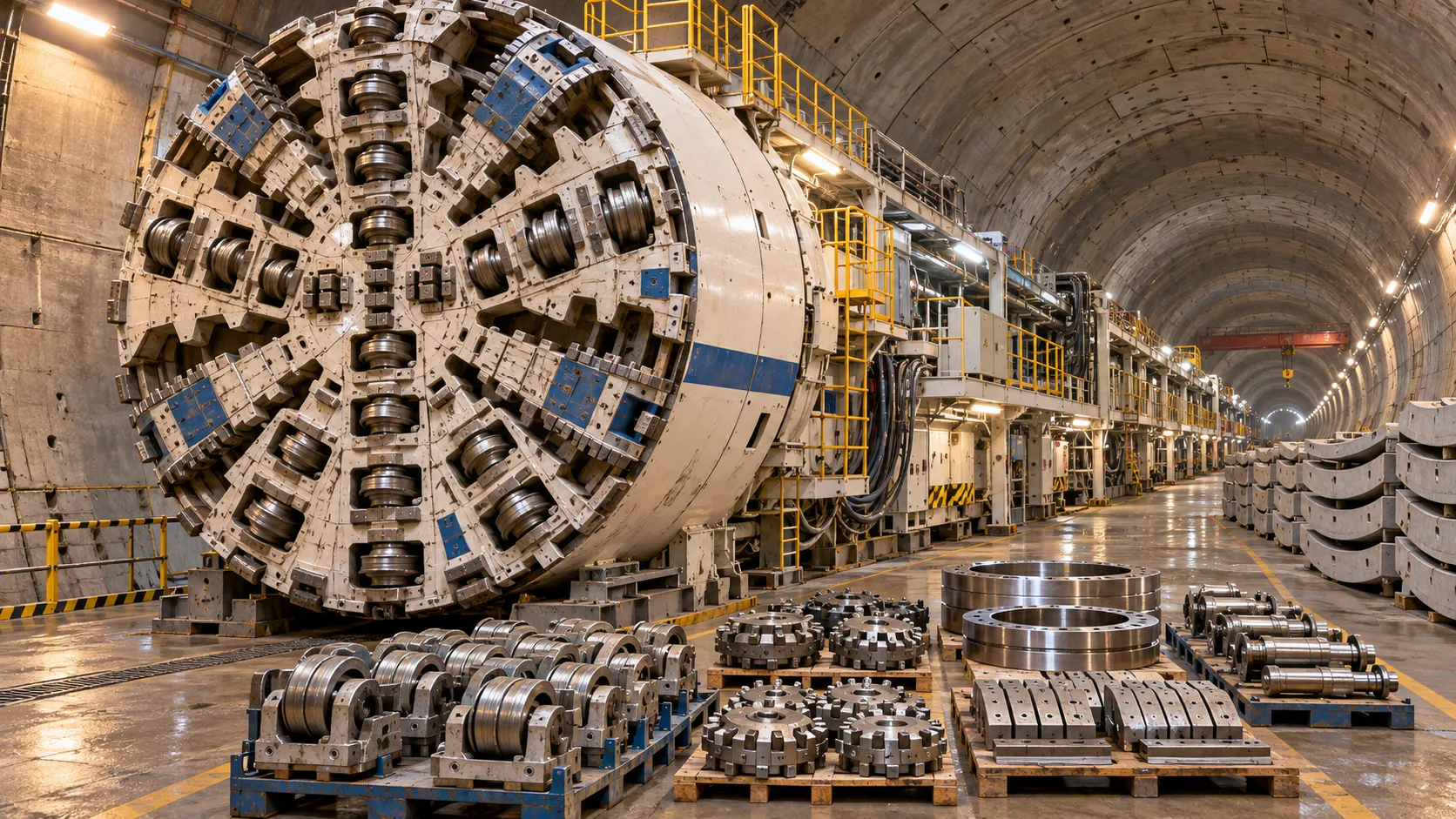
China's TBM Export Controls Prompt Infrastructure Concerns in India
China's TBM export controls could affect infrastructure projects in India. Explore potential supply risks and practical procurement steps.
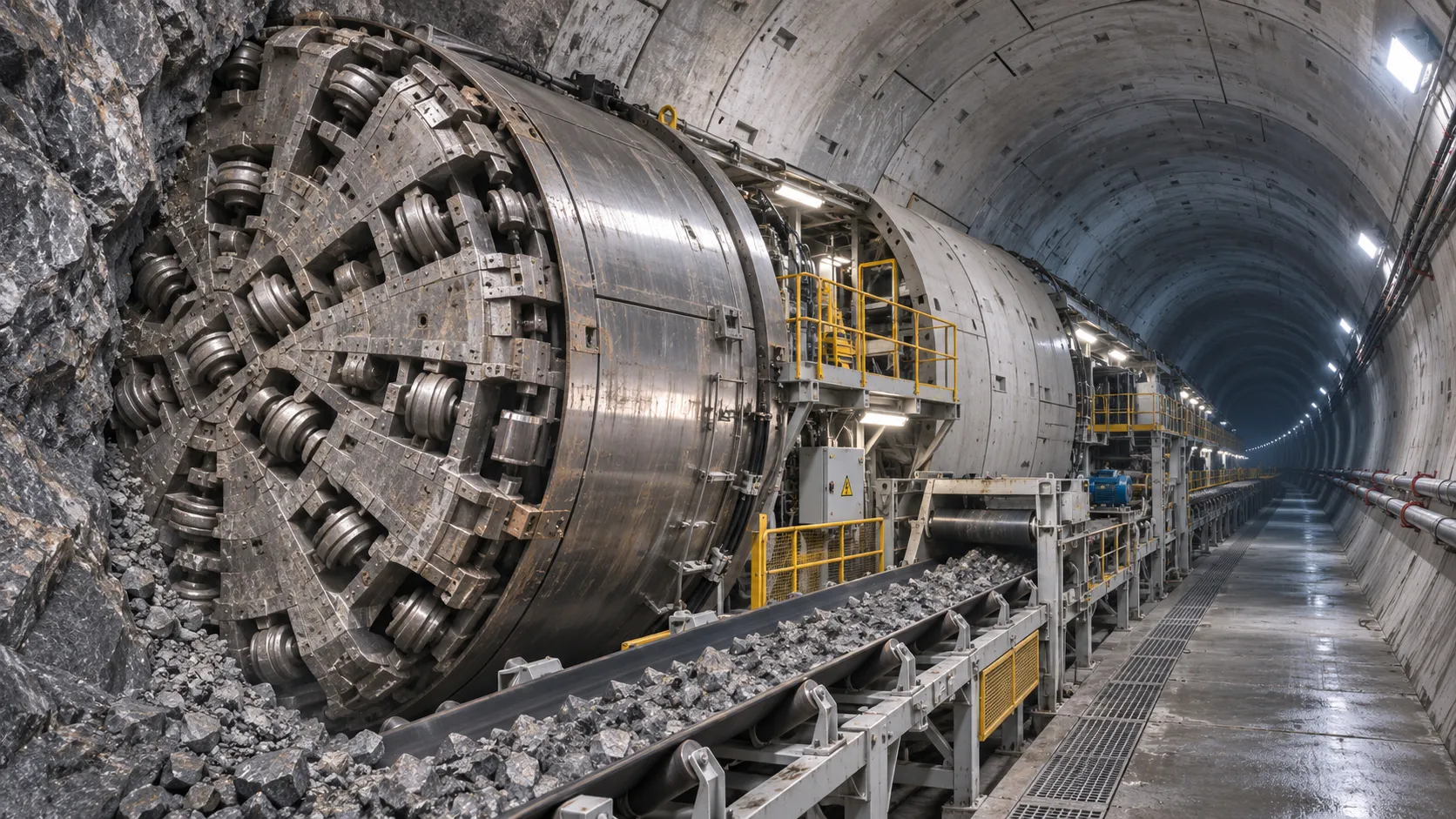
How TBM Excavation Works in Rock and Soft Ground: A Practical Guide
TBM Excavation in rock and soft ground explained: compare machine types, ground support, spoil removal, and the factors that guide smarter project planning.
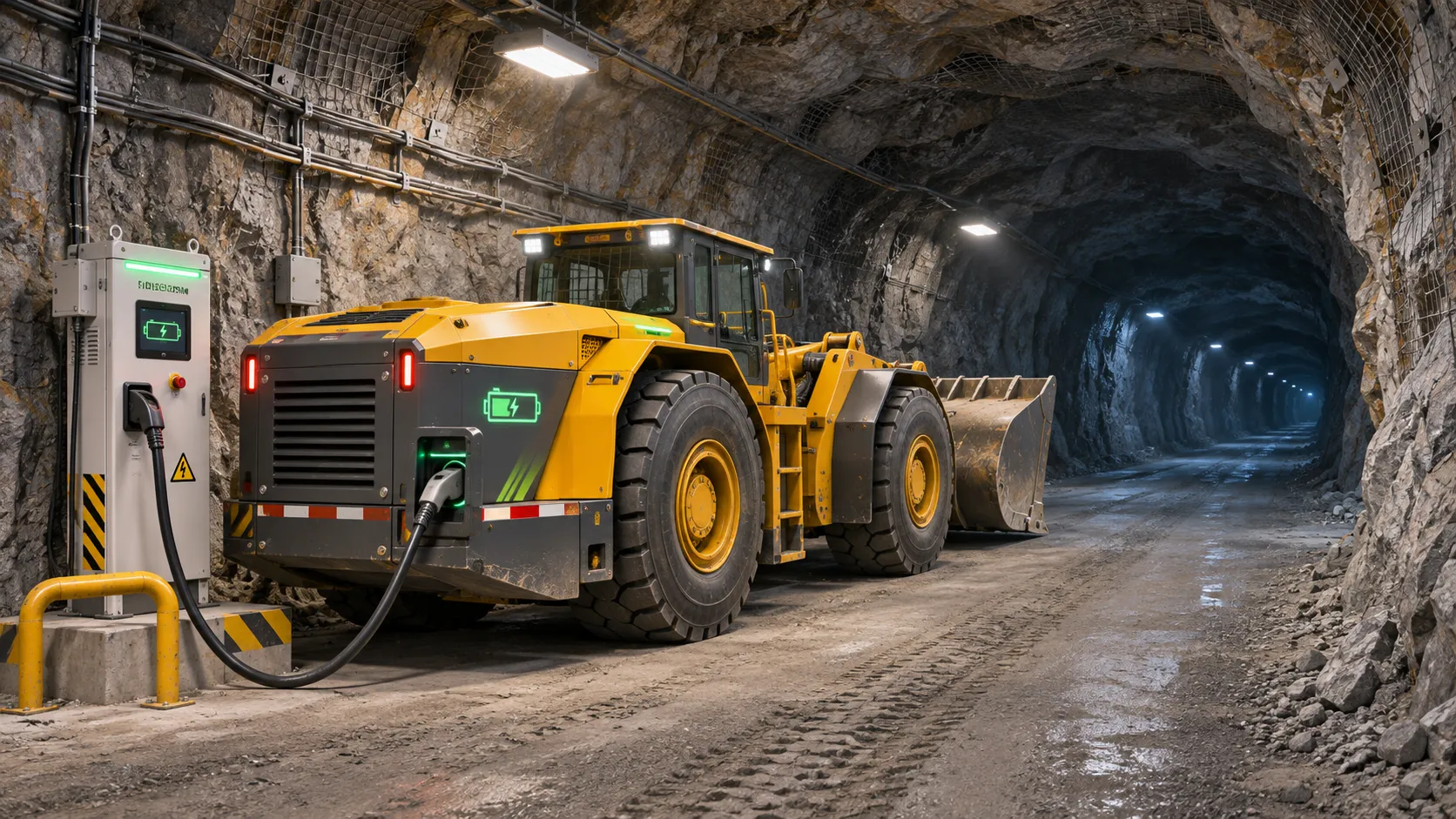
Choosing a Zero-Emission Underground Equipment Supplier: What to Check
Choosing a zero emission underground equipment supplier? Compare duty-cycle performance, charging, safety, total costs and support before you commit.
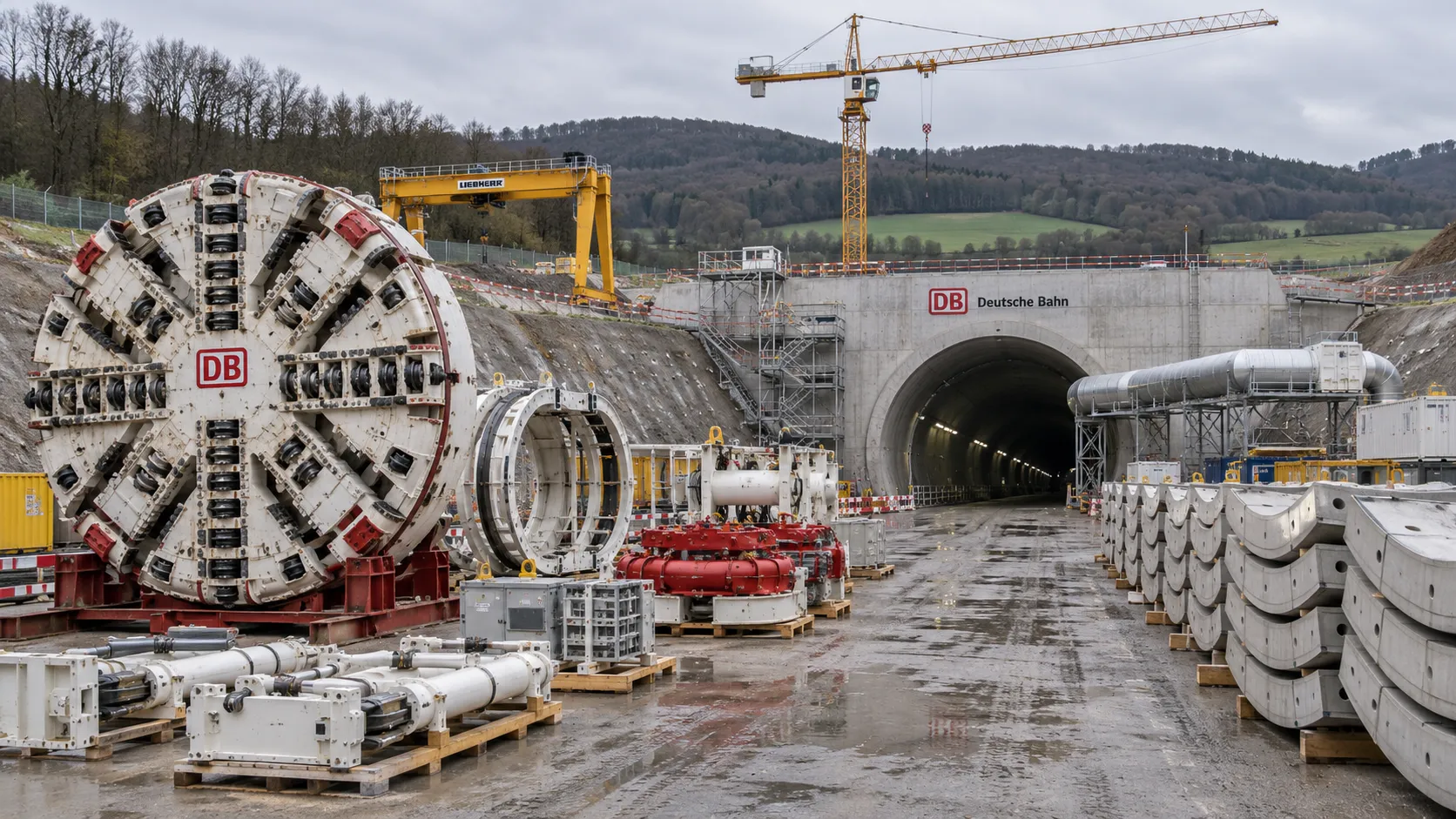
Construction Starts on Germany's Pfaffensteig Rail Tunnel, With Two TBMs Planned
Pfaffensteig rail tunnel construction is underway in Germany. Discover how two planned TBMs will support the 11-kilometre project near Stuttgart.
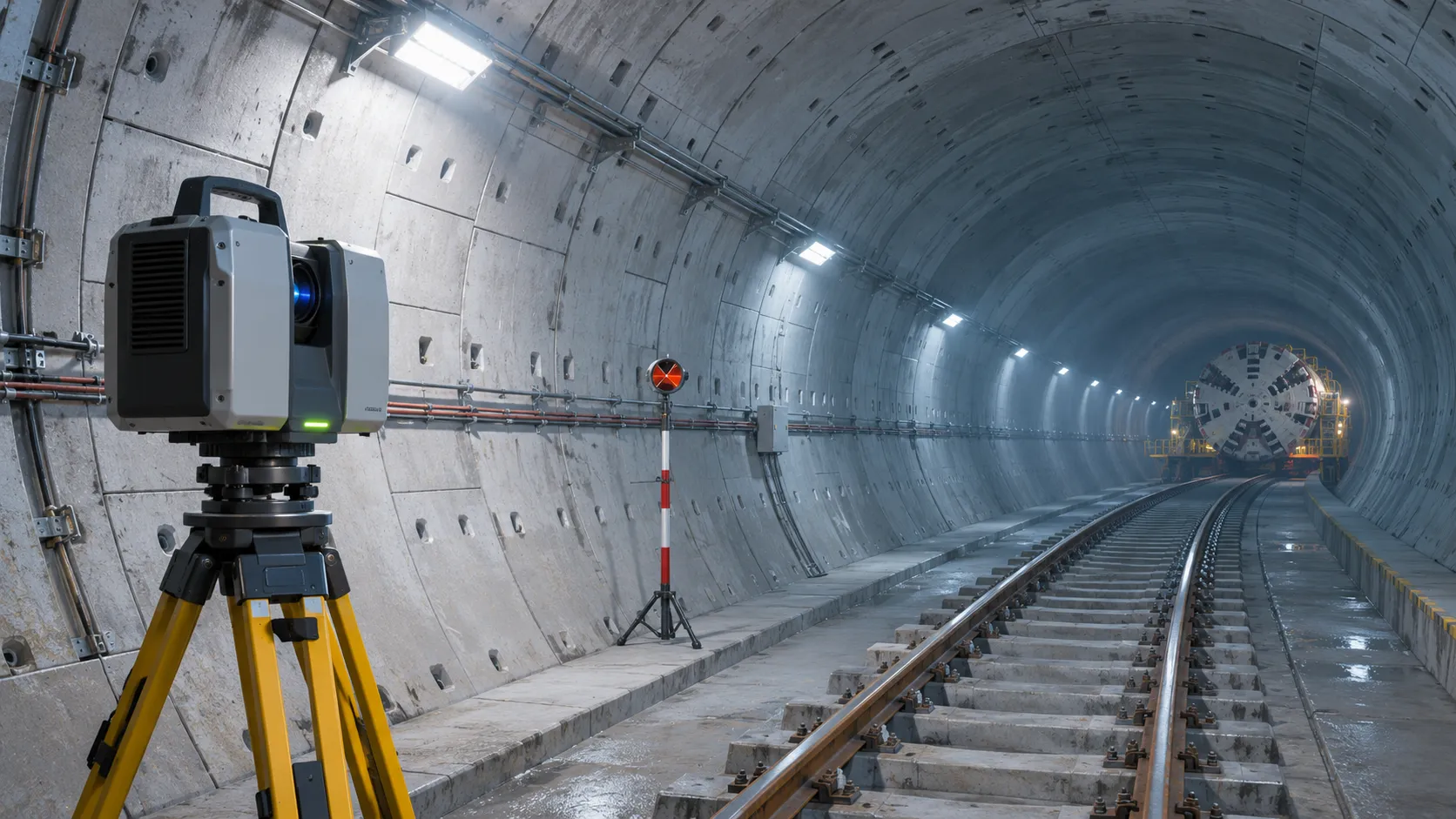
How Real-Time Underground Mapping Systems Work in Tunneling
Discover how real-time underground mapping systems guide tunneling teams, integrate sensor data, and support confident decisions with verified accuracy.
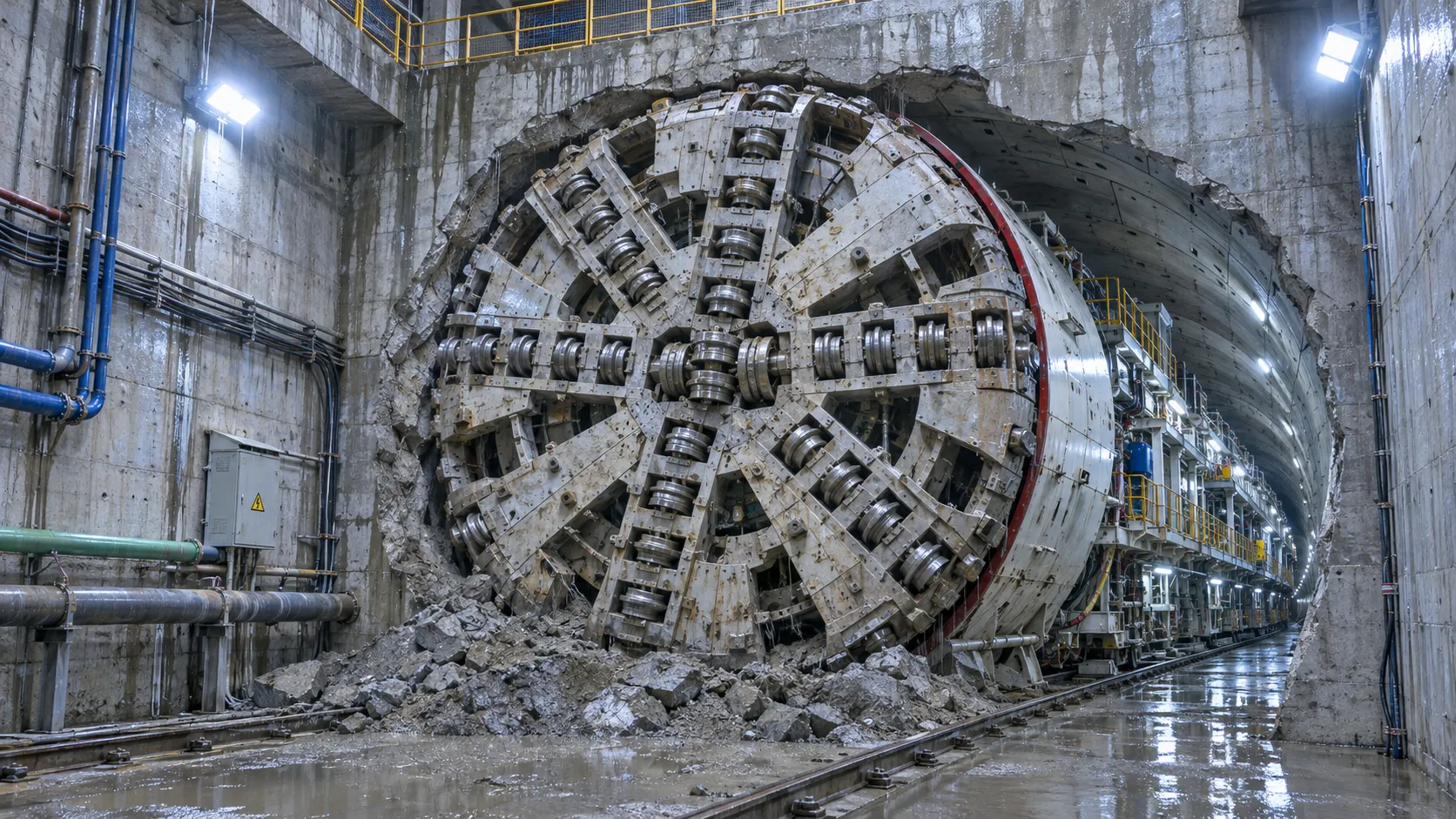
First Mechanized Tunnel Crossing Beneath the Panama Canal Completed
Panama Canal tunnel crossing: Explore the reported Metro Line 3 milestone and what it could mean for future underwater tunneling projects.
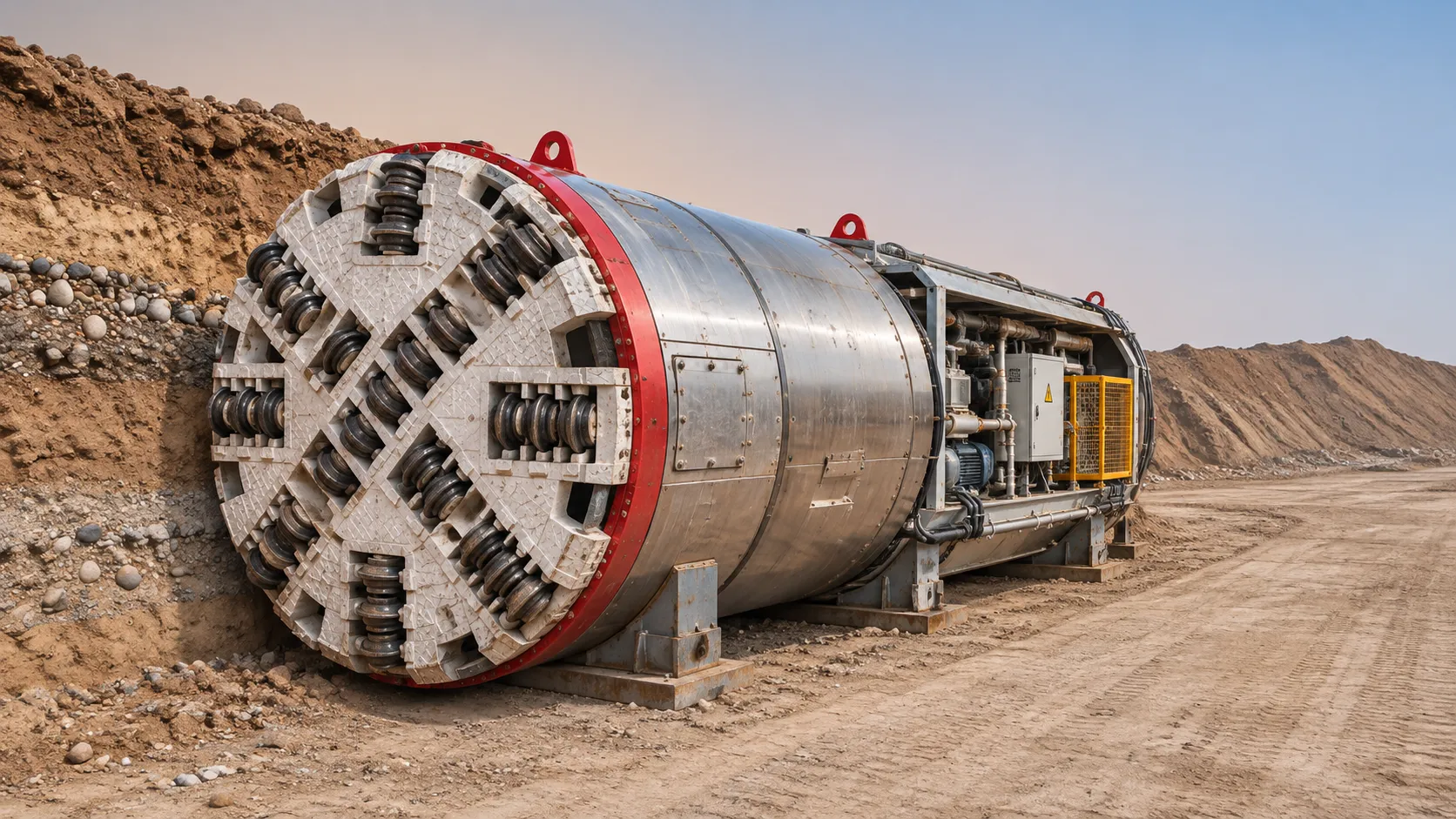
Underground Utility Construction Equipment: Choosing by Ground Conditions
Choose underground utility construction equipment with confidence. Compare trenching, HDD, microtunnelling and TBMs by ground conditions, risk and cost.
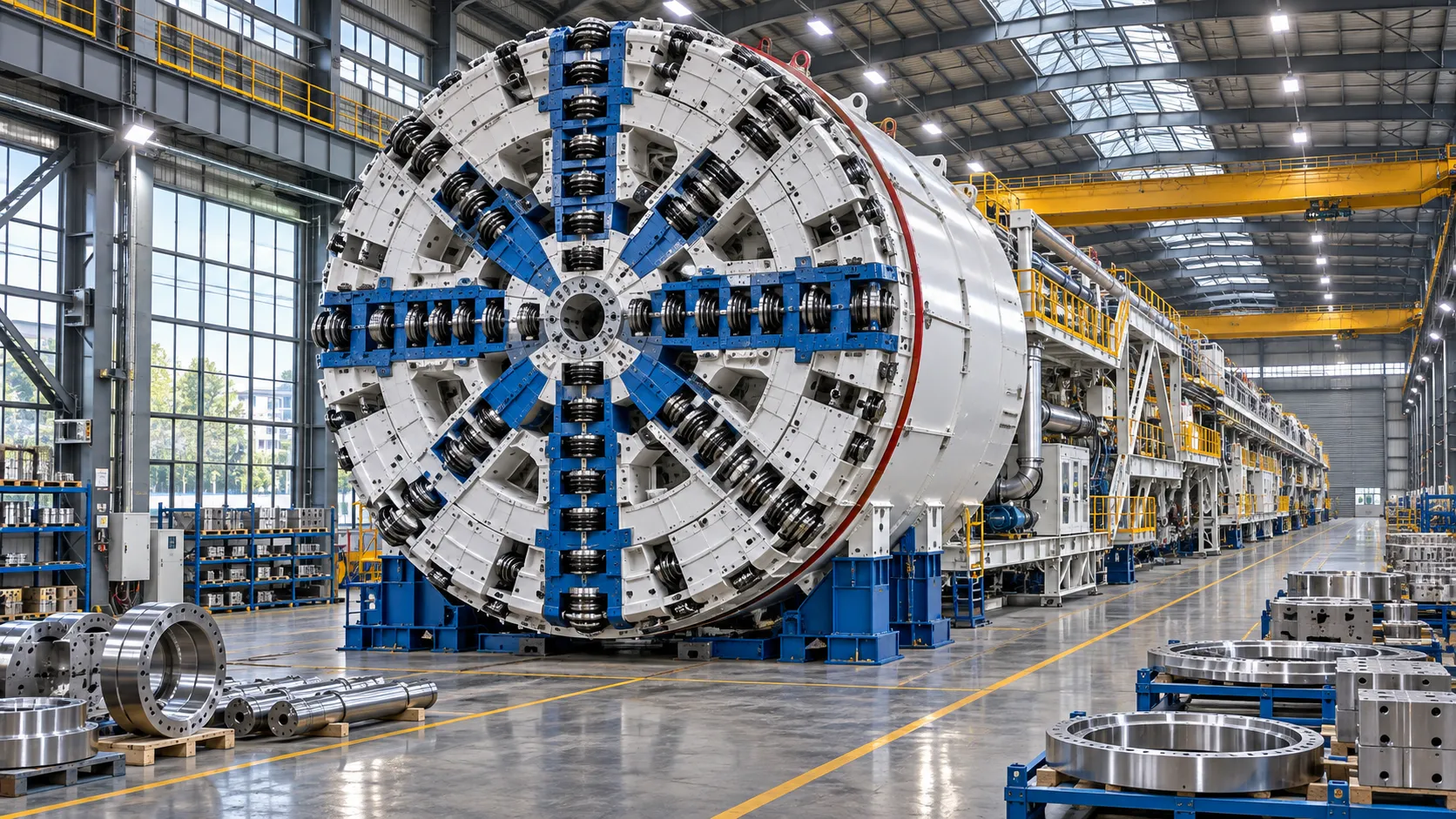
China Sets Tunnel Boring Machine Export Controls as India Pushes Local Production
China tunnel boring machine export controls could reshape procurement as India pushes local production. Explore potential supply and project impacts.
Choosing a Trenchless Pipeline Installation Contractor: Key Qualifications
Choose a trenchless pipeline installation contractor with confidence. Learn how to assess experience, equipment, safety, costs, and project risks before you hire.
Related News
- 00
0000-00
China's TBM Export Controls Prompt Infrastructure Concerns in India - 00
0000-00
How TBM Excavation Works in Rock and Soft Ground: A Practical Guide - 00
0000-00
Choosing a Zero-Emission Underground Equipment Supplier: What to Check - 00
0000-00
Construction Starts on Germany's Pfaffensteig Rail Tunnel, With Two TBMs Planned - 00
0000-00
How Real-Time Underground Mapping Systems Work in Tunneling
Weekly Insights
Stay ahead with our curated technology reports delivered every Monday.