Rock Mechanics for Mining: Assessing Ground Support for Deep, High-Stress Excavations





Rock Mechanics for Mining: Assessing Ground Support for Deep, High-Stress Excavations
Deep underground mines do not usually fail because a support drawing omitted one bolt or chose the wrong mesh gauge. More often, failure begins earlier: the rock mass was treated as more uniform than it really was, the stress field was assumed rather than verified, or the excavation sequence changed without revisiting the support assumptions. In a high-stress environment, those gaps can turn ordinary convergence into squeezing ground, strainbursting, slabbing, or an abrupt loss of confinement around a development heading.
Rock mechanics for mining is therefore not a design-office exercise completed before mobilization. It is a working decision process that links geological interpretation, in-situ stress, excavation geometry, blasting quality, support installation, monitoring, and daily production discipline. For a project leader, the practical question is not simply, “What support system should we install?” It is, “What failure mechanism are we controlling, how early can we see it changing, and what operational decision follows from that evidence?”
That distinction matters most as mines deepen, ore bodies become more structurally complex, and electrified or automated equipment places more high-value assets in confined headings. A battery-electric LHD, drilling jumbo, remote-controlled scaler, or underground haulage route can improve ventilation and operating efficiency, but none of those gains are available if ground conditions repeatedly close access, damage infrastructure, or force unplanned rehabilitation.
Start With the Ground Behaviour, Not the Support Catalogue
Ground support is often discussed in terms of components: resin bolts, cable bolts, friction bolts, mesh, straps, shotcrete, fibre-reinforced shotcrete, yielding elements, and arches. Those are tools. The design should begin with the likely mode of instability.
A shallow excavation in blocky rock may be dominated by structurally controlled wedges. A deep development drive in massive, competent rock may be exposed to stress-induced spalling or dynamic damage. Weak, altered, or foliated ground may squeeze gradually, loading the support over time and reducing clearance for vehicles. In some mines, these mechanisms overlap: a faulted contact creates locally weak ground while high horizontal stress drives brittle damage in the adjacent hard rock.
The support response changes with the mechanism. Wedge control relies on anchoring potentially unstable blocks and retaining broken material between reinforcement points. Brittle failure may call for confinement close to the face, robust surface support, and support elements able to retain damaged rock after slabbing. Squeezing ground requires deformation capacity; a stiff system that performs well in stable rock can become a liability if it fails before the rock mass reaches a new equilibrium.
This is why a rock mass classification alone should not be treated as a final support prescription. Systems such as RMR, Q, GSI, or mine-specific geotechnical domains can organize observations and help establish initial expectations. They do not replace structural mapping, core logging, stress interpretation, or direct observation of how a heading behaves after each advance. Classification is a starting language, not a guarantee.
The Four Inputs That Need to Agree
A defensible support decision normally sits at the intersection of four inputs: rock mass condition, stress environment, excavation design, and operating exposure. If one is missing, the design may still look tidy on paper while being fragile underground.
The practical value comes from reconciling these inputs before a heading reaches its most sensitive areas. A planned intersection near a major structure, for example, should not be managed with the same support and cycle assumptions as a routine development round. The geometry alone can concentrate stress; add damaged blast perimeter or a nearby stope abutment, and the support demand may change materially.
High Stress Changes the Meaning of “Good Rock”
One of the costliest misunderstandings in deep mining is equating strong intact rock with easy ground conditions. Competent rock can be highly susceptible to brittle stress damage. Near an excavation boundary, stress redistributes. Tangential stress may rise enough to cause cracking, slabbing, and progressive fallout even where the intact rock strength appears favourable in laboratory testing.
In these conditions, the engineering question shifts from “Can the bolt carry the block?” to “Can the support system contain a damaged and expanding shell of rock while the excavation redistributes load?” Surface support becomes especially important. Mesh and shotcrete do different jobs, and their performance depends heavily on installation quality, overlap, connection detail, adhesion, thickness control, and the condition of the rock surface before application. A support plan that treats them as interchangeable is likely to disappoint when deformation becomes significant.
Timing is also part of capacity. Installing support several metres behind the face may be acceptable in one domain and unacceptable in another. In burst-prone or rapidly deteriorating ground, the unsupported exposure length and time must be deliberately controlled. This affects the drill-and-blast cycle, jumbo availability, scaling practice, logistics, and crew handover. It is not just a geotechnical requirement; it is a production-planning requirement.
Support Design Must Consider Stiffness, Capacity, and Yield
A common temptation is to respond to difficult ground by adding more of everything: longer bolts, heavier mesh, thicker shotcrete, tighter spacing. That can be appropriate, but it is not automatically safer. More capacity does not solve a mismatch between the support’s deformation characteristics and the rock mass response.
Stiff support can restrain small displacements effectively and is often valuable where early confinement limits damage. Yet in squeezing ground, support needs enough ductility or yielding capacity to survive controlled convergence. If the system reaches its load limit too early, it may fail in a brittle manner and transfer load suddenly to adjacent support. Conversely, a yielding system used in a dynamic environment still needs reliable surface retention; allowing controlled movement is not the same as allowing loose rock to enter a travelway.
Project teams should also separate primary support from long-term support. A temporary development excavation may tolerate a different deformation profile than a permanent crusher chamber, shaft station, electrical substation, refuge chamber, or main haulage intersection. Service life, maintenance access, corrosion environment, water inflow, and future mining-induced stress changes all influence the choice. A support system selected purely on installation speed can create a rehabilitation burden that is much more disruptive later.
Monitoring Is Useful Only When It Changes a Decision
Instrumentation is sometimes installed because a risk register requires it, then reviewed after a problem is already obvious. That misses the point. Monitoring should answer a defined operating question: Is convergence accelerating? Is the damaged zone deepening? Are bolts loading as expected? Has a seismic event changed the condition of a critical access? Is a yielding support element approaching its usable travel?
Convergence stations, extensometers, stress cells, bolt load monitoring, laser scanning, face mapping, and seismic data can all contribute, but the right mix depends on the failure mechanism and the consequence of failure. A regular scan of a busy haulage drift may reveal progressive profile loss that routine visual inspections miss. In a high-stress development panel, face condition, overbreak, audible cracking, support distress, and seismic observations may together provide a more useful warning picture than any single reading.
For project management, the essential step is setting trigger-action-response rules before the readings arrive. A trigger without an owner, response time, and authority to slow or stop work is merely a number in a database. The response might involve reduced round length, additional face support, a revised blast pattern, exclusion zones, secondary reinforcement, or a formal geotechnical review. The action should be proportionate, documented, and practical for the shift team.
Excavation Method and Ground Support Cannot Be Separated
Ground conditions are affected by how the opening is created. In drill-and-blast development, poor perimeter control can leave a fractured excavation boundary that requires support to manage damage created by the cycle itself. Blast design, hole accuracy, charging practice, and scaling quality therefore belong in the ground-control conversation. A modern drilling jumbo improves repeatability, but it does not remove the need for verification of collar position, hole deviation, perimeter outcomes, and actual installed bolt length.
Mechanized excavation has a different profile. TBM-driven tunnels may reduce blast damage, but they can encounter changing stress conditions, cutterhead-induced disturbance, overbreak in fractured zones, and complex support logistics behind the machine. The support strategy must fit the machine’s advance cycle and available working space. Delaying support because installation conflicts with production can be a false economy where the rock mass begins to unravel behind the shield or in the unsupported zone.
This interface is increasingly relevant as underground mines automate. Remote LHD operations, 5G-connected fleet systems, and battery swapping can reduce personnel exposure in active headings, but they also raise the importance of stable dimensions, clear sightlines, reliable services, and predictable access. Rock mechanics decisions influence whether these systems remain available through the life of the mine rather than becoming stranded by recurring closure and rehabilitation work.
What Project Leaders Should Challenge Before Approving a Plan
A support drawing should be challenged constructively, particularly where it is being carried from one geotechnical domain into another. The most useful review questions are rarely about whether every element has a label. They are about uncertainty and execution:
- What evidence supports the assumed failure mechanism, and what observations would prove that assumption wrong?
- Are stress changes from nearby extraction, pillar geometry, or future sequencing included, rather than only virgin stress conditions?
- Can the specified support be installed consistently with the available jumbo, bolter, shotcrete equipment, access height, and cycle time?
- Where will quality checks occur: bolt installation, grout or resin performance, mesh connections, shotcrete preparation, and profile compliance?
- What is the contingency when the heading encounters a fault, excessive overbreak, rapid convergence, or support distress?
The last question is especially revealing. A plan without a practical contingency often assumes geology will behave. Deep mines do not reward that assumption. Holding a small stock of alternate support consumables, defining escalation routes, and allowing schedule space for geological variability can prevent a local ground-control problem from becoming a major critical-path event.
A Living Ground-Control System Is the Safer Investment
The strongest application of rock mechanics for mining is a feedback loop: investigate before excavation, observe during advance, compare actual performance with the design assumptions, and adjust support or sequence before conditions deteriorate. It requires geologists, geotechnical engineers, mine planners, operations supervisors, and equipment teams to work from the same current ground model rather than separate reports.
For organisations following deep mining, mechanized tunnelling, and smart underground transport, this link is becoming more visible. Information on cutter wear in hard rock, drilling accuracy, automated mapping, haulage availability, and electrified fleet deployment is not separate from ground control. Each affects exposure time, excavation quality, access reliability, and the ability to respond when the rock mass does something unexpected.
A credible support strategy is not the heaviest one on the drawing. It is the one that matches the actual ground behaviour, can be installed and verified every shift, and has clear triggers for change. In deep, high-stress excavations, that discipline is what keeps a technically ambitious mine moving without asking people or equipment to operate beneath an untested assumption.
Related News
How to Evaluate European Drill-and-Blast Tunnelling Contractors for Complex Projects
Drill and blast tunnelling contractors Europe: learn how to assess geology expertise, blast control, equipment reliability, safety, and programme resilience for complex projects.
Which Trenchless Construction Technique Fits Your Utility Crossing Conditions?
Trenchless construction techniques compared for utility crossings: choose HDD, microtunnelling, pipe jacking, or auger boring based on ground, accuracy, access, and risk.
What Is Driving Metro Tunnelling Demand Across Southeast Asia’s Major Cities?
Metro tunnelling Southeast Asia is accelerating as major cities tackle congestion, flooding, and connectivity. Explore the market forces, technical risks, and opportunities shaping demand.
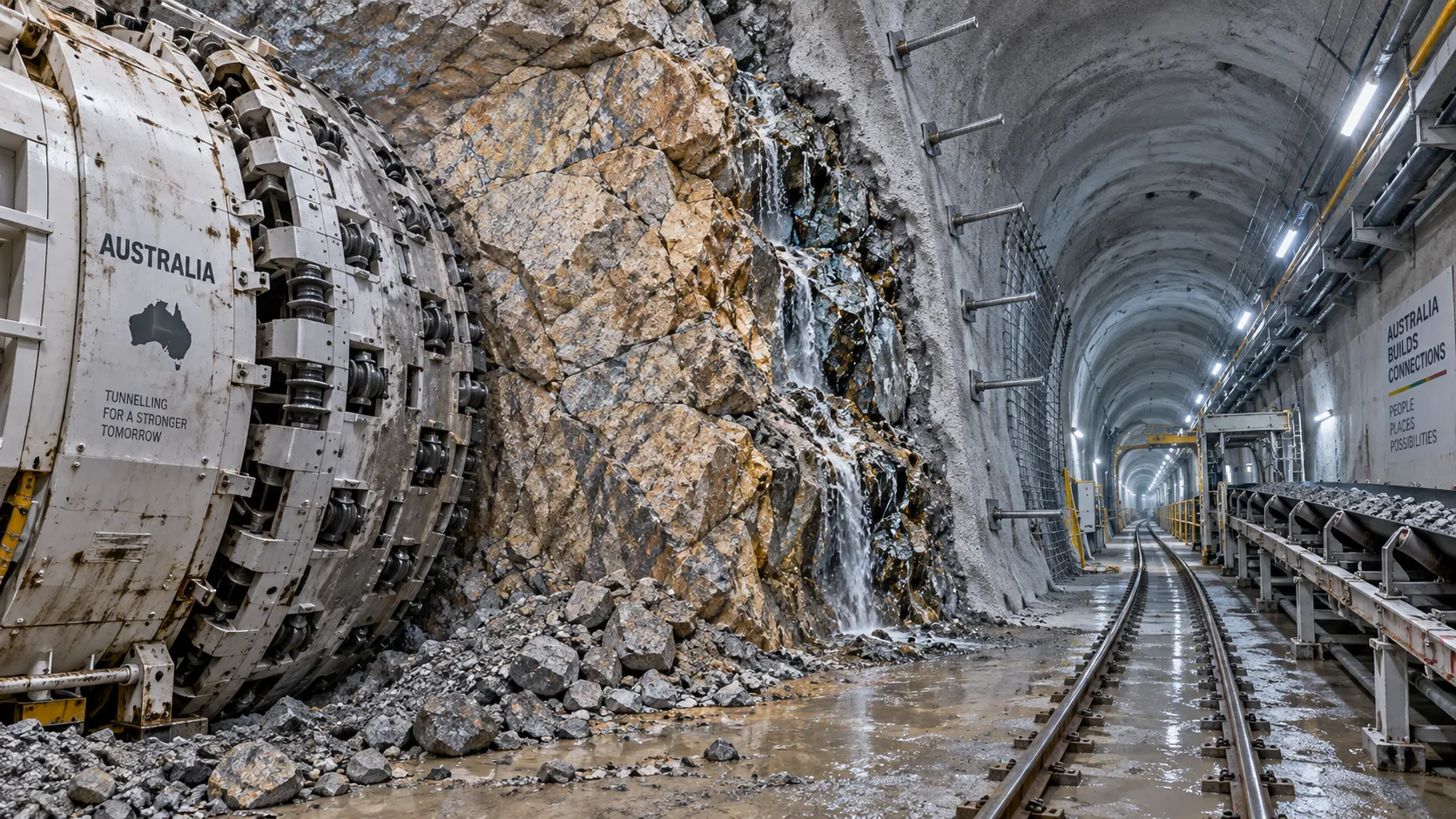
Hard Rock Tunnelling in Australia: Selecting Methods for Variable Ground Conditions
Hard rock tunnelling in Australia: compare TBM, drill-and-blast and hybrid methods to manage variable ground, reduce risk and protect project costs.
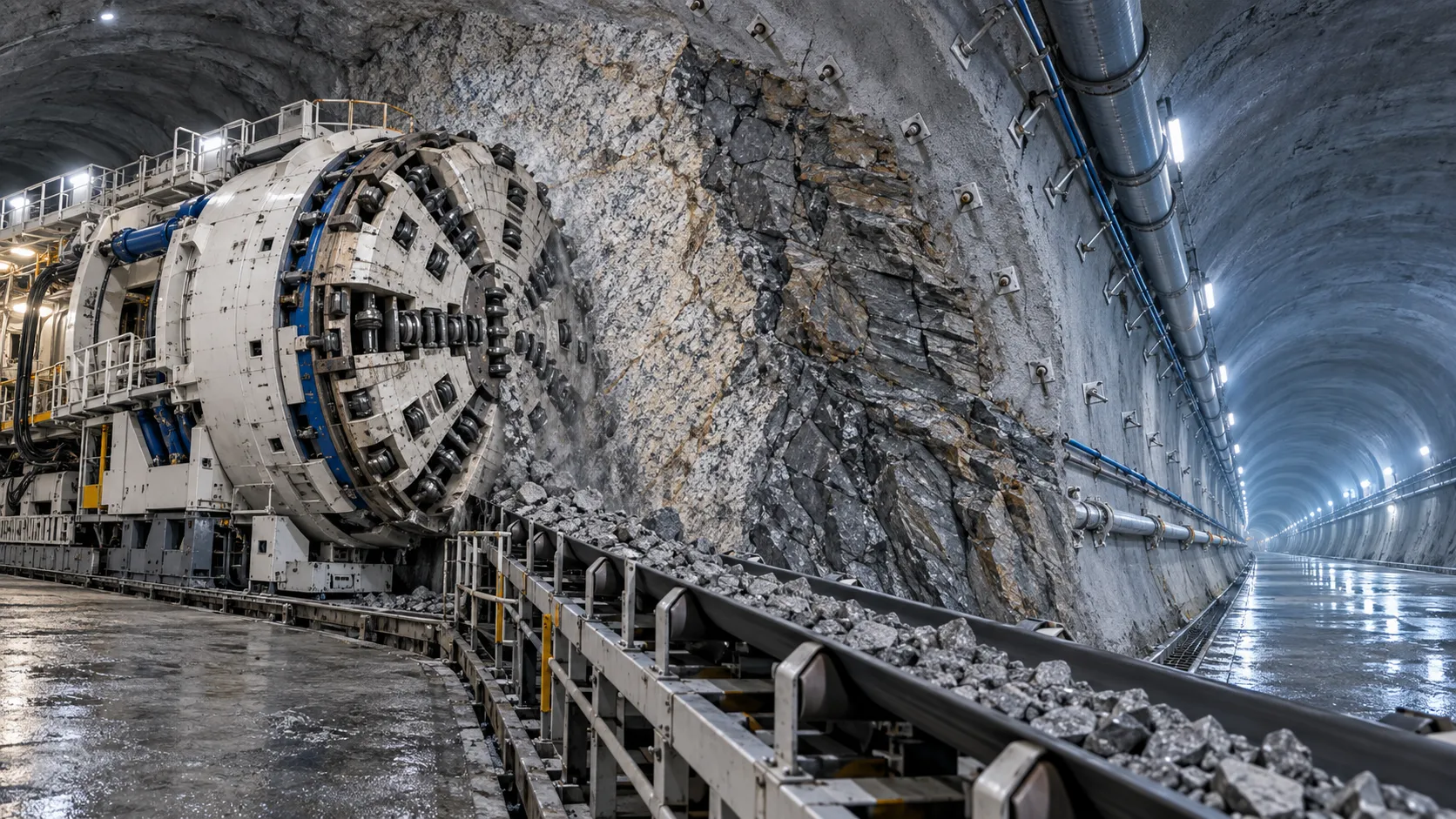
Hydropower Tunnel Excavation: Selecting Methods for Variable Rock Conditions
Hydropower tunnel excavation methods for variable rock conditions: compare TBM, drill-and-blast, and hybrid strategies to improve safety, progress, and project control.
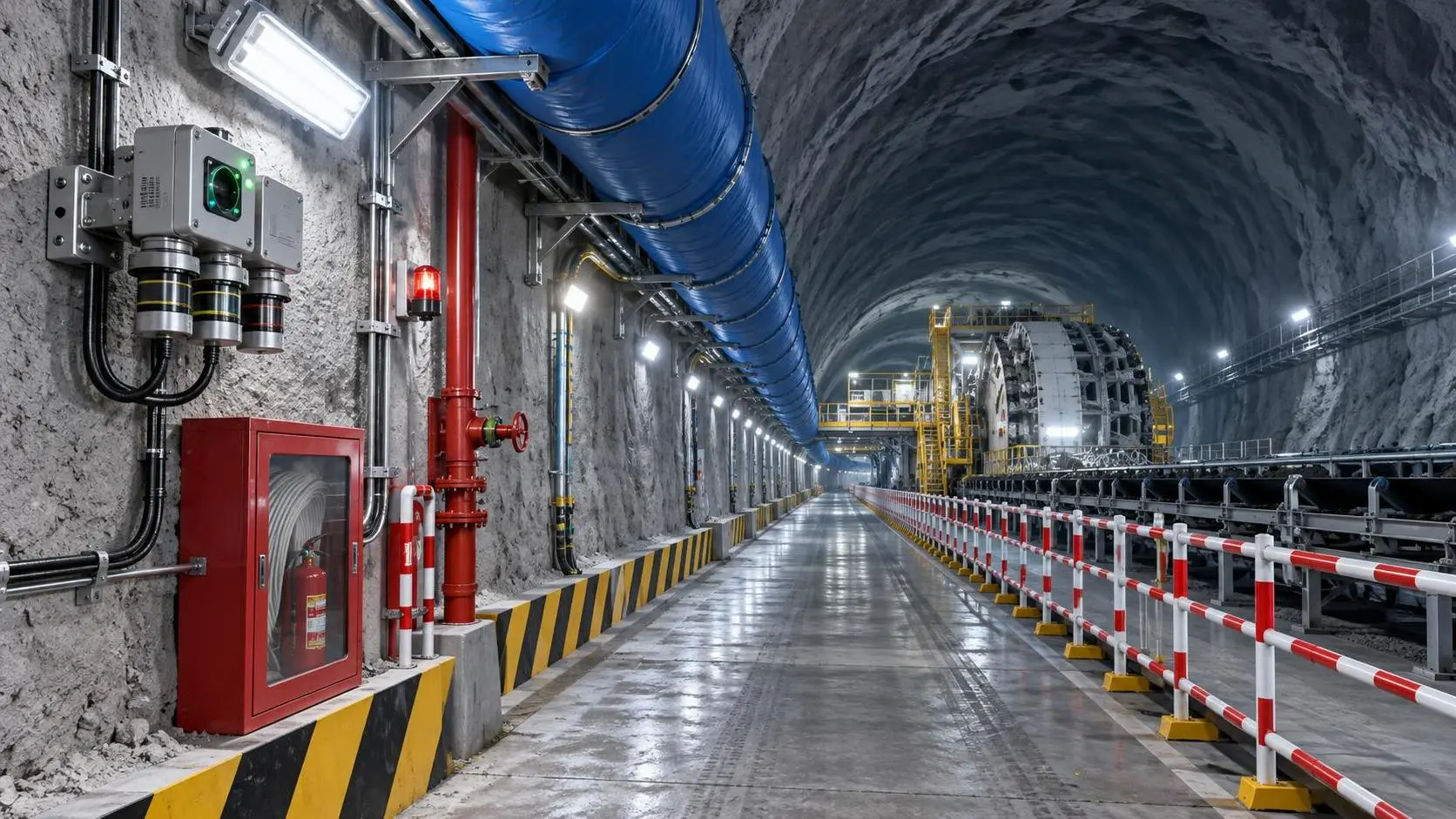
How to Select Underground Safety Equipment for Tunnelling by Hazard and Work Zone
Underground Safety Equipment for tunnelling: match protection to hazards, work zones, compliance, and emergency needs with this practical selection guide.
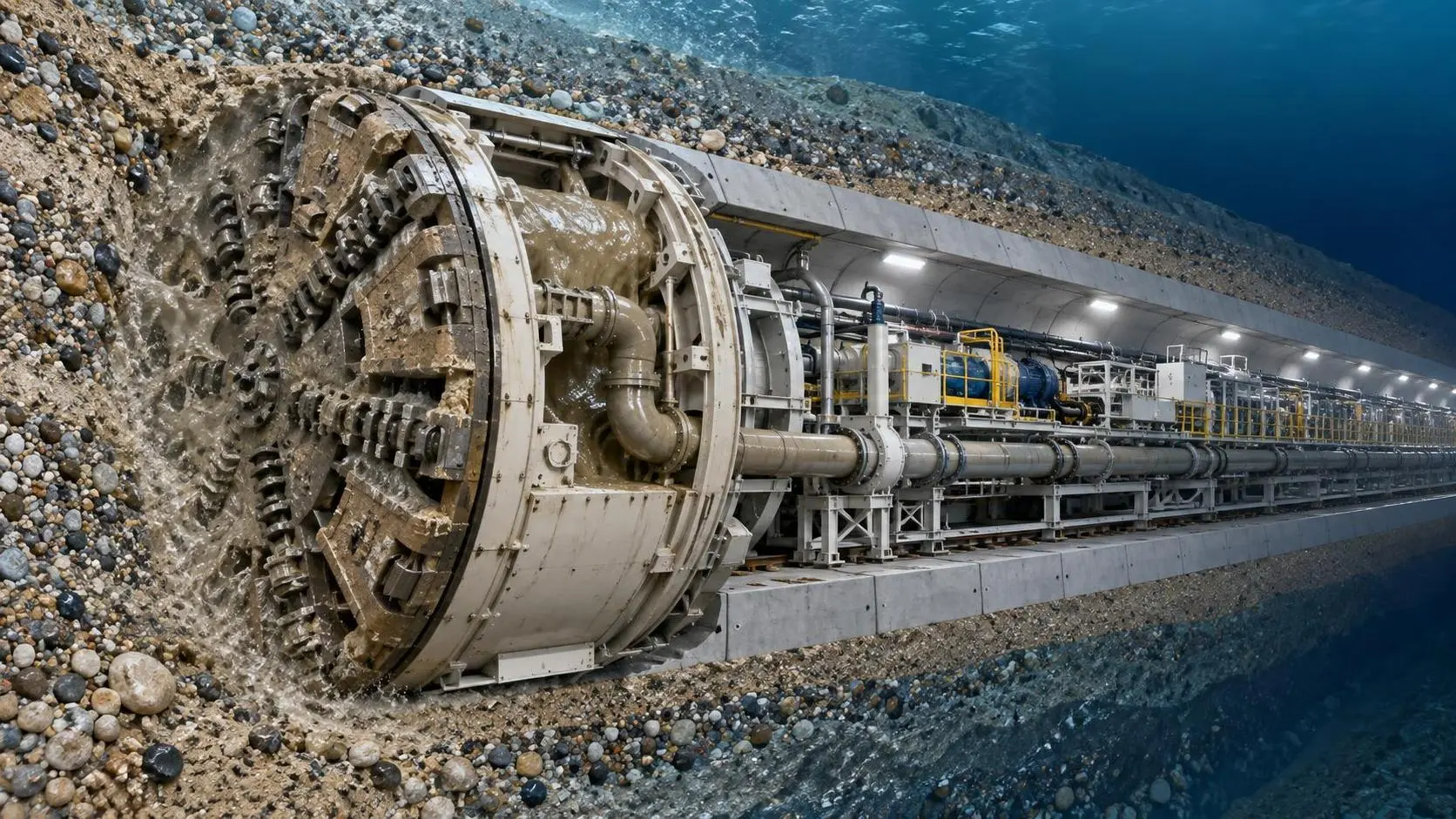
EPB or Slurry Shield? Selecting Soft-Ground Tunnelling Equipment by Soil Conditions
Tunnel Excavation Equipment for soft ground: compare EPB and slurry shields by soil, groundwater, settlement risk, and project logistics to choose confidently.
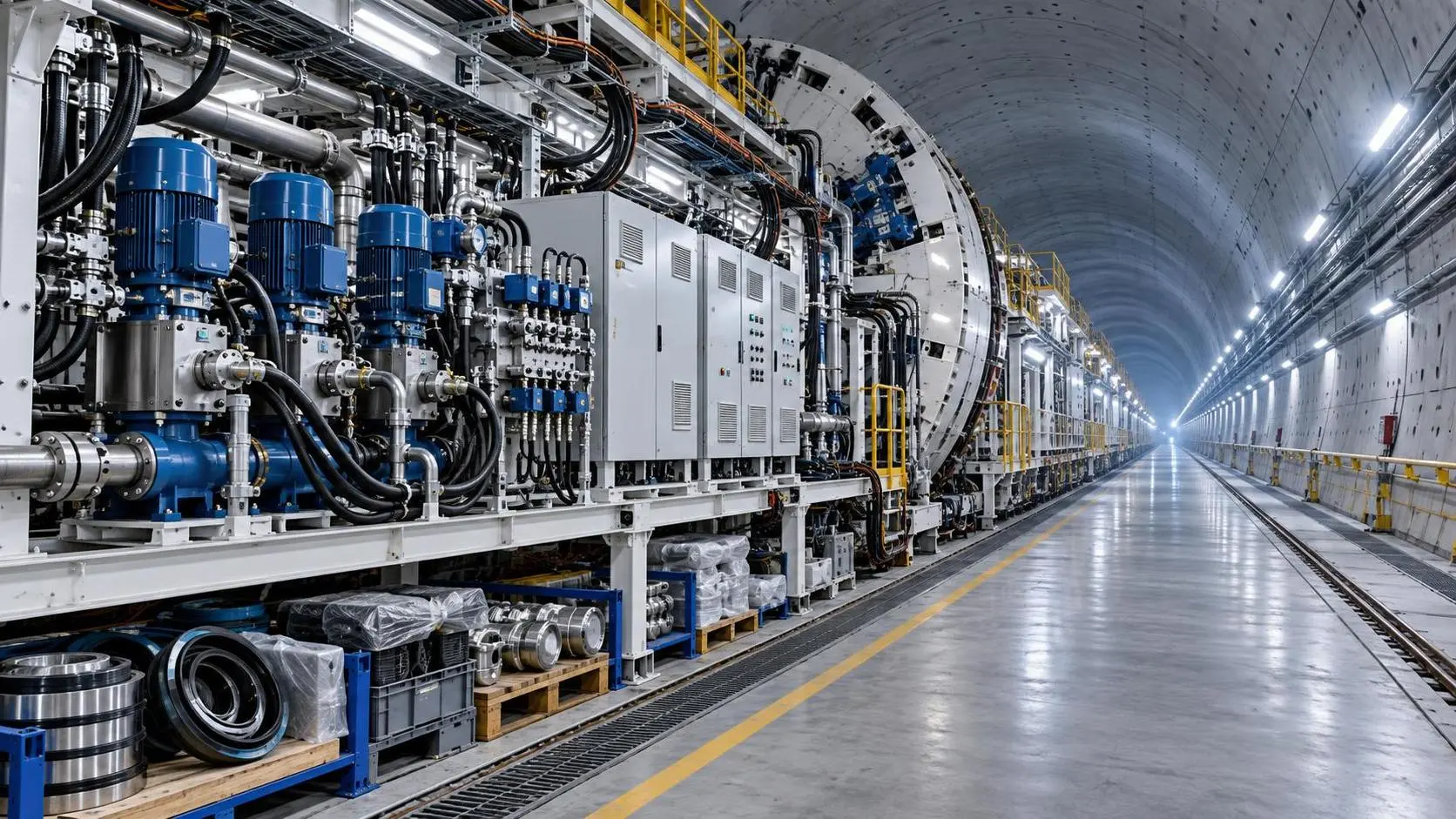
How to Specify TBM Backup System Parts for Reliable Long-Distance Tunnelling
TBM backup system parts: learn how to specify reliable spares for long-distance tunnelling, reduce downtime, ensure compatibility, and speed underground recovery.
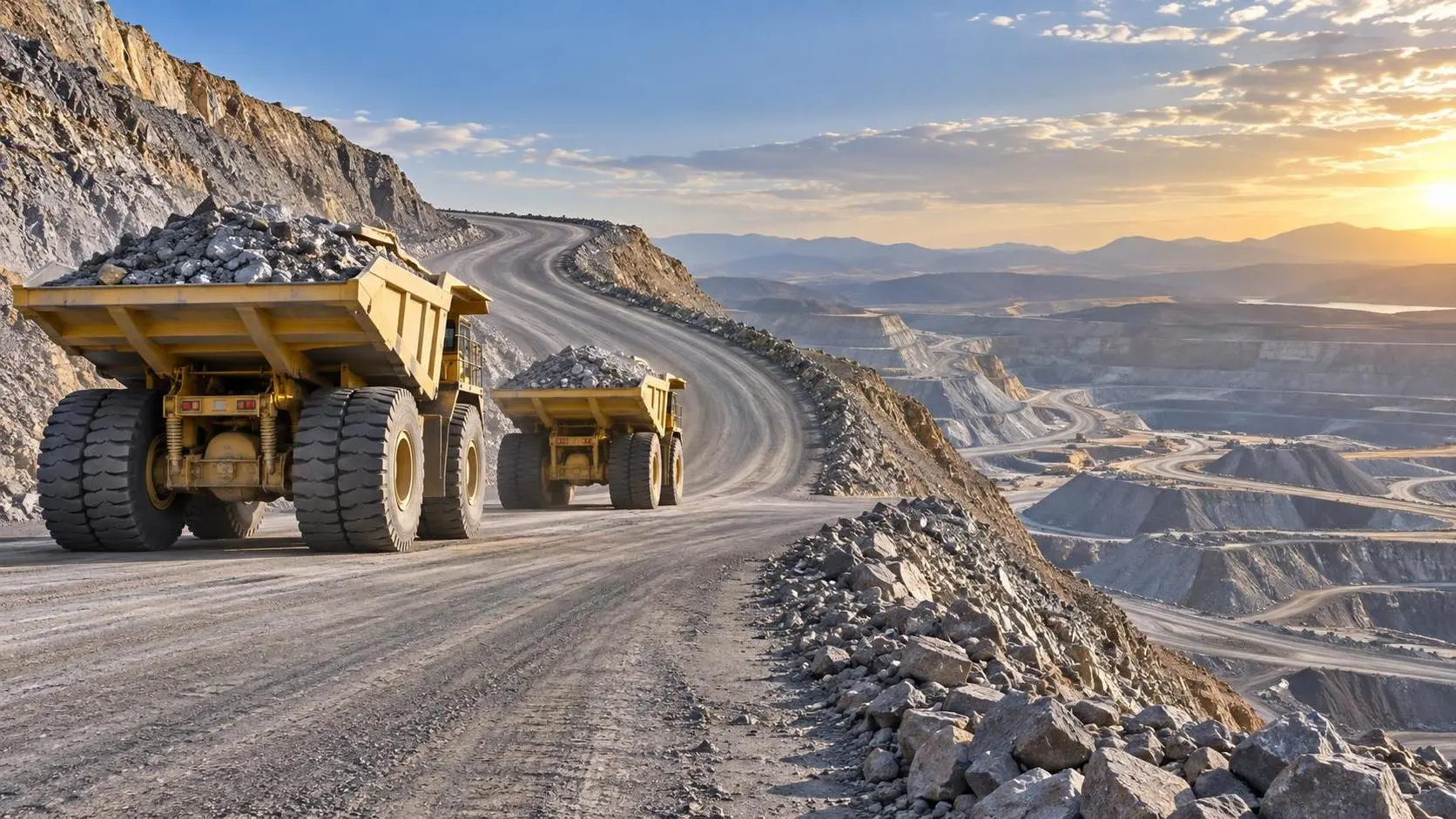
How to Size Open Pit Mining Trucks for Haul Distance, Grade, and Payload?
Open Pit Mining Trucks: learn how to match payload, haul distance, grade, road resistance, and loading capacity for safer, lower-cost mine operations.
Related News
- 00
0000-00
How to Evaluate European Drill-and-Blast Tunnelling Contractors for Complex Projects - 00
0000-00
Which Trenchless Construction Technique Fits Your Utility Crossing Conditions? - 00
0000-00
What Is Driving Metro Tunnelling Demand Across Southeast Asia’s Major Cities? - 00
0000-00
Hard Rock Tunnelling in Australia: Selecting Methods for Variable Ground Conditions - 00
0000-00
Hydropower Tunnel Excavation: Selecting Methods for Variable Rock Conditions
Weekly Insights
Stay ahead with our curated technology reports delivered every Monday.