Underground Drilling for Mining: Selecting Methods for Rock Conditions and Mine Layout





Underground drilling for mining should be selected as a mine-development system rather than as an isolated equipment purchase. The drilling method determines how accurately headings advance, how well blast rounds pull, whether ground support can keep pace with exposure, and how much rework is created when the excavation profile departs from design.
The central decision is not simply whether the rock is “hard” or “soft.” A competent rock mass can still be difficult to drill efficiently because of abrasiveness, stress-induced fracturing, water inflow, or poor access for long-hole equipment. Conversely, a weaker formation may allow fast penetration but demand stricter control of perimeter damage and immediate support. Mine layout matters just as much: a method that works well in a wide, straight decline may become inefficient or unsafe in narrow-vein stopes, short-radius turns, or headings with limited ventilation and mucking space.
Start with the excavation objective, not the drill rig
Different underground activities impose different drilling requirements. Development headings require a repeatable blast pattern, reliable face coverage, rapid re-entry after blasting, and integration with bolting, scaling, ventilation, and muck removal. Production drilling requires hole accuracy over much greater lengths, controlled deviation, and a pattern that supports the selected stoping method. Ground support drilling has a separate priority: it must reach the required anchorage horizon without damaging already fractured rock around the opening.
Confusing these objectives is a frequent source of poor selection. A powerful long-hole rig is not a substitute for a development jumbo, and a standard two-boom jumbo may not provide the accuracy or hole depth required for production rings. The project question should be framed in operational terms:
- Is the immediate need advance development, ore production, rehabilitation, or support installation?
- What opening dimensions, gradients, turning radii, and service clearances constrain machine access?
- What level of profile control is required to protect installed support and limit overbreak?
- Can drilling, charging, bolting, and mucking be sequenced without creating idle time between crews?
Only after these conditions are clear does equipment configuration become meaningful. Underground drilling for mining is often assessed through penetration rate, but project performance is governed by metres advanced or tonnes recovered per complete cycle. A rig that drills rapidly but produces poor collaring, inaccurate holes, or unreliable availability can lengthen the total cycle rather than shorten it.
Rock conditions influence more than penetration rate
Rock strength is relevant, but it is only one part of the drilling environment. Uniaxial compressive strength may indicate the force and impact energy required, yet it does not describe fracture orientation, quartz content, weathered zones, swelling clay, stress damage, or the stability of the collar area. These factors affect tool consumption, hole cleaning, drill steel life, blast performance, and the amount of scaling required after each round.
In massive, competent hard rock, hydraulic top-hammer drilling is commonly suitable for development drilling because it can provide high drilling intensity and flexible boom positioning. Its effectiveness depends on selecting the correct feed force, impact energy, flushing arrangement, drill steel, and bit design. Excessive feed pressure can increase steel bending and bit wear; insufficient feed can reduce energy transfer and lower penetration. In abrasive formations, consumable cost and changeout frequency deserve the same attention as nominal drilling speed.
Highly jointed or blocky ground presents a different problem. The drill may advance quickly through open fractures, but the hole can wander, collapse, or lose flushing efficiency. Blast holes drilled into varying confinement conditions may produce uneven fragmentation and perimeter damage. Where the rock mass is already disturbed, tighter control of burden, spacing, charge distribution, and perimeter drilling can be more valuable than pursuing the maximum drilling rate.
Weak, friable, or water-bearing formations may require casing systems, modified flushing media, shorter unsupported drill intervals, or a change in excavation sequence. Water is not merely a drilling nuisance. It can affect hole stability, degrade collar conditions, interfere with pneumatic or hydraulic components if maintenance is inadequate, and complicate explosive loading. If groundwater is expected, drilling selection must be linked to dewatering capacity, water-treatment requirements, and the ability to maintain safe electrical and traffic conditions in the heading.
Match the drilling method to the mine geometry
Mine layout directly determines whether a drilling system can work at its intended productivity. The critical constraints are often physical rather than geological: heading width, crown height, gradients, crosscut frequency, turning radius, refuge arrangements, cable or hose management, and the space available for support installation behind the face.
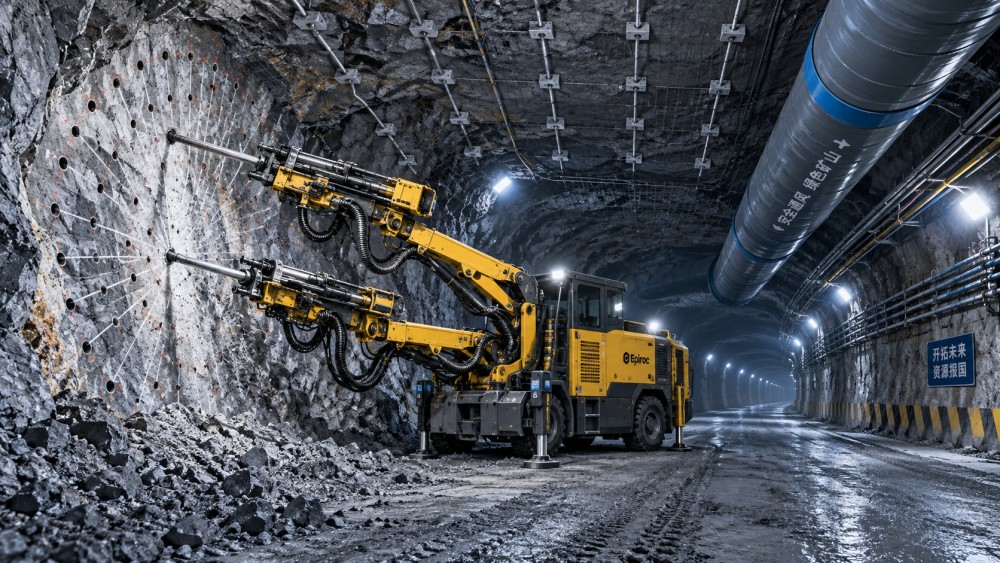
Face drilling with hydraulic jumbos is generally suited to drill-and-blast development where the rig must cover a full face, drill cut holes and perimeter holes accurately, and often install rock bolts. One-boom machines can fit constrained headings and provide flexibility in smaller development works. Two-boom or multi-boom jumbos can reduce drilling time in larger headings, but their advantage disappears if the heading cannot accommodate simultaneous boom movement, if charging remains the bottleneck, or if mucking equipment blocks access to the face.
Long-hole production drilling is selected where the mine plan requires parallel or fan-shaped rings for sublevel stoping, longhole open stoping, or related methods. Here, hole deviation becomes a primary economic variable. A hole that drifts from its planned path can leave ore behind, increase dilution, compromise pillar geometry, or create poor blast interaction between rings. Rig selection should therefore consider feed length, rod handling, navigation capability, drill string stiffness, hole diameter range, and the ability to maintain collar accuracy in the available drill bay.
Down-the-hole drilling may be considered where deeper, straighter holes or larger diameters are required and where the mine layout permits the associated equipment and air supply. The method can offer advantages in certain production and raise-related applications, but compressed-air demand, ventilation impact, noise exposure, and space requirements must be evaluated against the mine’s infrastructure limits. It should not be chosen solely because it performs well in a surface application or in a different underground geometry.
Raise boring is appropriate for planned vertical or inclined excavations such as ventilation raises, ore passes, and service raises when upper and lower access can be established. It offers a controlled alternative to conventional raise development in suitable conditions, but it introduces strict requirements for pilot-hole accuracy, machine foundation, access preparation, cutter inspection, and management of breakthrough. Its project value depends on the overall schedule and layout, not only on the metre cost of the raise itself.
Bolting and cable-bolting rigs should be assessed separately from production drilling even where a jumbo can perform secondary bolting tasks. Long-term excavation stability may require dedicated equipment capable of drilling, resin or grout handling, mesh installation, and support placement at the required pattern density. The decisive issue is whether support installation can keep up with exposure created by development blasting.
Drilling accuracy is a mine-planning variable
Accuracy affects far more than the neatness of a drilled pattern. In development, poor alignment of cut holes can prevent the intended void from forming, leaving a hard toe or an incomplete pull. In contour holes, incorrect angle or burden can increase overbreak, enlarge the support envelope, and create uneven surfaces that complicate ventilation ducting, services, and mobile-equipment clearance.
In production drilling, deviation accumulates with hole length. The consequences are particularly serious in narrow ore zones or where dilution limits are tight. If holes converge, diverge, or drift into waste, the planned blast design no longer represents the rock that will actually be broken. The resulting costs may appear later as lower grade control, additional secondary breaking, unstable brows, or unplanned rehabilitation.
This is why digital positioning and drill-plan management deserve evaluation as operational controls, not as optional automation features. The useful question is whether the system can transfer surveyed plans to the rig, guide collar placement and hole orientation, record actual drilling data, and return usable information to engineering teams. A digital system has limited value if survey control is weak, drill plans are not updated after geological changes, or operators cannot use the data without interrupting the cycle.
Do not evaluate drilling capacity without the full cycle
A development schedule can be constrained by any stage between face preparation and re-entry. Faster drilling does not automatically increase advance if charging crews wait for access, blast clearance periods are fixed, ventilation recovery is slow, or ground support takes longer because the profile is damaged. The relevant measure is cycle balance.
Before selecting equipment, map the expected sequence: scaling, face marking, drilling, charging, blasting, ventilation, inspection, mucking, support, service extension, and preparation for the next round. Identify which activity governs the cycle under normal conditions and which one becomes critical in poor ground. This exercise often changes the preferred drilling configuration. For example, a larger jumbo may reduce drilling time but create congestion if it cannot clear the heading before charging starts. A smaller, more manoeuvrable rig may provide better daily advance when heading access is restricted.
Equipment availability must also be treated as a schedule issue. Underground conditions accelerate wear on hoses, electrical connections, feed components, boom joints, drill steel, and flushing systems. Selection should consider workshop access, component commonality across the fleet, diagnostic capability, local technical support, spare-parts lead times, and the mine’s ability to maintain the chosen system. A technically capable rig with limited serviceability can become a critical-path risk.
Ground support cannot be separated from drilling selection
Blast damage and support demand are linked. Aggressive drilling and blasting may increase short-term advance but leave a rougher excavation contour, more loose rock, and greater support consumption. In high-stress or fractured ground, this can expose personnel to additional scaling work and slow the entire development cycle.
Perimeter control should therefore be included in the method decision. Smooth blasting, trim blasting, or other controlled perimeter practices depend on accurate drilling, suitable hole spacing, and disciplined charging. The right level of control varies by opening purpose. A temporary ore drive may tolerate a different profile standard from a permanent decline, a ventilation connection, or an infrastructure chamber intended to operate for years.
Where rock mass conditions change rapidly, the drilling plan needs a defined process for adjustment. Geotechnical observations at the face, probe drilling where required, mapping of structures, and monitoring of overbreak should inform changes to round length, support timing, bolt pattern, and blast design. A fixed drilling pattern applied indiscriminately across variable ground creates avoidable instability and cost.
Electrification and automation change the selection boundary
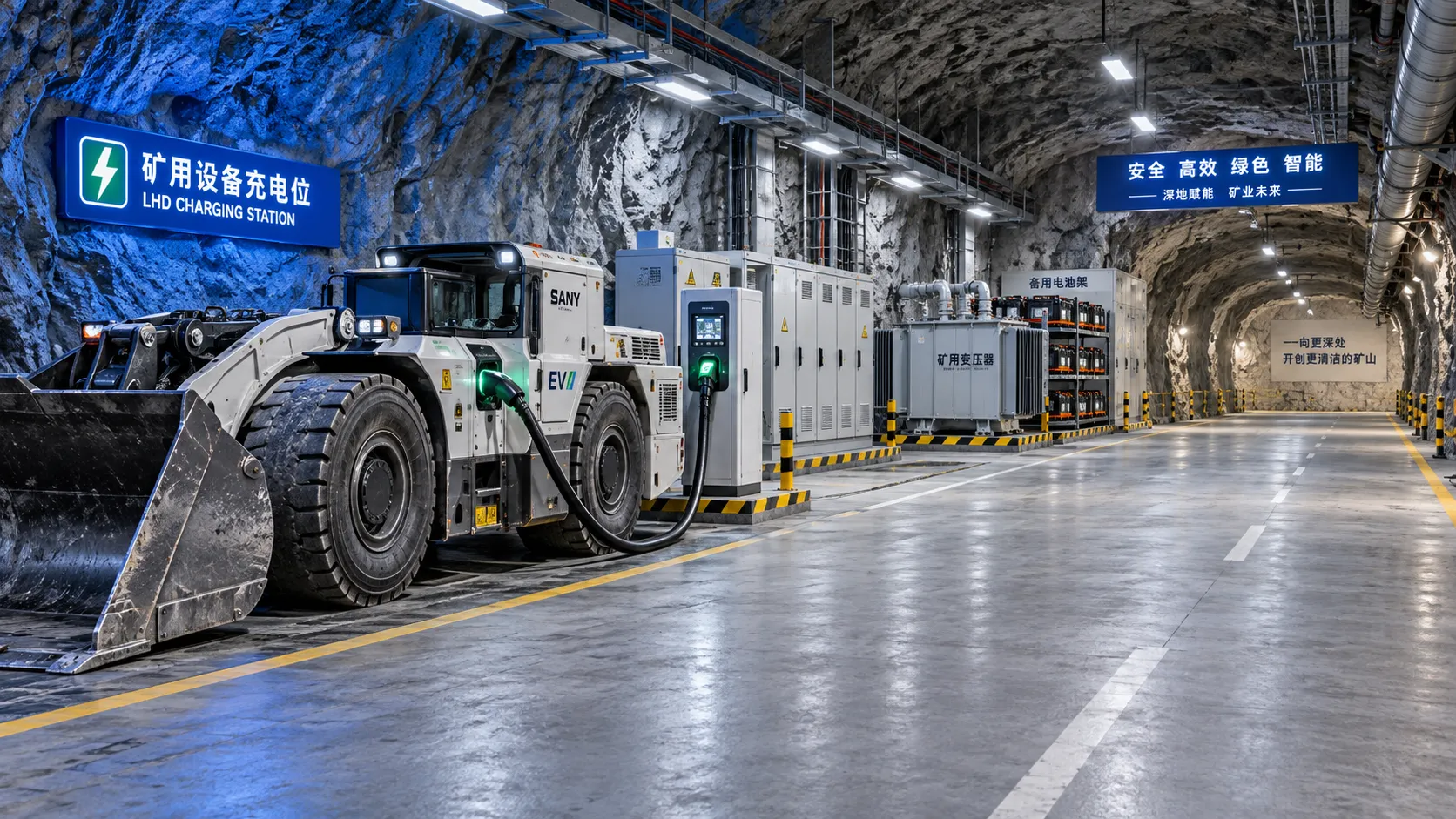
Battery-electric drilling equipment can reduce diesel exhaust exposure and heat load in confined workings, but its value depends on charging strategy, electrical distribution, battery exchange or charging time, and the ability to maintain production during energy replenishment. The decision should include ventilation planning, not assume that reduced diesel emissions automatically eliminate ventilation constraints. Blasting fumes, dust, heat from other equipment, and air-quality requirements remain part of the underground system.
Automation and remote operation can improve drilling consistency and remove personnel from some exposure zones, particularly during repetitive production drilling. Their practical benefit depends on communications coverage, survey quality, maintenance discipline, operator training, and procedures for dealing with abnormal ground conditions. Automation does not remove the need for face inspection, geological interpretation, or accountable blast design.
A defensible selection decision
The strongest method selection connects rock data, mine geometry, drill-and-blast design, support requirements, and cycle scheduling in one decision record. It should state the expected rock-mass range rather than relying on a single strength value; define the physical limits of each work area; identify the required hole types, diameters, depths, and tolerances; and test the method against ventilation, power, water, maintenance, and traffic constraints.
It should also distinguish between the conditions assumed in the mine plan and the conditions that would trigger a change. Examples include a rise in water inflow, a transition into highly abrasive rock, repeated hole deviation beyond acceptable limits, an increase in overbreak, or support installation falling behind advance. These trigger points turn underground drilling for mining from a one-time procurement decision into a controlled operating strategy.
The preferred method is rarely the one with the highest isolated drilling rate. It is the method that can repeatedly deliver the required excavation geometry, fragmentation, support quality, and production sequence within the actual limits of the mine. Where those conditions are understood before equipment is committed, drilling becomes a source of schedule control rather than a recurring cause of development delay.
Related News
Underground Mine Electrification: How to Size Battery Fleets and Charging Capacity
Mining electrification for underground mines: learn how to size battery fleets, chargers, and power capacity to prevent queues, peak-load issues, and production downtime.
How to Evaluate European Drill-and-Blast Tunnelling Contractors for Complex Projects
Drill and blast tunnelling contractors Europe: learn how to assess geology expertise, blast control, equipment reliability, safety, and programme resilience for complex projects.
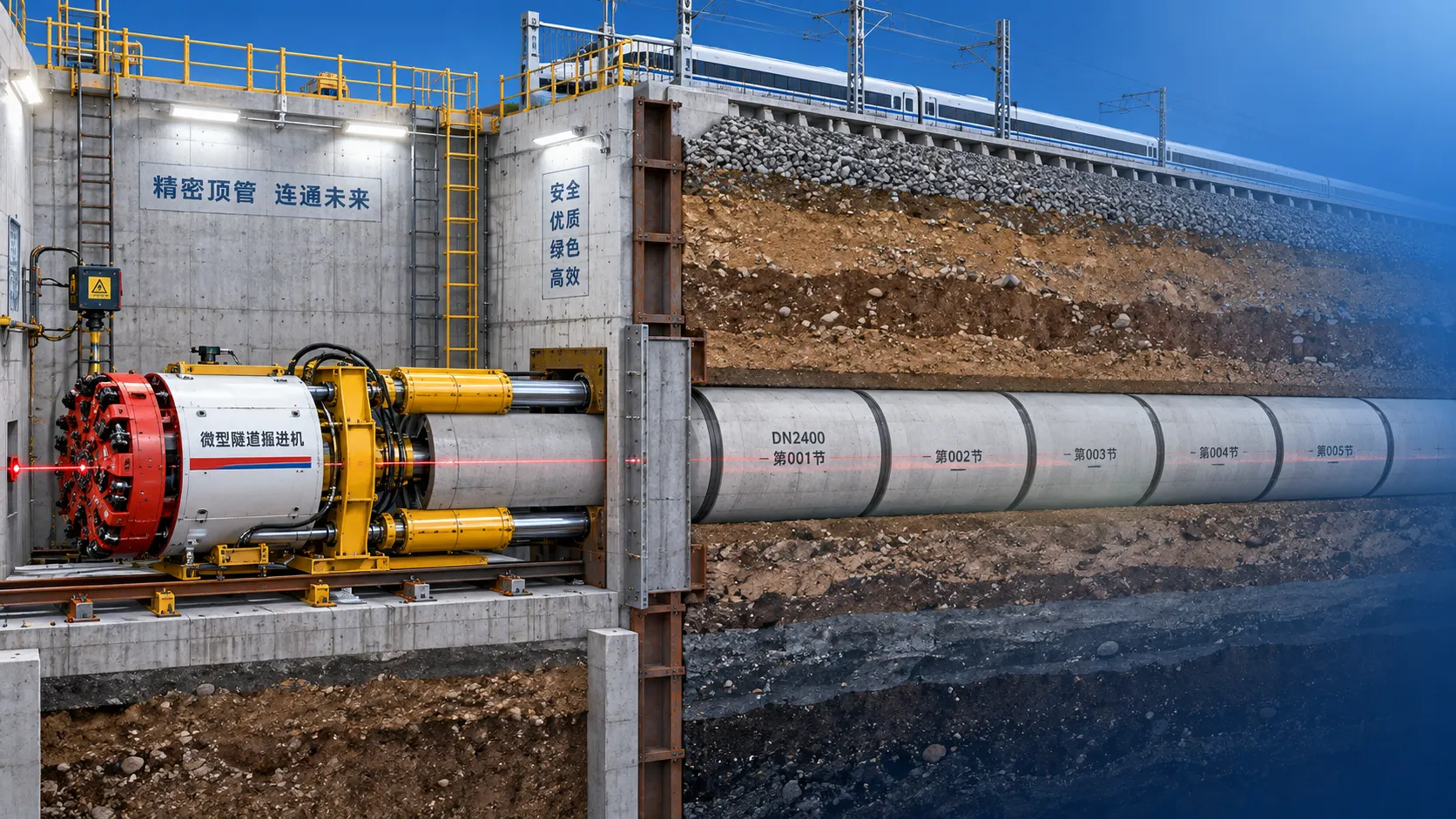
Which Trenchless Construction Technique Fits Your Utility Crossing Conditions?
Trenchless construction techniques compared for utility crossings: choose HDD, microtunnelling, pipe jacking, or auger boring based on ground, accuracy, access, and risk.
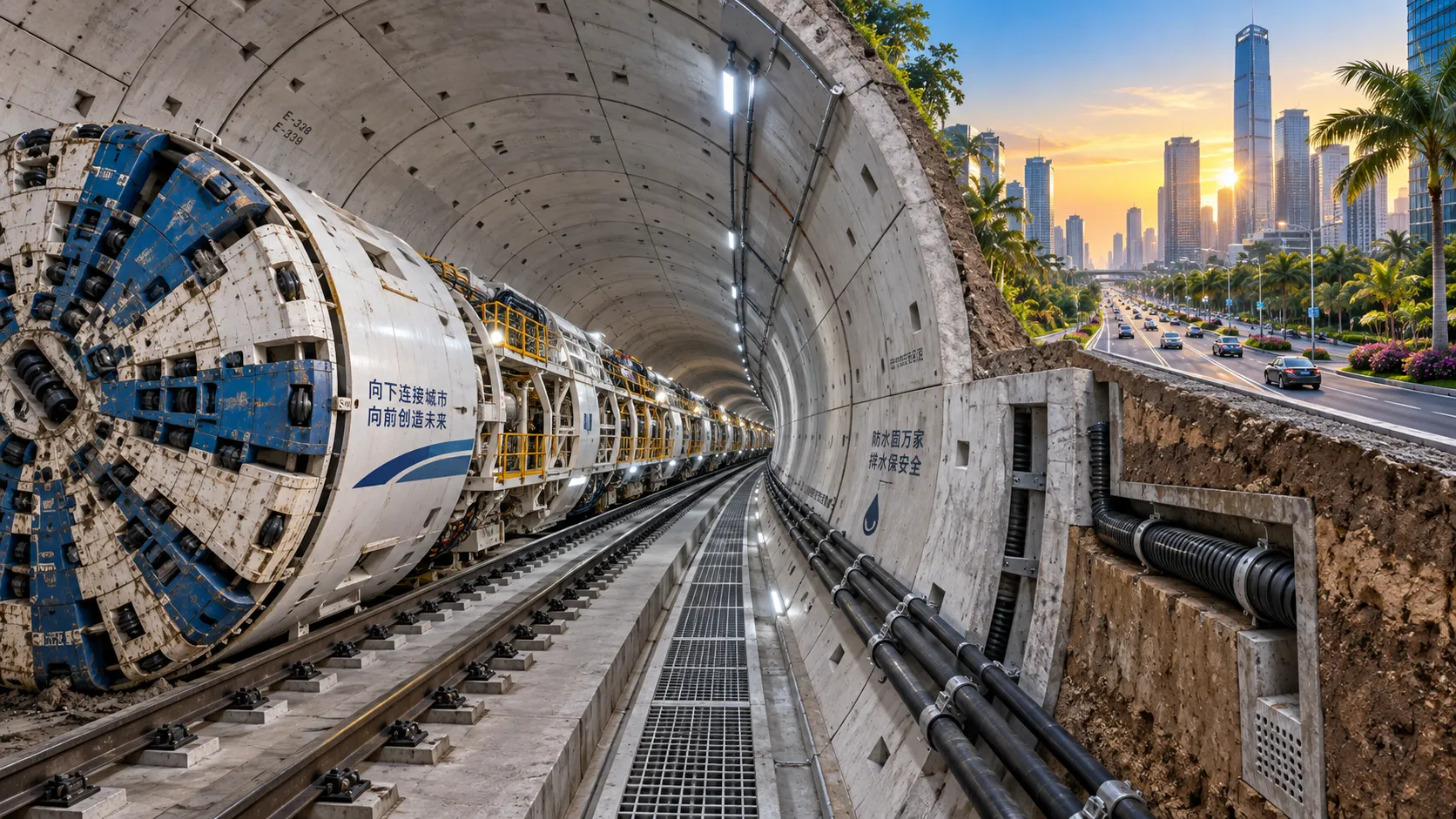
What Is Driving Metro Tunnelling Demand Across Southeast Asia’s Major Cities?
Metro tunnelling Southeast Asia is accelerating as major cities tackle congestion, flooding, and connectivity. Explore the market forces, technical risks, and opportunities shaping demand.
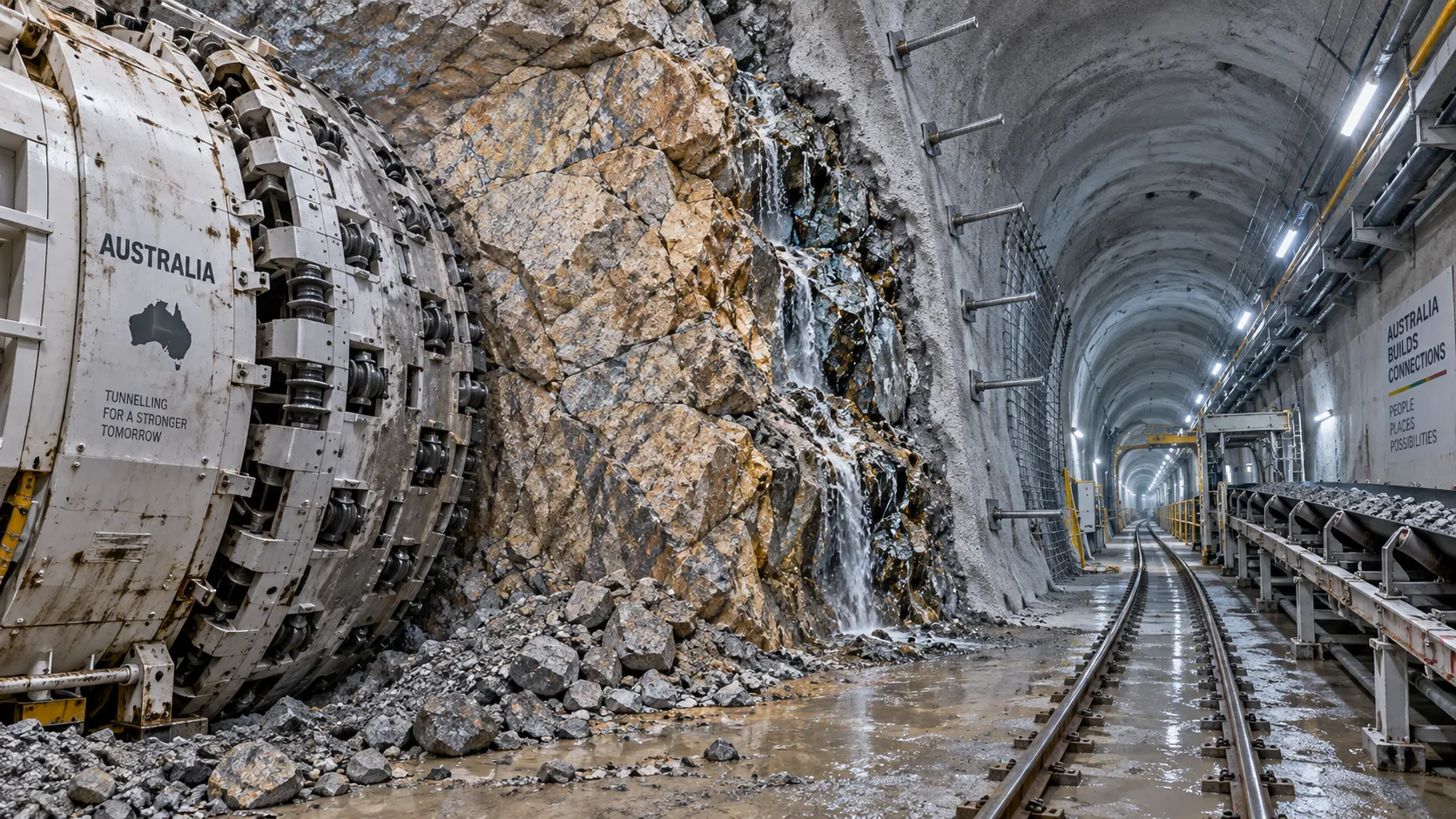
Hard Rock Tunnelling in Australia: Selecting Methods for Variable Ground Conditions
Hard rock tunnelling in Australia: compare TBM, drill-and-blast and hybrid methods to manage variable ground, reduce risk and protect project costs.
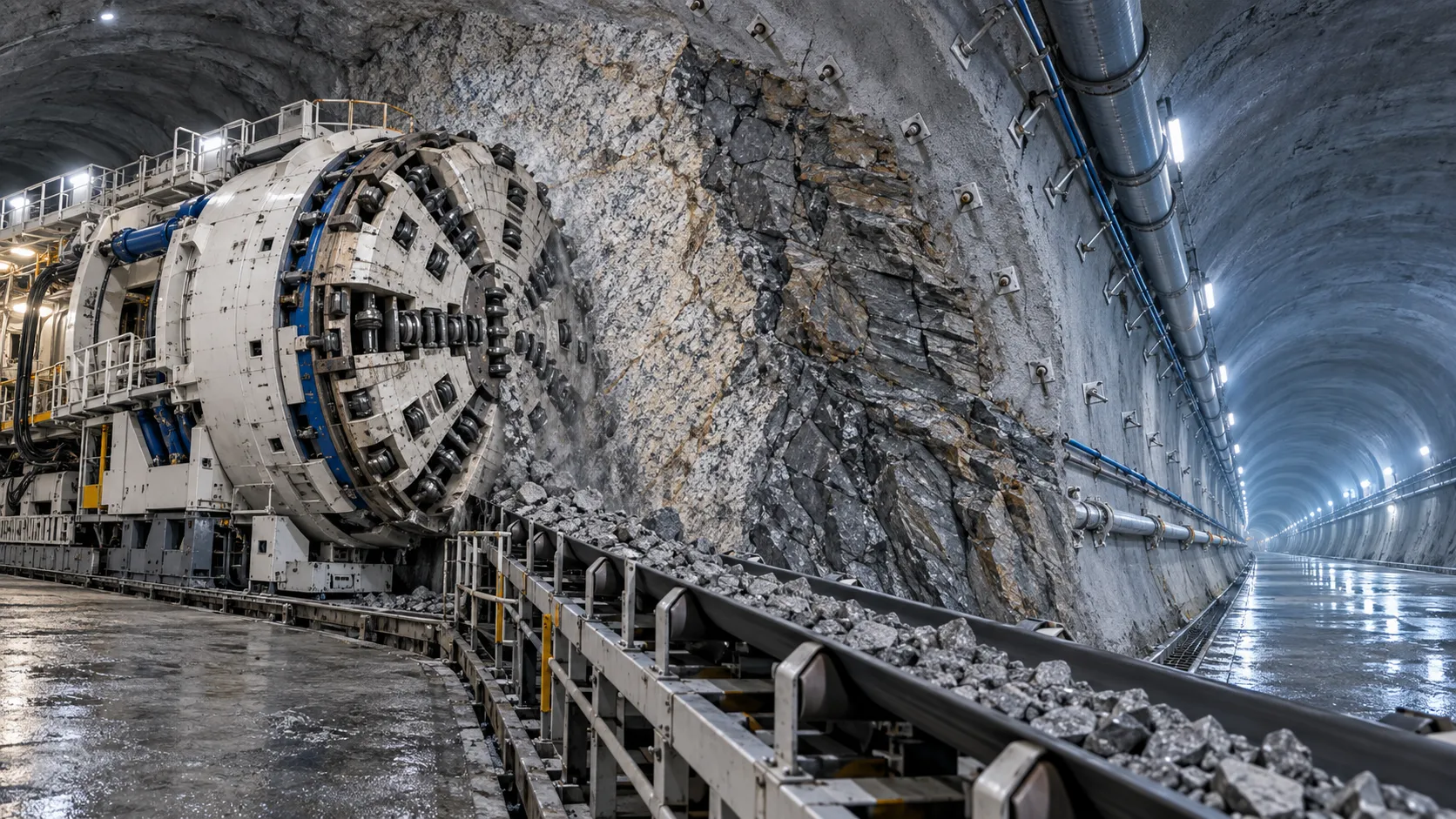
Hydropower Tunnel Excavation: Selecting Methods for Variable Rock Conditions
Hydropower tunnel excavation methods for variable rock conditions: compare TBM, drill-and-blast, and hybrid strategies to improve safety, progress, and project control.
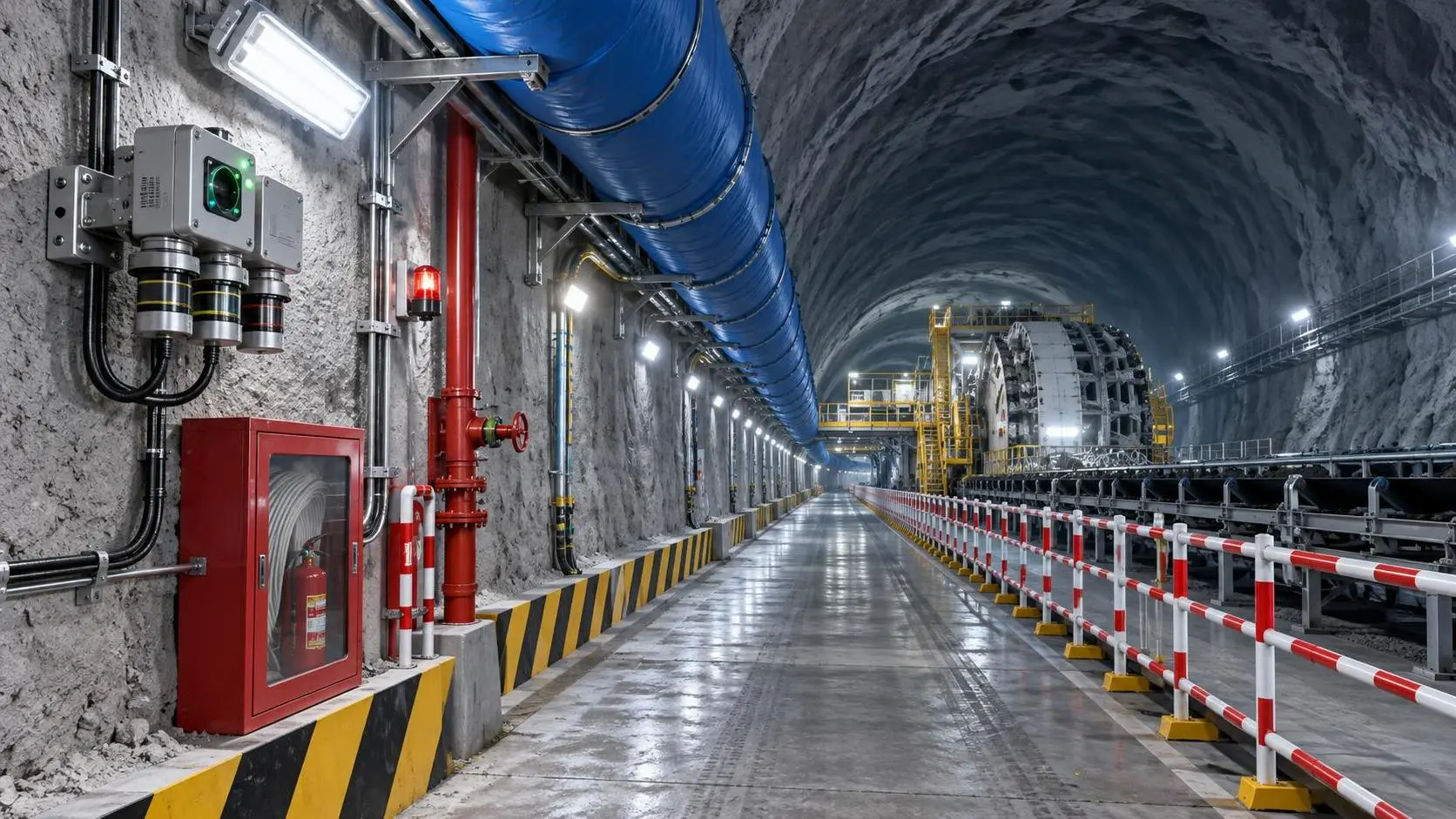
How to Select Underground Safety Equipment for Tunnelling by Hazard and Work Zone
Underground Safety Equipment for tunnelling: match protection to hazards, work zones, compliance, and emergency needs with this practical selection guide.
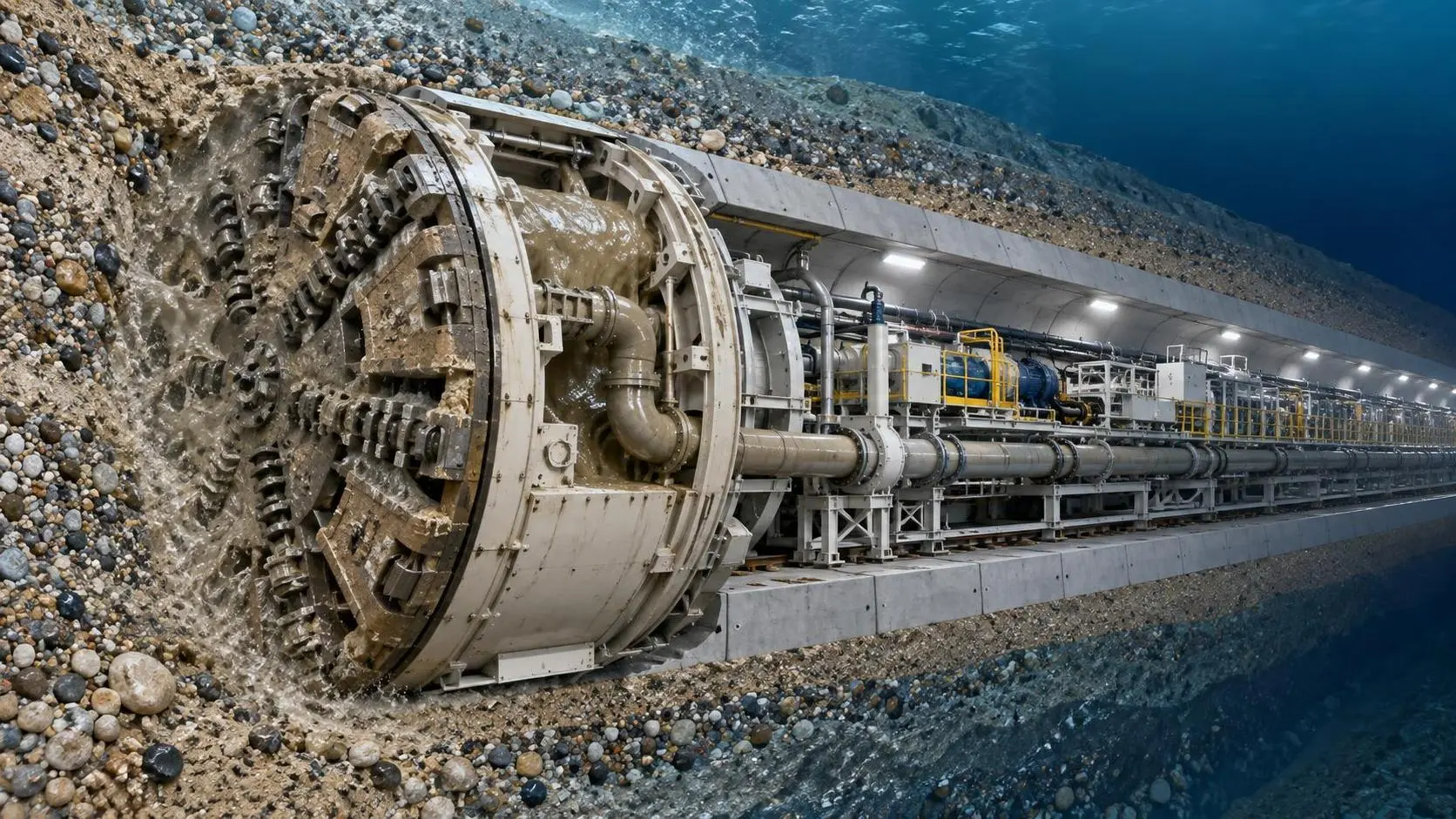
EPB or Slurry Shield? Selecting Soft-Ground Tunnelling Equipment by Soil Conditions
Tunnel Excavation Equipment for soft ground: compare EPB and slurry shields by soil, groundwater, settlement risk, and project logistics to choose confidently.
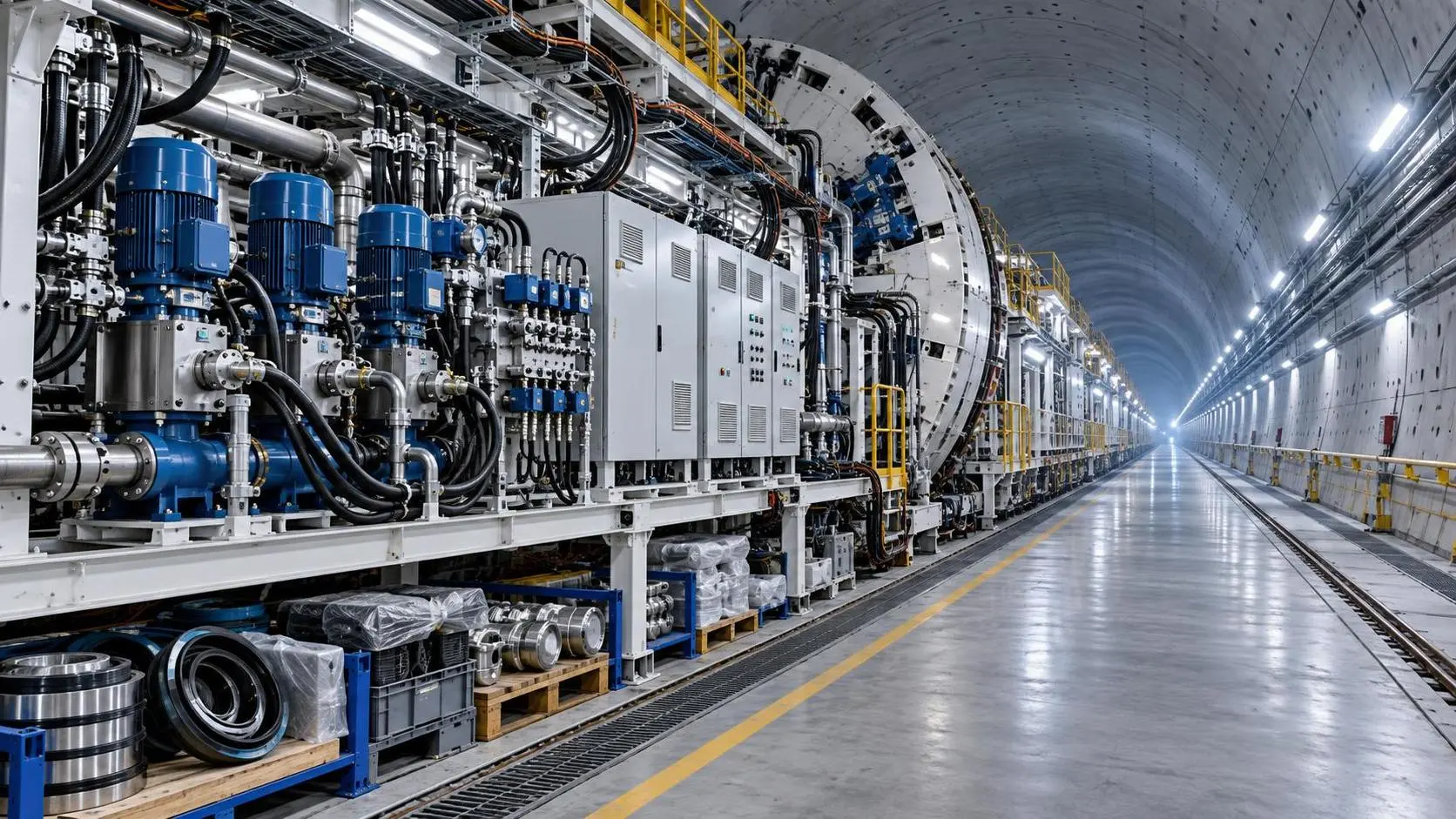
How to Specify TBM Backup System Parts for Reliable Long-Distance Tunnelling
TBM backup system parts: learn how to specify reliable spares for long-distance tunnelling, reduce downtime, ensure compatibility, and speed underground recovery.
Related News
- 00
0000-00
Underground Drilling for Mining: Selecting Methods for Rock Conditions and Mine Layout - 00
0000-00
Underground Mine Electrification: How to Size Battery Fleets and Charging Capacity - 00
0000-00
How to Evaluate European Drill-and-Blast Tunnelling Contractors for Complex Projects - 00
0000-00
Which Trenchless Construction Technique Fits Your Utility Crossing Conditions? - 00
0000-00
What Is Driving Metro Tunnelling Demand Across Southeast Asia’s Major Cities?
Weekly Insights
Stay ahead with our curated technology reports delivered every Monday.