
Underground Drilling Equipment failures often start small





Underground Drilling Equipment failures rarely begin with a catastrophic event. In most cases, they start as small, detectable deviations that appear normal under production pressure but later escalate into downtime, unsafe conditions, and avoidable repair costs.
For quality control and HSE teams, the practical question is not whether underground drilling equipment will fail, but how early the organization can detect weak signals before they become operational, safety, or compliance incidents.
In underground mining and tunnelling, small failures matter because the environment amplifies consequences. Limited access, harsh rock conditions, heat, dust, vibration, and tight schedules leave little room for unnoticed deterioration in critical drilling systems.
The most effective response is a disciplined early-warning approach. That means tracking minor hydraulic leaks, unusual vibration, overheating, sensor drift, steel wear, feed misalignment, and abnormal operator feedback as reliability indicators rather than routine noise.
For QC personnel and safety managers, this article focuses on where small failures usually begin, which warning signs deserve immediate attention, and how to build a practical inspection and escalation framework around underground drilling equipment.
Why small defects in underground drilling equipment create outsized operational risk
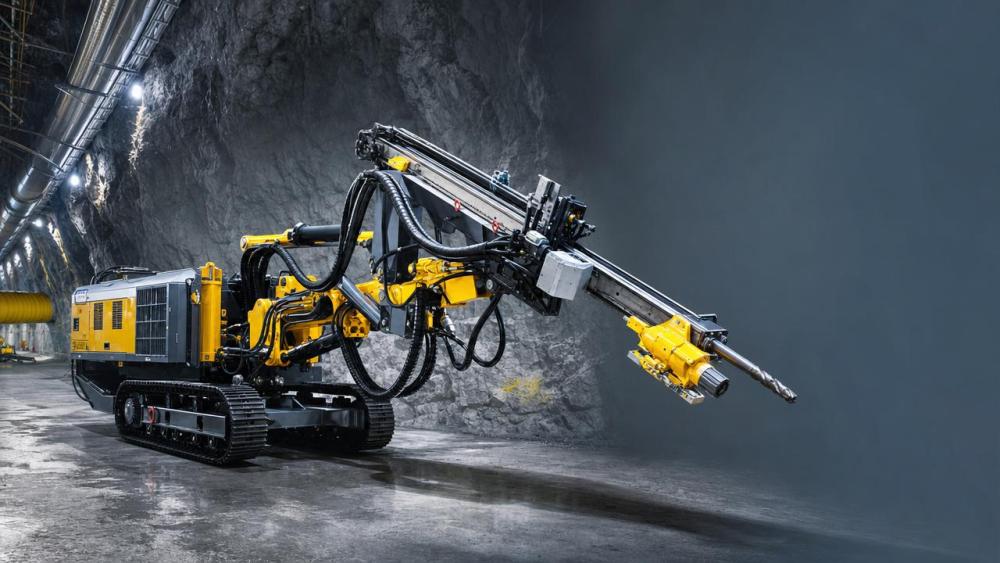
Underground drilling equipment operates as an integrated mechanical, hydraulic, electrical, and control system. A minor issue in one subsystem rarely stays isolated for long, especially when machines work continuously in abrasive and confined environments.
A small hydraulic seep at a hose fitting may appear insignificant during one shift. However, it can lead to pressure instability, reduced drill performance, heat generation, contamination buildup, and eventually unsafe motion or loss of control.
The same pattern applies to vibration. Slightly elevated vibration from a drifter, feed rail, boom joint, or rotation unit may first show up as lower hole accuracy. If ignored, it can accelerate structural fatigue and component failure.
For safety managers, the problem is compounded by the underground setting. Reduced visibility, difficult evacuation routes, diesel or battery energy systems, and nearby blasting or ground support activities increase the impact of any equipment malfunction.
For quality teams, small defects also affect process quality long before breakdown. Hole deviation, inconsistent penetration rates, poor bolting accuracy, and unstable drilling cycles are often early symptoms of deeper equipment reliability loss.
This is why the best organizations treat early-stage abnormalities as quality and safety signals, not maintenance trivia. The cost of intervening early is usually small compared with the cost of a stalled heading or injury exposure.
What quality control and HSE teams should watch first
QC and HSE professionals do not need to disassemble a jumbo to reduce risk. They need a structured way to identify which visible, measurable, or reportable changes most reliably predict underground drilling equipment failure.
Start with hydraulic integrity. Look for wet fittings, hose abrasion, pressure fluctuation, delayed actuator response, noisy pumps, and elevated oil temperature. These are common precursors to drift instability, boom weakness, and brake-related hazards.
Next, monitor vibration and impact behavior. Changes in sound, recoil pattern, feed chatter, or excessive oscillation during collaring often indicate wear in drifter internals, loose mountings, damaged bushings, or alignment loss in the drilling assembly.
Pay close attention to consumable wear patterns. Premature wear in shanks, couplings, bits, rods, and guide components can reveal poor lubrication, incorrect operating parameters, hidden misalignment, or rock-condition mismatch that stresses the whole system.
Electrical and sensor anomalies also deserve early escalation. Intermittent alarms, drifting readings, unstable auto functions, and communication loss in control modules may not stop production immediately, but they undermine safe and repeatable operation.
Operator observations are another undervalued source of warning. If experienced drillers report that a machine feels slower, harsher, less accurate, or harder to control, QC and HSE teams should treat that feedback as actionable evidence.
Finally, inspect structural areas that absorb repeated load. Hairline cracks, pin wear, loose guards, damaged cable routing, or distortion at boom and feed interfaces are often visible clues that cumulative stress is moving toward failure.
Where failures usually start: common root causes behind “small” problems
Small failures often start where inspection discipline is weakest or where production urgency normalizes abnormal conditions. In underground drilling equipment, this usually means interfaces, seals, fasteners, moving joints, and sensor-dependent automation functions.
Contamination is one of the most common root causes. Fine rock dust, water ingress, emulsified oil, and metal particles can degrade hydraulic valves, wear precision surfaces, block filters, and distort system response before obvious failure appears.
Lubrication failure is another frequent trigger. Inadequate grease delivery or incorrect lubricant selection can rapidly increase friction in drifters, carriers, feed slides, and articulated joints, producing heat, noise, energy waste, and premature wear.
Misalignment is particularly damaging because it affects both performance and safety. A slightly misaligned feed or boom may still operate, but it increases vibration, reduces hole accuracy, stresses consumables, and amplifies fatigue in connected components.
Poor hose management also causes repeated trouble. Unsupported routing, rubbing against steel edges, or exposure to impact points can turn a minor surface abrasion into a burst line, fluid release, fire risk, or uncontrolled machine movement.
Calibration drift in sensors and control systems is a growing issue as underground drilling equipment becomes more automated. Position, pressure, angle, and feedback errors can silently reduce drilling quality and increase operator dependence on manual correction.
Human factors matter as well. Overdrilling, improper bit selection, deferred housekeeping, skipped inspections, and restarting equipment with known defects all contribute to failure chains that begin small but develop under repeated exposure.
How to separate harmless variation from meaningful early warning signs
Not every irregularity indicates a serious problem. The challenge for QC and HSE teams is building decision criteria that distinguish normal operating variation from conditions that require maintenance intervention or temporary operating restrictions.
One useful method is to compare changes against baseline behavior. If a machine consistently drills a known rock type at a certain penetration rate, pressure band, and vibration profile, any sustained deviation deserves investigation.
Trend direction matters more than one isolated reading. A single warm hydraulic temperature may be acceptable. A weekly upward trend combined with slower response, visible leakage, and operator complaints is a much stronger failure indicator.
Cross-checking evidence from multiple sources improves judgment. For example, higher consumable wear, increased vibration, and reduced hole straightness together point more clearly to alignment or drifter problems than any single symptom alone.
Escalation thresholds should also reflect risk context. A minor leak near hot components, braking systems, electrical zones, or travel paths carries higher urgency than the same leak in a lower-risk area with no immediate exposure potential.
Another practical rule is repeatability. If the same abnormal sound, alarm, delay, or motion occurs across shifts, after restarts, or under similar load conditions, it should be treated as a system issue rather than random variance.
The best inspection systems use simple categories such as monitor, schedule, restrict, and stop. This helps QC and HSE teams move from observation to action without ambiguity, especially in fast-moving underground operations.
Building an inspection routine that actually prevents underground drilling equipment failure
Effective prevention does not depend on longer checklists alone. It depends on inspection routines that fit real underground conditions, produce comparable records, and trigger timely decisions before defects move into critical failure territory.
Begin with high-risk points, not generic walkarounds. Focus inspections on hoses, fittings, drifter mounts, feed assemblies, boom joints, electrical connectors, lubrication points, guarding, and any area with repeated vibration or contamination exposure.
Use short, repeatable pre-start checks for visible leaks, loose hardware, damaged cables, abnormal noises, and safety function verification. These checks should be easy for operators to complete and easy for supervisors to audit.
Add a deeper periodic inspection led jointly by maintenance, QC, and safety staff. This should include wear measurements, torque verification, thermal checks, fluid condition review, and validation of alarms, interlocks, and automatic drilling functions.
Photography and standard defect coding can greatly improve consistency. A small crack, hose rub point, or recurring leak is easier to trend and escalate when the same terminology, severity scale, and visual evidence are used each time.
Inspection quality improves when findings are tied to production impact. Instead of recording “minor vibration,” note whether it affected collaring accuracy, cycle time, operator control, or support installation quality. This creates stronger business relevance.
It is also important to close the loop. Repeatedly reporting the same condition without repair, root-cause review, or operational change teaches crews that early reporting has no value. That weakens the entire prevention culture.
Why quality, safety, and maintenance must share the same reliability language
Many underground drilling equipment failures grow because departments see different versions of the same problem. Maintenance sees a wear issue, quality sees poor drilling accuracy, and HSE sees only incidents with immediate exposure potential.
In reality, these are often different stages of one degradation process. A machine that drills inaccurately because of alignment loss may also be vibrating excessively, consuming parts faster, and increasing the chance of a hazardous component failure.
Shared reliability language helps teams act earlier. If everyone agrees that certain leak levels, vibration changes, temperature deviations, or control faults have defined severity and response actions, escalation becomes faster and less subjective.
This also supports stronger incident prevention. Many serious underground events are preceded by minor defects that were documented separately but never integrated into a unified risk picture. Shared reporting prevents those warning signs from being isolated.
For management, this approach improves asset utilization as well. Machines spend less time in reactive repair, fewer defects recur, and replacement decisions are based on trend evidence rather than frustration after repeated breakdowns.
For sites adopting more automation, coordination becomes even more important. As underground drilling equipment uses more sensors, data logging, and semi-autonomous functions, quality drift and safety risk may emerge first as data anomalies rather than mechanical noise.
Key metrics that reveal whether small failures are being controlled
If an operation wants to know whether it is truly preventing underground drilling equipment failure, it should track leading indicators rather than relying only on downtime totals or end-of-month maintenance cost reports.
Useful leading metrics include repeated defect frequency by subsystem, hydraulic leak recurrence rate, abnormal vibration reports, consumable life deviation, alarm recurrence, inspection completion quality, and the percentage of defects corrected before breakdown.
QC teams should also track process-related indicators such as hole deviation, rework linked to drilling quality, variation in penetration rate, and bolting accuracy. These often reveal machine deterioration earlier than maintenance statistics alone.
HSE teams can monitor the number of safety-critical defects found in pre-start checks, time to isolate equipment with restricted operation conditions, and repeat findings involving guards, hoses, interlocks, braking systems, or emergency functions.
Another valuable measure is defect aging. If small issues remain open for multiple shifts, the site is not just accumulating maintenance backlog. It is increasing the chance that minor failures will combine into a more serious event.
The point of measurement is not reporting volume. It is visibility. Good metrics help teams see whether early warning signs are being captured, interpreted, and resolved while the cost and risk are still manageable.
Conclusion: the safest and most reliable operations learn to act on the small signs
Underground drilling equipment rarely fails without warning. More often, the warning is present in a small leak, a subtle sound change, a drift in sensor behavior, a wear pattern, or a complaint that the machine no longer feels normal.
For quality control and safety management teams, the real advantage comes from treating those small signs as strategic information. Early detection protects people, preserves drilling quality, reduces downtime, and extends the useful life of critical equipment.
The most effective sites do not wait for a dramatic breakdown to validate concern. They build inspection routines, escalation thresholds, shared reporting language, and cross-functional response systems that turn weak signals into early action.
In demanding underground environments, that discipline is not a paperwork exercise. It is one of the clearest ways to improve reliability, strengthen safety performance, and get more consistent value from underground drilling equipment.
Related News
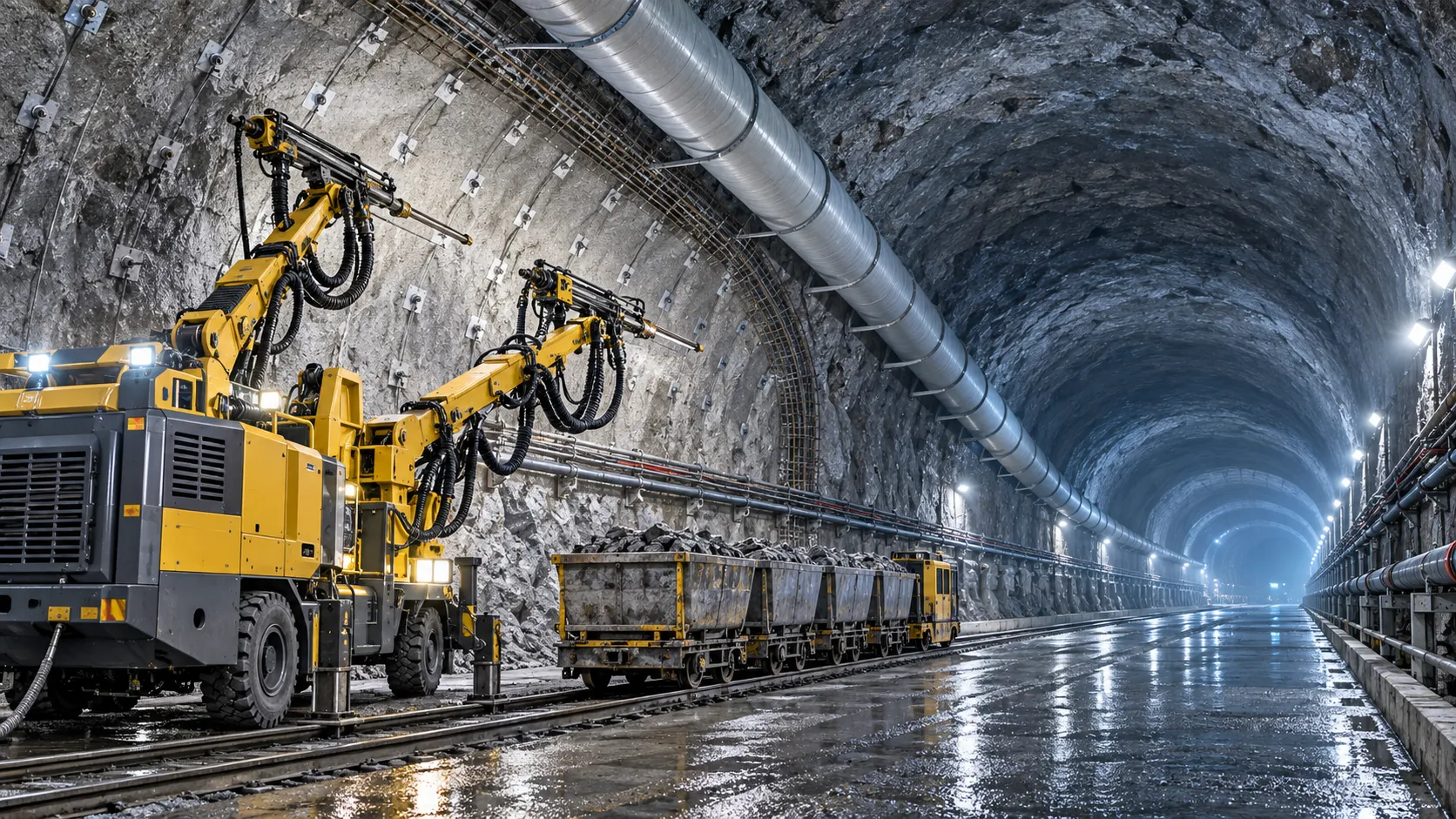
How to Evaluate European Drill-and-Blast Tunnelling Contractors for Complex Projects
Drill and blast tunnelling contractors Europe: learn how to assess geology expertise, blast control, equipment reliability, safety, and programme resilience for complex projects.
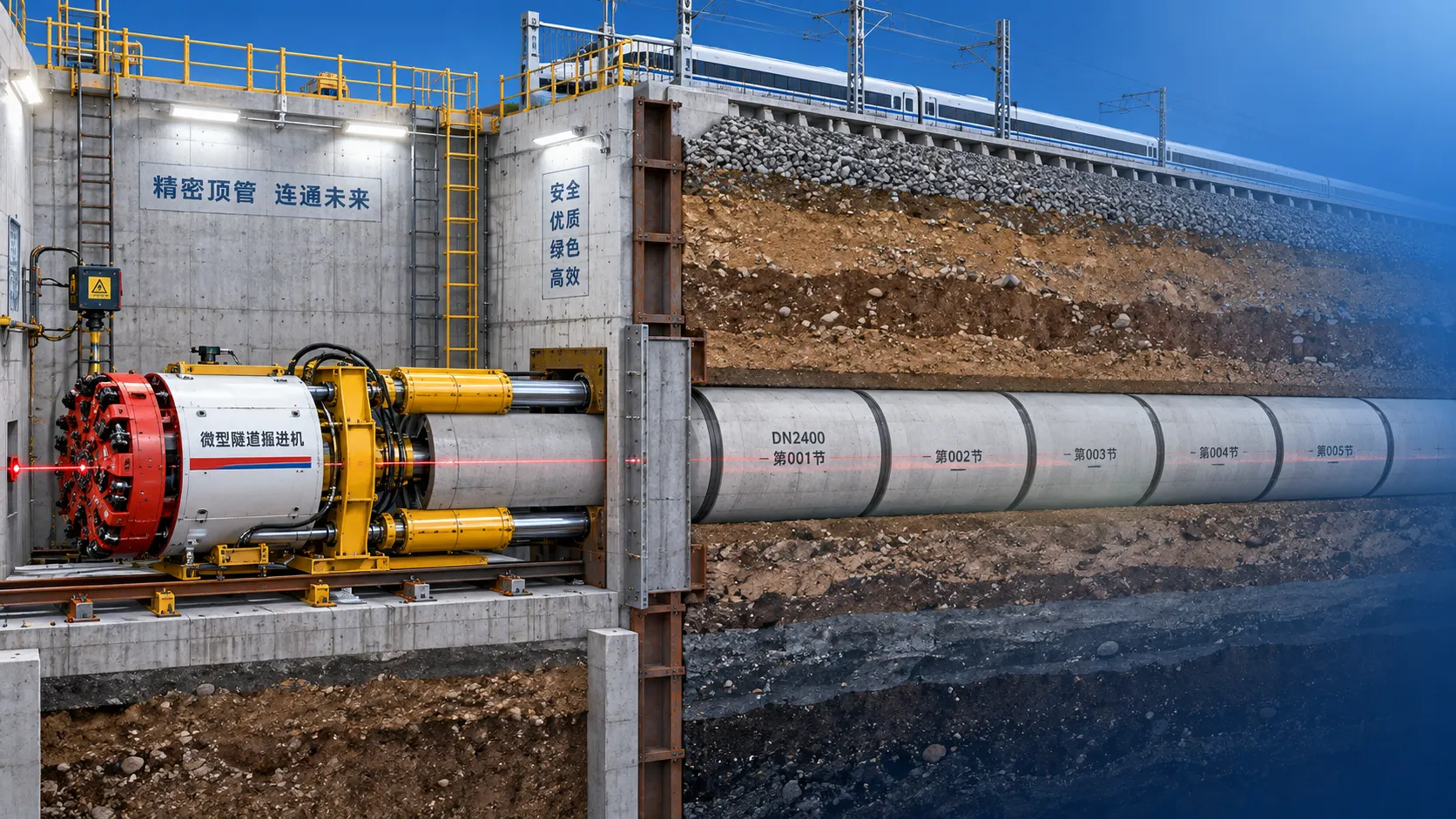
Which Trenchless Construction Technique Fits Your Utility Crossing Conditions?
Trenchless construction techniques compared for utility crossings: choose HDD, microtunnelling, pipe jacking, or auger boring based on ground, accuracy, access, and risk.
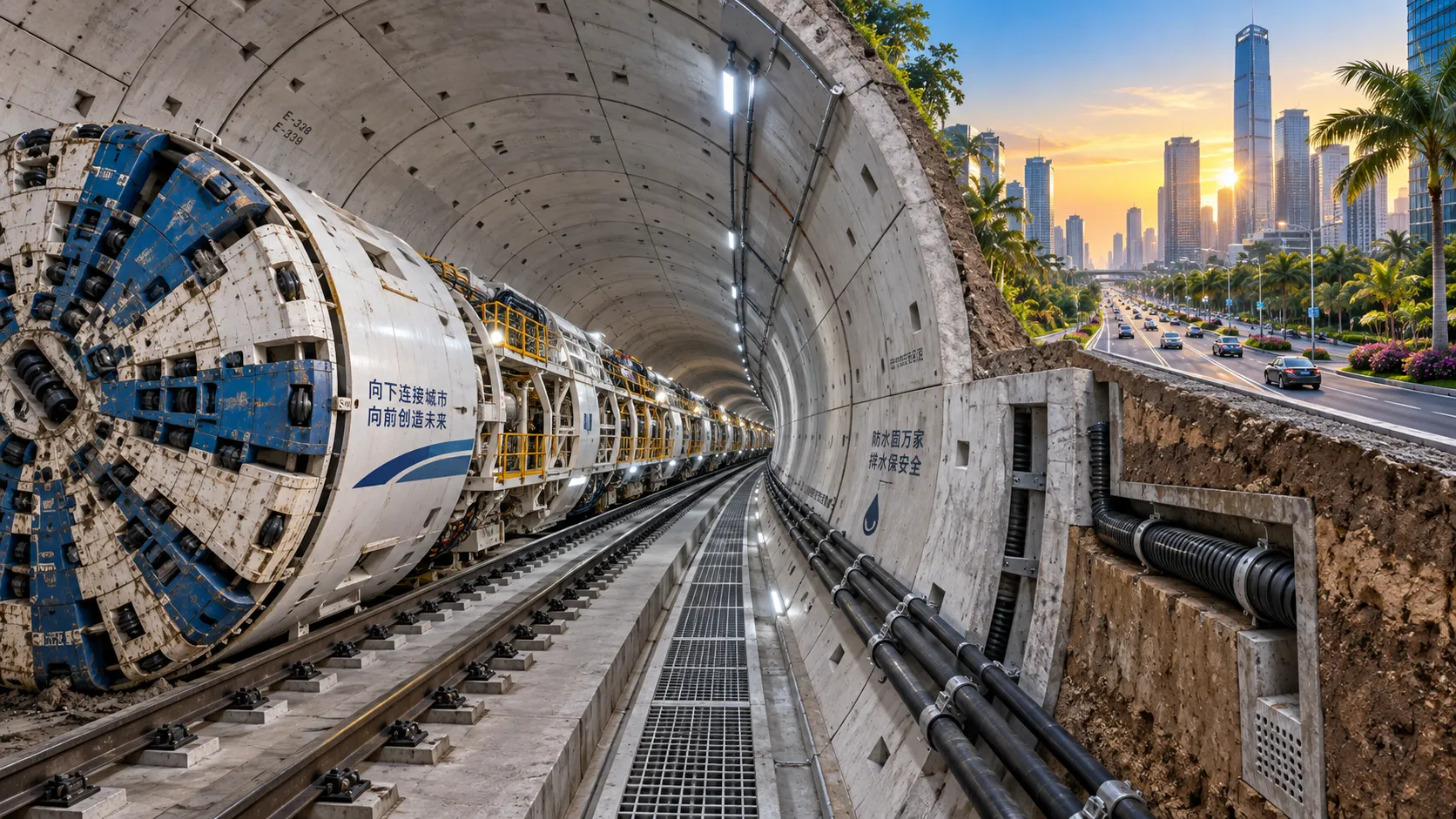
What Is Driving Metro Tunnelling Demand Across Southeast Asia’s Major Cities?
Metro tunnelling Southeast Asia is accelerating as major cities tackle congestion, flooding, and connectivity. Explore the market forces, technical risks, and opportunities shaping demand.
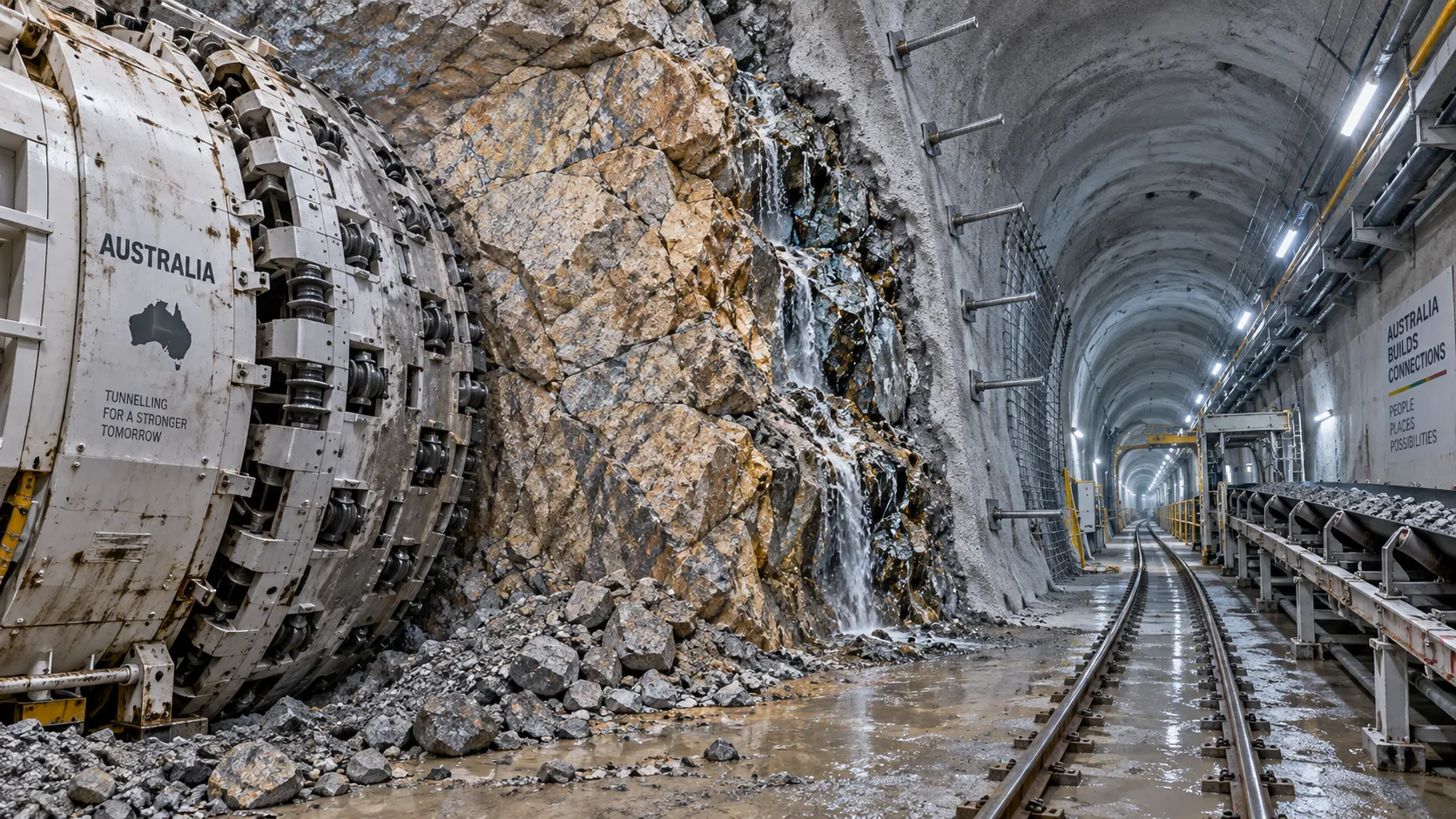
Hard Rock Tunnelling in Australia: Selecting Methods for Variable Ground Conditions
Hard rock tunnelling in Australia: compare TBM, drill-and-blast and hybrid methods to manage variable ground, reduce risk and protect project costs.
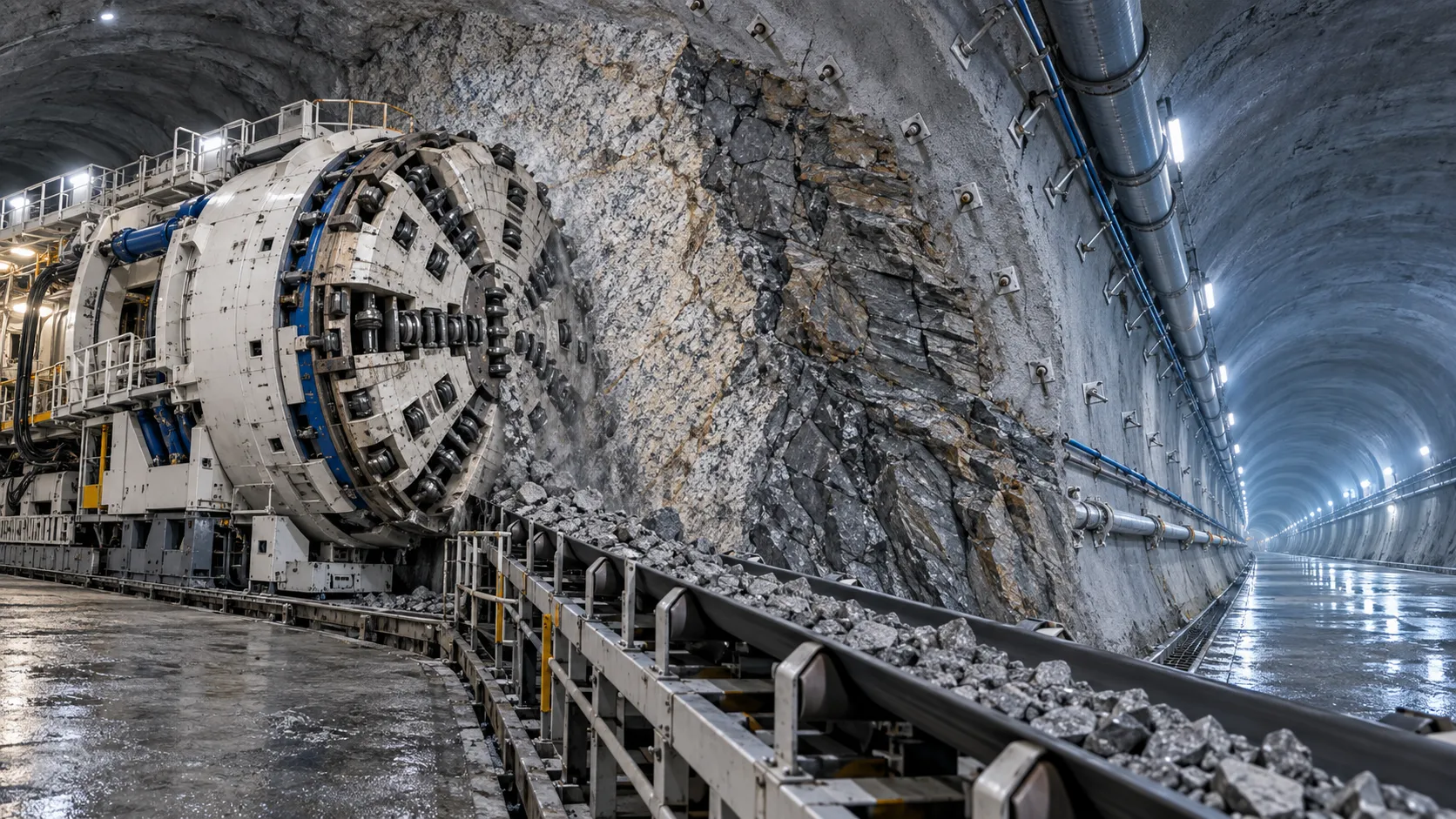
Hydropower Tunnel Excavation: Selecting Methods for Variable Rock Conditions
Hydropower tunnel excavation methods for variable rock conditions: compare TBM, drill-and-blast, and hybrid strategies to improve safety, progress, and project control.
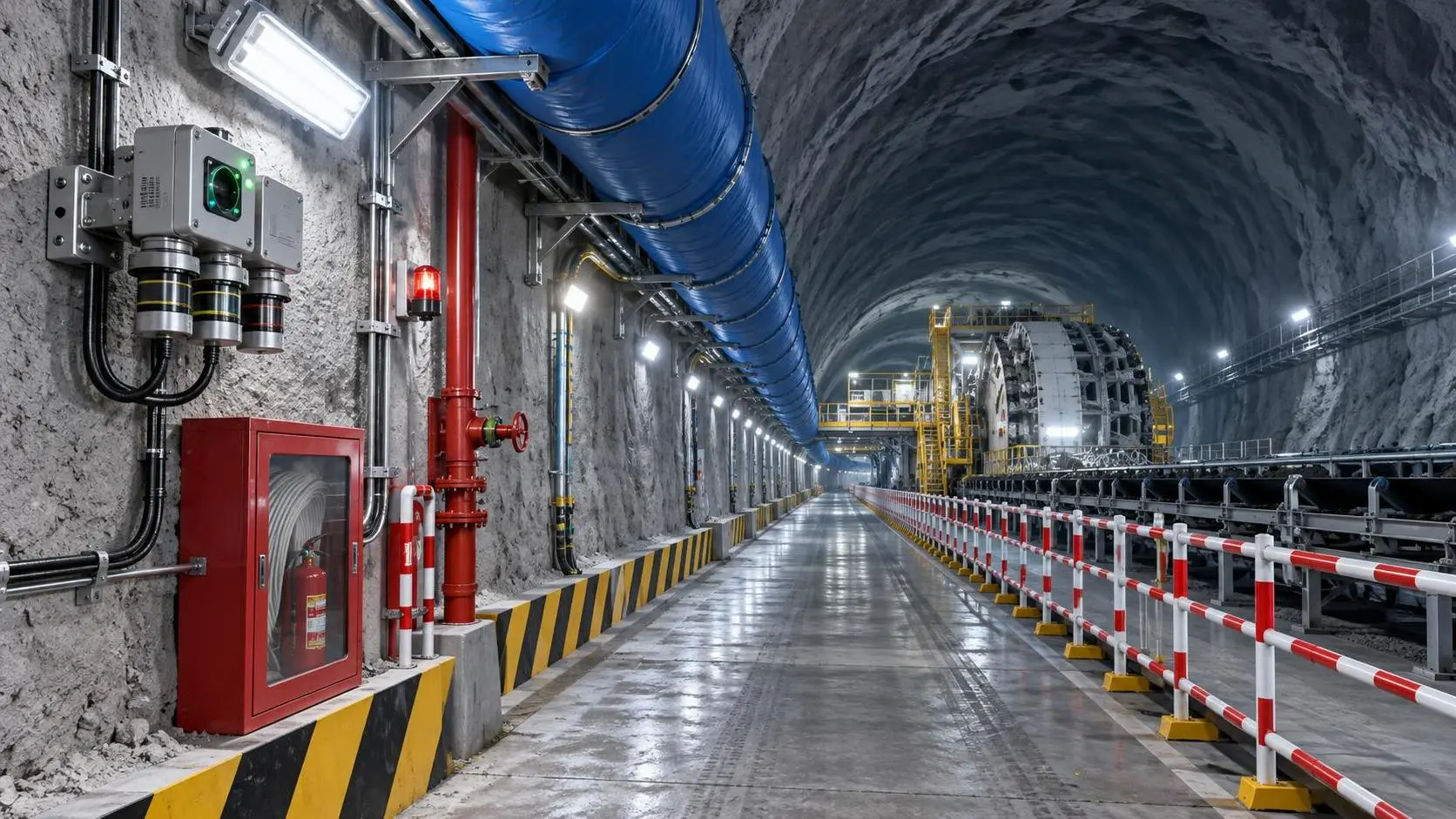
How to Select Underground Safety Equipment for Tunnelling by Hazard and Work Zone
Underground Safety Equipment for tunnelling: match protection to hazards, work zones, compliance, and emergency needs with this practical selection guide.
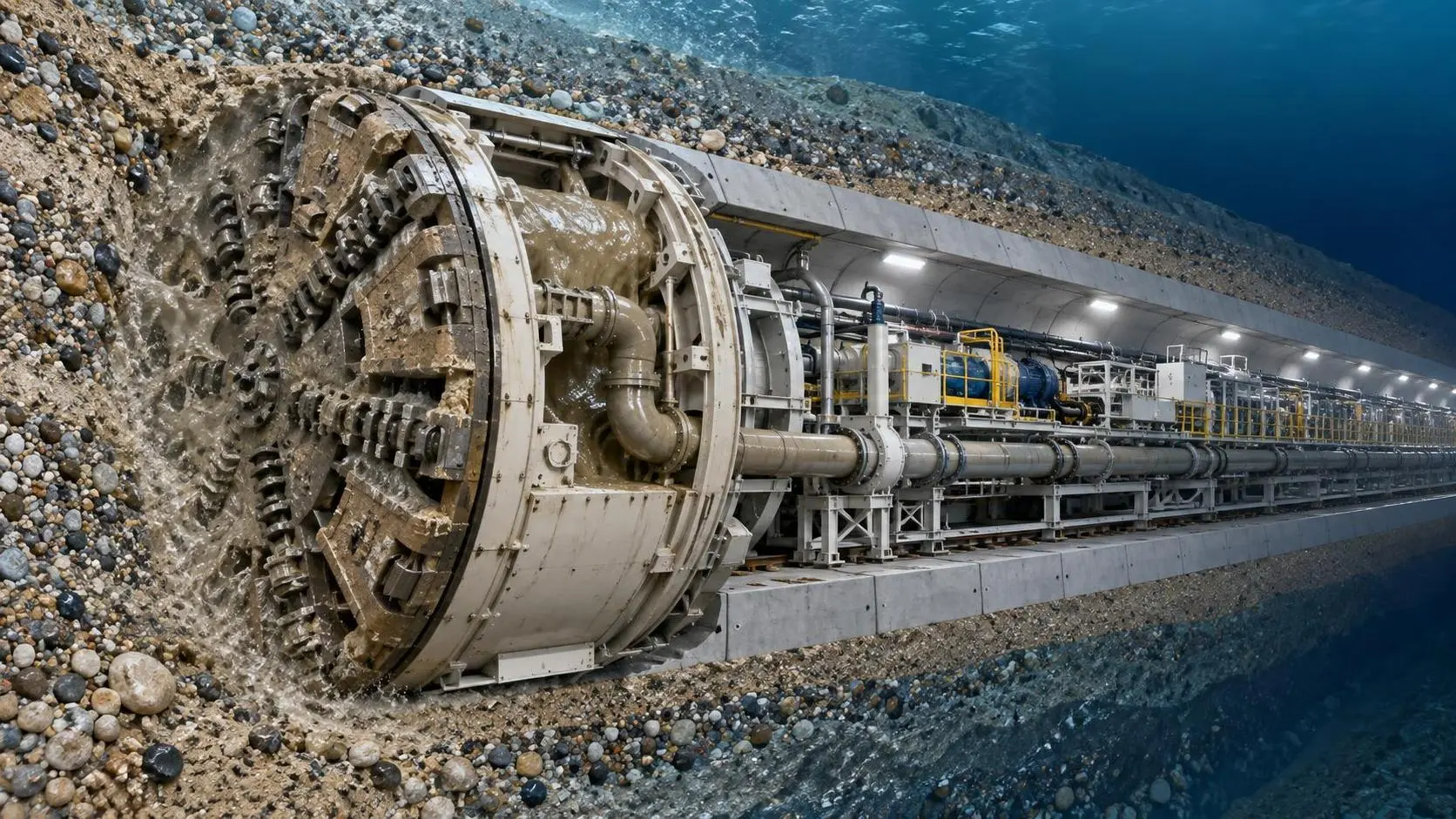
EPB or Slurry Shield? Selecting Soft-Ground Tunnelling Equipment by Soil Conditions
Tunnel Excavation Equipment for soft ground: compare EPB and slurry shields by soil, groundwater, settlement risk, and project logistics to choose confidently.
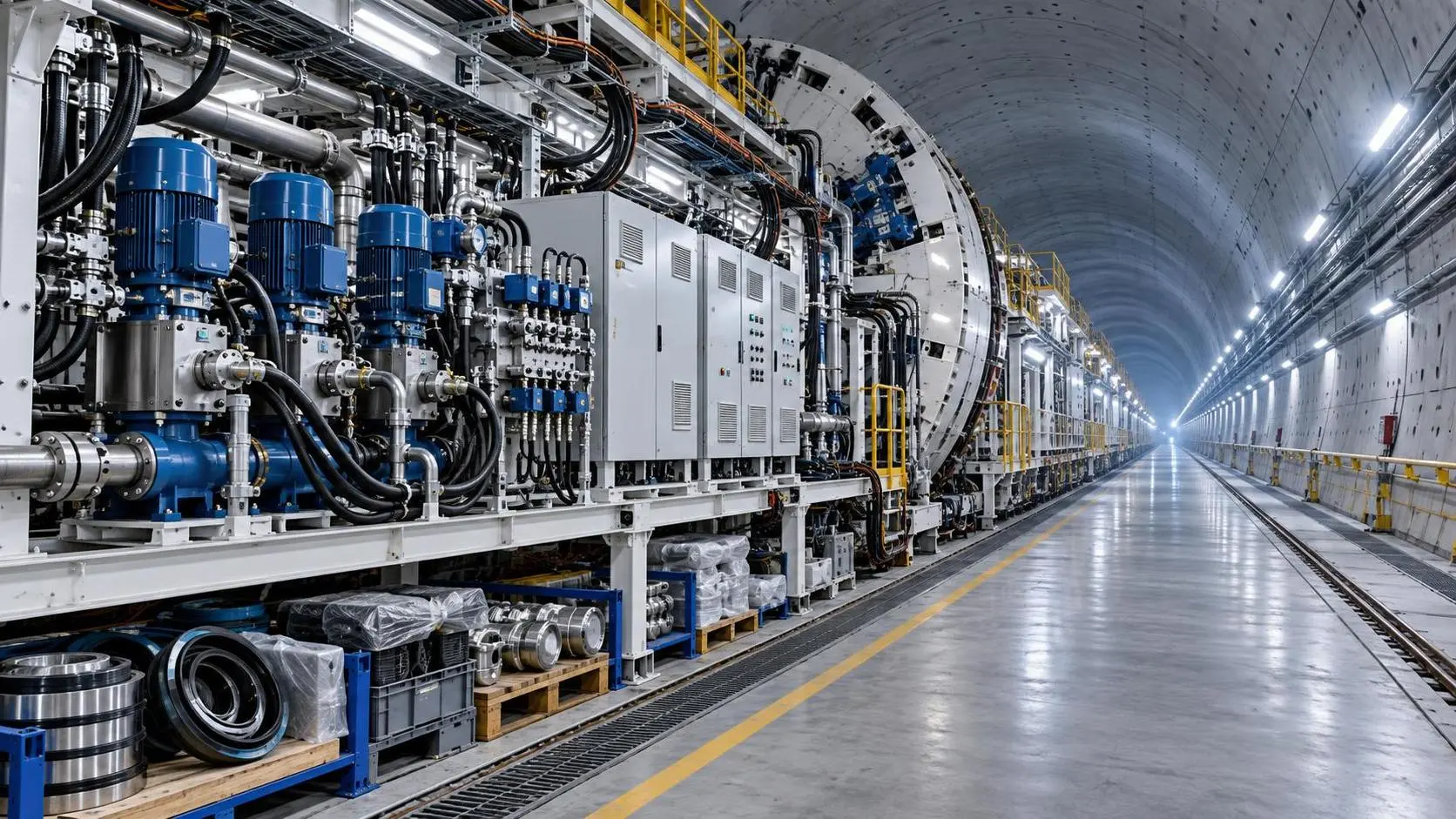
How to Specify TBM Backup System Parts for Reliable Long-Distance Tunnelling
TBM backup system parts: learn how to specify reliable spares for long-distance tunnelling, reduce downtime, ensure compatibility, and speed underground recovery.

How to Size Open Pit Mining Trucks for Haul Distance, Grade, and Payload?
Open Pit Mining Trucks: learn how to match payload, haul distance, grade, road resistance, and loading capacity for safer, lower-cost mine operations.
Related News
- 00
0000-00
How to Evaluate European Drill-and-Blast Tunnelling Contractors for Complex Projects - 00
0000-00
Which Trenchless Construction Technique Fits Your Utility Crossing Conditions? - 00
0000-00
What Is Driving Metro Tunnelling Demand Across Southeast Asia’s Major Cities? - 00
0000-00
Hard Rock Tunnelling in Australia: Selecting Methods for Variable Ground Conditions - 00
0000-00
Hydropower Tunnel Excavation: Selecting Methods for Variable Rock Conditions
Weekly Insights
Stay ahead with our curated technology reports delivered every Monday.