
Canton Fair Phase III Ends: Smart Tunneling & Mine Electrification Gain Traction on Belt and Road





The 139th Canton Fair Phase III concluded on May 5, 2026, spotlighting AI-powered micro-tunneling equipment, modular battery-powered LHDs, and integrated slurry pipe jacking systems as high-inquiry items among procurement delegations from Belt and Road Initiative (BRI) countries — particularly in Central & Eastern Europe, Southeast Asia, and Latin America. This development signals shifting demand patterns in mining and underground construction equipment markets, warranting attention from exporters, OEMs, after-sales service providers, and supply chain stakeholders.
Event Overview
The third phase of the 139th Canton Fair ran from May 1 to May 5, 2026. During this period, intelligent micro-tunneling devices equipped with AI vision navigation, modular battery-powered Load-Haul-Dump (LHD) vehicles, and integrated slurry pipe jacking systems attracted frequent inquiries from buyers along BRI routes. Buyers from Central & Eastern Europe, Southeast Asia, and Latin America specifically emphasized the completeness of CE/UL certifications, availability of localized spare parts inventories, and remote diagnostic support capabilities. Official transaction data indicated a 37% year-on-year increase in orders for bolting and drilling jumbos featuring IP68 ingress protection and 5G-enabled remote control — reflecting growing overseas demand from small- and medium-sized mines for intelligent, low-maintenance equipment.
Industries Affected
Direct Exporters & OEM Equipment Manufacturers
These enterprises face intensified scrutiny on regulatory compliance and service readiness. Buyers’ emphasis on CE/UL certification completeness indicates stricter technical conformity expectations — especially for export destinations where regulatory enforcement is tightening. The demand for localized spare parts and remote diagnostics also implies that product launch strategies must now integrate regional after-sales infrastructure planning, not just hardware delivery.
After-Sales & Technical Support Providers
Remote diagnostic capability is no longer optional but a competitive prerequisite. The repeated buyer focus on this function — alongside requests for local spare parts warehousing — suggests rising pressure to co-locate technical support capacity closer to end-user operations. Service providers may need to reassess regional partnership models or invest in certified local maintenance hubs.
Supply Chain & Logistics Operators
The preference for modular battery LHDs and slurry pipe jacking systems points to evolving cargo profiles: higher value density, sensitivity to battery transport regulations (e.g., IATA DGR), and potential need for specialized handling. Logistics partners should review current routing, documentation protocols, and customs classification accuracy for these emerging equipment categories — especially given varying national interpretations of EV-related import rules.
Component & Subsystem Suppliers
Increased adoption of IP68-rated enclosures and 5G-enabled control modules implies downstream demand shifts toward ruggedized electronics, certified wireless communication subsystems, and battery thermal management components. Suppliers should monitor order patterns for these subassemblies — particularly those tied to BRI-region shipments — as early indicators of volume ramp-up.
What Enterprises Should Monitor & Act On
Track Certification Requirements by Destination Market
CE and UL certifications were explicitly cited by multiple buyer groups. Enterprises should verify whether current certifications cover all target submarkets (e.g., CE for EU vs. UKCA for UK, or UL 2703 vs. UL 1741 for power electronics). Relying solely on ‘CE-marked’ labels without validating scope may delay market entry.
Assess Local Spare Parts Inventory Feasibility
Buyers are asking about local warehousing — not just theoretical capability. Companies should map existing distributor networks against actual inventory holding capacity, lead times, and minimum order quantities. Where gaps exist, consider phased pilot deployments in high-potential corridors (e.g., Poland for Central Europe, Malaysia for ASEAN, Chile for Andean markets).
Evaluate Remote Diagnostic Integration Readiness
Remote diagnostics were not mentioned as a ‘nice-to-have’ but as part of functional evaluation criteria. Firms should audit current telematics architecture: Does it support secure OTA updates? Is data logging compliant with GDPR or local privacy laws? Can fault codes be interpreted cross-lingually? Prioritize interoperability testing with known regional service platforms.
Prepare for Regulatory Fragmentation in EV-Related Mining Equipment
The rise of battery LHDs and electric jumbos introduces overlapping regulatory domains — mining safety standards, electrical equipment directives, and EV-specific transport/battery disposal rules. Enterprises should assign internal cross-functional review (compliance, engineering, logistics) to identify jurisdictional conflicts before scaling shipments.
Editorial Perspective / Industry Observation
Observably, this Canton Fair phase reflects more than seasonal procurement activity — it marks an inflection point where digital functionality (AI navigation, 5G control) and sustainability enablers (battery electrification, modular design) have become baseline selection criteria for BRI-region mining and tunneling projects. Analysis shows that demand is not driven primarily by price, but by total cost of operation — including certification speed, downtime avoidance, and technician dependency. From an industry perspective, this shift is better understood as an operational signal rather than a finalized market outcome: early adopters are testing infrastructure readiness, while broader adoption hinges on consistent regulatory alignment and scalable service models. Continued monitoring of Phase IV (if applicable) and follow-up BRI project tender announcements will clarify whether current inquiry volumes translate into sustained order flow.
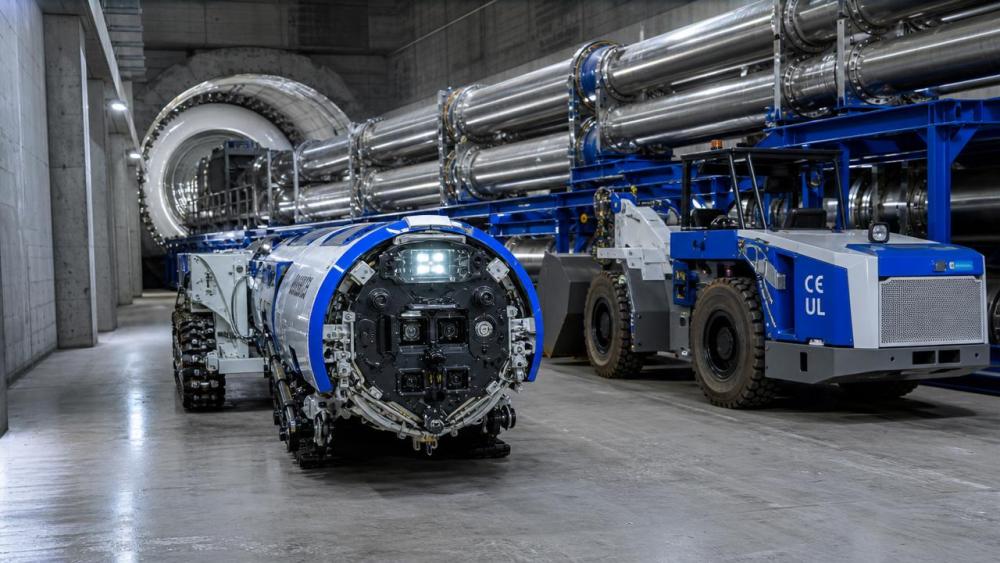
In summary, the heightened interest in intelligent, electrified underground equipment at the 139th Canton Fair Phase III underscores a structural recalibration in global mining and civil infrastructure procurement — one prioritizing operational resilience over upfront cost. It is more accurately interpreted as an early-stage market signal indicating convergence of regulatory, technological, and logistical expectations — not yet a mature demand wave, but a clear directional cue for strategic preparation.
Source: Official transaction summaries and buyer feedback reports from the 139th Canton Fair Phase III (May 1–5, 2026), publicly released by the China Foreign Trade Centre. Note: Follow-up verification of actual shipment volumes, certification validation timelines, and regional spare parts deployment status remains pending and requires monitoring beyond the fair period.
Related News
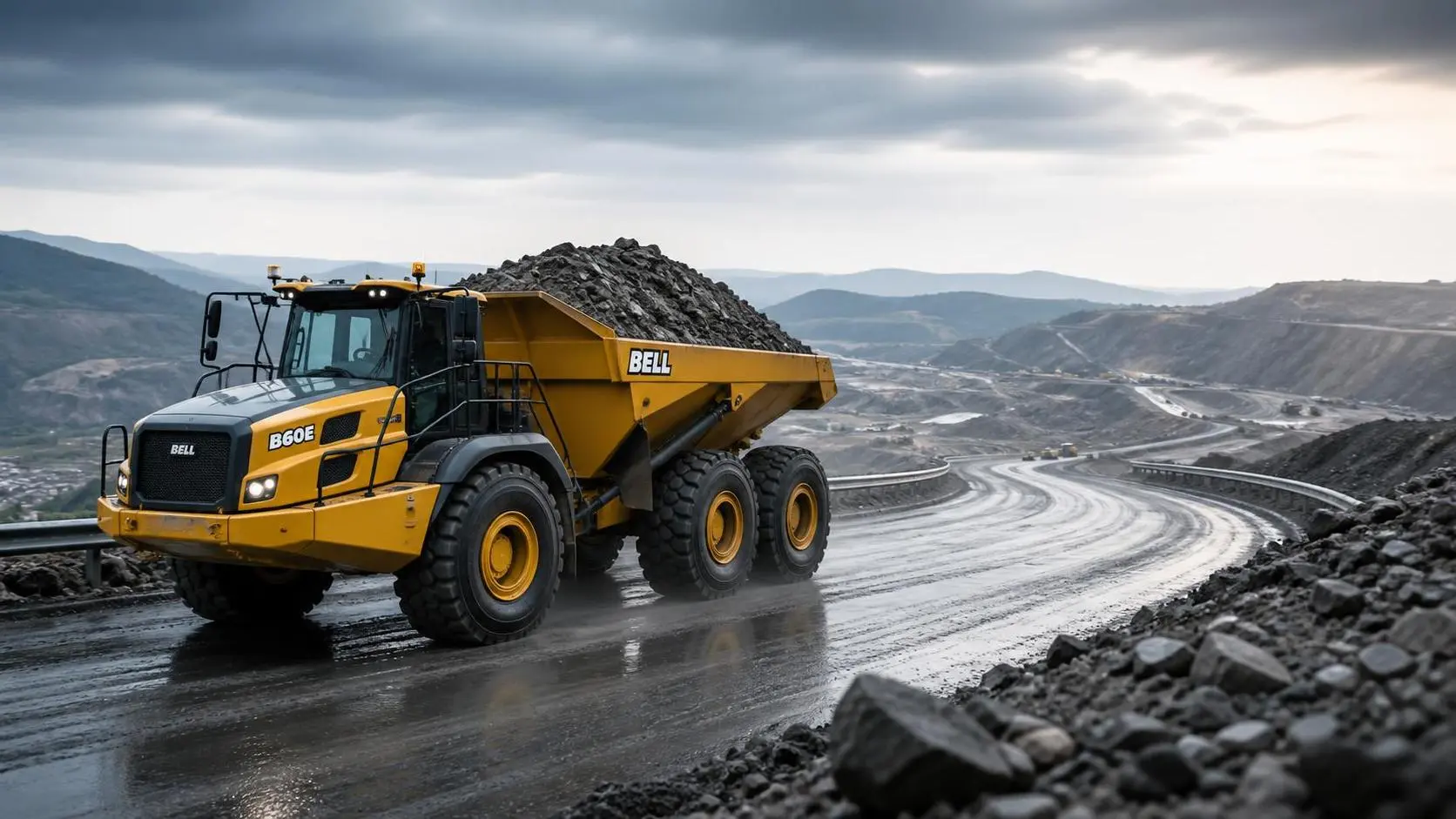
How to Evaluate Articulated Dump Trucks Payload for Haul Road Conditions and Cycle Efficiency
Articulated Dump Trucks payload evaluation starts with real haul road conditions, not brochure numbers. Learn how to balance payload, traction, grades, and cycle efficiency for safer, higher output.
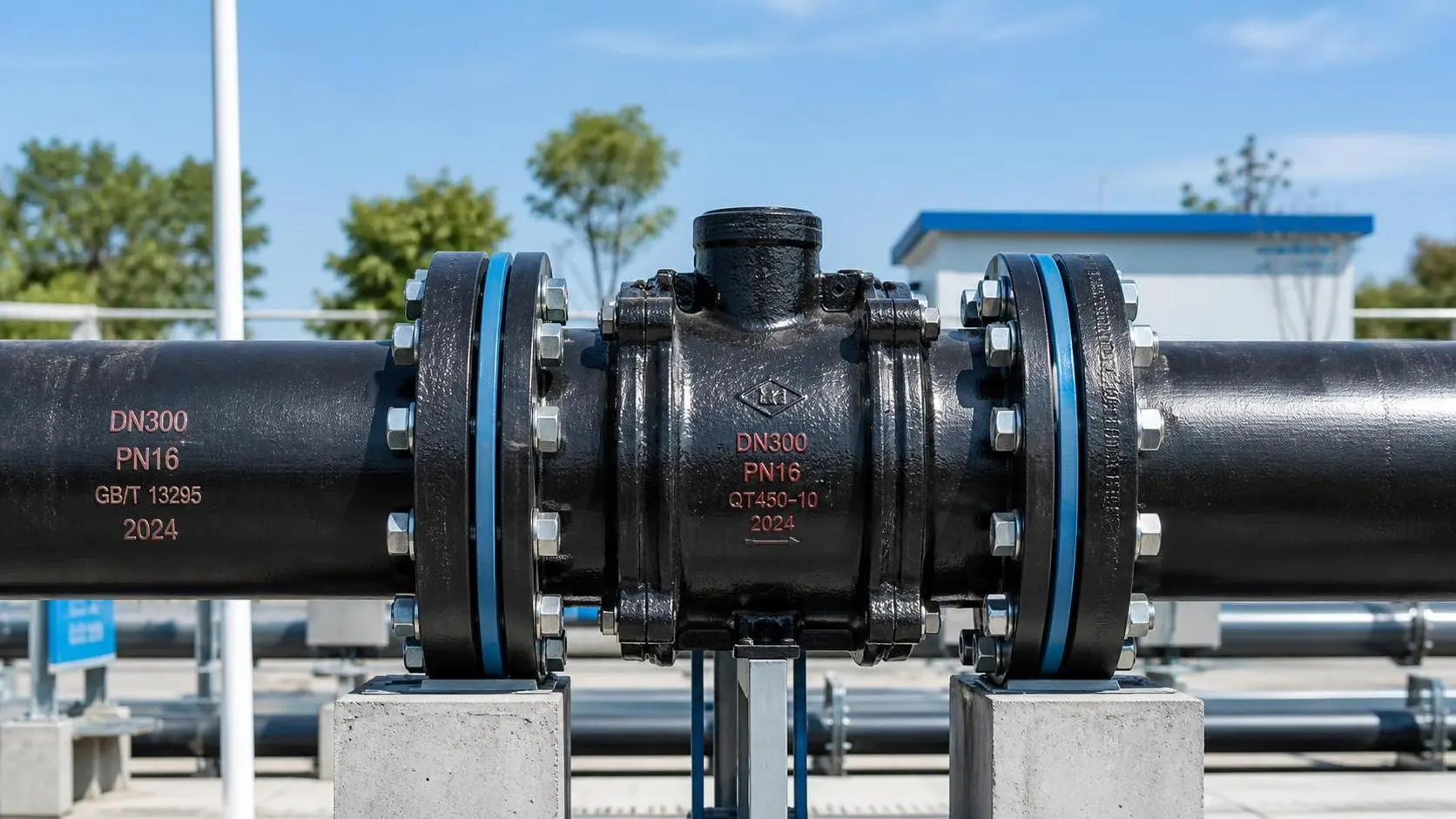
How Pipe Fittings Material and Pressure Class Affect Water Line Selection
Pipe fittings selection starts with material and pressure class. Learn how these factors affect water line reliability, corrosion resistance, installation, and long-term cost.
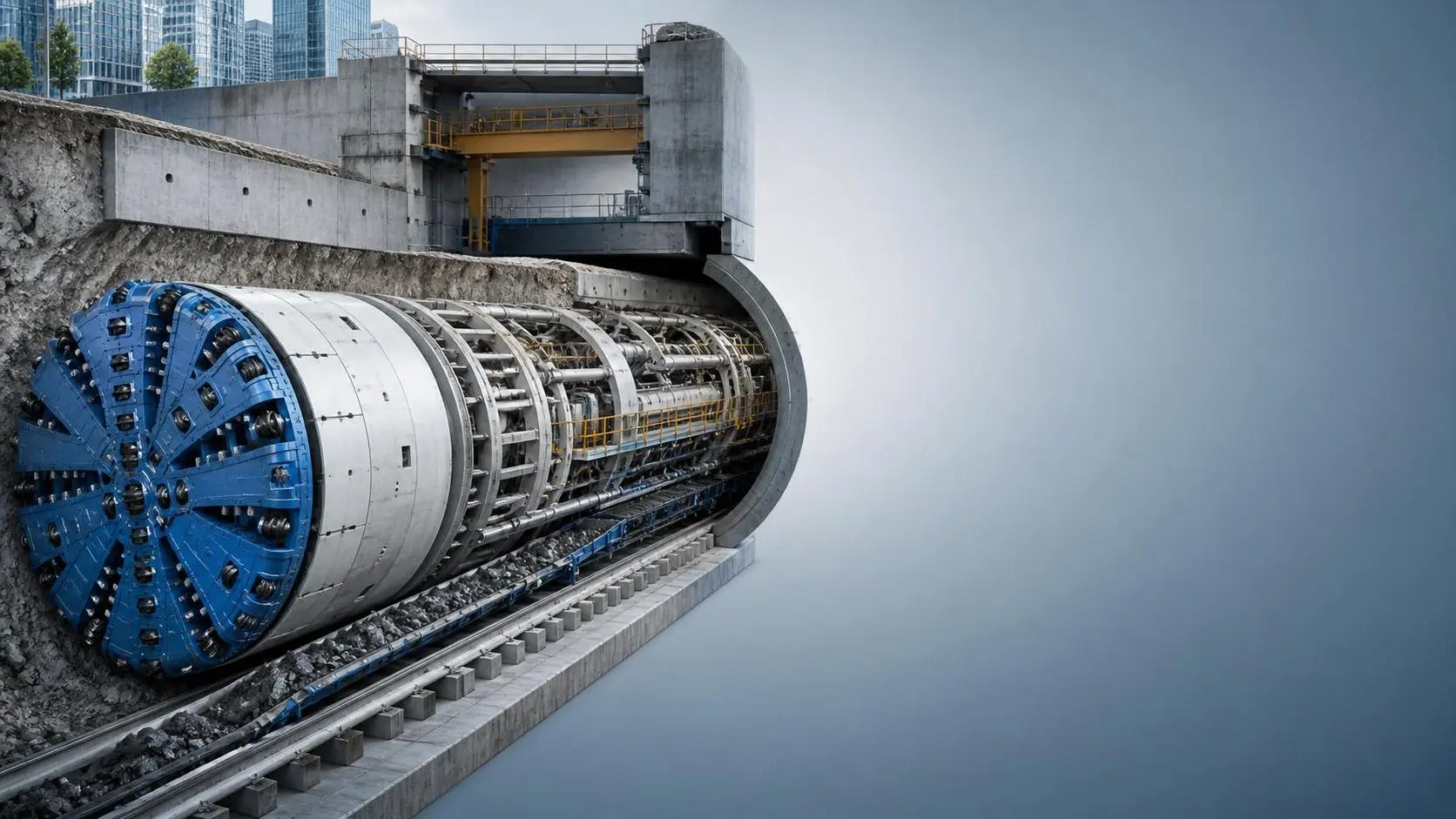
What Drives TBM Excavation Cost in Urban Tunneling Projects?
tbm excavation cost in urban tunneling depends on geology, shafts, segment lining, logistics, and risk. Discover the key cost drivers and compare bids with greater confidence.

What Does Energy Metals Mining in Australia Mean for Supply, Cost, and Project Risk?
Energy metals mining Australia is reshaping supply, cost, and project risk. Discover what it means for buyers, investors, and operators.
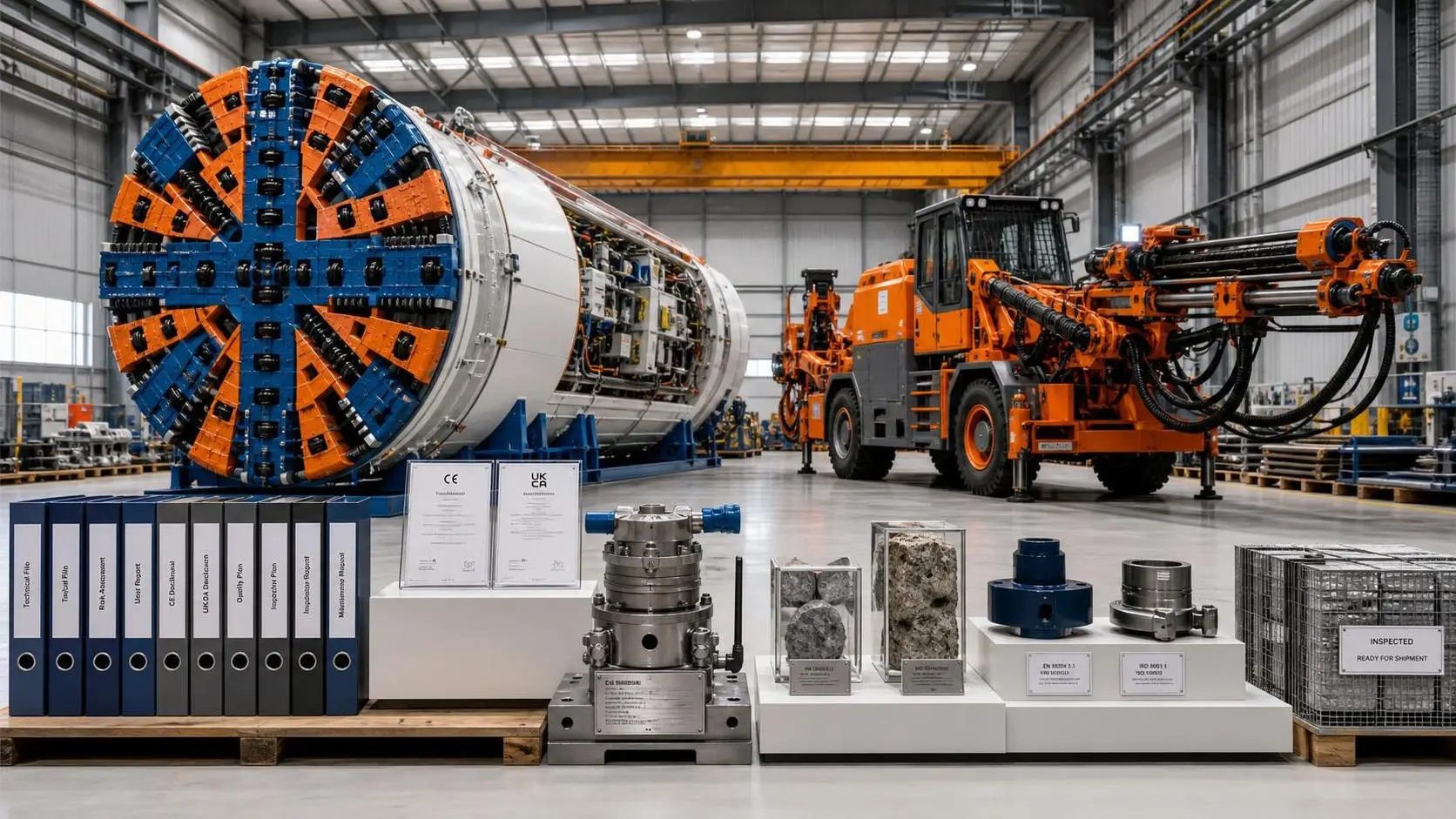
EU Eases Dual CE and UKCA Path for Chinese Tunnel Boring Equipment
EU eases CE and UKCA certification for Chinese tunnel boring equipment, cutting compliance time and helping importers move faster.
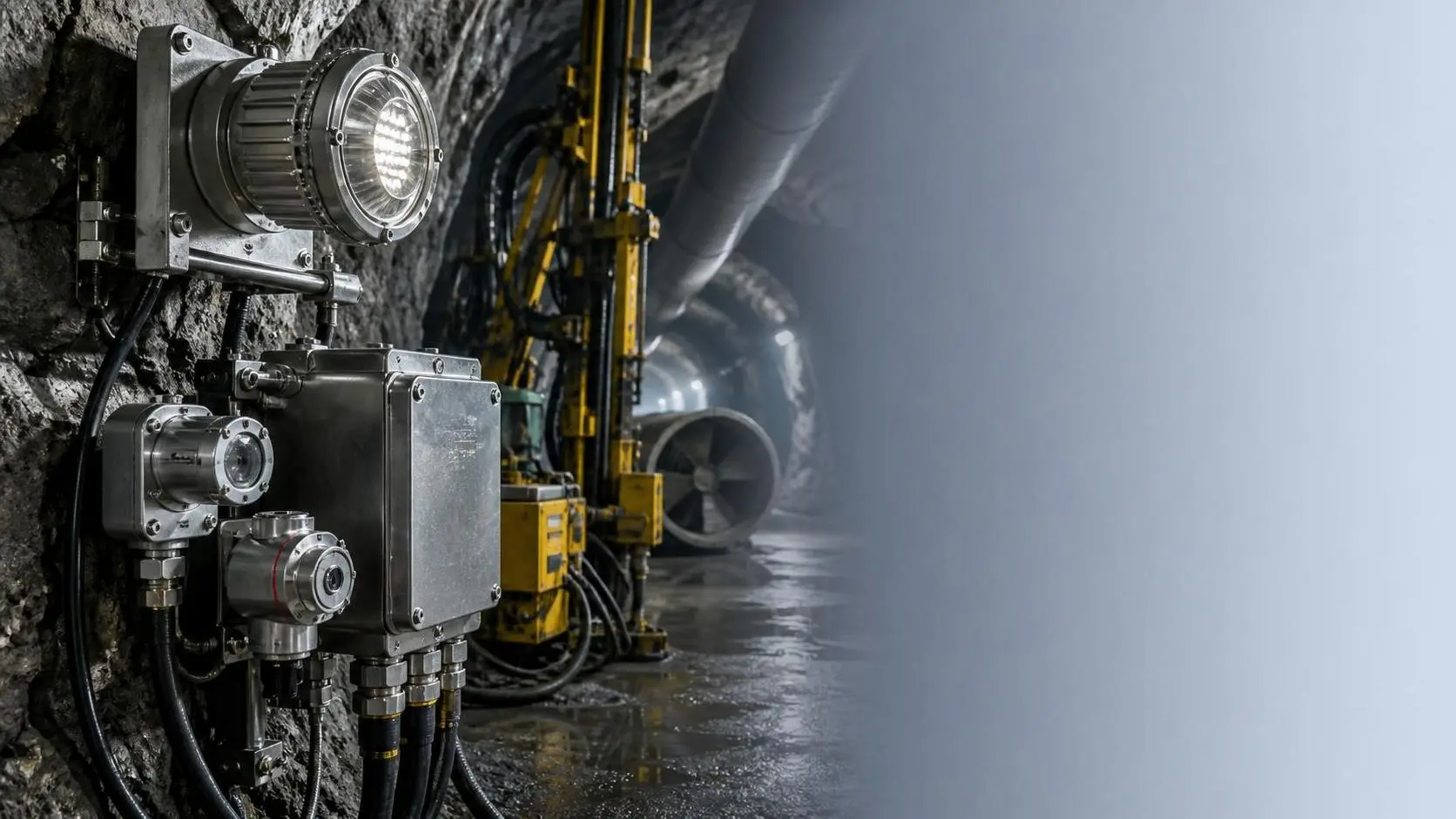
Flameproof Underground Safety Equipment: What Mine Teams Should Check Before Buying
Underground Safety Equipment flameproof buying guide: learn how mine teams should verify certification, durability, serviceability, and supplier support before purchase.
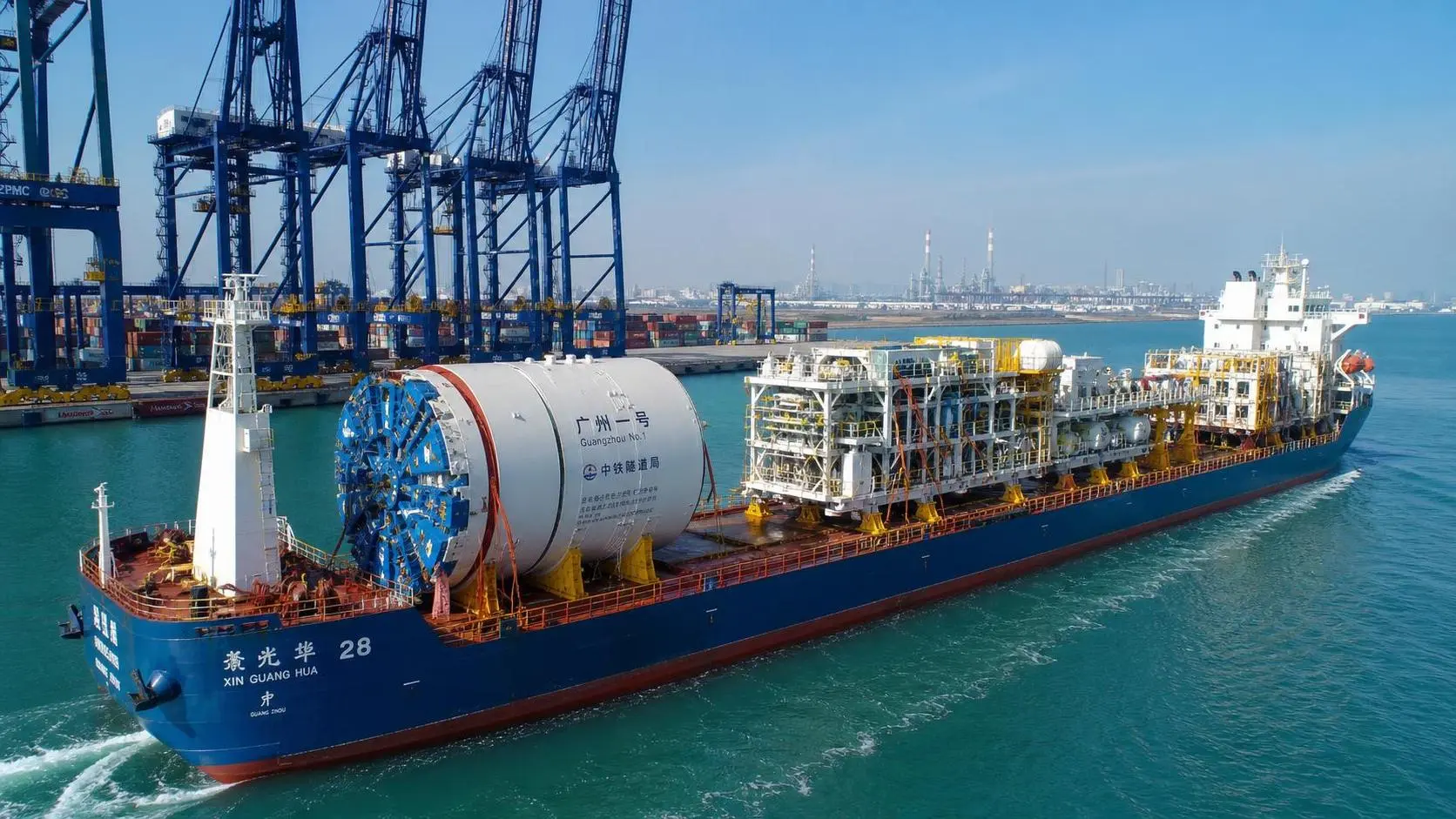
China-UAE Direct Sea Route Cuts TBM and Large Tunneling Equipment Lead Times
China-UAE direct sea route shortens TBM and large tunneling equipment lead times by 12–15 days, improving delivery predictability for major infrastructure projects. Read the full impact.
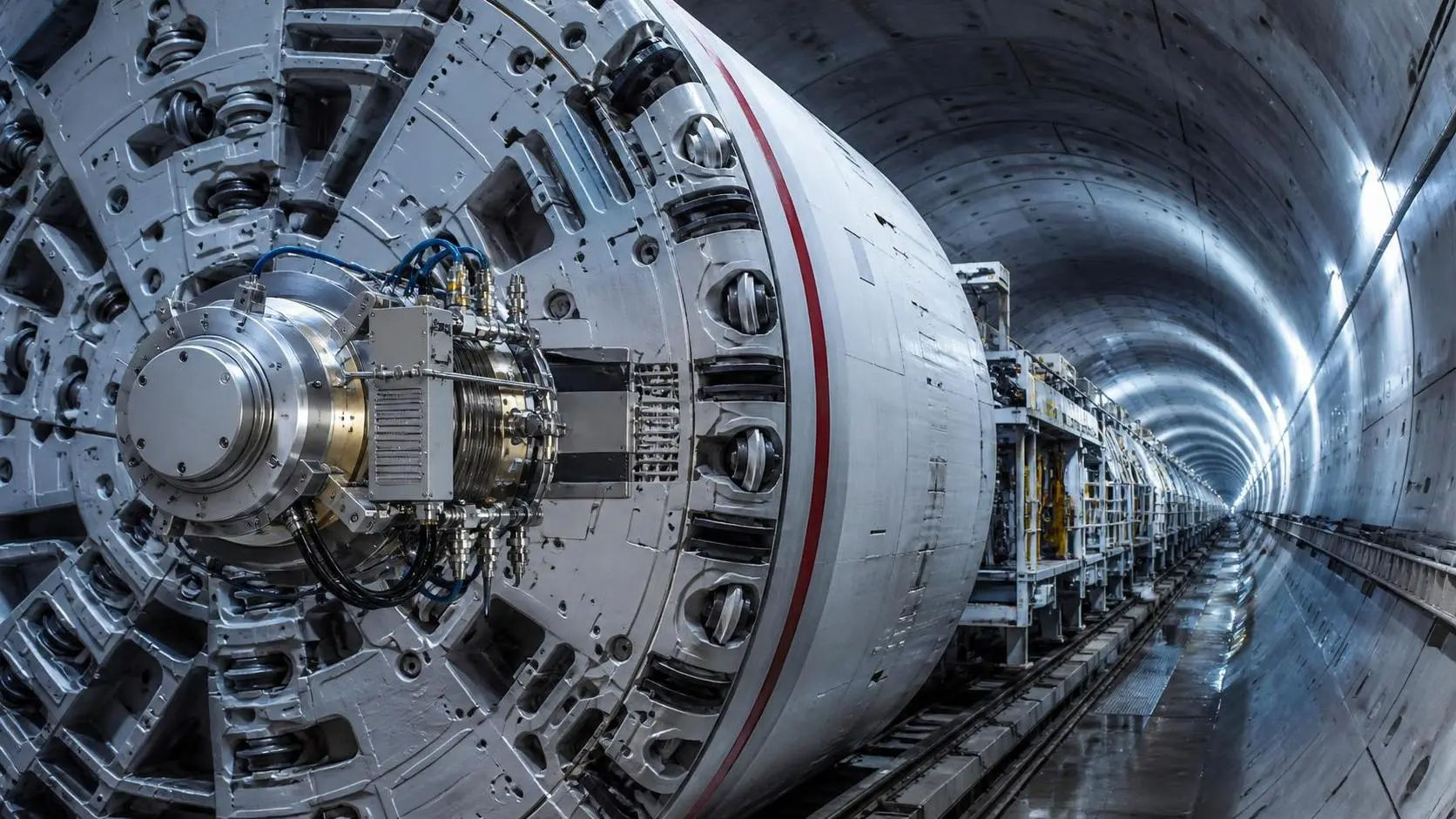
What Is a TBM Guidance System Gyroscope, and Why Does It Matter Underground?
TBM Guidance Systems gyroscope improves underground accuracy, reduces drift, and helps tunnel boring machines stay on line in harsh conditions.

China to Roll Out Nationwide Local and Foreign Currency Cash Pools for Multinationals on Sept. 14
China will roll out nationwide local and foreign currency cash pools for multinationals on Sept. 14, streamlining cross-border treasury management and boosting liquidity efficiency.
Related News
- 00
0000-00
How to Evaluate Articulated Dump Trucks Payload for Haul Road Conditions and Cycle Efficiency - 00
0000-00
How Pipe Fittings Material and Pressure Class Affect Water Line Selection - 00
0000-00
What Drives TBM Excavation Cost in Urban Tunneling Projects? - 00
0000-00
What Does Energy Metals Mining in Australia Mean for Supply, Cost, and Project Risk? - 00
0000-00
EU Eases Dual CE and UKCA Path for Chinese Tunnel Boring Equipment
Weekly Insights
Stay ahead with our curated technology reports delivered every Monday.