
Selecting Rock Support Installation Systems for Tunnel Ground Conditions and Cycle Time





Selecting Rock Support Installation Systems for Tunnel Ground Conditions and Cycle Time
Introduction: Selecting rock support installation systems is a critical decision for tunnel project managers balancing variable ground conditions, safety requirements, and cycle-time targets.
The correct choice is rarely the machine with the highest nominal bolting capacity. It is the system that consistently installs the required support within the project’s geological, operational, and logistical constraints.
For project leaders, the central question is straightforward: can the support system stabilize each newly excavated round without becoming the controlling constraint on tunnel advance?
That decision requires more than comparing drill feeds, boom reach, or stated bolt installation rates. It requires aligning equipment capability with ground behavior, support design, crew workflow, and maintenance reality.
This guide helps tunnel managers evaluate rock support installation systems through the factors that most directly influence safety, cycle time, capital efficiency, and schedule predictability.
Start With Ground Behavior, Not Equipment Specifications
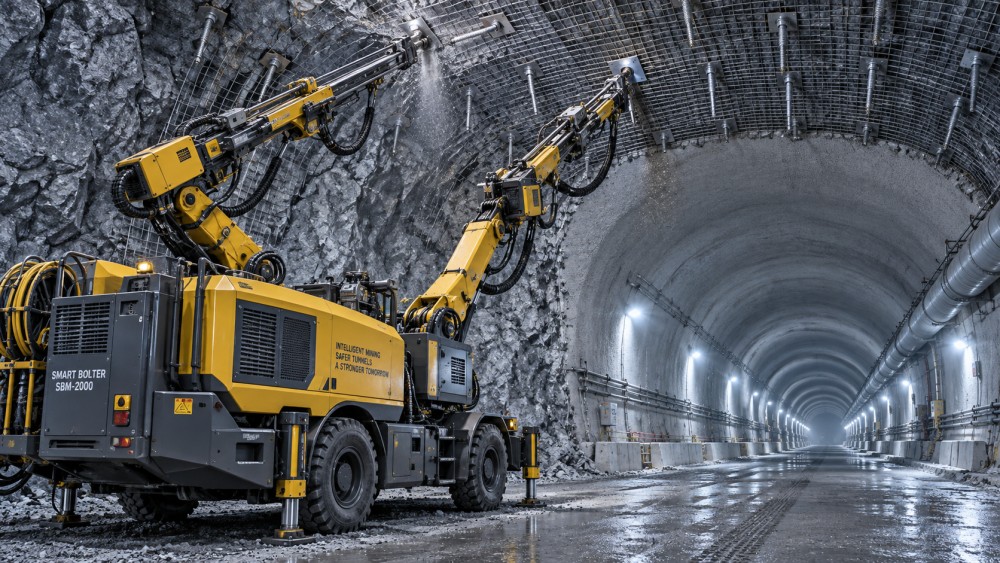
Ground conditions should define the support strategy before suppliers are compared. Equipment selection must follow the expected failure mechanisms, not simply the tunnel diameter or contract excavation method.
Competent massive rock may require limited spot bolting, while fractured rock often demands systematic bolting, mesh installation, shotcrete coordination, and frequent reassessment of support spacing.
Fault zones, sheared ground, water-bearing seams, and squeezing conditions introduce a different challenge. The support system must work reliably when access, visibility, and face stability deteriorate.
In high-stress hard-rock headings, the issue may be rockburst risk or stress-driven slabbing. Here, rapid installation and operator protection can matter more than maximum drilling speed.
Project teams should convert geotechnical baseline information into practical operating zones. Each zone should identify expected rock class, support pattern, allowable unsupported span, and required installation sequence.
This approach prevents a common procurement error: selecting a productive bolter for favorable ground, then relying on manual workarounds when difficult conditions control actual advance.
Geological uncertainty should also influence fleet strategy. A tunnel with highly variable ground may need flexible equipment and backup capacity rather than one specialized machine optimized for average conditions.
Managers should ask whether the proposed system can maintain support quality in the worst credible ground conditions, not only in the most representative ones.
Define the Cycle-Time Constraint Before Choosing a System
Rock support becomes a schedule issue when its duration exceeds excavation, mucking, ventilation clearance, survey work, or other activities within the heading cycle.
For drill-and-blast tunnels, managers should map every activity between blasting and the next charging operation. The support task must fit within that sequence without creating queueing.
For mechanized excavation, the question changes slightly. The support system must match the advance rate, available working space, conveyor arrangement, and interface with ground treatment operations.
A useful evaluation metric is installed support per productive shift, rather than theoretical bolts per hour. This includes positioning, drilling, bolt loading, resin or grout preparation, and verification.
Machine travel, cable handling, operator changeovers, water supply interruptions, and consumable replenishment should be included. These factors often consume more time than the drilling itself.
Project managers should calculate the support time required for a typical round and a difficult round. Both scenarios are necessary for credible schedule and contingency planning.
For example, a system may install fewer bolts per hour on paper but complete a round faster because it reduces repositioning, manual mesh handling, and bolt cartridge delays.
Cycle-time analysis should be performed with actual support patterns. A generic production number means little unless bolt lengths, spacing, mesh requirements, and ground classes are defined.
The target is not maximum machine utilization in isolation. The target is predictable heading utilization across the complete excavation and support cycle.
Match Bolting Method to Support Design and Ground Risk
Different support designs create different installation demands. Friction bolts, resin-grouted rebar, cement-grouted bolts, cable bolts, self-drilling anchors, and expandable bolts require distinct handling capabilities.
Friction bolts can be installed quickly in suitable rock, but they may not meet long-term durability or load requirements in wet, corrosive, or highly fractured conditions.
Resin-grouted bolts provide rapid anchorage and can support fast cycle times. However, cartridge storage, mixing quality, hole cleanliness, and curing controls must be managed carefully.
Cement-grouted systems may offer stronger long-term performance for permanent works, but their installation sequence can slow the heading unless pumping and grouting are efficiently integrated.
Self-drilling anchors can provide value in unstable or weak ground because drilling and installation occur together. Their higher consumable cost may be justified by reduced collapse exposure.
Cable bolting is generally a separate production challenge. Long holes, handling requirements, grouting time, and quality control can require dedicated equipment rather than adaptation of a standard bolter.
Managers should verify whether a proposed rock support installation system handles the specified bolt types without excessive manual intervention. Compatibility claims should be demonstrated in comparable projects.
The assessment should also include hole diameter tolerance, drill steel availability, bolt storage capacity, grout delivery arrangements, and the ability to confirm installation torque or pull performance.
Evaluate Automation Through Exposure Reduction and Repeatability
Automation should be evaluated as an operational control, not merely as a technology feature. Its value depends on whether it removes personnel from unstable ground and repetitive manual tasks.
Semi-automated bolters can improve accuracy by maintaining programmed hole positions, drilling depth, and boom movements. These benefits are especially relevant for systematic support patterns.
Automated mesh handling can reduce some of the highest-risk work near freshly excavated backs and walls. It may also improve placement consistency and reduce rework.
Remote operation is particularly valuable where rockburst potential, poor visibility, water ingress, or unstable crown conditions create unacceptable exposure during early support installation.
However, automation does not eliminate operational requirements. Sensors need calibration, operators need training, and digital systems need dependable connectivity, software support, and disciplined data management.
Project leaders should distinguish between automated drilling functions and fully automated support installation. A machine may position and drill automatically while still requiring manual bolt handling.
The right automation level depends on the site’s labor model, ground risk, available technical support, and expected duration of the project. More automation is not automatically better.
A strong business case measures reduced exposure hours, improved installation consistency, lower rework, and fewer unplanned stoppages. These benefits are often more valuable than direct labor savings.
Check Access, Reach, and Interface Constraints at the Heading
Even a technically capable machine can underperform when the tunnel geometry restricts setup, turning, boom movement, or access to the crown and shoulder areas.
Managers should assess the full excavation profile, including overbreak allowances, invert condition, drainage channels, ventilation ducts, service lines, conveyors, and emergency escape requirements.
Boom reach must cover the designed bolt pattern without repeated machine repositioning. Limited reach may create unbolted zones or force unsafe manual finishing work.
Machine width and turning radius matter in cross passages, adits, enlargements, and temporary headings. A compact carrier may provide better overall productivity than a larger platform.
For tunnels with multiple headings, equipment mobility between work areas becomes important. Transport time, ramp gradients, and the need for special trailers should be included in planning.
Ventilation is another overlooked interface. Diesel equipment increases airflow demand, while battery-electric systems can improve air quality and reduce ventilation energy in confined underground spaces.
Electric systems introduce different constraints, including charging access, battery swap logistics, power capacity, and maintenance readiness. These must be evaluated at project level, not machine level.
The selected system should also coordinate with shotcrete equipment. Poor sequencing between bolting, mesh placement, and spraying can erase the advantages of faster support installation.
Build the Business Case Around Availability, Not Purchase Price
Capital cost matters, but availability determines whether the investment protects the programme. A lower-cost machine can become expensive when downtime repeatedly delays critical support work.
Managers should compare expected availability using service records from similar geology, duty cycles, climate conditions, and local maintenance arrangements. Supplier claims alone are insufficient.
Critical components include hydraulic drifters, boom structures, carousel systems, resin injectors, drilling consumable interfaces, electrical controls, and automated handling mechanisms.
Availability planning should identify which failures can be repaired underground, which require specialist technicians, and which components have long lead times in the project region.
A practical evaluation includes planned maintenance hours per month, required spare parts inventory, technician response commitments, and the consequences of operating with reduced functionality.
For long projects, life-cycle cost should include energy use, consumables, rebuild intervals, operator requirements, workshop tooling, software subscriptions, and expected residual value.
For short contracts, rental availability, supplier support coverage, and mobilization speed may outweigh ownership economics. The most appropriate commercial model depends on project duration and risk allocation.
Project managers should quantify the cost of one lost support shift. That figure often clarifies why reliability, backup capability, and supplier responsiveness deserve substantial weighting.
Use Quality Control Data to Protect the Programme
Fast installation only creates value when the installed support meets design requirements. Poor hole alignment, inadequate embedment, weak grouting, or missed bolts can create costly rework.
Modern rock support installation systems can capture drilling depth, hole angle, bolt location, grout volume, installation torque, and cycle duration. These records support both quality and productivity management.
Digital data should be linked to chainage, geological mapping, support class, and shift records. This creates a traceable picture of conditions and installed support.
Managers can use this information to identify recurring delays, abnormal drilling resistance, underperforming consumables, or areas where actual ground behavior differs from baseline assumptions.
Quality data is most useful when the site has clear response rules. For example, a deviation in bolt angle or grout consumption should trigger inspection criteria, not merely dashboard reporting.
Support verification should include appropriate pull testing, torque checks, grout monitoring, visual inspection, and convergence measurement based on the support system and project specification.
These controls reduce the risk of discovering installation defects after subsequent excavation has made correction more difficult, disruptive, and hazardous.
Well-managed data also improves commercial defensibility. It provides evidence when ground conditions require design changes, additional support, revised productivity assumptions, or extension-of-time discussions.
Choose a System Through Scenario Testing, Not Vendor Comparison Alone
A robust selection process compares systems against defined operating scenarios. These should include normal ground, fractured ground, faulted ground, constrained access, and recovery from equipment downtime.
Each option should be scored against safety exposure, installed support rate, setup time, support quality, compatibility, maintenance needs, energy requirements, and operator skill demands.
The evaluation should involve construction, geotechnical, plant, safety, and commercial teams. Rock support decisions affect every one of these disciplines and should not sit solely with procurement.
Supplier demonstrations are useful, but they should replicate the project’s actual bolt types, mesh requirements, tunnel profile, and working sequence wherever possible.
Reference checks should focus on operational realities. Ask previous users about downtime causes, consumable performance, training duration, technical support quality, and performance in difficult ground.
Contractors should also consider fleet resilience. A single highly productive unit may create unacceptable schedule exposure when no alternative machine can provide basic support during breakdowns.
In many projects, the best solution combines a primary mechanized bolter with a smaller backup unit, manual contingency tools, or a subcontracted specialist capability for exceptional conditions.
This layered approach increases cost visibility, but it can materially reduce the likelihood that one equipment failure stops excavation at a critical heading.
Conclusion: Select for Predictable Advance, Not Isolated Speed
Rock support installation systems should be selected as part of the full tunnel production system. Their purpose is to make newly excavated ground safe without disrupting planned advance.
The strongest decisions begin with credible ground-condition scenarios, translate support design into cycle-time requirements, and assess equipment performance under real site constraints.
For project managers, the most important measures are installed support quality, worker exposure, equipment availability, and the ability to sustain advance through variable ground conditions.
A system that performs consistently in fractured rock, interfaces cleanly with excavation and shotcrete, and produces usable quality data will usually outperform a faster machine with fragile assumptions.
By evaluating bolting method, automation, access, maintenance support, and contingency capacity together, underground teams can reduce schedule volatility and improve confidence in delivery commitments.
Related News
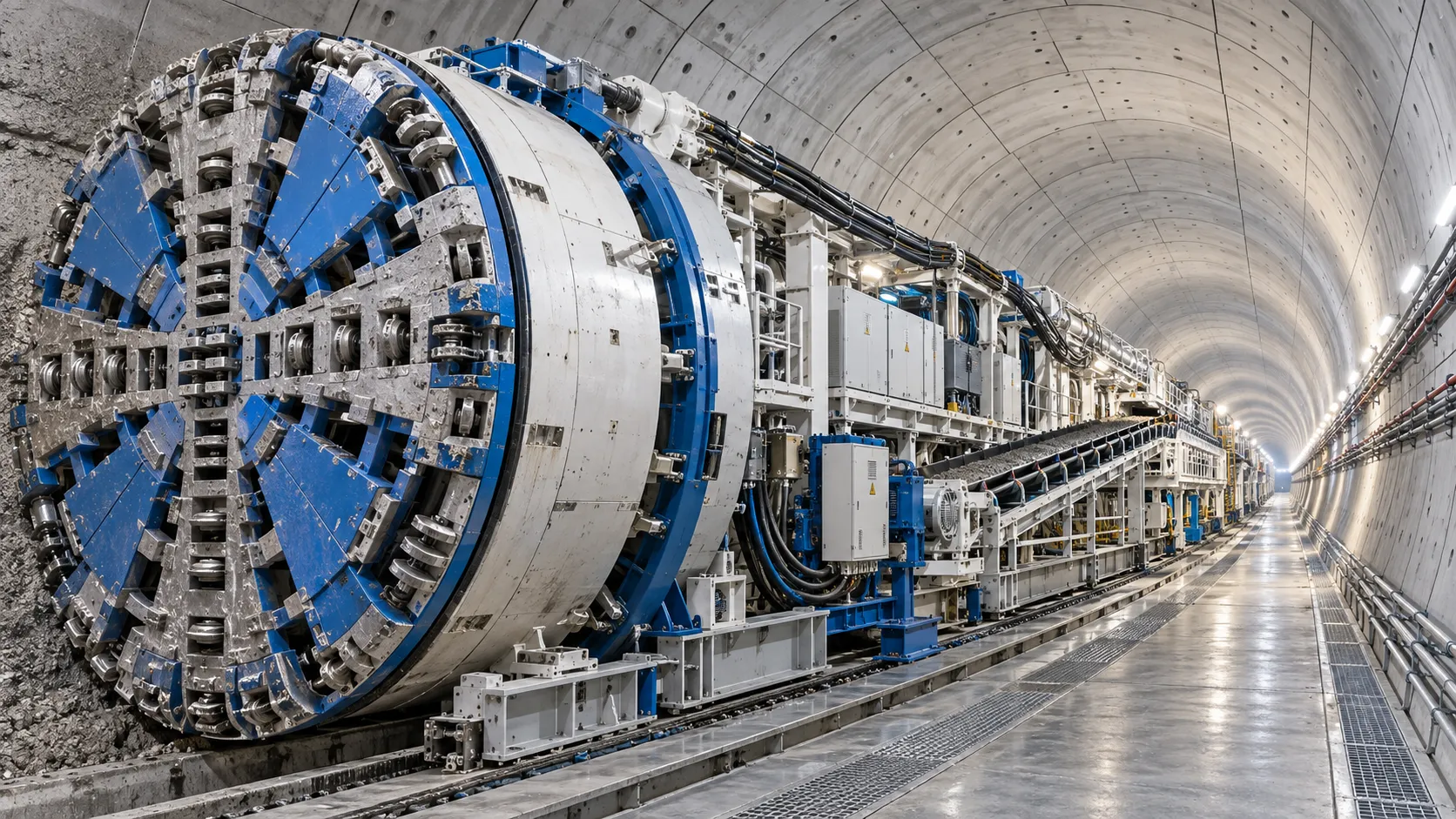
Tunnel Boring Machine Costs: Budgeting for Purchase, Operation, and Project Risk
Tunnel Boring Machines cost more than purchase price. Learn how to budget lifecycle costs, downtime, logistics, wear, and project risk for smarter TBM decisions.
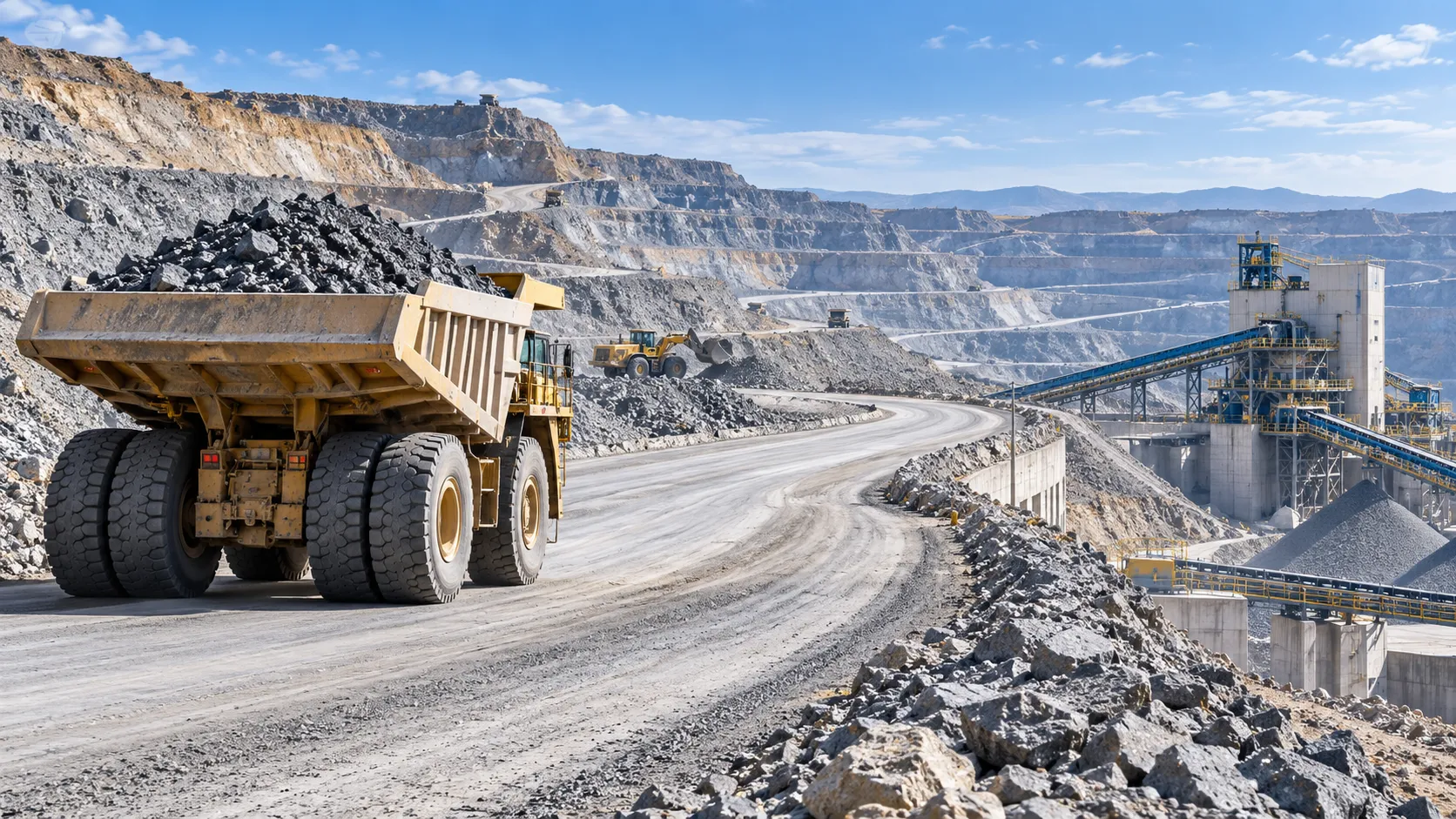
Open-Pit Haulage Cost Analysis: How Mine Managers Can Cut Cost per Tonne
Open pit haulage cost analysis: discover practical ways to reduce cost per tonne through payload control, cycle-time optimization, road performance, and smarter fleet decisions.
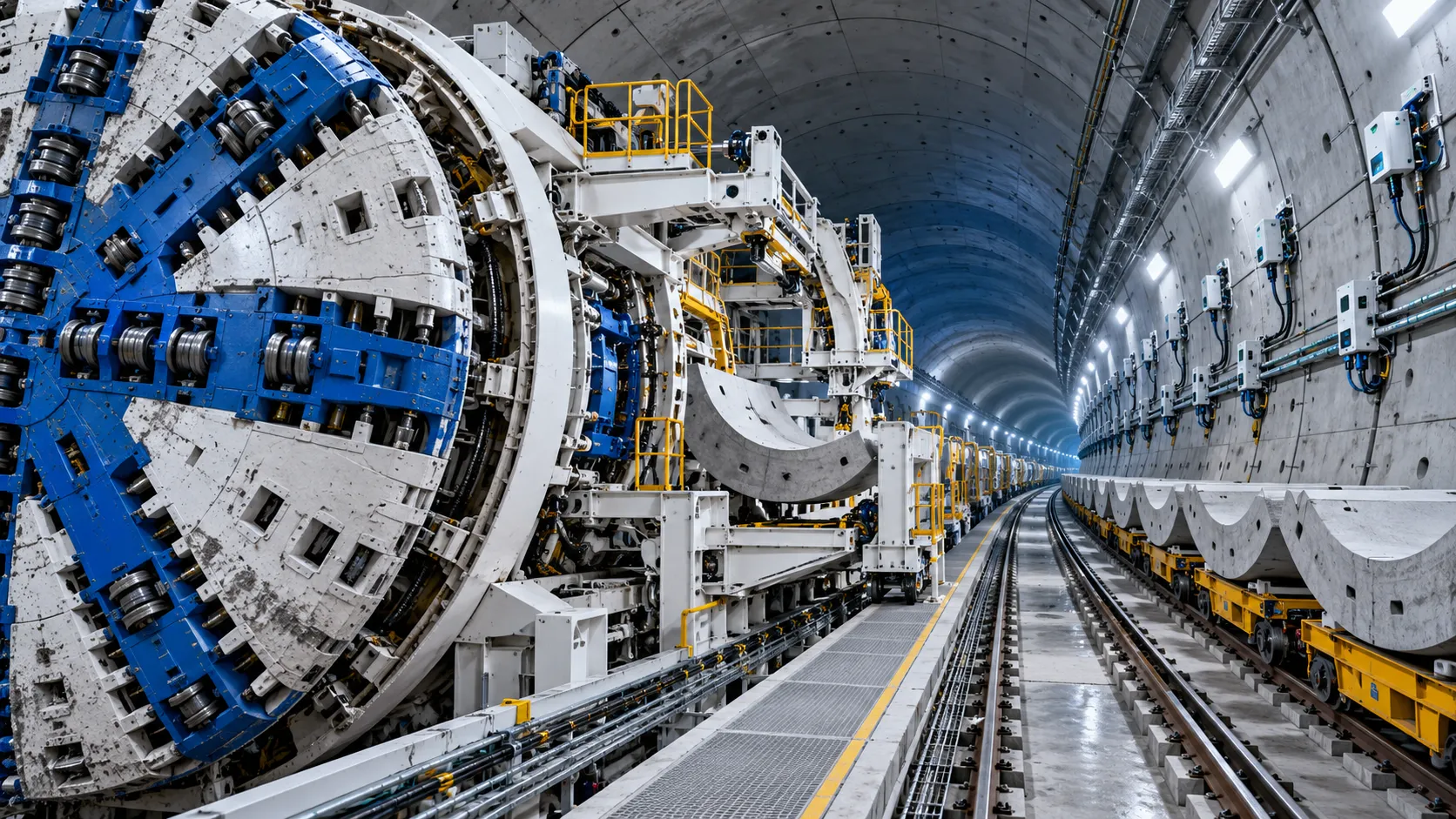
Tunnel Construction Innovations That Reduce Risk and Schedule Delays on Urban Projects
Tunnel construction innovation for urban projects: discover smarter TBMs, real-time monitoring, trenchless methods, and automation that reduce risk and protect schedules.
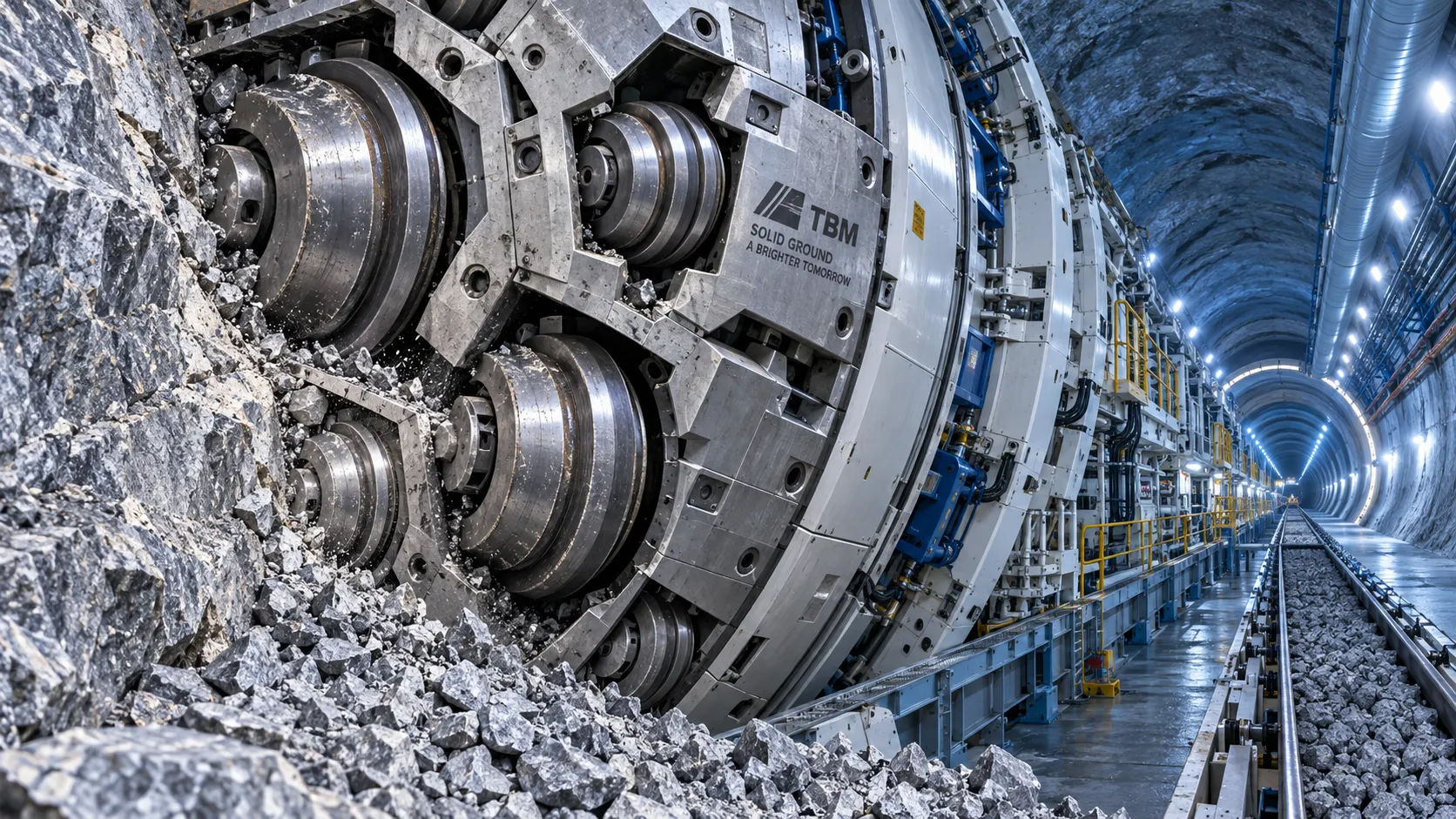
TBM Disc Cutter Design: Key Geometry and Load Factors for Hard Rock Tunnelling
TBM disc cutter design explained: explore geometry, spacing, load distribution and maintenance factors for reliable, efficient hard-rock tunnelling performance.
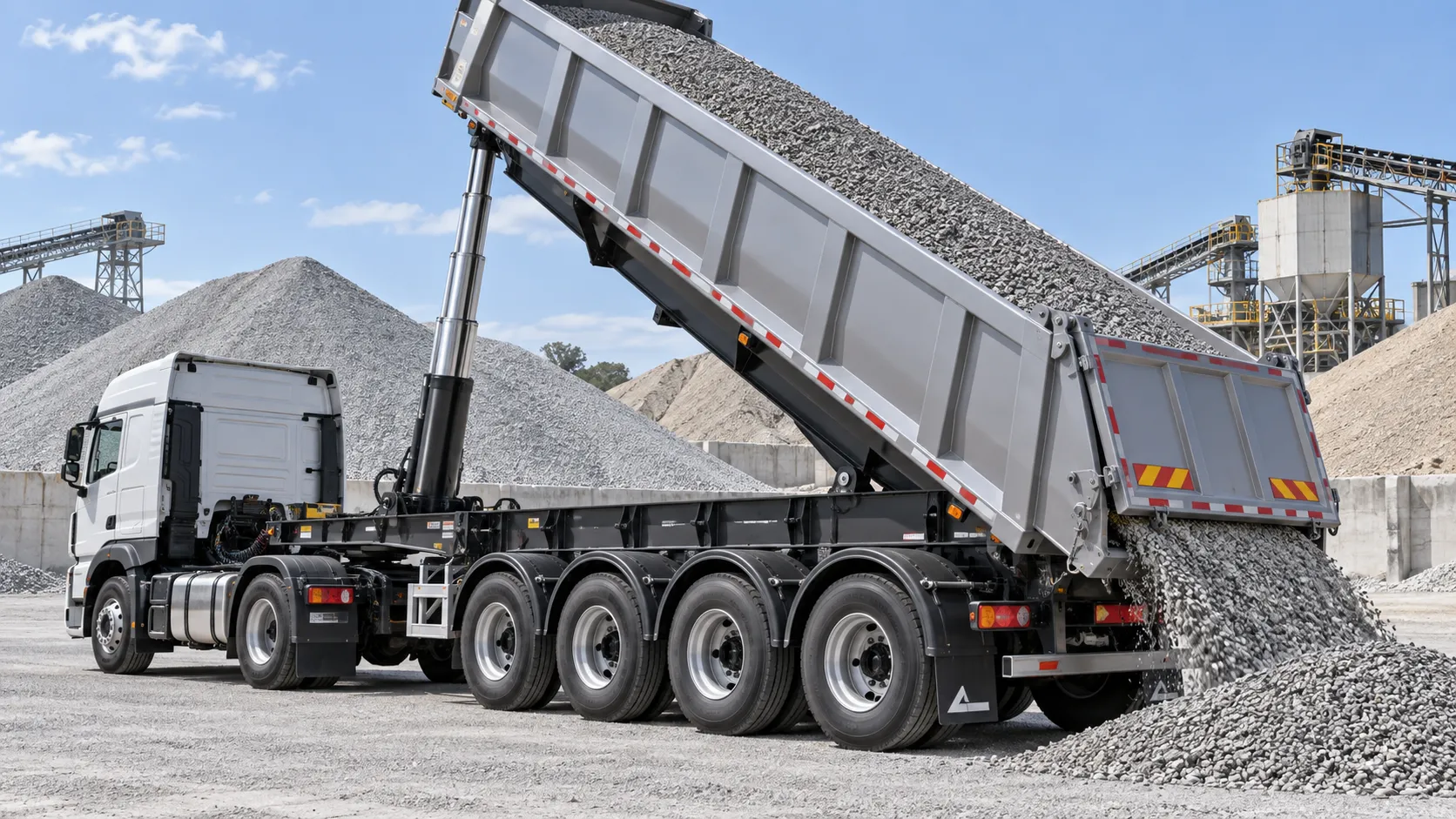
Hydraulic Tipping Stability Risks in Multi-Axle Dump Special Trailers
Dump special trailers: discover key hydraulic tipping stability risks, multi-axle load dynamics, and practical safety controls for safer, smarter bulk hauling.
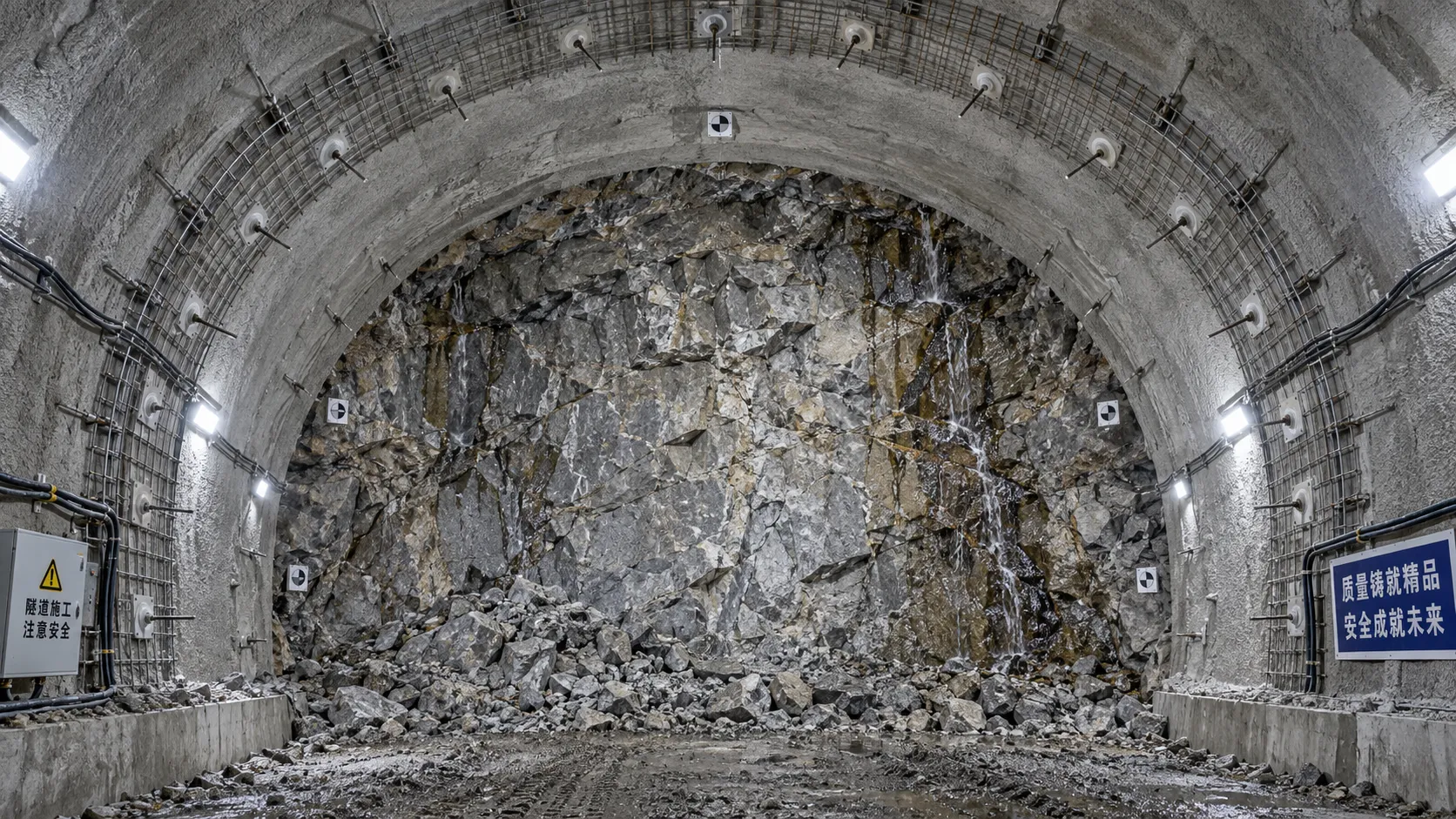
When rock reinforcement in tunnel construction must change after blasting
Rock reinforcement in tunnel construction must change when blasting reveals overbreak, weak joints, water inflow, or deformation. Discover key post-blast support decisions.
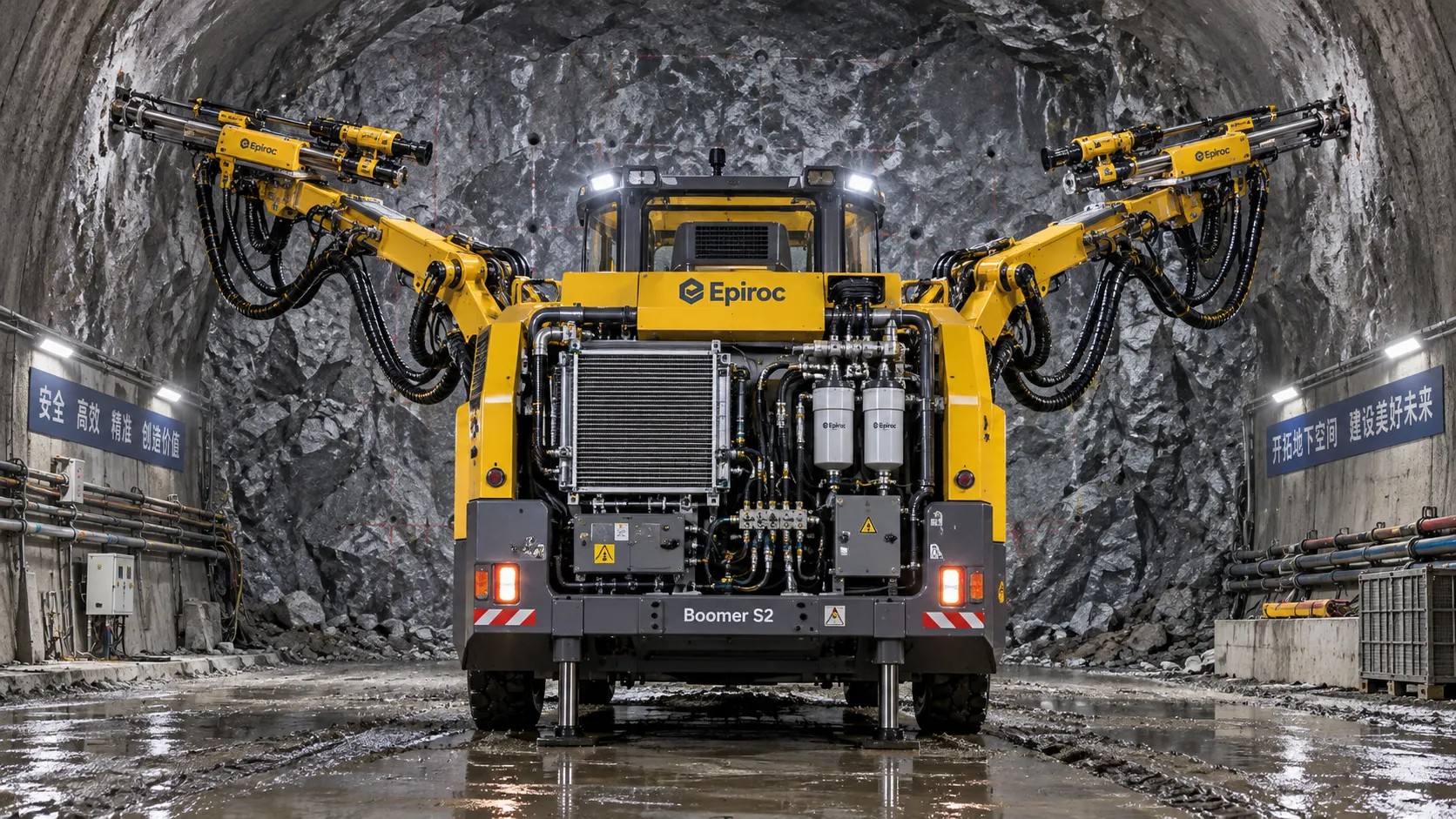
How tunnel hydraulic systems influence drill jumbo uptime underground
Tunnel hydraulic systems directly influence drill jumbo uptime. Explore how stable pressure, clean oil, cooling, and maintainable design reduce underground downtime.
What to verify before appointing a tunneling vehicles manufacturer
Choosing a tunneling vehicles manufacturer? Verify application fit, reliability, compliance, parts support, training, and channel terms before appointing a partner.
Selecting K9 Ductile Iron Pipe for Buried Water Pipeline Conditions
K9 ductile iron pipe selection for buried water pipelines: compare pressure duty, joints, soil loads, corrosion protection, and installation controls for reliable long-term performance.
Related News
- 00
0000-00
Tunnel Boring Machine Costs: Budgeting for Purchase, Operation, and Project Risk - 00
0000-00
Open-Pit Haulage Cost Analysis: How Mine Managers Can Cut Cost per Tonne - 00
0000-00
Tunnel Construction Innovations That Reduce Risk and Schedule Delays on Urban Projects - 00
0000-00
TBM Disc Cutter Design: Key Geometry and Load Factors for Hard Rock Tunnelling - 00
0000-00
Hydraulic Tipping Stability Risks in Multi-Axle Dump Special Trailers
Weekly Insights
Stay ahead with our curated technology reports delivered every Monday.