
2026 Cross-Border Trade Facilitation Initiative Launched





On May 22, 2026, China’s General Administration of Customs and 23 other departments jointly launched the 2026 Cross-Border Trade Facilitation Initiative — a coordinated effort to streamline import clearance for high-value goods including electromechanical equipment, high-tech products, and bulk resource commodities. This development is particularly relevant for global suppliers of tunnel boring machine (TBM) main drive systems, hydraulic rock drills, and intelligent Jumbo control systems, as it directly affects customs processing time and regulatory predictability in the Chinese market.
Event Overview
The 2026 Cross-Border Trade Facilitation Initiative was officially launched on May 22, 2026, by the General Administration of Customs and 24 participating ministries and agencies. Key confirmed measures include advancing integrated port-and-inland supervision, granting expedited customs clearance for imports of electromechanical equipment, high-tech products, and bulk resource commodities, and optimizing self-service printing of documents such as the Import Drug Clearance Certificate.
Industries Affected by This Initiative
Direct Trading Enterprises
These enterprises — especially those exporting high-precision mechanical or electronic components into China — face reduced clearance lead times and improved regulatory clarity. The initiative explicitly names TBM main drive systems, hydraulic rock drills, and intelligent Jumbo control systems as beneficiaries, suggesting prioritized handling under new procedural frameworks.
Raw Material & Component Procurement Enterprises
For procurement teams sourcing critical subsystems from overseas, the initiative lowers uncertainty in customs classification, valuation, and document verification. Since the policy emphasizes ‘high-tech products’ and ‘electromechanical equipment’, classification consistency and pre-clearance coordination become more consequential for procurement planning.
Manufacturing Enterprises (OEM/ODM)
Domestic manufacturers integrating imported core components — e.g., underground construction machinery OEMs — may experience shorter inbound logistics cycles and fewer unexpected delays at customs. However, this benefit depends on alignment between supplier documentation and China’s updated clearance protocols, making documentation accuracy a key operational factor.
Supply Chain Service Providers
Custody agents, freight forwarders, and customs brokers handling high-tech or heavy-machinery imports will need to adapt internal workflows to support integrated port-and-inland supervision. The emphasis on digital document services — such as automated printing of the Import Drug Clearance Certificate — signals broader digitization of supporting documentation, requiring system compatibility and staff training updates.
What Relevant Enterprises or Practitioners Should Focus On
Monitor official implementation guidelines and sector-specific notices
The initiative is a multi-departmental action plan; detailed operational guidance (e.g., eligibility criteria for ‘expedited clearance’, updated HS code mappings, or pilot port lists) has not yet been published. Enterprises should track announcements from GACC and the Ministry of Commerce for jurisdiction-specific rollout timelines.
Verify product categorization against newly emphasized priority categories
‘Electromechanical equipment’ and ‘high-tech products’ are broad terms. Suppliers should cross-check whether their specific items — such as hydraulic rock drills or TBM drive systems — fall within officially designated subcategories eligible for facilitation. Misalignment could result in missed benefits or classification disputes.
Distinguish policy intent from immediate operational impact
While the initiative signals strong institutional commitment, its effects depend on local customs office capacity, system integration progress, and inter-agency coordination. Early adoption may vary across ports; enterprises should treat initial announcements as directional rather than universally effective from May 22 onward.
Prepare documentation workflows and supplier communication protocols now
Since the initiative highlights document optimization (e.g., self-service printing of the Import Drug Clearance Certificate), enterprises importing regulated or technically complex goods should audit current documentation practices, confirm digital certificate readiness with suppliers, and update internal compliance checklists ahead of formal implementation phases.
Editorial Perspective / Industry Observation
Observably, this initiative functions primarily as a policy signal — one that reinforces China’s ongoing shift toward risk-based, data-integrated customs governance. Analysis shows it does not introduce new tariff changes or regulatory exemptions, but rather restructures procedural execution across existing legal frameworks. From an industry perspective, its significance lies less in immediate rule changes and more in the sustained prioritization of high-value industrial imports within China’s trade infrastructure modernization agenda. Continued attention is warranted because implementation fidelity — especially across decentralized customs offices — will determine real-world throughput gains.
Concluding, this initiative reflects a calibrated step toward predictable, technology-enabled import management for strategic industrial inputs. It is best understood not as a standalone reform, but as a reinforcing component of China’s broader supply chain resilience strategy — one where procedural efficiency serves as a non-tariff enabler for advanced manufacturing inputs. Current interpretation should emphasize phased readiness over immediate transformation.
Source Attribution:
Main source: Joint announcement by China’s General Administration of Customs and 24 other departments, issued May 22, 2026.
Note: Specific implementation details, regional rollout schedules, and eligibility verification mechanisms remain pending official publication and are subject to ongoing observation.
Related News

How to Evaluate European Drill-and-Blast Tunnelling Contractors for Complex Projects
Drill and blast tunnelling contractors Europe: learn how to assess geology expertise, blast control, equipment reliability, safety, and programme resilience for complex projects.

Which Trenchless Construction Technique Fits Your Utility Crossing Conditions?
Trenchless construction techniques compared for utility crossings: choose HDD, microtunnelling, pipe jacking, or auger boring based on ground, accuracy, access, and risk.

What Is Driving Metro Tunnelling Demand Across Southeast Asia’s Major Cities?
Metro tunnelling Southeast Asia is accelerating as major cities tackle congestion, flooding, and connectivity. Explore the market forces, technical risks, and opportunities shaping demand.

Hard Rock Tunnelling in Australia: Selecting Methods for Variable Ground Conditions
Hard rock tunnelling in Australia: compare TBM, drill-and-blast and hybrid methods to manage variable ground, reduce risk and protect project costs.

Hydropower Tunnel Excavation: Selecting Methods for Variable Rock Conditions
Hydropower tunnel excavation methods for variable rock conditions: compare TBM, drill-and-blast, and hybrid strategies to improve safety, progress, and project control.

How to Select Underground Safety Equipment for Tunnelling by Hazard and Work Zone
Underground Safety Equipment for tunnelling: match protection to hazards, work zones, compliance, and emergency needs with this practical selection guide.
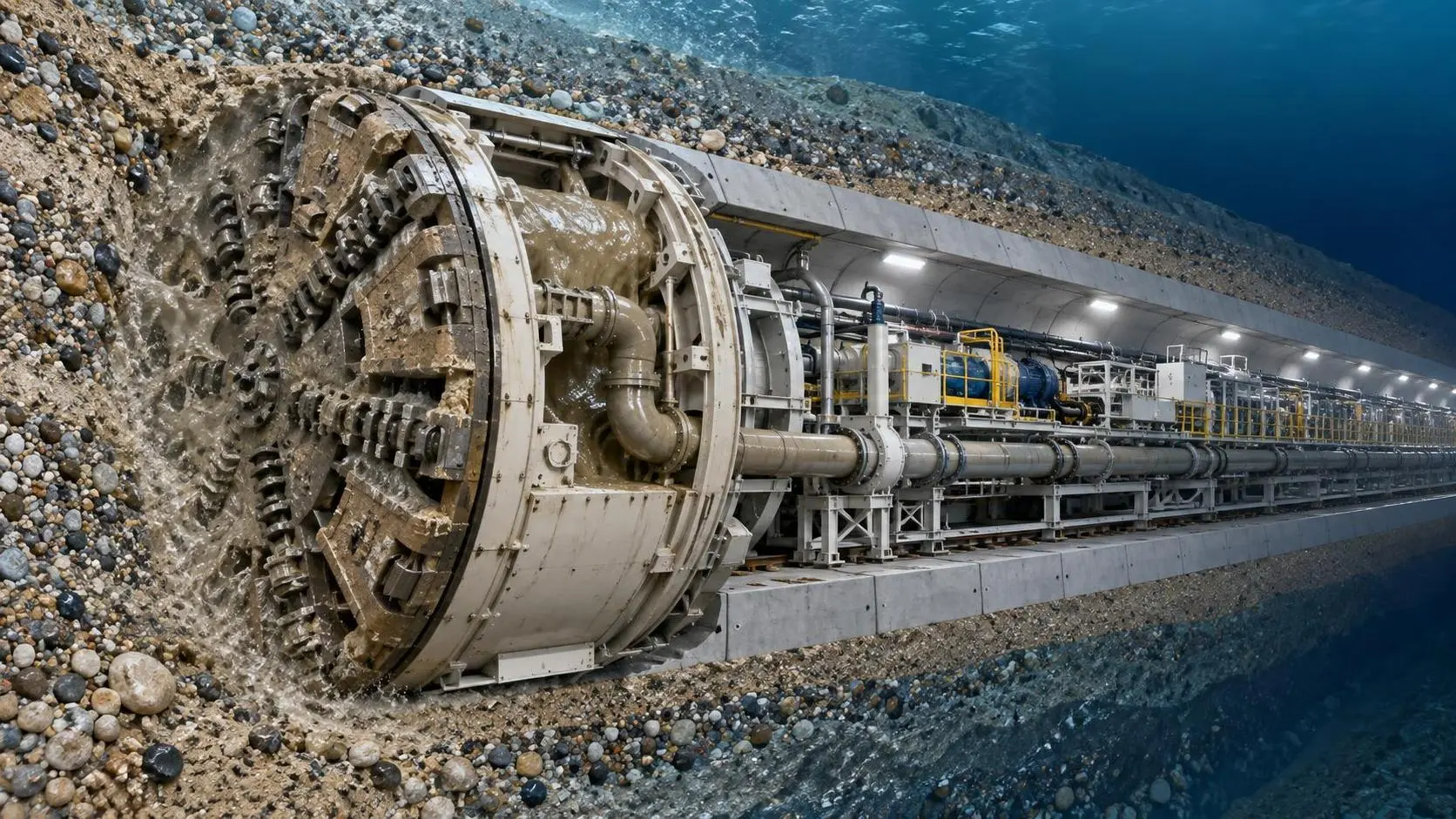
EPB or Slurry Shield? Selecting Soft-Ground Tunnelling Equipment by Soil Conditions
Tunnel Excavation Equipment for soft ground: compare EPB and slurry shields by soil, groundwater, settlement risk, and project logistics to choose confidently.
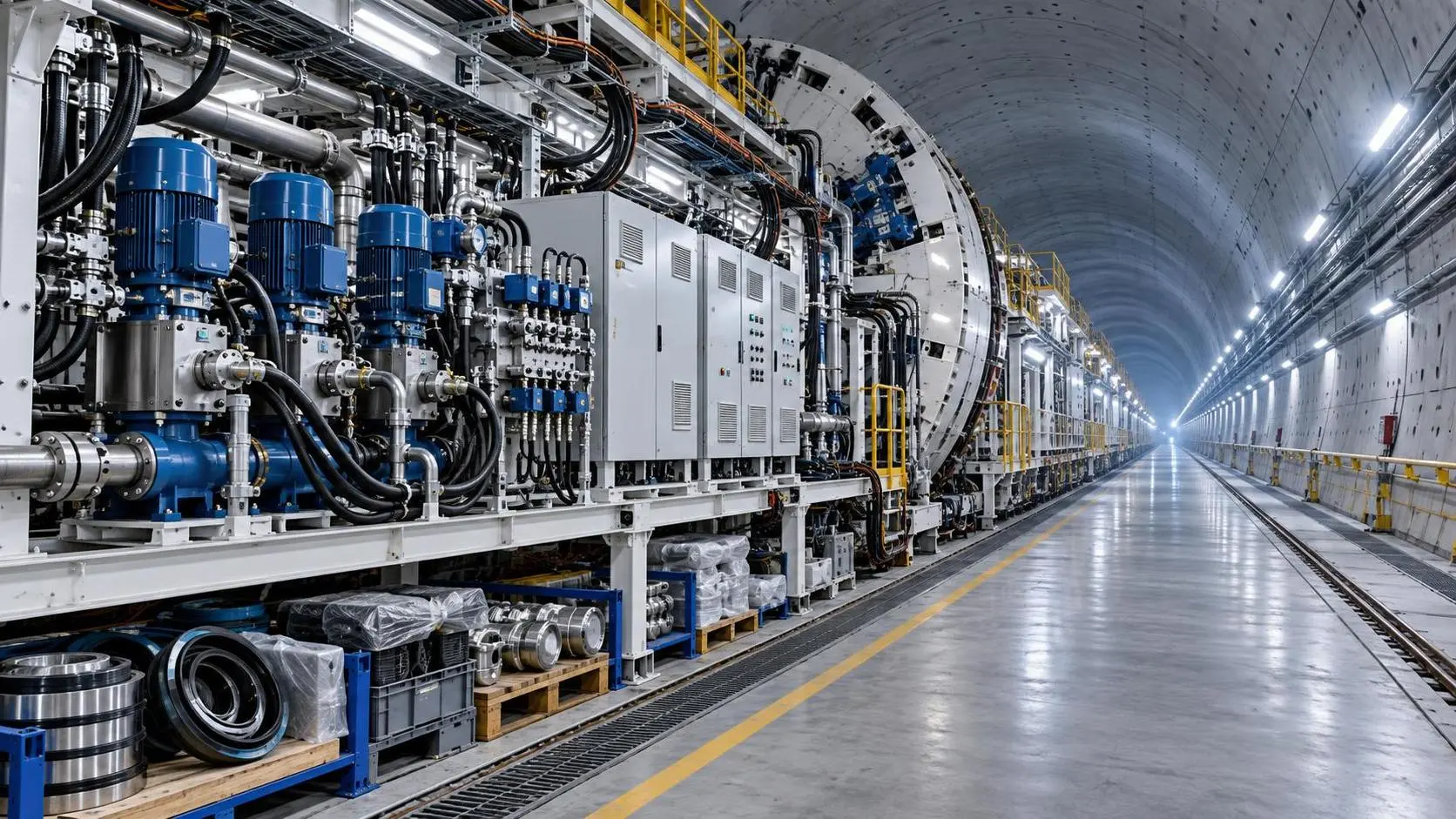
How to Specify TBM Backup System Parts for Reliable Long-Distance Tunnelling
TBM backup system parts: learn how to specify reliable spares for long-distance tunnelling, reduce downtime, ensure compatibility, and speed underground recovery.

How to Size Open Pit Mining Trucks for Haul Distance, Grade, and Payload?
Open Pit Mining Trucks: learn how to match payload, haul distance, grade, road resistance, and loading capacity for safer, lower-cost mine operations.
Related News
- 00
0000-00
How to Evaluate European Drill-and-Blast Tunnelling Contractors for Complex Projects - 00
0000-00
Which Trenchless Construction Technique Fits Your Utility Crossing Conditions? - 00
0000-00
What Is Driving Metro Tunnelling Demand Across Southeast Asia’s Major Cities? - 00
0000-00
Hard Rock Tunnelling in Australia: Selecting Methods for Variable Ground Conditions - 00
0000-00
Hydropower Tunnel Excavation: Selecting Methods for Variable Rock Conditions
Weekly Insights
Stay ahead with our curated technology reports delivered every Monday.