
Lithium Battery Copper Foil Profit Turning Point Confirmed; HVLP4 PCB Copper Foil Shortage Impacts TBM and LHD Vehicle Computing Units





Recent industry developments signal a structural shift in copper foil supply dynamics, with implications for high-performance electronics manufacturing. Though no official date has been announced for the policy or market inflection, a May 16 industry deep-dive report highlights accelerating material constraints — particularly for high-value, low-profile (HVLP) copper foils — that are now directly affecting lead times and delivery schedules across critical automotive and industrial control systems.
Event Overview
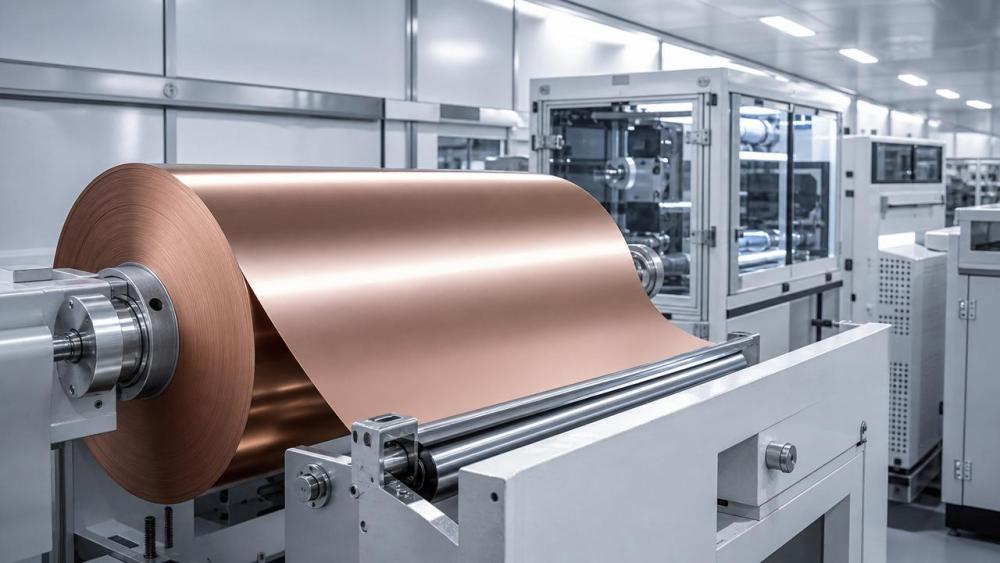
According to a May 16 industry deep-dive report, the supply-demand gap for premium-grade PCB copper foil (HVLP4) is projected to reach 666 metric tons per month in Q2 2026. The concurrent acceleration of AI server adoption — which increasingly relies on next-generation HVLP5 foil — is further constraining available production capacity. HVLP4 serves as the foundational substrate for high-frequency, high-speed signal layers in two mission-critical components: TBM intelligent control system main control boards and Autonomous LHD (Load-Haul-Dump) vehicle domain controllers. As a result, custom PCB lead times have extended beyond 18 weeks. Leading Chinese PCB manufacturers have prioritized order fulfillment for mining-sector clients amid tightening availability.
Industries Affected
Direct Trading Enterprises
Trading firms specializing in advanced electronic materials face widening bid-ask spreads and increased inventory holding risk. With HVLP4 allocation becoming increasingly discretionary — rather than price-driven — traders are losing pricing leverage and facing longer settlement cycles, especially when bridging between upstream foil producers and downstream PCB fabricators.
Raw Material Procurement Enterprises
Companies responsible for sourcing base materials for PCB fabrication (e.g., copper foil, prepreg, laminates) must now engage in earlier, more binding procurement commitments — often with volume guarantees and extended payment terms — to secure HVLP4 allocations. This reduces flexibility in responding to demand volatility and increases working capital pressure.
Manufacturing Enterprises (PCB Fabrication & System Integration)
PCB fabricators experience cascading delays: extended raw material wait times push back panel layup, etching, and plating schedules. For system integrators building TBM control boards or LHD domain controllers, these delays translate into constrained build plans, delayed customer acceptance tests, and potential contractual penalties — especially where just-in-time delivery clauses apply.
Supply Chain Service Providers
Logistics and customs brokerage firms supporting cross-border movement of specialty copper foils report rising documentation complexity and classification disputes, particularly around tariff codes for HVLP variants. Concurrently, warehousing providers note increased demand for climate-controlled, certified storage space — reflecting tighter handling requirements and longer buffer stock durations.
Key Focus Areas and Recommended Actions
Secure Long-Term HVLP4 Allocation Agreements Now
Given confirmed prioritization of mining-sector orders and limited near-term capacity expansion, procurement teams should initiate formal allocation discussions with foil suppliers — ideally backed by multi-quarter forecasts and co-investment considerations (e.g., shared R&D or joint qualification programs).
Reassess PCB Stack-Up Design for HVLP4 Substitution Feasibility
Engineering teams should evaluate whether adjacent HVLP grades (e.g., HVLP3 or tailored HVLP4+ variants) can meet signal integrity requirements without compromising thermal or mechanical performance — particularly for non-safety-critical subsystems.
Strengthen Dual-Sourcing and Regional Diversification Strategies
Overreliance on a single geographic cluster of foil producers or PCB fabricators heightens exposure. Firms should map alternative qualified sources in Southeast Asia and Europe — noting that HVLP4 qualification timelines typically exceed 12 weeks.
Editorial Perspective / Industry Observation
Analysis shows this is not merely a cyclical shortage but reflects a structural bottleneck: HVLP foil production requires highly specialized electrolytic lines with precise current density control, long qualification cycles (often >9 months), and limited global vendor count (<10 fully qualified producers). Observably, the convergence of AI server demand and automotive electrification is compressing previously segmented capacity pools — making cross-industry coordination essential. From an industry perspective, the lithium battery copper foil profit inflection point may offer partial offsetting opportunities for integrated producers, but it does not alleviate the HVLP4 constraint, which stems from distinct technical and certification barriers. Current dynamics are better understood as a materials-led bottleneck rather than a macroeconomic or policy-driven shock.
Conclusion
This development underscores how material-level constraints — once considered secondary to chip or software bottlenecks — are now decisive gating factors in high-reliability embedded systems. For the mining automation, off-highway vehicle, and AI infrastructure sectors, copper foil availability has evolved from a procurement detail into a strategic dependency requiring cross-functional alignment across engineering, sourcing, and program management.
Source Attribution
Source: Industry Deep-Dive Report, May 16, 2024 (confidential distribution; author affiliation withheld per NDA). Data on HVLP4 gap (666 t/month) and AI server HVLP5 uptake cited therein. Ongoing monitoring required for: (1) announced HVLP line expansions by major Asian foil producers; (2) regulatory updates on export controls for advanced metallurgical equipment; (3) qualification progress of second-tier HVLP4 suppliers in Vietnam and Malaysia.
Related News
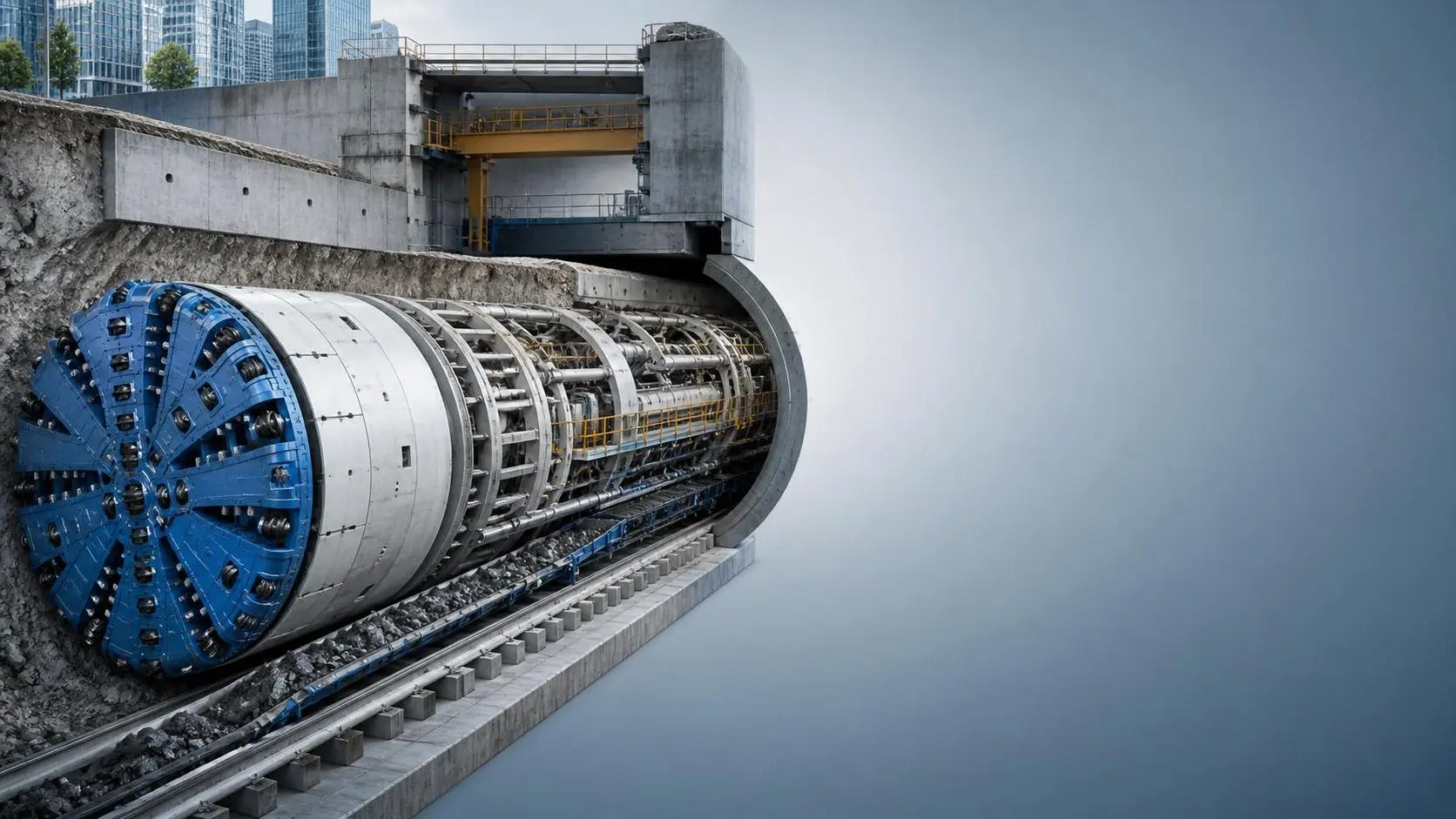
What Drives TBM Excavation Cost in Urban Tunneling Projects?
tbm excavation cost in urban tunneling depends on geology, shafts, segment lining, logistics, and risk. Discover the key cost drivers and compare bids with greater confidence.
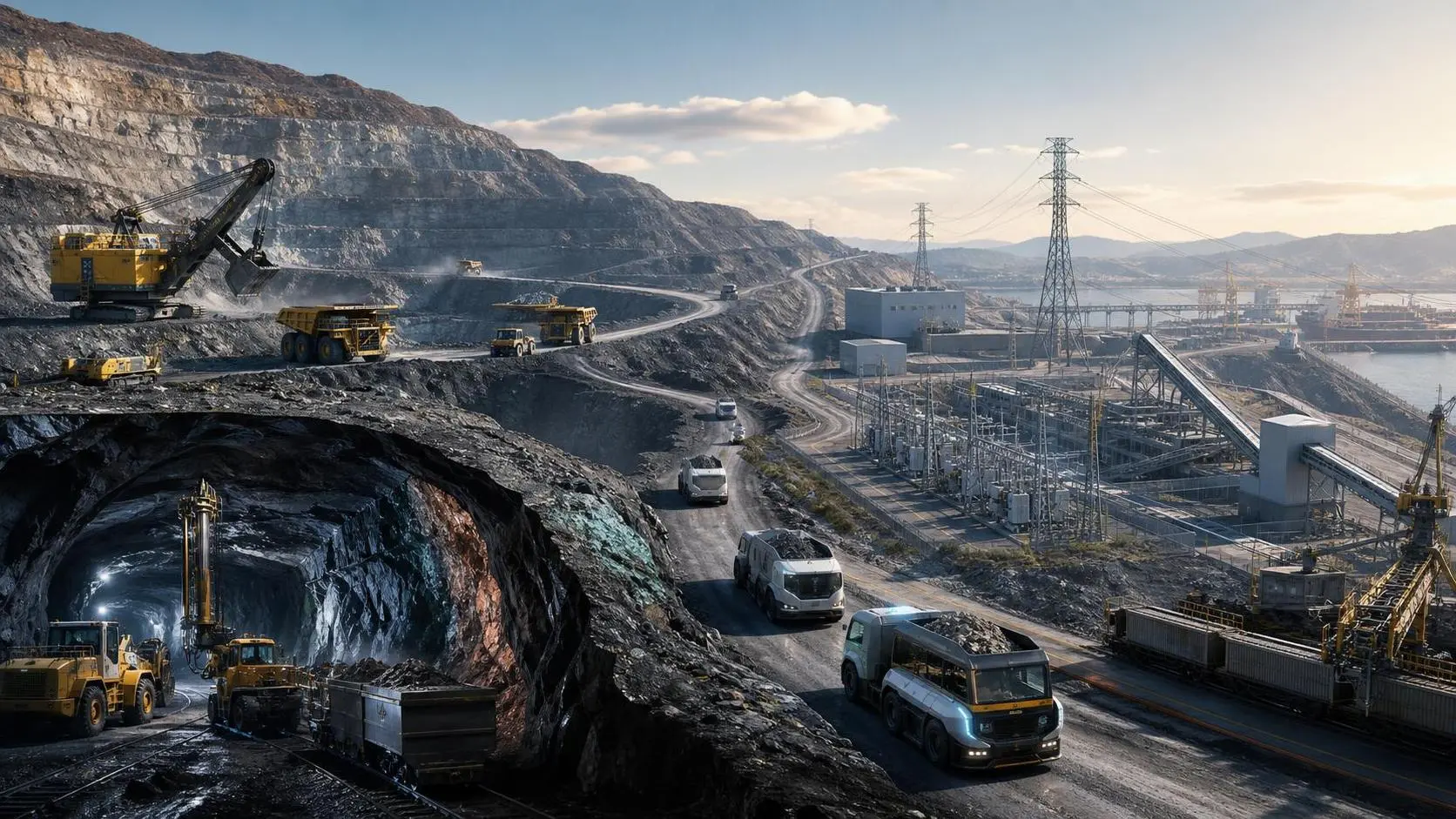
What Does Energy Metals Mining in Australia Mean for Supply, Cost, and Project Risk?
Energy metals mining Australia is reshaping supply, cost, and project risk. Discover what it means for buyers, investors, and operators.
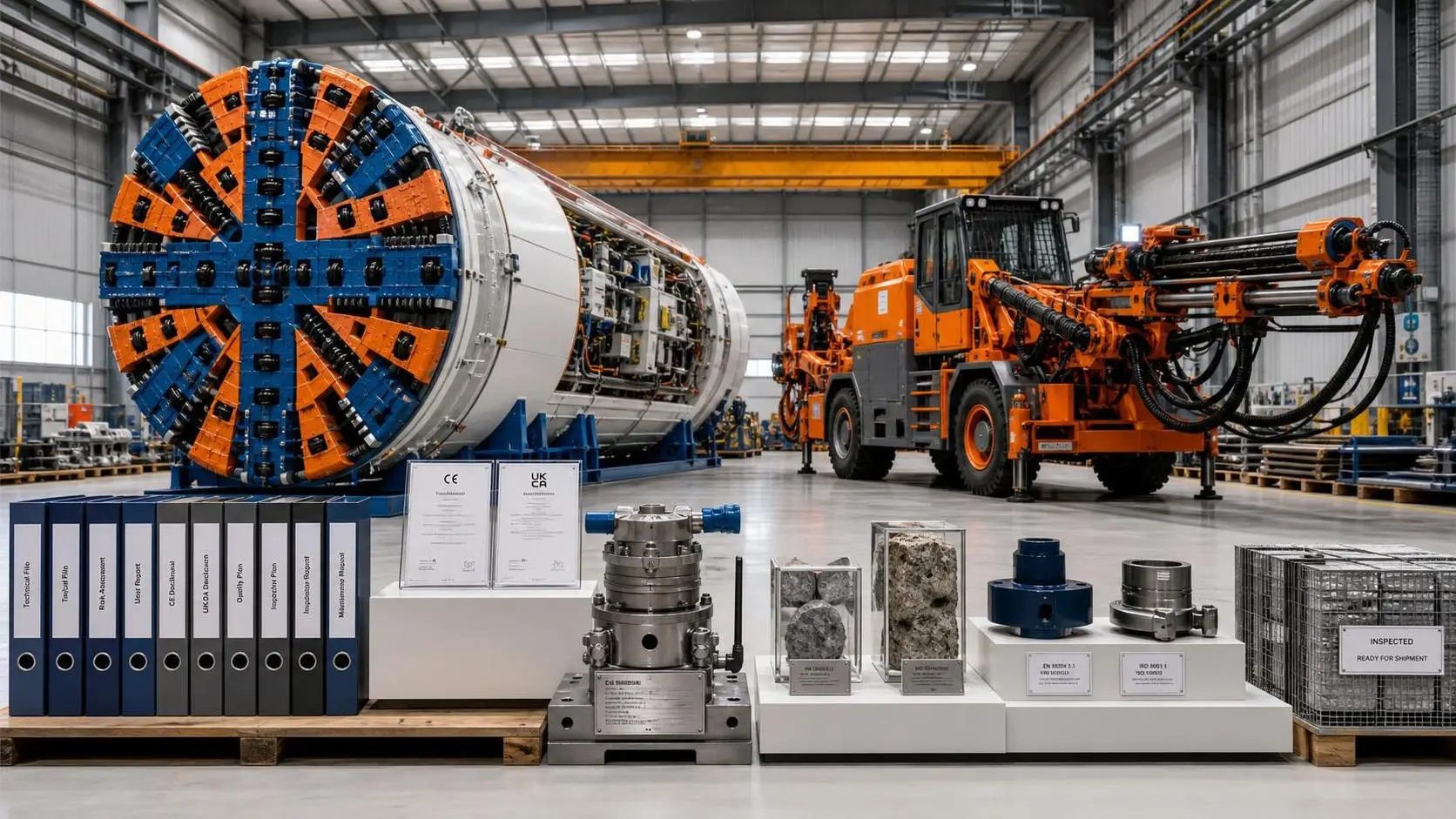
EU Eases Dual CE and UKCA Path for Chinese Tunnel Boring Equipment
EU eases CE and UKCA certification for Chinese tunnel boring equipment, cutting compliance time and helping importers move faster.
Flameproof Underground Safety Equipment: What Mine Teams Should Check Before Buying
Underground Safety Equipment flameproof buying guide: learn how mine teams should verify certification, durability, serviceability, and supplier support before purchase.
China-UAE Direct Sea Route Cuts TBM and Large Tunneling Equipment Lead Times
China-UAE direct sea route shortens TBM and large tunneling equipment lead times by 12–15 days, improving delivery predictability for major infrastructure projects. Read the full impact.
What Is a TBM Guidance System Gyroscope, and Why Does It Matter Underground?
TBM Guidance Systems gyroscope improves underground accuracy, reduces drift, and helps tunnel boring machines stay on line in harsh conditions.
China to Roll Out Nationwide Local and Foreign Currency Cash Pools for Multinationals on Sept. 14
China will roll out nationwide local and foreign currency cash pools for multinationals on Sept. 14, streamlining cross-border treasury management and boosting liquidity efficiency.
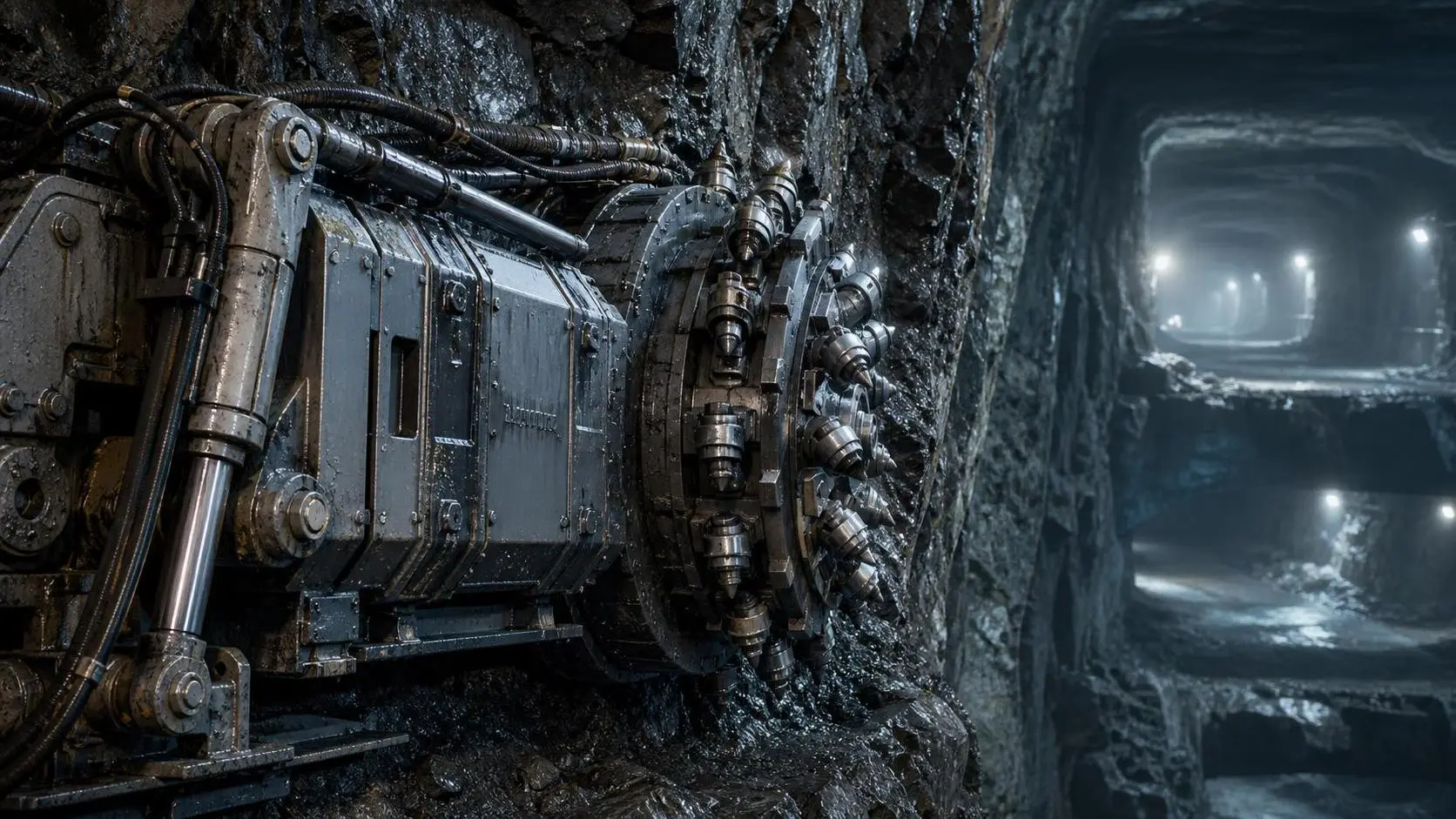
How to Choose a Reliable Underground Mining Equipment Supplier for Harsh Site Conditions
Find a reliable underground mining equipment supplier for harsh site conditions with rugged, maintainable solutions that boost uptime, reduce risk, and support long-term production.
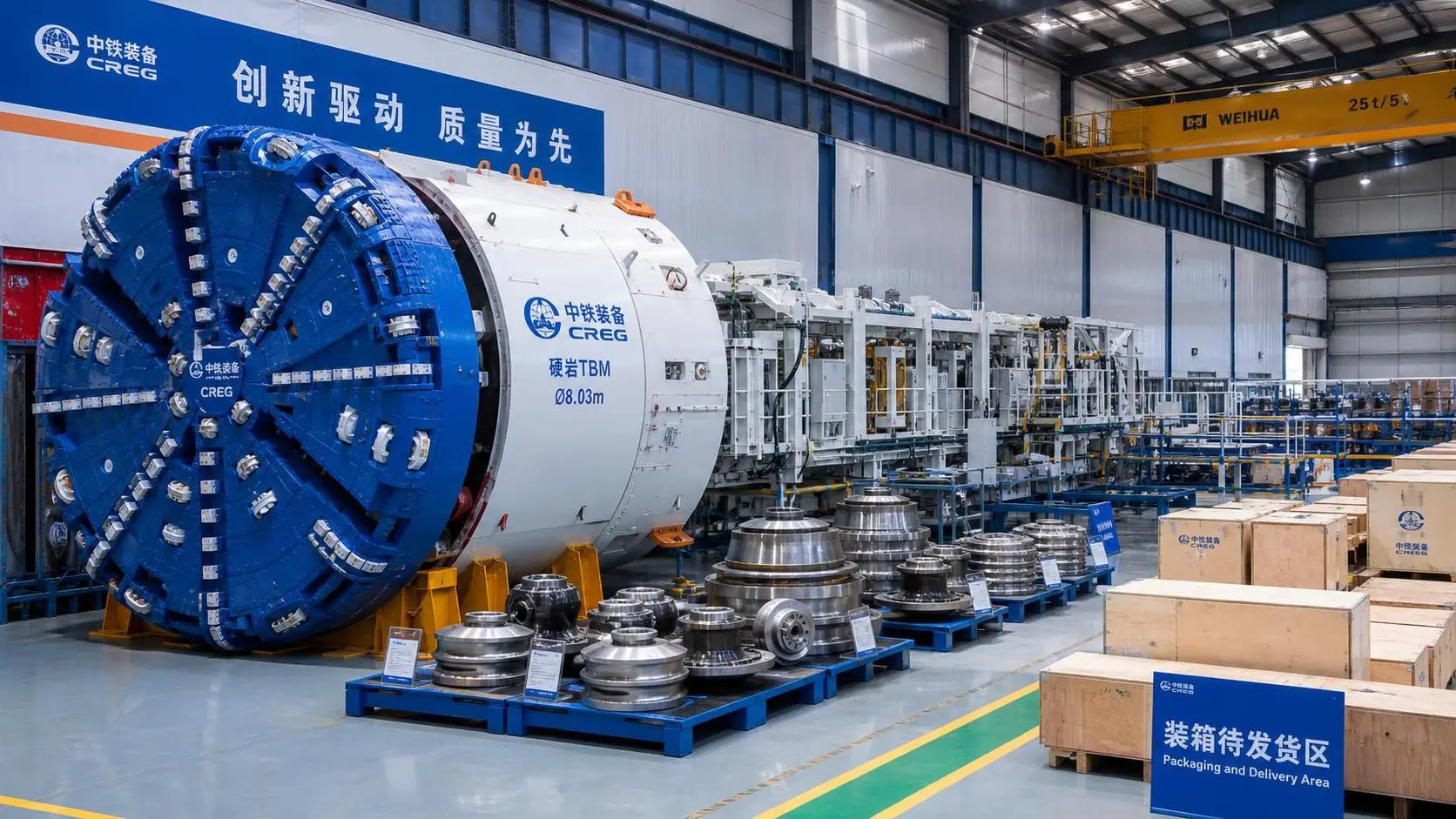
China Customs Tightens TBM Export Checks from Aug. 16
China Customs tightens TBM export checks from Aug. 16, 2026. Learn how new mandatory inspections may affect tunnelling equipment shipments, compliance, and delivery plans.
Related News
- 00
0000-00
What Drives TBM Excavation Cost in Urban Tunneling Projects? - 00
0000-00
What Does Energy Metals Mining in Australia Mean for Supply, Cost, and Project Risk? - 00
0000-00
EU Eases Dual CE and UKCA Path for Chinese Tunnel Boring Equipment - 00
0000-00
Flameproof Underground Safety Equipment: What Mine Teams Should Check Before Buying - 00
0000-00
China-UAE Direct Sea Route Cuts TBM and Large Tunneling Equipment Lead Times
Weekly Insights
Stay ahead with our curated technology reports delivered every Monday.