
EU Proposes Ban on AI-Generated Deepfake Porn, Adds AI Ethics Review for Smart Tunneling Exports





On May 8, the European Commission published a draft regulatory proposal that would ban AI-generated deepfake pornography across the EU and introduce mandatory AI ethics and transparency assessments for industrial equipment with generative AI capabilities. The move directly impacts manufacturers and exporters of intelligent tunnel-boring machinery, raising compliance requirements for companies in the mining and civil infrastructure sectors.
Event Overview
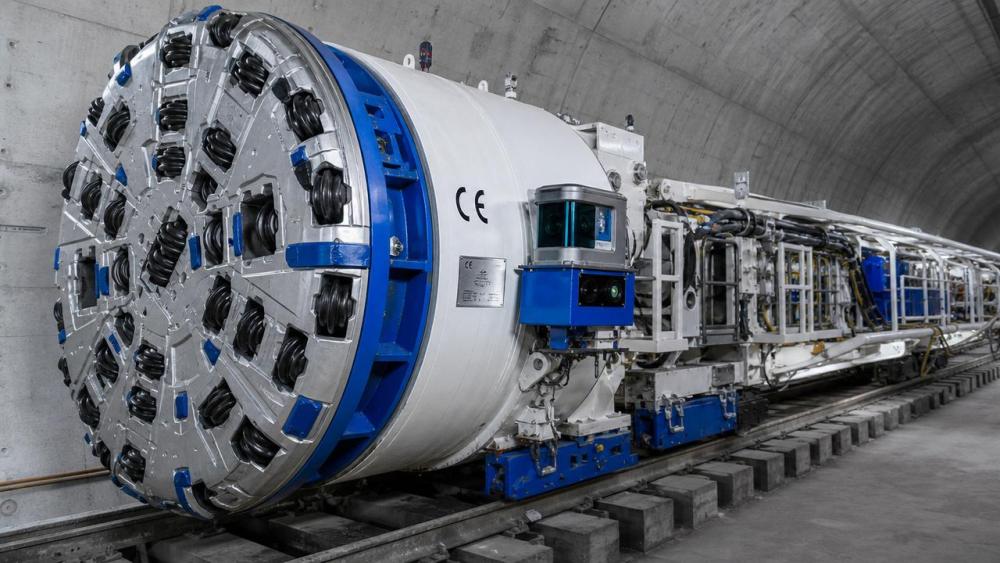
The European Commission released a draft regulation on May 8 mandating a full prohibition of AI-generated deepfake pornographic content. Concurrently, it requires all generative-AI-enabled industrial equipment placed on the EU market—including smart tunnel boring machines (TBMs), jumbos, and load-haul-dump vehicles (LHDs) featuring SLAM mapping, AI-based rock mass classification, and autonomous trajectory correction—to submit algorithmic transparency documentation and content safety audit reports. Affected products must be accompanied by an AI governance white paper and third-party ethical validation prior to CE marking or market entry.
Industries Impacted
Direct Exporters and Trading Firms
Companies exporting intelligent掘进 (tunneling) systems to the EU now face extended pre-market approval timelines and new documentation burdens. Previously, conformity assessment focused on mechanical safety, electromagnetic compatibility, and environmental standards; AI ethics review is now a distinct, non-waivable requirement. This affects pricing models, contract lead times, and after-sales support commitments—particularly where remote AI model updates are deployed post-delivery.
Raw Material and Component Suppliers
Suppliers of AI-accelerator chips, embedded vision modules, or real-time inference hardware used in EU-bound equipment may be asked to provide traceable firmware provenance and training-data lineage summaries. While not directly regulated, their technical documentation may be audited as part of the OEM’s system-level ethics report—introducing upstream accountability previously absent in industrial supply chains.
Equipment Manufacturers and System Integrators
Manufacturers integrating AI functions into TBMs or LHDs must now maintain dual-track development: one aligned with functional safety (e.g., ISO 13849), and another addressing AI-specific risk management (e.g., alignment with EU AI Act high-risk system criteria). Internal AI validation protocols—especially around bias in geological interpretation or false-positive hazard detection—must be formalized, documented, and externally verifiable.
Supply Chain Service Providers
Certification bodies, testing labs, and AI auditing firms offering EU market access support will see rising demand for cross-domain expertise—combining industrial automation certification (e.g., TÜV, SGS) with AI governance frameworks (e.g., NIST AI RMF, EN 303 645). However, no harmonized standard yet exists for “AI ethics validation” of heavy machinery; service providers currently rely on ad hoc methodologies, increasing variability in assessment outcomes.
Key Focus Areas and Recommended Actions
Prepare AI Governance Documentation Now
Develop a structured AI governance white paper covering data provenance, model update policies, human-in-the-loop thresholds, and failure mode disclosures. This is no longer optional for EU-bound shipments—it is a prerequisite for CE declaration under the new draft.
Engage Third-Party Ethical Auditors Early
Select auditors with demonstrable experience in both industrial AI applications and EU regulatory expectations—not just general AI ethics consultants. Prioritize those already engaged in pilot assessments under the EU AI Act’s high-risk system guidance.
Map AI Functions Against Annex III of the EU AI Act
Confirm whether specific AI features—such as real-time rockfall prediction using video analytics or autonomous deviation correction based on geotechnical inference—fall within the scope of “high-risk AI systems” listed in Annex III. If so, conformity with Article 8–15 (risk management, data governance, transparency, human oversight) becomes legally binding upon final adoption.
Editorial Perspective / Industry Observation
Observably, this policy shift reflects a broader recalibration in how the EU treats AI—not solely as software, but as an embedded operational layer within physical capital goods. Analysis shows the inclusion of SLAM and AI-based围岩 (rock mass) recognition signals regulators’ growing awareness of AI’s role in safety-critical decision loops—even when no direct human interaction occurs. From an industry perspective, the requirement for “algorithmic transparency” remains operationally ambiguous: it does not mandate open-source models, but does require sufficient technical disclosure to assess robustness, fairness, and controllability. That ambiguity means current compliance efforts remain provisional—and highly dependent on forthcoming delegated acts.
Conclusion
This draft regulation marks a structural inflection point: AI governance is no longer a voluntary ESG initiative for industrial exporters—it is becoming a hard technical trade barrier. For manufacturers, the path forward lies not in resisting scrutiny, but in treating AI ethics documentation as core engineering deliverables—on par with hydraulic schematics or structural stress calculations. Rational observation suggests early adopters of standardized AI assurance practices will gain competitive advantage in regulatory predictability, not just compliance.
Source Attribution
European Commission, Draft Regulation on Artificial Intelligence (Amending Regulation (EU) 2019/1020), published May 8, 2024 (COM(2024) 267 final). Annexes referencing “AI-enabled industrial machinery” and “content integrity obligations” remain subject to trilogue negotiations. Status of final adoption and transitional provisions is pending—industry should monitor developments through the European Parliament’s Committee on Industry, Research and Energy (ITRE) and the Standing Committee on Artificial Intelligence (SCAI).
Related News
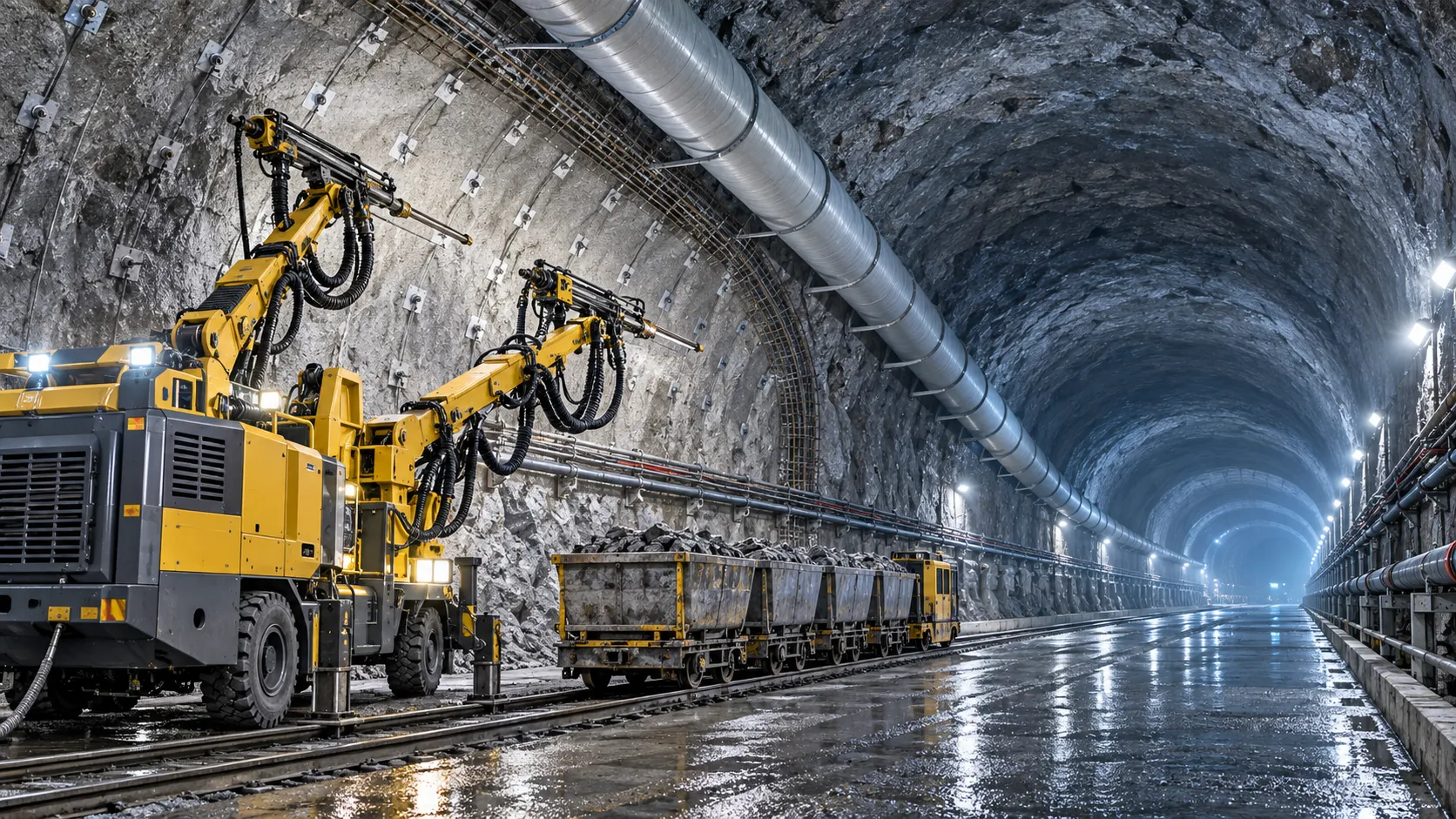
How to Evaluate European Drill-and-Blast Tunnelling Contractors for Complex Projects
Drill and blast tunnelling contractors Europe: learn how to assess geology expertise, blast control, equipment reliability, safety, and programme resilience for complex projects.
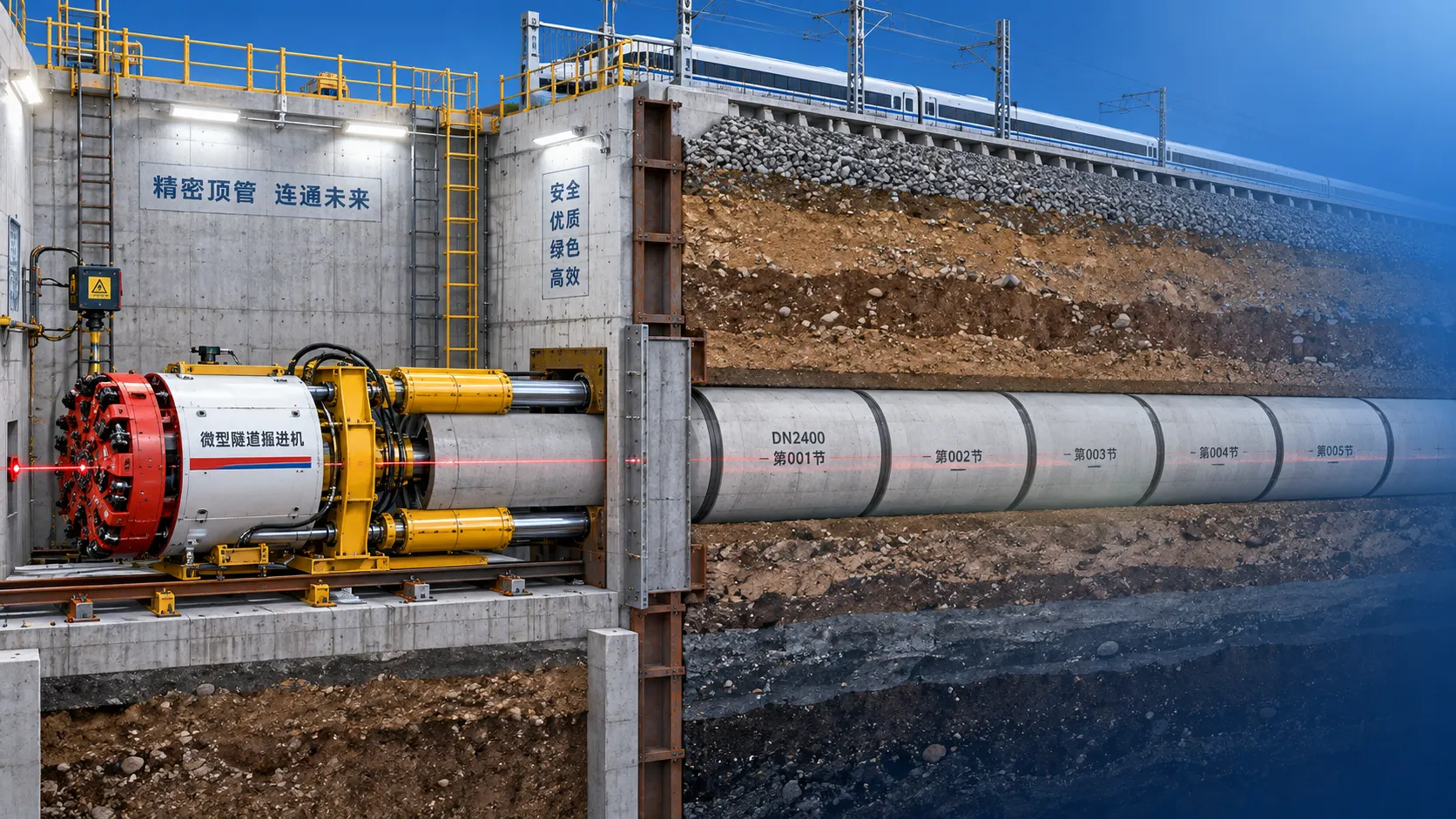
Which Trenchless Construction Technique Fits Your Utility Crossing Conditions?
Trenchless construction techniques compared for utility crossings: choose HDD, microtunnelling, pipe jacking, or auger boring based on ground, accuracy, access, and risk.
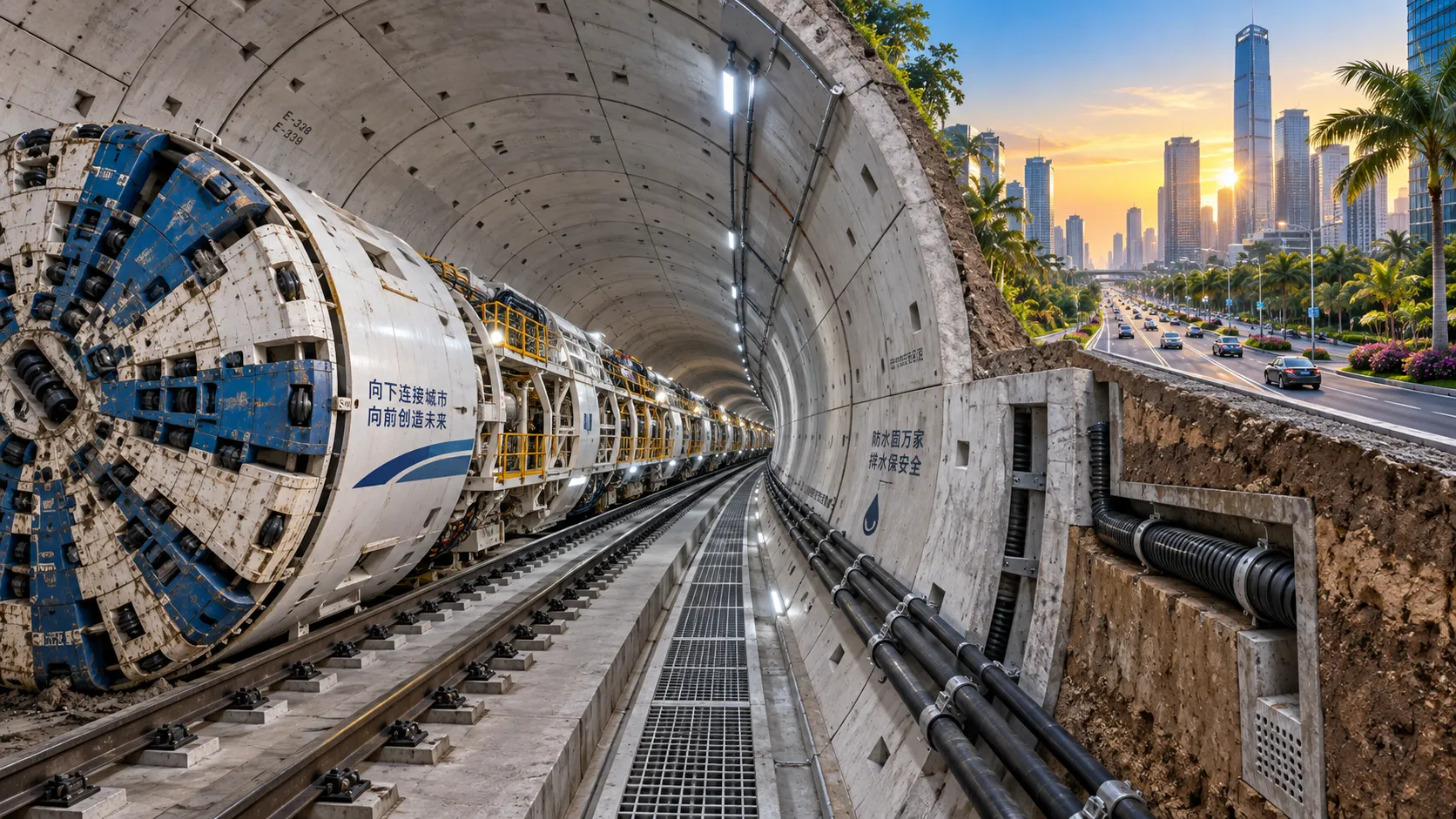
What Is Driving Metro Tunnelling Demand Across Southeast Asia’s Major Cities?
Metro tunnelling Southeast Asia is accelerating as major cities tackle congestion, flooding, and connectivity. Explore the market forces, technical risks, and opportunities shaping demand.
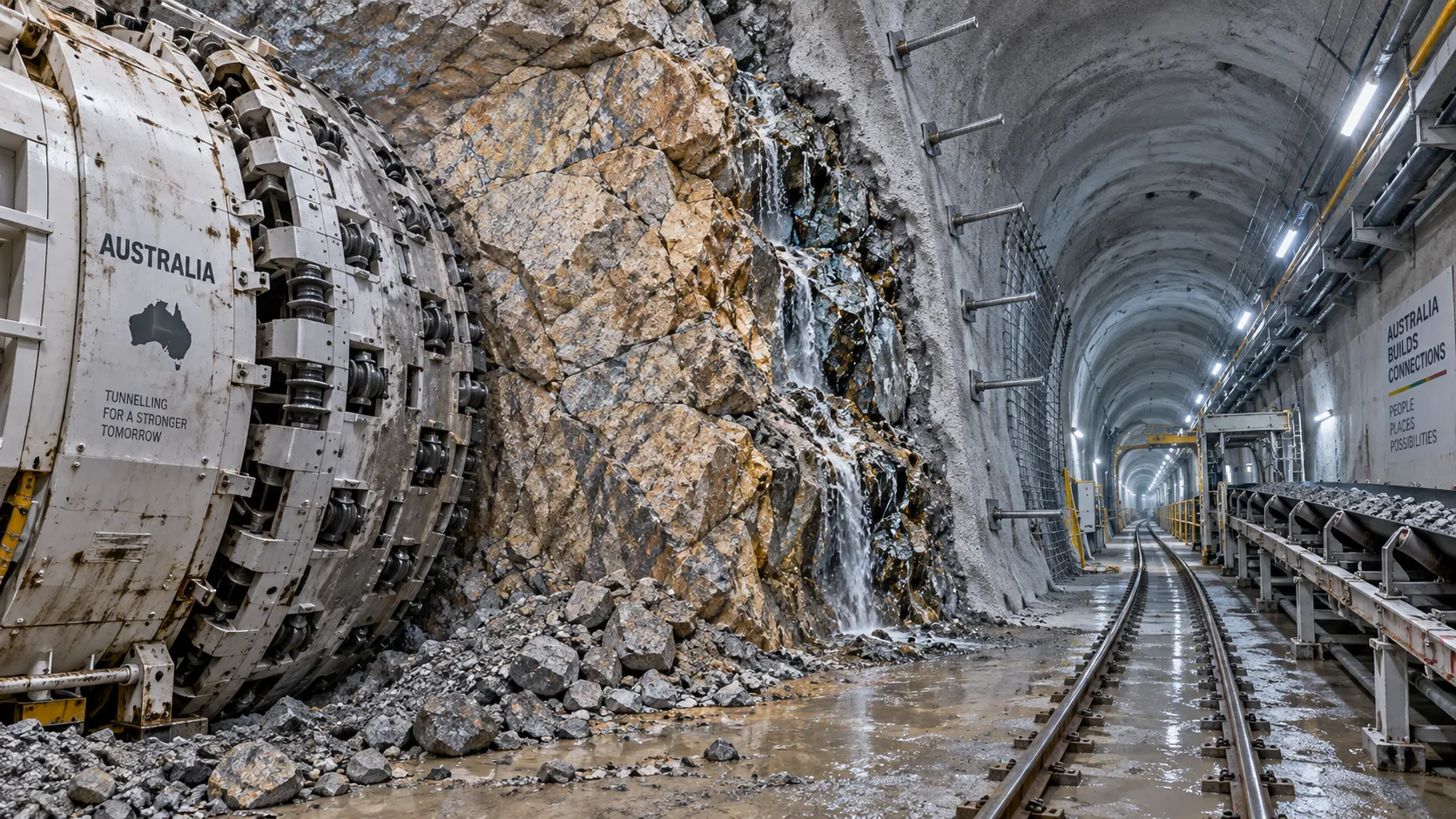
Hard Rock Tunnelling in Australia: Selecting Methods for Variable Ground Conditions
Hard rock tunnelling in Australia: compare TBM, drill-and-blast and hybrid methods to manage variable ground, reduce risk and protect project costs.
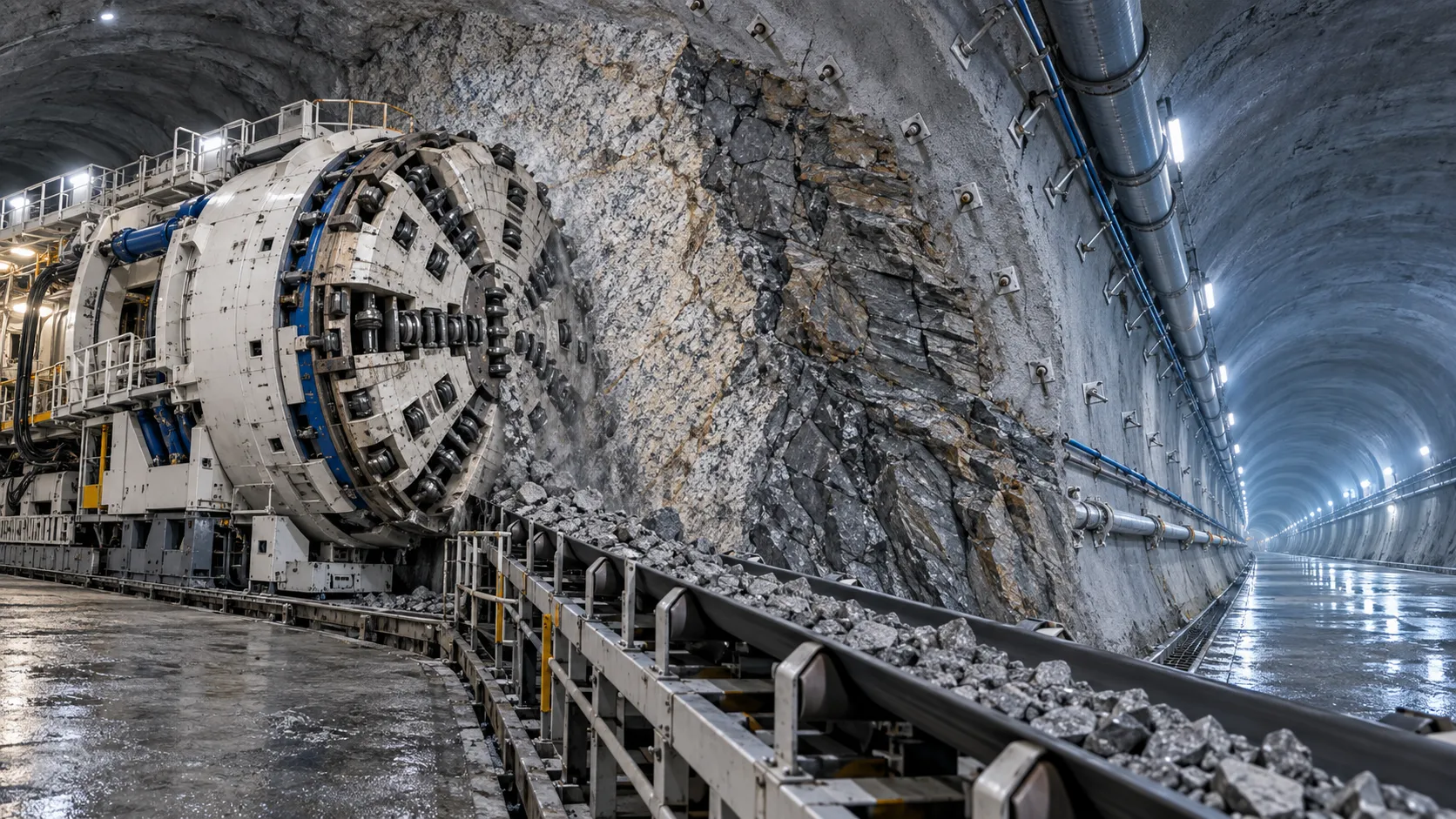
Hydropower Tunnel Excavation: Selecting Methods for Variable Rock Conditions
Hydropower tunnel excavation methods for variable rock conditions: compare TBM, drill-and-blast, and hybrid strategies to improve safety, progress, and project control.
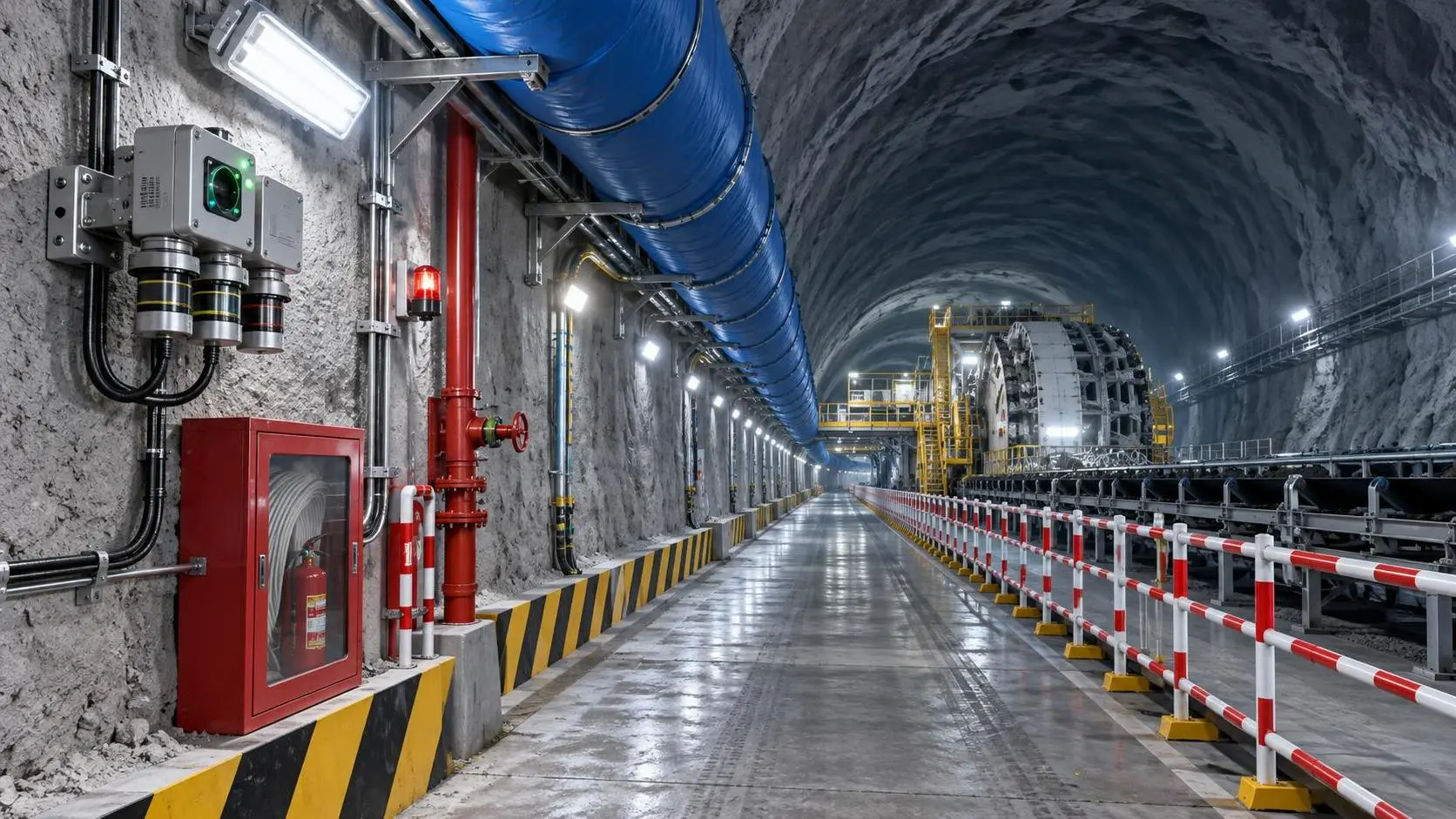
How to Select Underground Safety Equipment for Tunnelling by Hazard and Work Zone
Underground Safety Equipment for tunnelling: match protection to hazards, work zones, compliance, and emergency needs with this practical selection guide.
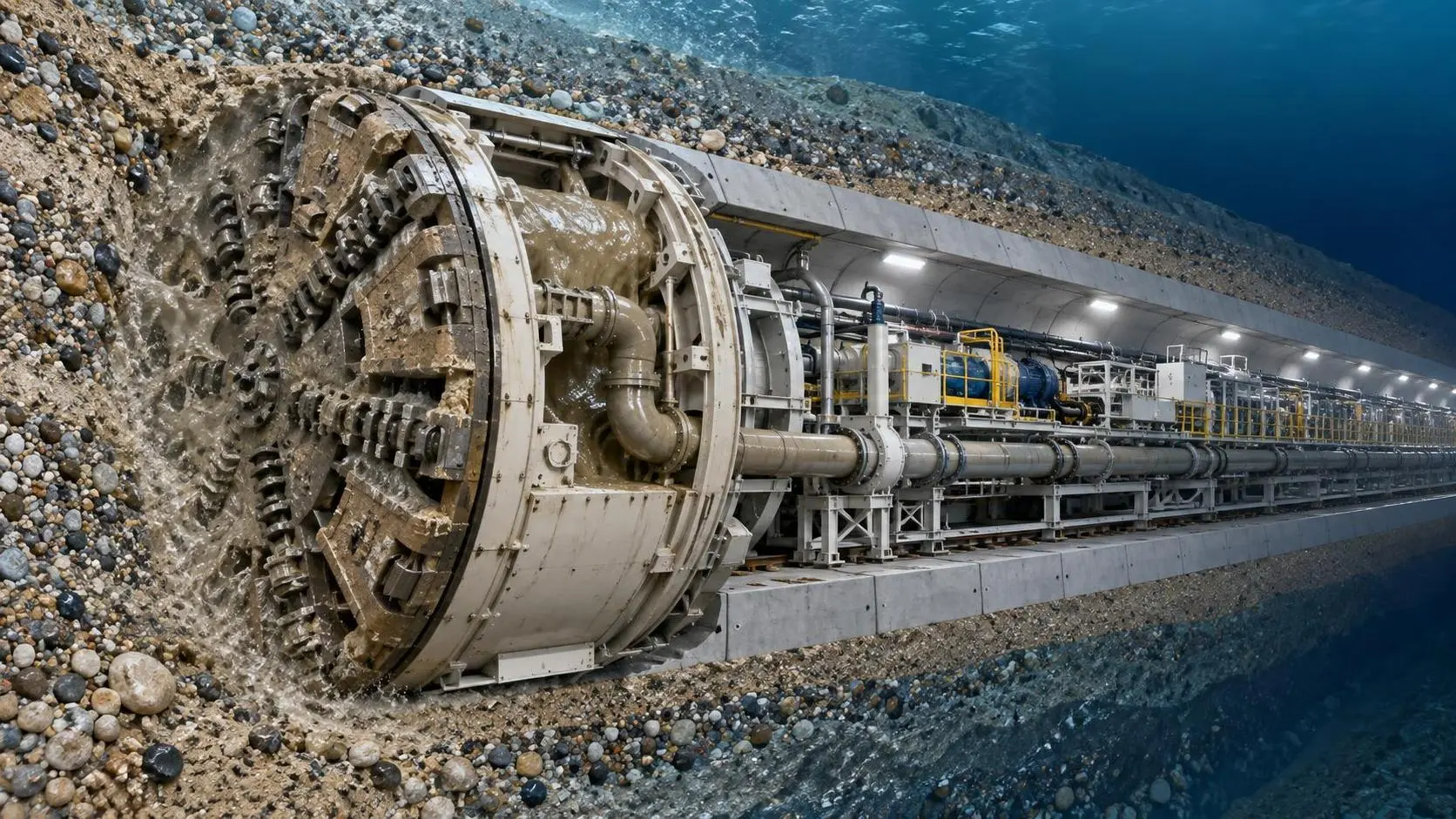
EPB or Slurry Shield? Selecting Soft-Ground Tunnelling Equipment by Soil Conditions
Tunnel Excavation Equipment for soft ground: compare EPB and slurry shields by soil, groundwater, settlement risk, and project logistics to choose confidently.
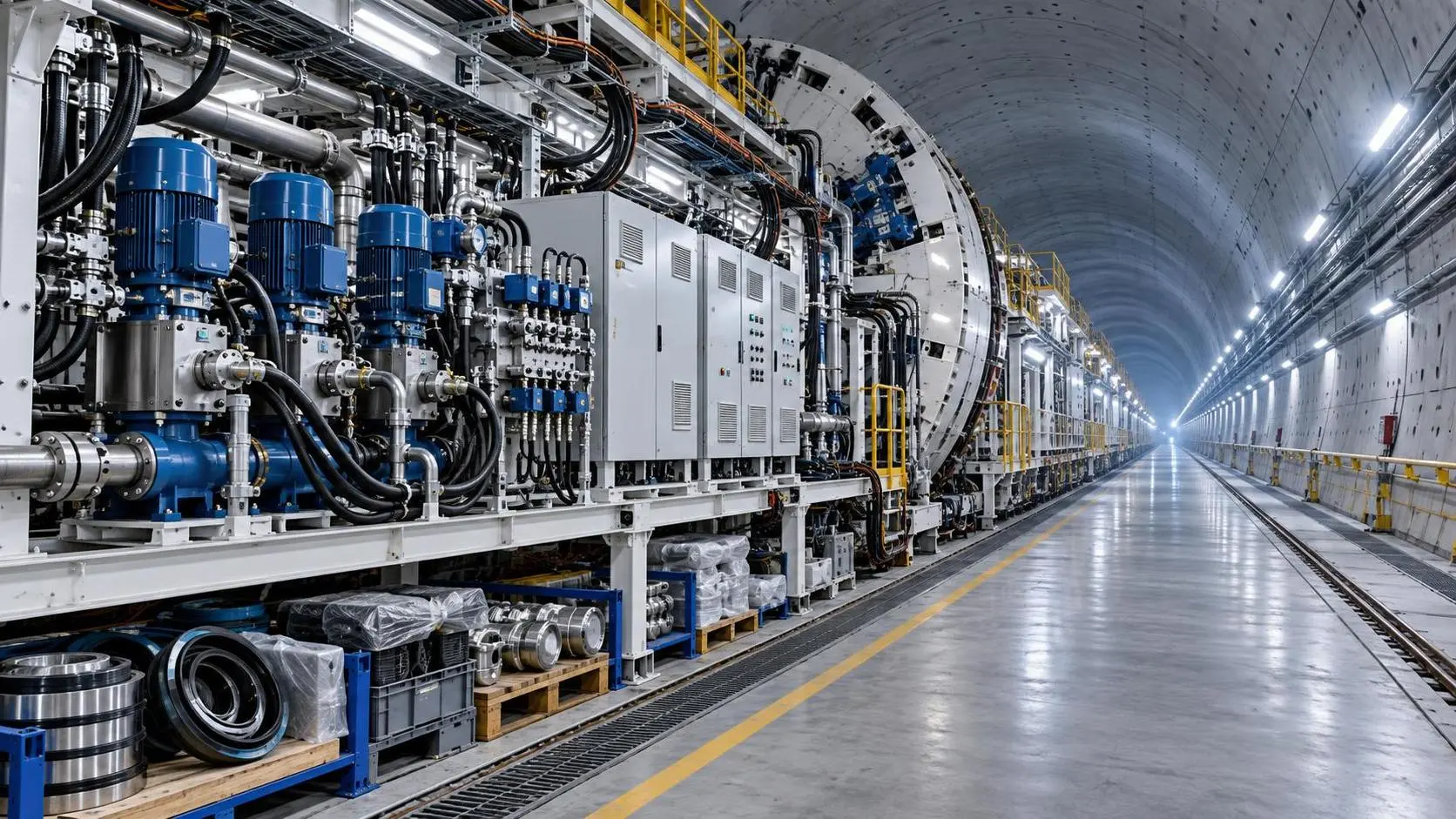
How to Specify TBM Backup System Parts for Reliable Long-Distance Tunnelling
TBM backup system parts: learn how to specify reliable spares for long-distance tunnelling, reduce downtime, ensure compatibility, and speed underground recovery.
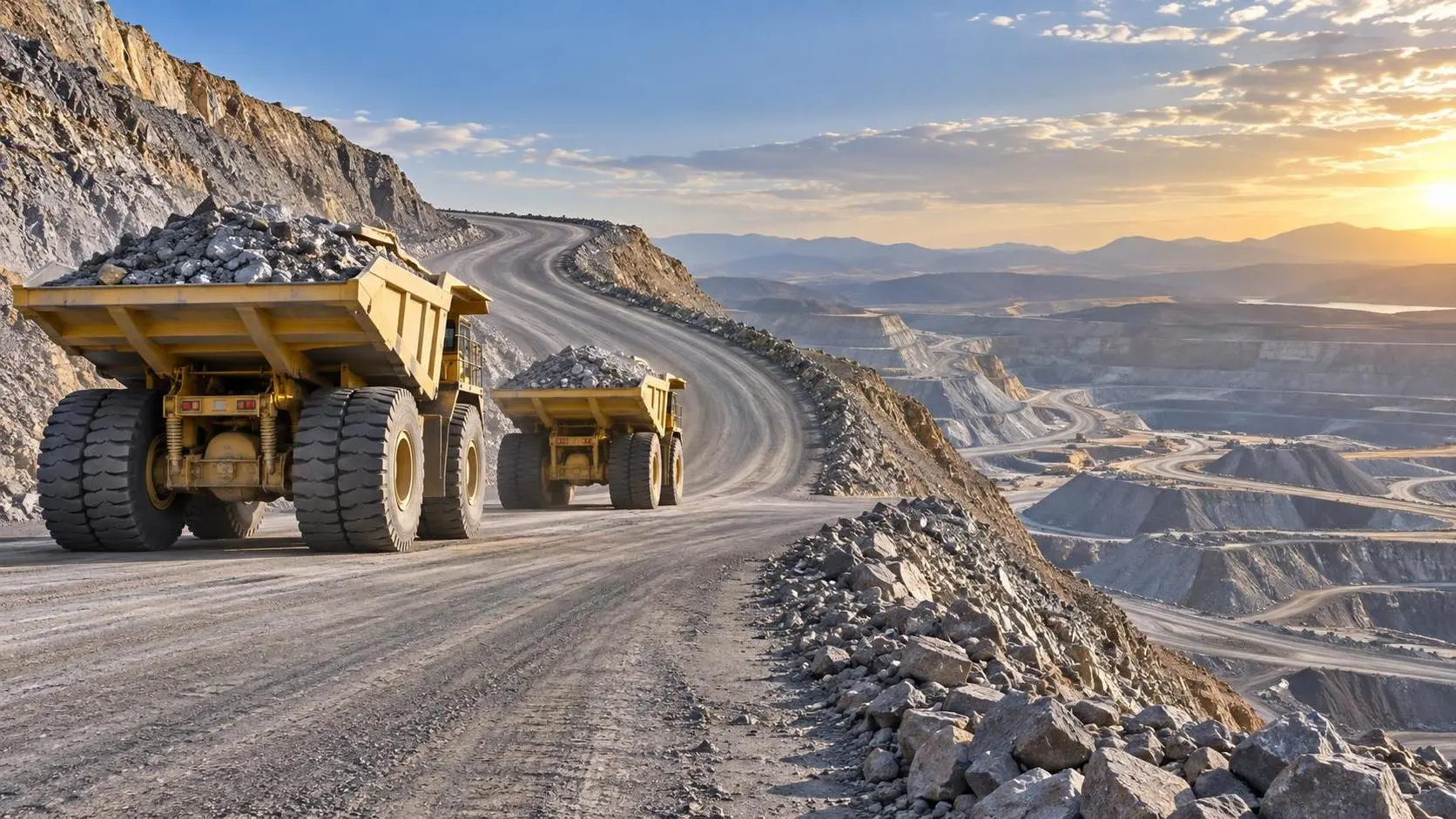
How to Size Open Pit Mining Trucks for Haul Distance, Grade, and Payload?
Open Pit Mining Trucks: learn how to match payload, haul distance, grade, road resistance, and loading capacity for safer, lower-cost mine operations.
Related News
- 00
0000-00
How to Evaluate European Drill-and-Blast Tunnelling Contractors for Complex Projects - 00
0000-00
Which Trenchless Construction Technique Fits Your Utility Crossing Conditions? - 00
0000-00
What Is Driving Metro Tunnelling Demand Across Southeast Asia’s Major Cities? - 00
0000-00
Hard Rock Tunnelling in Australia: Selecting Methods for Variable Ground Conditions - 00
0000-00
Hydropower Tunnel Excavation: Selecting Methods for Variable Rock Conditions
Weekly Insights
Stay ahead with our curated technology reports delivered every Monday.