
Drilling Jumbos for Blasting: Key Specifications for Safer Face Drilling





Drilling Jumbos for Blasting: Key Specifications for Safer Face Drilling
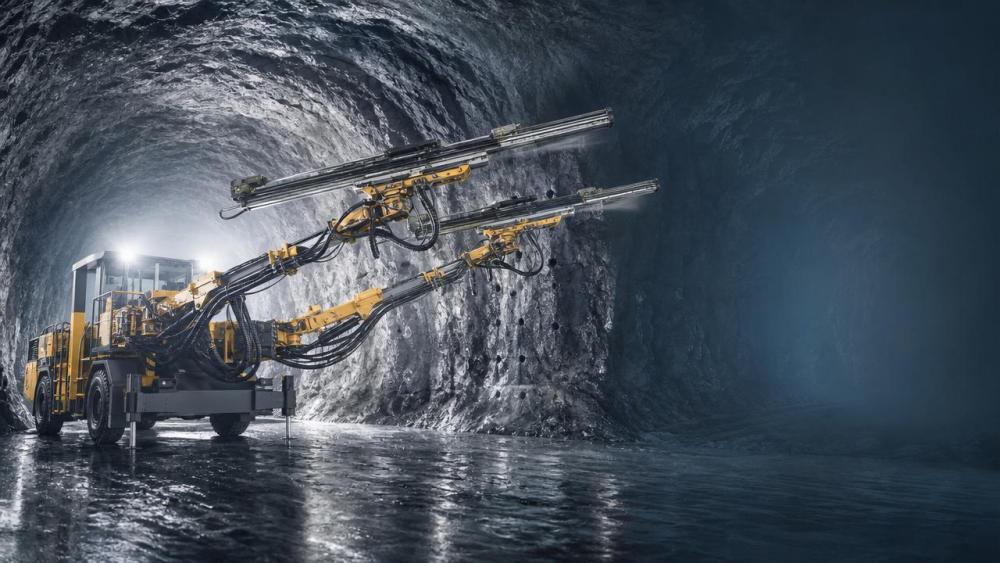
Drilling Jumbos for blasting sit at the center of safe face work in underground mines and drill-and-blast tunnels.
When the jumbo matches the rock, layout, and cycle plan, drilling becomes steadier, cleaner, and far more predictable.
That matters because poor hole accuracy often leads to overbreak, flyrock risk, bad pull, and extra scaling after the blast.
The real value of Drilling Jumbos for blasting is not just speed. It is controlled energy, repeatable hole quality, and safer face drilling.
From recent underground equipment trends, a clearer signal is emerging: specifications now matter as much as raw drilling power.
In practical work, the best machine is the one that keeps hole deviation low while reducing operator exposure at the face.
This guide breaks down the key specifications behind safer and more consistent Drilling Jumbos for blasting.
Why specification choice affects blast safety
Every blast starts long before charging. It starts with how straight, deep, and well-positioned each hole is.
If a jumbo cannot hold alignment, the burden changes, the spacing drifts, and the blast behaves less predictably.
That can create toe problems, uneven fragmentation, hanging ground, and added rework in already confined headings.
For this reason, Drilling Jumbos for blasting should be evaluated through a safety lens first, not a brochure-speed lens.
A machine with smarter feed control may outperform a stronger unit if it consistently produces better hole geometry.
Boom coverage and face reach
Boom design decides whether the jumbo can cover the full face without awkward repositioning.
That sounds basic, but limited coverage often causes rushed drilling angles near the perimeter and crown.
For safer face drilling, check three things first: horizontal reach, vertical coverage, and boom stability at extension.
What good coverage should deliver
- Full-face access with minimal tram repositioning.
- Stable drilling at crown, shoulder, and perimeter holes.
- Cleaner parallelism for cut holes and lifters.
- Safer stand-off distance from unsupported ground.
In narrow headings, compact boom geometry may be more useful than maximum reach on paper.
In larger tunnel profiles, two-boom or three-boom Drilling Jumbos for blasting can reduce cycle time without sacrificing accuracy.
Rock drill power, impact energy, and control
Rock drill output is usually the first specification people compare, yet power alone tells only part of the story.
For hard rock, higher impact energy helps maintain penetration. Still, unstable energy transfer can damage tools and increase deviation.
The better question is whether the drill balances percussion, rotation, and feed pressure across changing ground conditions.
Key drilling control points
- Adjustable percussion for fractured versus competent rock.
- Stable rotation torque under varying bit load.
- Feed force matched to hole diameter and rod length.
- Anti-jamming response during broken zones.
Modern Drilling Jumbos for blasting increasingly use automated drilling curves to maintain that balance hole after hole.
This also means less operator correction, fewer bit stalls, and lower vibration-related wear over long shifts.
Feed system accuracy and hole deviation control
Straight holes are the backbone of a clean blast pattern.
Even small deviations can distort burden and spacing, especially in long rounds or narrow headings.
That is why feed beam stiffness, parallel holding, and collaring control deserve close attention.
Specifications that improve accuracy
- Rigid feed beam construction with low deflection.
- Accurate boom positioning sensors.
- Automatic collaring support for uneven faces.
- Hole navigation systems linked to digital drill plans.
When Drilling Jumbos for blasting hold line and depth well, charging becomes easier and the blast result becomes more repeatable.
That often translates into less overbreak, less support consumption, and fewer delays before mucking.
Operator visibility, control layout, and automation
A safe jumbo is not only a drilling platform. It is also a control environment.
Poor sightlines and cluttered controls slow decisions, especially when the face is wet, broken, or irregular.
Better cabin design reduces fatigue and helps maintain pattern quality near the end of the shift.
Useful features for safer drilling
- Clear view to the face, feeds, and boom joints.
- Simple control logic with fast emergency stop access.
- Automatic hole sequencing and pattern recall.
- Remote or semi-remote drilling in unstable zones.
From a risk perspective, automation is most valuable when it reduces exposure without hiding essential drilling feedback.
The best Drilling Jumbos for blasting still keep manual override intuitive and immediate.
Dust suppression, flushing, and underground health protection
Dust control is not a minor add-on. It is a core safety specification in underground face drilling.
Fine dust lowers visibility, contaminates equipment, and increases respiratory risk in confined spaces.
That makes flushing performance and collection efficiency critical when comparing Drilling Jumbos for blasting.
Look for these health-focused specifications
- Effective water flushing matched to rock and bit size.
- Dust collector capacity suitable for full-round drilling.
- Stable sealing at the hole collar.
- Easy inspection access for hoses, filters, and suction lines.
In actual operations, weak dust suppression usually appears first as dirty visibility, then as maintenance trouble and exposure risk.
A cleaner face also helps alignment checks, marking, and post-drilling inspection.
Mobility, stability, and machine footprint underground
A jumbo may drill well at the face but still lose time if it is awkward to position underground.
Steep gradients, slippery floors, sharp corners, and service traffic all affect safe movement.
So, machine footprint and chassis stability should be reviewed with the same seriousness as drill power.
Practical mobility checks
- Turning radius fits crosscuts and refuge areas.
- Tramming stability on uneven tunnel floors.
- Reliable leveling jacks for accurate setup.
- Machine height suits ground support restrictions.
If a jumbo cannot set up quickly and squarely, drilling precision will suffer before the first hole begins.
Data systems, diagnostics, and maintenance readiness
Safer face drilling also depends on knowing when performance is drifting.
That is where onboard diagnostics and drilling data start to pay back.
Feed pressure trends, penetration rates, and alarm history can reveal problems before they become breakdowns at the face.
Useful data and service features
- Drill logs for hole depth and deviation review.
- Fault codes with clear maintenance guidance.
- Accessible service points for daily checks.
- Wear monitoring for shanks, bits, and feeds.
For Drilling Jumbos for blasting, maintenance access is more than convenience. It directly affects uptime and drilling consistency.
A quick specification checklist before selection
Before choosing between models, use a simple field-based checklist instead of relying only on catalog comparisons.
- Match boom coverage to actual heading size and drill plan.
- Confirm rock drill power is controllable, not just high.
- Check feed rigidity and collaring support for hole accuracy.
- Review dust suppression performance in confined conditions.
- Assess visibility, control logic, and automation usefulness.
- Verify mobility, setup speed, and chassis stability underground.
- Inspect service access and onboard diagnostic capability.
This kind of review helps separate truly capable Drilling Jumbos for blasting from machines that only look strong on specification sheets.
Closing view
Safer blasting starts with better drilling, and better drilling starts with the right jumbo specifications.
The strongest choice is usually the machine that combines reach, control, accuracy, dust protection, and reliable setup in one balanced package.
When reviewing Drilling Jumbos for blasting, focus on how the machine behaves at the face, not only how it is marketed.
That approach supports safer face drilling, steadier blast results, and a more predictable underground cycle from round to round.
Related News
How to Evaluate European Drill-and-Blast Tunnelling Contractors for Complex Projects
Drill and blast tunnelling contractors Europe: learn how to assess geology expertise, blast control, equipment reliability, safety, and programme resilience for complex projects.
Which Trenchless Construction Technique Fits Your Utility Crossing Conditions?
Trenchless construction techniques compared for utility crossings: choose HDD, microtunnelling, pipe jacking, or auger boring based on ground, accuracy, access, and risk.
What Is Driving Metro Tunnelling Demand Across Southeast Asia’s Major Cities?
Metro tunnelling Southeast Asia is accelerating as major cities tackle congestion, flooding, and connectivity. Explore the market forces, technical risks, and opportunities shaping demand.
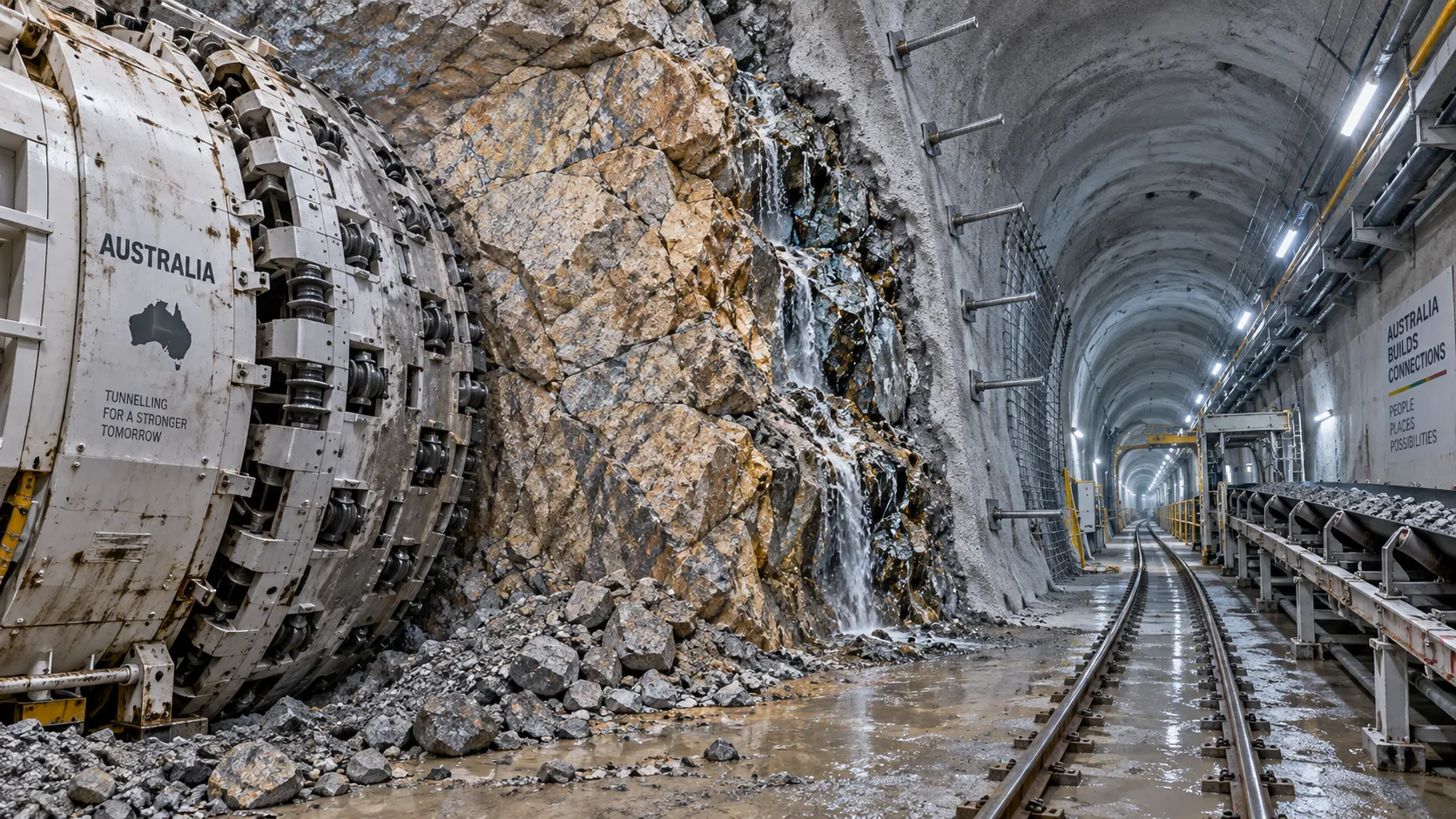
Hard Rock Tunnelling in Australia: Selecting Methods for Variable Ground Conditions
Hard rock tunnelling in Australia: compare TBM, drill-and-blast and hybrid methods to manage variable ground, reduce risk and protect project costs.
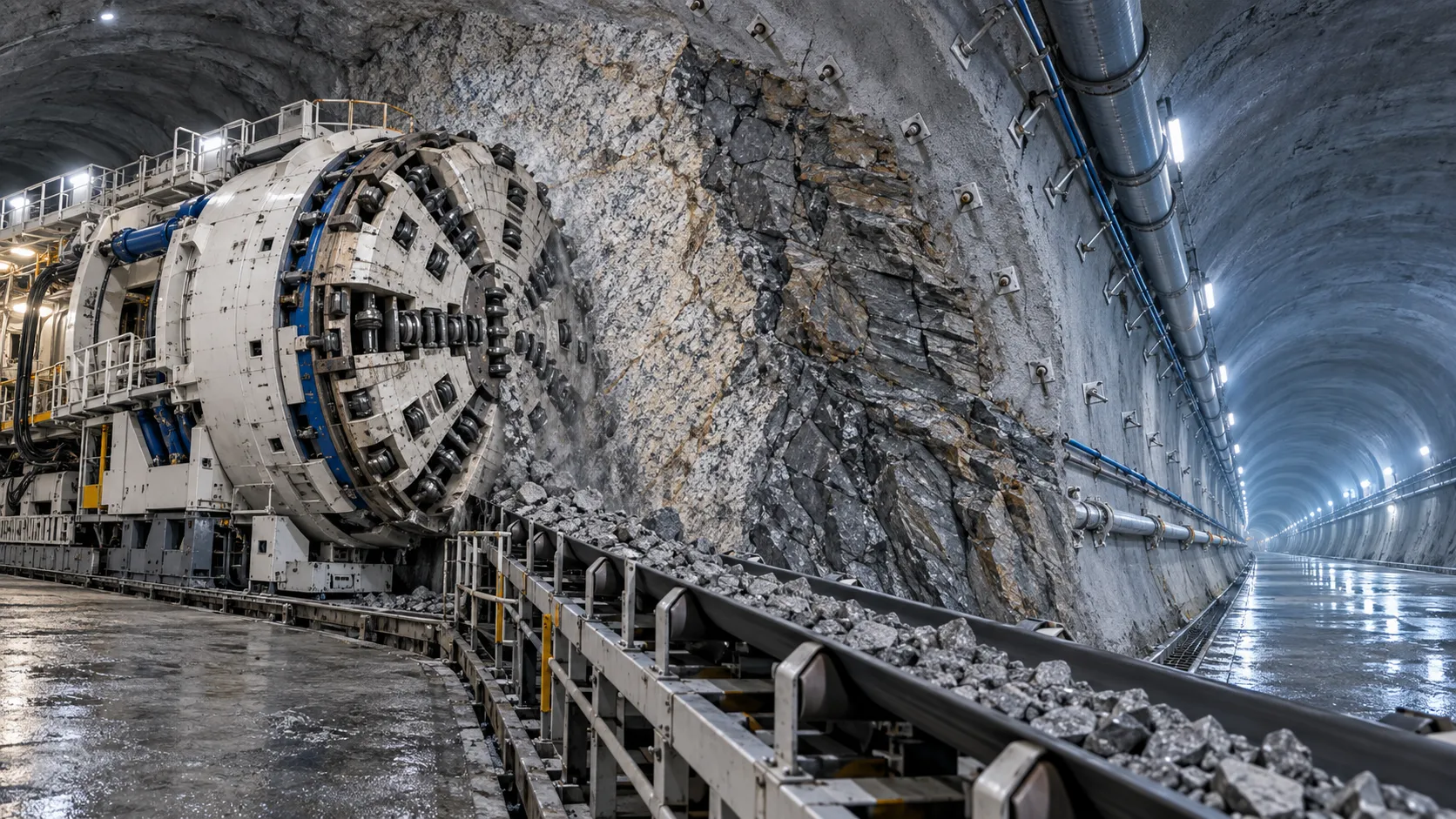
Hydropower Tunnel Excavation: Selecting Methods for Variable Rock Conditions
Hydropower tunnel excavation methods for variable rock conditions: compare TBM, drill-and-blast, and hybrid strategies to improve safety, progress, and project control.
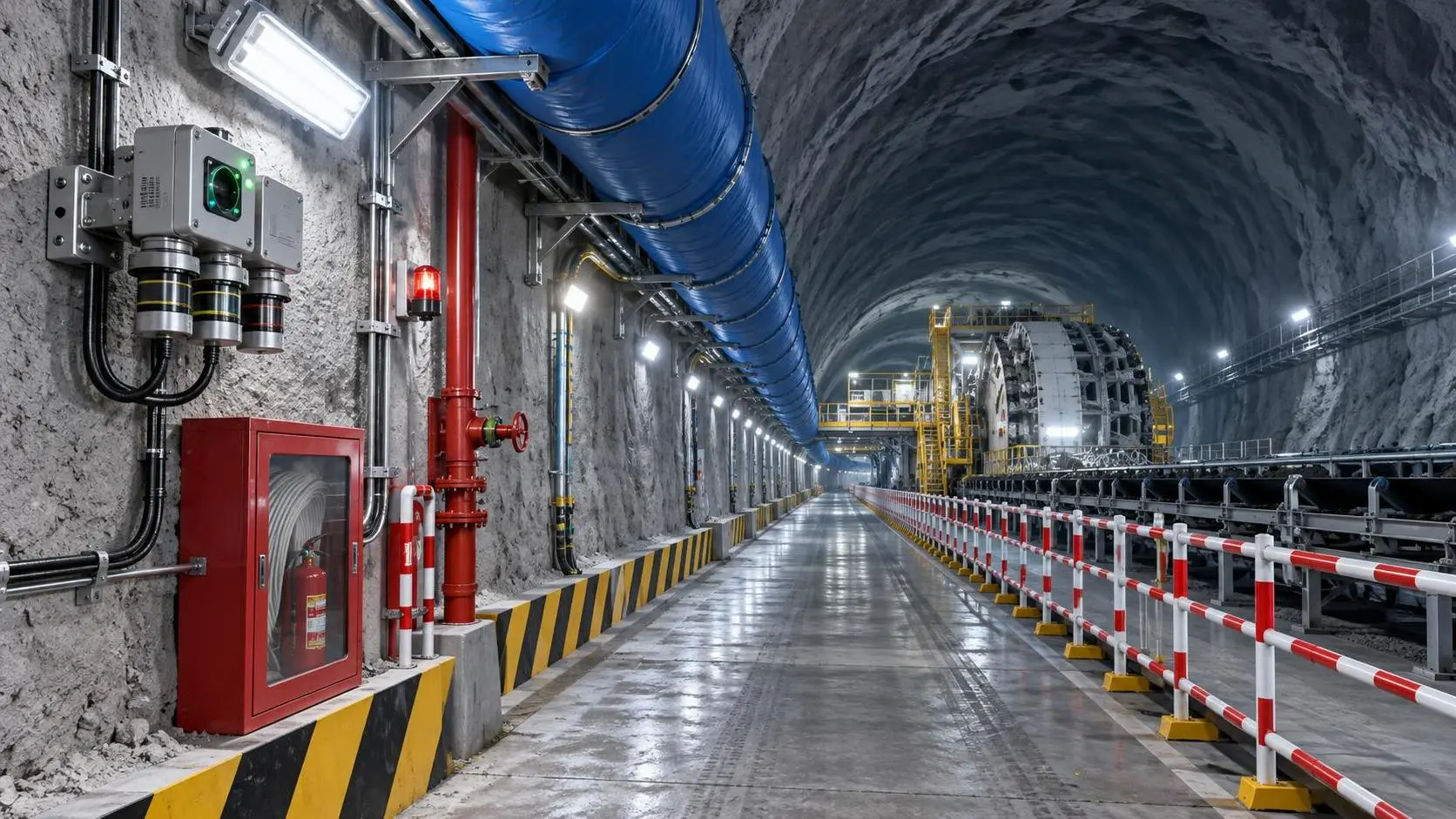
How to Select Underground Safety Equipment for Tunnelling by Hazard and Work Zone
Underground Safety Equipment for tunnelling: match protection to hazards, work zones, compliance, and emergency needs with this practical selection guide.
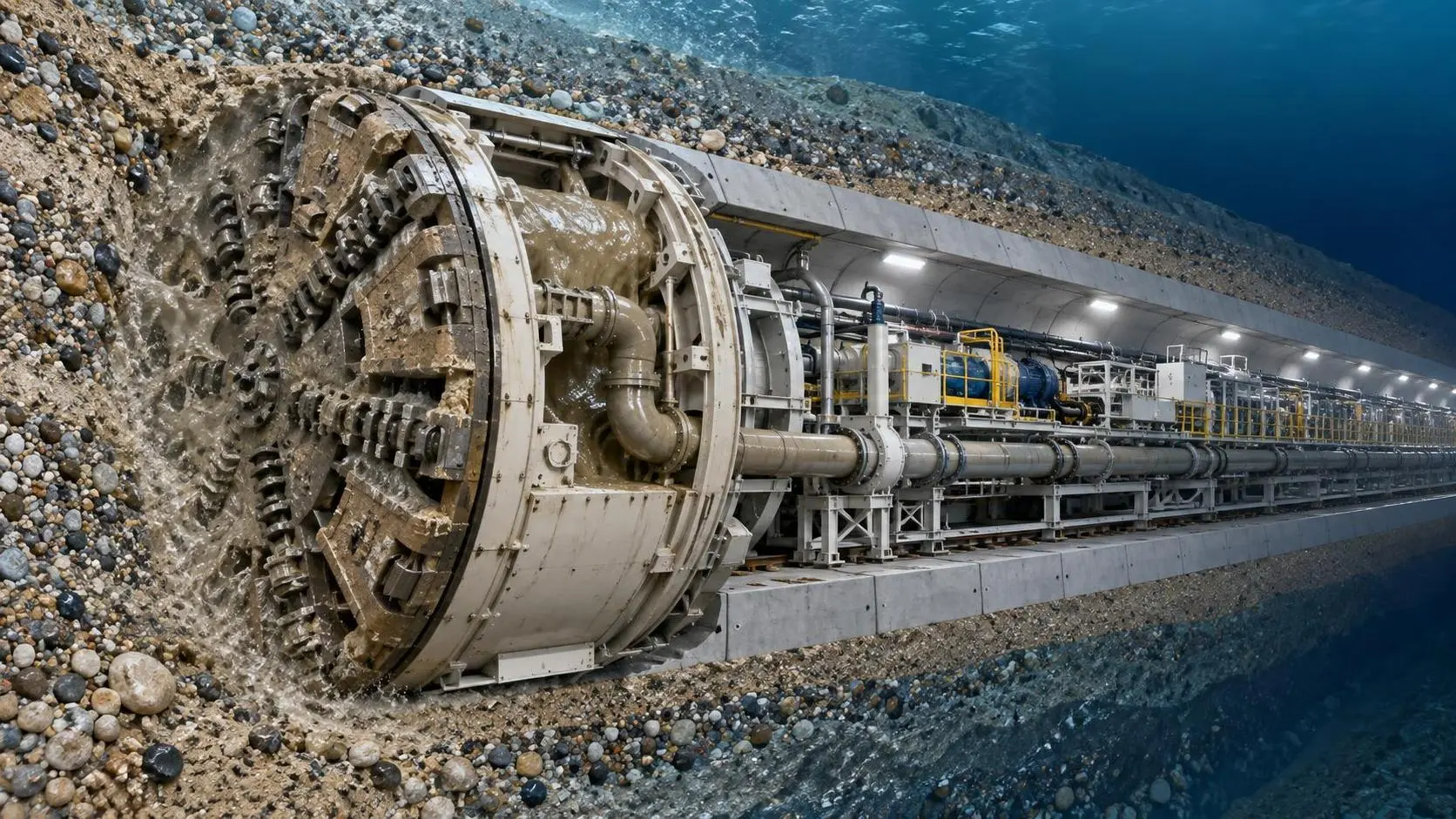
EPB or Slurry Shield? Selecting Soft-Ground Tunnelling Equipment by Soil Conditions
Tunnel Excavation Equipment for soft ground: compare EPB and slurry shields by soil, groundwater, settlement risk, and project logistics to choose confidently.
How to Specify TBM Backup System Parts for Reliable Long-Distance Tunnelling
TBM backup system parts: learn how to specify reliable spares for long-distance tunnelling, reduce downtime, ensure compatibility, and speed underground recovery.
How to Size Open Pit Mining Trucks for Haul Distance, Grade, and Payload?
Open Pit Mining Trucks: learn how to match payload, haul distance, grade, road resistance, and loading capacity for safer, lower-cost mine operations.
Related News
- 00
0000-00
How to Evaluate European Drill-and-Blast Tunnelling Contractors for Complex Projects - 00
0000-00
Which Trenchless Construction Technique Fits Your Utility Crossing Conditions? - 00
0000-00
What Is Driving Metro Tunnelling Demand Across Southeast Asia’s Major Cities? - 00
0000-00
Hard Rock Tunnelling in Australia: Selecting Methods for Variable Ground Conditions - 00
0000-00
Hydropower Tunnel Excavation: Selecting Methods for Variable Rock Conditions
Weekly Insights
Stay ahead with our curated technology reports delivered every Monday.