
How do drilling jumbos for hard rock cut cycle time?





In hard-rock tunnelling and mining, every minute saved in the face cycle directly improves output, safety, and equipment utilization. Drilling Jumbos for hard rock play a critical role by delivering faster hole positioning, more accurate drilling patterns, and smoother bolting coordination under demanding underground conditions. For operators and site users, understanding how these machines shorten cycle time is key to achieving more consistent advance rates and better shift performance.
Why do Drilling Jumbos for hard rock have such a strong impact on cycle time?
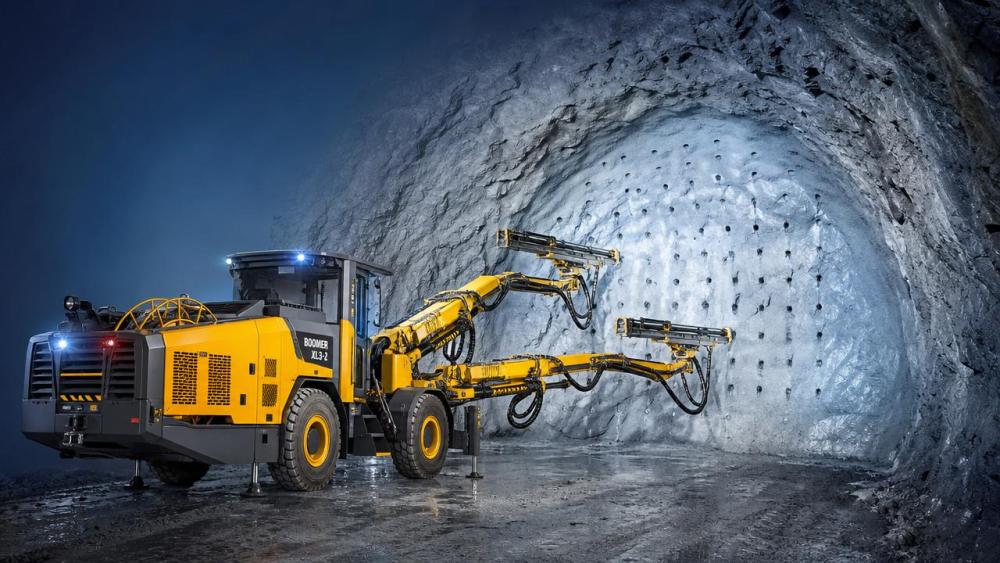
A face cycle in drill-and-blast work is not defined by drilling speed alone. It includes scaling access, boom setup, collaring, drilling, flushing, retraction, repositioning, charging preparation, blasting, ventilation, mucking, and ground support. When operators evaluate Drilling Jumbos for hard rock, the real question is how much non-productive time the machine removes from this sequence.
Hard rock makes every weakness more visible. If hole deviation increases, fragmentation worsens. If coverage is poor, crews must reposition more often. If control response is slow, alignment time rises. A well-matched jumbo reduces these losses by combining stable boom geometry, high-impact rock drills, precise feed control, and operator-friendly navigation in confined headings.
For operators, shorter cycle time means more than higher advance per shift. It also means less fatigue from repeated corrections, fewer delays before charging, and more predictable coordination with loaders, ventilation teams, and support crews. In modern underground projects, that predictability is often as valuable as headline penetration rate.
- Faster setup reduces dead time before the first hole is drilled.
- Better hole accuracy improves blast pull and lowers rework risk.
- Stable drilling control supports smoother charging and bolting workflows.
- Reliable automation helps operators maintain repeatable results across shifts.
Where time is usually lost underground
Many sites focus on drill impact power and overlook secondary delays. In practice, cycle inefficiency often comes from awkward boom reach, poor visibility of the face, manual marking errors, damaged consumables, excessive hole cleaning time, or unstable advance caused by inconsistent burden and spacing. These are the areas where better jumbo design can produce measurable gains.
Which machine functions shorten the hard-rock drilling cycle most?
Operators comparing Drilling Jumbos for hard rock should prioritize functions that influence both drilling time and downstream blast quality. The table below highlights the machine features that matter most at the face and how each one affects cycle reduction.
The key takeaway is simple: the fastest machine on paper is not always the fastest in cycle performance. Drilling Jumbos for hard rock save time when positioning, drilling, and blast preparation work together as one controlled process.
Precision matters as much as penetration
A jumbo that drills quickly but leaves poor collar placement can create more overbreak, difficult muck pile shapes, and added scaling. Operators often see the cost later, after blasting, when the next cycle starts from an uneven face. This is why pattern accuracy is a major lever for shift productivity.
How does the operator influence cycle time with Drilling Jumbos for hard rock?
Even advanced rigs depend on operator decisions. The best results come when machine capability matches site discipline. Hard-rock headings punish rushed setup, wrong feed pressure, poor bit selection, and weak communication between drill, blast, and support teams.
- Verify the face condition before collaring. Loose rock, water inflow, and fractured zones can change drilling behavior and hole stability.
- Use the planned pattern rather than visual guesswork. Accurate digital or marked layouts reduce correction drilling later.
- Monitor penetration trends by hole and by area of the face. Sudden variation can indicate changing geology, worn bits, or flushing problems.
- Coordinate early with charging and bolting crews so that the next activity starts without waiting for avoidable handover delays.
Sites that treat the jumbo as a data-producing production tool, rather than just a drilling platform, usually improve faster. UTMD follows this broader underground equipment logic across TBM systems, trenchless machinery, and smart mining transport: productivity rises when machines, geology, and process decisions are interpreted together.
Common operator-side causes of wasted time
- Starting with worn consumables because the crew wants to “finish one more round.”
- Using one drilling parameter set for mixed ground with changing hardness.
- Ignoring boom path optimization and creating unnecessary repositioning moves.
- Failing to review blast results and adjust the next pattern accordingly.
What should users compare when selecting a jumbo for hard-rock headings?
Selection should start from the actual cycle bottleneck, not from brochure claims. Some sites need higher coverage in large tunnels. Others need compact mobility for narrow mine drifts. Some need drilling and bolting integration to reduce equipment swaps. The table below helps operators and site managers compare options based on real use conditions.
A strong procurement decision connects machine fit, ground conditions, support availability, and operator skill level. This is especially important in projects where schedule pressure is high and any learning curve directly affects advance.
Questions worth asking before purchase or rental
Ask how the jumbo performs in abrasive, high-compressive-strength rock, how fast it can be commissioned, what training is included for operators, and how drilling data can be reviewed after each round. Also ask whether the rig is better suited for development headings, production drilling support, or combined drill-and-bolt tasks.
How do drilling patterns, support work, and downstream equipment affect total cycle reduction?
Drilling Jumbos for hard rock do not operate in isolation. A faster drill cycle only creates real value when blasting, mucking, and support keep pace. If fragmentation is too coarse, the loader loses time. If overbreak is high, scaling and shotcrete consume the gain. If bolting starts late, the heading remains blocked.
This systems view is central to UTMD’s underground equipment intelligence work. Whether analyzing TBM cutter wear, pipe jacking control, underground LHD navigation, or jumbo drilling efficiency, the same rule applies: production improves when each machine is evaluated as part of the entire face-to-haulage chain.
Typical coordination points that improve the whole round
- Align drilling pattern design with explosive charging practice and expected pull length.
- Review muck pile condition after blast to judge whether hole accuracy is supporting loader efficiency.
- Sequence bolting equipment so support installation starts as soon as ventilation clearance allows.
- Use cycle reports to compare day shift and night shift variation, then target training where deviations appear.
What standards, safety checks, and site conditions should users not ignore?
Cycle time matters, but underground operations cannot separate speed from compliance and safety. Users should confirm that the machine configuration, electrical systems, guarding, braking, lighting, and emergency stops align with local regulations and mine or tunnel project rules. In confined headings, ventilation planning, dust suppression, and fire-risk management remain critical.
Depending on project location and procurement route, buyers may also review general conformity expectations related to machinery safety, electrical protection, noise exposure, and operator visibility. The exact requirement set varies by country, but the selection process should always include documentation review, operator training scope, and maintenance access planning.
A practical pre-deployment checklist
- Confirm heading dimensions, ground class, and target advance per blast.
- Verify available power, water, flushing pressure, and ventilation capacity.
- Check spare parts coverage for bits, rods, hoses, seals, and drill consumables.
- Define operator training, maintenance responsibilities, and reporting routines before first production.
FAQ: what do operators and users ask most about Drilling Jumbos for hard rock?
How do I know whether cycle time is being lost in drilling or elsewhere?
Break the round into timed stages: access, setup, drilling, charging preparation, blasting, re-entry, mucking, and support. If drilling occupies a modest share but the total round is still slow, the issue may be pattern quality, poor fragmentation, delayed ventilation clearance, or support congestion rather than net penetration alone.
Are more booms always better for hard-rock cycle reduction?
Not always. More booms can help on large faces, but in narrow headings they may increase complexity without proportional gain. The better choice depends on face size, drilling pattern density, available operator skill, and whether support functions must be integrated into the same equipment strategy.
What is the most common mistake when selecting Drilling Jumbos for hard rock?
Choosing by drill power alone. Users often underestimate boom reach geometry, control usability, service support, and pattern accuracy. In hard rock, a machine that is easier to set up and keeps hole deviation low can outperform a nominally stronger rig over the full cycle.
How important is digital data for daily operations?
Very important. Hole-by-hole records, penetration trends, and deviation review help crews adjust to geology changes early. Over time, this reduces consumable waste, supports training, and improves consistency between operators. Data also helps supervisors connect drilling quality to blast and mucking outcomes.
Why consult UTMD when evaluating hard-rock jumbo performance?
UTMD tracks underground equipment from a system perspective. That matters because Drilling Jumbos for hard rock are only one part of a demanding production chain that also includes blasting logic, support timing, haulage coordination, electrification pressure, and automation choices. Our intelligence approach connects rock-cutting mechanics with practical equipment deployment in real underground environments.
If you are comparing jumbo options, troubleshooting slow face cycles, or planning a new heading with tight delivery pressure, we can help you assess the factors that actually affect performance. This may include parameter confirmation for heading dimensions and rock conditions, selection guidance based on drilling and bolting tasks, review of likely delivery and commissioning considerations, discussion of electrification or ventilation constraints, and support for structured supplier comparison.
Contact UTMD if you want a clearer basis for product selection, cycle-time diagnosis, equipment matching, certification-related document review, or quotation-stage evaluation. A focused technical discussion early in the project often prevents expensive delays after the jumbo arrives underground.
Related News
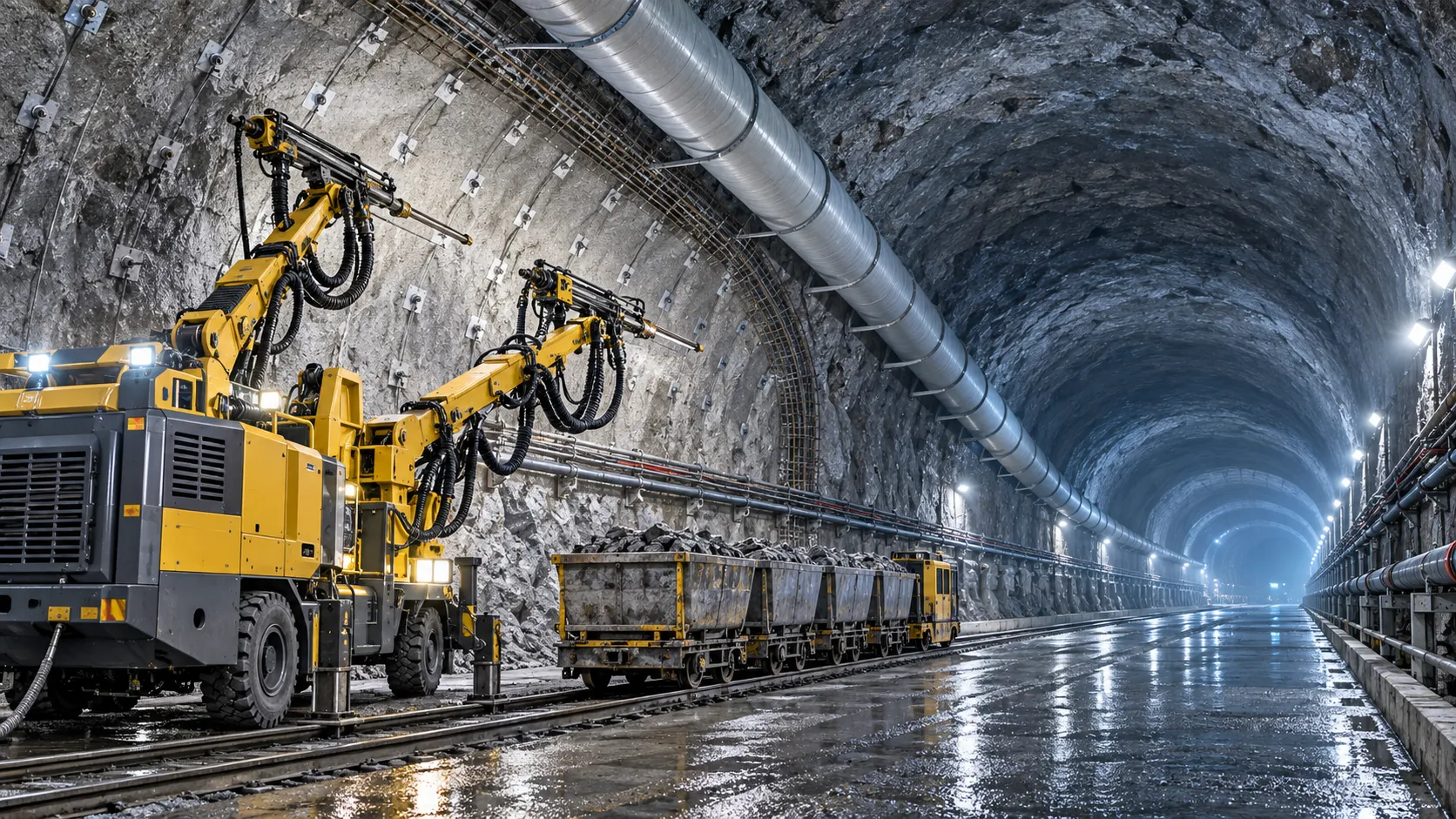
How to Evaluate European Drill-and-Blast Tunnelling Contractors for Complex Projects
Drill and blast tunnelling contractors Europe: learn how to assess geology expertise, blast control, equipment reliability, safety, and programme resilience for complex projects.
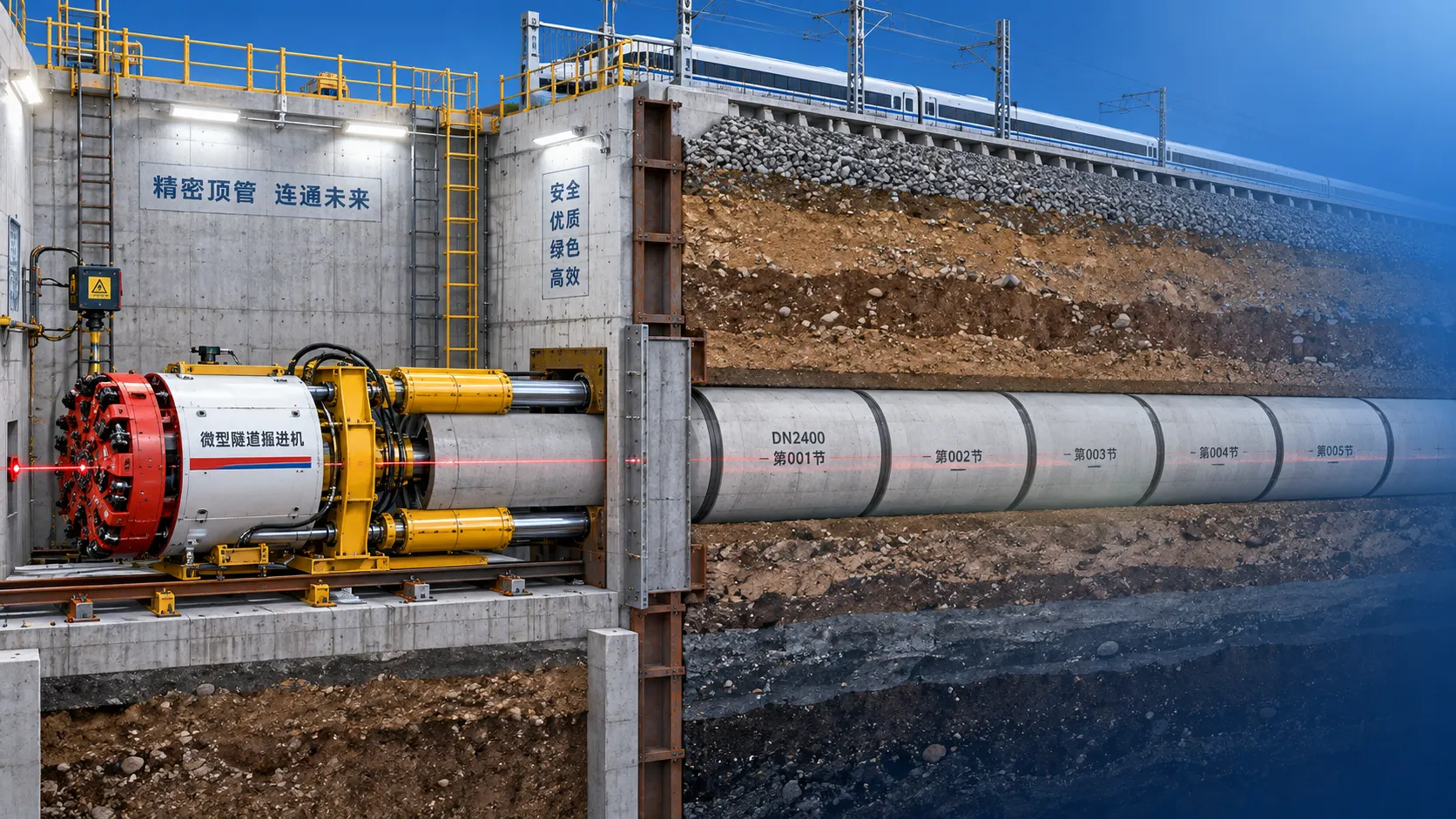
Which Trenchless Construction Technique Fits Your Utility Crossing Conditions?
Trenchless construction techniques compared for utility crossings: choose HDD, microtunnelling, pipe jacking, or auger boring based on ground, accuracy, access, and risk.
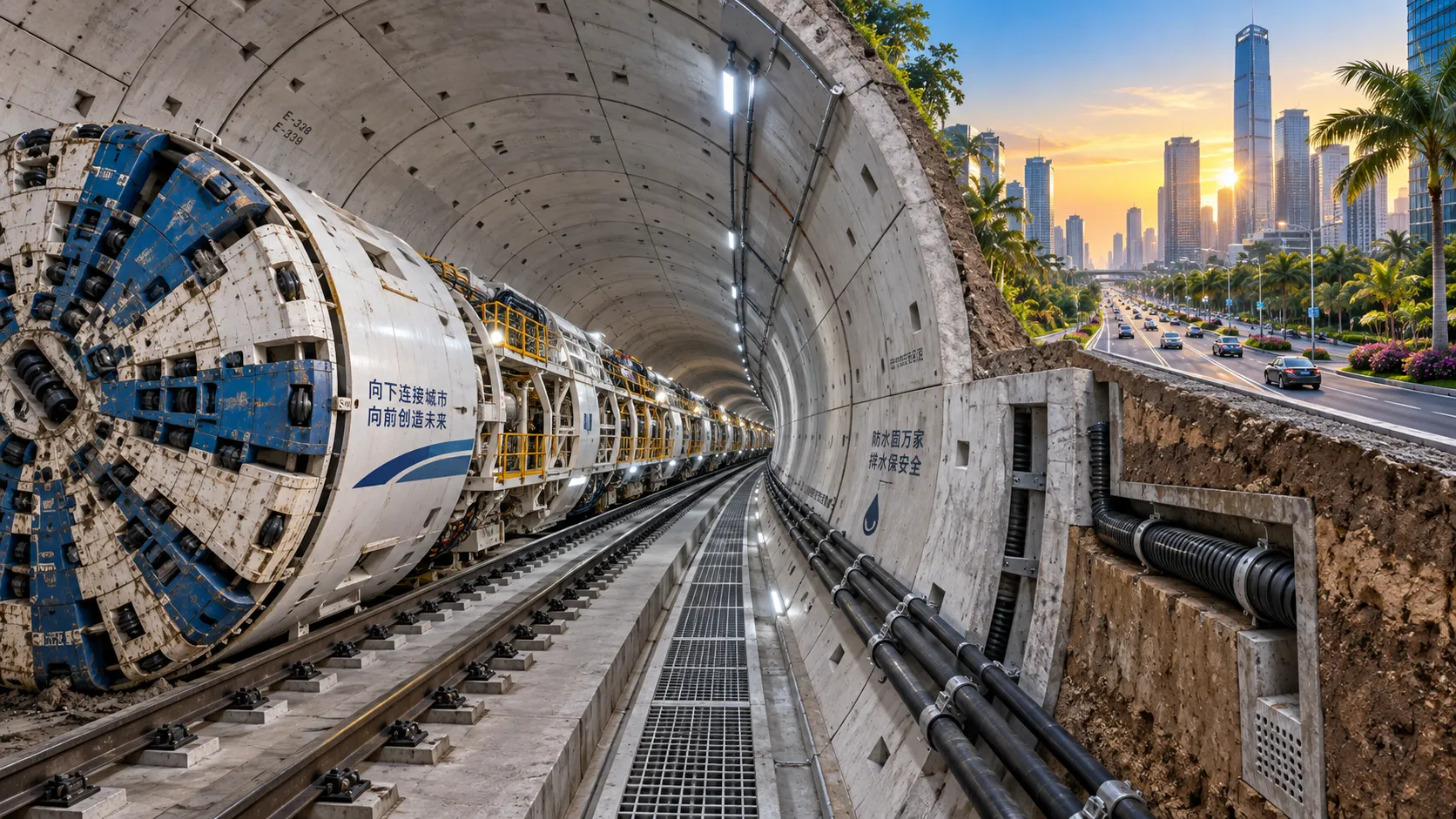
What Is Driving Metro Tunnelling Demand Across Southeast Asia’s Major Cities?
Metro tunnelling Southeast Asia is accelerating as major cities tackle congestion, flooding, and connectivity. Explore the market forces, technical risks, and opportunities shaping demand.
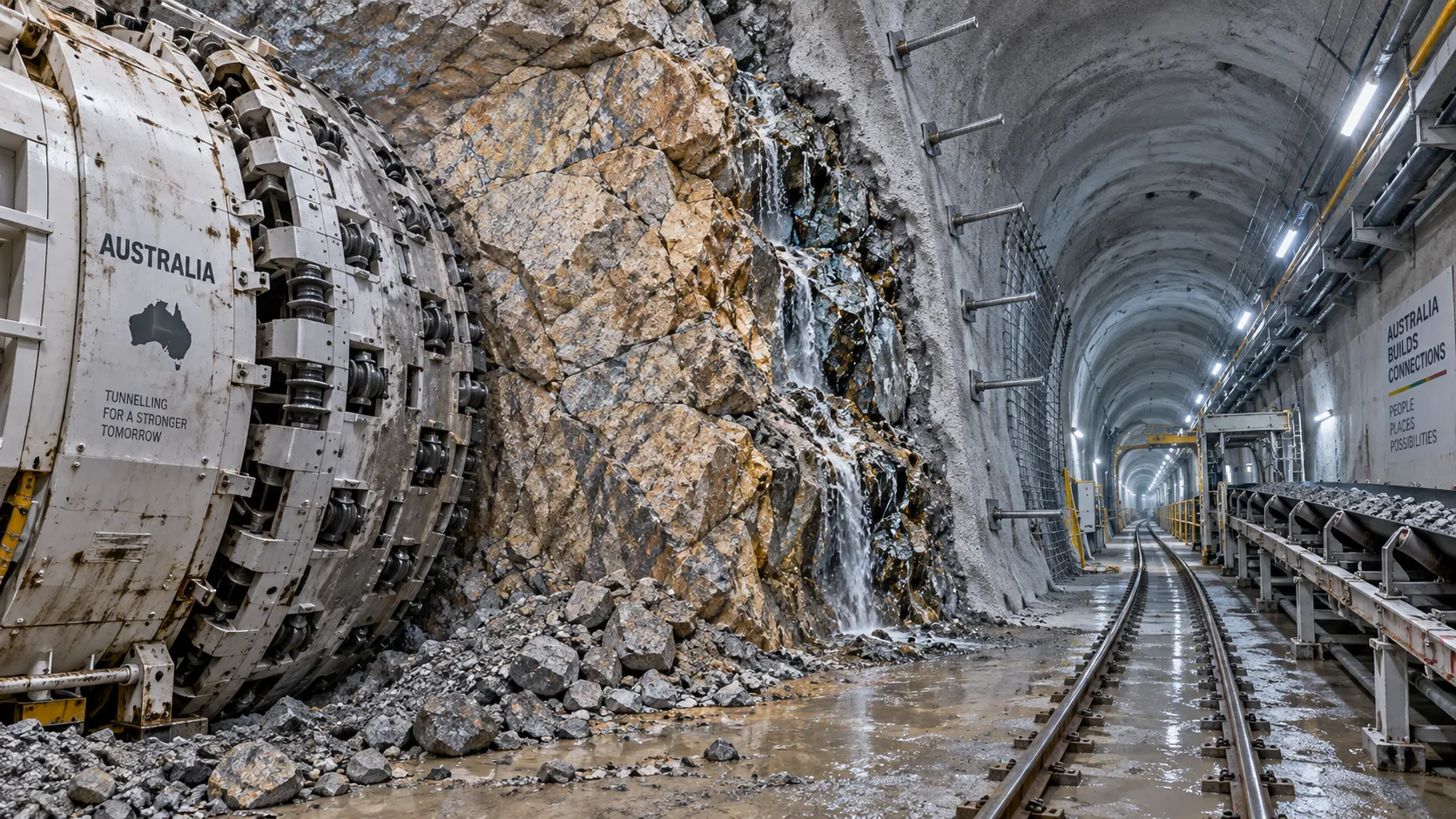
Hard Rock Tunnelling in Australia: Selecting Methods for Variable Ground Conditions
Hard rock tunnelling in Australia: compare TBM, drill-and-blast and hybrid methods to manage variable ground, reduce risk and protect project costs.
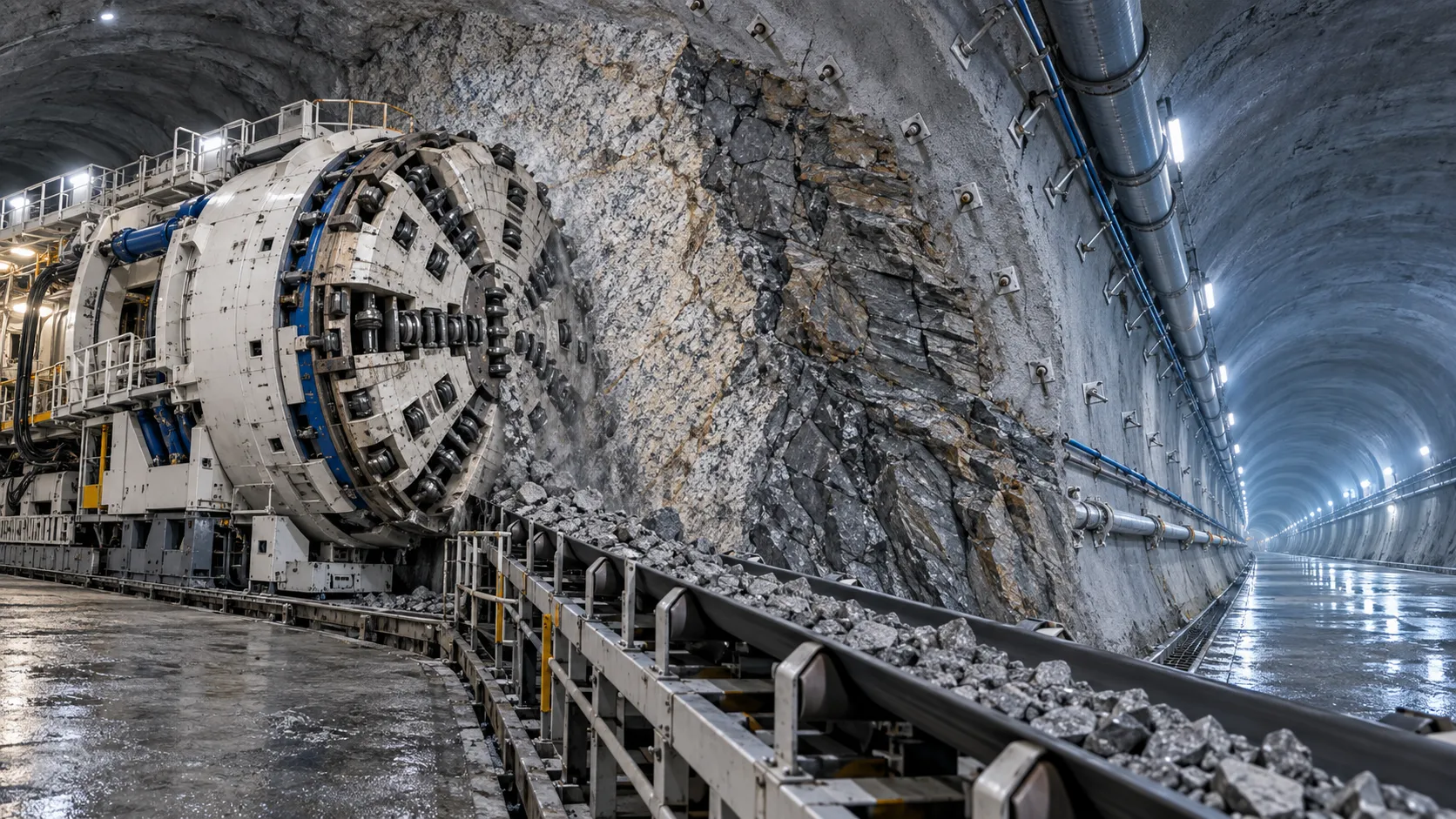
Hydropower Tunnel Excavation: Selecting Methods for Variable Rock Conditions
Hydropower tunnel excavation methods for variable rock conditions: compare TBM, drill-and-blast, and hybrid strategies to improve safety, progress, and project control.
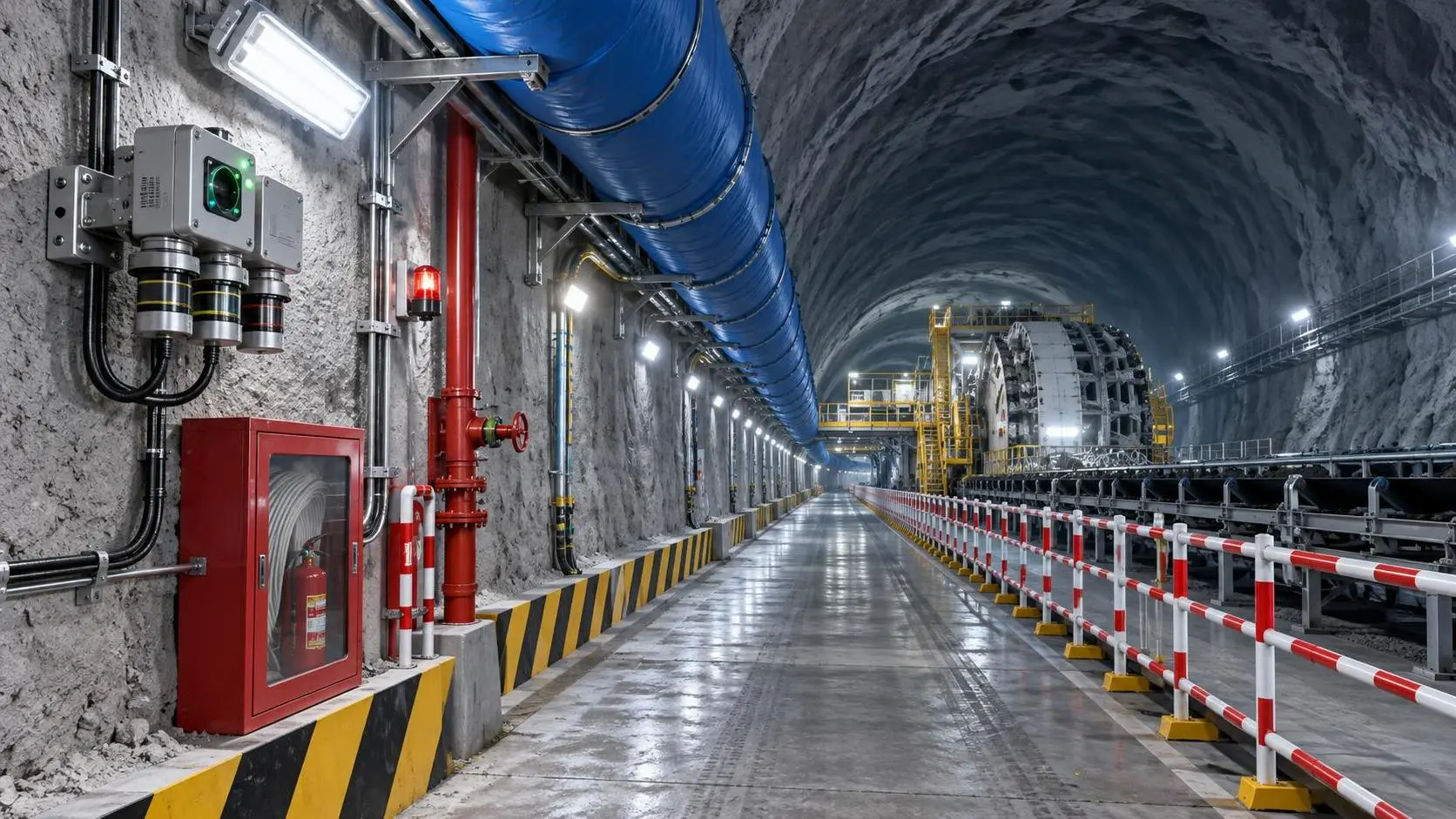
How to Select Underground Safety Equipment for Tunnelling by Hazard and Work Zone
Underground Safety Equipment for tunnelling: match protection to hazards, work zones, compliance, and emergency needs with this practical selection guide.
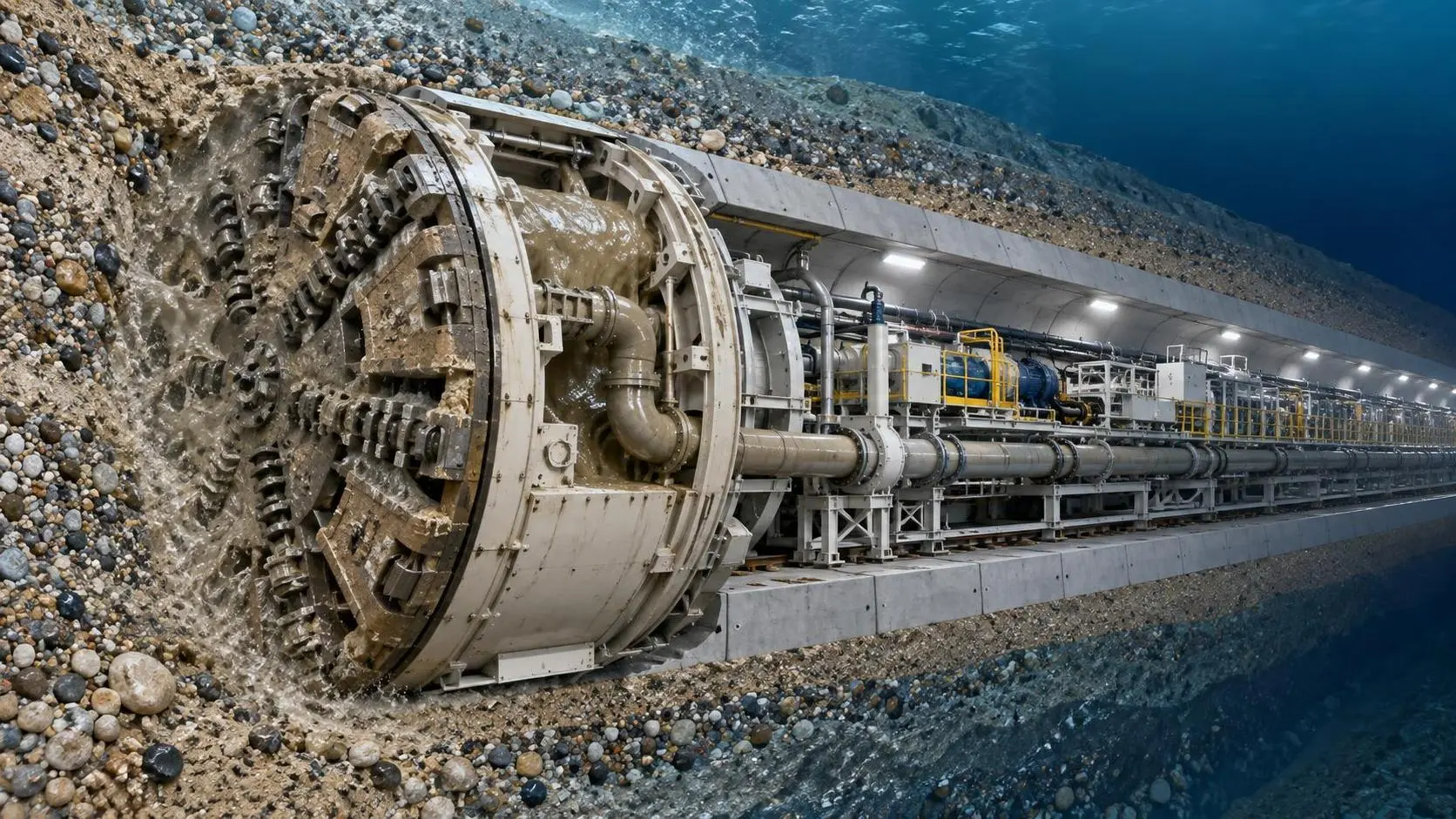
EPB or Slurry Shield? Selecting Soft-Ground Tunnelling Equipment by Soil Conditions
Tunnel Excavation Equipment for soft ground: compare EPB and slurry shields by soil, groundwater, settlement risk, and project logistics to choose confidently.
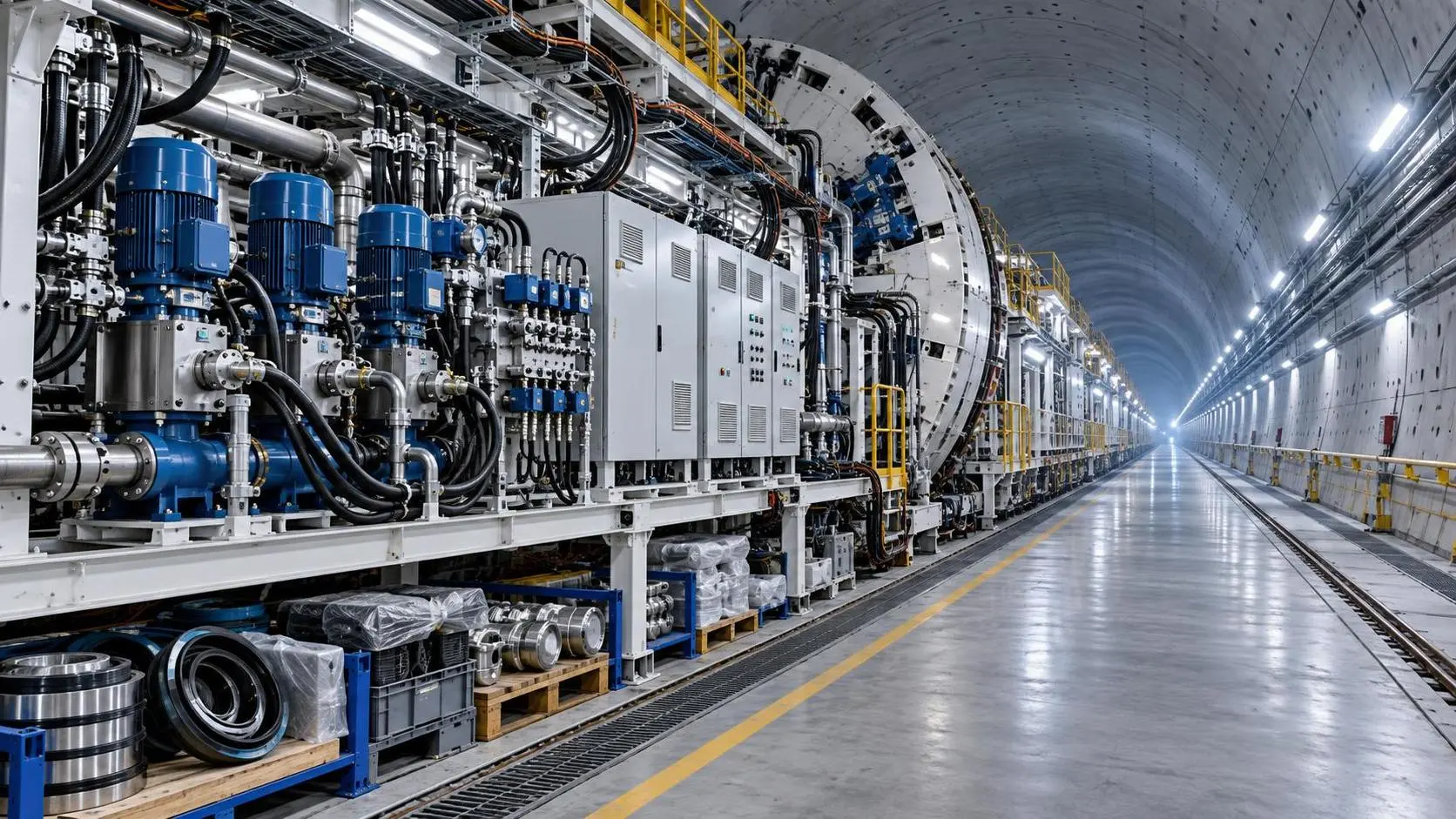
How to Specify TBM Backup System Parts for Reliable Long-Distance Tunnelling
TBM backup system parts: learn how to specify reliable spares for long-distance tunnelling, reduce downtime, ensure compatibility, and speed underground recovery.

How to Size Open Pit Mining Trucks for Haul Distance, Grade, and Payload?
Open Pit Mining Trucks: learn how to match payload, haul distance, grade, road resistance, and loading capacity for safer, lower-cost mine operations.
Related News
- 00
0000-00
How to Evaluate European Drill-and-Blast Tunnelling Contractors for Complex Projects - 00
0000-00
Which Trenchless Construction Technique Fits Your Utility Crossing Conditions? - 00
0000-00
What Is Driving Metro Tunnelling Demand Across Southeast Asia’s Major Cities? - 00
0000-00
Hard Rock Tunnelling in Australia: Selecting Methods for Variable Ground Conditions - 00
0000-00
Hydropower Tunnel Excavation: Selecting Methods for Variable Rock Conditions
Weekly Insights
Stay ahead with our curated technology reports delivered every Monday.