
How Long Does a Drilling Jumbo Last in Extremely Hard Rock Mines?





A drilling jumbo in an extremely hard rock mine does not have a single, reliable “life expectancy” expressed in years. A well-maintained carrier, boom structure, and hydraulic architecture can remain in service for a long period, while high-wear drilling components may require frequent replacement. In hard, abrasive ground, the more useful question is not simply how long the machine will last, but whether it can maintain planned drilling accuracy, penetration performance, availability, and safety without disproportionate repair cost.
Extremely hard rock shortens the life of the parts that transfer impact energy to the face. It does not automatically mean that the entire jumbo becomes uneconomic after a short operating period. The distinction matters when evaluating fleet replacement, maintenance budgets, spare-parts stock, and contractual production commitments.
There is no single lifespan figure for a drilling jumbo
A drilling jumbo is a system rather than one consumable machine. Its service life is determined by different wear cycles occurring at different speeds:
- Rock tools and consumables—drill bits, shank adapters, couplings, rods, and guide components—face direct contact with the rock and can wear rapidly.
- Rock drills—including impact mechanisms, rotation units, seals, and internal wear components—are exposed to high-frequency loads and contamination risk.
- Feed beams and booms—subject to vibration, bending force, alignment loads, and fatigue over repeated drilling cycles.
- Hydraulic systems—dependent on oil cleanliness, cooling, hose condition, seal integrity, and correct pressure settings.
- Carrier and control systems—including articulated chassis components, electrical harnesses, sensors, positioning systems, and operator interfaces.
For this reason, a jumbo may still be a viable production asset even after major components have been rebuilt or replaced. Conversely, a relatively young machine can become unreliable if it has operated with poor hydraulic oil control, chronic misalignment, inadequate flushing, or repeated damage from unstable ground conditions.
The phrase How long does a drilling jumbo last in extremely hard rock mines? should therefore be interpreted as a lifecycle-cost and availability question, not a simple calendar-age question.
Rock hardness is only part of the wear equation
Uniaxial compressive strength is often used to describe rock hardness, but it does not by itself predict drilling jumbo life. A very hard but relatively uniform rock mass may be easier on the machine than a slightly less hard formation containing highly abrasive minerals, fractured zones, quartz-rich bands, or frequent changes in drilling conditions.
Abrasiveness is especially important because it accelerates gauge wear on drill bits and increases friction along the drill string. As the bit loses its intended profile, penetration can fall and the drill may spend longer applying impact and rotation to achieve the required hole depth. That additional time is not merely a productivity issue. It can increase heat, vibration, stress on the drill string, and demand on hydraulic components.
Ground variability also matters. A jumbo drilling repeated, predictable blast patterns in a consistent heading has a different duty cycle from one operating through alternating hard bands, faulted ground, water-bearing fractures, and changing face geometries. The latter environment imposes more corrections, more collaring difficulty, more risk of rod jamming, and greater likelihood of impact energy being poorly transmitted into the rock.
Hard rock alone is not the enemy. Uncontrolled drilling conditions are often more damaging than the rock-strength figure shown in a geological report.
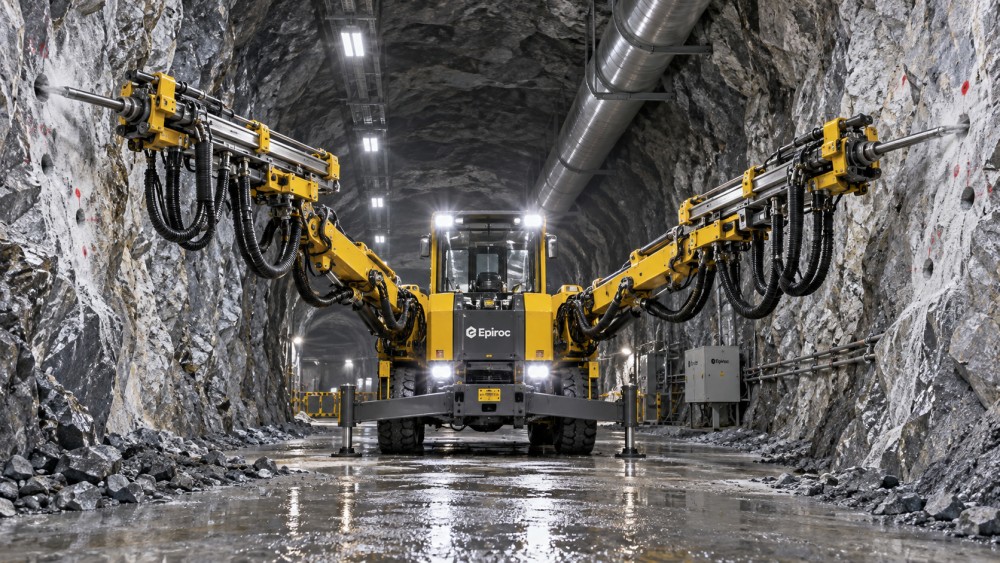
What wears out first in hard-rock drilling?
The first visible signs of hard-rock duty are usually found at the drilling interface. Bit wear, damaged carbide buttons, worn shank adapters, coupling deterioration, and bent or fatigued rods can quickly reduce energy transfer. These items are often treated as routine consumables, but their condition directly influences the life of more expensive equipment.
A worn bit can force operators to compensate by extending drilling time or changing operating parameters beyond the optimal range. A damaged rod thread or worn coupling can introduce vibration and connection problems. Poor flushing can leave cuttings in the hole, increasing the chance of binding, excessive torque, and difficult steel retrieval. Each problem raises the load carried by the rock drill, feed system, and boom.
The rock drill itself is a critical lifecycle component. High impact frequency and rotation demand place internal components under continuous stress. Seal failure, hydraulic contamination, inadequate lubrication, incorrect pressure, and overheating can cause damage long before the external machine structure reaches the end of its useful life. A rebuilt rock drill may restore performance, but repeated failures should not automatically be attributed to the drill unit alone. The root cause may lie in oil cleanliness, flushing water quality, drilling steel practices, or boom alignment.
Feed beams and booms generally have longer replacement cycles, but they should not be regarded as permanent. Repeated side loading, improper collaring, rod jams, contact with the face, and vibration from poor drilling conditions can affect straightness, joints, pins, bushings, and weld areas. Once alignment degrades, tool wear and hole deviation can worsen, creating a costly feedback loop.
Availability matters more than machine age
A mine does not benefit from a jumbo that remains on the asset register but cannot reliably drill planned rounds. In extremely hard rock, the practical measure of remaining life is whether the machine can deliver acceptable availability and drilling quality within the maintenance resources available.
Useful indicators include:
- unplanned downtime related to rock drills, feeds, hydraulics, and controls;
- changes in penetration rate under comparable ground conditions;
- increasing hole deviation or difficulty maintaining blast-pattern accuracy;
- repeat failures of hoses, seals, fittings, or hydraulic pumps;
- rising consumption of drilling steel beyond what geology would reasonably explain;
- increasing repair intervals caused by boom damage, feed alignment issues, or carrier faults;
- difficulty obtaining critical parts or competent rebuild support.
These signals are more meaningful than a broad statement such as “the jumbo is old.” A machine can have high operating hours yet remain productive if its major systems have been correctly maintained and rebuilt. Another unit may have fewer hours but poor reliability because of harsh operating discipline, deferred maintenance, or damage accumulated in difficult headings.
Maintenance discipline determines whether hard rock becomes manageable wear or premature failure
In hard-rock mines, preventive maintenance is not simply a cost-control activity; it is part of drilling performance. The key objective is to prevent small deviations from turning into system-level damage.
Hydraulic oil management is central. Contamination can accelerate wear in pumps, valves, and rock-drill circuits. Water ingress, particle contamination, overheated oil, unsuitable filtration practices, or neglected sampling can compromise component life even where the machine appears to operate normally. A hydraulic system under high drilling load has little tolerance for poor cleanliness control.
Correct operating parameters are equally important. Impact pressure, rotation pressure, feed force, and flushing must be matched to the drilling method, bit condition, hole diameter, and rock response. Excessive feed force can create unnecessary stress and encourage jamming. Insufficient feed can reduce effective energy transfer and lead to inefficient drilling. Excessive rotation may accelerate bit and steel wear, while inadequate rotation can impair hole cleaning and drilling efficiency.
Routine inspection should focus on the components that reveal developing problems: leaks at rock-drill connections, hose abrasion, abnormal vibration, looseness in boom joints, feed-beam wear, damaged cable routing, drilling-steel thread condition, and sensor errors. The value of inspection lies in trend recognition. Replacing one hose after it rubs through is repair work; identifying a recurring routing or clamping issue is lifecycle management.
Operator practices can either preserve or consume the machine
Automation and computerized drilling plans improve consistency, but they do not eliminate the importance of correct machine use. Poor positioning, drilling at unfavorable angles, forcing a bit through broken ground, continuing after abnormal vibration, or using damaged drilling steel can transfer avoidable loads into the jumbo.
Collaring is particularly important. If the boom is not stable and the bit does not engage the face correctly, the drill string can experience side forces from the beginning of the hole. In hard rock, those forces can be amplified because the bit is less able to self-correct once it starts off line. The result may be hole deviation, premature bit wear, reduced penetration, and stress on feed and boom components.
Operator feedback also has a role in condition monitoring. Automated systems can record pressures, drilling time, alarms, and positioning data, but unusual noise, changing vibration, inconsistent flushing return, or a new tendency for rods to bind may be detected at the face before they appear as clear maintenance data. The best maintenance decisions combine machine data with disciplined operating observations.
Digital monitoring changes how remaining life is assessed
Modern jumbos can provide data that is useful for moving beyond fixed maintenance intervals. Drilling time per hole, penetration trends, impact and rotation demand, alarms, hydraulic temperatures, utilization, and deviation data can help identify changes in machine condition or ground response.
That information should be interpreted carefully. A fall in penetration rate does not always mean a failing rock drill; the formation may have changed, the bit may be worn, or flushing may be inadequate. Similarly, higher hydraulic temperature may reflect a cooling-system problem, an overloaded duty cycle, or an emerging issue in the hydraulic circuit. Data is most valuable when compared with known drilling conditions, bit type, hole diameter, and maintenance history.
For fleet decisions, a digital record can reveal whether a particular jumbo is experiencing isolated repair events or a persistent deterioration pattern. Repeated work orders for the same subsystem, growing downtime between services, or declining accuracy despite normal tool replacement may indicate that a more substantial rebuild is justified. This is a better basis for capital planning than replacing equipment solely because it has reached an arbitrary age.
When should a jumbo be rebuilt rather than replaced?
A rebuild can be rational when the carrier structure remains sound, the machine still suits the mine’s heading dimensions and drilling pattern, and parts support is available. Rock drills, feed systems, hydraulic pumps, boom joints, electrical assemblies, and control components may be renewed in stages. The decision depends on the total effect on availability, not only the quoted repair cost.
Replacement becomes more compelling when several conditions converge: structural fatigue or recurring boom damage, escalating downtime across unrelated systems, obsolete controls that cannot be supported, unacceptable safety risk, inability to meet required drilling accuracy, or a mismatch between the jumbo’s capabilities and the current production method. A machine that cannot support the required level of automation, remote operation, emissions control, or data integration may also create operational constraints even if it remains mechanically functional.
Hard-rock mines should avoid a narrow comparison between the price of a new jumbo and the cost of a single repair. The relevant comparison is the expected cost of lost drilling time, delayed blasting, repair labor, spare parts, tool consumption, safety exposure, and production disruption over the remaining period of use.
Common mistakes in estimating service life
One common mistake is treating hard rock as a uniform condition. Rock strength, abrasiveness, jointing, water, hole depth, and blast design all affect the actual duty cycle. Another is measuring only engine or operating hours while ignoring drilling hours, number of holes drilled, meters drilled, and the quality of maintenance history.
It is also risky to treat consumable costs separately from jumbo reliability. Worn bits and damaged steel do not only increase tool expenditure; they can create load conditions that shorten the life of rock drills and feeds. Conversely, an aggressive effort to extend consumable life beyond their effective condition can be false economy.
A final mistake is assuming automation makes maintenance less important. Automated drilling can improve repeatability and provide valuable data, but it also depends on accurate sensors, healthy hydraulic systems, correct calibration, and sound mechanical alignment. Digital capability increases the value of maintenance discipline rather than replacing it.
The practical answer
In extremely hard rock mines, a drilling jumbo lasts as long as its structure, hydraulics, rock drills, controls, and support systems can be kept within acceptable reliability and cost limits. The machine’s useful life is extended not by one exceptional component, but by controlling the chain of wear from bit and drill steel through the rock drill, feed, boom, hydraulic circuit, and carrier.
The most defensible lifecycle assessment uses actual operating evidence: ground conditions, drilled meters, availability records, maintenance history, component-failure patterns, hole quality, and the cost of disruption. Extremely hard rock will always consume tools and impose high loads. Premature jumbo retirement is more often linked to unmanaged wear, contamination, misalignment, and repeated reactive repairs than to rock hardness alone.
Related News
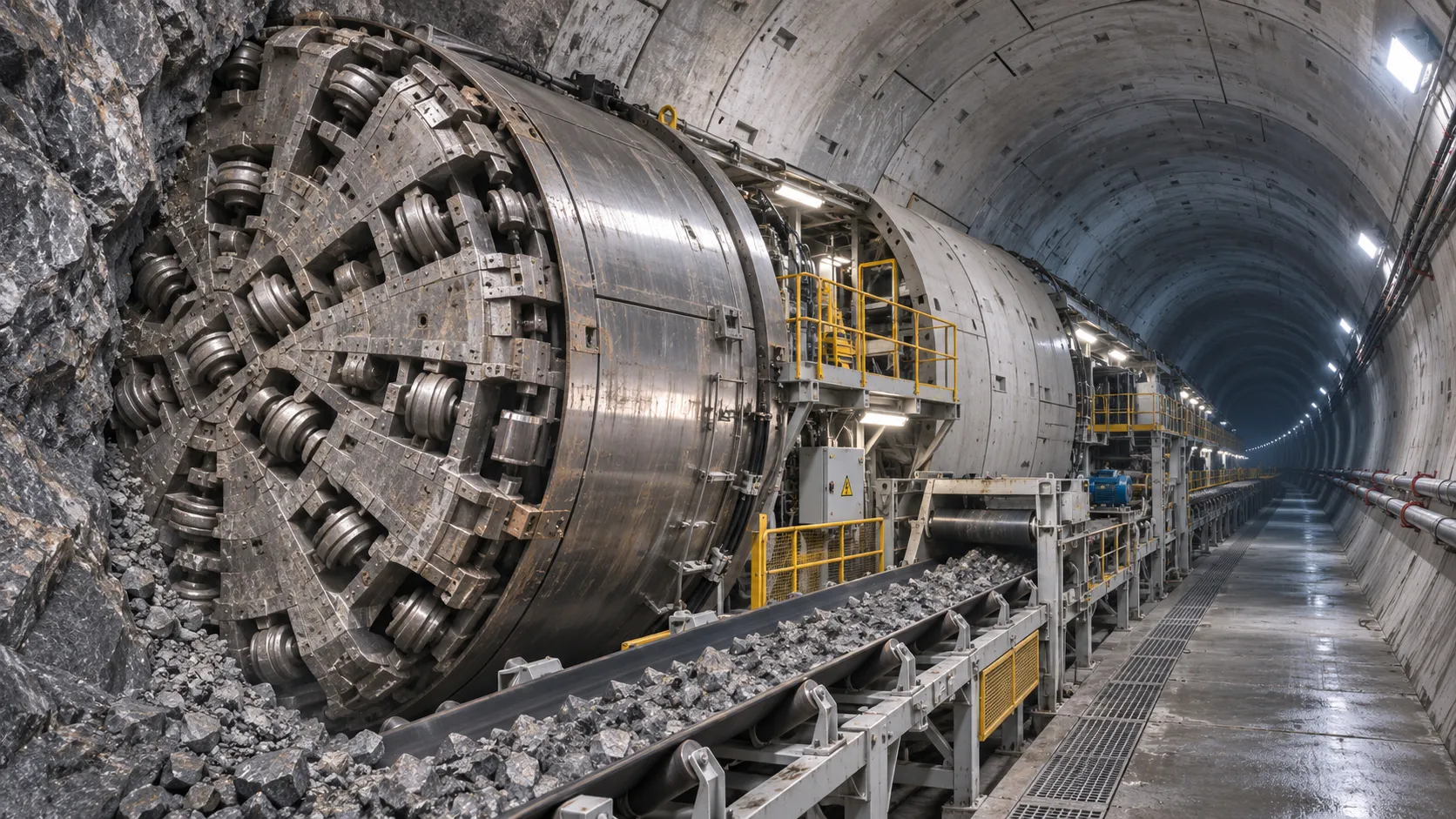
How TBM Excavation Works in Rock and Soft Ground: A Practical Guide
TBM Excavation in rock and soft ground explained: compare machine types, ground support, spoil removal, and the factors that guide smarter project planning.
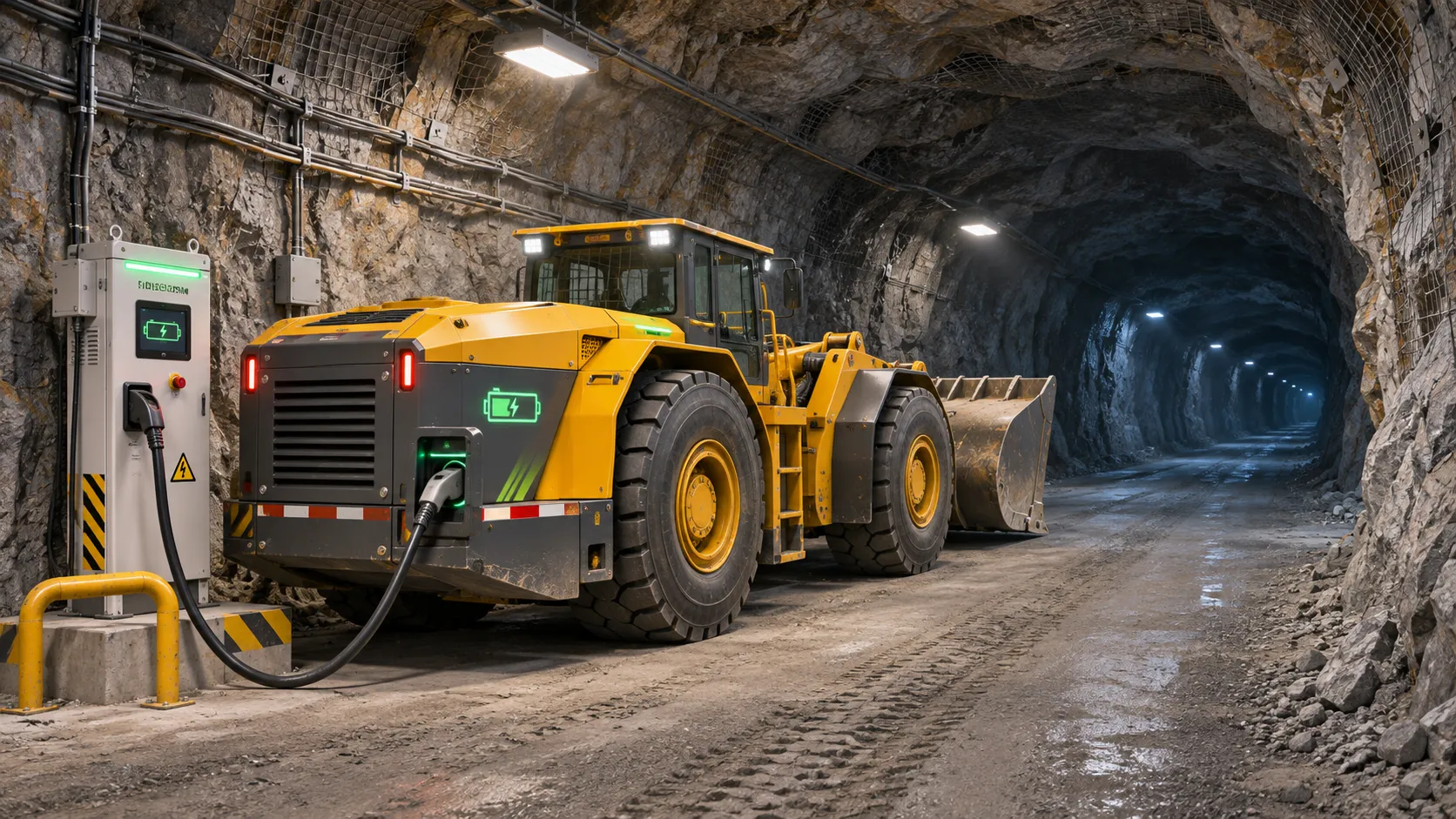
Choosing a Zero-Emission Underground Equipment Supplier: What to Check
Choosing a zero emission underground equipment supplier? Compare duty-cycle performance, charging, safety, total costs and support before you commit.
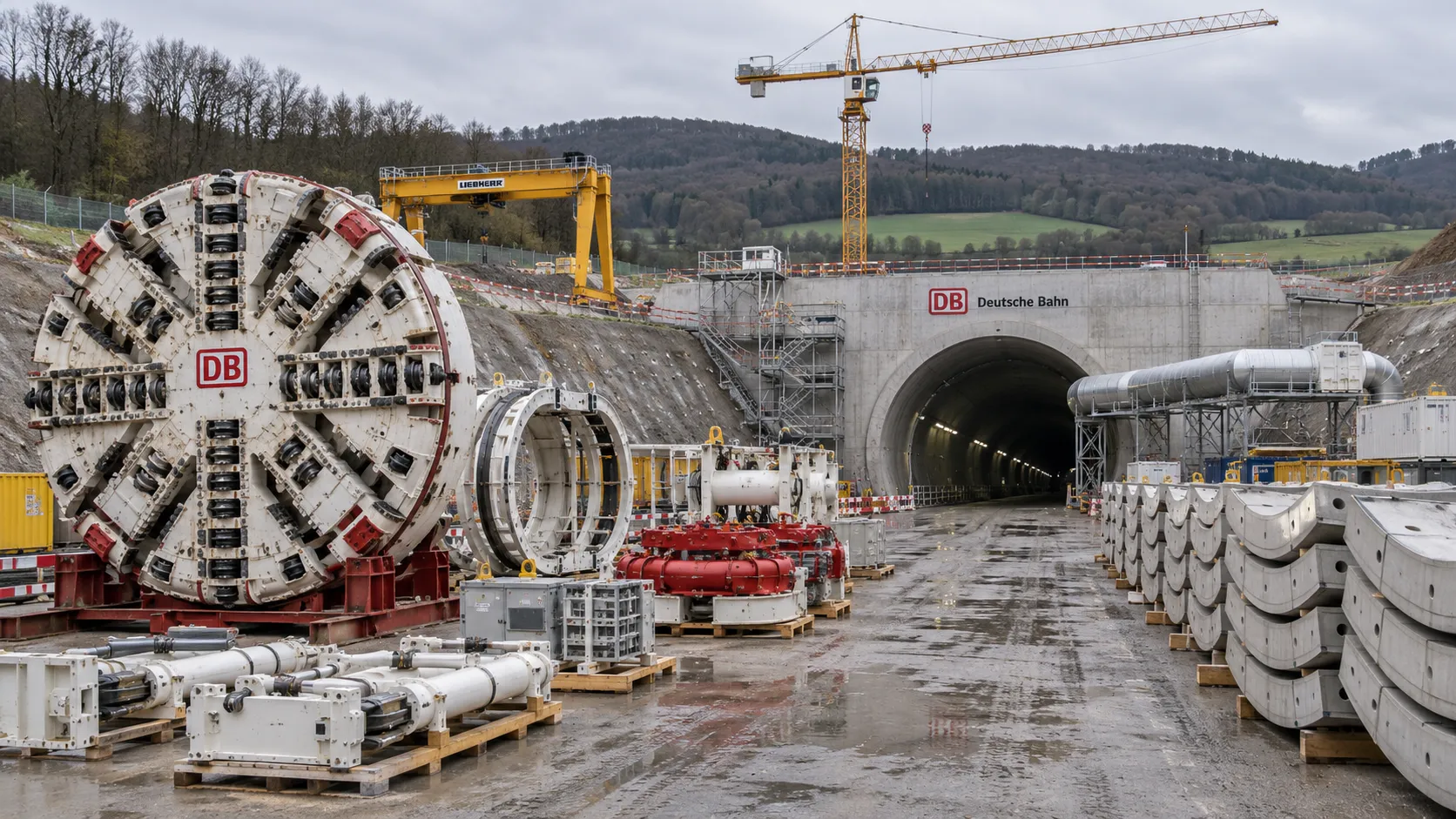
Construction Starts on Germany's Pfaffensteig Rail Tunnel, With Two TBMs Planned
Pfaffensteig rail tunnel construction is underway in Germany. Discover how two planned TBMs will support the 11-kilometre project near Stuttgart.
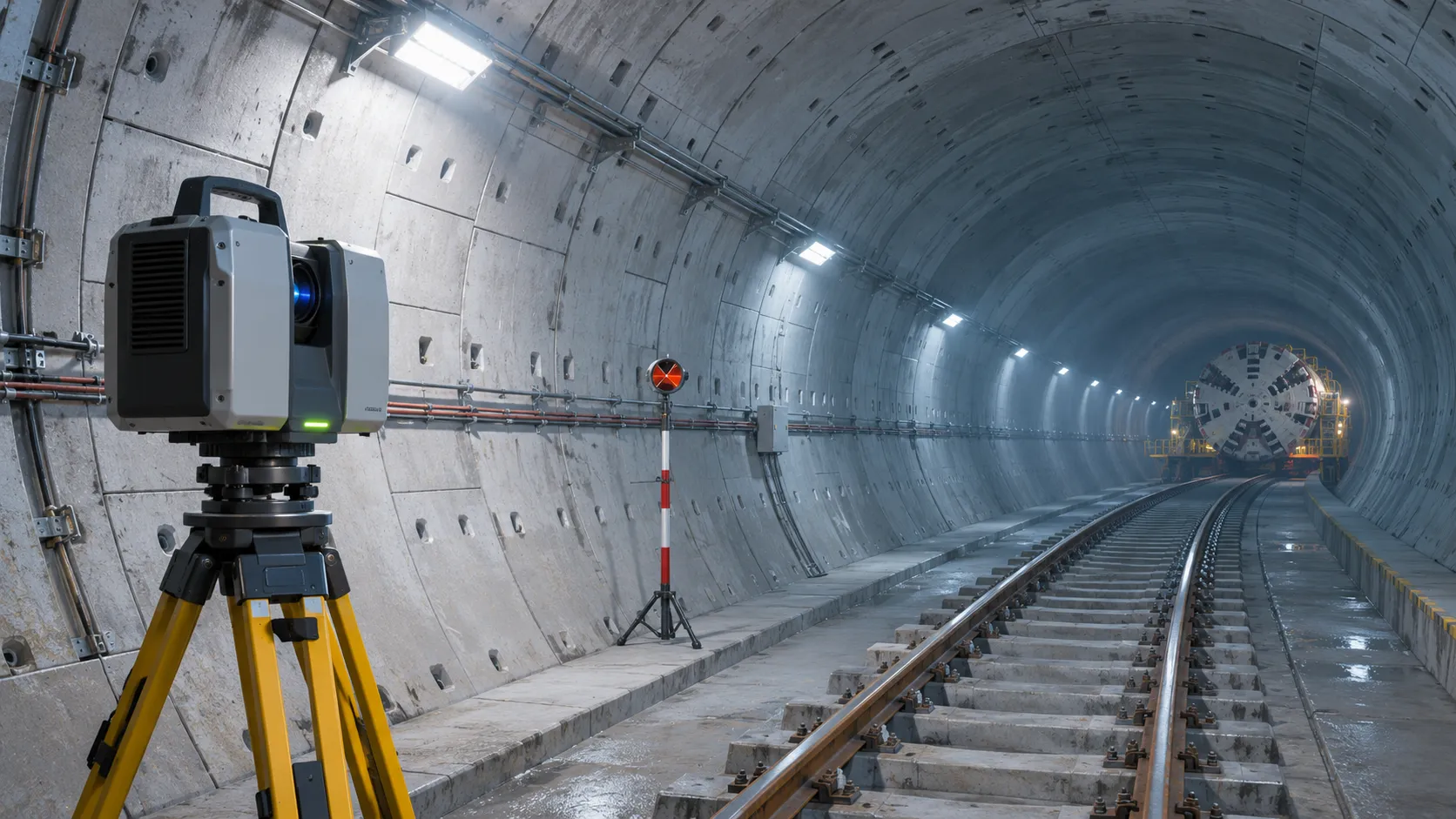
How Real-Time Underground Mapping Systems Work in Tunneling
Discover how real-time underground mapping systems guide tunneling teams, integrate sensor data, and support confident decisions with verified accuracy.
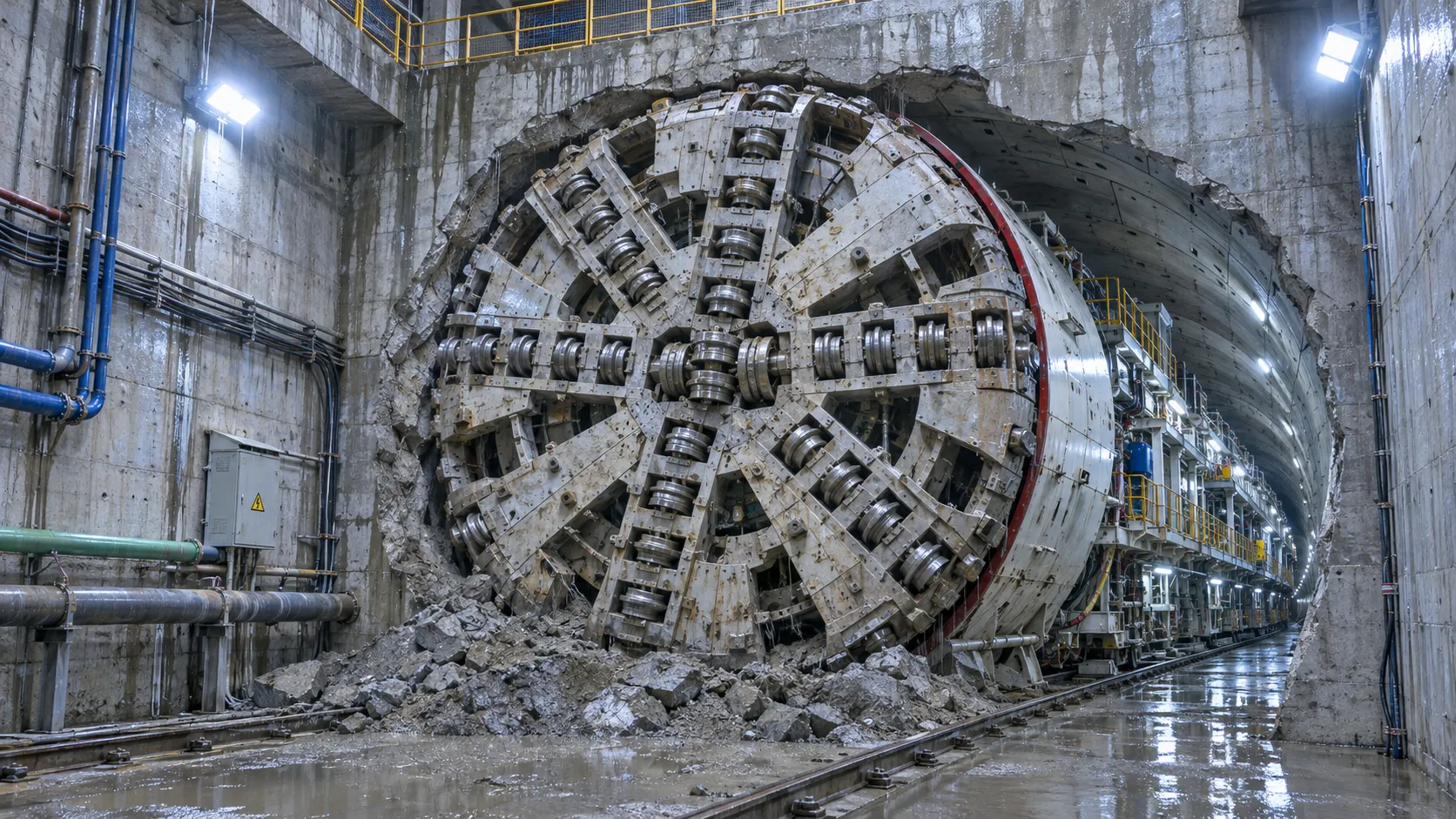
First Mechanized Tunnel Crossing Beneath the Panama Canal Completed
Panama Canal tunnel crossing: Explore the reported Metro Line 3 milestone and what it could mean for future underwater tunneling projects.
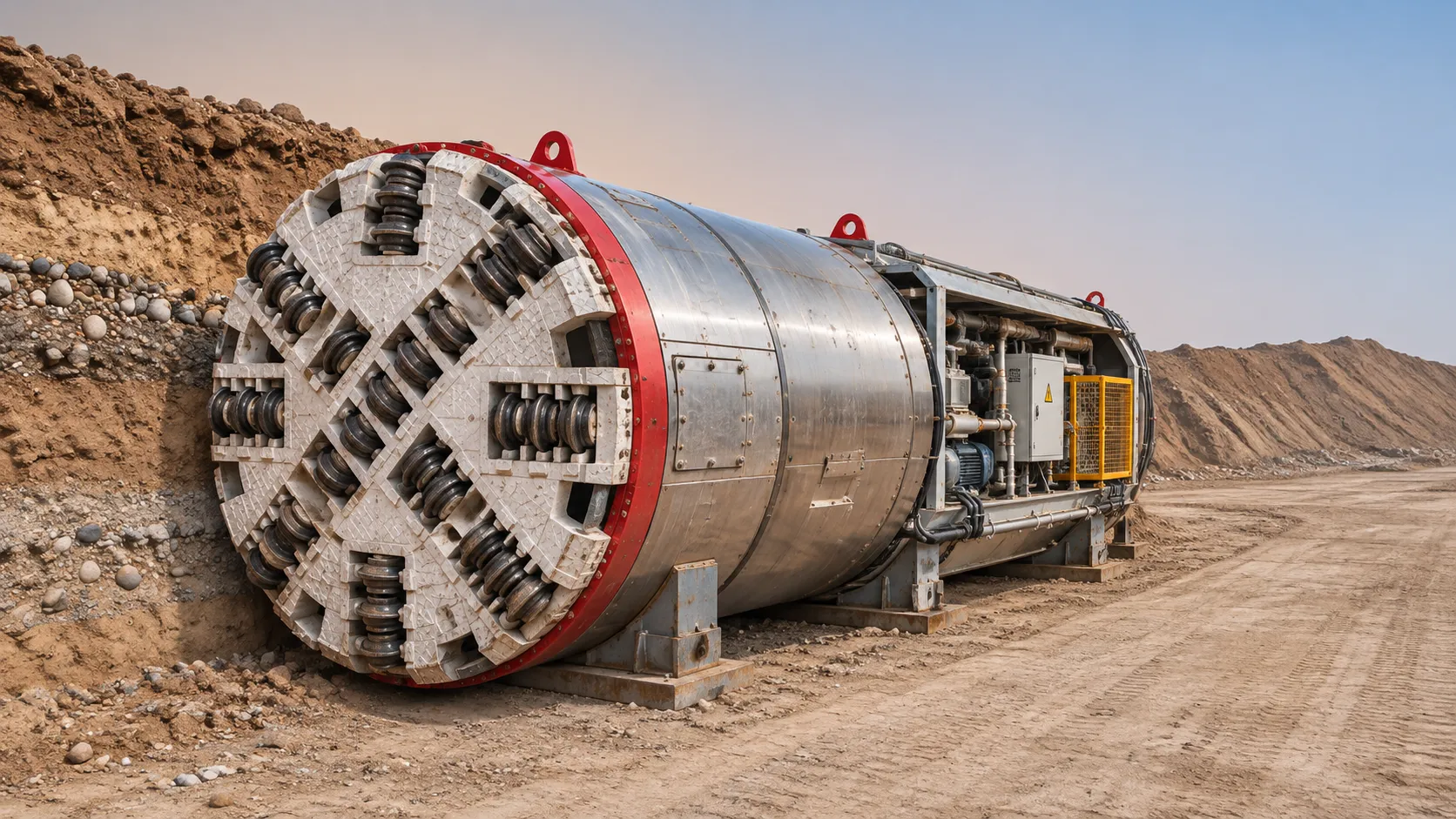
Underground Utility Construction Equipment: Choosing by Ground Conditions
Choose underground utility construction equipment with confidence. Compare trenching, HDD, microtunnelling and TBMs by ground conditions, risk and cost.
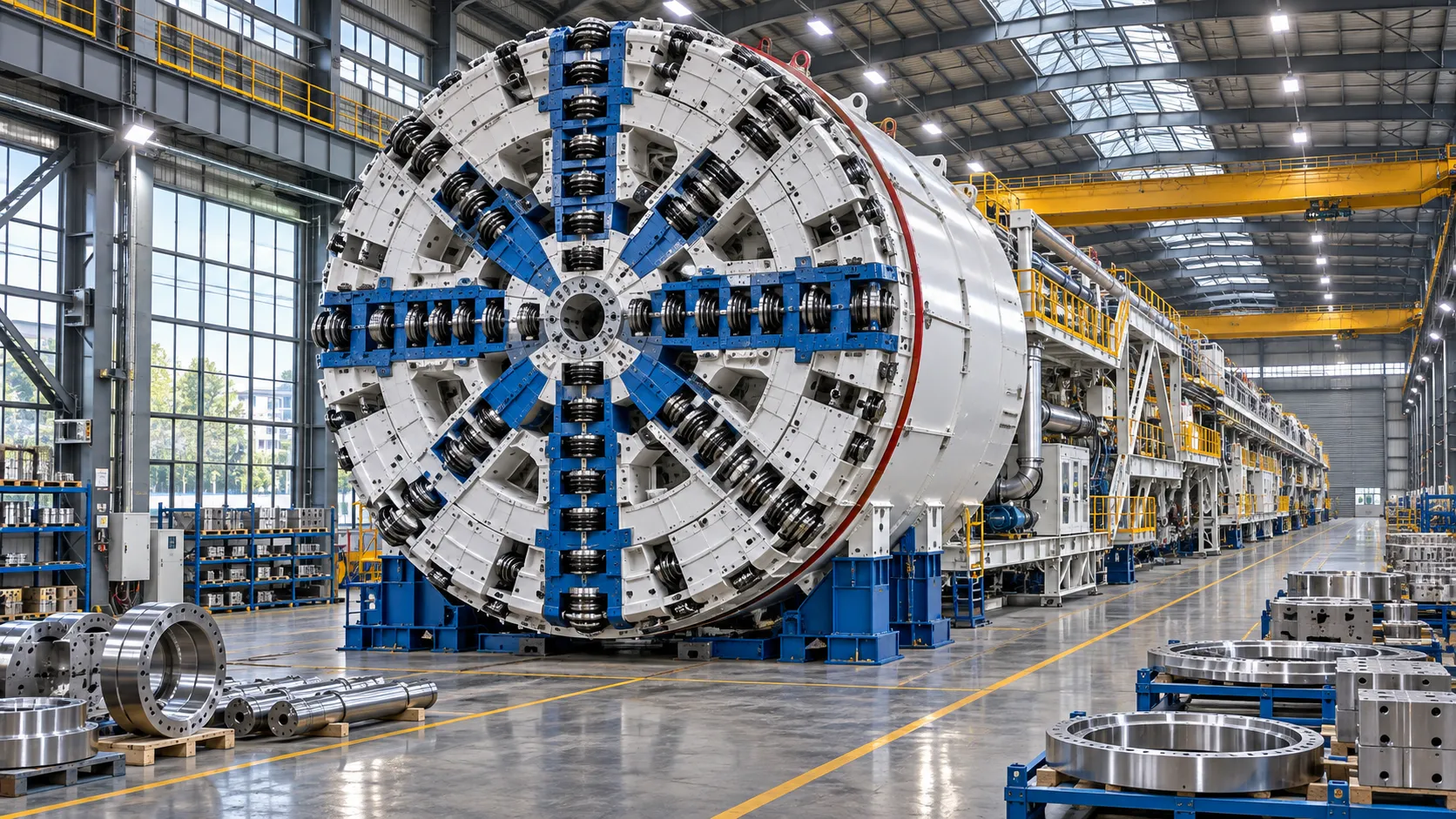
China Sets Tunnel Boring Machine Export Controls as India Pushes Local Production
China tunnel boring machine export controls could reshape procurement as India pushes local production. Explore potential supply and project impacts.
Choosing a Trenchless Pipeline Installation Contractor: Key Qualifications
Choose a trenchless pipeline installation contractor with confidence. Learn how to assess experience, equipment, safety, costs, and project risks before you hire.
China's 70% TBM Share and Export Controls Challenge India's Local Production
China's TBM export controls could challenge India's local production and infrastructure sourcing. Explore the potential risks and procurement options.
Related News
- 00
0000-00
How TBM Excavation Works in Rock and Soft Ground: A Practical Guide - 00
0000-00
Choosing a Zero-Emission Underground Equipment Supplier: What to Check - 00
0000-00
Construction Starts on Germany's Pfaffensteig Rail Tunnel, With Two TBMs Planned - 00
0000-00
How Real-Time Underground Mapping Systems Work in Tunneling - 00
0000-00
First Mechanized Tunnel Crossing Beneath the Panama Canal Completed
Weekly Insights
Stay ahead with our curated technology reports delivered every Monday.