
Are Computerized Drilling Jumbos Worth the Investment Over Manual Models?





A computerized drilling jumbo is usually worth the investment over a manual model when drilling accuracy, repeatable cycle times, operator exposure, and digital production control are limiting an underground operation. It is not automatically the better choice for every heading. In short, the premium makes sense when the site can keep the machine utilized, maintain its automation systems, and convert better drilling data into better blasting and development decisions.
The decision often arises at an awkward point in a mine or tunnel project: rounds are being completed, but overbreak is costly, face advance varies between shifts, experienced operators are hard to retain, and supervisors spend too much time reconciling what was planned with what was actually drilled. A manual jumbo may still be mechanically capable, yet the operation is paying for inconsistency in places that do not appear clearly on the machine purchase invoice.
The real comparison is not purchase price versus purchase price
Manual drilling jumbos depend heavily on operator skill to position the carrier, align booms, collar each hole, control feed pressure, and follow the designed drilling pattern. A skilled operator can produce excellent work, particularly in familiar headings with stable geology and a straightforward drill plan. The limitation is variation. Alignment, spacing, depth, and parallelism can shift between operators or even within a long shift as visibility, fatigue, ground conditions, and face geometry change.
Computerized jumbos use drill plans, automated boom positioning, navigation references, and drilling feedback to guide or automate much of that process. Their value comes from reducing the gap between the engineering design and the drilled face. This can improve the quality of the next activities in the cycle: charging, blasting, mucking, scaling, ground support, and surveying.
That distinction is central to the question, Are computerized drilling jumbos worth the investment over manual ones? The right calculation is not simply whether the automated carrier drills holes faster. It is whether more accurate and more consistent drilling improves the entire development cycle enough to justify higher acquisition, training, software, and service requirements.
Where computerized drilling creates measurable operational value
The most visible benefit is hole-placement discipline. In drill-and-blast tunnelling, poor collar position or hole angle can create uneven burden and spacing, leading to incomplete pull, unwanted overbreak, excessive vibration, rough walls, or extra scaling. In underground mining development, inaccurate rounds may also complicate ore-control boundaries, access dimensions, and subsequent bolting work. A computerized system does not remove geological uncertainty, but it can reduce avoidable deviation caused by setup and execution.
Parallel-hole drilling is especially important. When lifter, perimeter, cut, and relief holes are not drilled as intended, the blast may not break efficiently even when the charging crew follows the approved loading design. Teams sometimes respond by changing explosives practices when the deeper issue is poor drilling geometry. Recorded drill plans and actual drilling data make that conversation more objective.
Cycle consistency is another major factor. A computerized jumbo can standardize routine drilling tasks and reduce the time spent repeatedly estimating boom positions. The benefit is not necessarily a dramatic gain on every face. Its practical value is that a crew can reproduce a competent method more reliably over many rounds. That matters where delay in one activity pushes back the whole heading cycle and affects the availability of loaders, haulage units, ventilation, shotcrete crews, or charging teams.
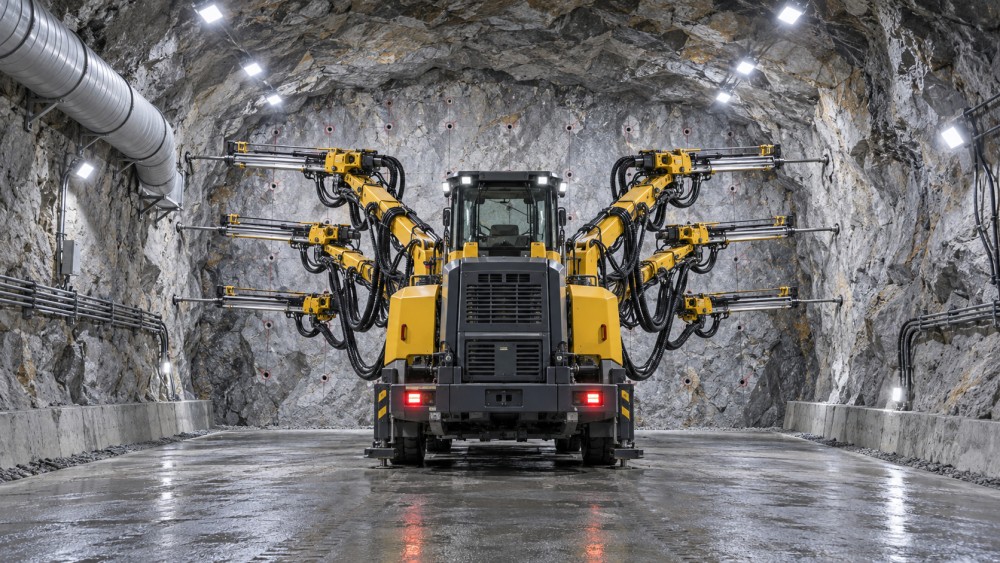
Automation can also reduce direct exposure at the face. Operators still have responsibilities around ground conditions, positioning, inspection, rod handling systems, water management, and machine movement. However, remote or protected-position control can reduce the time spent close to freshly excavated rock during repetitive drilling work. The safety benefit must be assessed against the actual work method, ground-support sequence, visibility, communications, and site procedures; it should not be treated as an automatic result of buying a newer machine.
Data matters only when someone uses it
A computerized jumbo can generate useful records: planned versus drilled hole locations, depths achieved, drilling duration, penetration behavior, equipment status, and sometimes indicators of changing ground conditions. These records can help engineers investigate why one round performed differently from another. They can also reveal patterns such as repeated underdrilling, slow penetration in a particular zone, abnormal deviation, or excessive idle time between activities.
But data capture is not a return on investment by itself. A site needs a practical routine for moving drill plans to the machine, checking that the correct plan is loaded, reviewing exceptions, and feeding lessons into blasting and ground-control decisions. Without that routine, operators may use a sophisticated carrier as a partially manual machine, while engineers receive data that is incomplete or ignored.
Before selecting a computerized model, clarify who will own each step:
- Who creates and approves the drill pattern and face reference?
- Who confirms that the face has been surveyed accurately enough for automated positioning?
- Who reviews drilling records after a poor pull, unusual overbreak, or repeated delay?
- Who maintains system calibration, software versions, sensors, and communications underground?
- Who can operate the machine safely when automation is unavailable or conditions require manual intervention?
If these questions have no clear answers, the operation may be buying capability that it cannot yet use consistently. In that situation, the better first investment may be stronger planning discipline, operator development, maintenance readiness, and survey control rather than maximum automation.
When a manual jumbo remains the sensible option
Manual equipment should not be dismissed as outdated simply because computerized models offer more functions. A well-maintained manual jumbo can be a rational choice where development work is irregular, machine utilization is low, headings change frequently, or the operating environment does not support dependable digital workflows. Small contractors may also prefer the lower capital commitment and simpler troubleshooting path, particularly when skilled operators are available and the project duration is limited.
Manual models can be practical in highly variable faces where frequent judgement calls are needed and drill plans change rapidly. Even there, the issue is not that automation cannot cope with variability; it is whether the operation has the surveying quality, planning turnaround, training, and technical support needed to keep automated functions reliable.
A manual carrier may also be the lower-risk choice when access to specialist service is limited. Hydraulic drifters, feeds, hoses, electrical systems, and basic control functions already require disciplined maintenance. Adding navigation hardware, sensors, computing modules, and software interfaces introduces more points that need diagnosis and calibration. Downtime becomes expensive when the crew cannot distinguish a mechanical drilling issue from a positioning or control-system fault.
Calculate ROI from the development cycle, not an assumed productivity claim
A realistic evaluation starts with the current baseline. Collect several weeks or months of operating records across representative headings, rather than relying on a single good or bad shift. Look at drilled meters, time from face availability to completed drilling, planned advance versus achieved advance, re-drilling, overbreak observations, unplanned maintenance, operator changes, and delays caused by incomplete or inaccurate holes.
Then identify which losses a computerized jumbo could reasonably influence. The likely candidates are drilling setup time, hole-placement variation, repeated manual measurement, underdrilling, excessive deviation, incomplete digital reporting, and direct operator exposure. Do not assign savings to issues the machine cannot solve, such as poor ventilation availability, delayed explosives supply, unstable ground requiring additional support, or inadequate mucking capacity.
Include the full cost side of the decision:
- Machine acquisition or financing cost and the expected utilization level.
- Operator, supervisor, maintenance, and planning-team training.
- Survey control, drill-plan preparation, and data-management tools.
- Preventive maintenance for sensors, cables, automation components, and calibration.
- Potential production interruption during commissioning and workflow change.
- Availability of parts and competent technical support at the operating location.
The strongest business case usually appears where the same type of work repeats across numerous faces or extended development campaigns. Improvement on one round may seem modest, but consistent execution over a large number of rounds can affect advance reliability, support demand, and coordination of downstream crews. Conversely, a short project with low machine hours may not generate enough operating benefit to recover the additional complexity.
Do not confuse automation with unattended drilling
One common purchasing mistake is assuming that computerized control removes the need for experienced operators. It changes the skills required; it does not eliminate them. Operators must understand face conditions, verify drill-plan suitability, recognize abnormal drilling behavior, respond to poor water flushing or rod issues, monitor ground hazards, and know when to pause automated functions. They also need confidence in manual recovery procedures when the plan does not match the real face.
Training should include more than screen navigation. Crews need to understand why collaring accuracy matters, how the system establishes its reference, what data indicates a drilling exception, and which problems should be escalated to maintenance or engineering. When operators are treated only as button-pushers, the site loses the judgement that makes automated drilling dependable.
Maintenance departments face a similar transition. A computerized jumbo requires ordinary mechanical and hydraulic discipline plus structured fault reporting, sensor checks, protected cable routing, connector inspection, and calibration management. A machine that drifts from its reference or has unreliable positioning may still drill holes, but it can quietly erode the accuracy benefit that justified the investment.
Questions raised during equipment selection
Can a computerized jumbo improve blasting results by itself?
No. It can improve the consistency of hole placement and provide better evidence of what was drilled, but blast performance also depends on geology, explosive selection, charging practice, initiation design, hole condition, and face preparation. The best results come when drilling and blasting teams use the same design assumptions and review round outcomes together.
Is automation useful for bolting and support work?
It can be, especially where accurate positioning, repeatable patterns, and safer operator placement are important. The benefits depend on the carrier configuration and the support method. Ground conditions, bolt type, resin or grout process, mesh handling, and access constraints still determine the actual work sequence.
Should an operation buy the most automated configuration available?
Not necessarily. Select the level of automation that matches the site’s survey quality, work repetition, training capacity, maintenance support, and data workflow. Features that are never commissioned, routinely bypassed, or poorly maintained add cost without producing value.
What is the clearest sign that a manual fleet is reaching its limit?
Look for persistent variation that cannot be explained by geology alone: repeated mismatch between drill plan and drilled face, inconsistent advance between comparable shifts, recurring re-drilling, difficulty retaining highly skilled operators, or disputes about whether poor blasting began with drilling. These are signals to examine the workflow, not proof that automation is the only answer.
The investment is most defensible when computerized drilling is treated as an operating-system change rather than a machine upgrade. Where accurate plans, surveyed faces, trained crews, maintainable electronics, and disciplined review are already possible, automation can turn those capabilities into more repeatable development. Where those foundations are absent, build them first or choose a simpler configuration that the operation can support reliably.
Related News
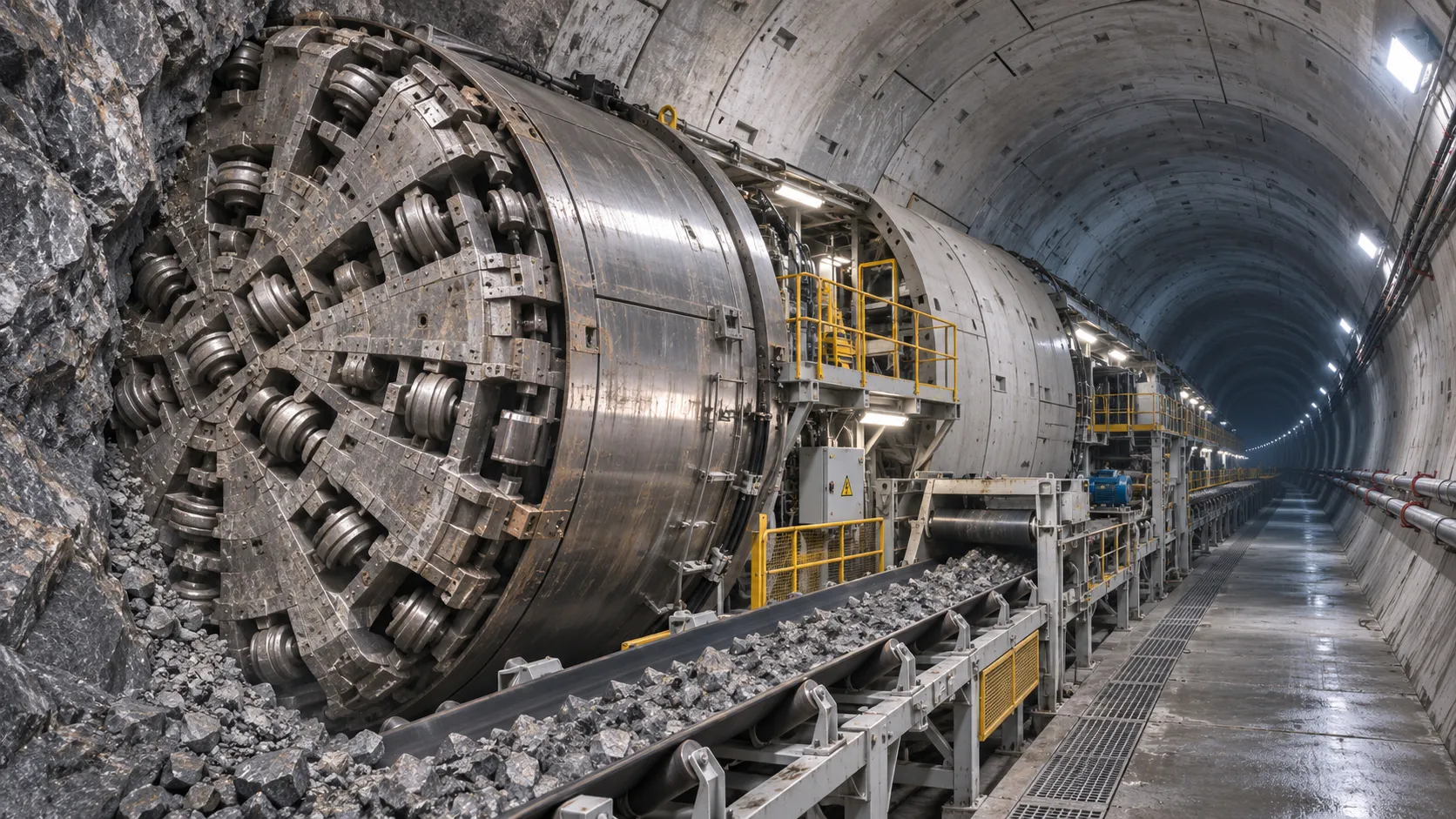
How TBM Excavation Works in Rock and Soft Ground: A Practical Guide
TBM Excavation in rock and soft ground explained: compare machine types, ground support, spoil removal, and the factors that guide smarter project planning.
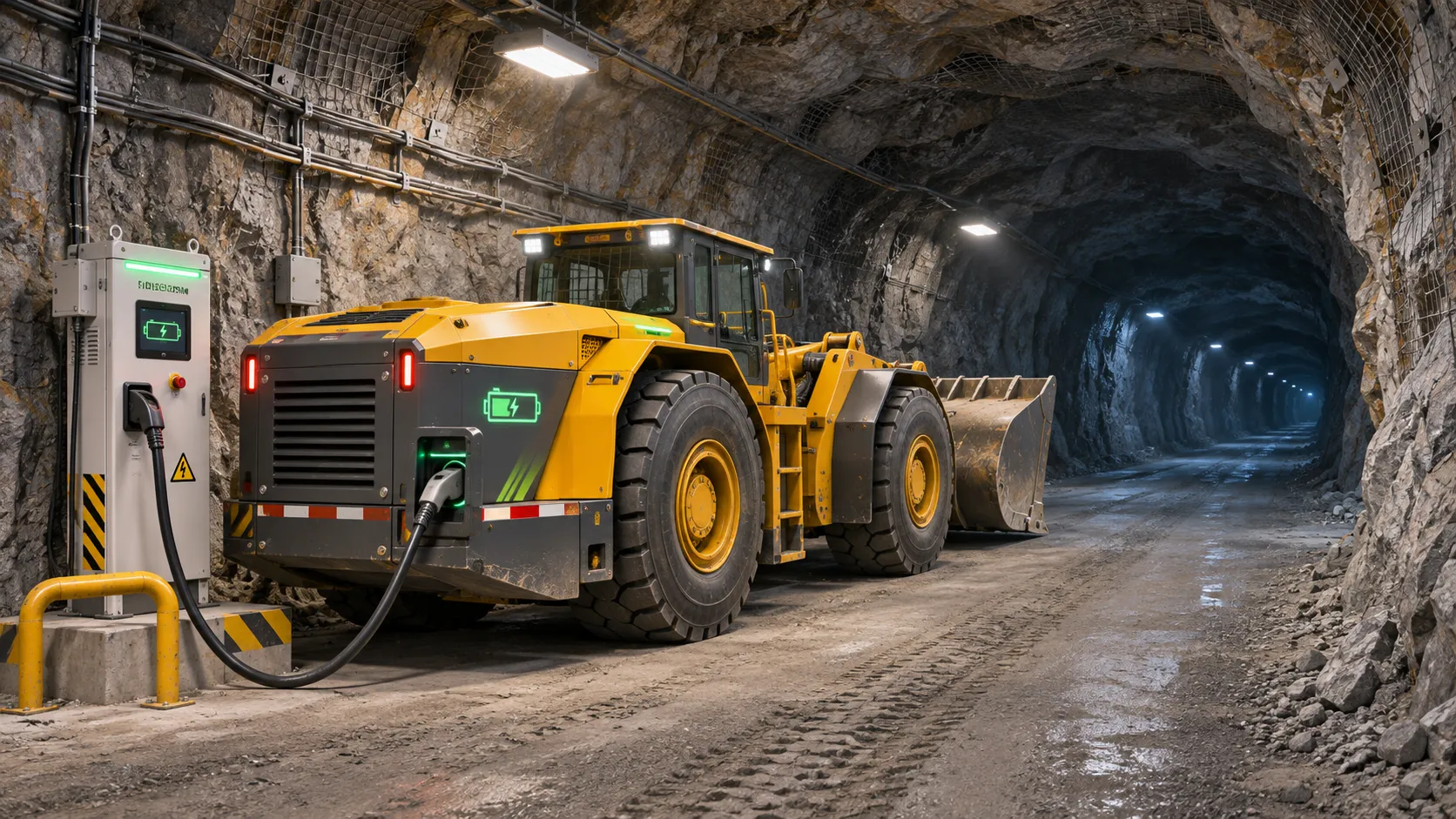
Choosing a Zero-Emission Underground Equipment Supplier: What to Check
Choosing a zero emission underground equipment supplier? Compare duty-cycle performance, charging, safety, total costs and support before you commit.
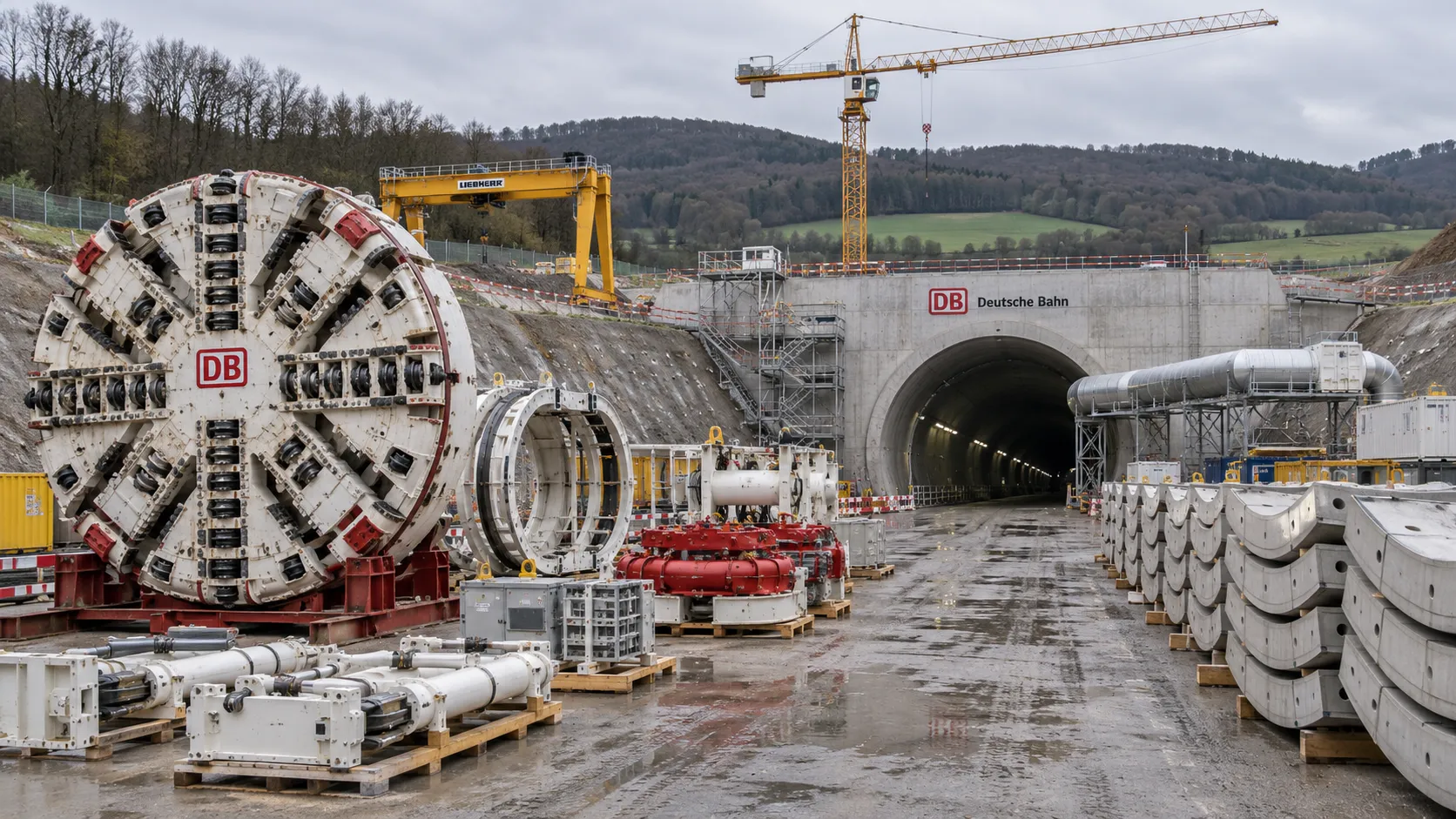
Construction Starts on Germany's Pfaffensteig Rail Tunnel, With Two TBMs Planned
Pfaffensteig rail tunnel construction is underway in Germany. Discover how two planned TBMs will support the 11-kilometre project near Stuttgart.
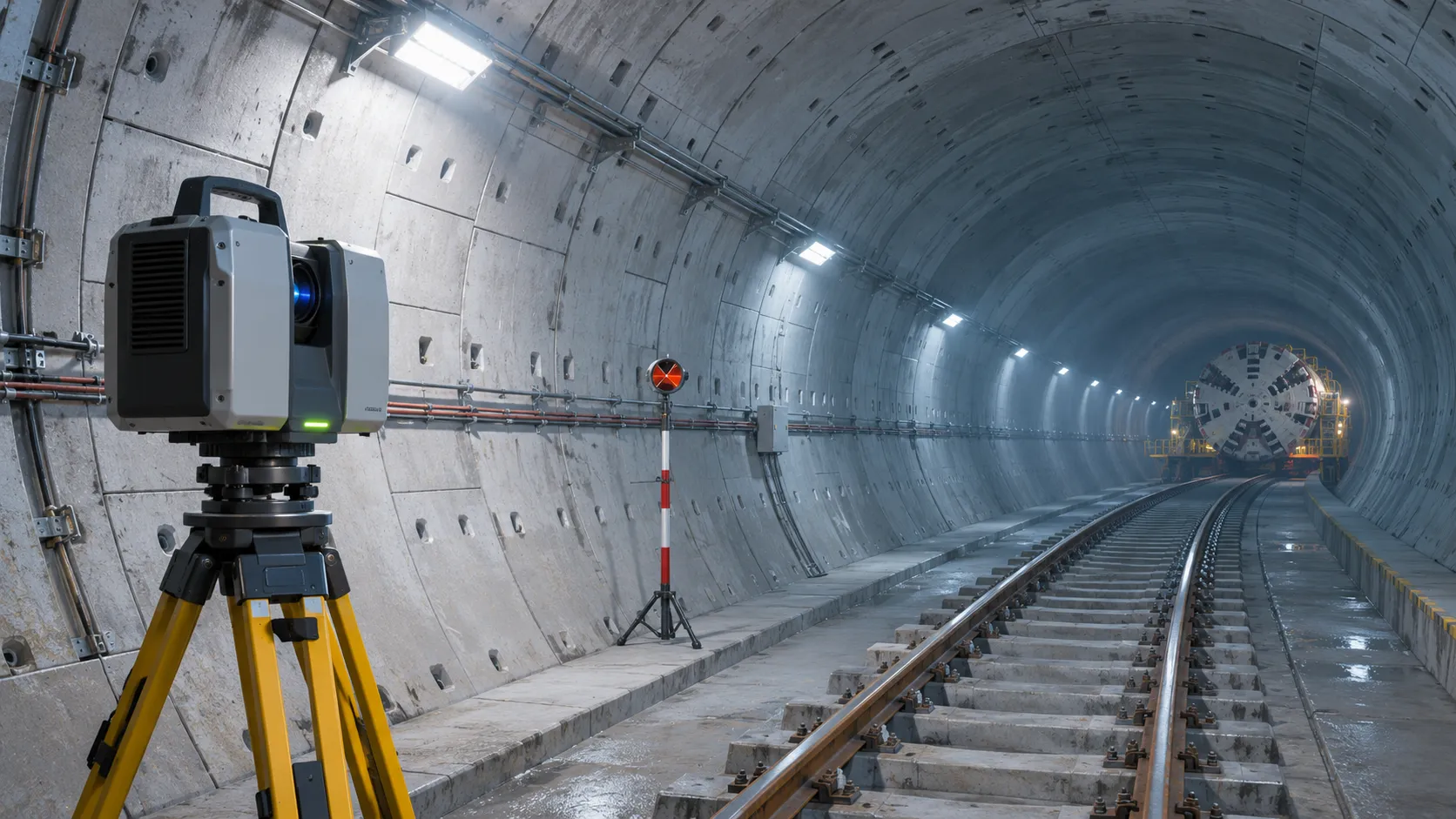
How Real-Time Underground Mapping Systems Work in Tunneling
Discover how real-time underground mapping systems guide tunneling teams, integrate sensor data, and support confident decisions with verified accuracy.
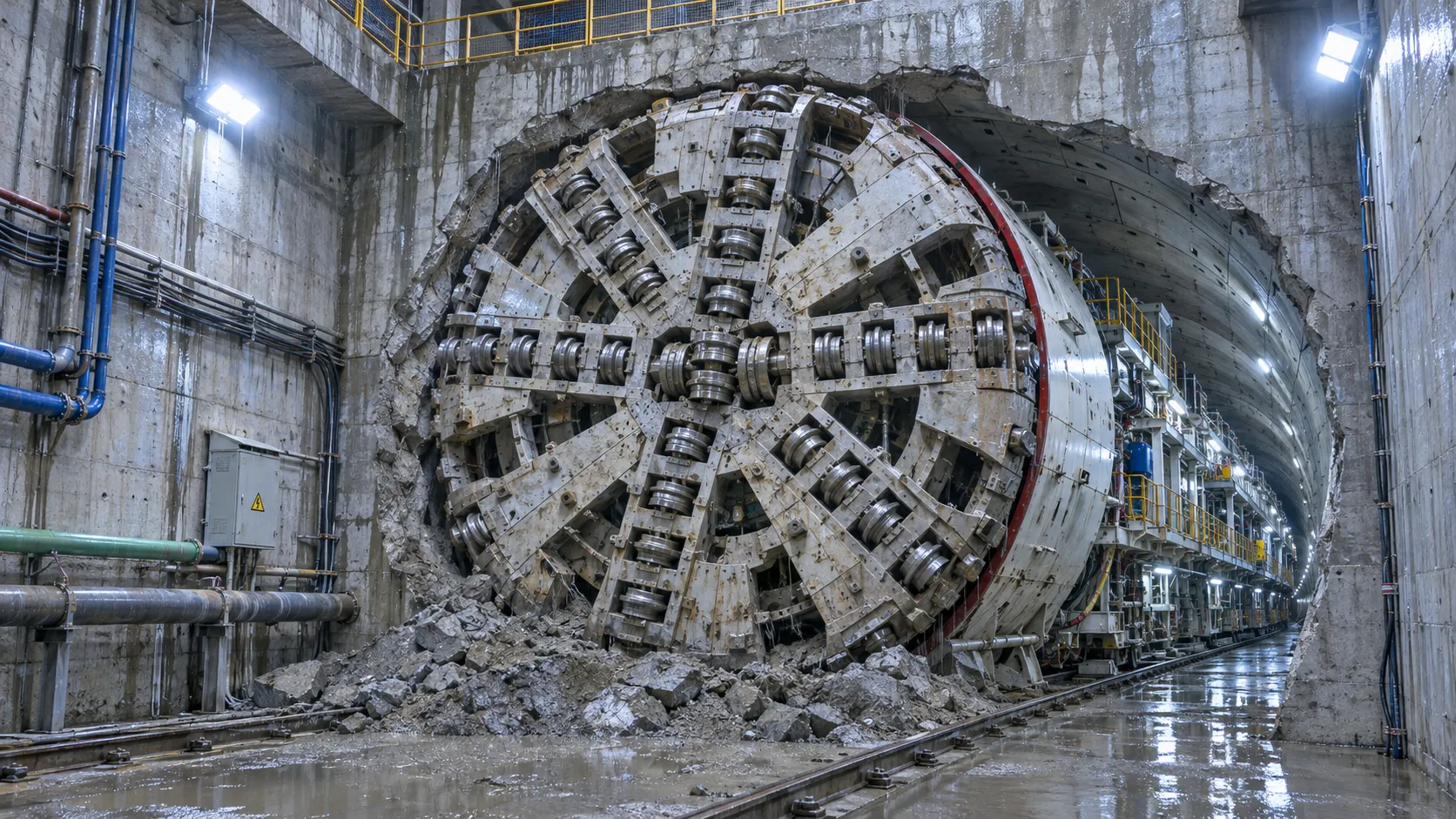
First Mechanized Tunnel Crossing Beneath the Panama Canal Completed
Panama Canal tunnel crossing: Explore the reported Metro Line 3 milestone and what it could mean for future underwater tunneling projects.
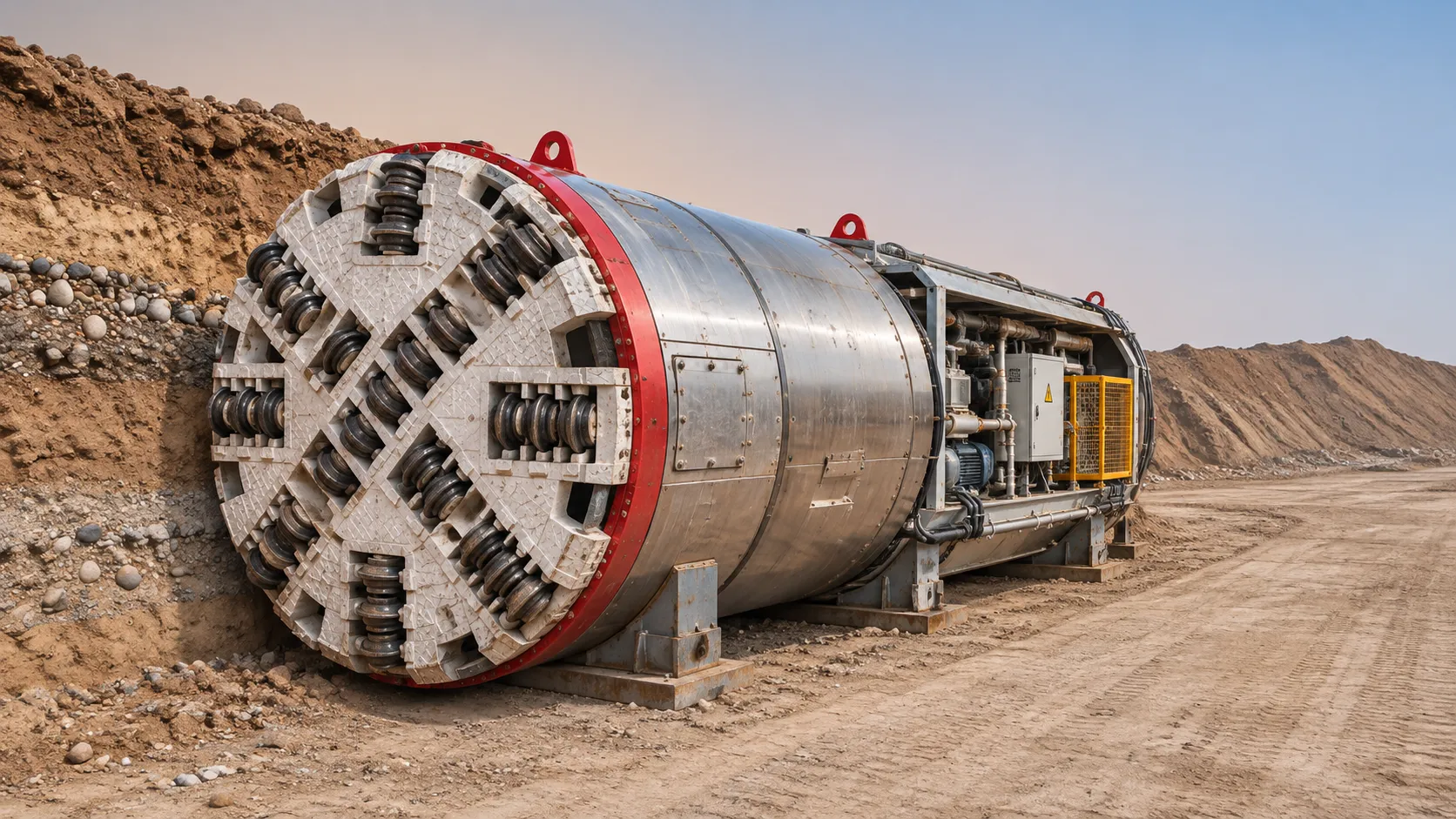
Underground Utility Construction Equipment: Choosing by Ground Conditions
Choose underground utility construction equipment with confidence. Compare trenching, HDD, microtunnelling and TBMs by ground conditions, risk and cost.
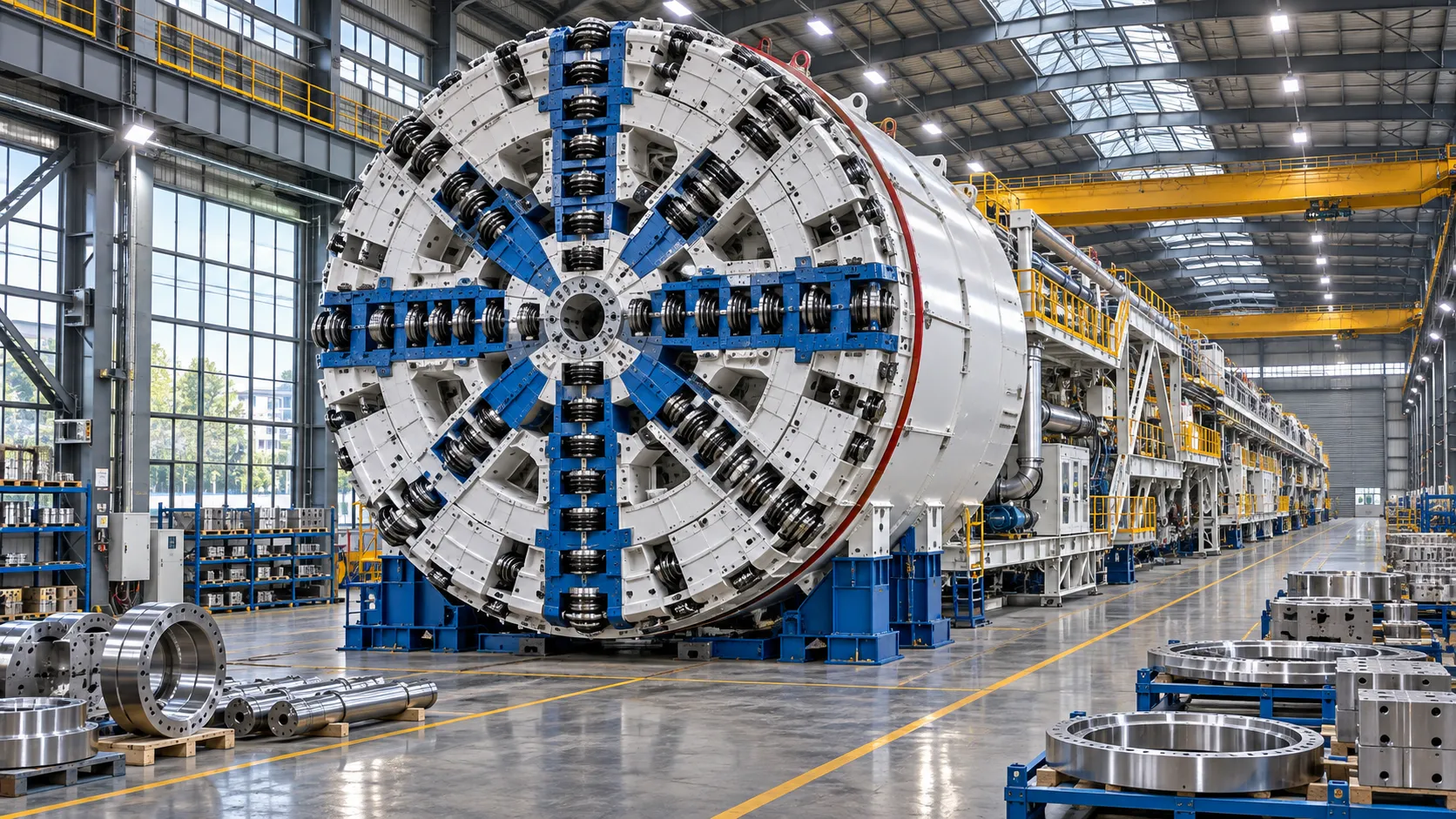
China Sets Tunnel Boring Machine Export Controls as India Pushes Local Production
China tunnel boring machine export controls could reshape procurement as India pushes local production. Explore potential supply and project impacts.
Choosing a Trenchless Pipeline Installation Contractor: Key Qualifications
Choose a trenchless pipeline installation contractor with confidence. Learn how to assess experience, equipment, safety, costs, and project risks before you hire.
China's 70% TBM Share and Export Controls Challenge India's Local Production
China's TBM export controls could challenge India's local production and infrastructure sourcing. Explore the potential risks and procurement options.
Related News
- 00
0000-00
How TBM Excavation Works in Rock and Soft Ground: A Practical Guide - 00
0000-00
Choosing a Zero-Emission Underground Equipment Supplier: What to Check - 00
0000-00
Construction Starts on Germany's Pfaffensteig Rail Tunnel, With Two TBMs Planned - 00
0000-00
How Real-Time Underground Mapping Systems Work in Tunneling - 00
0000-00
First Mechanized Tunnel Crossing Beneath the Panama Canal Completed
Weekly Insights
Stay ahead with our curated technology reports delivered every Monday.