
South Africa Bars Uncertified Hydraulic Rock Drills





On June 15, 2026, South Africa’s Department of Mineral Resources and Energy (DMRE) issued an emergency notice that sharply changes import access for hydraulic rock drills, with the new requirement taking effect on June 20. For equipment exporters, importers, customs-facing logistics providers, and mining supply buyers, the immediate significance lies not only in the ban on products without SABS 1362:2025 certification, but also in the move to 100% port inspection, which raises the operational importance of certification status and shipment documents at the point of entry.
What the DMRE Notice Confirms
According to the information provided, the DMRE released emergency notice Ref: DMRE/NOT/2026/089 on June 15, 2026. The notice states that from June 20, all Hydraulic Rock Drills that have not obtained SABS 1362:2025 certification will be prohibited from import into South Africa.
The same measure applies across all brands. In addition, ports will move to 100% inspection of arriving shipments covered by the rule.
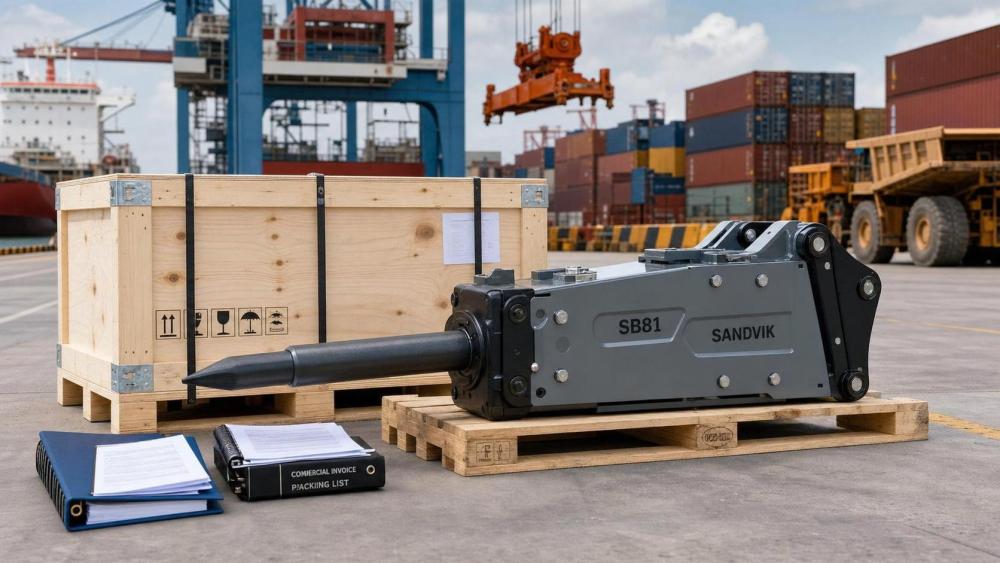
A 30-day grace period is available for goods that were already shipped and are in transit, provided that the shipment can present a bill of lading, a packing list, and a factory declaration. The information provided also indicates that major Chinese exporters are urgently working to complete certification procedures.
Where the immediate pressure is likely to appear
Import trade and shipment execution face the first bottleneck
From an industry perspective, importers and direct trading companies are likely to feel the earliest impact because the rule directly links market entry to certification status. The main pressure point is no longer only product supply, but whether each shipment can clear entry requirements under full inspection. What deserves closer attention is the distinction between cargo that qualifies for the grace period and cargo that does not.
Manufacturers and exporters need tighter document control
Analysis shows that manufacturers supplying the South African market may face immediate disruption in delivery scheduling if products do not already hold the required certification. For exporters, the business risk extends beyond production readiness to documentary readiness, especially where in-transit cargo must rely on bill of lading, packing list, and factory declaration to be considered within the 30-day window.
Logistics and customs service providers may see longer processing friction
Observably, 100% arrival inspection can increase procedural sensitivity for freight forwarders, customs brokers, and related service providers. Even without assuming specific port delays, the rule suggests that shipment handling will depend more heavily on document completeness, product identification, and pre-arrival coordination.
Mining equipment buyers may need to reassess delivery expectations
For distributors, procurement teams, and end users purchasing hydraulic rock drills for mining-related operations, the issue is less about policy interpretation and more about supply certainty. If a supplier has not secured the required certification, procurement timelines and handover expectations may need to be reviewed case by case.
What companies should monitor now
Separate confirmed compliance from assumed eligibility
Companies should distinguish clearly between products that already hold SABS 1362:2025 certification and products that may only qualify for the temporary grace period. These are not the same compliance position, and treating them as equivalent could create avoidable shipment risk.
Check whether in-transit cargo can meet the grace-period file set
For cargo already shipped, the immediate practical focus is whether the bill of lading, packing list, and factory declaration are complete and internally consistent. The rule, as provided, ties the grace period to these documents, making file accuracy a front-line issue rather than a back-office detail.
Watch for further official clarification in implementation
Analysis shows that the notice establishes the rule direction, but actual shipment handling may still depend on how enforcement is applied in practice after June 20. What deserves closer attention is whether any additional wording, procedural clarification, or implementation guidance emerges from official channels.
Align supplier communication with delivery commitments
For exporters and channel partners, customer communication should focus on certification status, shipment stage, and document readiness rather than broad reassurance. In the current situation, practical delivery commitments are likely to depend on those three factors more than on existing commercial schedules alone.
Why this matters beyond a single shipment interruption
Observably, this development can be read as more than a routine customs adjustment because it combines a product certification threshold with full inspection at the port. Analysis shows that the short-term effect is operational and immediate, especially for shipments close to the June 20 implementation date. At the same time, it is more appropriate to understand this as a regulatory enforcement signal rather than a fully settled long-term market outcome, because the available information confirms the measure itself but does not yet define every practical consequence across the trade chain.
From an industry perspective, the most useful reading at this stage is that compliance readiness has moved to the center of market access for this product category in South Africa. Whether that becomes a durable trade pattern or remains concentrated around the current enforcement phase still requires continued observation.
How this development is best understood for now
The confirmed facts point to an immediate tightening of import access for uncertified hydraulic rock drills in South Africa, combined with stricter border inspection from June 20. For industry participants, the significance is practical: certification status, in-transit eligibility, and shipment paperwork now directly shape whether cargo can move as planned.
It is more appropriate to understand this development as a near-term compliance and delivery issue with wider regulatory implications, rather than as a final verdict on the broader market. Continued attention should remain on enforcement details, documentary requirements, and how quickly affected exporters complete certification.
Basis of this article
This article is based on the user-provided news title, event date, and event summary regarding the DMRE emergency notice, the SABS 1362:2025 certification requirement, the move to 100% inspection, the 30-day grace period for in-transit goods, and the response of major Chinese exporters.
For this type of industry update, commonly relevant source categories may include official government notices, company statements, industry association updates, authoritative media reporting, and standard-setting organization documents. A specific official source link was not provided in the input, so the exact document access path still requires ongoing verification. Follow-up attention should focus on any additional official clarification, implementation details at ports, and certification progress affecting pending shipments.
Related News

How to Evaluate European Drill-and-Blast Tunnelling Contractors for Complex Projects
Drill and blast tunnelling contractors Europe: learn how to assess geology expertise, blast control, equipment reliability, safety, and programme resilience for complex projects.
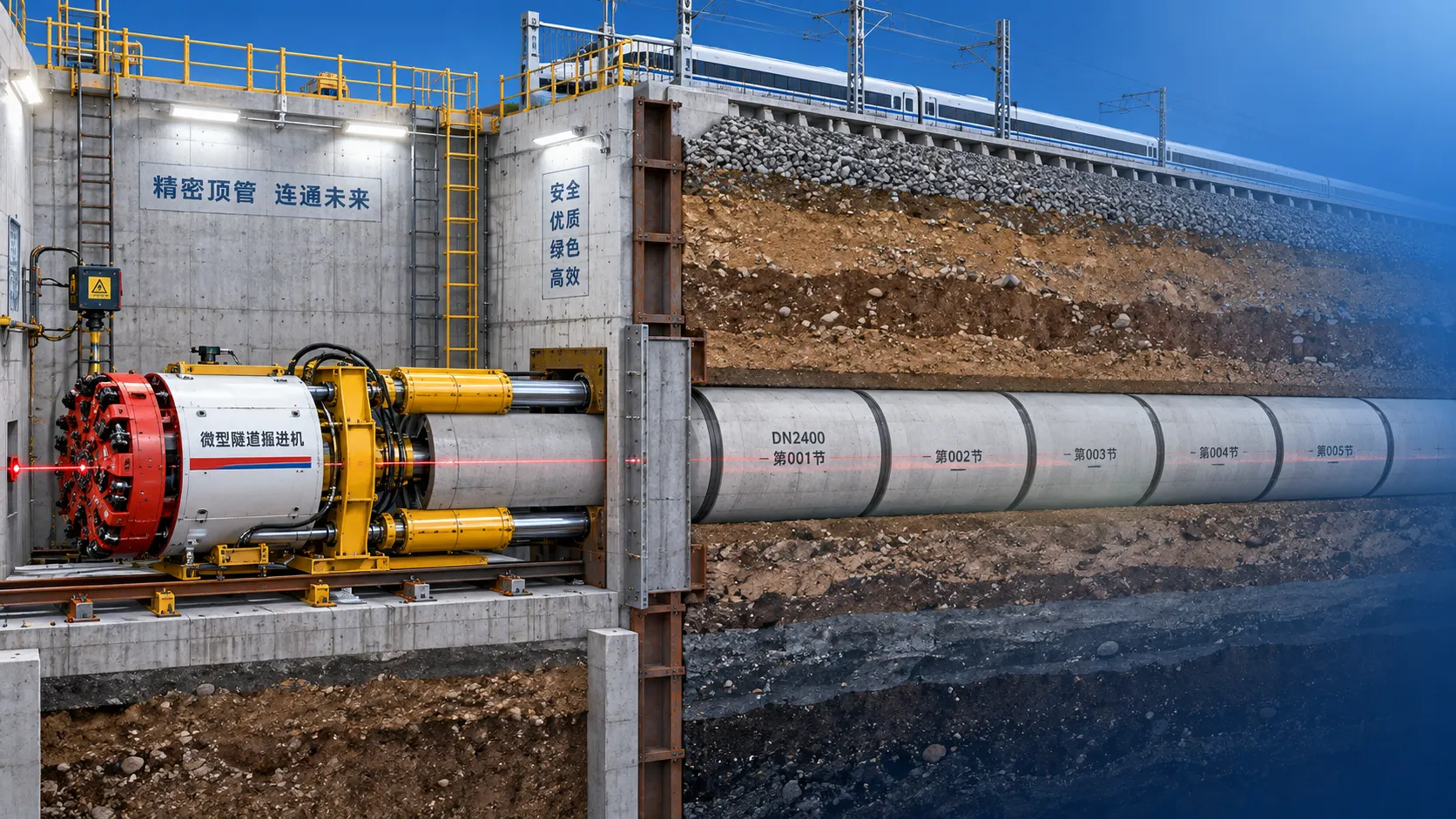
Which Trenchless Construction Technique Fits Your Utility Crossing Conditions?
Trenchless construction techniques compared for utility crossings: choose HDD, microtunnelling, pipe jacking, or auger boring based on ground, accuracy, access, and risk.

What Is Driving Metro Tunnelling Demand Across Southeast Asia’s Major Cities?
Metro tunnelling Southeast Asia is accelerating as major cities tackle congestion, flooding, and connectivity. Explore the market forces, technical risks, and opportunities shaping demand.

Hard Rock Tunnelling in Australia: Selecting Methods for Variable Ground Conditions
Hard rock tunnelling in Australia: compare TBM, drill-and-blast and hybrid methods to manage variable ground, reduce risk and protect project costs.

Hydropower Tunnel Excavation: Selecting Methods for Variable Rock Conditions
Hydropower tunnel excavation methods for variable rock conditions: compare TBM, drill-and-blast, and hybrid strategies to improve safety, progress, and project control.

How to Select Underground Safety Equipment for Tunnelling by Hazard and Work Zone
Underground Safety Equipment for tunnelling: match protection to hazards, work zones, compliance, and emergency needs with this practical selection guide.

EPB or Slurry Shield? Selecting Soft-Ground Tunnelling Equipment by Soil Conditions
Tunnel Excavation Equipment for soft ground: compare EPB and slurry shields by soil, groundwater, settlement risk, and project logistics to choose confidently.

How to Specify TBM Backup System Parts for Reliable Long-Distance Tunnelling
TBM backup system parts: learn how to specify reliable spares for long-distance tunnelling, reduce downtime, ensure compatibility, and speed underground recovery.

How to Size Open Pit Mining Trucks for Haul Distance, Grade, and Payload?
Open Pit Mining Trucks: learn how to match payload, haul distance, grade, road resistance, and loading capacity for safer, lower-cost mine operations.
Related News
- 00
0000-00
How to Evaluate European Drill-and-Blast Tunnelling Contractors for Complex Projects - 00
0000-00
Which Trenchless Construction Technique Fits Your Utility Crossing Conditions? - 00
0000-00
What Is Driving Metro Tunnelling Demand Across Southeast Asia’s Major Cities? - 00
0000-00
Hard Rock Tunnelling in Australia: Selecting Methods for Variable Ground Conditions - 00
0000-00
Hydropower Tunnel Excavation: Selecting Methods for Variable Rock Conditions
Weekly Insights
Stay ahead with our curated technology reports delivered every Monday.