
EU REACH SVHC Declaration Now Mandatory for TBM Cutterheads





Effective 25 May 2026, the European Chemicals Agency (ECHA) has enforced new compliance requirements for tunnel boring machine (TBM) cutterheads containing nickel- or cobalt-based high-strength alloys imported into the EU — marking a significant shift in chemical safety documentation for heavy equipment supply chains.
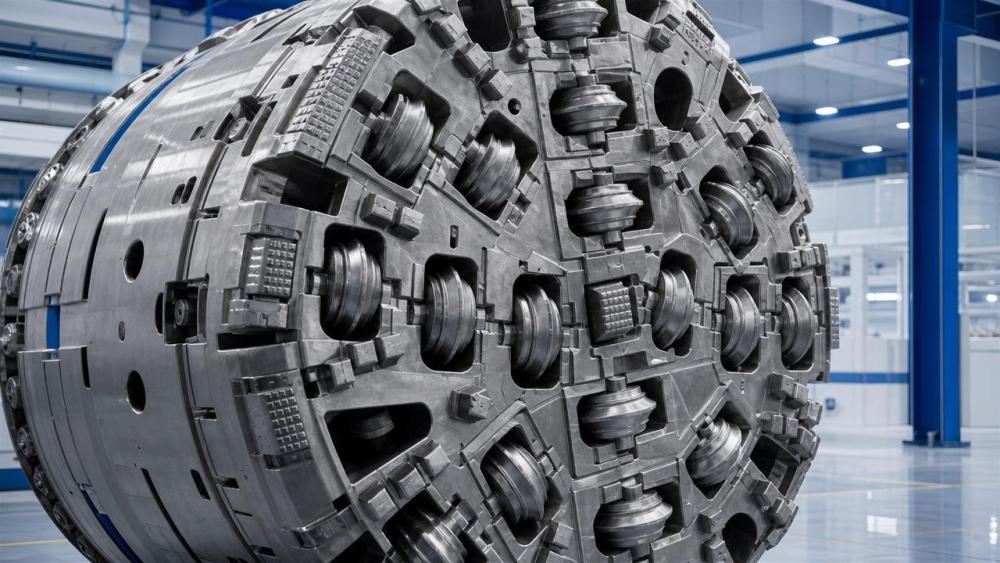
New ECHA Requirement Takes Effect
As of 25 May 2026, all imports of tunnel boring machines and spare parts featuring cutterheads made from nickel- or cobalt-based high-strength alloys must be accompanied by a formal SVHC (Substances of Very High Concern) compliance declaration. This declaration must confirm that concentrations of any of the 11 newly listed SVHCs are below 0.1% w/w in the alloy material. The requirement applies equally to complete machines and individual replacement cutterheads. Shipments lacking a valid declaration will be detained at EU border control points and subject to fines amounting to three times the customs value of the goods.
Impact Across the Supply Chain
Export-oriented manufacturers and traders
Companies directly exporting TBMs or cutterhead spares to the EU must now integrate SVHC verification into pre-shipment documentation workflows. Failure to include the declaration risks shipment rejection — disrupting delivery schedules and triggering contractual penalties.
Raw material suppliers
Suppliers of nickel- and cobalt-based superalloys must provide updated substance composition data and test reports verifying SVHC content thresholds. Their ability to issue compliant material declarations will directly affect downstream customers’ market access.
Component fabricators and OEMs
Manufacturers machining cutterheads from alloy billets face new traceability obligations: they must retain batch-level SVHC test records and ensure declarations align with actual production lots — not just generic alloy grades.
Logistics and compliance service providers
Certification agents, customs brokers, and technical documentation specialists must now validate SVHC declarations against ECHA’s latest Candidate List updates and verify alignment with REACH Annex XIV/XVII referencing — adding a layer of due diligence previously uncommon for mechanical components.
Key Compliance Actions for Enterprises
Update substance screening protocols
Implement targeted analytical testing (e.g., ICP-MS or XRF screening) for the 11 newly added SVHCs across incoming alloy batches — especially where refining processes may introduce trace contaminants such as certain phthalates or flame retardants.
Revise technical documentation packages
Integrate SVHC declarations into standard export dossiers alongside CE declarations, material certificates (EN 10204 3.1), and REACH conformity statements — ensuring consistency across product families and spare part SKUs.
Strengthen supplier qualification criteria
Require upstream alloy producers and heat treatment vendors to disclose SVHC test methodology, detection limits, and third-party accreditation (e.g., ISO/IEC 17025) — moving beyond self-declarations to auditable evidence.
Adjust procurement and lead time planning
Factor in additional weeks for SVHC testing, declaration drafting, and cross-border document review — particularly for custom-designed cutterheads where material sourcing is project-specific.
Emerging Trend: Chemical Compliance as a Mechanical Component Attribute
Analysis shows that this update reflects a broader regulatory evolution: chemical safety is no longer treated solely as a raw material or consumer product concern, but increasingly as an intrinsic performance attribute of engineered industrial components. Observably, ECHA’s expansion of SVHC scrutiny to high-strength alloys used in critical infrastructure equipment signals tighter integration between materials science regulation and mechanical engineering standards. It is more appropriate to understand this as a step toward harmonized lifecycle transparency — where metallurgical specifications, environmental compliance, and functional reliability are assessed jointly rather than in silos.
Strategic Implication for Global Equipment Suppliers
This requirement elevates chemical documentation from a procedural formality to a core element of technical competitiveness. Suppliers able to demonstrate consistent, auditable SVHC compliance across alloy grades — backed by traceable test data and responsive documentation systems — will gain tangible advantage in EU public tenders and infrastructure procurement. Conversely, fragmented or reactive compliance approaches risk marginalization in markets where regulatory readiness is now a de facto selection criterion.
Source Information and Ongoing Monitoring
This article was generated based solely on the provided title, event date (25 May 2026), and summary description. Specific official source links were not provided in the input and should be verified continuously. Stakeholders are advised to monitor upcoming ECHA guidance documents on SVHC declaration formatting, enforcement interpretations for alloy-based components, updates to national customs implementation notices, and emerging industry feedback on testing feasibility for complex multi-phase alloys.
Related News
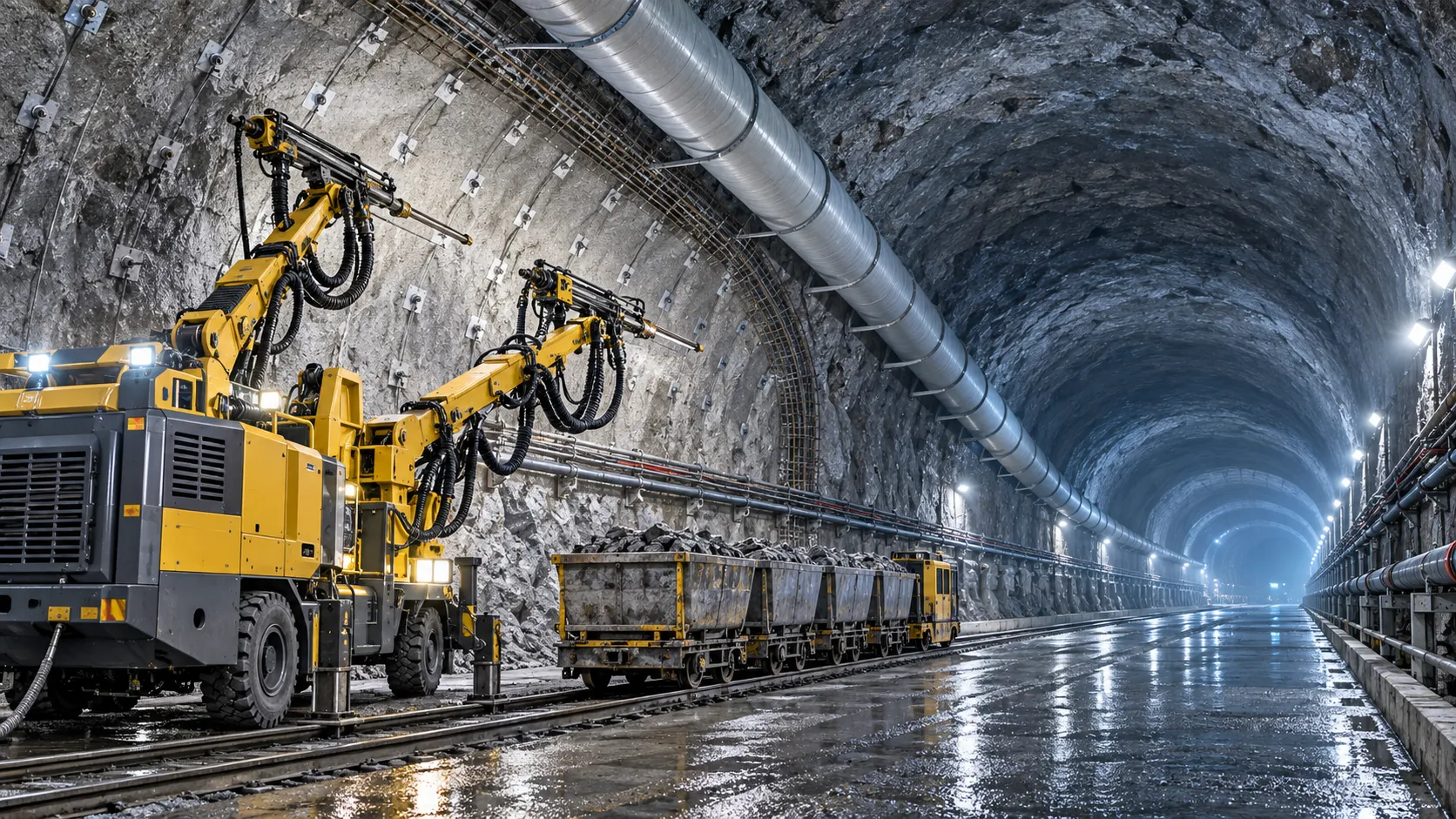
How to Evaluate European Drill-and-Blast Tunnelling Contractors for Complex Projects
Drill and blast tunnelling contractors Europe: learn how to assess geology expertise, blast control, equipment reliability, safety, and programme resilience for complex projects.
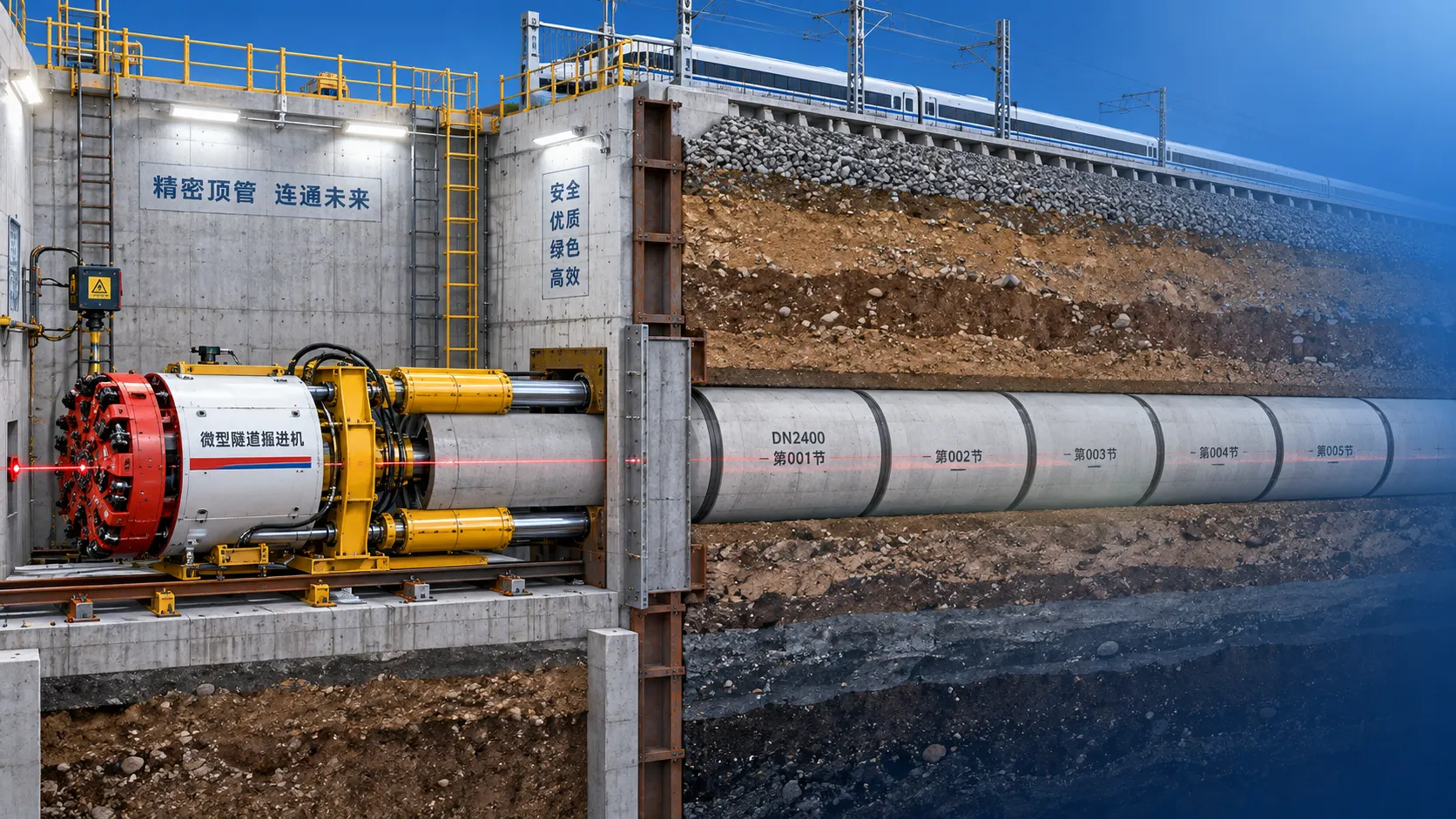
Which Trenchless Construction Technique Fits Your Utility Crossing Conditions?
Trenchless construction techniques compared for utility crossings: choose HDD, microtunnelling, pipe jacking, or auger boring based on ground, accuracy, access, and risk.

What Is Driving Metro Tunnelling Demand Across Southeast Asia’s Major Cities?
Metro tunnelling Southeast Asia is accelerating as major cities tackle congestion, flooding, and connectivity. Explore the market forces, technical risks, and opportunities shaping demand.
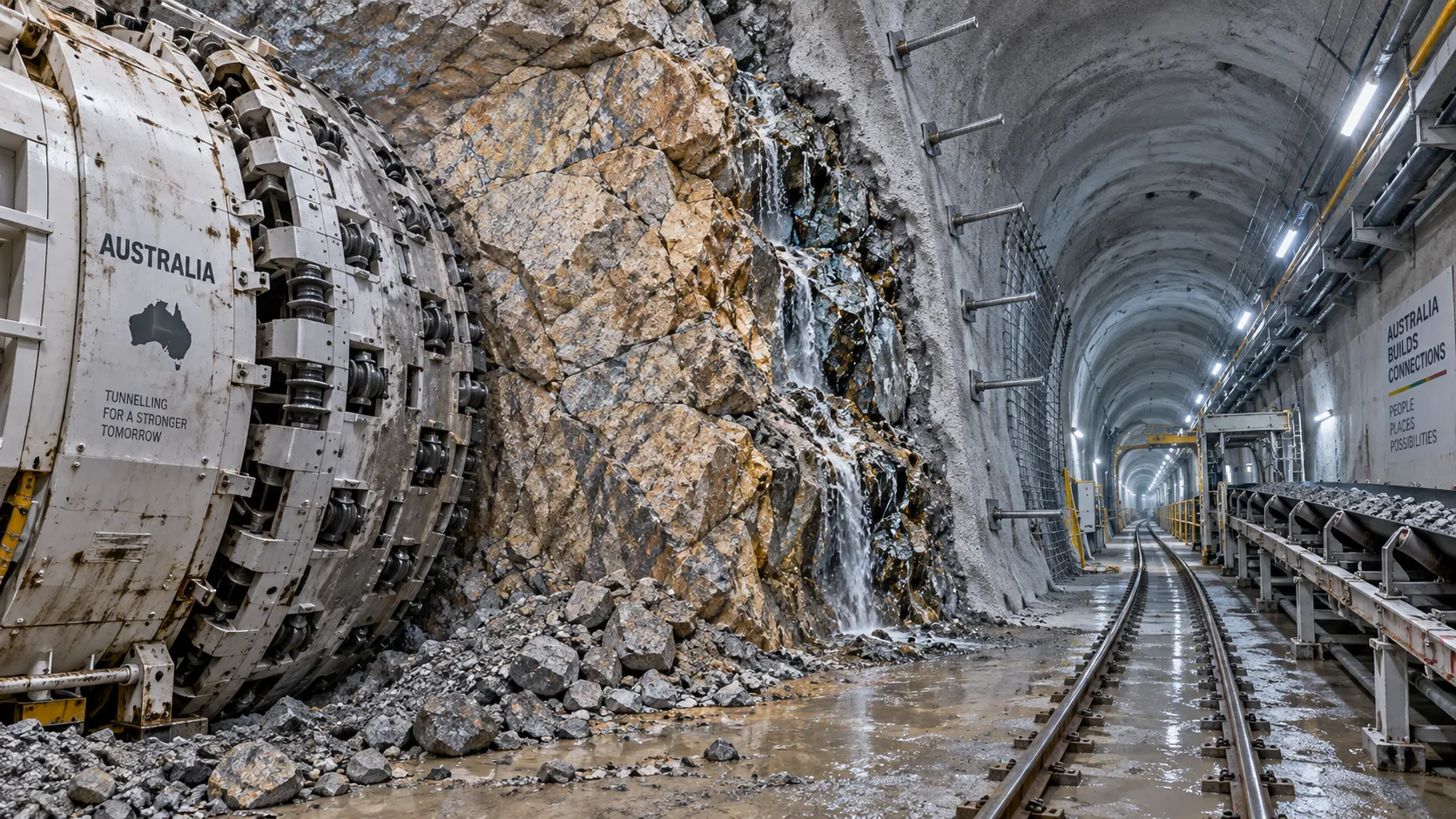
Hard Rock Tunnelling in Australia: Selecting Methods for Variable Ground Conditions
Hard rock tunnelling in Australia: compare TBM, drill-and-blast and hybrid methods to manage variable ground, reduce risk and protect project costs.
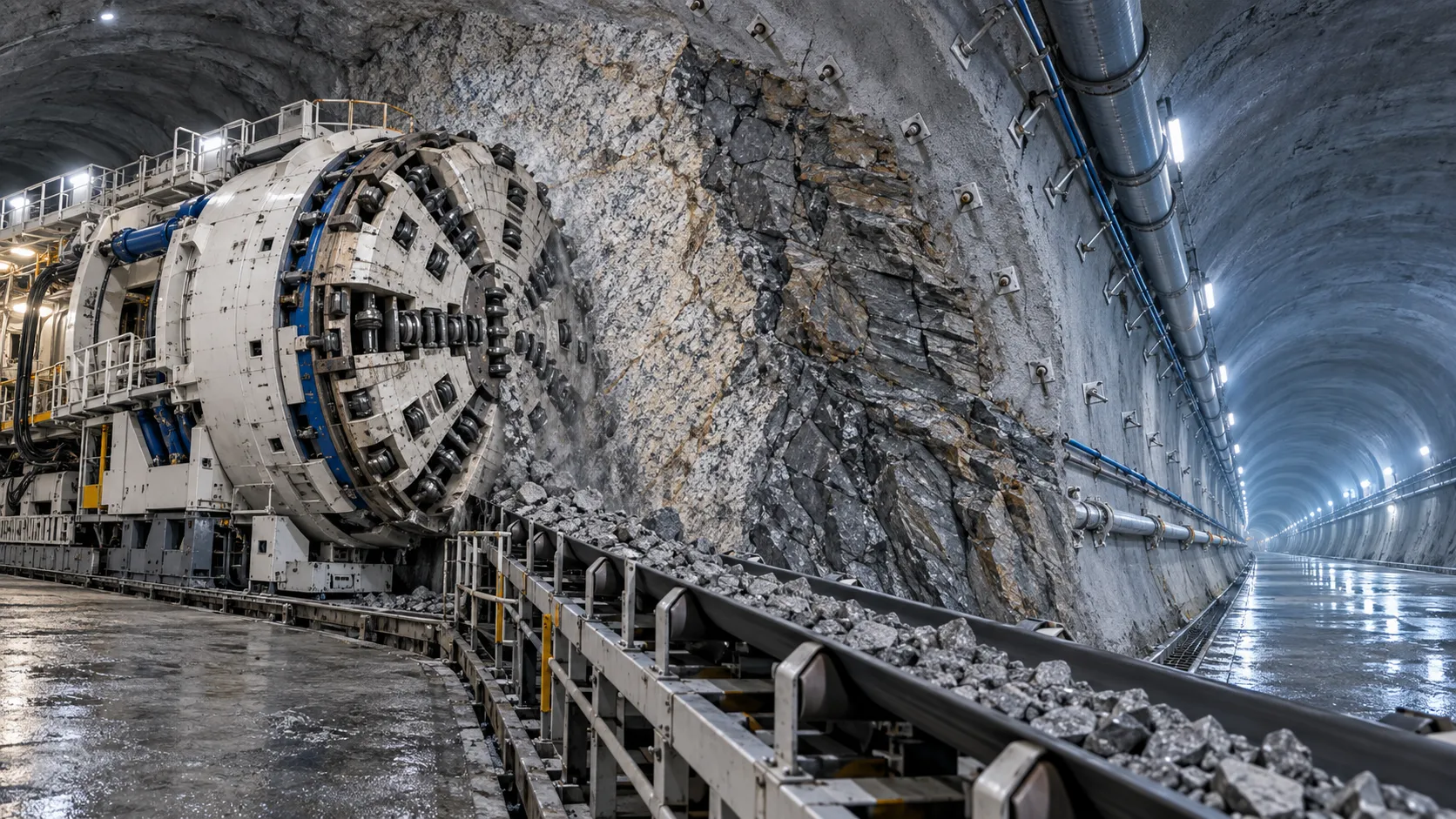
Hydropower Tunnel Excavation: Selecting Methods for Variable Rock Conditions
Hydropower tunnel excavation methods for variable rock conditions: compare TBM, drill-and-blast, and hybrid strategies to improve safety, progress, and project control.
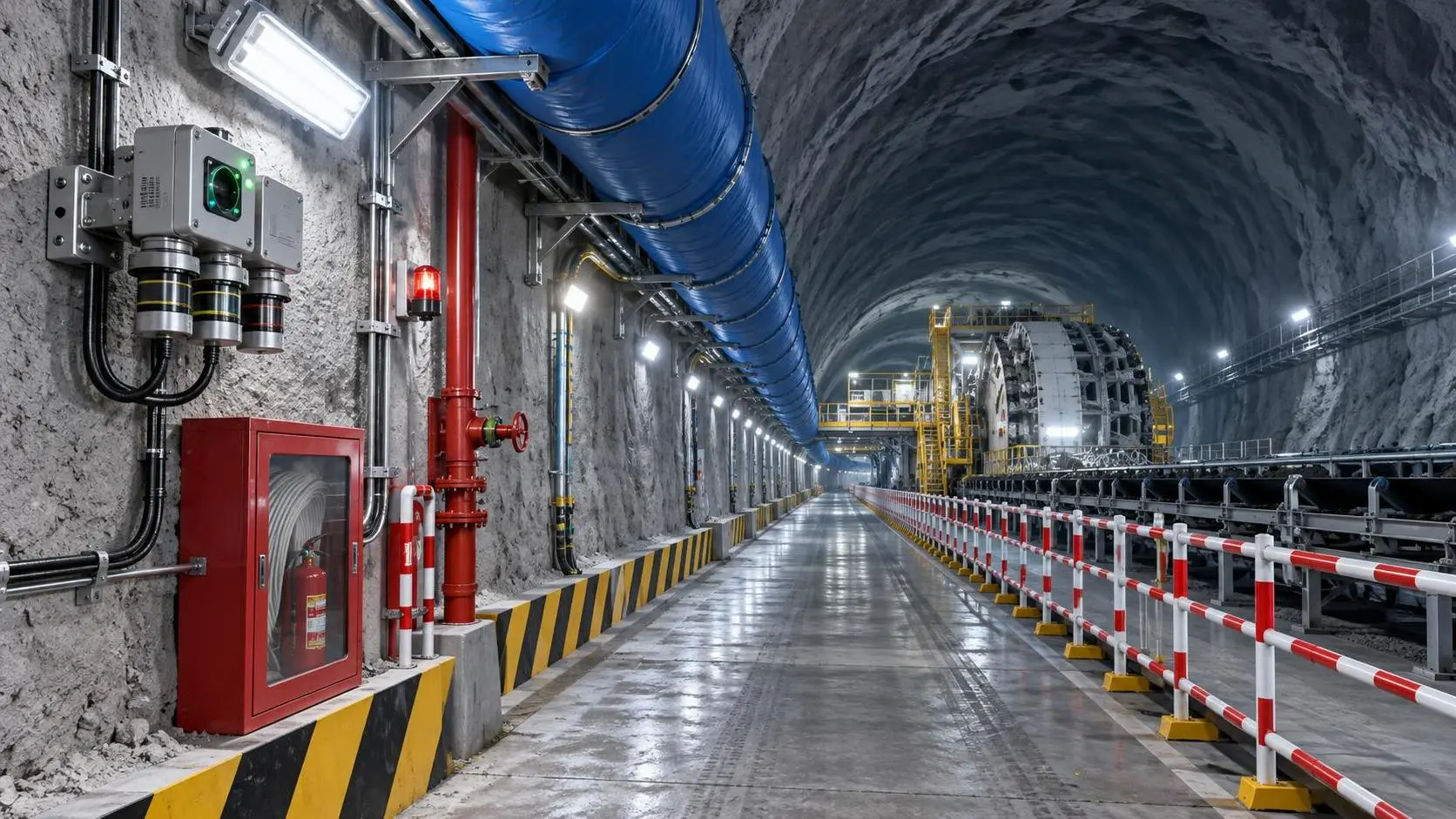
How to Select Underground Safety Equipment for Tunnelling by Hazard and Work Zone
Underground Safety Equipment for tunnelling: match protection to hazards, work zones, compliance, and emergency needs with this practical selection guide.
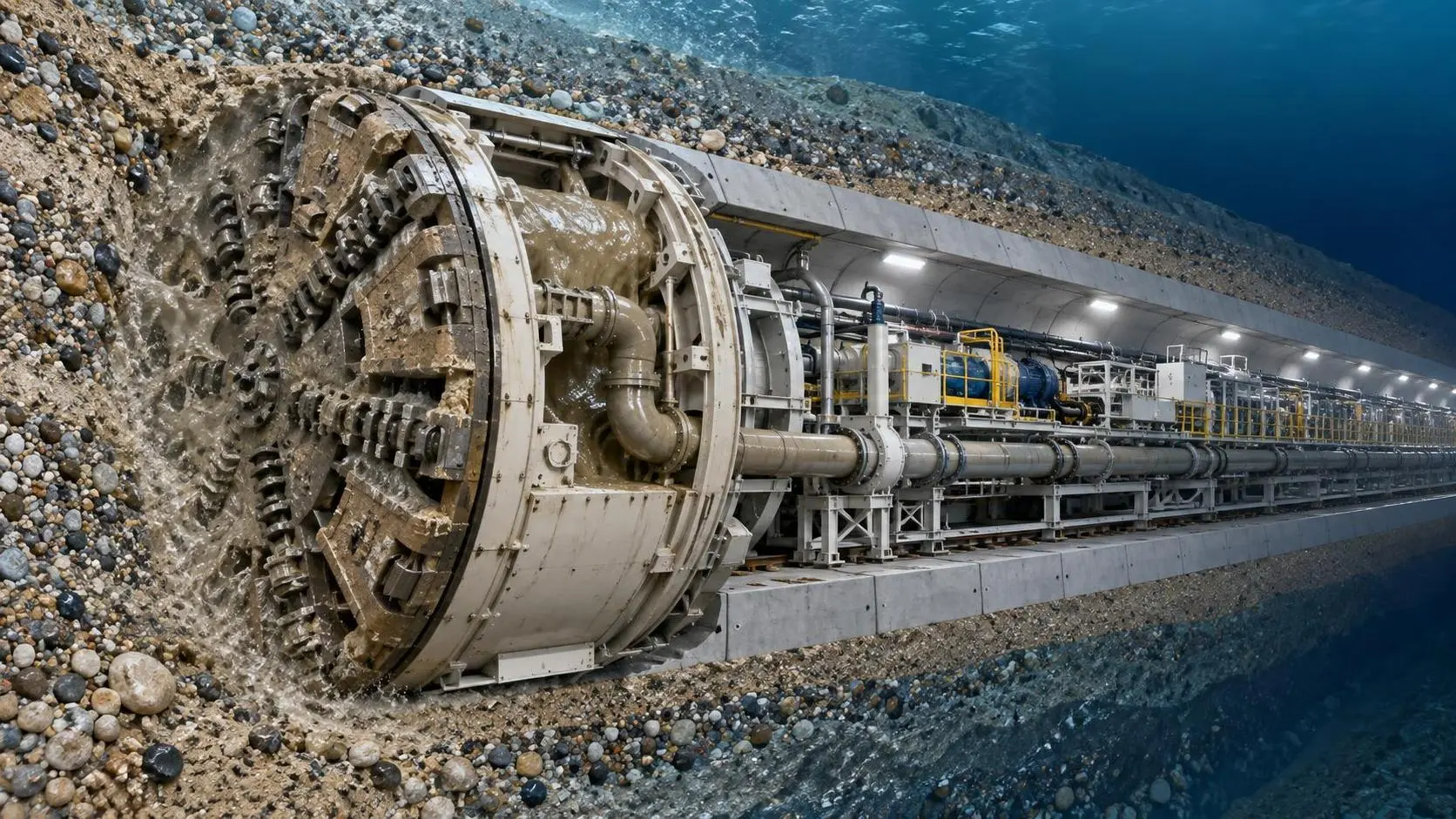
EPB or Slurry Shield? Selecting Soft-Ground Tunnelling Equipment by Soil Conditions
Tunnel Excavation Equipment for soft ground: compare EPB and slurry shields by soil, groundwater, settlement risk, and project logistics to choose confidently.
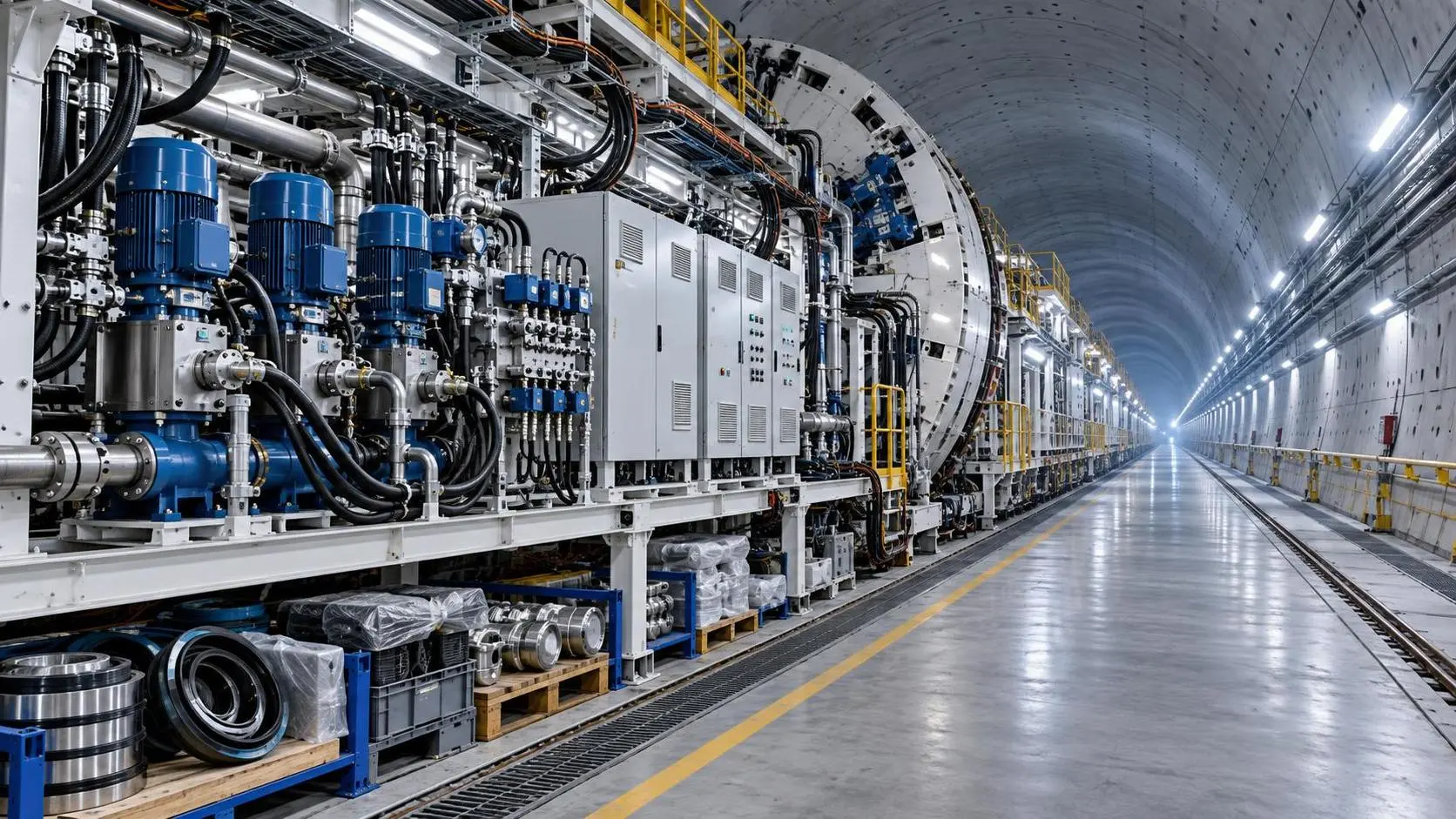
How to Specify TBM Backup System Parts for Reliable Long-Distance Tunnelling
TBM backup system parts: learn how to specify reliable spares for long-distance tunnelling, reduce downtime, ensure compatibility, and speed underground recovery.

How to Size Open Pit Mining Trucks for Haul Distance, Grade, and Payload?
Open Pit Mining Trucks: learn how to match payload, haul distance, grade, road resistance, and loading capacity for safer, lower-cost mine operations.
Related News
- 00
0000-00
How to Evaluate European Drill-and-Blast Tunnelling Contractors for Complex Projects - 00
0000-00
Which Trenchless Construction Technique Fits Your Utility Crossing Conditions? - 00
0000-00
What Is Driving Metro Tunnelling Demand Across Southeast Asia’s Major Cities? - 00
0000-00
Hard Rock Tunnelling in Australia: Selecting Methods for Variable Ground Conditions - 00
0000-00
Hydropower Tunnel Excavation: Selecting Methods for Variable Rock Conditions
Weekly Insights
Stay ahead with our curated technology reports delivered every Monday.