
EU Raises Steel Import Tariffs to 50%, Pressuring TBM Alloy Component Exports





On 21 May 2026, the European Union announced a tariff increase of up to 50% on certain imported steel products—including high-strength alloy structural components—directly affecting exports of tunnel boring machine (TBM) core parts such as slurry/EPB shields, cutterheads, and disc cutters. This development is highly relevant for manufacturers, exporters, and supply chain stakeholders serving the underground construction equipment sector in Europe.
Event Overview
On 21 May 2026, the European Commission confirmed the imposition of tariffs up to 50% on selected imported steel goods. The measure explicitly covers high-strength alloy structural components used in critical TBM subsystems, including slurry and earth pressure balance (EPB) shields, cutterheads, and disc cutters. Public statements identify the action as a trade protection measure; multiple Chinese TBM component suppliers have since initiated urgent reviews of origin compliance frameworks and enhanced REACH/SVHC substance traceability across their supply chains.
Industries Affected by Segment
Direct Exporters of TBM Components
These firms face immediate cost escalation and customs clearance complexity due to the new tariff classification and verification requirements. Impact manifests in higher landed costs, extended lead times for EU-bound shipments, and increased documentation burden—particularly for alloy composition certification and origin declarations.
Upstream Material Suppliers & Alloy Producers
Suppliers providing high-strength steel billets, forgings, or heat-treated plates to TBM component manufacturers may experience downstream order volatility. Buyers are likely to request additional material test reports, mill certificates aligned with EU standards, and granular traceability data—not only for finished parts but also for raw inputs.
TBM System Integrators & OEMs Sourcing Internationally
Integrators relying on third-party shield or cutterhead suppliers face revised procurement timelines and potential contractual renegotiation. The tariff change may trigger re-evaluation of sourcing strategies—including dual-sourcing, regional assembly, or specification adjustments—to mitigate cost and compliance exposure.
Supply Chain Compliance & Certification Service Providers
Firms offering REACH registration support, SVHC screening, origin attestation, or EU conformity assessment services are seeing heightened demand for audit-ready documentation packages. Clients increasingly require evidence of full bill-of-materials (BOM) transparency—not just for final assemblies but down to sub-tier alloying elements.
Key Focus Areas and Recommended Actions
Monitor Official EU Implementing Regulations and Product Scope Clarifications
The current announcement references ‘certain steel products’ and ‘high-strength alloy structural components’. Final Harmonized System (HS) code assignments, product exclusions, and transitional provisions remain pending official publication. Exporters should track updates from the EU’s TARIC database and Commission notices issued after 21 May 2026.
Validate Tariff Classification and Origin Documentation for Specific Component Types
Not all TBM-related steel parts fall under the newly targeted category. Firms must verify HS codes for individual items (e.g., segmented cutterhead rings vs. monolithic shields) and ensure origin declarations meet EU rules of origin criteria—including whether processing in third countries affects preferential treatment eligibility.
Distinguish Between Policy Signal and Enforceable Requirement
While the 50% rate has been publicly announced, enforcement timing, customs valuation methodology (e.g., transaction value vs. constructed value), and appeals pathways are not yet defined. Companies should treat early implementation as provisional until binding legal texts enter force—and avoid premature operational shifts based solely on press releases.
Prepare Supply Chain Traceability Dossiers for Critical Alloys
Given the emphasis on REACH/SVHC compliance, firms should compile verifiable records for chromium, nickel, molybdenum, and other alloying elements—including supplier declarations, mill test reports, and batch-level chemical analysis. These dossiers support both tariff classification defense and regulatory due diligence.
Editorial Observation / Industry Perspective
Observably, this measure functions less as an isolated tariff adjustment and more as a signal of tightening regulatory convergence between trade policy and industrial sustainability criteria in the EU. Analysis shows that the focus on high-strength alloy components—rather than bulk steel—suggests a targeted effort to influence upstream manufacturing practices in strategic infrastructure sectors. From an industry perspective, the move appears calibrated to incentivize localization of critical TBM subsystem production or deeper integration with EU-based partners capable of meeting both technical and administrative thresholds. It is not yet a fully implemented operational constraint—but it is a clear inflection point requiring proactive alignment, not reactive mitigation.
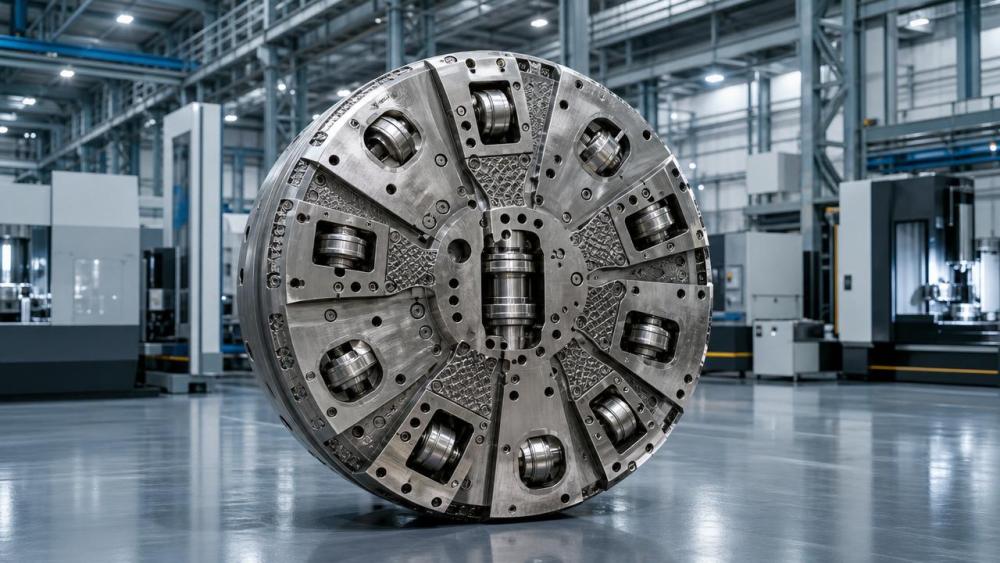
In summary, the EU’s 50% steel tariff revision marks a material shift in market access conditions for TBM alloy component exporters—not merely a cost adjustment, but a catalyst for structural recalibration across sourcing, compliance, and technical documentation practices. Current evidence suggests this is best understood as an early-stage regulatory signal demanding readiness, rather than an immediate, uniform barrier across all TBM-related steel exports.
Source: European Commission official announcement (21 May 2026); public statements from affected Chinese TBM component suppliers (as reported in industry briefings, 21–22 May 2026). Note: Exact HS code mappings, effective dates for customs enforcement, and scope exclusions remain under review and will be updated as official implementing acts are published.
Related News
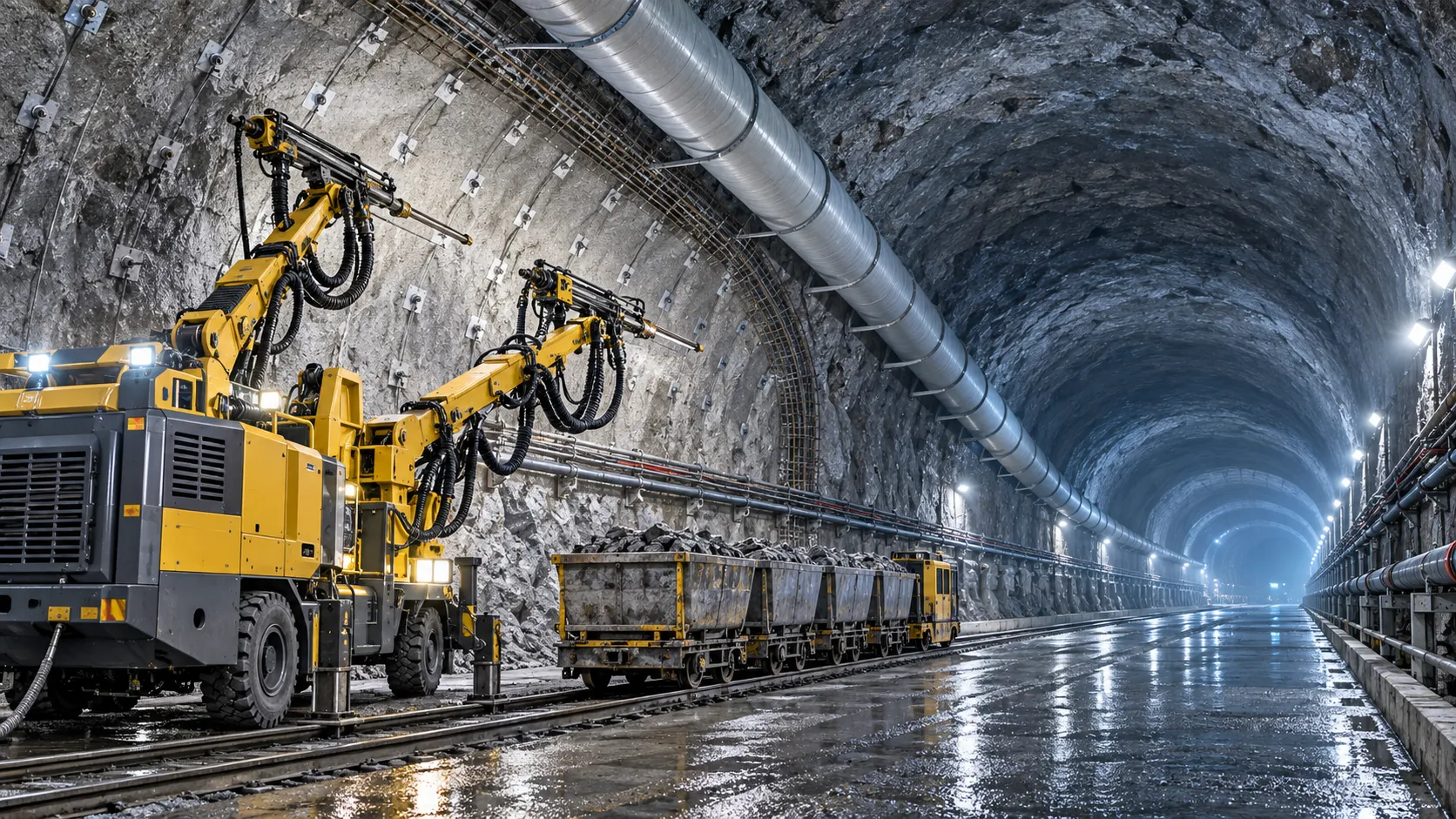
How to Evaluate European Drill-and-Blast Tunnelling Contractors for Complex Projects
Drill and blast tunnelling contractors Europe: learn how to assess geology expertise, blast control, equipment reliability, safety, and programme resilience for complex projects.
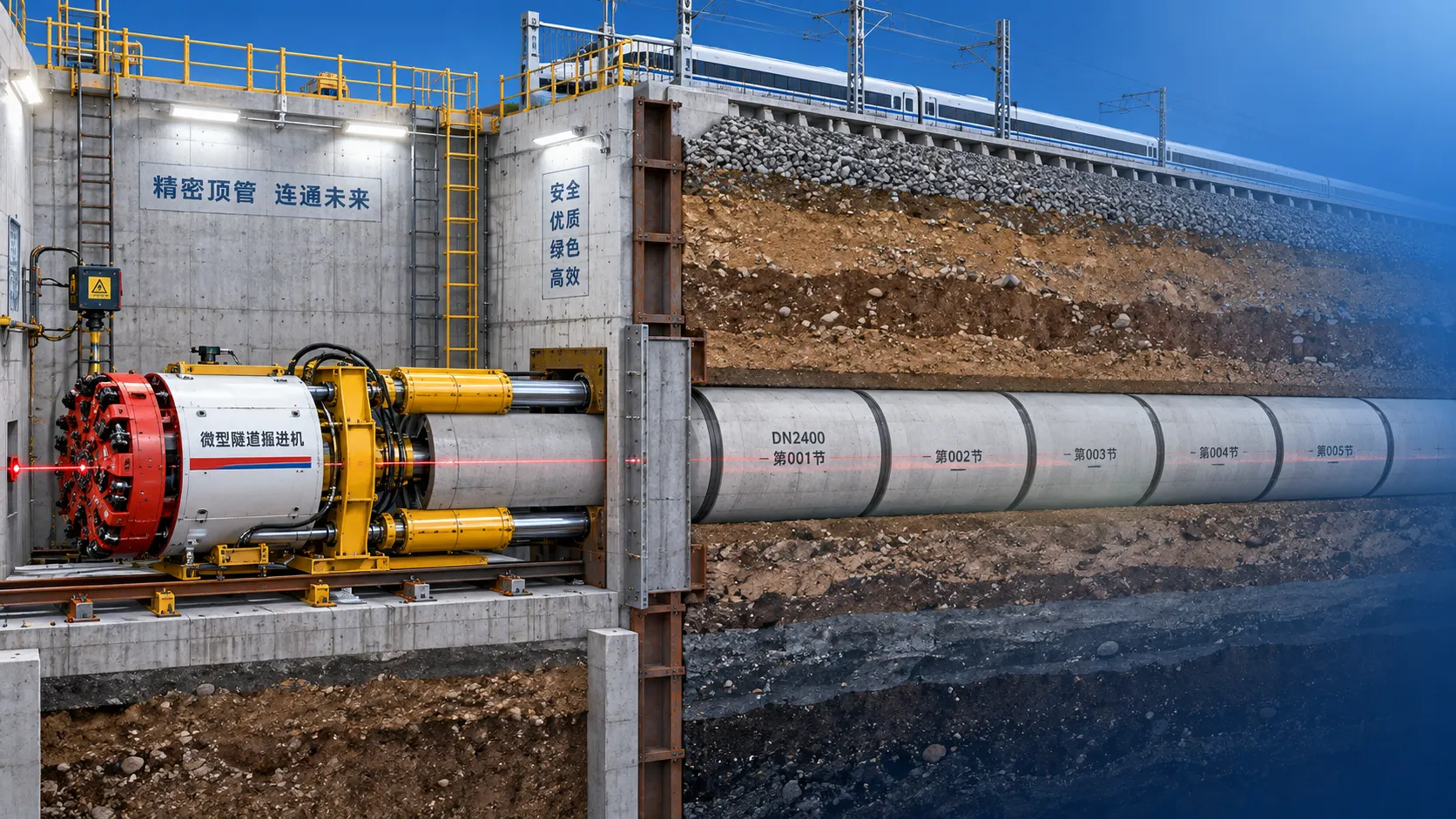
Which Trenchless Construction Technique Fits Your Utility Crossing Conditions?
Trenchless construction techniques compared for utility crossings: choose HDD, microtunnelling, pipe jacking, or auger boring based on ground, accuracy, access, and risk.
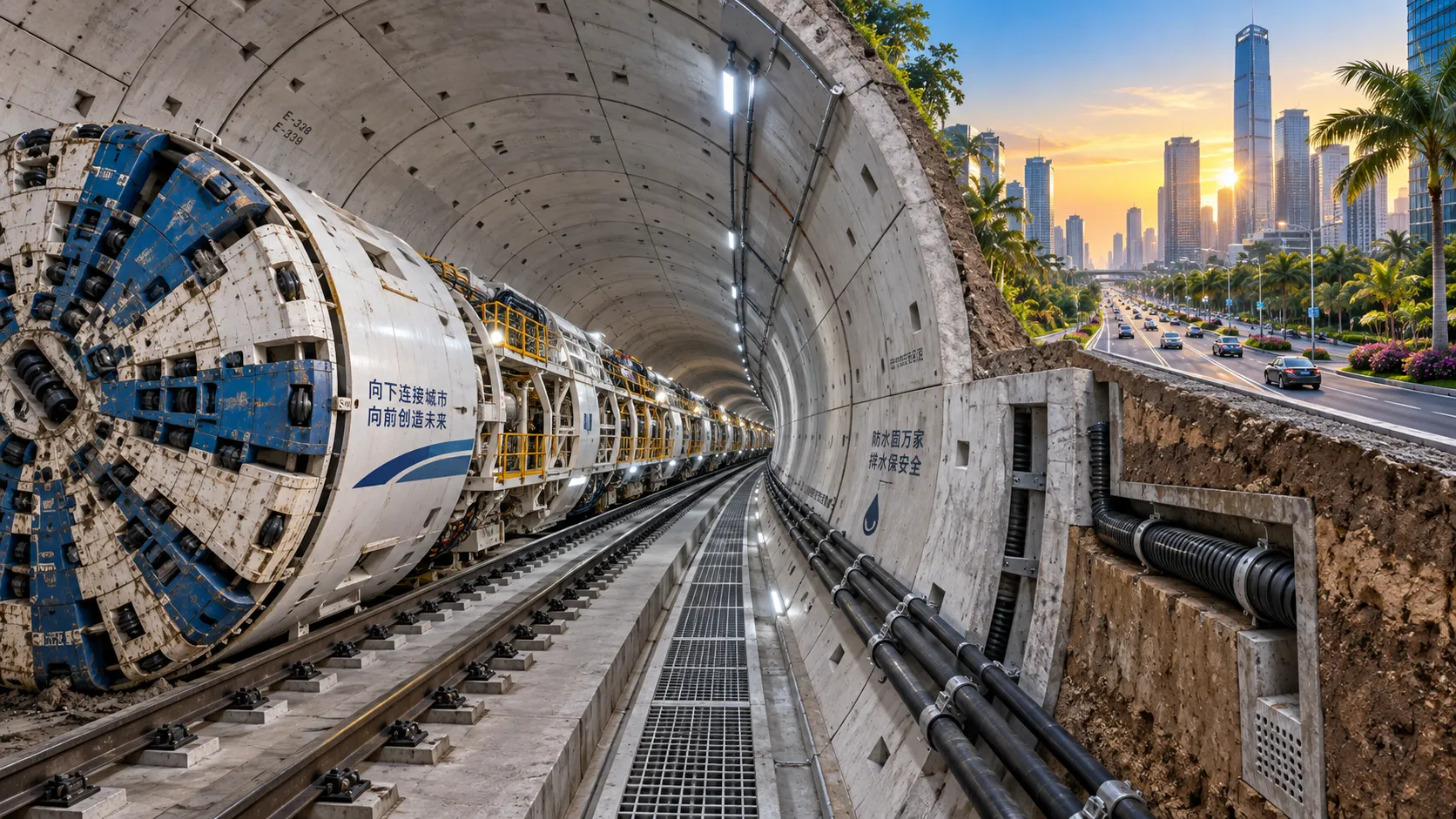
What Is Driving Metro Tunnelling Demand Across Southeast Asia’s Major Cities?
Metro tunnelling Southeast Asia is accelerating as major cities tackle congestion, flooding, and connectivity. Explore the market forces, technical risks, and opportunities shaping demand.
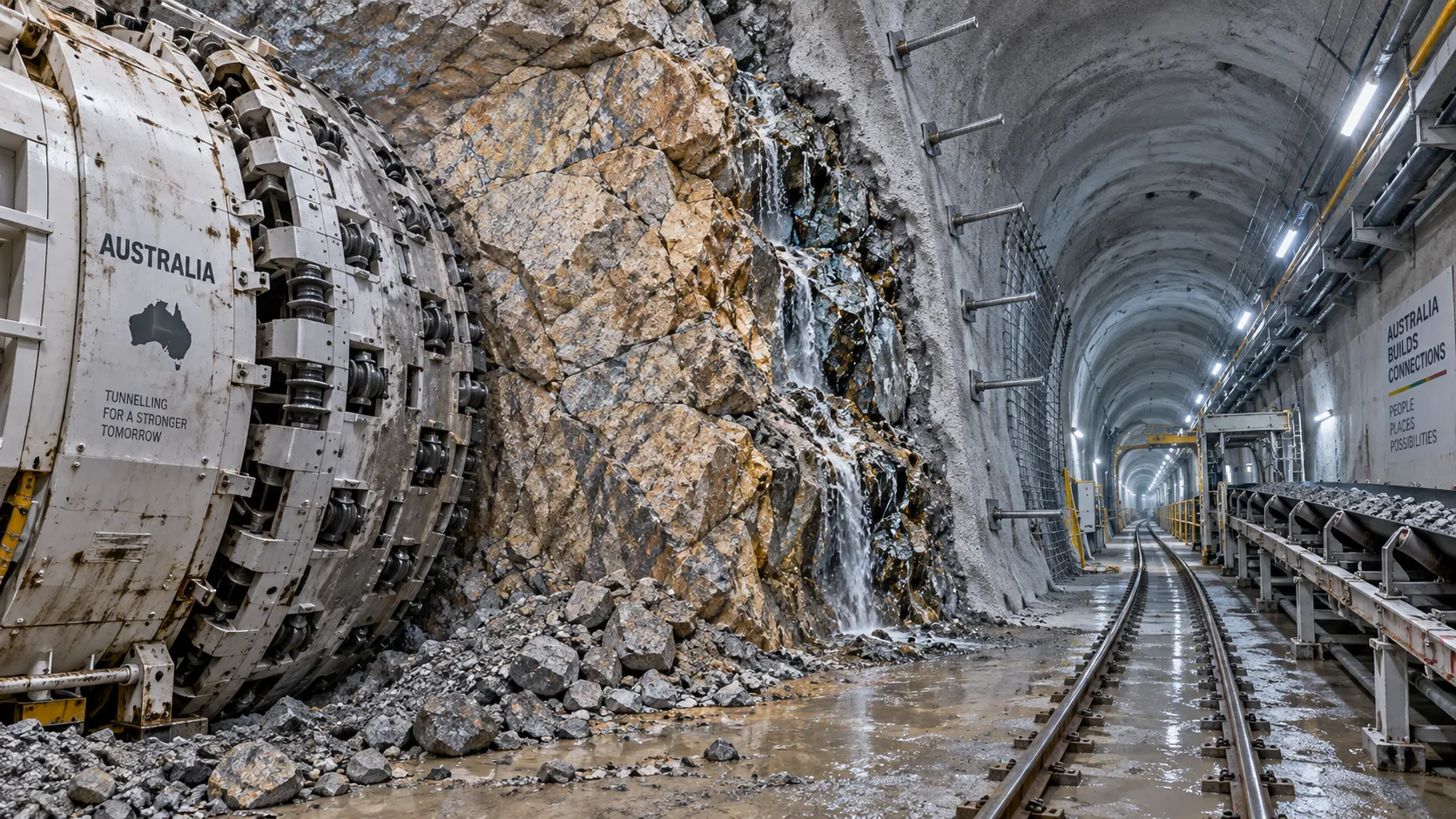
Hard Rock Tunnelling in Australia: Selecting Methods for Variable Ground Conditions
Hard rock tunnelling in Australia: compare TBM, drill-and-blast and hybrid methods to manage variable ground, reduce risk and protect project costs.
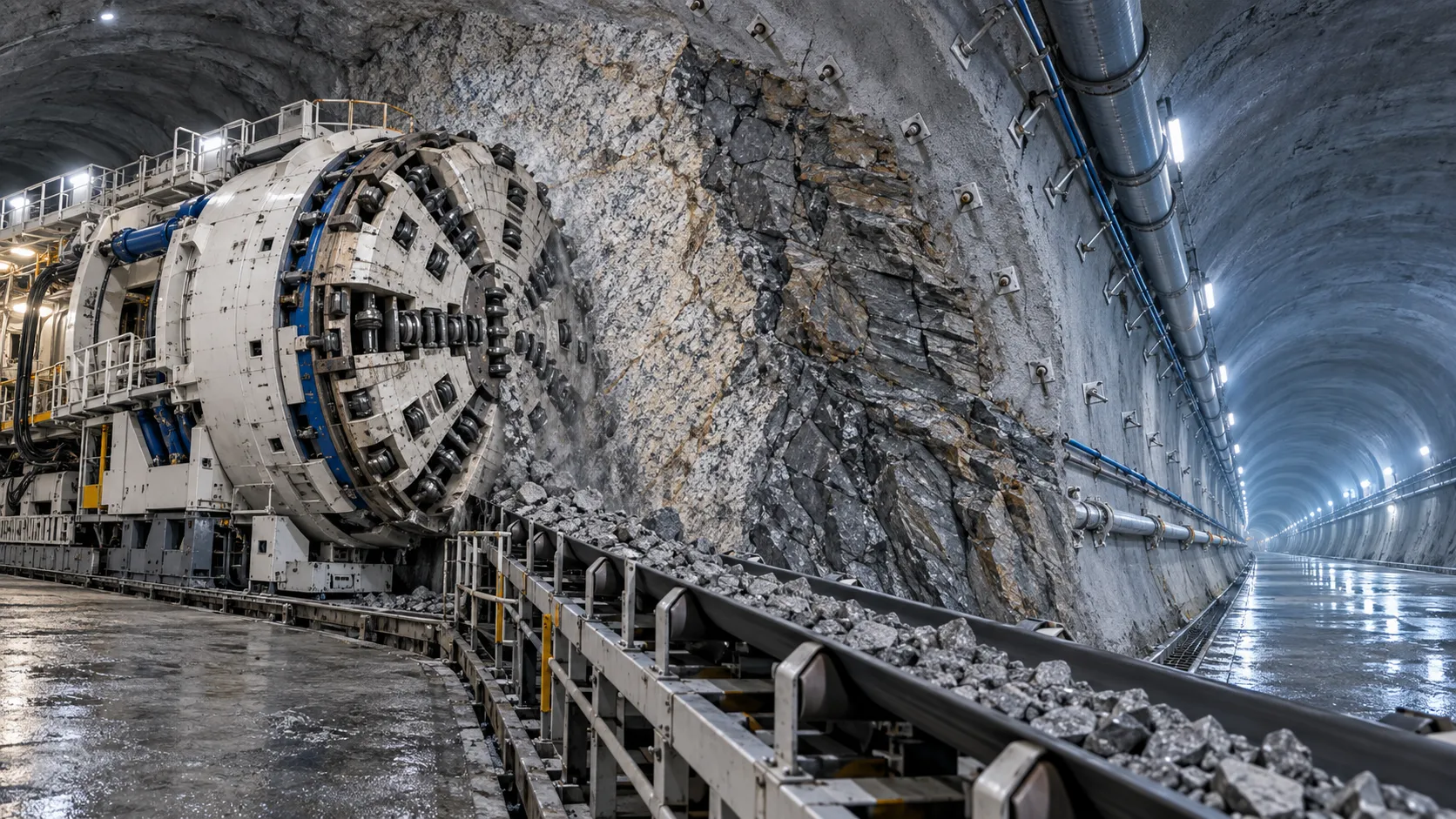
Hydropower Tunnel Excavation: Selecting Methods for Variable Rock Conditions
Hydropower tunnel excavation methods for variable rock conditions: compare TBM, drill-and-blast, and hybrid strategies to improve safety, progress, and project control.
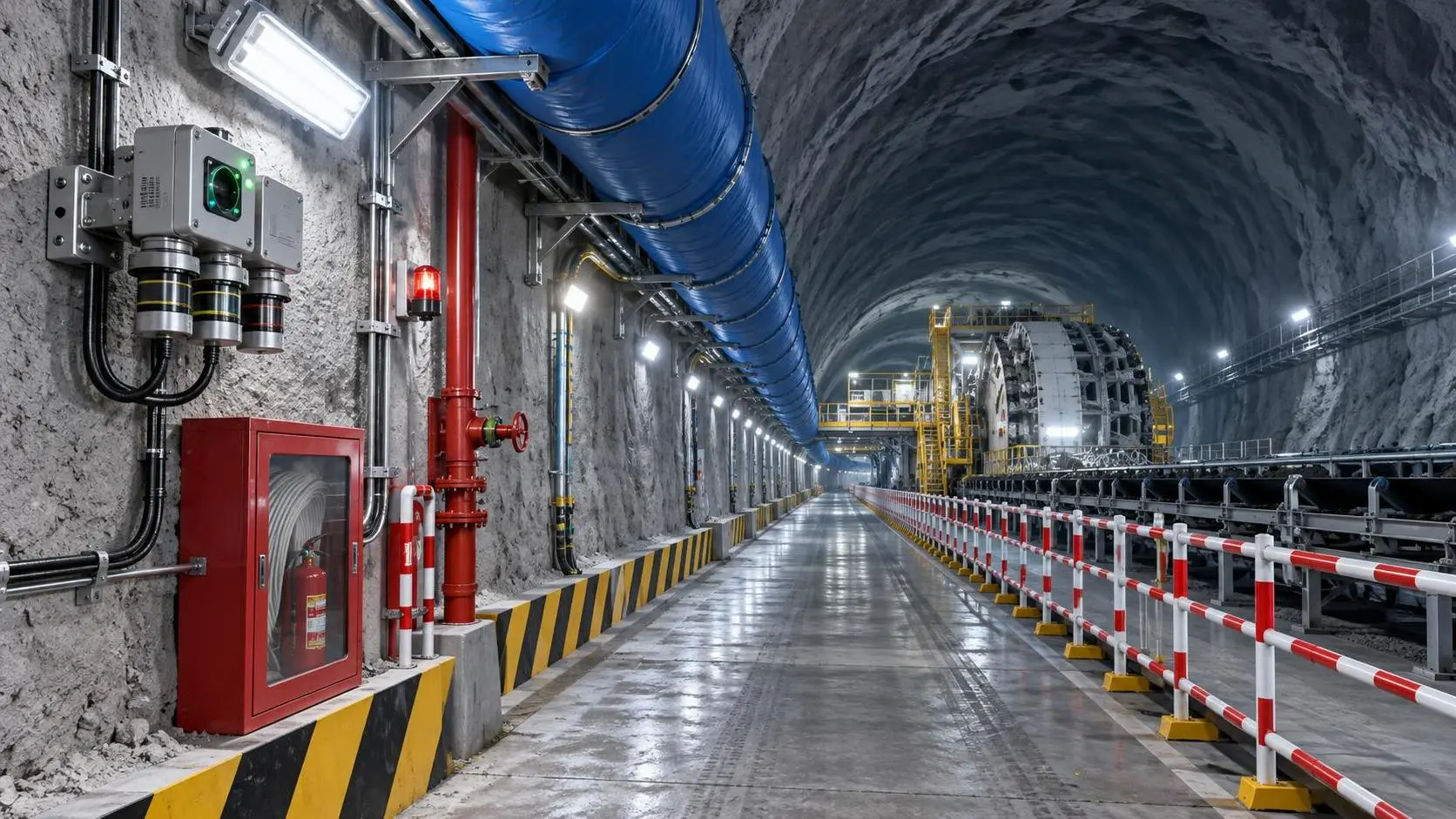
How to Select Underground Safety Equipment for Tunnelling by Hazard and Work Zone
Underground Safety Equipment for tunnelling: match protection to hazards, work zones, compliance, and emergency needs with this practical selection guide.
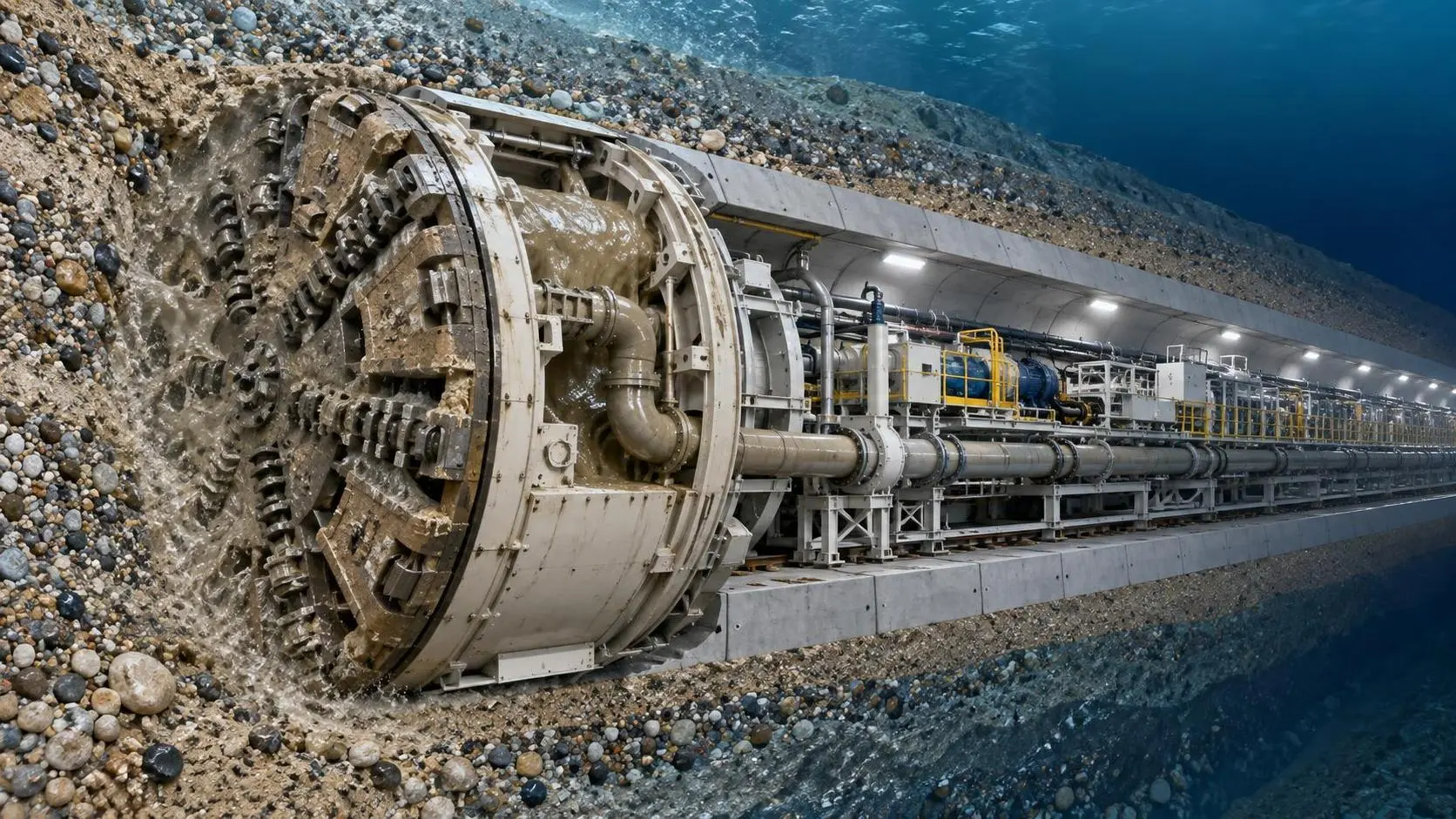
EPB or Slurry Shield? Selecting Soft-Ground Tunnelling Equipment by Soil Conditions
Tunnel Excavation Equipment for soft ground: compare EPB and slurry shields by soil, groundwater, settlement risk, and project logistics to choose confidently.
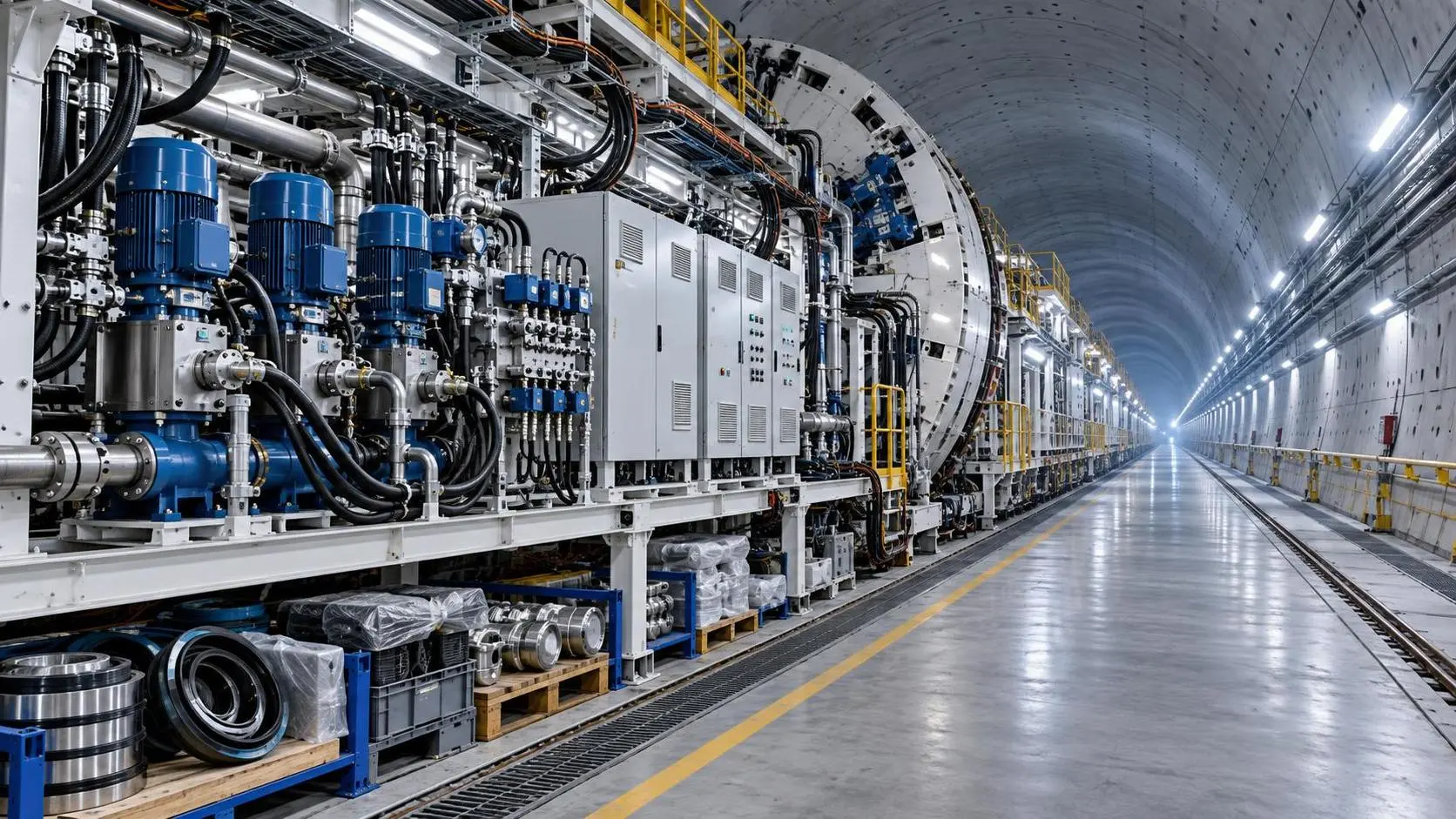
How to Specify TBM Backup System Parts for Reliable Long-Distance Tunnelling
TBM backup system parts: learn how to specify reliable spares for long-distance tunnelling, reduce downtime, ensure compatibility, and speed underground recovery.
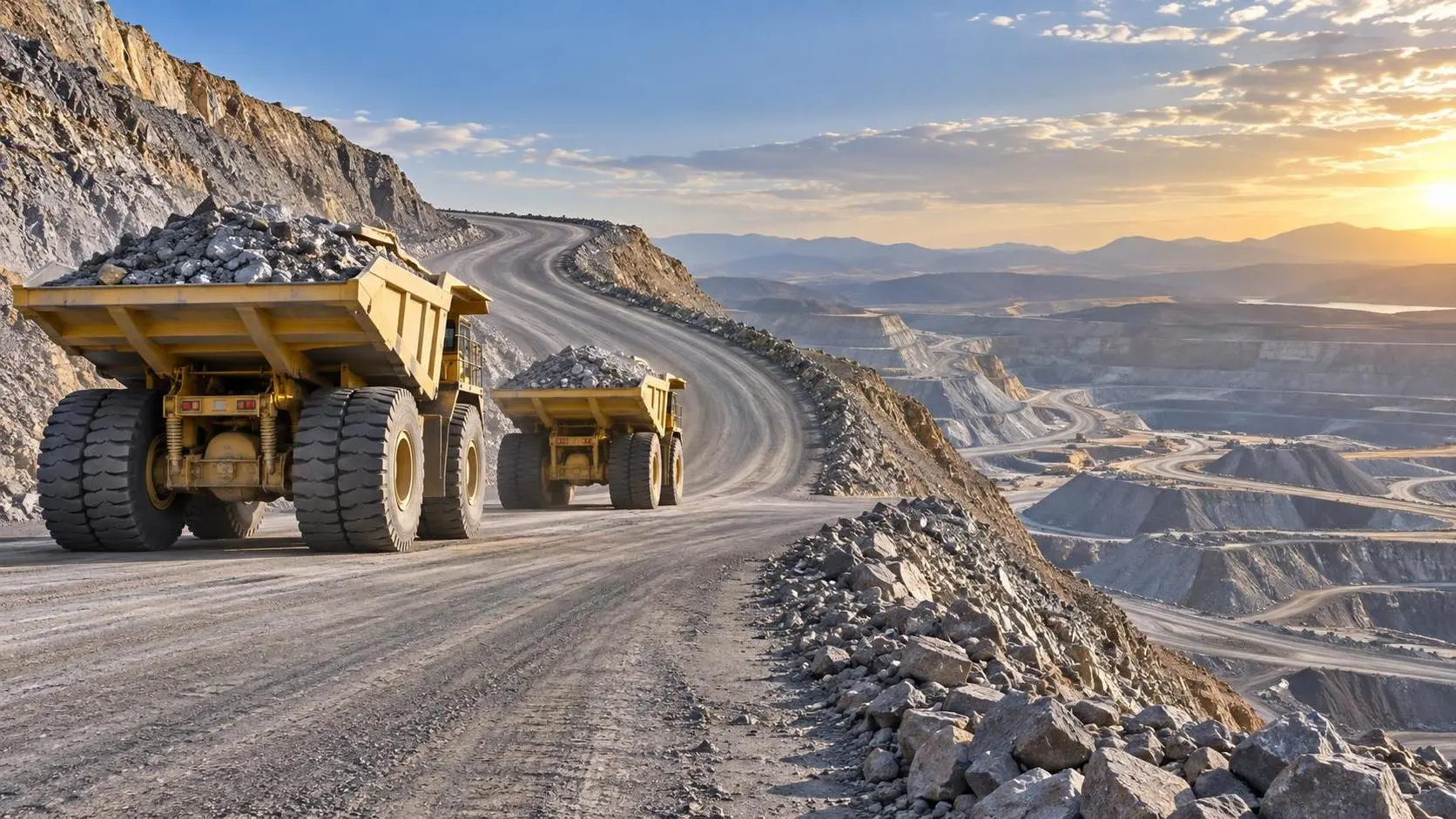
How to Size Open Pit Mining Trucks for Haul Distance, Grade, and Payload?
Open Pit Mining Trucks: learn how to match payload, haul distance, grade, road resistance, and loading capacity for safer, lower-cost mine operations.
Related News
- 00
0000-00
How to Evaluate European Drill-and-Blast Tunnelling Contractors for Complex Projects - 00
0000-00
Which Trenchless Construction Technique Fits Your Utility Crossing Conditions? - 00
0000-00
What Is Driving Metro Tunnelling Demand Across Southeast Asia’s Major Cities? - 00
0000-00
Hard Rock Tunnelling in Australia: Selecting Methods for Variable Ground Conditions - 00
0000-00
Hydropower Tunnel Excavation: Selecting Methods for Variable Rock Conditions
Weekly Insights
Stay ahead with our curated technology reports delivered every Monday.