
Indonesia's Nickel-Cobalt Export Nationalization Impacts TBM Alloy Production





On May 20, 2026, Indonesia’s president announced the full nationalization of export rights for coal, palm oil, and strategic minerals—including nickel and cobalt—effective through year-end 2026. As a leading global supplier of cobalt-nickel co-occurring resources essential for TBM cutterheads and disc cutters, this policy directly affects raw material access, pricing stability, and supply continuity for alloy manufacturing facilities in Indonesia, with ripple effects across the global hard-rock TBM cutting tool supply chain.
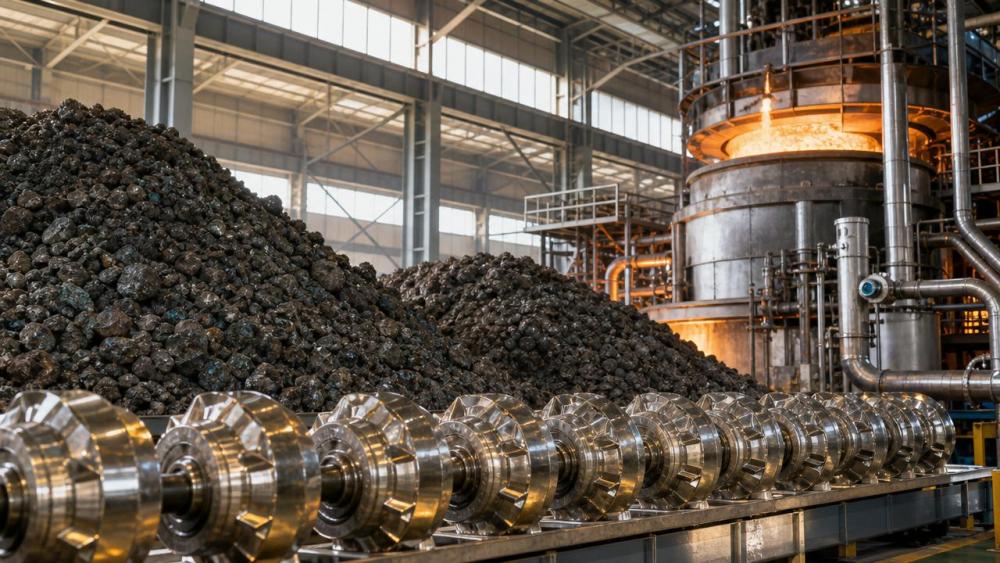
Policy Implementation Confirmed
On May 20, 2026, the Government of Indonesia formally declared the nationalization of export operating rights for coal, palm oil, and strategic minerals—including nickel and cobalt. A transitional period is in place until December 31, 2026. The policy applies to all exports of cobalt intermediates and associated mineral products originating from Indonesian territory. It does not specify new licensing bodies or quota allocation mechanisms at this stage, nor does it name individual enterprises; however, it explicitly covers mineral-based inputs critical to wear-resistant alloy production for tunnel boring machine (TBM) components.
Supply Chain Impact Across Stakeholder Roles
International Trading Firms
Export-oriented trading companies face immediate constraints on cobalt intermediate shipments. With export rights centralized under state control, previously established private export channels are suspended during the transition. This increases lead time uncertainty and requires real-time monitoring of quota announcements and eligibility criteria issued by Indonesian authorities.
Raw Material Procurement Entities
Procurement teams sourcing nickel-cobalt feedstocks for alloy smelting—particularly those supporting ongoing projects such as Huayou Cobalt’s under-construction TBM wear-alloy production line in Indonesia—must now reassess supply security. The policy introduces volatility in both availability and landed cost, necessitating revised risk buffers and dual-sourcing strategies ahead of the 2026 deadline.
Alloy Manufacturing & Component Producers
Manufacturers reliant on consistent, high-grade cobalt-nickel inputs may experience production schedule slippage if feedstock deliveries are delayed or diverted. Since TBM disc cutters and cutterhead alloys require precise compositional control (e.g., Co–Ni–Cr–Mo–C systems), variability in raw material specifications could trigger requalification of melt batches or heat treatments—impacting delivery timelines for OEM contracts.
Logistics & Supply Chain Service Providers
Freight forwarders, customs brokers, and certification support providers must adapt to evolving documentation requirements—including potential new state-issued export permits, traceability attestations, and origin verification protocols. Delays in document clearance are anticipated during the transition phase, especially for shipments involving cobalt-containing intermediates destined for metallurgical processing.
Strategic Priorities for Affected Enterprises
Monitor Quota Allocation Frameworks
Track official guidance on how export quotas for cobalt intermediates will be distributed during the transition. Priority may be granted based on domestic value-add, localization commitments, or pre-existing joint venture structures—factors directly relevant to foreign-invested alloy smelters.
Validate Feedstock Sourcing Alternatives
Assess feasibility of supplementing Indonesian-sourced cobalt with certified alternative streams (e.g., recycled cobalt, LME-traded intermediates meeting ASTM B954 or ISO 5752 specifications), while ensuring compliance with end-product performance standards for TBM applications (e.g., ISO 14001-compliant environmental reporting, EN 10025 mechanical property validation).
Reassess Production Timelines & Contractual Commitments
Evaluate contractual force majeure clauses and delivery milestones for TBM component orders. Given expected fluctuations in raw material lead times and price volatility, consider renegotiating buffer periods or incorporating index-linked pricing mechanisms aligned with LME cobalt or nickel indices.
Strengthen Supplier Qualification Protocols
Update vendor assessment criteria to include state-permitting readiness, documented participation in Indonesia’s nationalized export framework, and capacity to provide auditable chain-of-custody documentation—especially where downstream certifications (e.g., CE marking for machinery safety, ISO/IEC 17025 test reports for hardness and wear resistance) depend on upstream material provenance.
Industry Observation: Beyond Short-Term Disruption
Analysis shows this nationalization move signals a structural shift—not merely a trade barrier, but a recalibration of Indonesia’s role in the global critical minerals value chain. From an industry perspective, it accelerates the convergence of resource sovereignty and advanced manufacturing localization. What deserves closer attention is how quickly international alloy producers adapt their technical bid alignment processes to accommodate sovereign-controlled feedstock flows—particularly regarding specification flexibility, batch traceability, and accelerated qualification cycles for alternative material sources. Observably, firms that integrate upstream sourcing intelligence with metallurgical process controls will gain competitive advantage during the transition.
Broader Implications for Mining-Metallurgy Integration
This policy underscores a growing global trend: strategic mineral policies increasingly target not just extraction, but downstream industrial capability. Its significance lies less in immediate quota volume than in its precedent-setting effect on how nations govern integrated supply chains—from mine to high-performance engineered component. For TBM equipment manufacturers and infrastructure contractors, it reinforces the need to treat raw material governance as a core procurement competency—not just a logistics concern.
Source Attribution & Ongoing Monitoring
This article was developed exclusively from the provided information: title, event date (May 20, 2026), and summary description. Specific official source links were not provided in the input and should be verified continuously. Stakeholders are advised to monitor updates from Indonesia’s Ministry of Energy and Mineral Resources, the Indonesia Investment Coordinating Board (BKPM), and international trade advisory bodies for implementation guidelines, quota distribution rules, and regulatory interpretations affecting cobalt intermediate exports and alloy production licensing. Further observation is warranted regarding final transition rules, enforcement timelines, and sector-specific exemptions for integrated metallurgical operations.
Related News
How to Evaluate European Drill-and-Blast Tunnelling Contractors for Complex Projects
Drill and blast tunnelling contractors Europe: learn how to assess geology expertise, blast control, equipment reliability, safety, and programme resilience for complex projects.
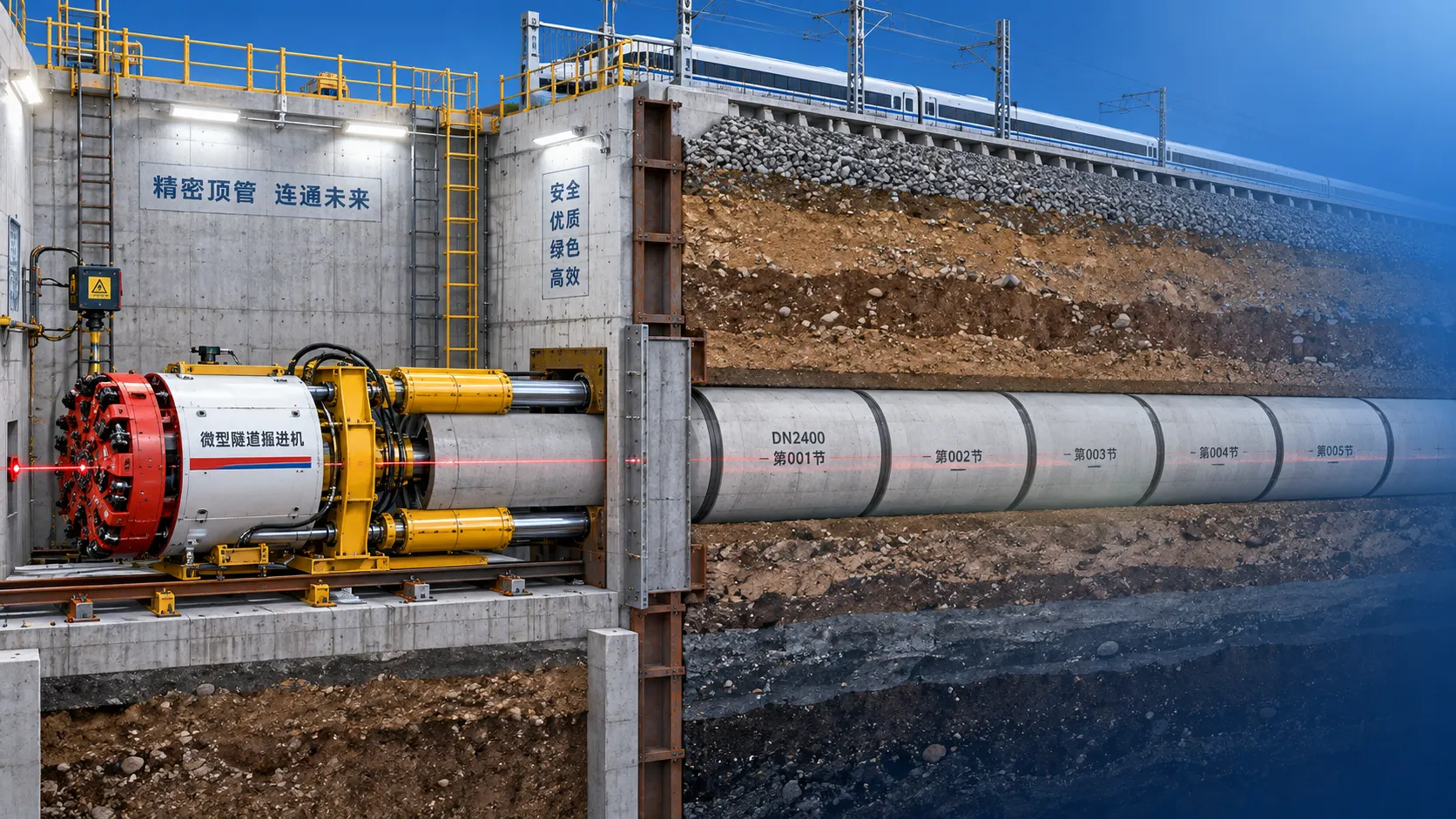
Which Trenchless Construction Technique Fits Your Utility Crossing Conditions?
Trenchless construction techniques compared for utility crossings: choose HDD, microtunnelling, pipe jacking, or auger boring based on ground, accuracy, access, and risk.

What Is Driving Metro Tunnelling Demand Across Southeast Asia’s Major Cities?
Metro tunnelling Southeast Asia is accelerating as major cities tackle congestion, flooding, and connectivity. Explore the market forces, technical risks, and opportunities shaping demand.
Hard Rock Tunnelling in Australia: Selecting Methods for Variable Ground Conditions
Hard rock tunnelling in Australia: compare TBM, drill-and-blast and hybrid methods to manage variable ground, reduce risk and protect project costs.
Hydropower Tunnel Excavation: Selecting Methods for Variable Rock Conditions
Hydropower tunnel excavation methods for variable rock conditions: compare TBM, drill-and-blast, and hybrid strategies to improve safety, progress, and project control.
How to Select Underground Safety Equipment for Tunnelling by Hazard and Work Zone
Underground Safety Equipment for tunnelling: match protection to hazards, work zones, compliance, and emergency needs with this practical selection guide.

EPB or Slurry Shield? Selecting Soft-Ground Tunnelling Equipment by Soil Conditions
Tunnel Excavation Equipment for soft ground: compare EPB and slurry shields by soil, groundwater, settlement risk, and project logistics to choose confidently.

How to Specify TBM Backup System Parts for Reliable Long-Distance Tunnelling
TBM backup system parts: learn how to specify reliable spares for long-distance tunnelling, reduce downtime, ensure compatibility, and speed underground recovery.

How to Size Open Pit Mining Trucks for Haul Distance, Grade, and Payload?
Open Pit Mining Trucks: learn how to match payload, haul distance, grade, road resistance, and loading capacity for safer, lower-cost mine operations.
Related News
- 00
0000-00
How to Evaluate European Drill-and-Blast Tunnelling Contractors for Complex Projects - 00
0000-00
Which Trenchless Construction Technique Fits Your Utility Crossing Conditions? - 00
0000-00
What Is Driving Metro Tunnelling Demand Across Southeast Asia’s Major Cities? - 00
0000-00
Hard Rock Tunnelling in Australia: Selecting Methods for Variable Ground Conditions - 00
0000-00
Hydropower Tunnel Excavation: Selecting Methods for Variable Rock Conditions
Weekly Insights
Stay ahead with our curated technology reports delivered every Monday.