
U.S. April Trade Deficit Narrows to $82.4B; EV Mining Truck Exports Gain Extended Window





On May 29, 2026, the U.S. Department of Commerce released preliminary data showing a narrowing of the April goods trade deficit to $82.4 billion—below the forecasted $87.0 billion—highlighting persistent gaps in domestic manufacturing reshoring. Concurrently, extended tax credits under the Inflation Reduction Act (IRA) for zero-emission mining equipment are sustaining strong export demand for Chinese-made electric and hydrogen-powered mining trucks to the U.S. market, with port production schedules now extended into Q3 2026. However, intensified U.S. battery supply chain traceability requirements warrant close attention.
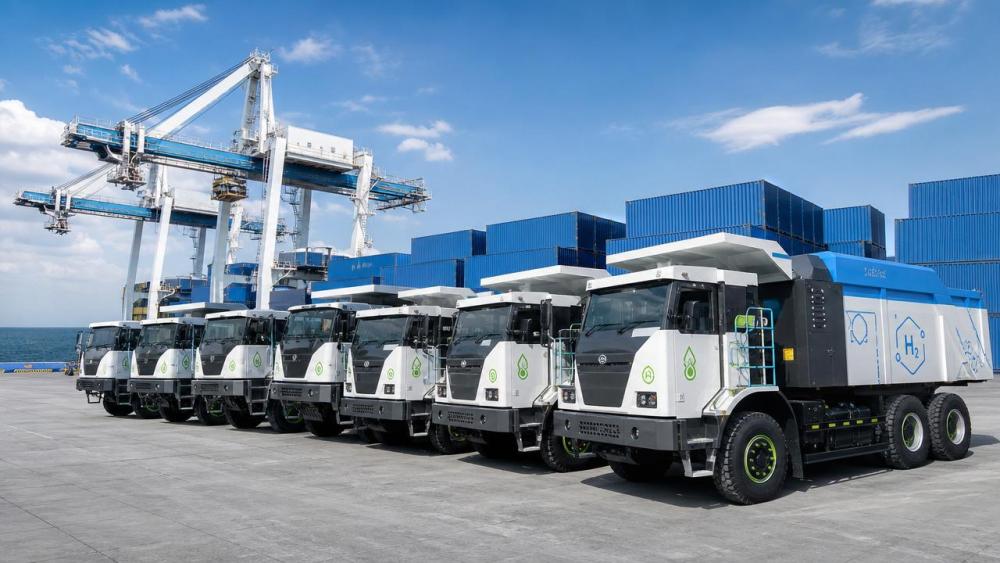
Confirmed Facts: Trade Data and Policy Continuity
The U.S. Department of Commerce reported on May 29, 2026, that the April 2026 goods trade deficit stood at $82.4 billion, lower than the projected $87.0 billion. This deficit reflects an ongoing shortfall in U.S. domestic manufacturing capacity for key industrial goods. The Inflation Reduction Act’s tax credit provisions for zero-emission mining vehicles remain in effect, supporting continued eligibility for U.S. buyers. As a result, export orders for Chinese-manufactured EV and hydrogen mining trucks to the United States have increased steadily. Port loading and shipment scheduling for these vehicles has been extended through the third quarter of 2026. Separately, U.S. authorities have recently intensified scrutiny of battery material provenance, including origin documentation for cobalt, nickel, lithium, and graphite used in traction batteries.
Industry Impact Across Value Chain Roles
Export-oriented manufacturers
Manufacturers directly exporting EV/hydrogen mining trucks face rising compliance demands—notably related to battery component traceability—but benefit from sustained IRA-driven demand. Their export planning must now integrate longer lead times for documentation verification alongside physical logistics.
Raw material procurement firms
Firms sourcing battery-critical minerals must ensure full chain-of-custody records align with U.S. reporting expectations—including mine-of-origin data, smelting/refining facility IDs, and third-party audit trails. Gaps in upstream transparency may delay customs clearance or disqualify tax credit eligibility for end buyers.
Contract manufacturers and assemblers
Assemblers integrating battery packs or powertrain systems need updated technical documentation packages that map each battery cell and module to validated supply chain data. Revisions to bill-of-materials (BOM) traceability protocols are now essential for U.S.-bound shipments.
Logistics and compliance service providers
Freight forwarders, customs brokers, and certification consultants are seeing increased demand for battery-specific compliance support—including preparation of U.S. CBP Form 5106 supplements, battery passport alignment, and IRA-related attestation packages. Capacity constraints are emerging in Q2 2026.
Key Priorities and Actionable Measures for Exporters
Strengthen battery material traceability systems
Implement digital supply chain platforms capable of generating auditable, granular origin reports for all battery components—down to the mine level where feasible—and validate alignment with U.S. Department of Energy (DOE) and Office of the U.S. Trade Representative (USTR) guidance.
Align technical documentation with IRA eligibility criteria
Review vehicle specifications, battery chemistry disclosures, and assembly location statements against current IRA definitions of ‘qualified zero-emission mining equipment’—particularly regarding final assembly location, battery content thresholds, and critical mineral sourcing rules.
Adjust delivery timelines and port coordination
Factor in additional 3–5 weeks for U.S. Customs and Border Protection (CBP) review of battery provenance documentation. Coordinate closely with port terminals and inland depots to secure Q3 2026 berth slots and avoid demurrage penalties amid tightening scheduling windows.
Pre-verify supplier qualification status
Confirm that all Tier 1–3 battery material suppliers appear on U.S.-recognized responsible mineral assurance programs (e.g., RMI, IRMA) and maintain valid third-party audit certifications—especially for cobalt and lithium refining facilities.
Industry Perspective: Beyond Short-Term Demand, Structural Compliance Shifts Are Underway
Analysis shows this is not merely a cyclical export opportunity but signals a structural recalibration in U.S. industrial policy: tax incentives are increasingly coupled with enforceable sustainability and security conditions. From an industry perspective, the extension of IRA credits lowers near-term commercial risk—but the tightening of battery traceability standards raises long-term compliance costs and operational complexity. What deserves closer attention is how rapidly U.S. enforcement agencies are scaling up verification capacity: CBP and DOE have jointly deployed new AI-assisted document analytics tools for battery import reviews since early 2026. It is more appropriate to understand this as a transition toward harmonized, real-time supply chain due diligence—not just a paperwork requirement.
Strategic Implications for Global Mining Equipment Suppliers
This development underscores a dual reality: robust demand for clean-energy mining solutions coexists with heightened regulatory granularity. Success hinges less on product performance alone and more on demonstrable, verifiable integration across environmental, social, and governance (ESG) supply chain dimensions. For exporters, the window remains open—but its duration and profitability will increasingly depend on proactive, system-level compliance readiness rather than transactional responsiveness.
Source Attribution and Monitoring Guidance
This article synthesizes the user-provided title, event date (May 29, 2026), and summary. It draws no information from external databases, proprietary reports, or unverified sources. Typical authoritative references for such developments include official releases from the U.S. Department of Commerce, the Internal Revenue Service (IRS), the U.S. Department of Energy, and the Office of the U.S. Trade Representative. Specific official source links were not provided in the input and should be verified continuously. Stakeholders are advised to monitor upcoming IRA implementation bulletins, CBP guidance updates on battery import declarations, evolving state-level procurement rules for public mining projects, and feedback from U.S. industry associations such as MSHA and SME.
Related News
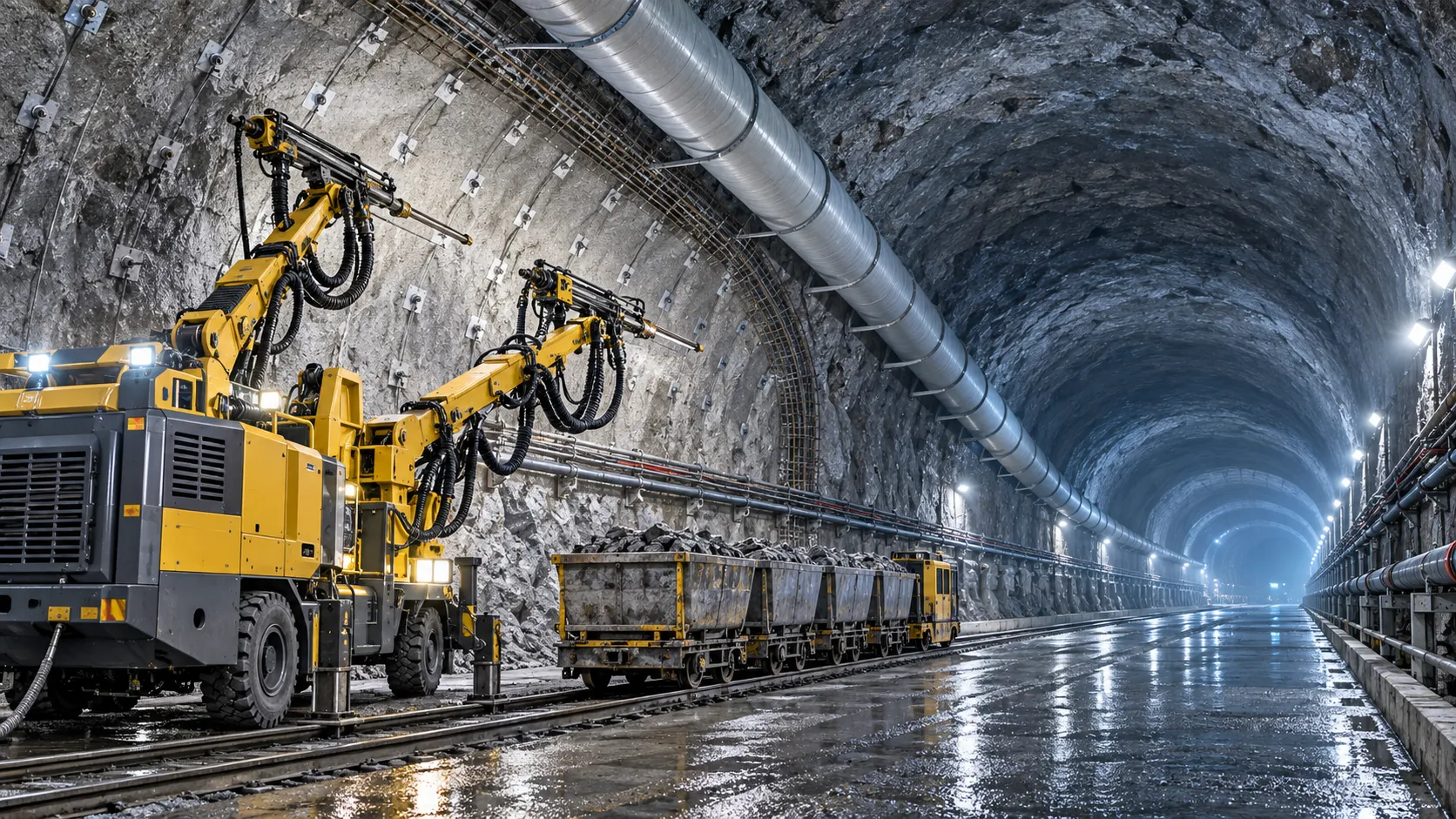
How to Evaluate European Drill-and-Blast Tunnelling Contractors for Complex Projects
Drill and blast tunnelling contractors Europe: learn how to assess geology expertise, blast control, equipment reliability, safety, and programme resilience for complex projects.
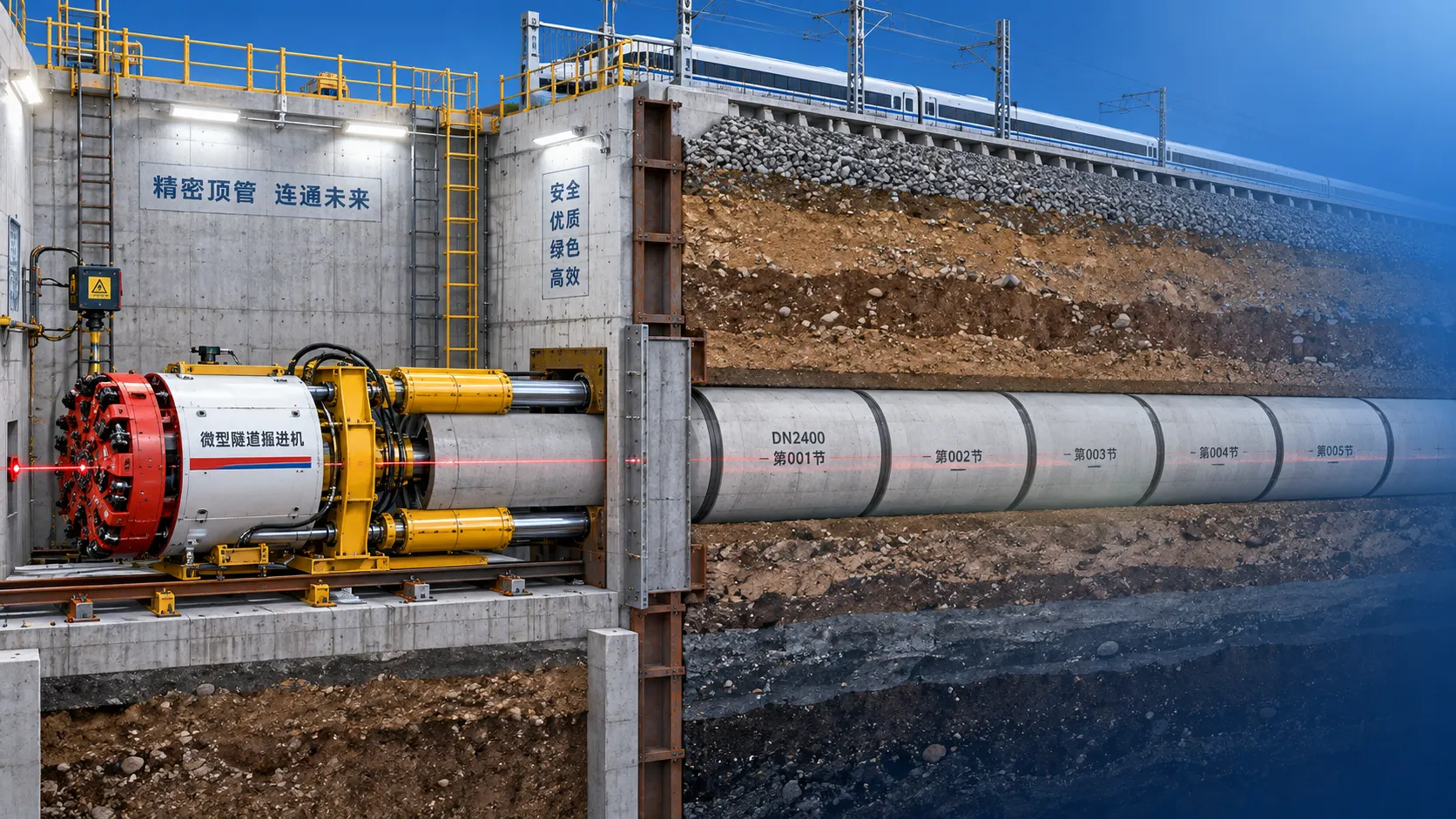
Which Trenchless Construction Technique Fits Your Utility Crossing Conditions?
Trenchless construction techniques compared for utility crossings: choose HDD, microtunnelling, pipe jacking, or auger boring based on ground, accuracy, access, and risk.
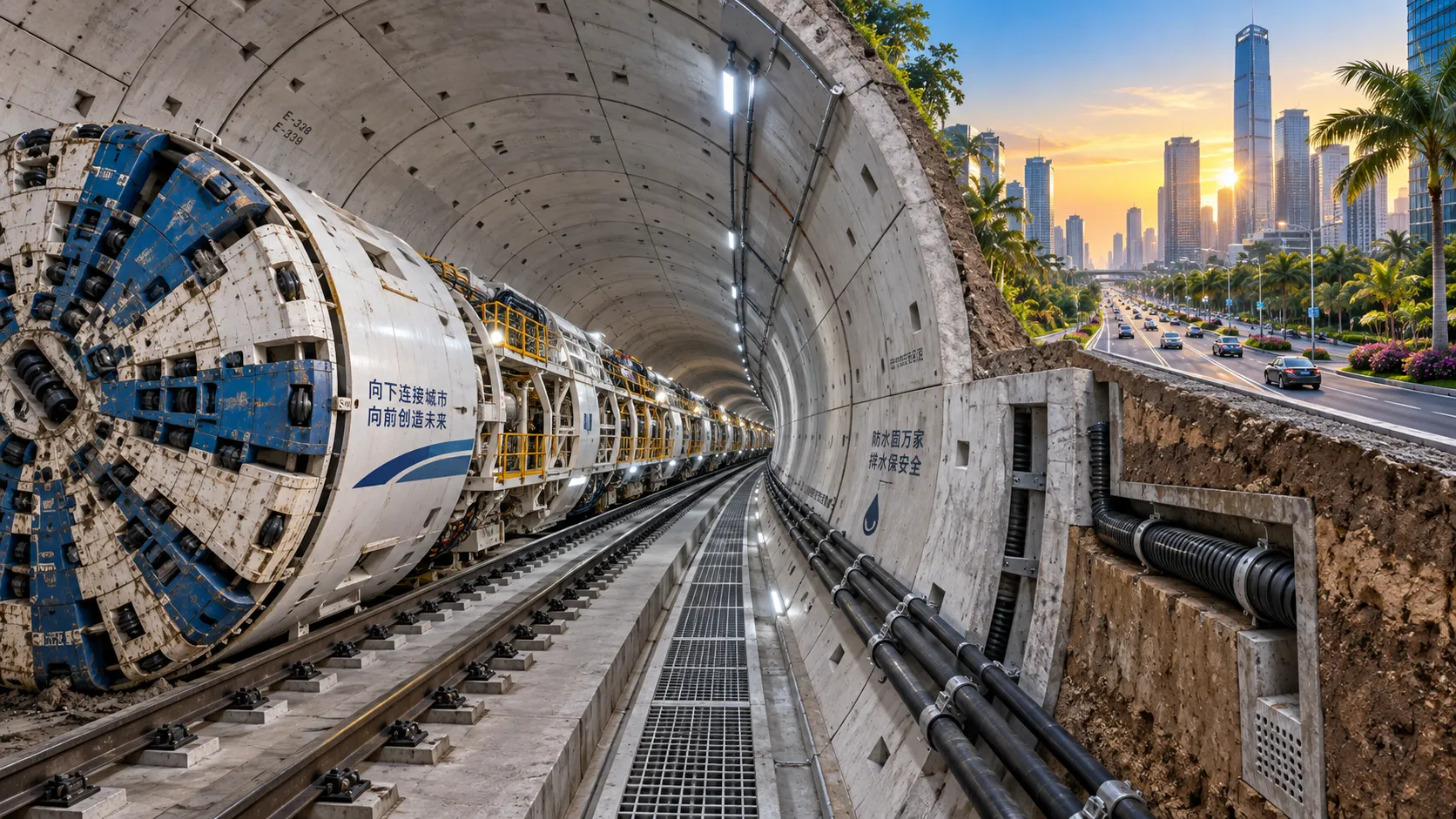
What Is Driving Metro Tunnelling Demand Across Southeast Asia’s Major Cities?
Metro tunnelling Southeast Asia is accelerating as major cities tackle congestion, flooding, and connectivity. Explore the market forces, technical risks, and opportunities shaping demand.
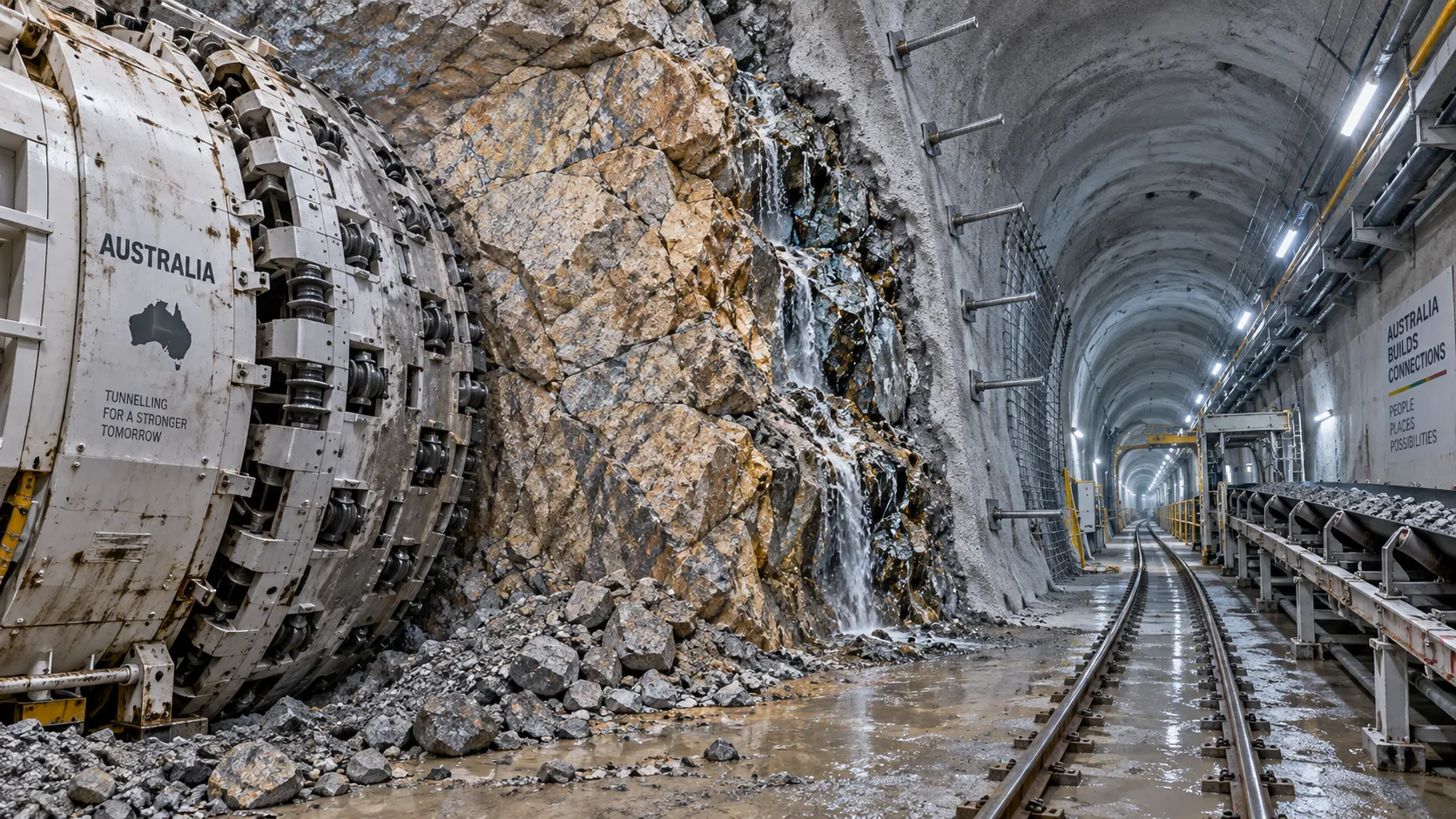
Hard Rock Tunnelling in Australia: Selecting Methods for Variable Ground Conditions
Hard rock tunnelling in Australia: compare TBM, drill-and-blast and hybrid methods to manage variable ground, reduce risk and protect project costs.
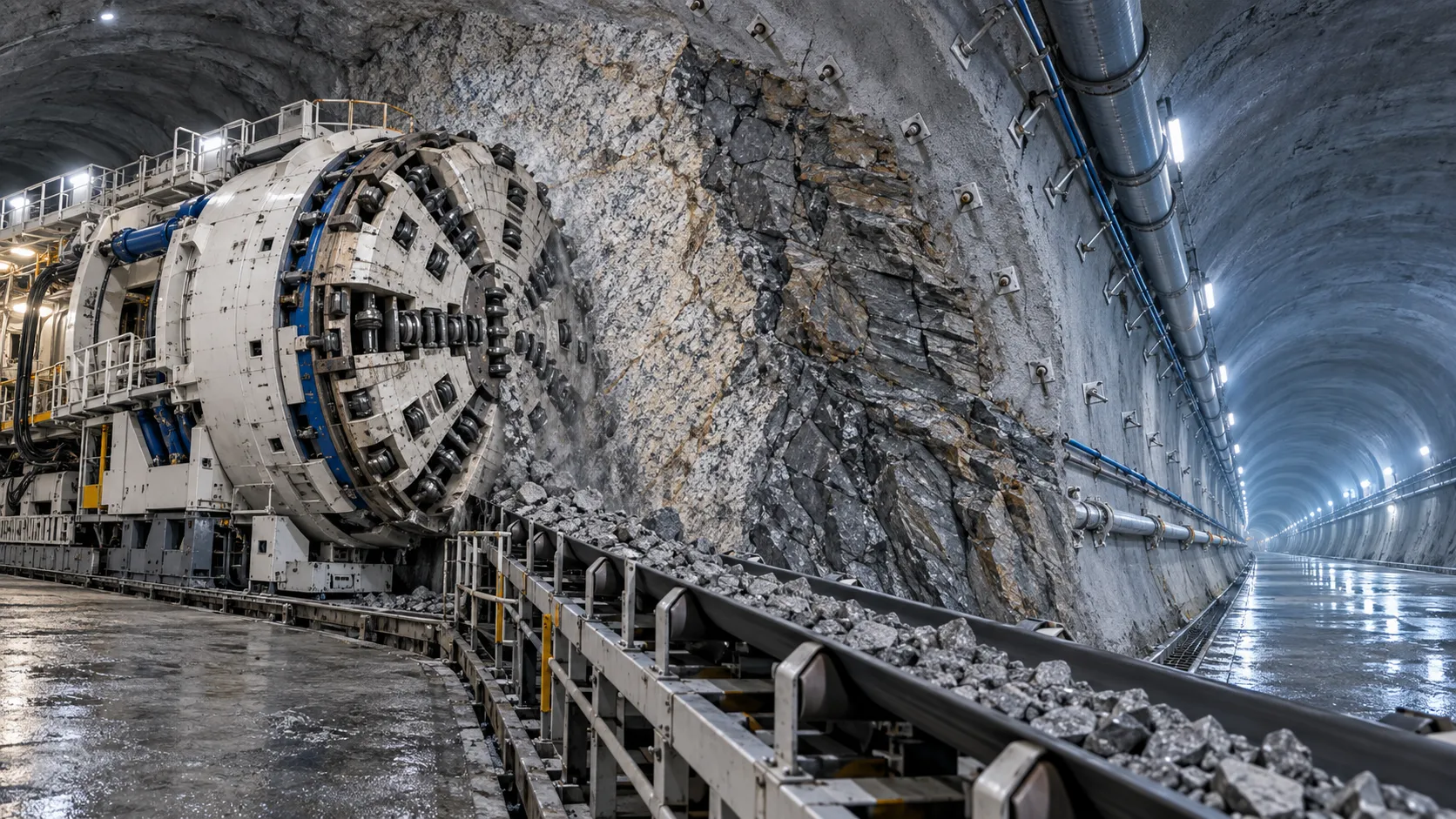
Hydropower Tunnel Excavation: Selecting Methods for Variable Rock Conditions
Hydropower tunnel excavation methods for variable rock conditions: compare TBM, drill-and-blast, and hybrid strategies to improve safety, progress, and project control.
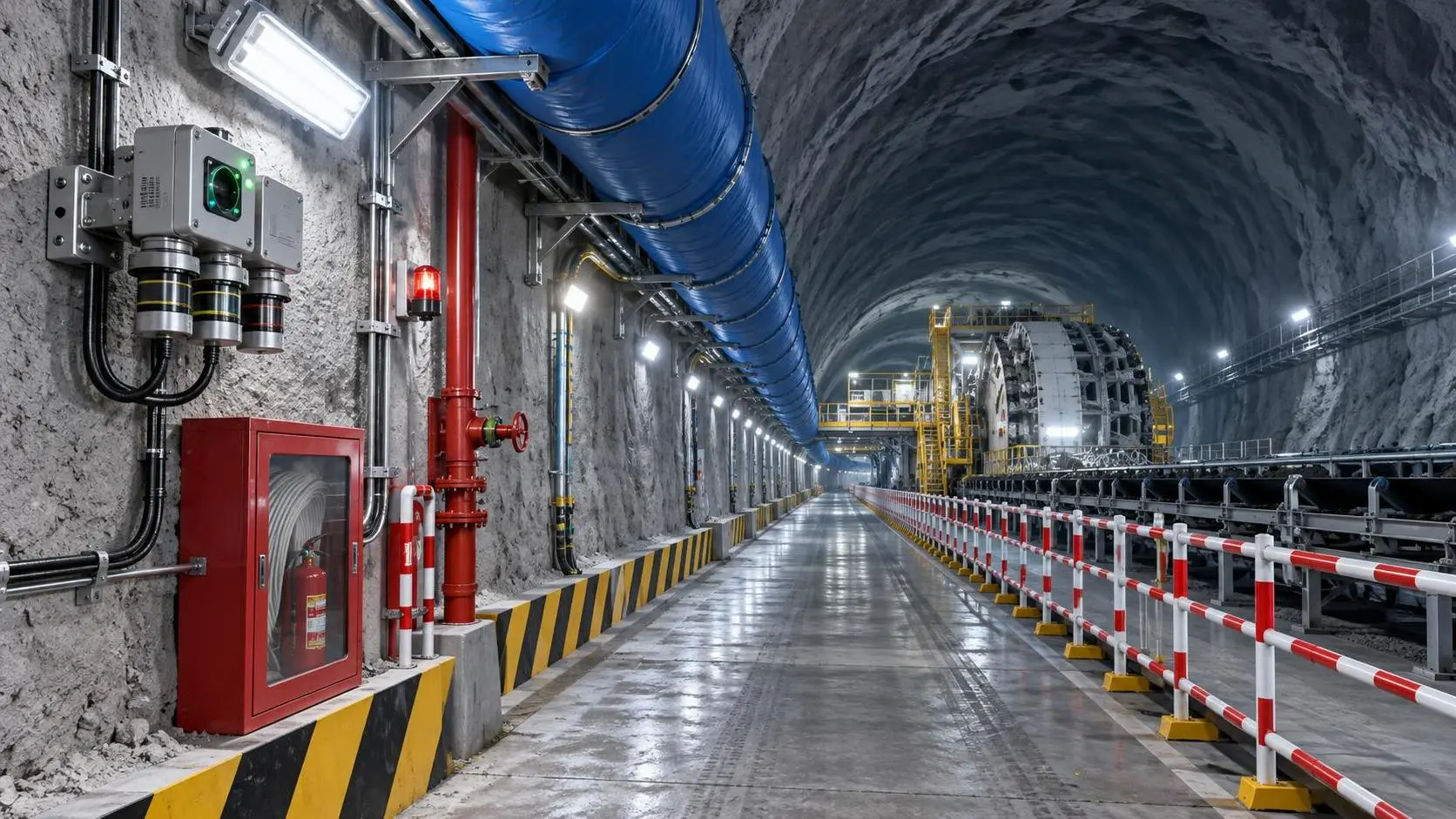
How to Select Underground Safety Equipment for Tunnelling by Hazard and Work Zone
Underground Safety Equipment for tunnelling: match protection to hazards, work zones, compliance, and emergency needs with this practical selection guide.
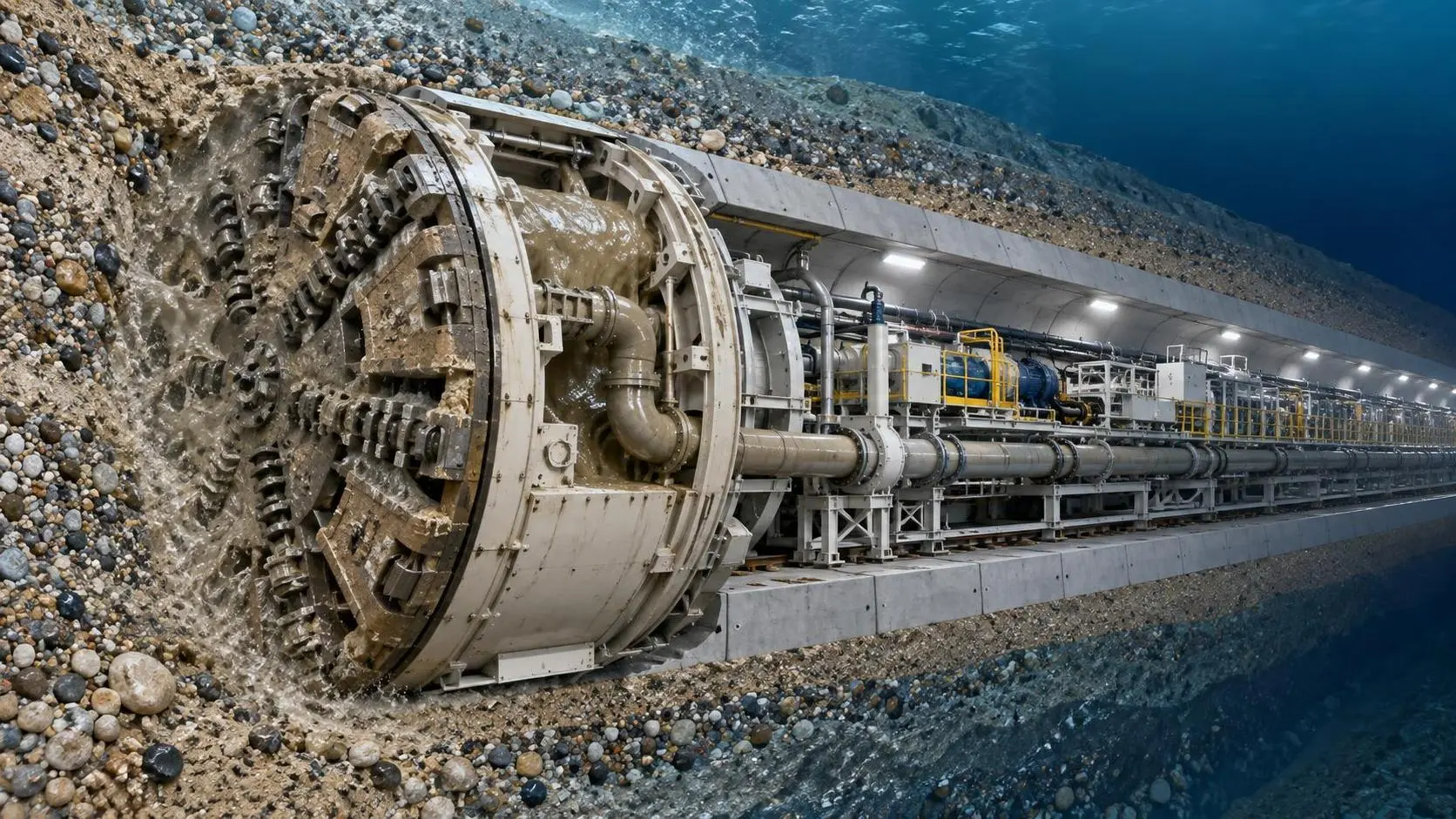
EPB or Slurry Shield? Selecting Soft-Ground Tunnelling Equipment by Soil Conditions
Tunnel Excavation Equipment for soft ground: compare EPB and slurry shields by soil, groundwater, settlement risk, and project logistics to choose confidently.
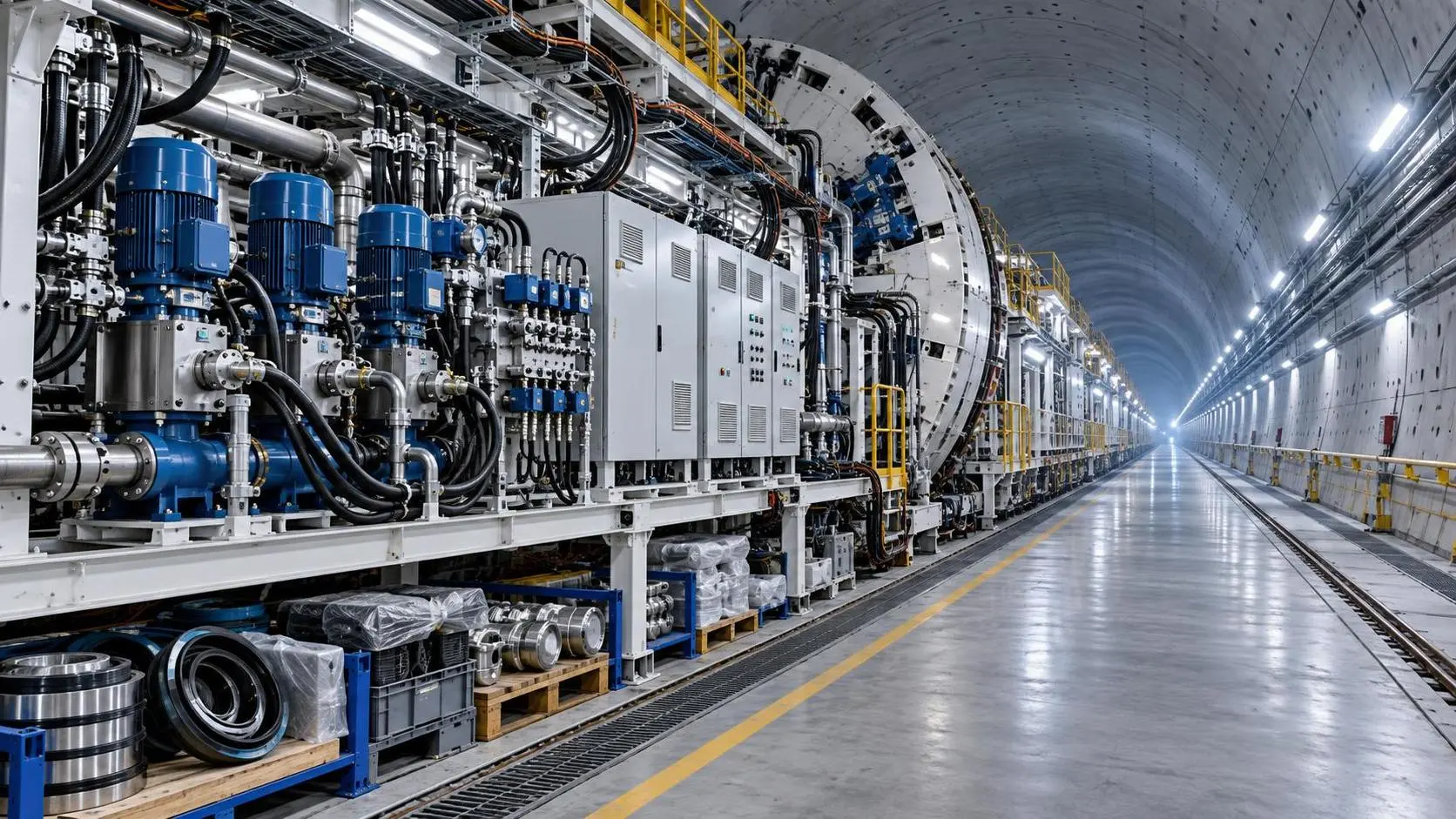
How to Specify TBM Backup System Parts for Reliable Long-Distance Tunnelling
TBM backup system parts: learn how to specify reliable spares for long-distance tunnelling, reduce downtime, ensure compatibility, and speed underground recovery.
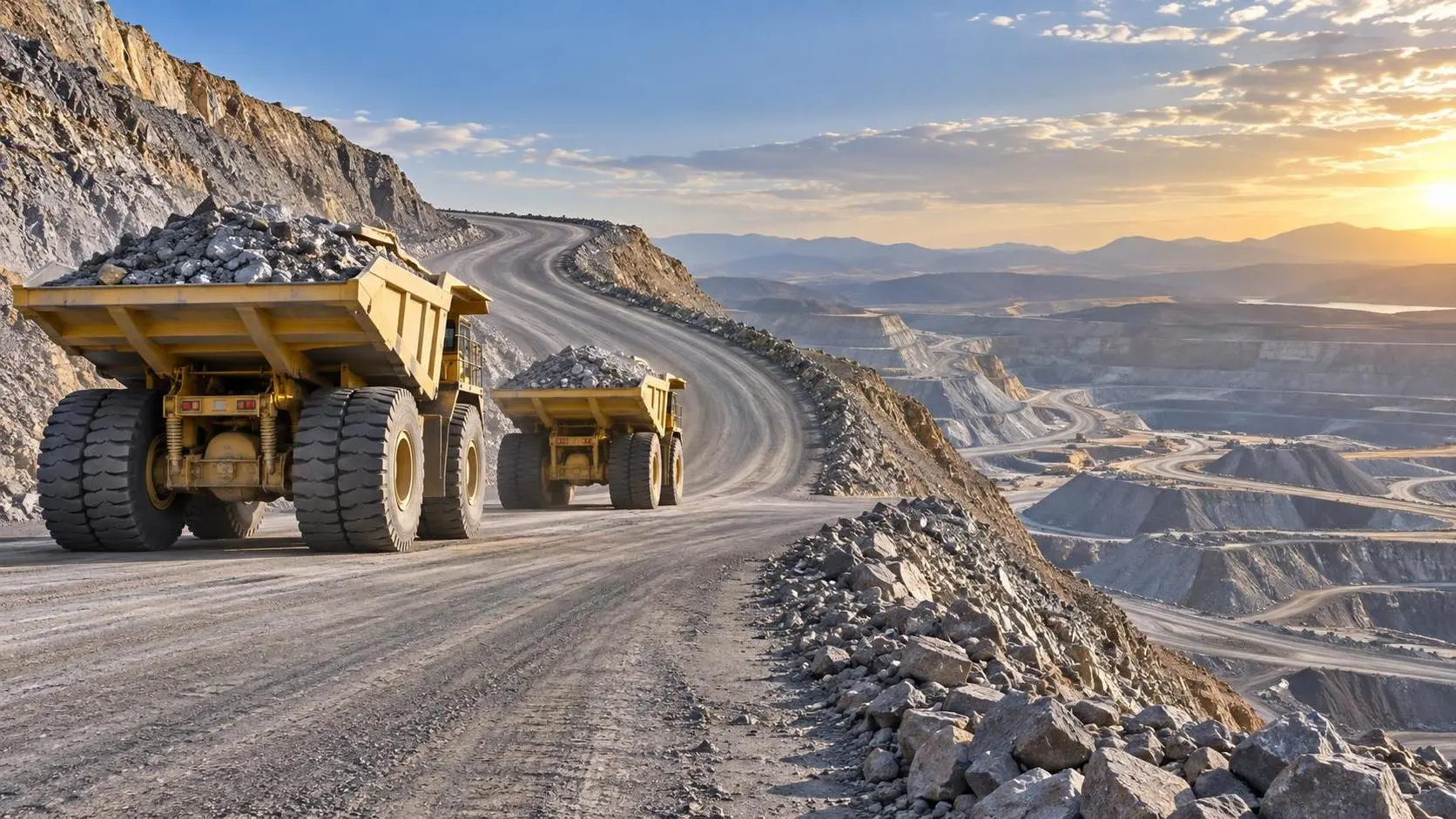
How to Size Open Pit Mining Trucks for Haul Distance, Grade, and Payload?
Open Pit Mining Trucks: learn how to match payload, haul distance, grade, road resistance, and loading capacity for safer, lower-cost mine operations.
Related News
- 00
0000-00
How to Evaluate European Drill-and-Blast Tunnelling Contractors for Complex Projects - 00
0000-00
Which Trenchless Construction Technique Fits Your Utility Crossing Conditions? - 00
0000-00
What Is Driving Metro Tunnelling Demand Across Southeast Asia’s Major Cities? - 00
0000-00
Hard Rock Tunnelling in Australia: Selecting Methods for Variable Ground Conditions - 00
0000-00
Hydropower Tunnel Excavation: Selecting Methods for Variable Rock Conditions
Weekly Insights
Stay ahead with our curated technology reports delivered every Monday.