
Can Underground Logistics Cut Delays in Deep Projects?





Deep projects rarely lose time at the cutterhead alone; delays often emerge from congested shafts, mistimed material flows, and haulage systems that cannot keep pace with excavation.
Underground Logistics is becoming a decisive lever for safer, faster, and more predictable delivery in tunnels, mines, and trenchless works.
By connecting scheduling, battery-electric transport, real-time tracking, and automated dispatch, teams can reduce idle assets and expose bottlenecks before they disrupt critical paths.
Why Underground Logistics Often Determines Deep Project Delays
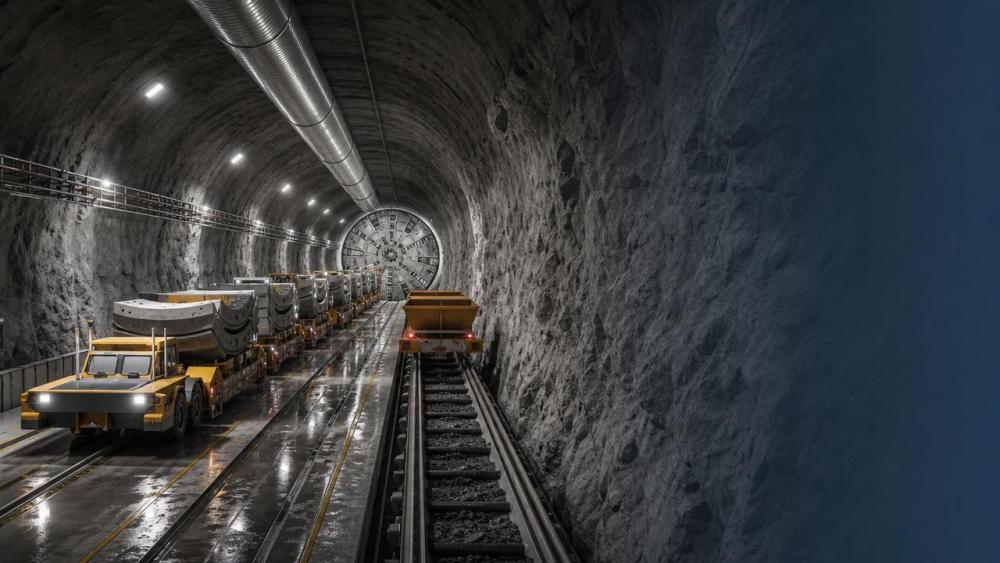
In deep physical spaces, every meter of progress depends on synchronized movement of people, muck, segments, pipes, tools, batteries, water, and ventilation materials.
A TBM may excavate efficiently, while the shaft above becomes blocked by cages, skips, cranes, or delayed segment deliveries.
A mining drift may have productive drilling, yet production stalls because LHD loaders wait behind charging queues or traffic conflicts.
Underground Logistics matters because deep projects have limited routes, restricted visibility, narrow passing points, and harsh safety constraints.
Unlike surface construction, underground operations cannot easily add lanes, storage yards, or temporary bypasses when flows become unstable.
The result is simple: small timing errors can become large schedule losses, especially during peak excavation or production phases.
Scenario Background: Different Deep Works Create Different Logistics Pressures
Underground Logistics should never be judged as one generic function. A metro tunnel, copper mine, utility crossing, and hydropower cavern behave differently.
The correct logistics model depends on depth, route length, excavation method, shaft capacity, energy strategy, and digital readiness.
Full-face TBM projects prioritize continuous segment supply, muck removal, grout delivery, and cutter intervention support.
Drill-and-blast tunnels require precise coordination of drilling jumbos, explosives cycles, ventilation clearance, scaling, mucking, and ground support.
Deep mines need robust haulage loops, battery management, autonomous dispatch, refuge access, and maintenance windows that protect production.
Trenchless pipe jacking depends on shaft staging, pipe string availability, slurry handling, and timely intervention when ground conditions change.
Scenario 1: TBM Tunnels Where Segment Flow Sets the Real Pace
In mechanized tunnelling, the visible champion is the tunnel boring machine, yet Underground Logistics often decides whether designed advance rates are achieved.
The key judgment point is whether muck evacuation and segment delivery can match cutterhead performance during sustained operations.
If ring building waits for segments, the TBM becomes an expensive stationary asset. If muck systems lag, excavation must slow.
Practical improvement starts with shift-level simulations, train or conveyor cycle analysis, and buffer rules near the backup system.
For long drives, Underground Logistics should include predictive cutter tool planning, emergency spares staging, and data links between surface yards and tunnel crews.
Scenario 2: Urban Trenchless Works Where Small Shafts Create Big Constraints
Pipe jacking and microtunnelling projects operate through compact shafts, often inside crowded cities with strict noise, traffic, and working-hour limits.
Here, Underground Logistics is less about heavy volume and more about precision staging under limited surface access.
The main risk is not always machine productivity. It is pipe delivery timing, slurry treatment capacity, crane availability, and launch shaft congestion.
Successful projects use just-in-time pipe sequencing, digital delivery slots, and clear separation between lifting, storage, and personnel movement zones.
Underground Logistics also supports stakeholder confidence, because fewer surface disruptions reduce complaints and improve permit compliance.
Scenario 3: Deep Mines Where Haulage Reliability Protects Production
In underground mining, delays rarely stay isolated. One blocked decline can affect drilling, blasting, loading, ventilation, and ore delivery.
Underground Logistics becomes a production control system, not only a transport support function.
Battery-electric LHD loaders, underground trucks, and automated haulage platforms can cut exhaust loads and improve working conditions.
However, electric fleets add new decisions around charging, battery swapping, regenerative braking, and power availability at depth.
A strong Underground Logistics plan maps vehicle cycles, ramp gradients, charging peaks, operator changeovers, and maintenance bays together.
Autonomous dispatch can then assign haulage assets based on priority, location, state of charge, and ventilation constraints.
Scenario 4: Drill-and-Blast Tunnels Where Cycle Discipline Reduces Waiting
Drill-and-blast delivery depends on repeating a disciplined cycle: drill, charge, blast, ventilate, muck, scale, support, and survey.
Any delay in one step pushes the next crew, machine, and safety clearance into conflict.
Underground Logistics helps by aligning drilling jumbo availability, explosives transport rules, mucking capacity, shotcrete supply, and bolting equipment readiness.
The central judgment point is whether each cycle has enough planned overlap without violating exclusion zones or ventilation requirements.
Digital checklists, geofenced equipment movement, and cycle dashboards help convert informal coordination into measurable control.
How Scenario Requirements Differ Across Underground Logistics Models
This comparison shows why Underground Logistics must be adapted to the operating rhythm, not copied from another project type.
The same tracking platform may work well, but rules, buffers, and performance metrics must reflect actual underground constraints.
Scenario Adaptation: Practical Moves That Cut Underground Delays
A useful Underground Logistics plan should connect engineering design, fleet selection, work packaging, and daily control.
- Map all material flows before excavation reaches peak rate.
- Define shaft, decline, and tunnel passing rules early.
- Use real-time location data for critical mobile assets.
- Separate emergency access from routine delivery routes.
- Align battery charging or swapping with production cycles.
- Track waiting time by cause, not only by equipment type.
When these measures are combined, Underground Logistics becomes a predictive system rather than a reactive recovery effort.
That shift is important for mega-infrastructure, smart mines, and long-distance utility corridors with limited schedule flexibility.
Digital Dispatch Should Serve the Physical Constraint
Digital tools can improve Underground Logistics, but software alone cannot remove a narrow shaft or undersized passing bay.
The best results come when sensors, dispatch algorithms, and operational rules are designed around the real geometry of the project.
Useful data includes machine position, payload, battery state, ventilation status, route availability, queue length, and maintenance priority.
Electrification Changes the Logistics Equation
Zero-emission equipment reduces heat and exhaust underground, but it changes the timing logic of haulage and support tasks.
Battery-electric trucks and LHD loaders need charging windows, swap stations, spare battery inventory, and power distribution resilience.
Therefore, Underground Logistics planning must involve energy flows alongside rock, ore, spoil, concrete, and consumables.
Common Misjudgments That Keep Deep Projects Behind Schedule
A frequent mistake is treating haulage capacity as an average number instead of a variable affected by queues, gradients, and shift changes.
Another mistake is planning surface storage carefully while ignoring the underground interface where materials actually become constrained.
Some projects invest in advanced equipment but leave dispatch decisions to radio calls and informal local knowledge.
This weakens Underground Logistics because small conflicts remain invisible until they affect excavation, blasting, or ore delivery.
A further risk is underestimating maintenance logistics. Spare parts, service vehicles, and tool transport can block routes during critical windows.
Safety access is also sometimes compromised by routine deliveries. Emergency routes must remain protected, clearly marked, and digitally visible.
Action Guide: Turning Underground Logistics Into a Delay-Control System
The next step is to audit delays by location, time, asset, and material type across the full underground work cycle.
Then compare planned cycle times with actual waiting points at shafts, passing bays, loading areas, charging stations, and maintenance zones.
Priority actions should target bottlenecks that repeatedly stop high-value assets such as TBMs, drilling jumbos, LHD loaders, and haulage trucks.
- Create a live map of critical routes and restricted zones.
- Set measurable queue limits for shafts and underground intersections.
- Link fleet dispatch with excavation or production priorities.
- Review battery, ventilation, and maintenance constraints together.
- Use weekly logistics reviews to update rules, not only reports.
For deep projects, Underground Logistics can cut delays when it is treated as a core engineering system from the start.
It cannot remove every geological surprise, but it can prevent controllable waiting from becoming the hidden schedule killer.
UTMD follows the equipment, automation, electrification, and operational intelligence shaping this transition across tunnels, mines, and trenchless infrastructure.
When Underground Logistics is measured, simulated, and continuously adjusted, deep projects gain a stronger path toward predictable delivery.
Related News
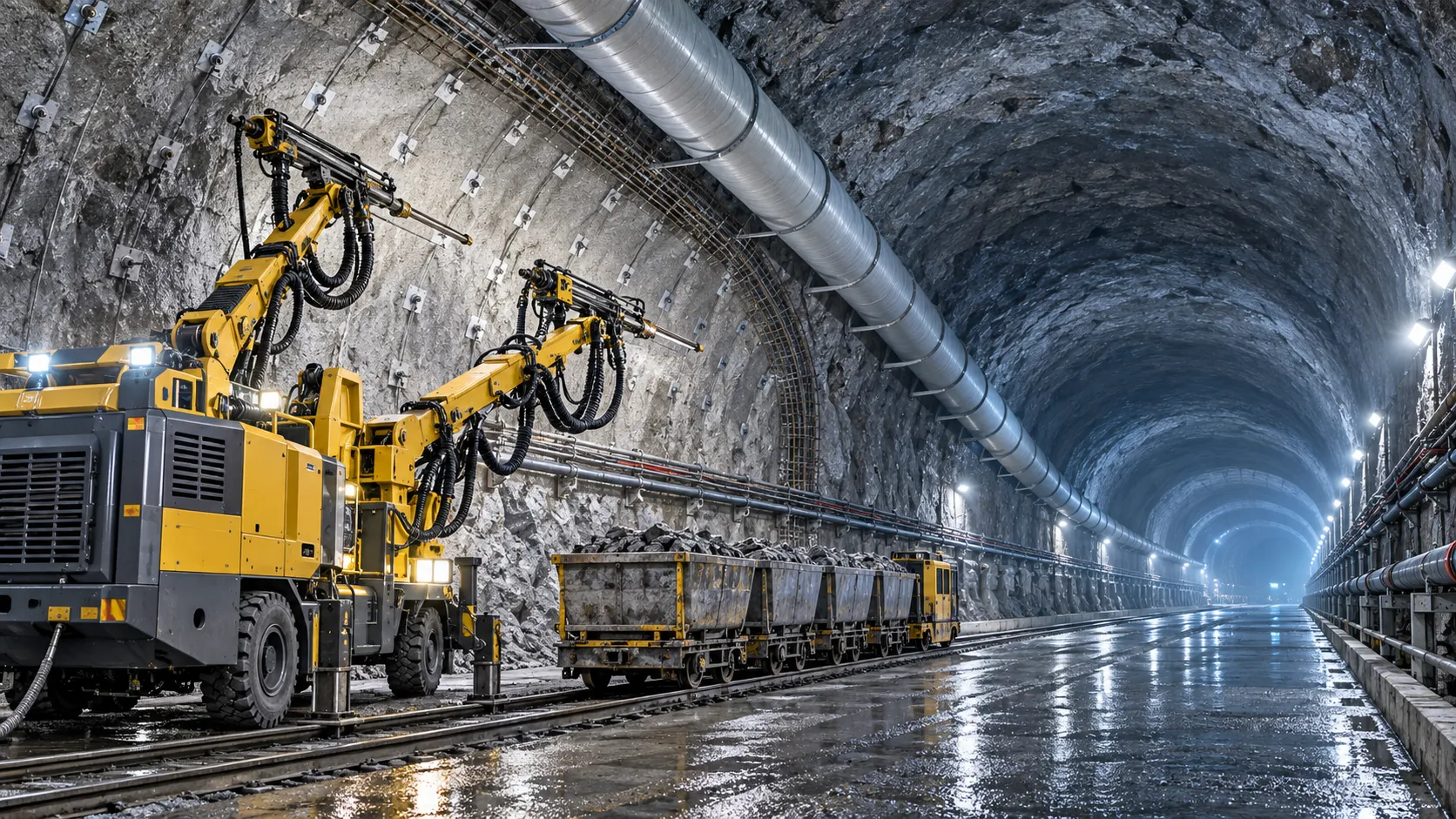
How to Evaluate European Drill-and-Blast Tunnelling Contractors for Complex Projects
Drill and blast tunnelling contractors Europe: learn how to assess geology expertise, blast control, equipment reliability, safety, and programme resilience for complex projects.
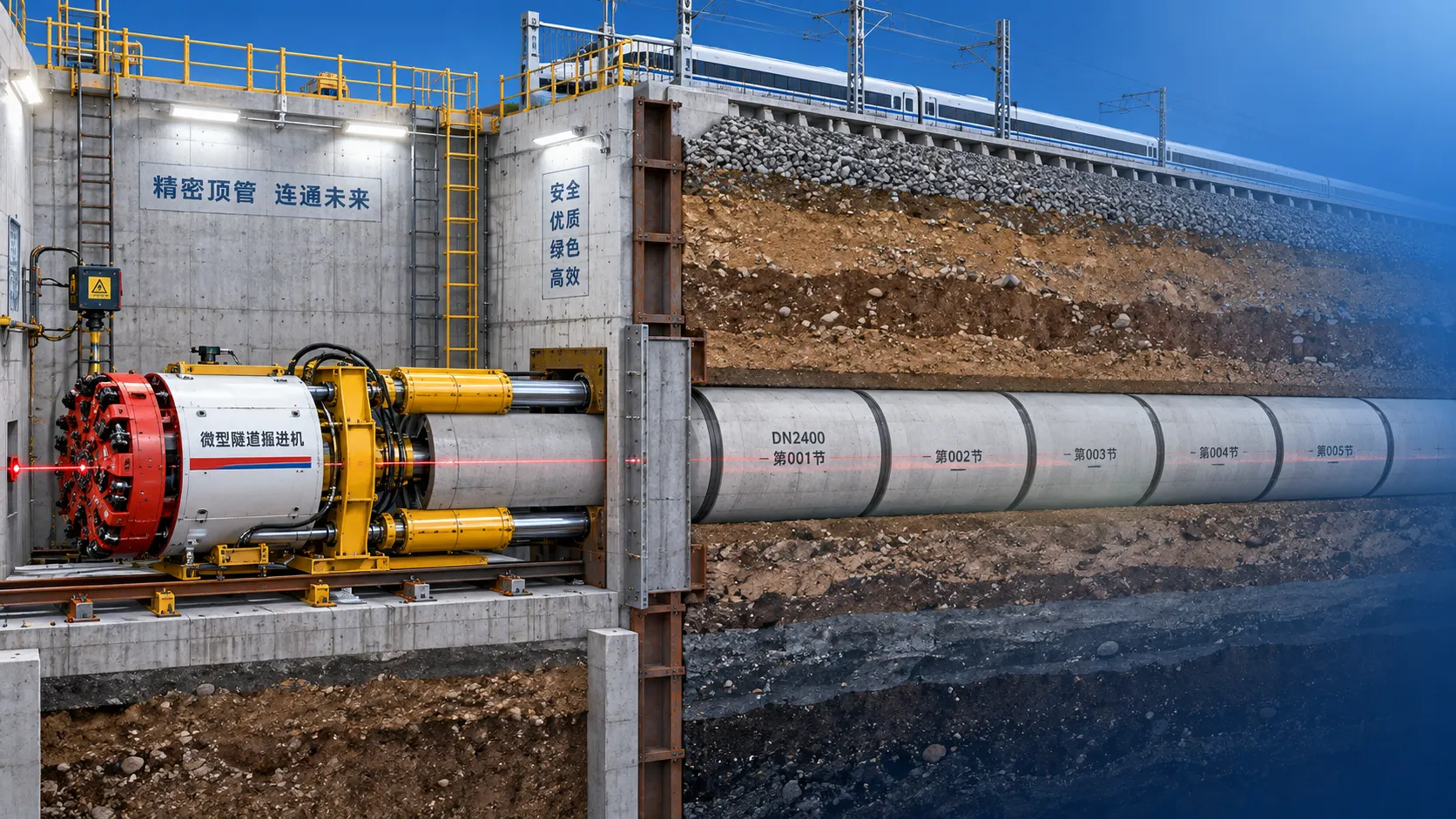
Which Trenchless Construction Technique Fits Your Utility Crossing Conditions?
Trenchless construction techniques compared for utility crossings: choose HDD, microtunnelling, pipe jacking, or auger boring based on ground, accuracy, access, and risk.
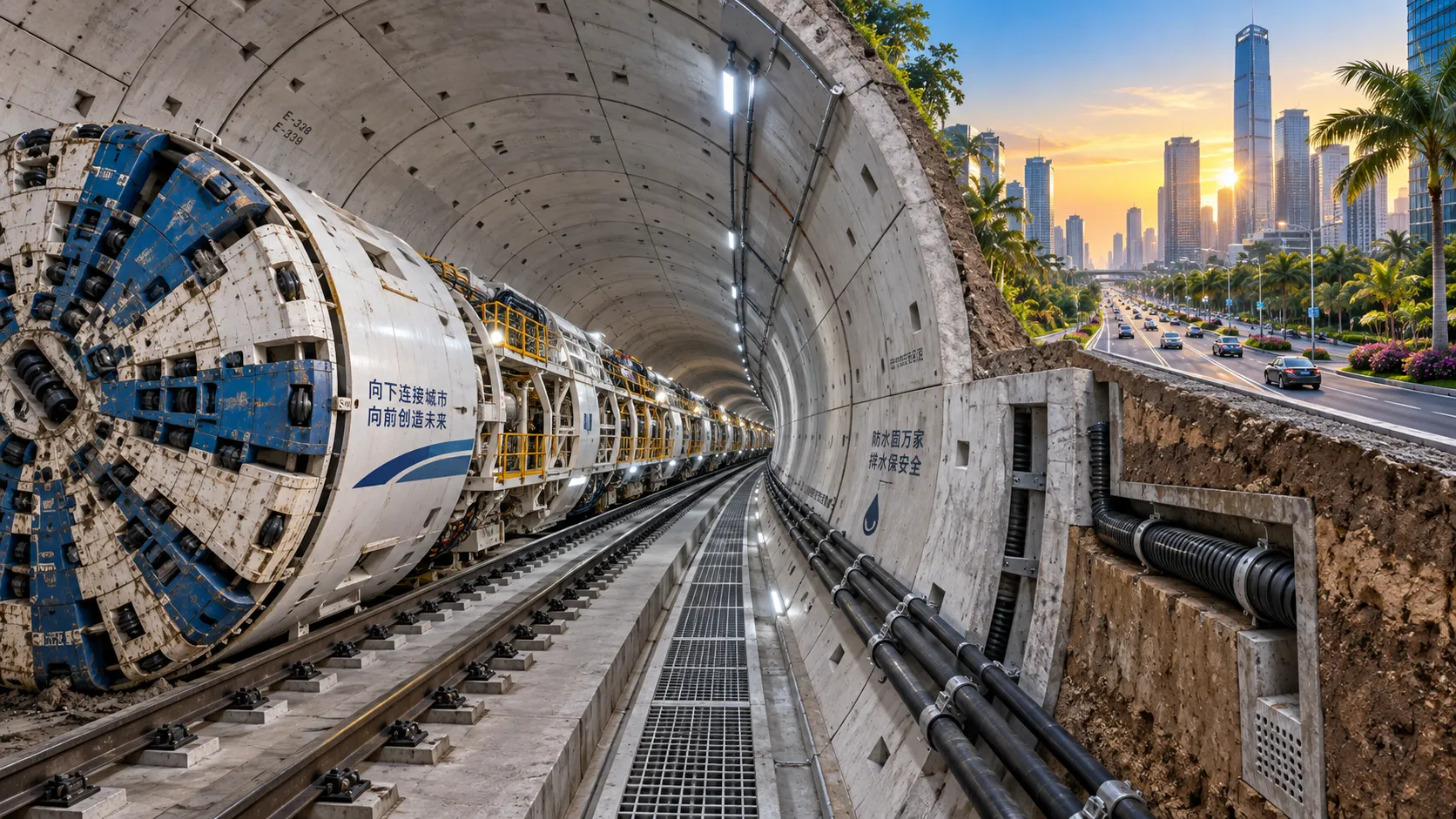
What Is Driving Metro Tunnelling Demand Across Southeast Asia’s Major Cities?
Metro tunnelling Southeast Asia is accelerating as major cities tackle congestion, flooding, and connectivity. Explore the market forces, technical risks, and opportunities shaping demand.
Hard Rock Tunnelling in Australia: Selecting Methods for Variable Ground Conditions
Hard rock tunnelling in Australia: compare TBM, drill-and-blast and hybrid methods to manage variable ground, reduce risk and protect project costs.
Hydropower Tunnel Excavation: Selecting Methods for Variable Rock Conditions
Hydropower tunnel excavation methods for variable rock conditions: compare TBM, drill-and-blast, and hybrid strategies to improve safety, progress, and project control.
How to Select Underground Safety Equipment for Tunnelling by Hazard and Work Zone
Underground Safety Equipment for tunnelling: match protection to hazards, work zones, compliance, and emergency needs with this practical selection guide.
EPB or Slurry Shield? Selecting Soft-Ground Tunnelling Equipment by Soil Conditions
Tunnel Excavation Equipment for soft ground: compare EPB and slurry shields by soil, groundwater, settlement risk, and project logistics to choose confidently.
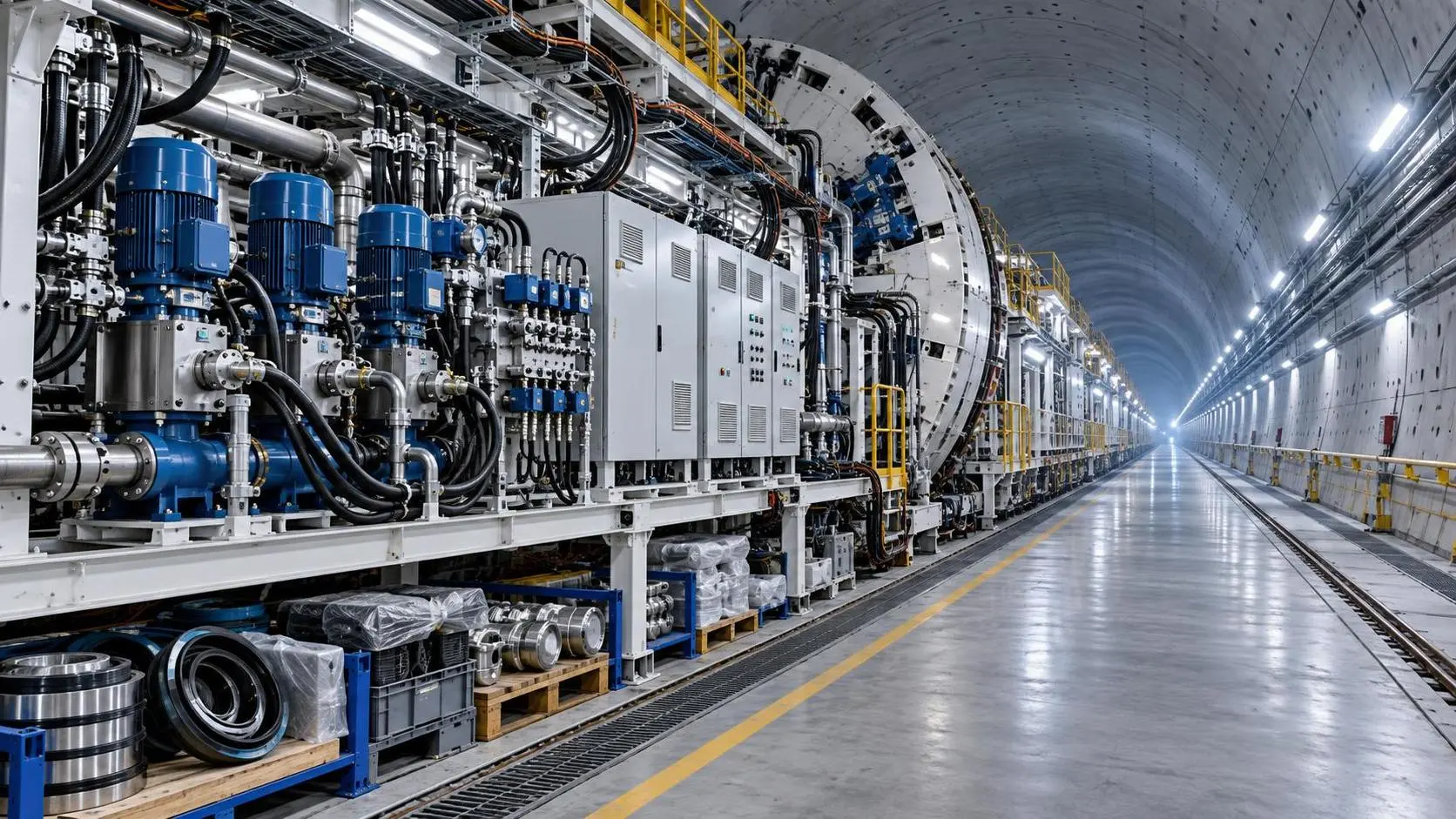
How to Specify TBM Backup System Parts for Reliable Long-Distance Tunnelling
TBM backup system parts: learn how to specify reliable spares for long-distance tunnelling, reduce downtime, ensure compatibility, and speed underground recovery.
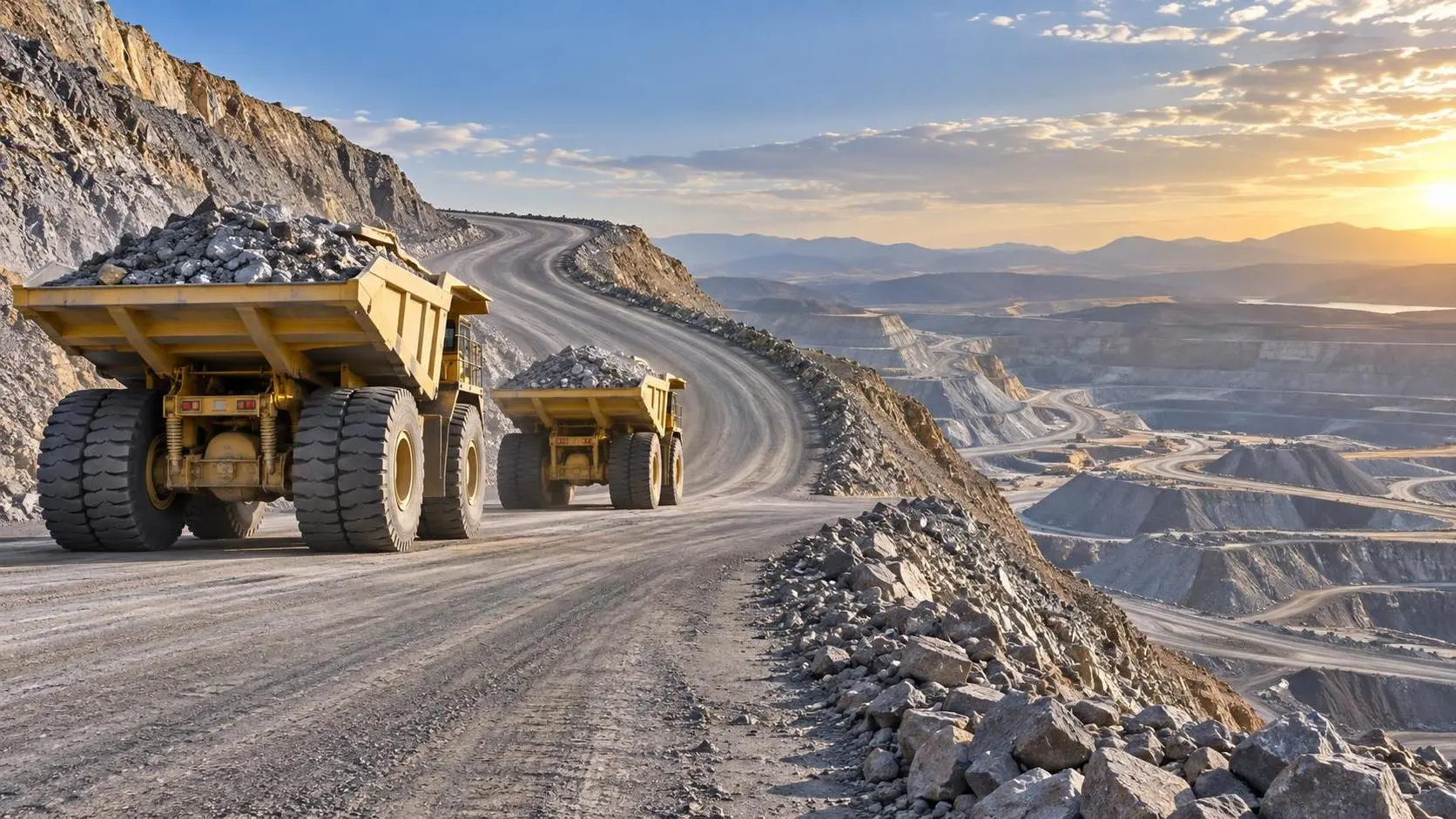
How to Size Open Pit Mining Trucks for Haul Distance, Grade, and Payload?
Open Pit Mining Trucks: learn how to match payload, haul distance, grade, road resistance, and loading capacity for safer, lower-cost mine operations.
Related News
- 00
0000-00
How to Evaluate European Drill-and-Blast Tunnelling Contractors for Complex Projects - 00
0000-00
Which Trenchless Construction Technique Fits Your Utility Crossing Conditions? - 00
0000-00
What Is Driving Metro Tunnelling Demand Across Southeast Asia’s Major Cities? - 00
0000-00
Hard Rock Tunnelling in Australia: Selecting Methods for Variable Ground Conditions - 00
0000-00
Hydropower Tunnel Excavation: Selecting Methods for Variable Rock Conditions
Weekly Insights
Stay ahead with our curated technology reports delivered every Monday.