
Smart Mines Implementation Guide: Steps, Systems, and ROI Checks





A Smart Mines implementation guide must do more than list technologies—it should help decision makers connect automation, electrification, underground connectivity, and fleet intelligence to measurable business outcomes. As mining operators face deeper deposits, tighter ESG targets, labor constraints, and rising equipment utilization pressure, the transition to smart mines requires a phased roadmap, validated systems architecture, and disciplined ROI checks. This guide outlines the practical steps enterprises can use to reduce operational risk, prioritize high-impact investments, and build scalable underground mining operations ready for the next decade.
What Should a Smart Mines Implementation Guide Solve First?
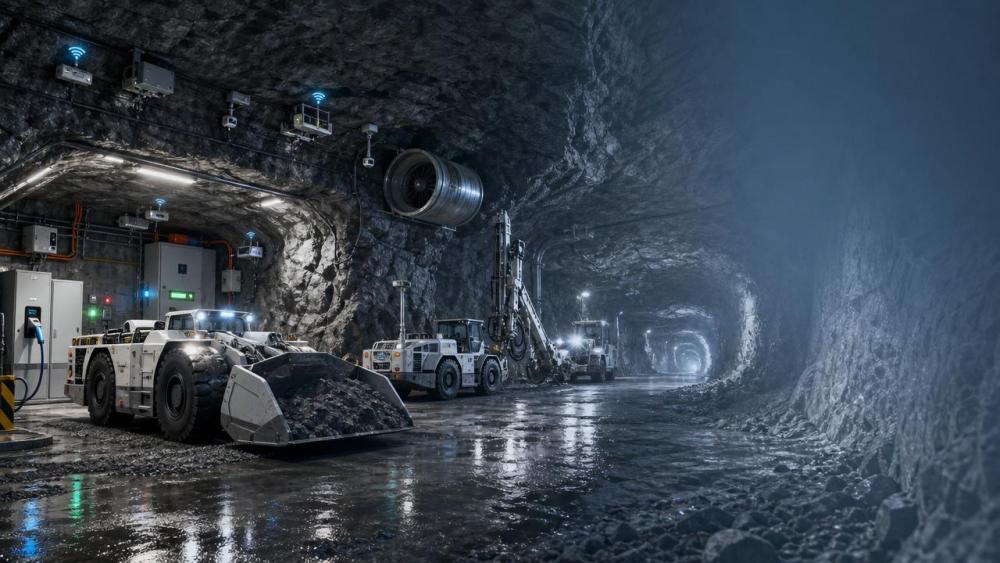
For enterprise decision makers, the first issue is not whether smart mining technology is attractive. The real question is which systems reduce production risk, improve safety, and pay back within a realistic capital cycle.
A practical Smart Mines implementation guide starts with operational constraints: depth, ventilation cost, fleet availability, orebody variability, network coverage, and the ability of people to operate digital systems under pressure.
The core decision areas
- Production continuity: automation should stabilize drilling, loading, hauling, crushing, and backfill coordination instead of creating fragile isolated pilots.
- Fleet utilization: underground LHD loaders, drilling jumbos, mining trucks, and auxiliary vehicles must be tracked by working time, queue time, and maintenance status.
- Energy transition: battery-electric machines, charging bays, trolley-assist options, and ventilation-on-demand must be evaluated together.
- Data governance: production data, equipment health data, geological models, and safety events need consistent ownership and integration rules.
UTMD views smart mines through the same lens used for TBM, trenchless engineering, and underground transport intelligence: the machine, the rock, and the control system must be understood as one operating environment.
Which Mine Scenarios Justify Early Smart Mine Investment?
Not every mine should begin with full autonomy. The strongest business cases usually appear where safety exposure, ventilation cost, haulage distance, or equipment congestion already limits production performance.
The following comparison helps executives use a Smart Mines implementation guide to match investment priority with operational pressure rather than vendor presentation strength.
The table shows why a staged approach matters. Deep mines often gain first from safety and ventilation improvements, while surface fleets may justify electrification through energy recovery and maintenance economics.
How to Build the Systems Architecture Without Creating Data Islands
A strong Smart Mines implementation guide treats architecture as a business control issue. If mine planning, fleet dispatch, equipment health, and safety platforms cannot exchange reliable data, automation value remains limited.
Architecture layers executives should validate
- Field equipment layer: sensors, PLCs, cameras, battery management systems, hydraulic monitoring, drilling control systems, and onboard edge computers.
- Connectivity layer: leaky feeder, private LTE, 5G, Wi-Fi 6, fiber backbone, and failover design for active headings and haulage levels.
- Operational applications: fleet management, collision avoidance, remote operation stations, maintenance planning, digital shift handover, and ventilation control.
- Enterprise layer: ERP, asset management, ESG reporting, energy management, procurement planning, and production reconciliation.
Underground conditions complicate everything. Rock mass geometry, water inflow, dust, heat, and electromagnetic interference can all affect sensing accuracy and communications reliability.
UTMD’s intelligence approach links heavy machinery behavior with underground infrastructure constraints, including SLAM for LHD navigation, regenerative braking analysis, and TBM-style systems integration thinking.
Step-by-Step Roadmap for Smart Mine Deployment
Implementation should not start with a technology shopping list. It should start with baseline measurement, risk ranking, and a pilot design that can scale beyond one level or one fleet.
The roadmap below can be used as a management checklist when applying a Smart Mines implementation guide across brownfield or greenfield projects.
This sequence reduces the risk of paying for automation before the mine can support it. It also helps procurement teams separate essential infrastructure from optional functionality.
Procurement Criteria: What Should Decision Makers Ask Vendors?
Procurement teams often compare purchase price too early. For smart mines, lifecycle value depends on interoperability, uptime support, software maturity, battery logistics, and the ability to train operators quickly.
Key questions before issuing an order
- Can the equipment interface with existing fleet management, mine planning, maintenance, and reporting systems without locking data inside proprietary dashboards?
- What underground network performance is required for remote operation, autonomous tramming, video feeds, and safety alerts?
- How are battery charging, swapping, fire risk controls, and emergency response procedures designed for confined spaces?
- Which spare parts, software licenses, onboard sensors, and support services are included in the total cost of ownership?
- What proof is available from comparable geology, gradient, temperature, payload, and duty cycle conditions?
A Smart Mines implementation guide should therefore support procurement conversations with measurable conditions. “Autonomous ready” is not enough; the mine needs verifiable operating envelopes.
Technical Parameters and ROI Metrics Worth Tracking
Smart mine investment becomes defensible when operational metrics are linked to financial outcomes. The best parameters are specific enough to change management behavior and robust enough for board review.
Use the following parameter set as a practical ROI checkpoint when comparing automation, electrification, and connectivity investments.
ROI should be reviewed as a portfolio, not as isolated equipment savings. A battery LHD may generate value through lower heat, reduced ventilation, safer remote loading, and higher utilization.
Compliance, Safety, and Cybersecurity Checks Enterprises Cannot Skip
Smart mines combine operational technology, mobile equipment, energy storage, wireless networks, and safety-critical control. That makes compliance broader than machine certification alone.
Practical compliance focus areas
- Functional safety: review emergency stop architecture, collision avoidance logic, human-machine interfaces, and fail-safe behavior for autonomous equipment.
- Electrical and battery safety: assess charging zones, thermal management, isolation monitoring, fire suppression, and rescue procedures.
- Cybersecurity: apply recognized OT practices, including segmentation, access control, patch governance, logging, and supplier remote access rules.
- Workforce authorization: define who can supervise autonomous equipment, override control systems, approve route changes, and maintain digital records.
Internationally referenced frameworks such as ISO 45001 for occupational health and safety, ISO 14001 for environmental management, and IEC 62443 for industrial cybersecurity can guide internal checks.
Local mining regulations and site-specific risk assessments remain decisive. A responsible Smart Mines implementation guide should help align technology deployment with those obligations from the beginning.
Common Mistakes That Delay Smart Mine ROI
Many projects underperform because they treat smart mining as a digital overlay. In reality, automation changes work methods, maintenance planning, network requirements, and capital allocation.
Risks to control before scale-up
- Buying autonomous machines before confirming route quality, berm design, communication coverage, and control room operating procedures.
- Ignoring battery logistics, then discovering charging queues, insufficient electrical capacity, or incompatible shift patterns.
- Collecting telemetry without cleaning data definitions for delay codes, payload events, maintenance alarms, and operator interventions.
- Underestimating change management, especially when experienced operators need to transition into remote supervision and exception handling roles.
The cure is disciplined scope control. Start with a use case that affects a measurable bottleneck, then expand only after the mine can prove repeatable operating results.
FAQ: Smart Mines Implementation Guide for Executive Teams
How long does a smart mine implementation usually take?
A targeted pilot can often be structured within several months after baseline data and network surveys are complete. Full operational scale-up usually depends on fleet renewal timing, infrastructure readiness, and workforce training.
Should a mine start with automation or electrification?
The answer depends on the bottleneck. If diesel heat and ventilation cost dominate, electrification may lead. If re-entry delays and operator exposure dominate, remote or autonomous operation may deliver earlier value.
What is the biggest hidden cost in smart mine projects?
The hidden cost is often integration. Network upgrades, data cleansing, maintenance workflow redesign, control room staffing, and supplier interface work can be as important as the machine purchase.
How should executives compare different vendors?
Compare vendors against your geology, duty cycle, gradient, communications environment, support model, and data access requirements. A strong Smart Mines implementation guide evaluates operating fit, not brochures.
Why Choose UTMD for Smart Mine Intelligence and Decision Support?
UTMD helps enterprises connect underground machinery, rock dynamics, automation, electrification, and commercial timing into decision-ready intelligence. Our perspective spans TBM systems, pipe jacking equipment, drilling jumbos, mining trucks, and underground LHD loaders.
For decision makers, this means a Smart Mines implementation guide can be supported by practical analysis of equipment replacement demand, SLAM navigation trends, EV haulage economics, and zero-emission underground operations.
Consultation topics we can help clarify
- Parameter confirmation for underground LHD, drilling jumbo, EV haul truck, network, charging, and control room requirements.
- System selection between remote operation, autonomous tramming, fleet telemetry, ventilation-on-demand, and electrified haulage options.
- Implementation sequencing, supplier evaluation, delivery-cycle planning, and brownfield integration risk review.
- Compliance discussion for safety management, battery deployment, OT cybersecurity, ESG reporting, and site-specific approval processes.
- Commercial insight for quotation comparison, lifecycle cost assumptions, pilot scope design, and board-level ROI presentation.
If your enterprise is preparing a smart mine pilot, fleet electrification plan, or underground automation roadmap, contact UTMD to discuss parameters, selection logic, delivery constraints, customization needs, and quotation evaluation with sector-focused intelligence.
Related News
How to Evaluate European Drill-and-Blast Tunnelling Contractors for Complex Projects
Drill and blast tunnelling contractors Europe: learn how to assess geology expertise, blast control, equipment reliability, safety, and programme resilience for complex projects.
Which Trenchless Construction Technique Fits Your Utility Crossing Conditions?
Trenchless construction techniques compared for utility crossings: choose HDD, microtunnelling, pipe jacking, or auger boring based on ground, accuracy, access, and risk.
What Is Driving Metro Tunnelling Demand Across Southeast Asia’s Major Cities?
Metro tunnelling Southeast Asia is accelerating as major cities tackle congestion, flooding, and connectivity. Explore the market forces, technical risks, and opportunities shaping demand.
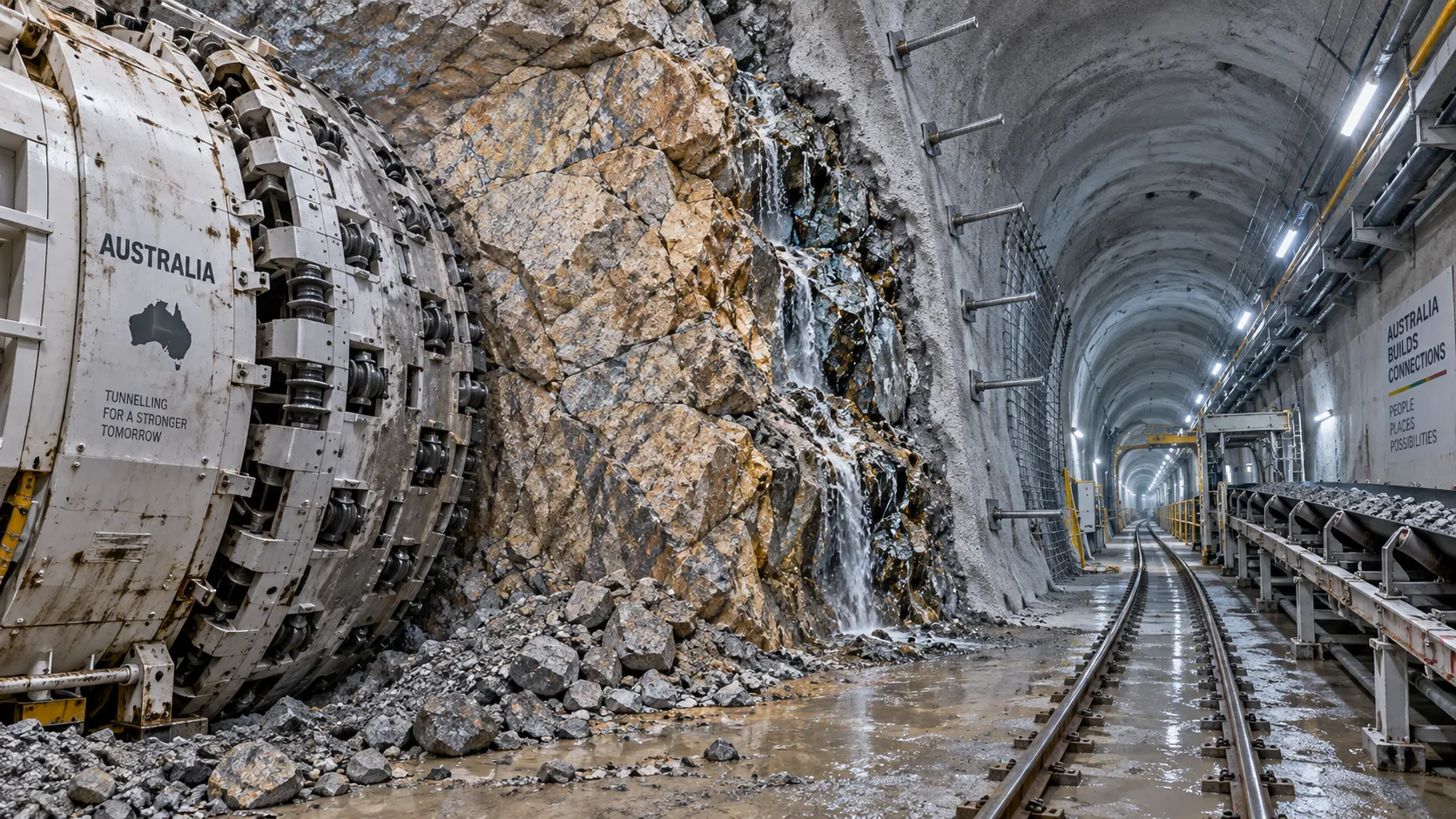
Hard Rock Tunnelling in Australia: Selecting Methods for Variable Ground Conditions
Hard rock tunnelling in Australia: compare TBM, drill-and-blast and hybrid methods to manage variable ground, reduce risk and protect project costs.
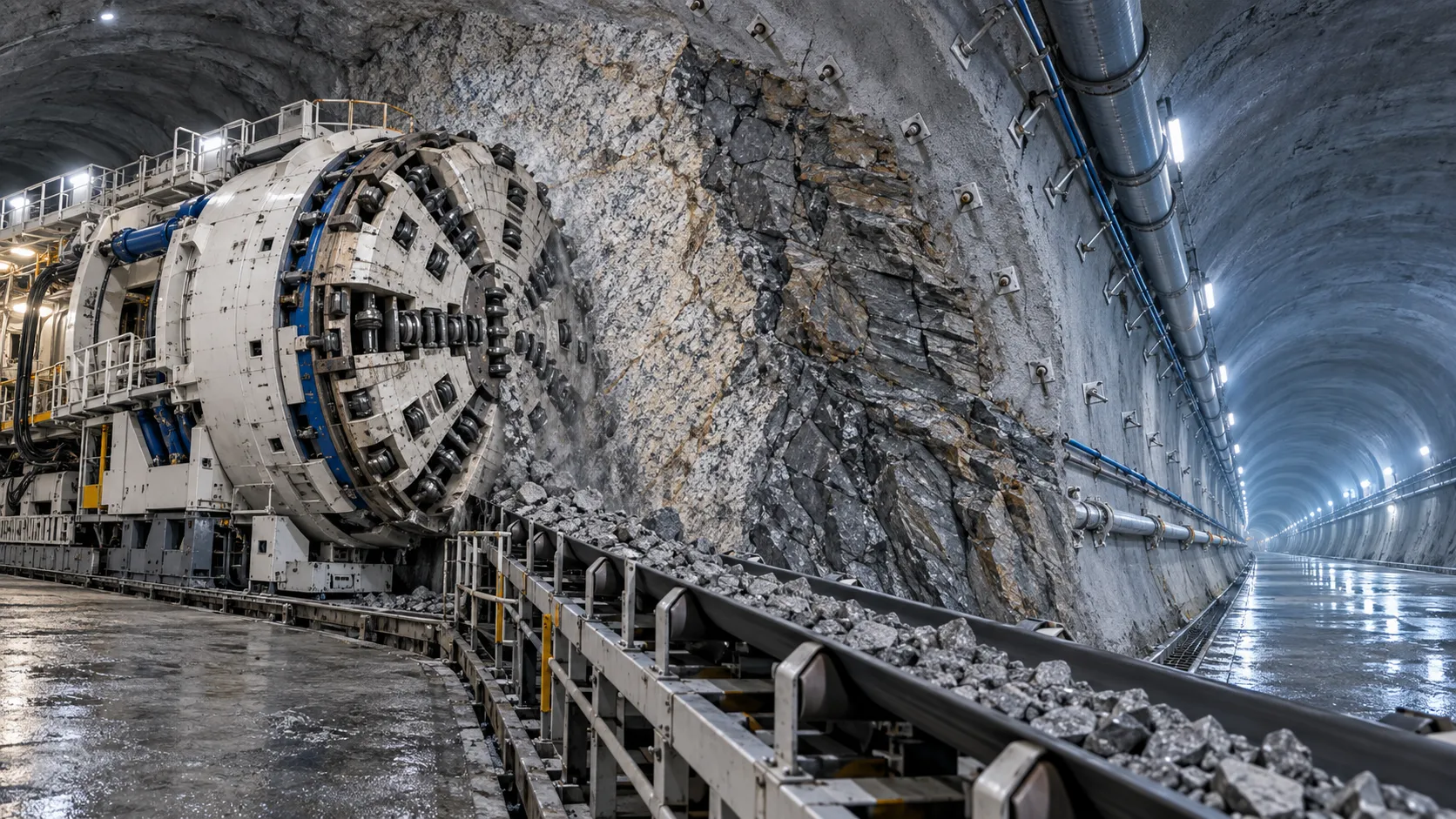
Hydropower Tunnel Excavation: Selecting Methods for Variable Rock Conditions
Hydropower tunnel excavation methods for variable rock conditions: compare TBM, drill-and-blast, and hybrid strategies to improve safety, progress, and project control.
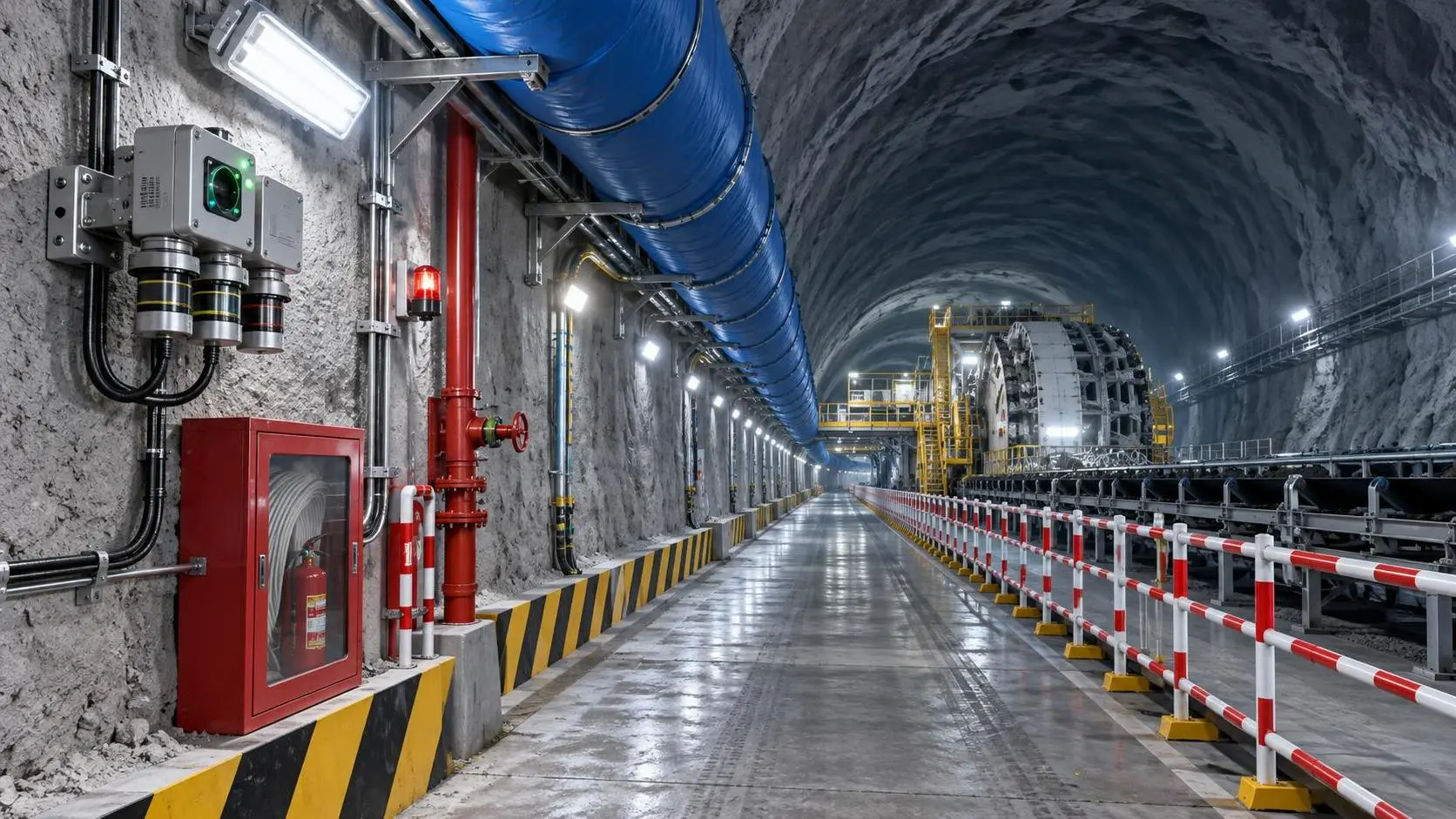
How to Select Underground Safety Equipment for Tunnelling by Hazard and Work Zone
Underground Safety Equipment for tunnelling: match protection to hazards, work zones, compliance, and emergency needs with this practical selection guide.
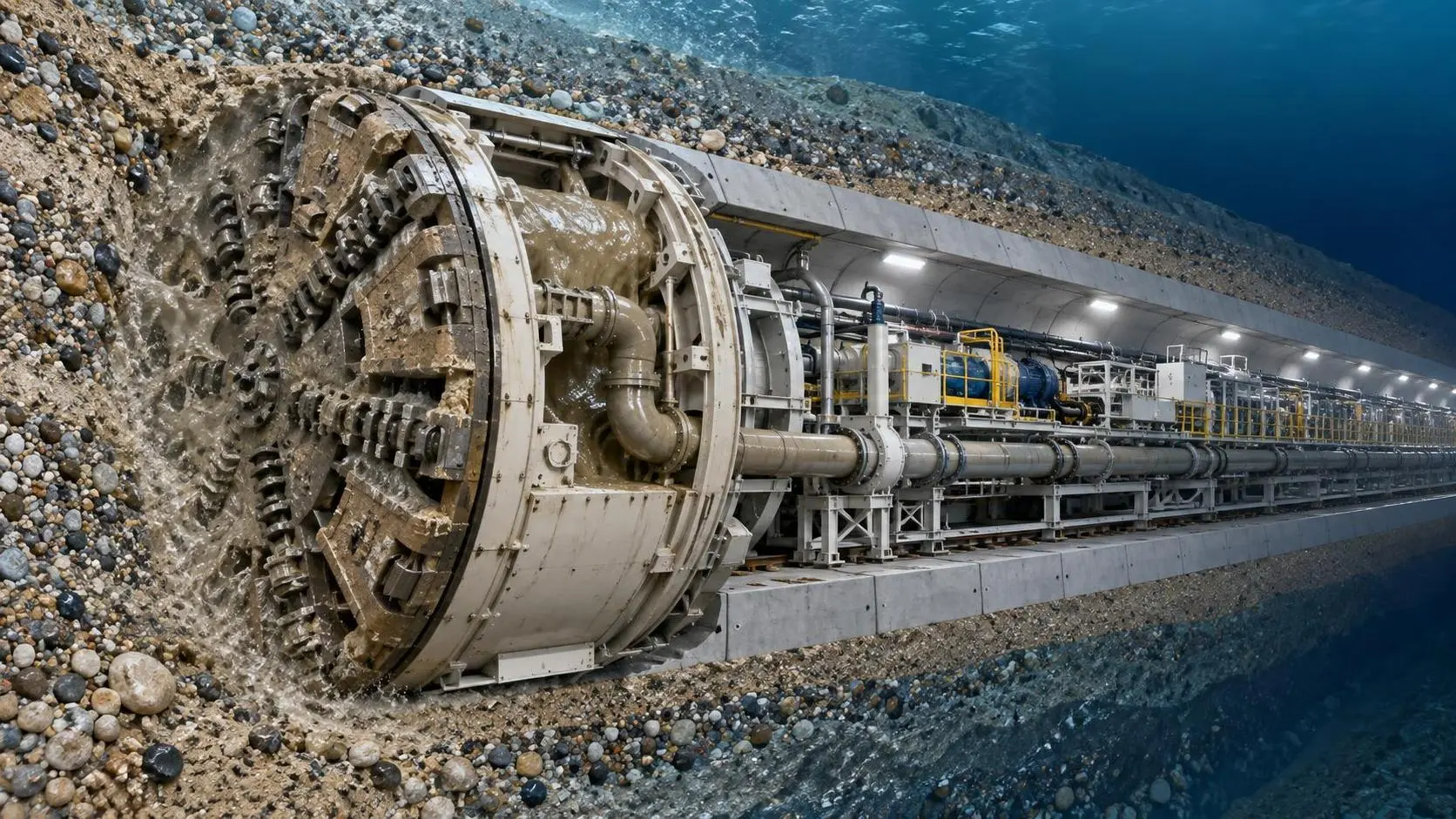
EPB or Slurry Shield? Selecting Soft-Ground Tunnelling Equipment by Soil Conditions
Tunnel Excavation Equipment for soft ground: compare EPB and slurry shields by soil, groundwater, settlement risk, and project logistics to choose confidently.
How to Specify TBM Backup System Parts for Reliable Long-Distance Tunnelling
TBM backup system parts: learn how to specify reliable spares for long-distance tunnelling, reduce downtime, ensure compatibility, and speed underground recovery.

How to Size Open Pit Mining Trucks for Haul Distance, Grade, and Payload?
Open Pit Mining Trucks: learn how to match payload, haul distance, grade, road resistance, and loading capacity for safer, lower-cost mine operations.
Related News
- 00
0000-00
How to Evaluate European Drill-and-Blast Tunnelling Contractors for Complex Projects - 00
0000-00
Which Trenchless Construction Technique Fits Your Utility Crossing Conditions? - 00
0000-00
What Is Driving Metro Tunnelling Demand Across Southeast Asia’s Major Cities? - 00
0000-00
Hard Rock Tunnelling in Australia: Selecting Methods for Variable Ground Conditions - 00
0000-00
Hydropower Tunnel Excavation: Selecting Methods for Variable Rock Conditions
Weekly Insights
Stay ahead with our curated technology reports delivered every Monday.