
Which Underground Construction Equipment Supplier Fits Best?





Choosing the right Underground Construction Equipment supplier is no longer just a price comparison—it is a strategic decision that affects project safety, excavation efficiency, emissions compliance, and long-term asset utilization.
For TBMs, pipe jacking machines, drilling jumbos, underground LHD loaders, and mining dump trucks, the best partner must combine reliability, digital intelligence, service strength, and lifecycle transparency.
This guide explains how to compare each Underground Construction Equipment supplier with a practical checklist, scenario logic, and risk controls for tunnelling, trenchless, and smart mining projects.
Why a Checklist Matters When Selecting an Underground Construction Equipment Supplier
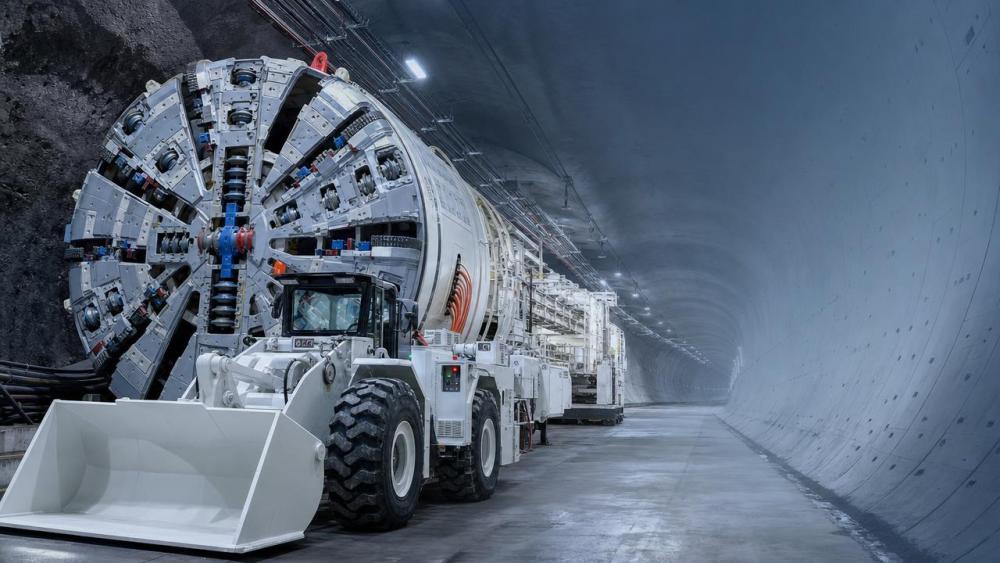
Underground projects operate under pressure, groundwater, gas, hard rock, limited ventilation, and tight schedules. Equipment failure can stop an entire tunnel or mine production chain.
A checklist turns supplier selection into an auditable process. It helps compare technical capability, delivery certainty, service coverage, and operating cost without relying on brochures alone.
The strongest Underground Construction Equipment supplier usually proves performance through field data, rock mechanics knowledge, automation maturity, spare parts planning, and transparent commissioning responsibility.
The weakest option often looks attractive at purchase stage, then becomes costly through downtime, cutter overuse, software gaps, poor training, or delayed technical support.
Core Checklist for Comparing an Underground Construction Equipment Supplier
Use this checklist before final technical scoring, commercial negotiation, or framework agreement approval.
- Verify proven references in similar geology, tunnel diameter, mine depth, gradient, payload demand, ventilation limits, and production intensity.
- Confirm that the Underground Construction Equipment supplier can model cutter wear, torque demand, muck removal, tramming cycles, and energy consumption realistically.
- Assess whether the supplier offers integrated mechanical, hydraulic, electrical, sensing, and control engineering rather than assembled components without system responsibility.
- Require clear documentation for safety systems, emergency recovery, fire suppression, battery isolation, brake redundancy, and confined-space emissions compliance.
- Check digital readiness, including remote diagnostics, machine health dashboards, production analytics, SLAM navigation, 5G control, and cybersecurity protocols.
- Demand lifecycle cost data covering cutters, ground support tools, batteries, tires, filters, hydraulic parts, software licenses, and overhaul intervals.
- Evaluate spare parts strategy by asking for stocking locations, lead times, critical component lists, consignment options, and emergency logistics procedures.
- Test training depth through simulator access, operator certification, maintenance manuals, troubleshooting cases, and on-site coaching during ramp-up.
- Review contract clauses for performance guarantees, availability targets, liquidated damages, warranty exclusions, commissioning criteria, and data ownership rights.
- Compare upgrade paths for electrification, autonomous driving, battery swapping, regenerative braking, predictive maintenance, and fleet management integration.
A qualified Underground Construction Equipment supplier should welcome detailed questions. Reluctance to provide operating evidence is a warning sign.
Technical Fit: Match Supplier Strength to Application
TBM and Mega-Tunnel Projects
For full-face tunnel boring, supplier competence must go beyond steel fabrication. Disc cutter layout, main bearing durability, torque control, and segment handling define productivity.
The right Underground Construction Equipment supplier should interpret geological reports and propose cutterhead design, muck conditioning, gripper logic, and backup system configuration.
Hard rock requires attention to cutter consumption and vibration. Mixed ground requires face stability, chamber pressure, sealing reliability, and quick response to changing strata.
Pipe Jacking and Trenchless Urban Works
Urban trenchless projects value precision, low disturbance, and compact mobilization. Steering accuracy and settlement control often matter more than headline power.
A capable Underground Construction Equipment supplier should provide jacking force calculations, lubrication planning, guidance system support, and risk plans for utilities and sensitive roads.
Drill-and-Blast Tunnels and Underground Mines
Drilling jumbos must deliver accurate hole patterns, boom stability, hydraulic impact efficiency, and reliable automation in harsh heading conditions.
Choose an Underground Construction Equipment supplier that understands bolting cycles, blast design interfaces, face mapping, drill bit economics, and maintenance access underground.
LHD Loaders and Mining Dump Trucks
Battery-electric LHD loaders and mining trucks change mine planning. Charging, swapping, regenerative braking, cooling, and traffic control must be evaluated together.
The preferred Underground Construction Equipment supplier should calculate haul profiles, payload cycles, downhill energy recovery, charger placement, and autonomous fleet readiness.
Commercial and Service Checks That Affect Real Cost
Purchase price is only the opening number. Real cost includes availability, energy, consumables, rescue time, operator learning curve, and component replacement.
When comparing an Underground Construction Equipment supplier, request a five-year cost model. Include utilization assumptions, standby cost, major overhaul timing, and warranty boundaries.
A serious Underground Construction Equipment supplier can defend its numbers with field records. Generic promises should not replace project-specific calculations.
Commonly Ignored Risks in Supplier Selection
Ignoring Geology-Specific Wear
Rock abrasivity, quartz content, jointing, groundwater, and pressure influence cutterhead life, drill bit demand, and hydraulic stress. Generic productivity estimates are risky.
Underestimating Electrification Infrastructure
Battery equipment needs chargers, ventilation review, fire controls, grid capacity, and traffic planning. The Underground Construction Equipment supplier should support infrastructure design.
Treating Automation as a Plug-In Feature
Autonomous tramming, remote drilling, and TBM data systems depend on sensors, maps, communications, maintenance discipline, and operational change management.
Accepting Weak Local Service Coverage
Underground equipment cannot wait for slow technical escalation. Service response, language capability, parts access, and field engineering depth must be verified.
Overlooking Data Ownership
Machine data reveals productivity, geology, maintenance status, and fleet behavior. Contracts should define access rights, retention, export formats, and cybersecurity duties.
Practical Execution Plan for Shortlisting Suppliers
Start with technical qualification, not price ranking. Remove any Underground Construction Equipment supplier that lacks references, service commitment, safety documentation, or lifecycle cost logic.
- Build a weighted scorecard covering geology fit, equipment reliability, emissions compliance, automation maturity, parts support, and commissioning capability.
- Request project-specific simulations for advance rate, haulage cycles, battery endurance, cutter replacement, and expected maintenance windows.
- Visit operating sites or review verified production logs before accepting performance claims from any Underground Construction Equipment supplier.
- Run a technical clarification meeting focused on failure modes, recovery steps, software limitations, and spare parts escalation routes.
- Negotiate service-level terms that define response time, remote support access, on-site staffing, training deliverables, and performance reporting.
- Align payment milestones with design approval, factory acceptance testing, delivery, commissioning, availability demonstration, and final documentation handover.
This process makes supplier comparison evidence-based. It also prevents late surprises during mobilization, shaft lowering, tunnel launch, or mine production ramp-up.
Which Underground Construction Equipment Supplier Fits Best?
The best Underground Construction Equipment supplier fits the project’s geology, production model, environmental limits, and digital roadmap. No single brand is best everywhere.
For deep hard-rock tunnels, prioritize cutterhead engineering, bearing reliability, thrust control, and field-proven advance rates. For urban trenchless work, prioritize steering and settlement control.
For smart mines, prioritize battery safety, autonomous readiness, fleet analytics, haulage efficiency, and maintenance accessibility. Service strength should weigh heavily in all cases.
A reliable Underground Construction Equipment supplier should explain trade-offs clearly. Strong answers include operating data, engineering assumptions, spare parts plans, and responsible warranty language.
Conclusion and Action Guide
Selecting an Underground Construction Equipment supplier is a long-term infrastructure decision. The right partner reduces stoppages, improves safety, supports ESG goals, and protects asset utilization.
Before commitment, compare suppliers through geology fit, lifecycle cost, digital capability, service depth, safety systems, and upgrade potential.
Use verified field evidence, not only catalog specifications. Ask for calculations, references, training plans, and response commitments tied to actual operating conditions.
The next step is to create a project-specific scorecard and require every Underground Construction Equipment supplier to answer the same technical and commercial checklist.
Related News
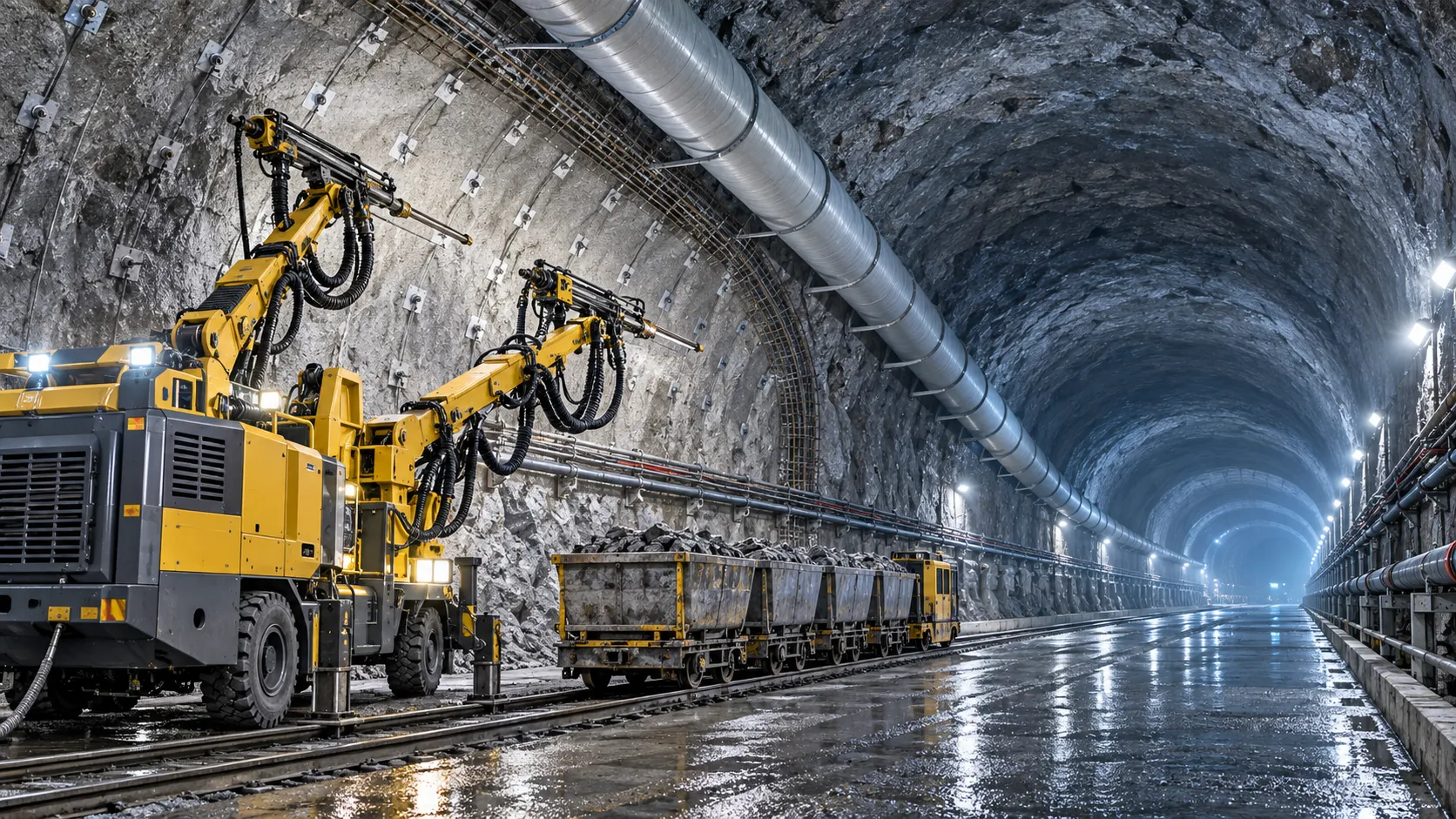
How to Evaluate European Drill-and-Blast Tunnelling Contractors for Complex Projects
Drill and blast tunnelling contractors Europe: learn how to assess geology expertise, blast control, equipment reliability, safety, and programme resilience for complex projects.
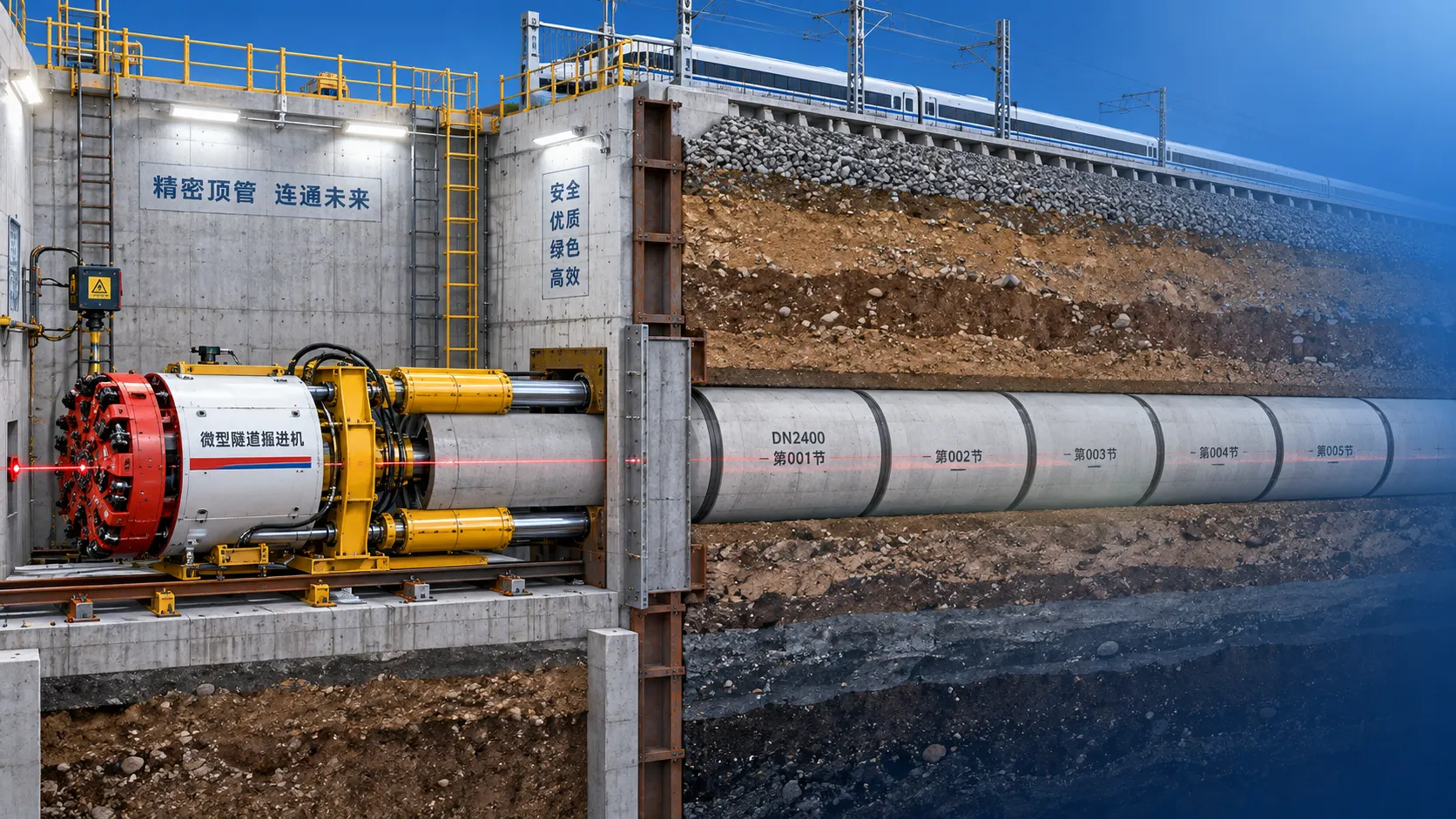
Which Trenchless Construction Technique Fits Your Utility Crossing Conditions?
Trenchless construction techniques compared for utility crossings: choose HDD, microtunnelling, pipe jacking, or auger boring based on ground, accuracy, access, and risk.
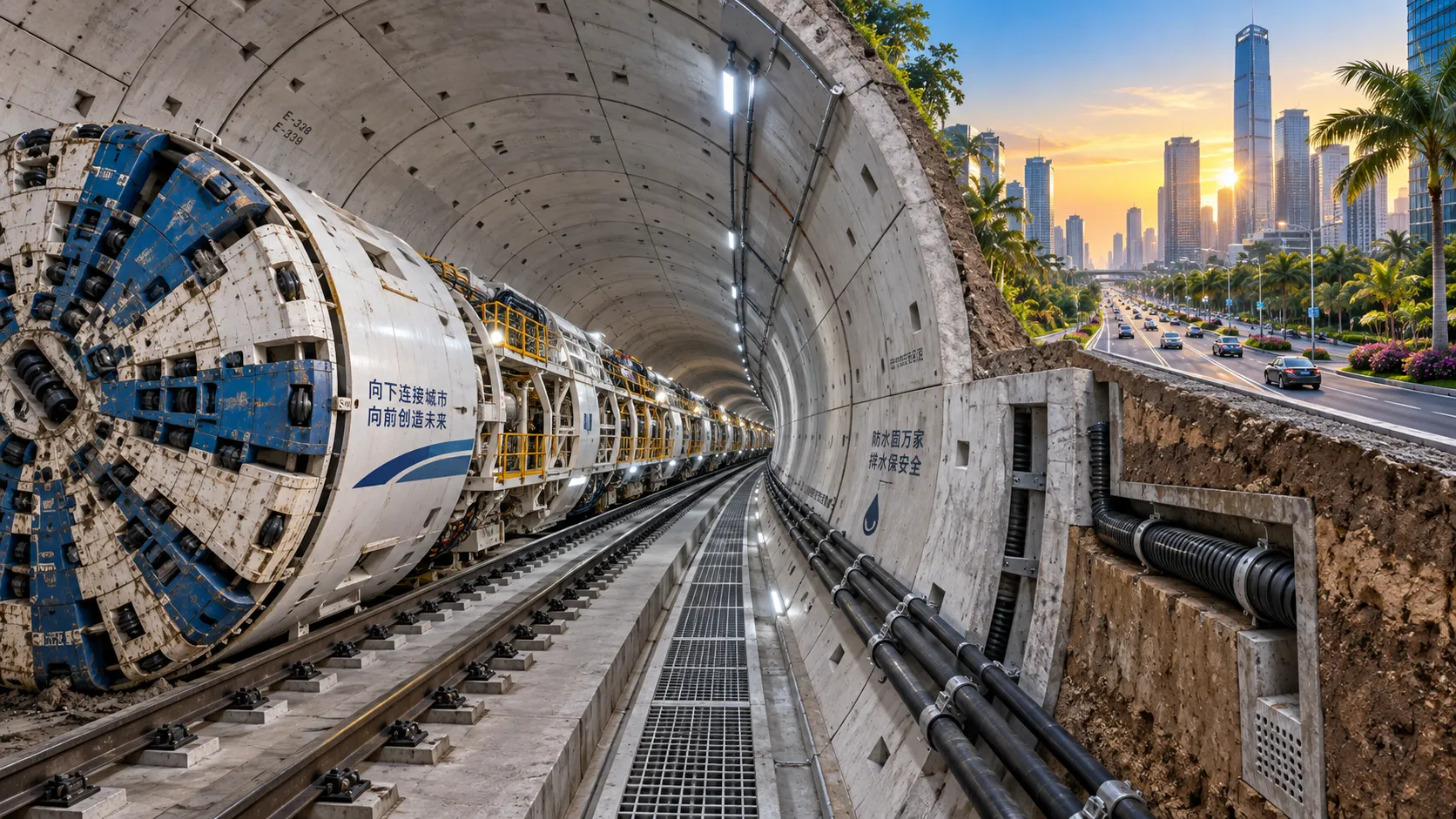
What Is Driving Metro Tunnelling Demand Across Southeast Asia’s Major Cities?
Metro tunnelling Southeast Asia is accelerating as major cities tackle congestion, flooding, and connectivity. Explore the market forces, technical risks, and opportunities shaping demand.
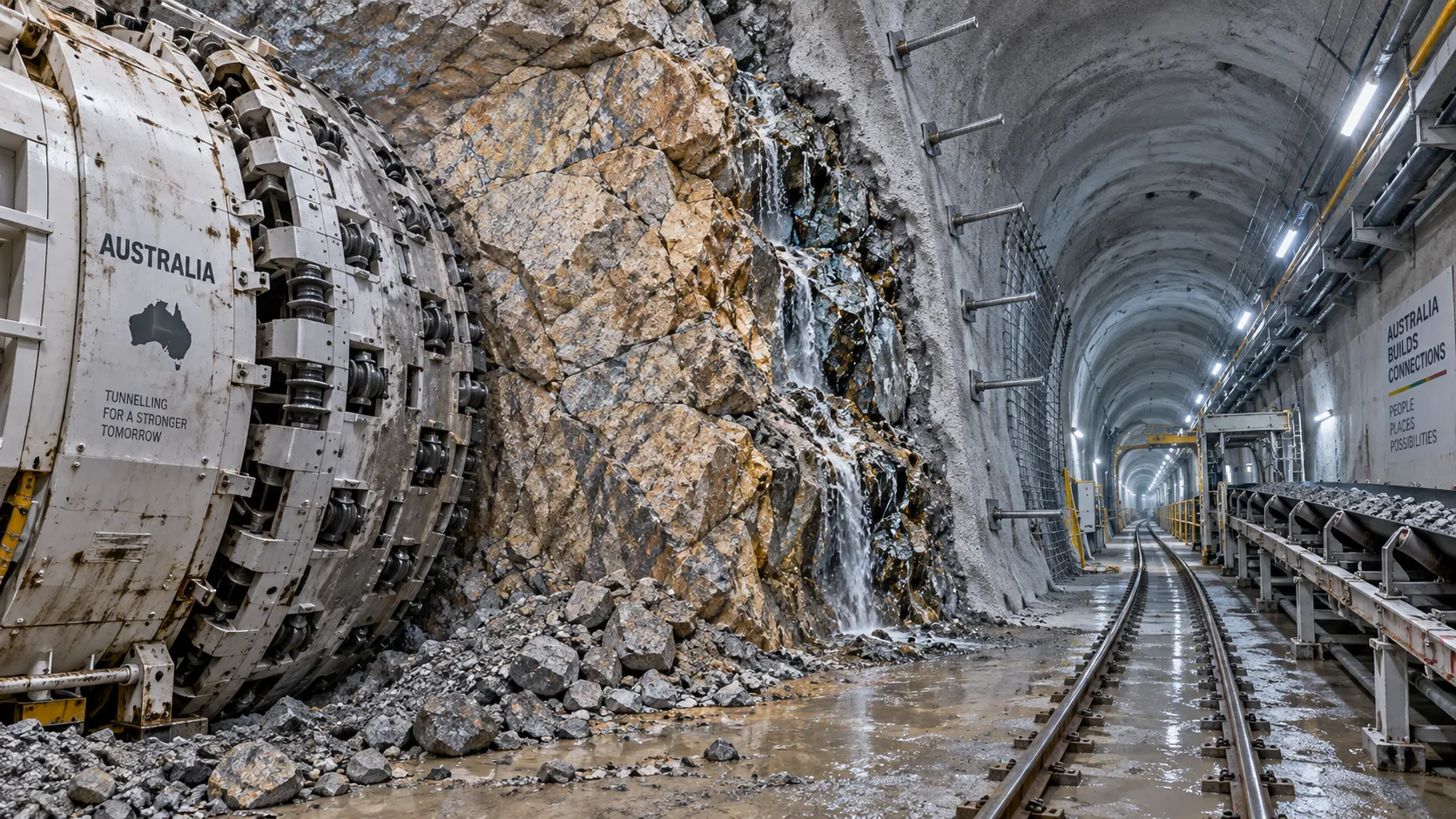
Hard Rock Tunnelling in Australia: Selecting Methods for Variable Ground Conditions
Hard rock tunnelling in Australia: compare TBM, drill-and-blast and hybrid methods to manage variable ground, reduce risk and protect project costs.
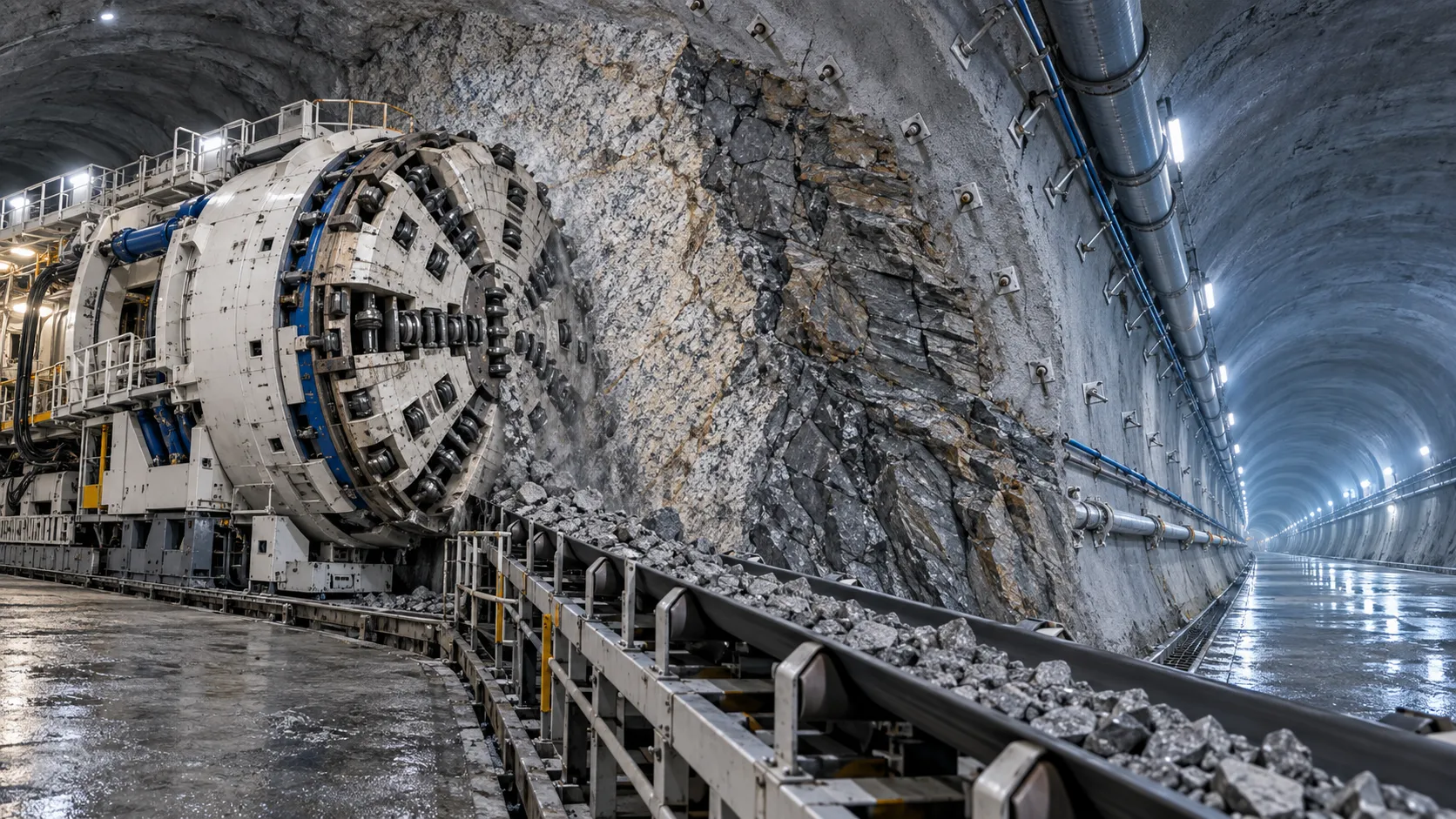
Hydropower Tunnel Excavation: Selecting Methods for Variable Rock Conditions
Hydropower tunnel excavation methods for variable rock conditions: compare TBM, drill-and-blast, and hybrid strategies to improve safety, progress, and project control.
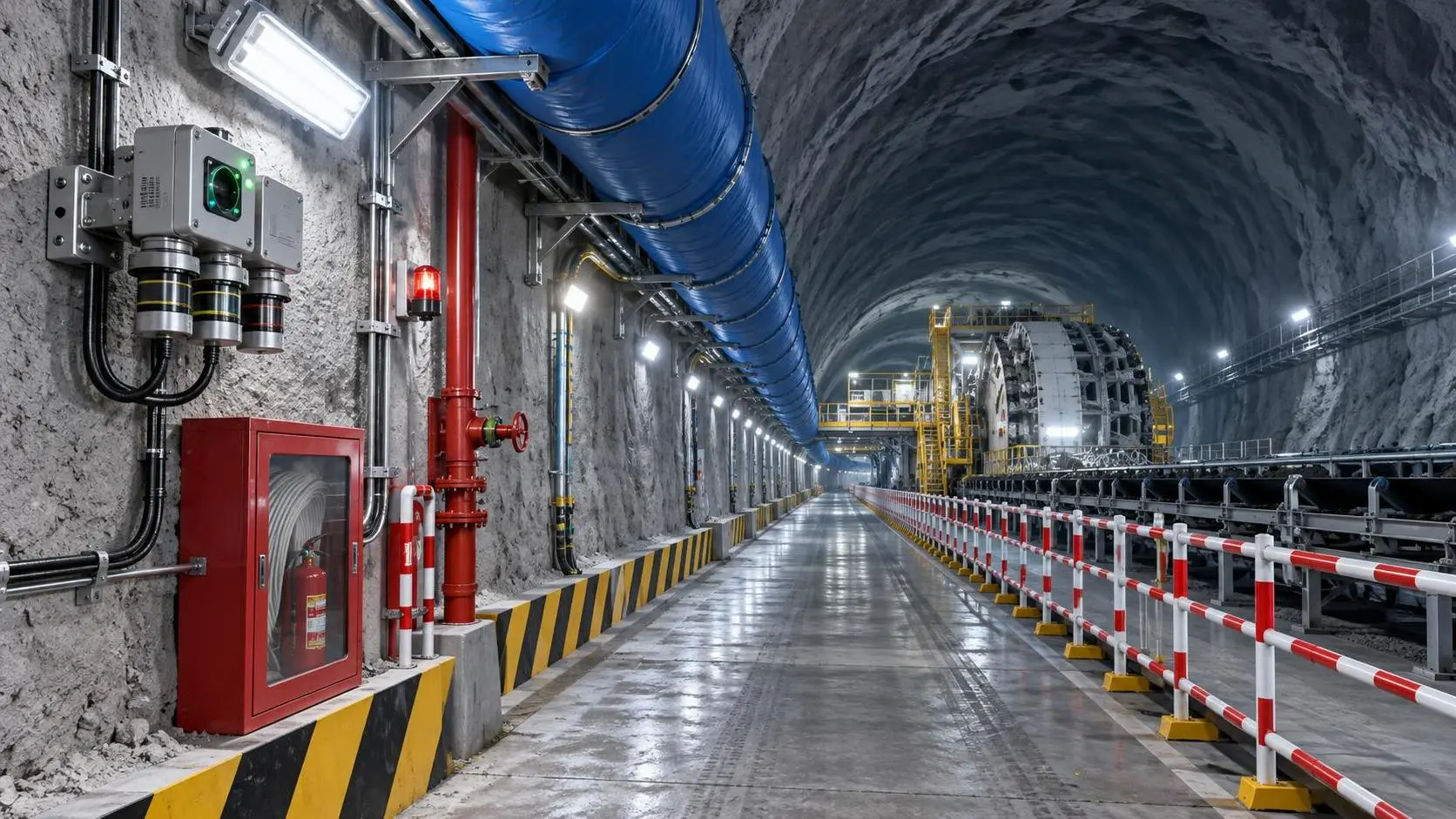
How to Select Underground Safety Equipment for Tunnelling by Hazard and Work Zone
Underground Safety Equipment for tunnelling: match protection to hazards, work zones, compliance, and emergency needs with this practical selection guide.
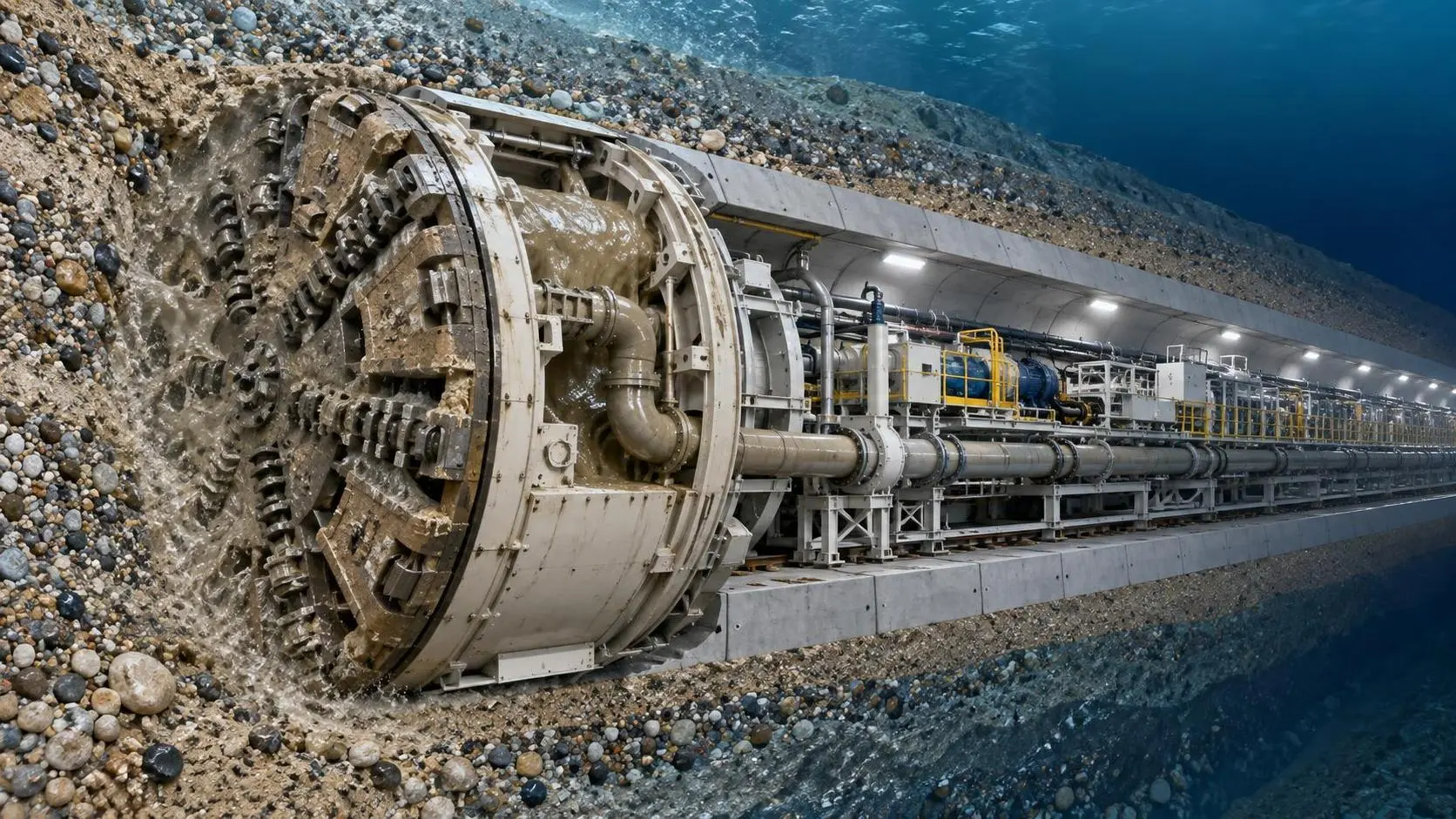
EPB or Slurry Shield? Selecting Soft-Ground Tunnelling Equipment by Soil Conditions
Tunnel Excavation Equipment for soft ground: compare EPB and slurry shields by soil, groundwater, settlement risk, and project logistics to choose confidently.
How to Specify TBM Backup System Parts for Reliable Long-Distance Tunnelling
TBM backup system parts: learn how to specify reliable spares for long-distance tunnelling, reduce downtime, ensure compatibility, and speed underground recovery.
How to Size Open Pit Mining Trucks for Haul Distance, Grade, and Payload?
Open Pit Mining Trucks: learn how to match payload, haul distance, grade, road resistance, and loading capacity for safer, lower-cost mine operations.
Related News
- 00
0000-00
How to Evaluate European Drill-and-Blast Tunnelling Contractors for Complex Projects - 00
0000-00
Which Trenchless Construction Technique Fits Your Utility Crossing Conditions? - 00
0000-00
What Is Driving Metro Tunnelling Demand Across Southeast Asia’s Major Cities? - 00
0000-00
Hard Rock Tunnelling in Australia: Selecting Methods for Variable Ground Conditions - 00
0000-00
Hydropower Tunnel Excavation: Selecting Methods for Variable Rock Conditions
Weekly Insights
Stay ahead with our curated technology reports delivered every Monday.