
Choosing a TBM Components Supplier: Lead Times, Quality and Compatibility





A TBM components supplier should be judged against the machine’s maintenance plan and the project’s tolerance for interruption. A low quotation has limited value if the component arrives after a planned intervention, lacks evidence of quality, or cannot be installed without modification. For a critical part, the strongest offer is the one that gives the buyer a credible delivery date, documented conformity and a clear route to technical approval.
The balance changes with the purchase. A frequently replaced cutter may call for dependable repeat deliveries and consistent wear performance; a main drive component may demand longer planning, deeper inspection and a carefully controlled repair or replacement strategy. Before comparing suppliers, procurement should establish what failure would mean for excavation and what information the engineering team needs to accept the part.
Start with the consequence of a missing component
Build the enquiry around the component’s role, not just its description. A cutter, seal, hydraulic assembly and electronic module can all stop work, but they differ in consumption rate, shelf life, interchangeability and the time needed to replace them. The same item can also have different procurement priority at different stages of a drive.
For each critical item, agree on four points with maintenance and operations: the quantity required for the work ahead, the latest usable delivery date, the stock already available and the practical consequences of a shortage. Include planned cutterhead inspections, maintenance windows and access constraints. A part that arrives after the machine has passed a suitable intervention point may be much less useful than its delivery date suggests.
Separate routine consumption from low-frequency, high-consequence failures. Consumables may justify a replenishment agreement with scheduled releases. A specialised bearing or drive component may justify an earlier order, a repairable spare or a reserved manufacturing slot. The choice depends on failure exposure, storage conditions, capital cost and whether a technically acceptable alternative can be obtained in time.
A risk-based list also makes supplier comparison more efficient. Buyers can ask for full technical and inspection evidence on components that could affect safety or stop excavation, while using a proportionate review for straightforward, lower-risk items.
Turn the quoted lead time into a delivery plan
Ask suppliers to define when their lead time starts and ends. An offer stating “delivery in 16 weeks” is difficult to use unless it identifies the starting event, the delivery location and the assumptions behind the date. Drawing approval, receipt of an advance payment, raw-material availability or agreement on inspection requirements may all affect the start of production.
Break the schedule into milestones that can be checked: technical approval, material procurement, manufacture, inspection, release and transport. Where relevant, include export formalities, customs clearance and delivery to the project’s designated receiving point. A factory dispatch date is not the same as availability at the tunnel site.
For a component on the critical path, ask what work has already been completed and what remains dependent on sub-suppliers. A supplier may hold raw material without holding a finished part; an item described as available may still require machining, testing or documentation before shipment. Confirm the exact part number, quantity, condition and location of any proposed stock.
Delivery confidence matters as much as the shortest quoted duration. A slightly longer schedule with identified capacity, inspection dates and a realistic transport plan may be easier to manage than an aggressive promise with no visible milestones. Seek written updates at agreed stages and define when a potential delay must be escalated.
For repeat orders, assess whether the supplier can support the required delivery pattern, not merely the first batch. If the project relies on scheduled releases, specify who holds the inventory, when ownership transfers, how changes in consumption are handled and what happens to unused stock at the end of the agreement.
Compatibility requires more than a matching part number
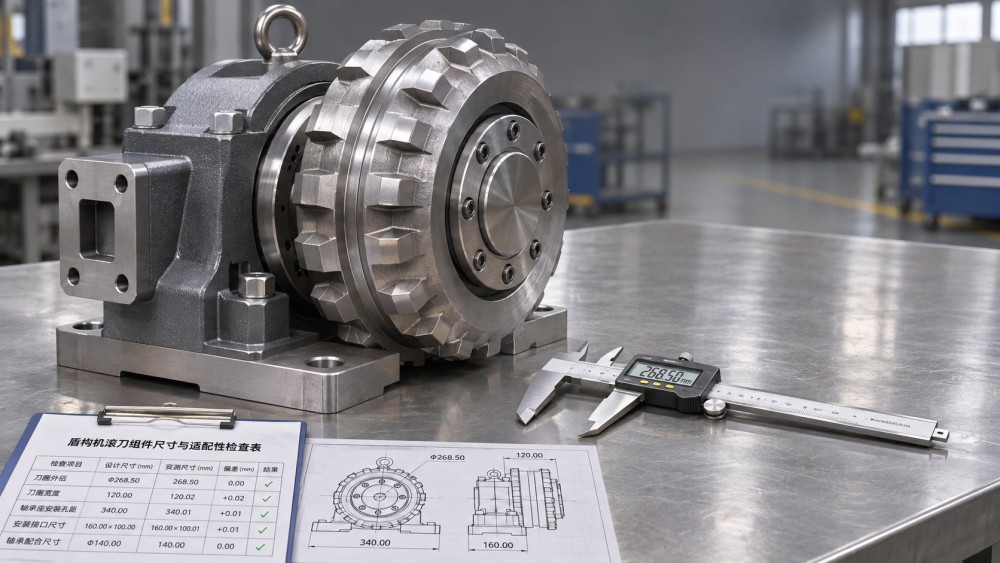
A part number is a useful starting point, but it may not capture machine modifications, revision changes or project-specific operating conditions. Procurement should provide the supplier with the controlled information needed to identify the component and should route the offer through the party responsible for technical acceptance.
Depending on the component, the enquiry may need the TBM model and serial number, assembly location, drawing and revision, dimensions, interface details, material requirements and relevant operating conditions. For an electrical or control component, hardware configuration and software or firmware compatibility may also matter. Use the latest approved records available to the project and protect any drawings subject to confidentiality or licensing restrictions.
Ask the supplier to identify any deviation from the specified part explicitly. A statement that an item is “equivalent” should be supported by a comparison against the requirements that matter for the application. External dimensions alone may not establish interchangeability: load capacity, sealing arrangement, mounting tolerances, pressure rating or control interfaces can determine whether a component performs safely in service.
For disc cutters, for example, the review may cover the cutter assembly and its interface with the cutterhead, as well as the expected ground conditions and maintenance approach. Cutter diameter by itself does not establish that a proposed assembly can be fitted or that its service behaviour will suit the drive. For a replacement seal, the review may need to consider the mating surfaces, pressure exposure, lubrication and installation method.
Alternative sourcing can be valuable when the original supply route is constrained, but approval should precede an urgent purchase wherever possible. Agree who will assess drawings, calculations, samples or inspection results, and who has authority to accept deviations. Check the implications for machine warranties and contractual responsibilities before installing an alternative component.
Ask for quality evidence that follows the part
A supplier’s quality system can indicate how work is controlled, but a certificate alone does not prove that the offered component meets the purchase specification. Define the evidence required for the particular item and the point at which it must be supplied. For a critical manufactured part, receiving the documentation only after dispatch can leave little opportunity to resolve a discrepancy without affecting the schedule.
A practical document request may include:
- Confirmation of the applicable drawing, revision, material specification and approved deviations.
- Material certificates and traceability to the supplied item, where specified.
- Dimensional inspection results for agreed critical features.
- Records of specified heat treatment, non-destructive examination or functional testing, where relevant.
- A certificate of conformity and identification of the manufacturer and manufacturing location.
The inspection and test plan should identify which checks the supplier performs, which records the buyer reviews and any stages that require a witness or hold point. Agree these requirements before placing the order: adding an inspection after manufacture has begun may be ineffective or may disrupt delivery. For complex assemblies, consider whether sub-supplier work needs the same visibility.
Traceability is useful only if the marks, serial numbers and documents can be connected. On receipt, the project team should be able to match the delivered component to the purchase order and its inspection package. Packaging and preservation requirements deserve the same attention for parts susceptible to corrosion, contamination or damage in storage.
Also ask how non-conformances will be handled. The purchase agreement should define who can approve a repair or deviation, what evidence is required and whether the supplier must notify the buyer before rework. An undocumented substitution may create a difficult acceptance decision when the part is already needed underground.
Compare the cost of a usable part at the point of need
Use a common comparison basis for quotations. Unit price should sit alongside freight, duties where applicable, inspection, packaging, installation support, spares and any tooling or engineering charges. Delivery terms should make clear which party bears transport cost and risk at each stage. If offers cover different scopes, normalise those differences before ranking them.
Availability has a cost as well. Holding a spare ties up money and may require controlled storage or periodic preservation, but waiting until failure can expose the project to emergency freight, schedule disruption and an expensive intervention. Estimate the consequence using the project’s own programme and commercial terms; avoid treating a generic downtime figure as a reliable substitute.
Consider the full replacement cycle for consumables. A lower purchase price may be offset by shorter service life or more frequent interventions, but a claimed improvement in life also needs a sound basis. Compare like-for-like operating conditions and ask what evidence supports the supplier’s performance claims. Ground conditions and machine operation can change the result, so purchasing decisions should allow for uncertainty rather than assume a fixed consumption rate.
For repairable assemblies, compare replacement with overhaul on a consistent scope. Establish what will be inspected, which parts will be renewed, what acceptance criteria apply and whether the quoted turnaround depends on the condition of the returned unit. A repair price that excludes major findings cannot be compared directly with a fixed-price replacement without accounting for that uncertainty.
Make the purchase order an acceptance document
Once the technical team has selected an acceptable offer, carry the agreed details into the purchase order and its referenced attachments. The order should identify the component and revision, quantity, approved deviations, required documentation, inspection points, delivery location and dates. Resolve any conflict between the supplier’s quotation and the project specification before the order is released.
For high-consequence items, agree a recovery process as well: the notice required for a delay, the information the supplier must provide, and the options for partial shipment, alternative routing or an approved substitute. A recovery plan cannot eliminate disruption, but it gives the project team time to adjust maintenance and logistics decisions.
The final choice should reflect the evidence available at the time of award. If two suppliers meet the technical requirements, the better decision may turn on a verified production slot, stronger traceability or a delivery arrangement that fits the intervention schedule. If compatibility or quality remains unresolved, a lower price is a reason to investigate the gap before committing, not a substitute for closing it.
Related News
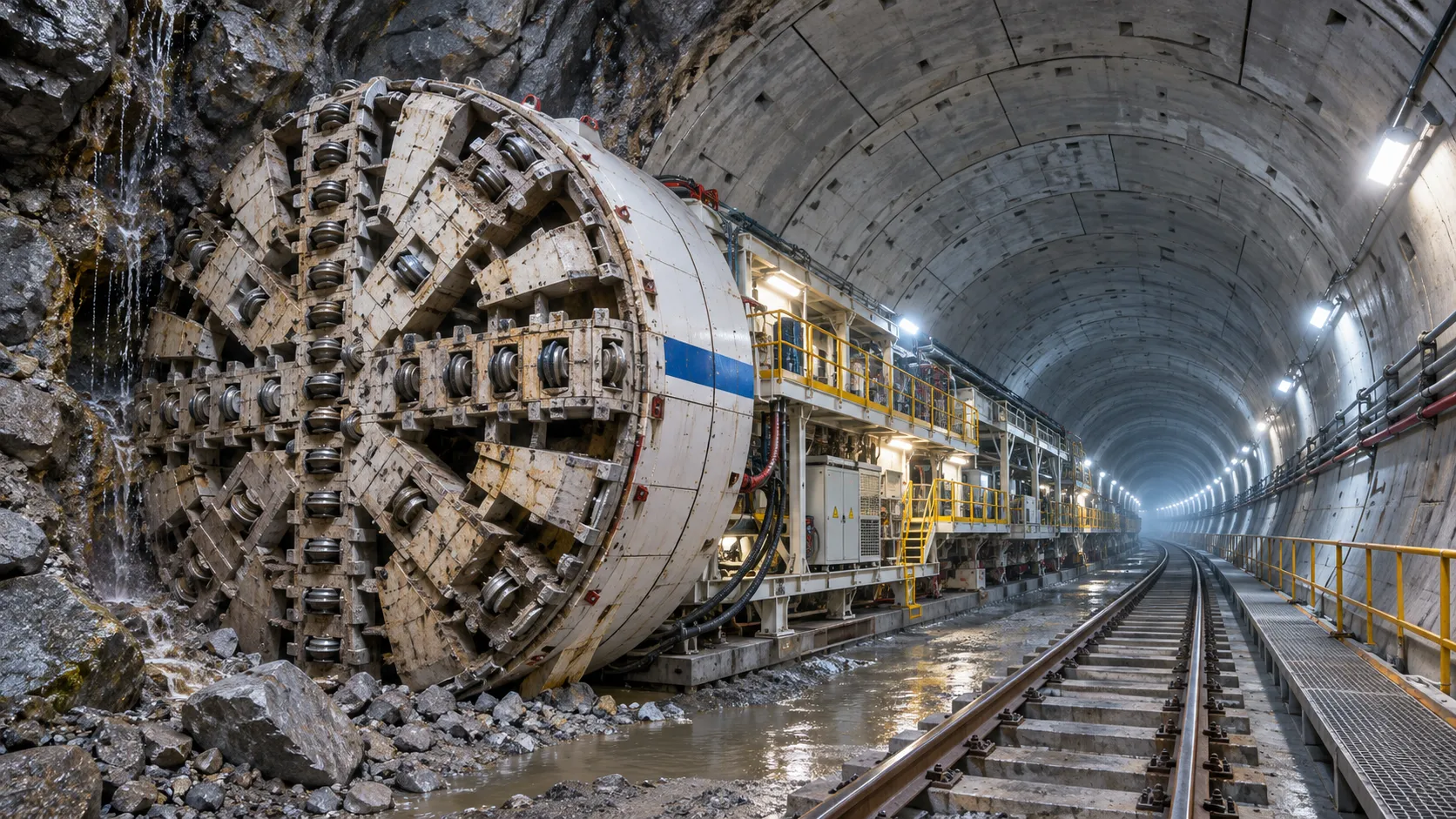
Mega Tunnel Contractors: How to Evaluate Experience and Project Risks
Evaluate mega tunnel contractors with confidence. Learn how to assess relevant experience, ground risks, construction plans, and bid assumptions before award.
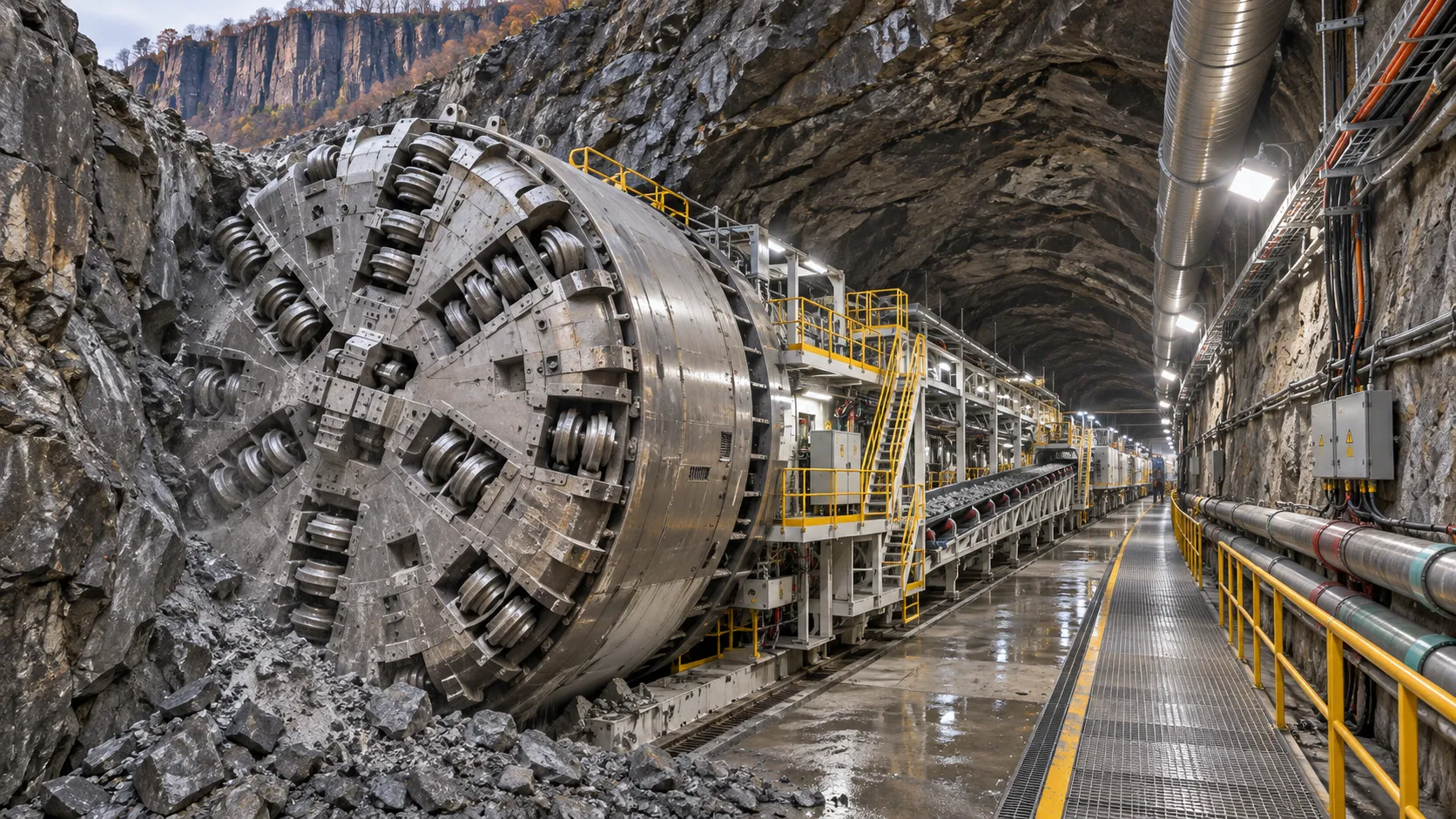
Hudson Tunnel Project’s Second TBM Begins Excavating South Tunnel
Hudson Tunnel Project’s second TBM begins south tunnel excavation. Explore what this milestone could mean for contractors and suppliers.
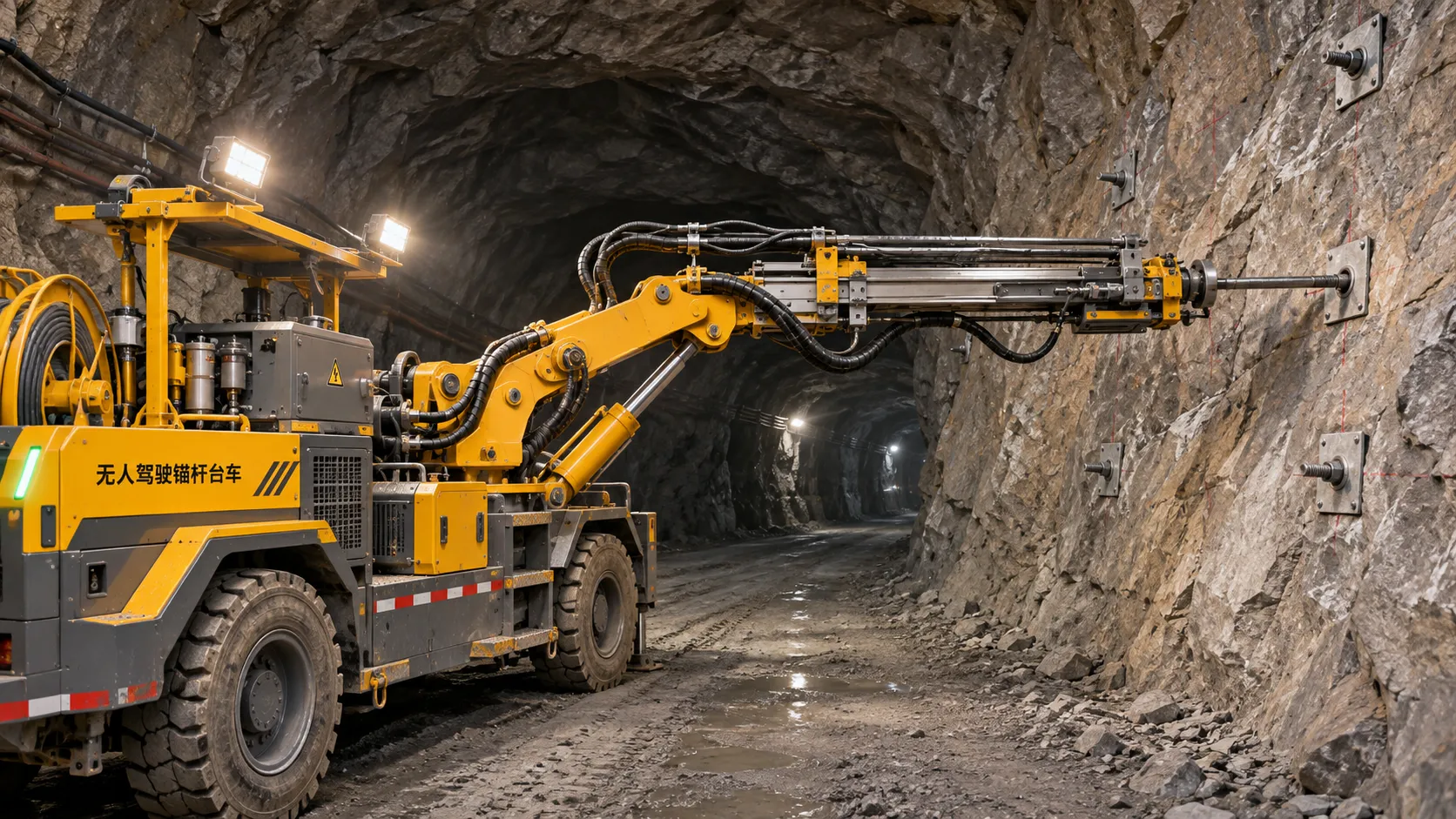
How Bolting Jumbo Automation Works in Underground Rock Support
Explore how bolting jumbo automation coordinates drilling and rock support, and discover what to assess for safer, more consistent underground operations.
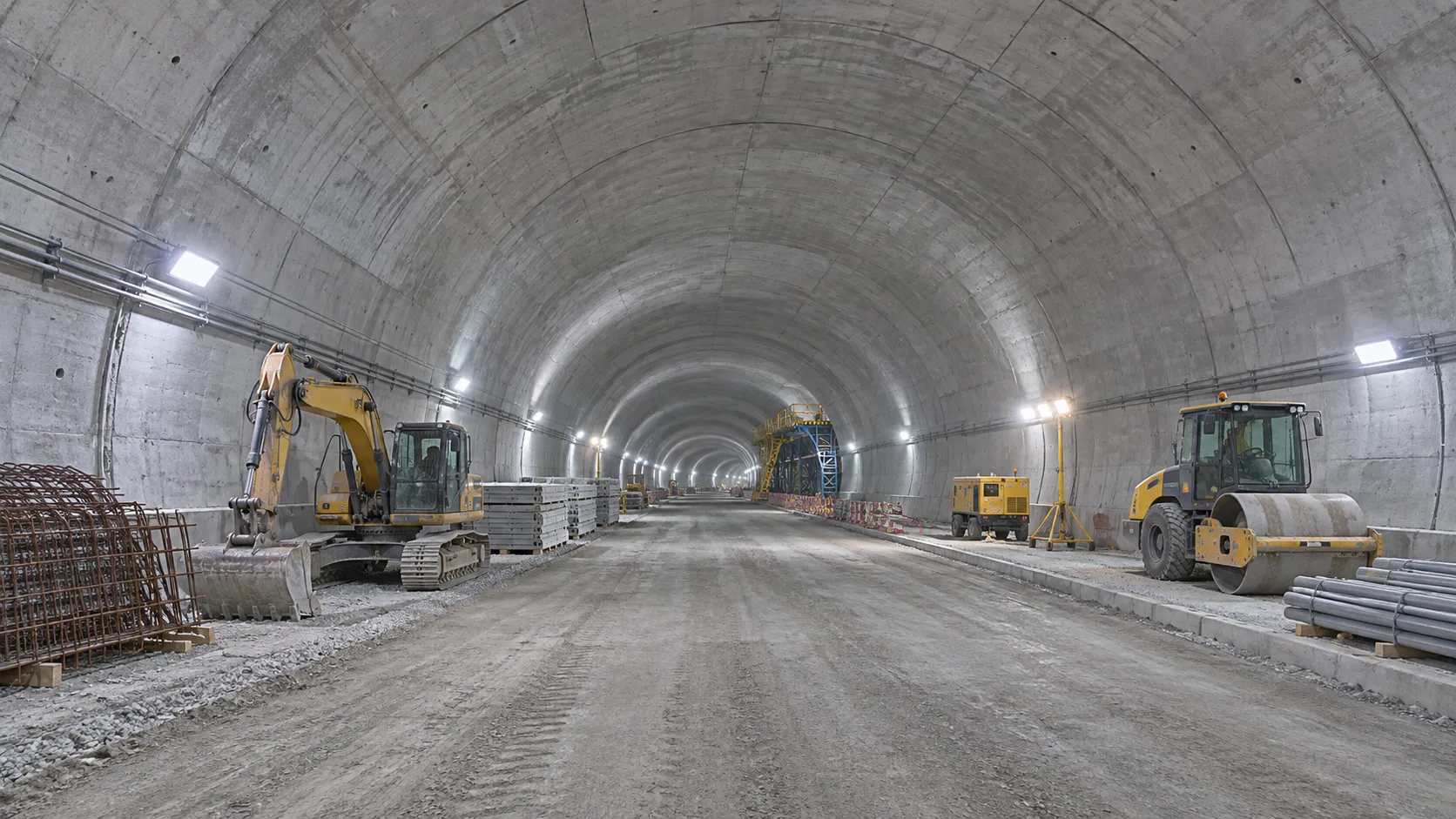
China’s Transport Ministry Issues Highway Tunnel Upgrade Standard
China’s highway tunnel upgrade standard takes effect December 1, 2026. Explore potential implications for contractors, project owners and equipment suppliers.

Smart Underground Mining Analytics: Using Equipment Data to Reduce Downtime
Smart underground mining analytics turns equipment data into actionable insights. Discover how to reduce downtime and improve maintenance decisions.
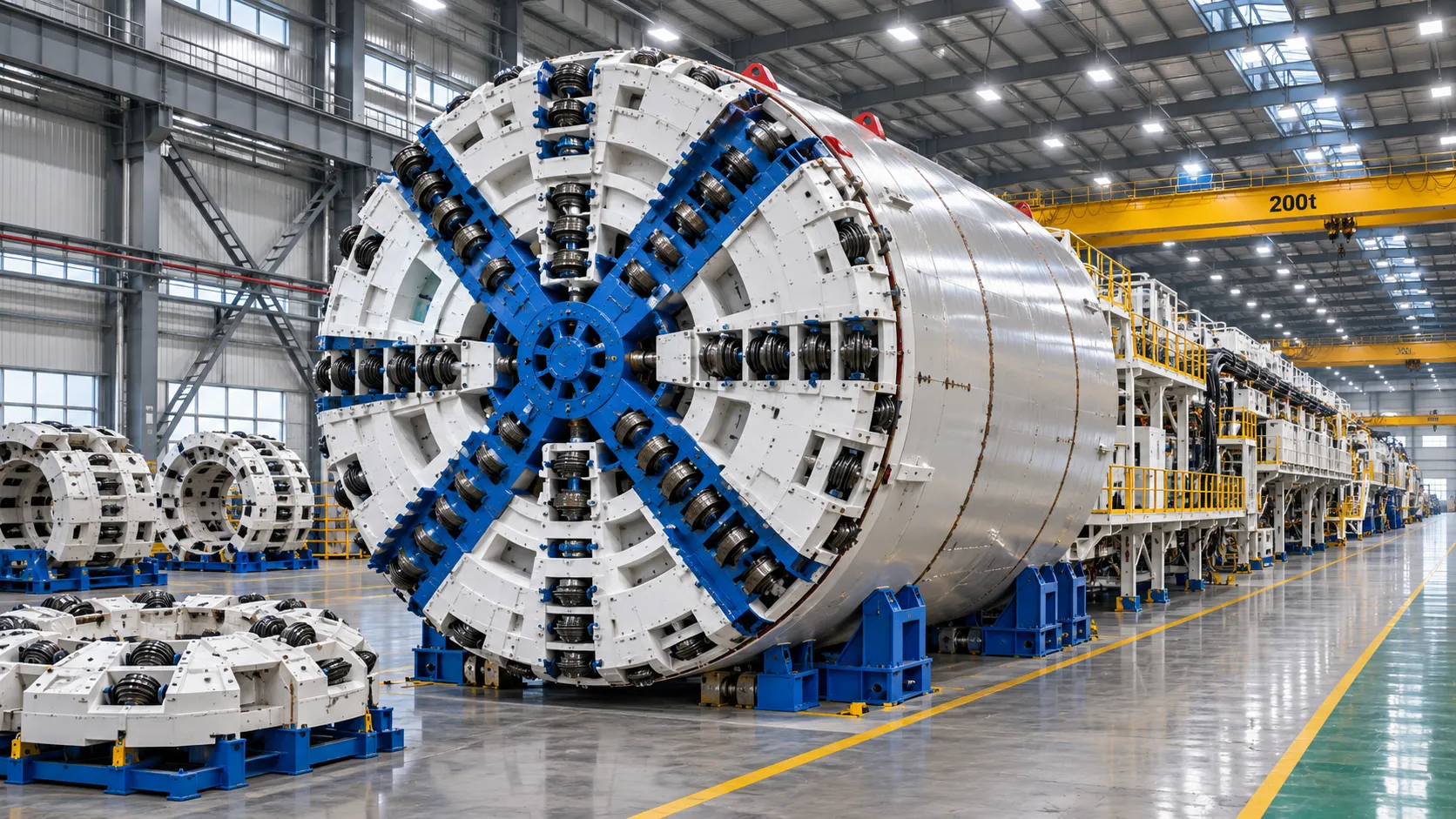
Three Export Control Notices Take Effect November 18, Adding Tunnel Boring Machines
China export controls add tunnel boring machines to the dual-use list. Explore potential licensing implications for equipment, components and project delivery.

How Autonomous LHD Collision Avoidance Works in Underground Mines
Discover how autonomous LHD collision avoidance combines sensing, positioning and braking to manage underground hazards and support safer mine operations.

Mining Equipment Market Could Reach $19.42 Billion by 2033, Report Says
Mining equipment market could reach $19.42 billion by 2033. Explore how electrification, automation and surface mining demand are shaping the industry's outlook.
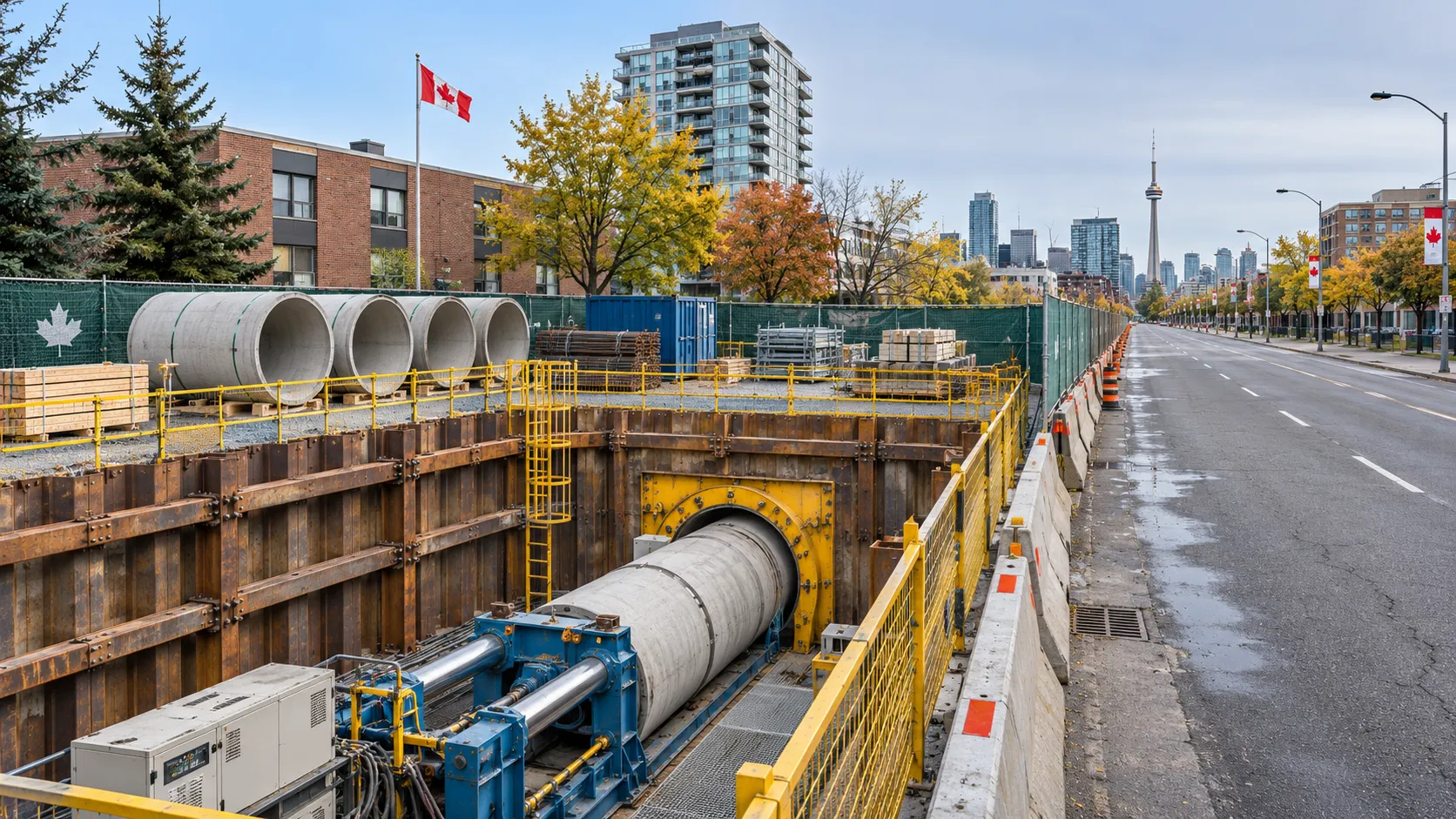
Selecting Municipal Trenchless Contractors in Canada: Key Bid Criteria
Municipal trenchless construction contractors Canada buyers can trust: compare bid criteria, technical risks and costs to make a confident award decision.
Related News
- 00
0000-00
Mega Tunnel Contractors: How to Evaluate Experience and Project Risks - 00
0000-00
Hudson Tunnel Project’s Second TBM Begins Excavating South Tunnel - 00
0000-00
How Bolting Jumbo Automation Works in Underground Rock Support - 00
0000-00
China’s Transport Ministry Issues Highway Tunnel Upgrade Standard - 00
0000-00
Smart Underground Mining Analytics: Using Equipment Data to Reduce Downtime
Weekly Insights
Stay ahead with our curated technology reports delivered every Monday.