
Hudson Tunnel Project’s Second TBM Begins Excavating South Tunnel





The Hudson Tunnel Project’s second tunnel boring machine has begun excavating the south tunnel, according to the Gateway Development Commission. The event date was not specified in the supplied information. No new policy, regulation, standard, certification requirement or trade rule was identified in the announcement as summarized; instead, the start of excavation offers an execution signal for contractors, equipment suppliers and other businesses involved in large underground projects. The practical question is how project-specific procurement and delivery requirements may develop as both tunnels enter construction.
Both Hudson Tunnel Tubes Are Now Under Construction
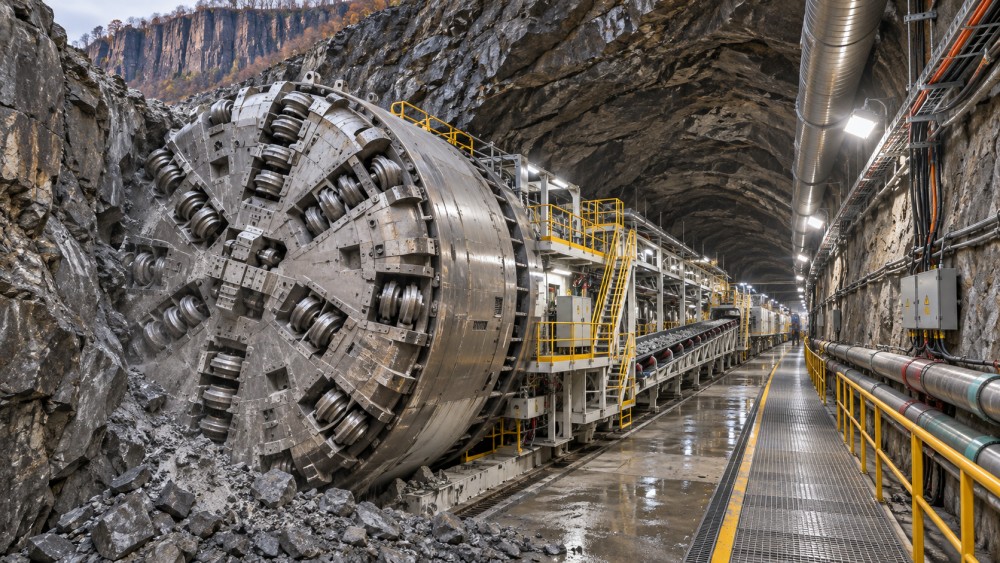
The Gateway Development Commission announced that the second tunnel boring machine, or TBM, has started work on the south tunnel of the Hudson Tunnel Project. The project is valued at $16 billion, and the start of excavation means that both tunnels are now in the construction stage.
The machine will excavate through hard rock beneath the Palisades Cliffs in New Jersey. The supplied event summary identifies the development as reflecting continuing demand for hard-rock TBMs in the North American market for large underground projects.
Neither the event date nor a specific official source link was provided in the input. The supplied information does not identify a new regulation, standard, certification scheme or trade measure associated with the excavation.
What Excavation Progress Could Mean for the Supply Chain
Hard-Rock Equipment and Components
From an industry perspective, the start of the second excavation gives suppliers a concrete project development to consider when assessing demand for hard-rock tunneling equipment. It does not, by itself, establish that new machines or components will be purchased, identify a purchasing schedule, or demonstrate that demand has increased across the market.
For manufacturers and component suppliers, the relevant commercial question is whether future project documents specify equipment characteristics, performance evidence or service arrangements that match their capabilities. Analysis suggests that suppliers may need to examine how a proposed product would operate in the stated hard-rock conditions and how its supporting documentation would be assessed. Any such requirements must be verified against the applicable procurement documents; they are not described in the supplied announcement.
Suppliers considering related opportunities could also review the availability of components and the time needed to deliver them. A machine already excavating may have different support needs from a machine being procured, but the input does not disclose the project's maintenance arrangements or identify an open opportunity.
Contractors and Equipment Integrators
For contractors and equipment integrators, the movement of both tunnels into construction may shift attention toward coordinating equipment, technical information and delivery responsibilities. This is an analytical observation about the stage of work, not confirmation that project schedules or contractual obligations have changed.
Businesses considering participation could examine how any relevant contract allocates responsibility for equipment performance, interfaces and acceptance. Where several suppliers contribute to an equipment package, unclear documentation or inconsistent specifications could complicate coordination. The announcement does not describe those interfaces, so any assessment should begin with the actual scope and procurement terms rather than assumptions about the project.
Contractors may also want to distinguish between requirements attached to the machine, those attached to individual components and those attached to services. The evidence available for each could differ. That distinction is a preparation point for reviewing documents, not a newly announced project rule.
Testing, Documentation and Service Providers
Testing organizations, documentation providers and after-sales businesses may find the excavation milestone relevant if contractors or suppliers seek support for equipment used in hard-rock tunneling. The supplied information does not confirm that any such services have been commissioned or that particular tests or certifications are required.
From an industry perspective, the useful question is what evidence a buyer may request to assess a product or service. Technical records, test results and traceability information could become relevant where a contract calls for them. Service providers would need to verify the scope, format and acceptance criteria in the relevant documents before treating any item as mandatory.
Similarly, suppliers involved in cross-border transactions may need to check the trade and delivery terms applicable to a particular order. The excavation announcement does not establish a change in customs rules, market access or import obligations. Its relevance to trade is therefore indirect: a future procurement could create a transaction for which the parties must determine the applicable terms.
Documents and Delivery Questions to Review
Confirm the Status of Any Procurement
Companies interested in the project should first establish whether a relevant procurement or supplier opportunity exists. The start of excavation does not establish that equipment, parts or services are currently being solicited. Nor does it identify which organization would purchase them or when a purchase might take place.
If procurement documents become available, a practical review would compare the stated scope with the supplier's actual capabilities. Businesses could check whether an inquiry concerns a complete machine, a component, a technical service or ongoing support, and whether it relates to work already under way or a separate requirement. This distinction may affect the evidence, delivery arrangements and commercial commitments a bidder considers.
Check Technical Evidence Against the Stated Conditions
The identified hard-rock setting is a useful starting point for technical review, but it is not a complete specification. The input does not provide detailed ground conditions, machine design criteria or performance targets. Suppliers should therefore avoid treating the location description as sufficient evidence that a particular product is suitable.
Where an opportunity is confirmed, manufacturers and integrators could compare the requested operating conditions with their product documentation, test evidence and proposed service arrangements. They could also identify questions requiring clarification before making a bid. This approach would help separate verified project requirements from assumptions drawn from a brief announcement.
Any requested certification or independent assessment should be checked in the relevant tender or contract. The supplied information does not name a certification body or standard, and it does not establish that a new approval is necessary. A business should verify both the requirement and the evidence accepted by the purchaser before committing to a certification process.
Examine Delivery and Support Commitments
Analysis suggests that delivery planning could matter for suppliers whose products or services support excavation already in progress. A late component or incomplete technical package could affect a customer's plans, depending on the contract and the item's intended use. The input, however, does not disclose delivery deadlines, inventory levels or any delay.
Before offering a delivery date, a supplier could check production capacity, component availability, documentation preparation and the responsibilities of any other parties in its proposed supply chain. Service businesses could similarly clarify the scope and timing of support requested. These are proposed checks for a specific transaction, not evidence that the project has imposed new delivery rules.
Where an alternative component or technical solution is proposed, its suitability would need to be assessed against the purchaser's stated requirements. The announcement provides no basis for concluding that substitutions are permitted or prohibited, or that any alternative has been approved.
Follow Project-Specific Requirements as They Emerge
The most relevant changes for businesses may appear in later procurement documents, contract terms or official project communications rather than in the excavation announcement itself. Those materials could clarify technical specifications, qualification evidence, delivery expectations and procedures for accepting products or services.
Businesses should compare any later document with the version applicable to their own transaction and seek clarification where wording is uncertain. At present, there is no identified change to a policy, standard or certification requirement to implement. Monitoring is therefore a proportionate response; assuming that a new obligation already exists would go beyond the supplied facts.
An Execution Signal, With Rule Details Still to Be Checked
Editorial analysis suggests that this development is best understood as confirmation of a construction milestone and a signal of project execution. The second TBM has begun excavation, and both tunnels have entered construction. Those facts are distinct from a formal change to the rules governing equipment, trade or certification.
The milestone may help businesses assess where attention could move within the supply chain: from a general interest in a major underground project toward the equipment, documentation and services that particular contracts may require. It does not establish the value of future orders, the identity of suppliers, or the terms on which any products will be bought.
What deserves closer attention is whether subsequent official communications or procurement documents set out requirements relevant to hard-rock equipment and associated services. Any revised specifications, qualification criteria or delivery provisions would need to be assessed on their own terms. Industry feedback and evidence of how businesses respond could also help clarify commercial implications, but neither is provided in the current input.
Keeping the Milestone in Perspective
The start of south tunnel excavation places both Hudson Tunnel Project tunnels in construction and highlights the use of a TBM in hard rock. For the industry, it is a useful point at which to review potential equipment and support needs while checking the documents that govern any actual opportunity.
At this stage, the information is best treated as an execution signal, not as evidence of a newly enacted rule or a guaranteed increase in orders. Contractors and suppliers can prepare by verifying opportunities, matching technical evidence to stated requirements and assessing delivery commitments when reliable details become available.
Basis for This Report and Further Verification
This article is based on the user-provided news title, event-time information and event summary. The supplied information says that the Gateway Development Commission announced the excavation, but it does not provide a specific official source link. That link and the underlying announcement should be verified as further information becomes available.
Future checks may include official project announcements, relevant procurement documents, applicable regulatory or standards publications, and industry reporting. Particular points to monitor are the event date, any project-specific technical or qualification requirements, changes to tender documents, delivery terms and industry feedback. None of those details should be assumed from the excavation milestone alone.
Related News
Mega Tunnel Contractors: How to Evaluate Experience and Project Risks
Evaluate mega tunnel contractors with confidence. Learn how to assess relevant experience, ground risks, construction plans, and bid assumptions before award.
How Bolting Jumbo Automation Works in Underground Rock Support
Explore how bolting jumbo automation coordinates drilling and rock support, and discover what to assess for safer, more consistent underground operations.
China’s Transport Ministry Issues Highway Tunnel Upgrade Standard
China’s highway tunnel upgrade standard takes effect December 1, 2026. Explore potential implications for contractors, project owners and equipment suppliers.
Smart Underground Mining Analytics: Using Equipment Data to Reduce Downtime
Smart underground mining analytics turns equipment data into actionable insights. Discover how to reduce downtime and improve maintenance decisions.
Three Export Control Notices Take Effect November 18, Adding Tunnel Boring Machines
China export controls add tunnel boring machines to the dual-use list. Explore potential licensing implications for equipment, components and project delivery.

Choosing a TBM Components Supplier: Lead Times, Quality and Compatibility
Choose a TBM components supplier with confidence. Compare lead times, quality evidence and compatibility to reduce procurement risk and keep your project moving.
How Autonomous LHD Collision Avoidance Works in Underground Mines
Discover how autonomous LHD collision avoidance combines sensing, positioning and braking to manage underground hazards and support safer mine operations.

Mining Equipment Market Could Reach $19.42 Billion by 2033, Report Says
Mining equipment market could reach $19.42 billion by 2033. Explore how electrification, automation and surface mining demand are shaping the industry's outlook.
Selecting Municipal Trenchless Contractors in Canada: Key Bid Criteria
Municipal trenchless construction contractors Canada buyers can trust: compare bid criteria, technical risks and costs to make a confident award decision.
Related News
- 00
0000-00
Mega Tunnel Contractors: How to Evaluate Experience and Project Risks - 00
0000-00
Hudson Tunnel Project’s Second TBM Begins Excavating South Tunnel - 00
0000-00
How Bolting Jumbo Automation Works in Underground Rock Support - 00
0000-00
China’s Transport Ministry Issues Highway Tunnel Upgrade Standard - 00
0000-00
Smart Underground Mining Analytics: Using Equipment Data to Reduce Downtime
Weekly Insights
Stay ahead with our curated technology reports delivered every Monday.