
Selecting Municipal Trenchless Contractors in Canada: Key Bid Criteria





Selecting municipal trenchless construction contractors Canada procurement teams can trust requires more than comparing bid prices. Ground conditions, utility conflicts, equipment suitability, safety performance, and experience with comparable projects can all affect delivery risk and total cost. For buyers evaluating pipe jacking and other trenchless solutions, a clear set of bid criteria helps distinguish credible technical proposals from costly assumptions. This guide examines the qualifications, project controls, and commercial factors Canadian municipalities should assess before awarding a contract.
Start with the crossing, not the contractor’s equipment
A proposal built around a machine the contractor already owns is not necessarily a proposal built around the crossing. Before comparing firms, establish what the installation must achieve: pipe function and diameter, alignment and grade tolerances, drive length, available working areas, and the condition of nearby assets. A gravity sewer with a tight grade tolerance presents a different selection problem from a pressure main with more flexibility in its vertical profile.
The ground profile matters just as much. Borehole spacing, groundwater observations and existing records may leave uncertainty between investigation points. Cobbles, boulders, mixed-face conditions, abrasive soils or a transition into rock can change excavation behaviour and tool wear. Ask bidders to identify what they infer from the available information, what remains unknown, and how the proposed method would respond if the actual conditions differ.
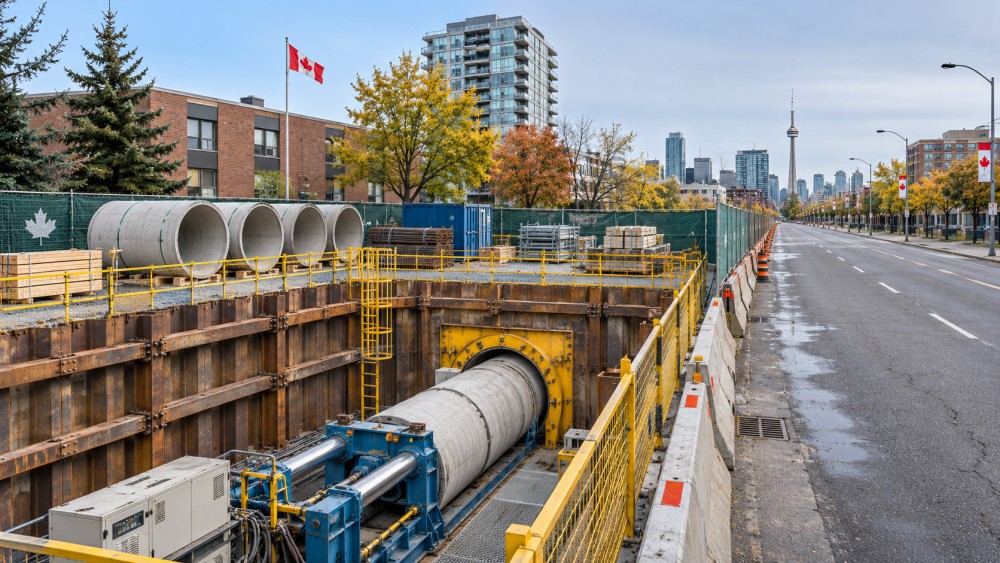
Site constraints should be part of that assessment. Launch and reception pits need room for excavation, shoring, access, pipe handling and spoil management. A trenchless alignment may avoid opening a road along its full length, but it does not eliminate surface disruption at the shafts or staging areas.
Compare methods against the project’s tolerances
A bid should explain why its proposed method is suitable, not simply name it. Microtunnelling and pipe jacking may be appropriate where controlled line and grade, groundwater management and a defined shaft arrangement are central to the design. Horizontal directional drilling can suit some pressure-pipe crossings, subject to ground conditions, bend limitations, drilling-fluid management and the required alignment. Auger boring may also be considered where its capabilities match the ground and tolerance requirements.
These are not interchangeable methods. Each has different demands for access, guidance, spoil or fluid handling, and recovery if progress stops. The owner’s engineer should confirm which options are technically acceptable before procurement documents invite alternatives. If alternative designs are permitted, require bidders to explain their impact on the permanent works, permits, schedule and lifecycle responsibilities.
For a pipe-jacking proposal, useful questions include whether the machine’s face-control and spoil-removal arrangements suit the expected ground and groundwater; how steering will be monitored; and how pipe strength, jacking forces and lubrication have been assessed. A credible answer connects the equipment to the specific drive rather than relying on a general capability statement.
Test experience for comparability
A long project list can conceal a thin match. Request a small number of references that resemble the proposed work in method, diameter, drive length, ground conditions and urban constraints. A contractor with extensive directional drilling experience, for example, should not automatically receive equivalent credit for a challenging microtunnelling drive.
Ask what the firm actually performed on each reference: prime contracting, tunnelling, shaft construction, design or a specialist subcontract. Then check whether the proposed superintendent, machine operator and key technical personnel were involved and will be available for the municipality’s schedule. Experience attached to a company name is less useful if the people and subcontractors who delivered it are not part of the bid.
Reference checks should go beyond whether the project reached completion. Ask how the contractor handled changing ground, utility conflicts, reporting, claims and coordination with the owner. A candid account of a difficult drive and the corrective action taken can reveal more than a polished list of completed installations.
Look for a workable ground-risk and monitoring plan
The strongest technical submissions make their assumptions visible. They identify the information used to select the excavation method, describe anticipated ground behaviour and explain what will trigger a change in operating practice. Statements such as “groundwater will be controlled” need supporting detail: by what means, at which locations, and with what monitoring or contingency?
Where settlement could affect roads, rail infrastructure, buildings or existing utilities, require an instrumentation and response plan suited to the consequences of movement. It should identify monitoring locations, baseline readings, frequency, reporting responsibilities and project-specific trigger levels. Just as important, it should say who has authority to stop work and what investigation or corrective action follows a trigger.
For pipe jacking, ask how the contractor will track line and grade, face and operating pressures where applicable, jacking forces, lubricant use, advance rates and spoil volumes. The purpose is not to collect data for its own sake. Changes in these readings can prompt an investigation before a difficult drive becomes a recovery operation. Reporting should distinguish observed values from interpretations and record the actions taken.
A recovery plan deserves particular attention at critical crossings. If a machine becomes stuck or encounters an obstruction, where could intervention occur? What access, approvals, equipment and specialist support might be needed? A bid cannot predict every failure, but it should demonstrate that recovery has been considered within the actual site constraints.
Evaluate safety and local delivery as practical capabilities
Safety records are useful, but procurement teams should also examine how the proposed work will be controlled. Depending on the method and site, key risks may include shaft entry, ground support, lifting, confined spaces, underground services, electrical equipment, traffic interfaces and work near active infrastructure. Ask for task-specific planning, supervision arrangements and emergency procedures rather than a generic corporate manual alone.
Canadian projects also require attention to the applicable provincial or territorial occupational health and safety framework, municipal requirements and any conditions imposed by affected asset owners. Confirm which permits and approvals are needed for the particular site and who is responsible for obtaining them. Requirements can differ by jurisdiction and by whether the work affects a road, railway, watercourse or other protected asset.
Local delivery capacity is more than a nearby office address. Check access to the proposed machine, spare parts, repair support, pipe supply and specialist subcontractors. Winter conditions may affect excavation, water handling, access and restoration; a realistic schedule should show how the contractor has accounted for the relevant season and site restrictions. Equipment availability should be supported by a credible mobilisation plan, particularly if the machine is committed elsewhere.
Make prices comparable before ranking them
The lowest total is meaningful only when bidders have priced the same scope and accepted the same risk allocation. Review exclusions and qualifications alongside the price schedule. Differences in shaft construction, dewatering, utility protection, spoil disposal, traffic management or reinstatement can make two apparently comparable bids very different commercial offers.
Pay particular attention to allowances and unit rates. A low base price paired with broad exclusions or poorly defined rates for obstructions, additional shoring or disposal may transfer substantial uncertainty back to the municipality. Conversely, a higher price may include work that competitors have left to the owner. Normalise identifiable scope differences during evaluation in accordance with the published procurement rules; do not assume every difference can be negotiated away after bids close.
The contract should make clear how differing subsurface conditions, delays, access restrictions and owner-directed changes will be notified and assessed. Risk allocation that a contractor can neither investigate nor control may simply produce larger contingencies, qualifications or disputes. Have legal and technical advisers review the contract language against the site information actually available to bidders.
Build an evaluation that can withstand scrutiny
Before issuing the tender or request for proposals, separate mandatory requirements from scored criteria. Mandatory items might address required submissions, insurance or bonding, relevant qualifications and other project-specific conditions. Scored criteria can then assess the quality of the methodology, comparable experience, personnel, schedule, risk controls and price, using the approach disclosed in the solicitation.
The weighting should reflect the consequences of failure and the complexity of the crossing rather than an assumed universal formula. For a technically constrained drive, it may be appropriate to give substantial attention to methodology and ground-risk management. Whatever the approach, define what evidence earns a stronger score, use the same information requirements for all bidders and document the reasoning. Public procurement obligations vary, so confirm the applicable rules and process with the municipality’s procurement and legal teams.
Clarifications can resolve genuine ambiguity, but they should be handled consistently and within the stated process. If an answer would materially change a proposal, assess whether accepting it is permissible rather than treating it as a routine clarification. Where interviews or technical presentations are planned, announce their role in the evaluation documents and record the basis for scoring them.
What to confirm before recommending award
By the time a preferred bid emerges, the municipality should be able to explain not only the price but also why the proposed drive is executable. Confirm the availability of named personnel and equipment, the interfaces between the tunnelling contractor and shaft or civil subcontractors, the permit schedule, critical materials, monitoring responsibilities and the treatment of qualifications. Unresolved utility information or access agreements should be visible in the recommendation, not buried in the tender file.
Independent technical intelligence can help frame those checks. Global Underground Tunnelling & Mining Dynamics (UTMD) follows trenchless equipment and underground engineering developments, including the relationship between ground conditions, machine selection and operational limits. That perspective is most useful when applied to the project’s own geotechnical information and bid documents, rather than used as a substitute for project-specific engineering.
A sound award recommendation should therefore leave a clear record of the assumptions that matter: what ground the method is designed for, how deviations will be detected, who controls the response and which costs are included. If those answers remain unclear, resolve the uncertainty through the permitted procurement process before treating a low price as a low-risk outcome.
Related News
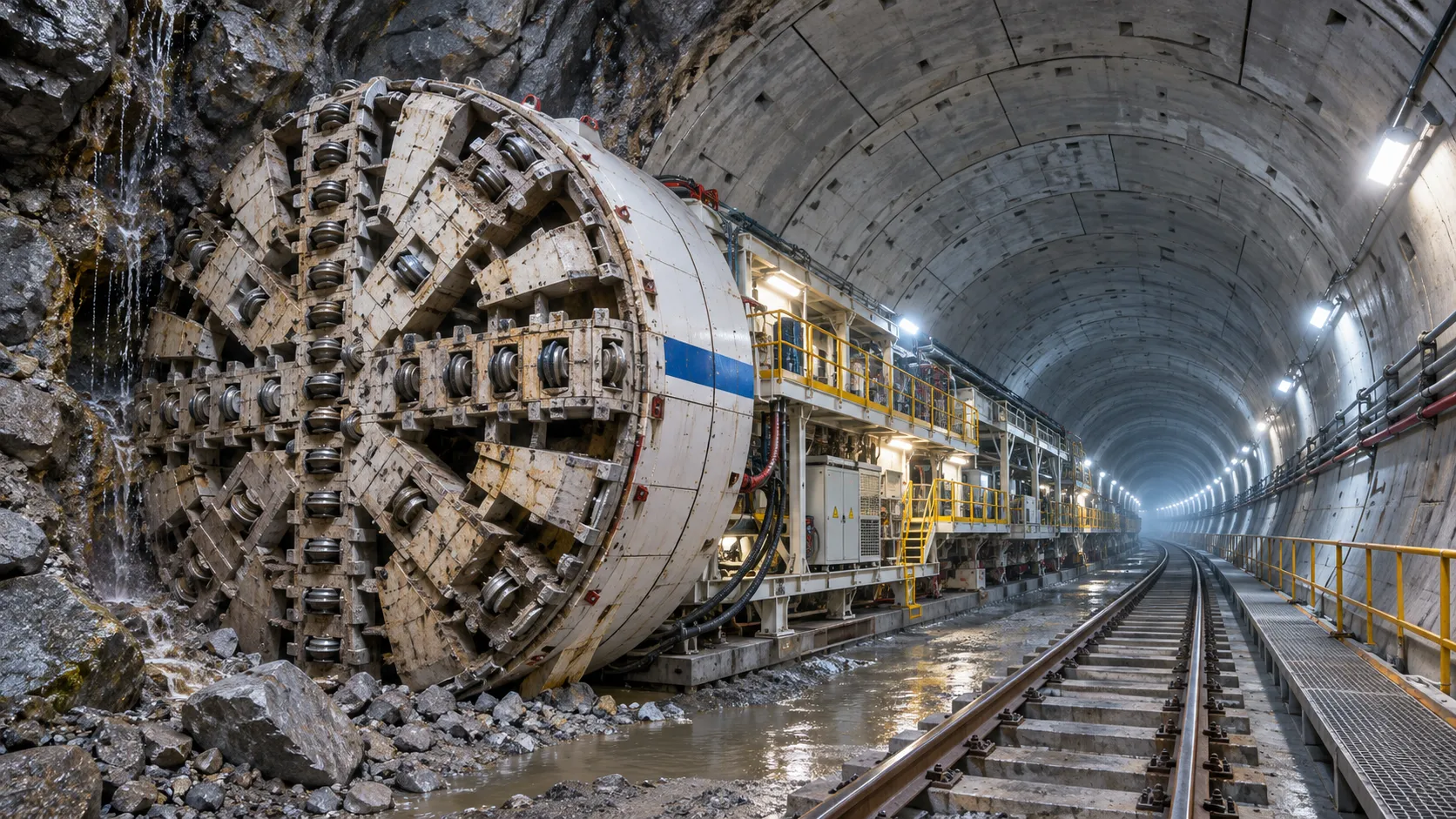
Mega Tunnel Contractors: How to Evaluate Experience and Project Risks
Evaluate mega tunnel contractors with confidence. Learn how to assess relevant experience, ground risks, construction plans, and bid assumptions before award.
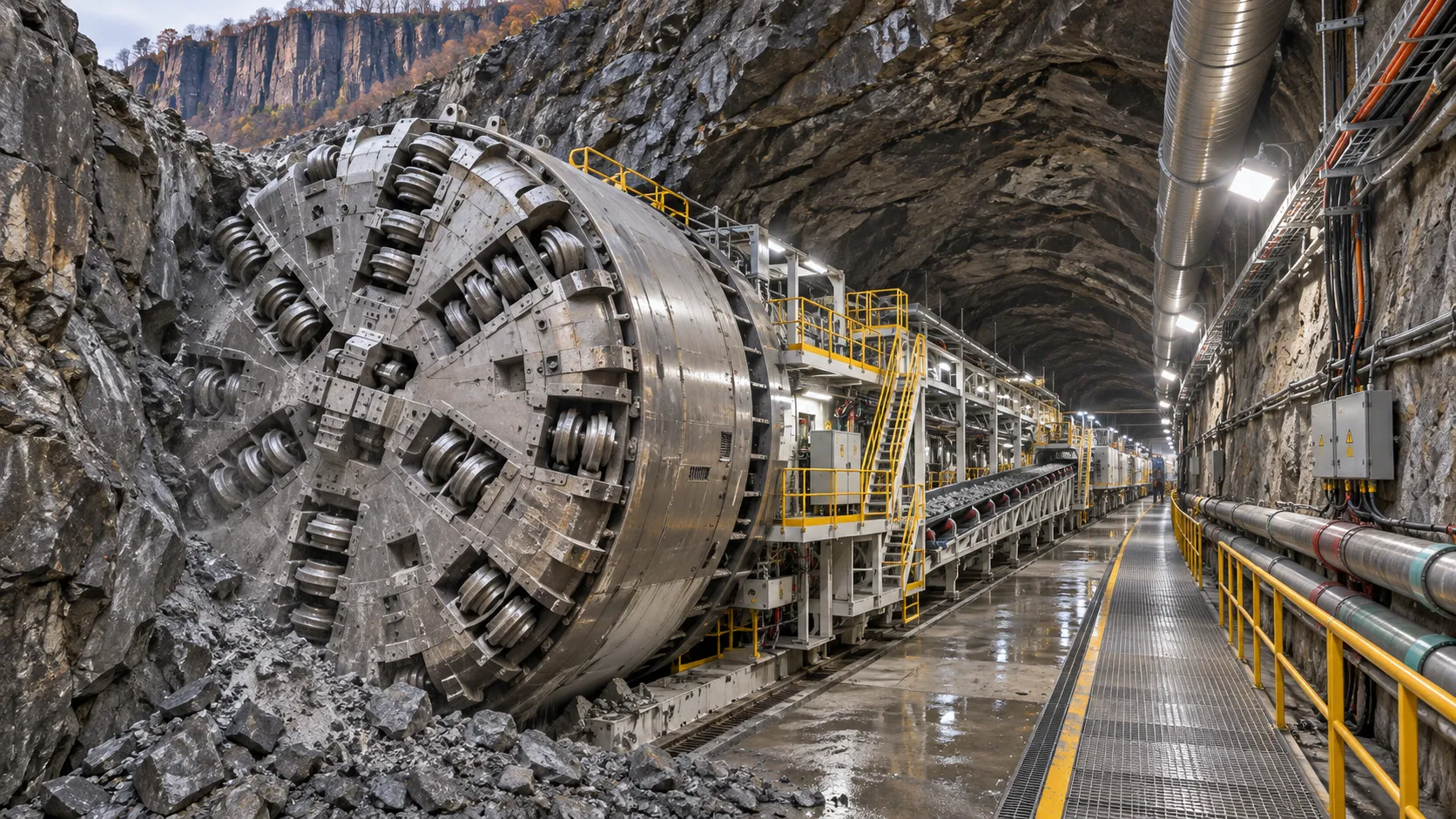
Hudson Tunnel Project’s Second TBM Begins Excavating South Tunnel
Hudson Tunnel Project’s second TBM begins south tunnel excavation. Explore what this milestone could mean for contractors and suppliers.
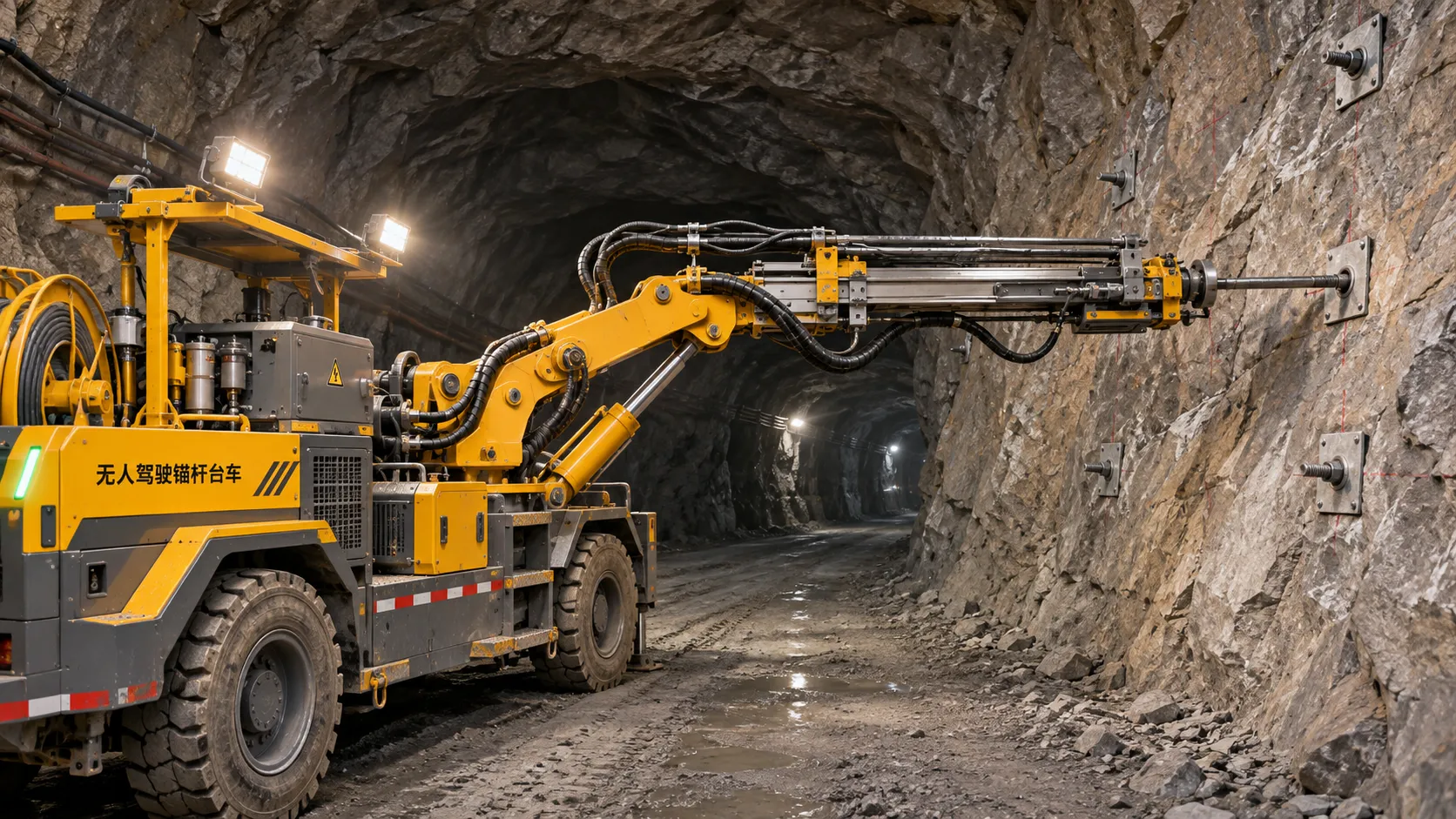
How Bolting Jumbo Automation Works in Underground Rock Support
Explore how bolting jumbo automation coordinates drilling and rock support, and discover what to assess for safer, more consistent underground operations.
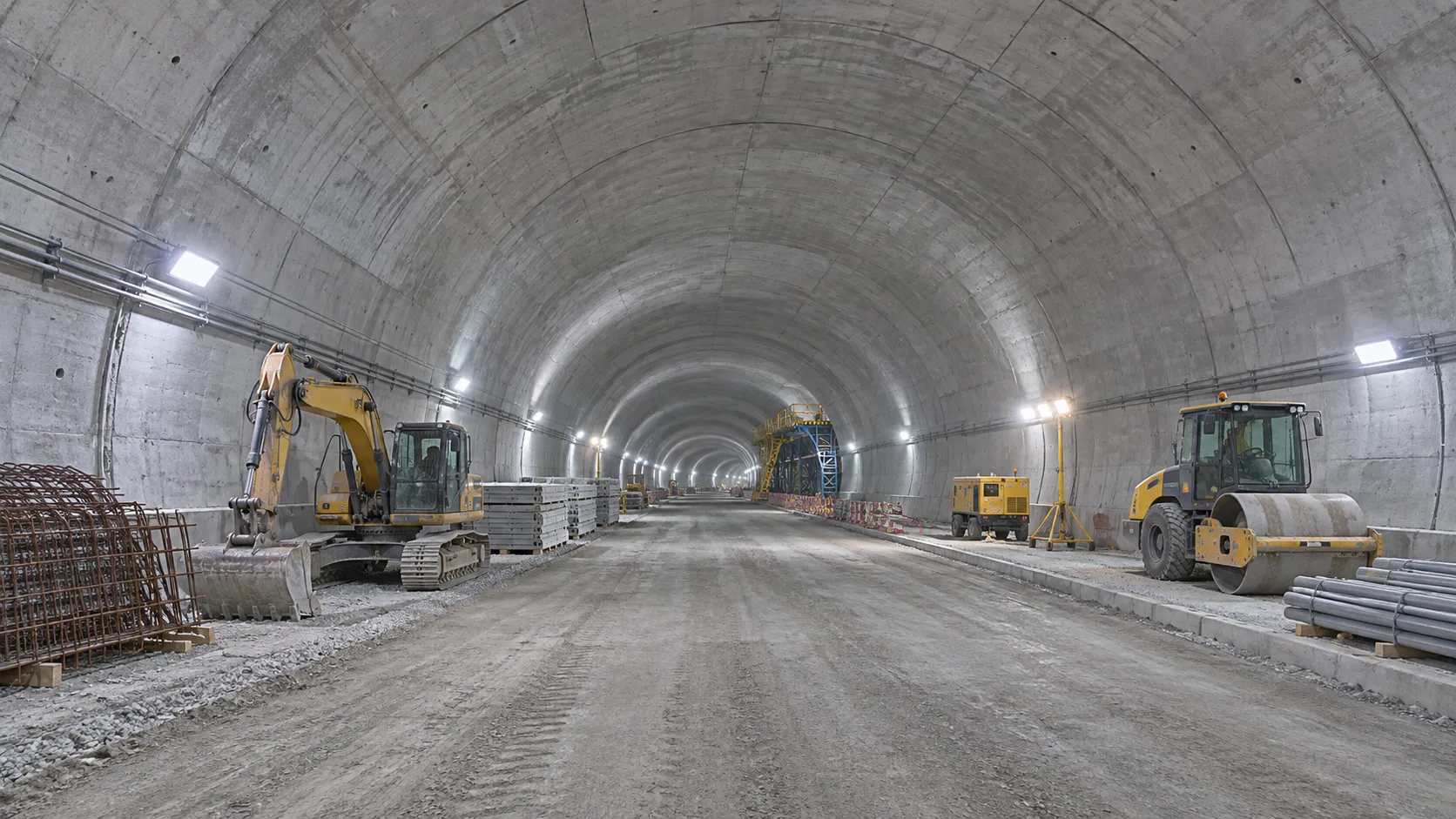
China’s Transport Ministry Issues Highway Tunnel Upgrade Standard
China’s highway tunnel upgrade standard takes effect December 1, 2026. Explore potential implications for contractors, project owners and equipment suppliers.
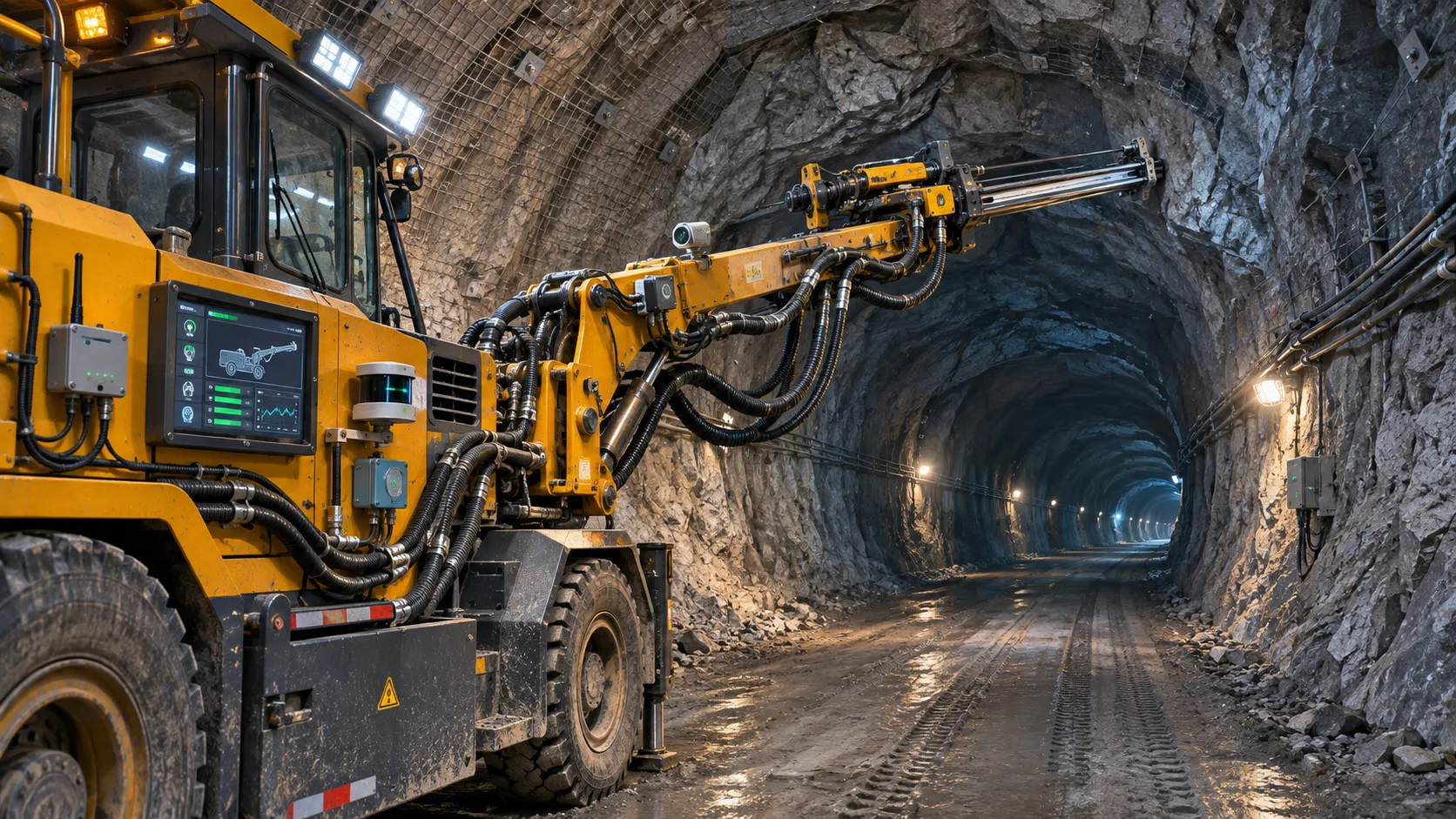
Smart Underground Mining Analytics: Using Equipment Data to Reduce Downtime
Smart underground mining analytics turns equipment data into actionable insights. Discover how to reduce downtime and improve maintenance decisions.

Three Export Control Notices Take Effect November 18, Adding Tunnel Boring Machines
China export controls add tunnel boring machines to the dual-use list. Explore potential licensing implications for equipment, components and project delivery.

Choosing a TBM Components Supplier: Lead Times, Quality and Compatibility
Choose a TBM components supplier with confidence. Compare lead times, quality evidence and compatibility to reduce procurement risk and keep your project moving.
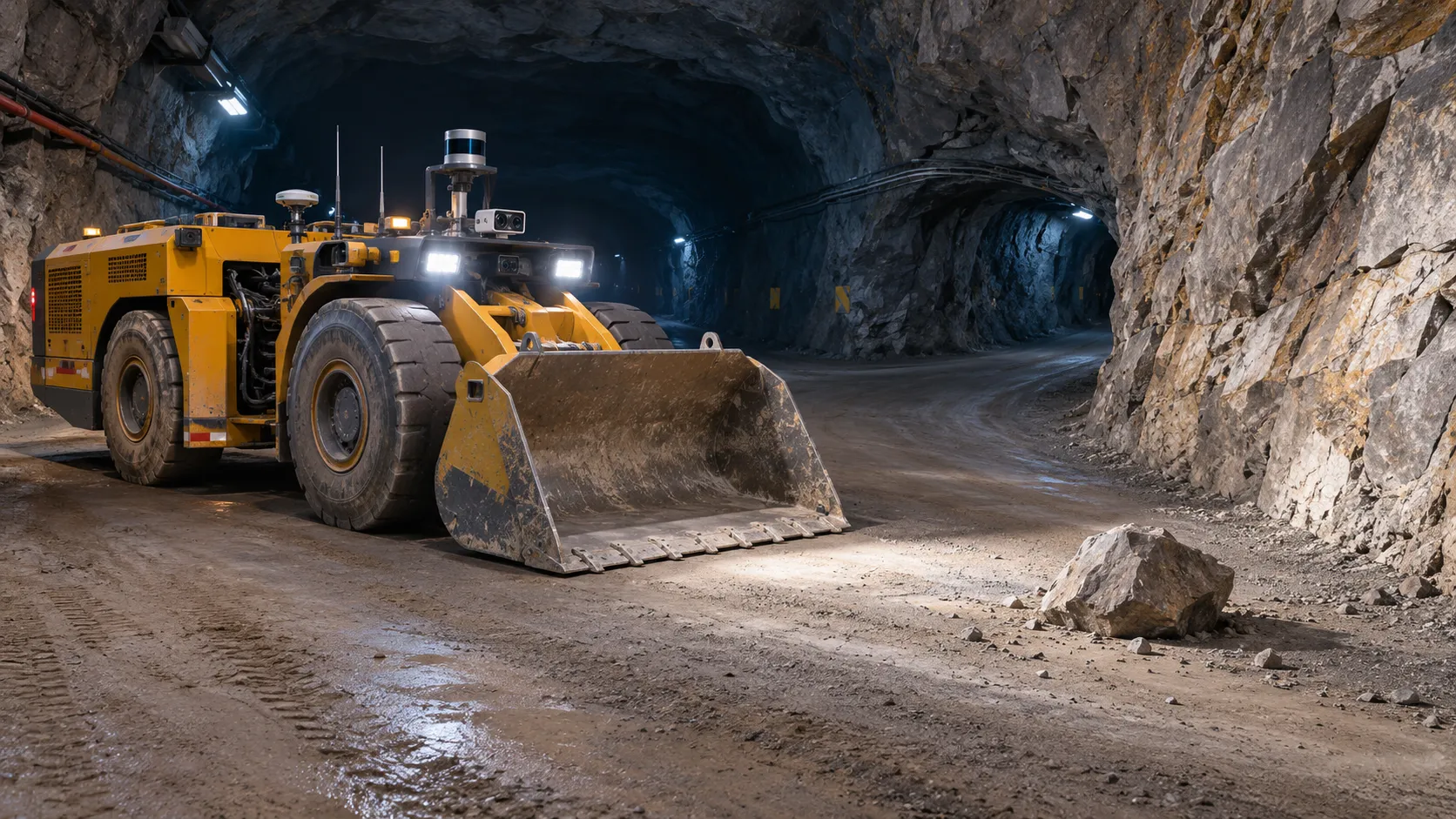
How Autonomous LHD Collision Avoidance Works in Underground Mines
Discover how autonomous LHD collision avoidance combines sensing, positioning and braking to manage underground hazards and support safer mine operations.

Mining Equipment Market Could Reach $19.42 Billion by 2033, Report Says
Mining equipment market could reach $19.42 billion by 2033. Explore how electrification, automation and surface mining demand are shaping the industry's outlook.
Related News
- 00
0000-00
Mega Tunnel Contractors: How to Evaluate Experience and Project Risks - 00
0000-00
Hudson Tunnel Project’s Second TBM Begins Excavating South Tunnel - 00
0000-00
How Bolting Jumbo Automation Works in Underground Rock Support - 00
0000-00
China’s Transport Ministry Issues Highway Tunnel Upgrade Standard - 00
0000-00
Smart Underground Mining Analytics: Using Equipment Data to Reduce Downtime
Weekly Insights
Stay ahead with our curated technology reports delivered every Monday.