
Mega Tunnel Contractors: How to Evaluate Experience and Project Risks





The strongest mega tunnel contractors are those that can demonstrate relevant experience against the ground conditions, construction method, and delivery constraints of the proposed project. A long list of large tunnels is useful evidence, but it does not establish that the same team can manage high water pressures, abrasive rock, dense urban interfaces, or a complex launch and retrieval sequence.
For project managers, the selection task is to connect three questions: What could prevent this tunnel from being built as planned? Has the contractor dealt with comparable conditions in a meaningful role? And does its bid show a workable response when conditions differ from expectations? The answers should shape both the shortlist and the commercial terms.
Start with the project’s controlling risks
Before comparing contractors, define the conditions that could change the excavation method, interrupt progress, or create serious consequences for people and surrounding assets. A long tunnel through competent rock may be governed by different risks than a shorter alignment beneath buildings, utilities, and transport infrastructure.
Ground conditions deserve particular attention. Review the available geological and hydrogeological information alongside the gaps between investigations. A contractor should understand where the ground model is well supported, where it relies on interpretation, and how those uncertainties affect machine selection, support, intervention, and contingency planning.
The project’s physical interfaces matter just as much. Limited shaft space can restrict equipment delivery and spoil removal. A single access point can complicate ventilation, emergency response, and maintenance. Nearby structures may limit settlement or vibration. Environmental permits and working-hour restrictions can constrain the sequence even when excavation itself proceeds as planned.
Translate these conditions into a short set of evaluation priorities before issuing the tender. For example, a water-bearing urban tunnel may demand strong evidence of groundwater control, settlement management, and safe interventions under pressure. A deep hard-rock tunnel may place greater weight on rock support, cutter access, wear management, and logistics over a long drive. Most projects will have several controlling risks, but treating every issue as equally important makes it harder to distinguish bidders.
Test experience for relevance, role, and continuity
Ask each bidder to identify projects that resemble the proposed tunnel in the ways that matter most. Diameter and length are useful starting points, but similarities in geology, groundwater, overburden, access, support systems, and operating environment can be more revealing. A smaller project in comparable difficult ground may offer stronger evidence for a particular risk than a much larger tunnel built in favorable conditions.
Project lists can also obscure who actually performed the work. On major schemes, a contractor may have acted as lead partner, held a minority joint venture share, supplied a specialist package, or joined after the excavation strategy was established. Those roles carry different levels of responsibility. Request a clear account of the scope delivered, the decisions the bidder controlled, and the personnel responsible for them.
For each reference project, seek evidence that answers practical questions:
- Ground and method: What conditions were encountered, what excavation and support methods were used, and how closely do they match the proposed alignment?
- Actual responsibility: Did the bidder manage excavation, machine operation, ground treatment, lining installation, or only a limited part of the work?
- Performance and disruption: How did actual progress compare with the plan, what caused material delays, and what actions were taken?
- Team continuity: Which people from the reference project are committed to the new project, in what roles, and for how long?
- Independent verification: Can the owner, engineer, or other authorized project representative substantiate the bidder’s account?
Ask for outcomes in context. A delay does not automatically disqualify a contractor: unforeseen ground, design changes, access restrictions, and owner decisions can all affect a schedule. Equally, a completed tunnel should not be treated as proof that every risk was managed well. The useful evidence is the relationship between the original assumptions, the events encountered, the contractor’s response, and the resulting impact.
Joint ventures need an additional layer of scrutiny. Assess the proposed delivery organization, not just the combined credentials of its members. Establish who will lead tunnelling operations, who controls design and safety decisions, how disputes between partners are resolved, and whether the project can retain critical skills if one partner’s staffing changes.
Examine the construction plan where conditions could change
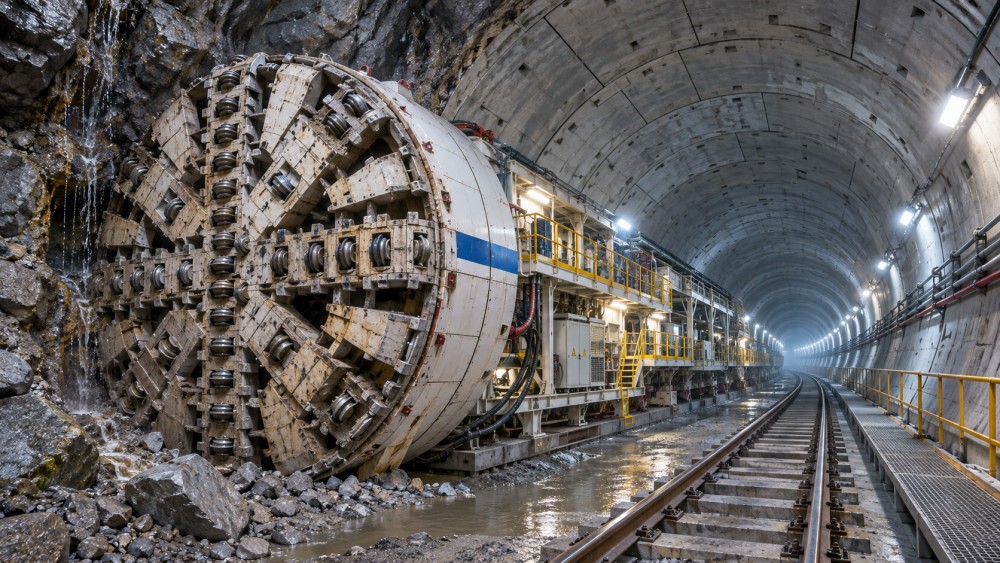
A credible proposal explains why the selected method fits the range of ground conditions, not just the expected average. For a tunnel boring machine, review how the proposed machine configuration, excavation controls, cutter access, ground conditioning where applicable, and lining system respond to the anticipated ground and groundwater. If the alignment crosses materially different conditions, ask how the contractor will manage transitions and what changes would be needed if the ground behaves outside the design assumptions.
Where drill-and-blast or a combination of methods is proposed, the same principle applies. Examine how excavation cycles, temporary support, water control, ventilation, and the handling of excavated material fit together. A method that appears productive at the face may still be constrained by spoil removal, support installation, or access for crews and equipment.
Do not evaluate advance rates in isolation. Ask bidders to show how excavation rates translate into the overall schedule after planned maintenance, cutter changes, lining or support installation, surveys, logistics, and other expected interruptions. Compare the assumptions across bids on a consistent basis. A higher headline rate has limited value if the schedule leaves little time for work that must occur around excavation.
Look closely at interventions and recovery
Some of the most consequential decisions arise when excavation cannot continue as planned. Request method statements or equivalent plans for foreseeable interventions, including inspection and replacement of cutting tools, clearing obstructions, managing unexpected water inflows, and stabilizing ground where required. The level of detail should match the tender stage and the quality of the information available.
For pressurized ground, determine how the bidder proposes to assess and conduct interventions safely, including the necessary specialist personnel, equipment, and emergency arrangements. For hard-rock conditions, examine access to the cutterhead, likely wear mechanisms, spare cutter strategy, and the effect of changing tools on the schedule. The aim is to see whether intervention has been treated as a planned operation with dependencies, rather than a generic contingency.
Then test recovery. If a critical component fails underground, how would it be inspected, repaired, or replaced? What access and lifting capacity would be needed? Which spares would be held on site, and which depend on external manufacture or delivery? A contractor may not have a complete answer for every failure mode at tender stage, but it should identify the failures that could immobilize the project and explain its proposed response.
Compare bids on risk, capacity, and commercial assumptions
A low price can reflect genuine efficiency, but it can also depend on favorable assumptions about geology, approvals, access, productivity, or the allocation of unforeseen conditions. Normalize bids before drawing conclusions. Identify exclusions, qualifications, provisional allowances, schedule assumptions, and dependencies on owner-provided information or work.
Pay particular attention to risks a bidder cannot reasonably control or price with confidence. Placing all ground risk with the contractor may appear to create price certainty, but the result depends on the quality of the ground information and the contract’s treatment of different conditions. Bidders may include significant allowances, qualify their offers, or rely on later claims if the allocation is unclear. Conversely, retaining substantial risk with the owner requires the owner to have the budget, decision processes, and technical capacity to manage it.
A geotechnical baseline, where used, can help define the contractual assumptions against which encountered conditions will be assessed. Its value depends on clear drafting, consistency with the available information, and alignment with the contract’s change provisions. Ask legal and technical advisers to review those documents together; a technically sound baseline can still create uncertainty if the commercial mechanism for responding to a difference is unclear.
Resource commitments should receive the same scrutiny as price. Confirm whether key staff are available for the planned start, whether the machine and major components have realistic procurement paths, and how the contractor will manage competing commitments. An experienced organization may be less suitable if its proposed project team lacks authority, continuity, or access to the specialists named in the bid.
Use clarification to expose the differences that matter
Once proposals are comparable, put the same project-specific scenarios to shortlisted bidders. A useful scenario describes a plausible deviation from the ground model or construction plan and asks the team to explain its immediate actions, decision authorities, information needs, schedule effects, and proposed commercial treatment. The objective is not to demand certainty about an unknowable event; it is to see how the organization reasons through it.
Interviews should include the people who would run the work, not only the tender team. Ask the proposed construction and tunnelling leads to walk through a difficult interface, such as changing cutters under constrained access or responding to settlement near a sensitive asset. Their explanations should align with the written programme, method statements, and risk register. Material contradictions may point to unresolved design work or a gap between the bid and delivery teams.
Before award, document the assumptions on which the preferred bid depends and resolve the ones that affect price, time, safety, or scope. If an uncertainty cannot be resolved, record who owns the decision, what information will trigger action, and how a change will be handled. The resulting contract and risk register should reflect the project the team expects to build, including the conditions under which its plan must change.
Related News
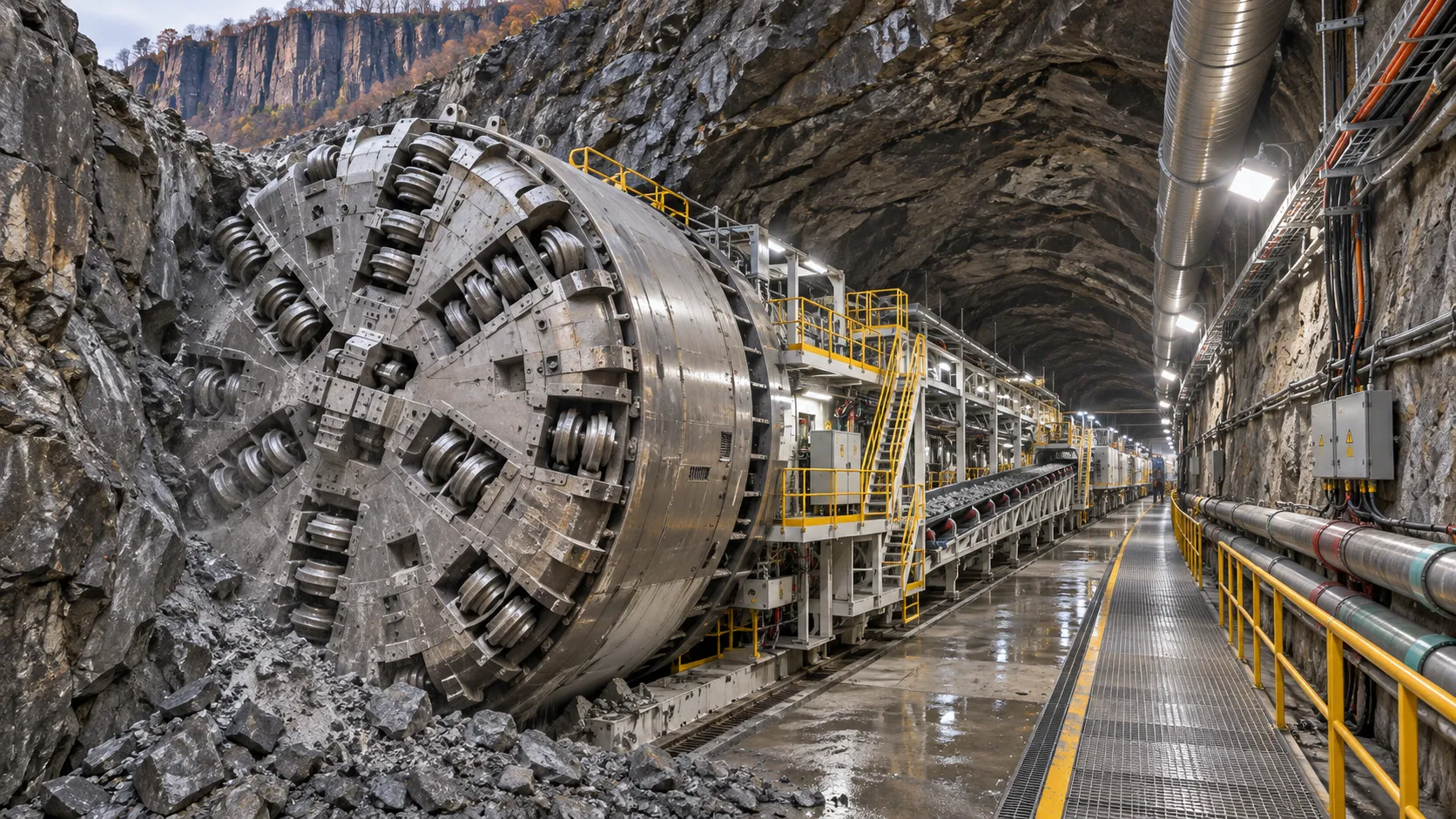
Hudson Tunnel Project’s Second TBM Begins Excavating South Tunnel
Hudson Tunnel Project’s second TBM begins south tunnel excavation. Explore what this milestone could mean for contractors and suppliers.
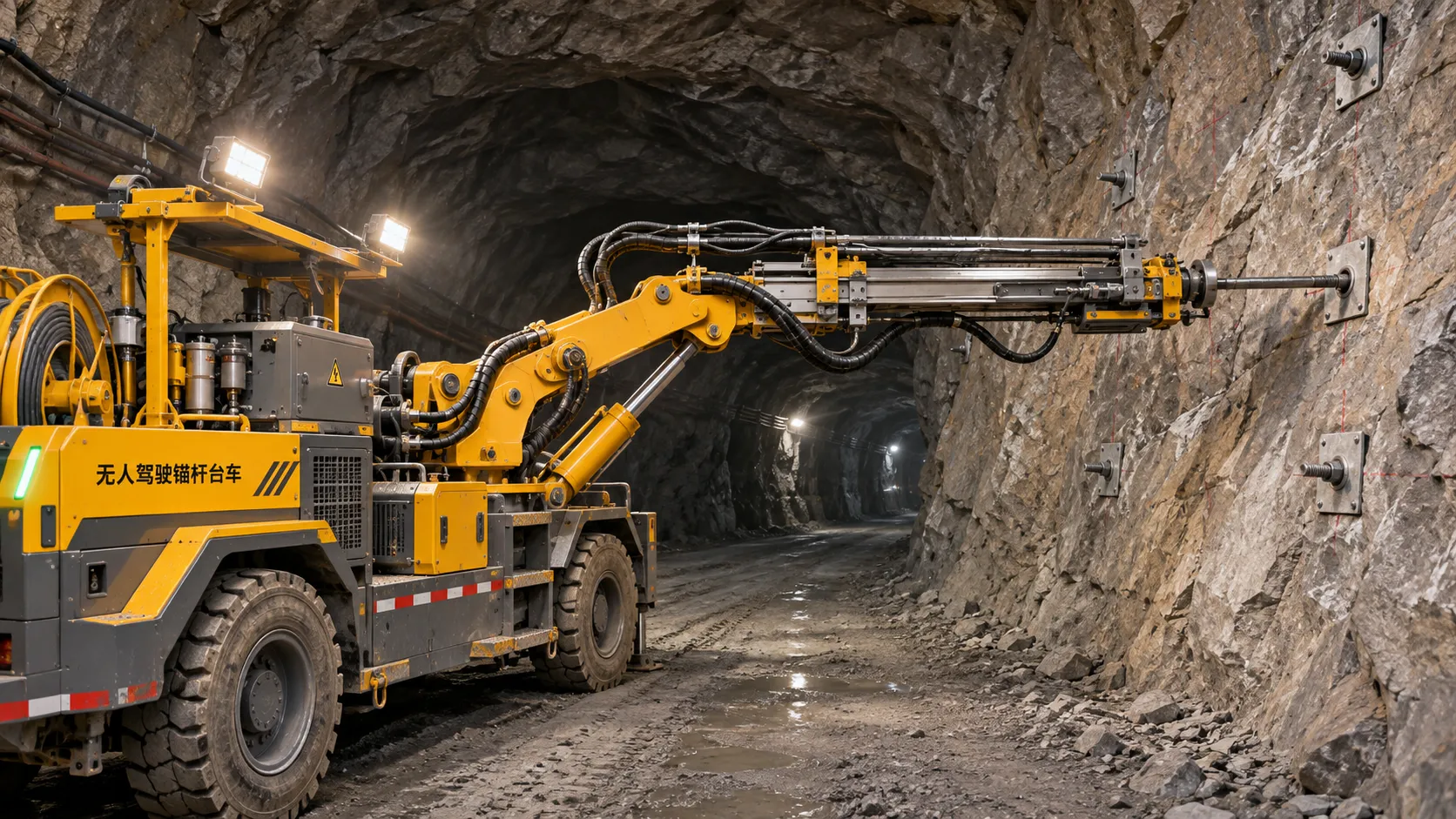
How Bolting Jumbo Automation Works in Underground Rock Support
Explore how bolting jumbo automation coordinates drilling and rock support, and discover what to assess for safer, more consistent underground operations.
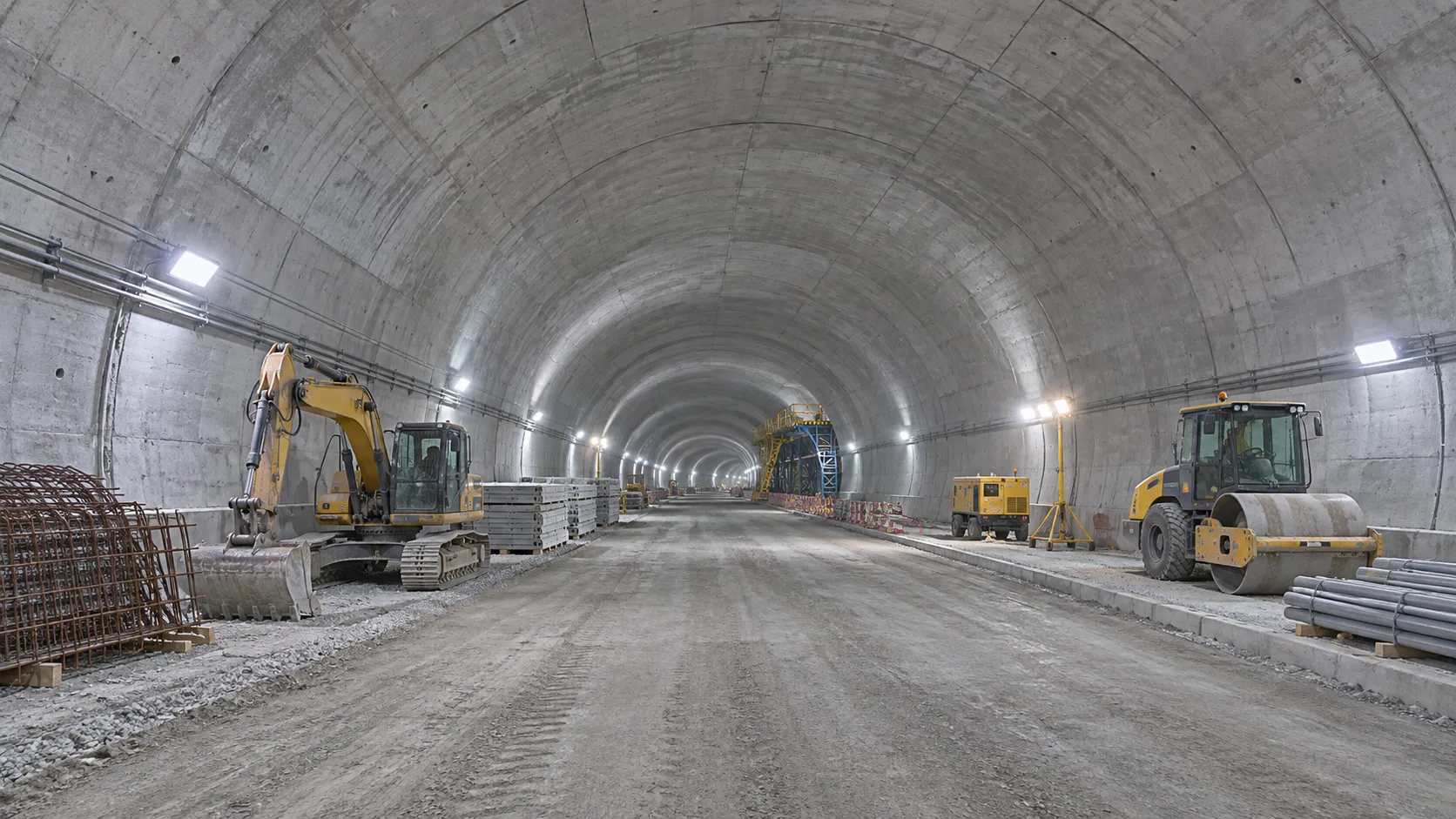
China’s Transport Ministry Issues Highway Tunnel Upgrade Standard
China’s highway tunnel upgrade standard takes effect December 1, 2026. Explore potential implications for contractors, project owners and equipment suppliers.
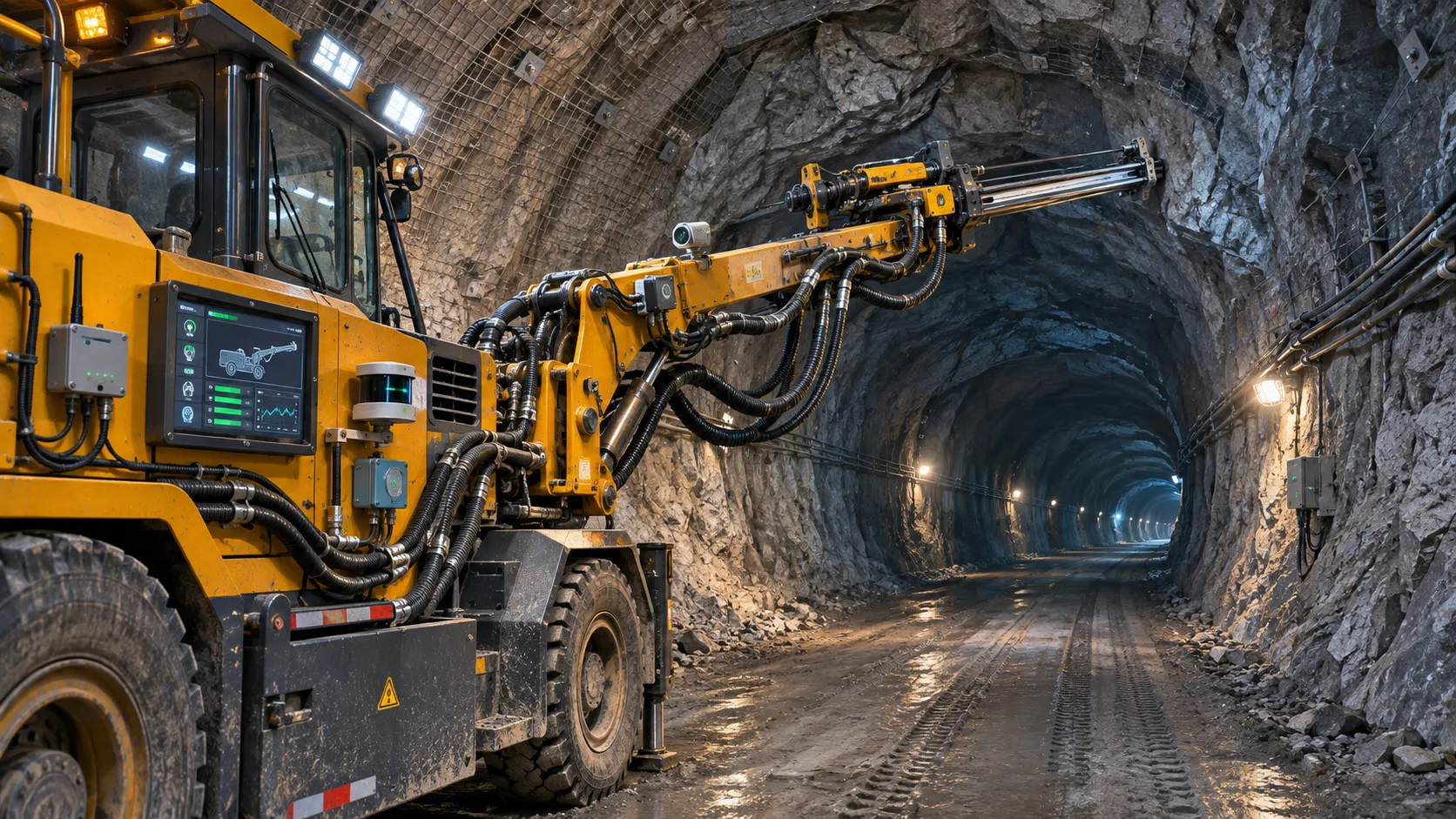
Smart Underground Mining Analytics: Using Equipment Data to Reduce Downtime
Smart underground mining analytics turns equipment data into actionable insights. Discover how to reduce downtime and improve maintenance decisions.
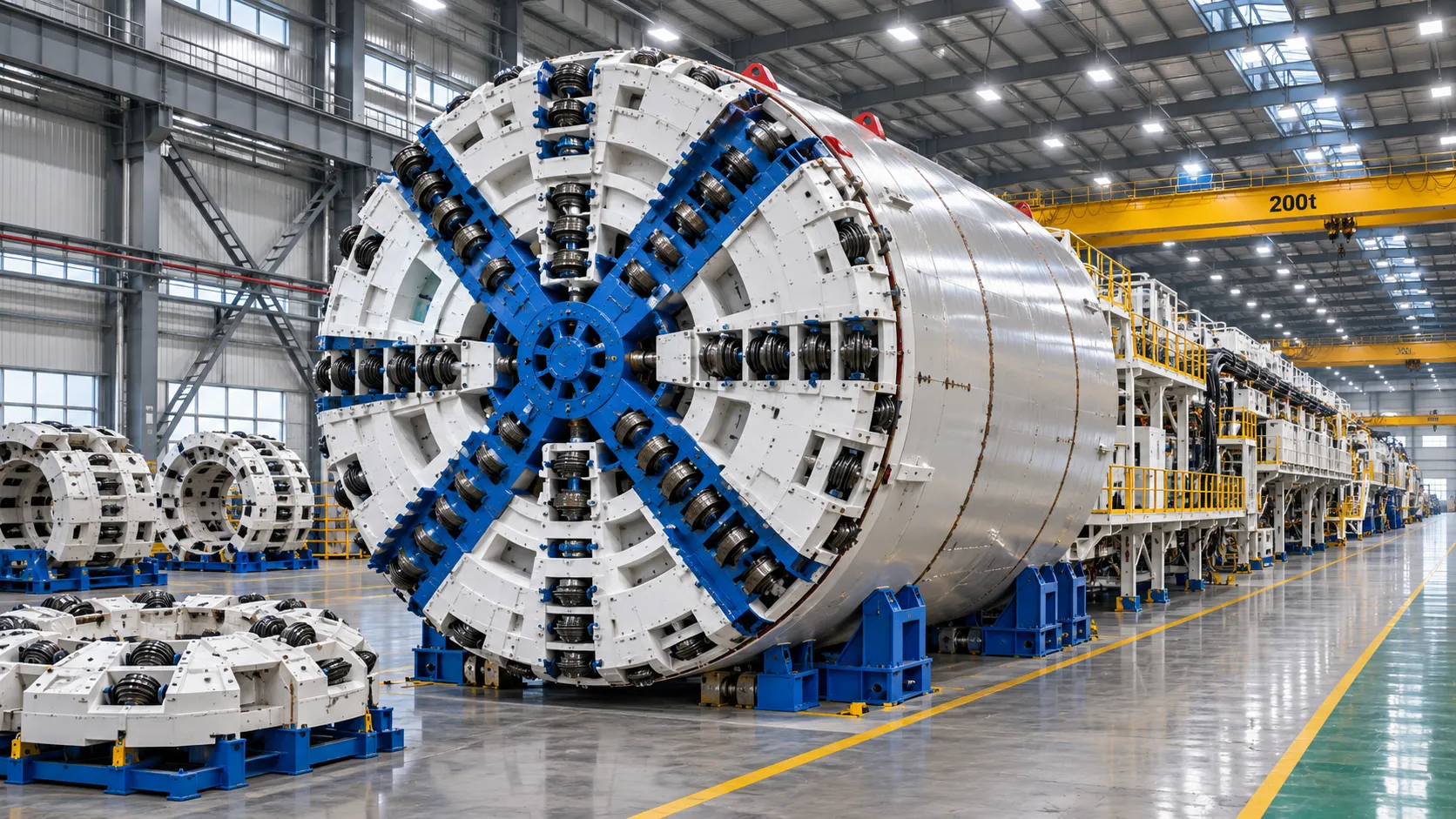
Three Export Control Notices Take Effect November 18, Adding Tunnel Boring Machines
China export controls add tunnel boring machines to the dual-use list. Explore potential licensing implications for equipment, components and project delivery.
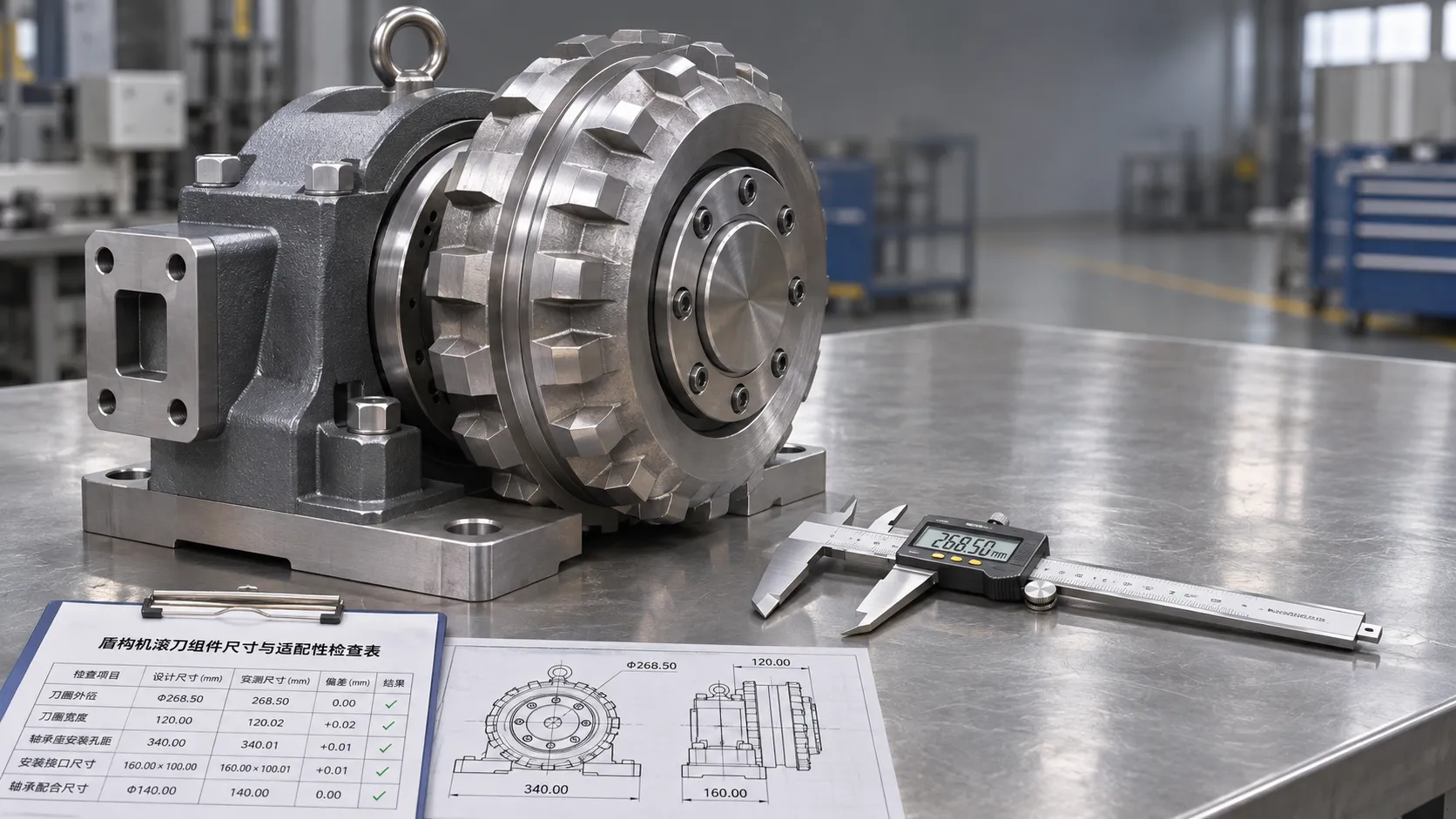
Choosing a TBM Components Supplier: Lead Times, Quality and Compatibility
Choose a TBM components supplier with confidence. Compare lead times, quality evidence and compatibility to reduce procurement risk and keep your project moving.
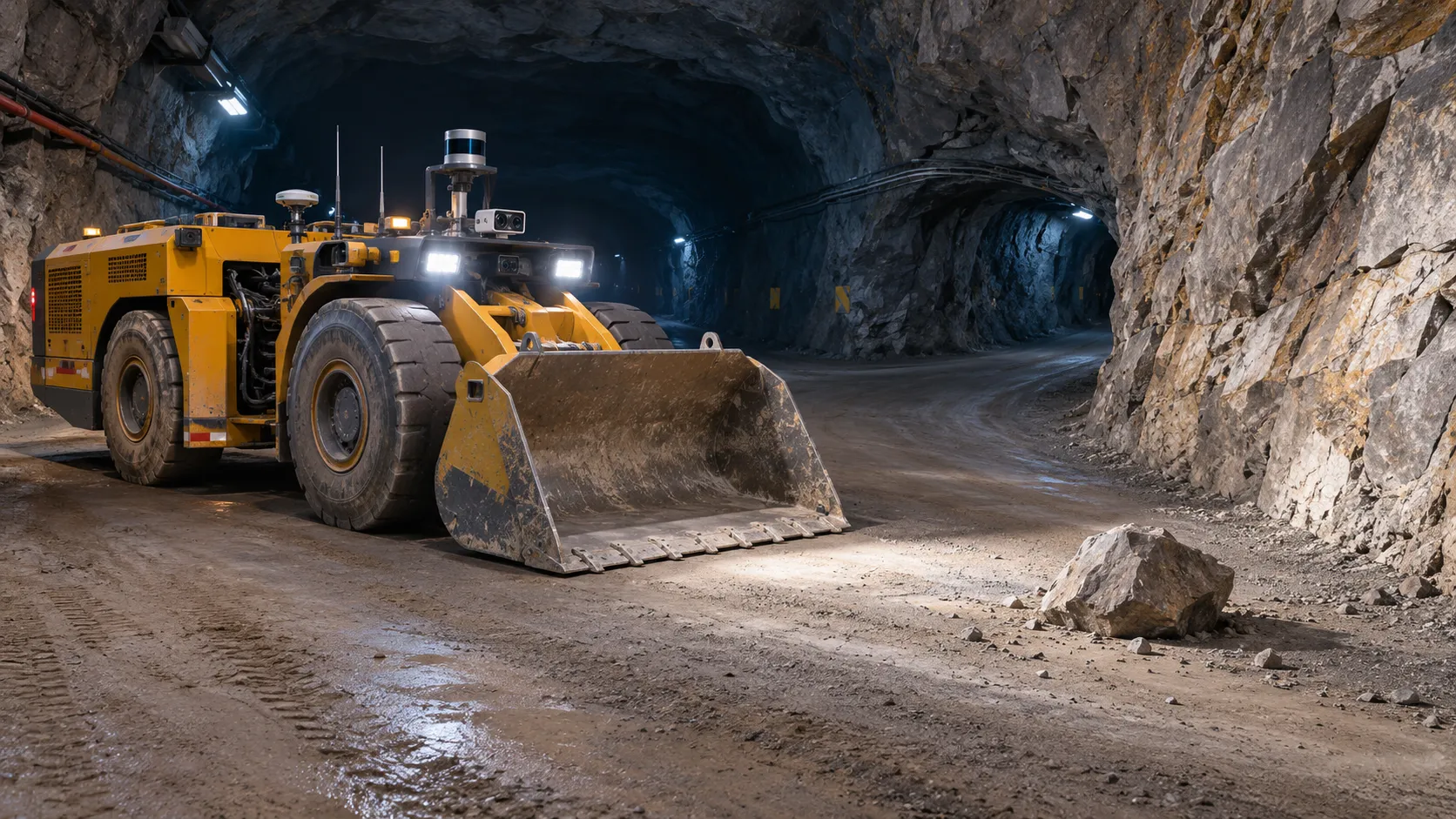
How Autonomous LHD Collision Avoidance Works in Underground Mines
Discover how autonomous LHD collision avoidance combines sensing, positioning and braking to manage underground hazards and support safer mine operations.
Mining Equipment Market Could Reach $19.42 Billion by 2033, Report Says
Mining equipment market could reach $19.42 billion by 2033. Explore how electrification, automation and surface mining demand are shaping the industry's outlook.
Selecting Municipal Trenchless Contractors in Canada: Key Bid Criteria
Municipal trenchless construction contractors Canada buyers can trust: compare bid criteria, technical risks and costs to make a confident award decision.
Related News
- 00
0000-00
Mega Tunnel Contractors: How to Evaluate Experience and Project Risks - 00
0000-00
Hudson Tunnel Project’s Second TBM Begins Excavating South Tunnel - 00
0000-00
How Bolting Jumbo Automation Works in Underground Rock Support - 00
0000-00
China’s Transport Ministry Issues Highway Tunnel Upgrade Standard - 00
0000-00
Smart Underground Mining Analytics: Using Equipment Data to Reduce Downtime
Weekly Insights
Stay ahead with our curated technology reports delivered every Monday.