
Mining Equipment Market Could Reach $19.42 Billion by 2033, Report Says





Market Minds Advisory projects that the global mining equipment market will reach $19.42 billion by 2033 as the sector moves from conventional diesel power toward electrification and automation. Its report also identifies substantial demand for surface mining equipment and points to acquisitions by major manufacturers, including Caterpillar, as part of the industry's technology shift.
The report estimates an absolute dollar opportunity of approximately $53.4 billion for 2026 to 2033. That figure and the projected 2033 market size describe differently framed measures: one covers an opportunity over a period, while the other refers to the market at a specified point. Their relationship and calculation depend on the report's definitions, so they should not be treated as directly interchangeable.
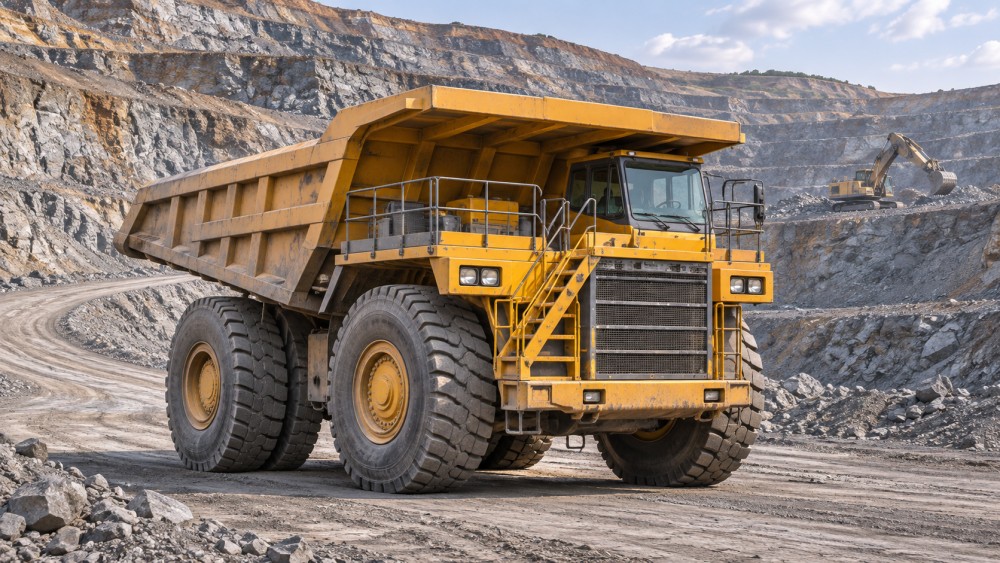
Electrification and automation reshape the equipment discussion
The shift identified in the report reaches beyond a choice of power source. Electrification changes the questions buyers may ask about how equipment fits into a mining operation, while automation adds a separate set of considerations about how machines are controlled and used. The two developments can occur together, but a move toward one does not necessarily establish the pace or extent of the other.
For equipment manufacturers, the implications could therefore extend across product development and technology acquisition. The report's reference to acquisitions by major companies illustrates one way businesses are seeking to expand their capabilities. It does not establish how quickly acquired technologies will reach customers or how broadly they will be adopted.
For mining companies considering equipment purchases, the distinction matters because the value of an electric or automated machine depends on its intended use. A decision may turn on how a particular product fits the operation as a whole, as well as on the equipment's individual capabilities. The report's broad market forecast does not establish the outcome for any particular mine or purchasing decision.
Surface mining demand and deeper operations
Surface mining equipment stands out in the report as an area of significant demand. This gives suppliers a reason to examine how the projected transition applies to equipment used in surface operations, rather than assuming that the same technologies will advance at the same rate across every part of the market.
The report also identifies demand associated with deeper mining as a driver of changing technology choices. That signal should be read alongside, rather than confused with, its observation about surface equipment: the two describe different aspects of the market. The information available does not quantify their respective contributions to the forecast or indicate which equipment categories will benefit most.
Environmental, social and governance standards are another factor cited in the report. Their relevance to an equipment purchase will depend on how requirements are applied and how a proposed technology performs in its intended setting. The report's broader direction is a move toward different equipment capabilities; it does not establish a single timetable for replacing diesel machinery.
What the forecast can and cannot establish
The projected $19.42 billion market size offers a long-term view of the opportunity identified by Market Minds Advisory. It is a forecast, not evidence that sales or adoption have already reached that level. Actual outcomes will depend on how demand develops and on the extent to which electrified and automated equipment is taken up.
The $53.4 billion absolute dollar opportunity likewise needs to be understood through the report's methodology. Without that context, the figure should not be presented as additional annual market size or as the value available to any individual supplier. Readers assessing either projection should pay attention to the scope of equipment included and the way the period measure is calculated.
Further company announcements and information about equipment offerings could help show whether the acquisition activity described in the report translates into products and deployment. The questions are which applications manufacturers address, how customers use the resulting equipment and how demand for surface machinery develops alongside the push toward electrification and automation.
Related News
Mega Tunnel Contractors: How to Evaluate Experience and Project Risks
Evaluate mega tunnel contractors with confidence. Learn how to assess relevant experience, ground risks, construction plans, and bid assumptions before award.
Hudson Tunnel Project’s Second TBM Begins Excavating South Tunnel
Hudson Tunnel Project’s second TBM begins south tunnel excavation. Explore what this milestone could mean for contractors and suppliers.
How Bolting Jumbo Automation Works in Underground Rock Support
Explore how bolting jumbo automation coordinates drilling and rock support, and discover what to assess for safer, more consistent underground operations.
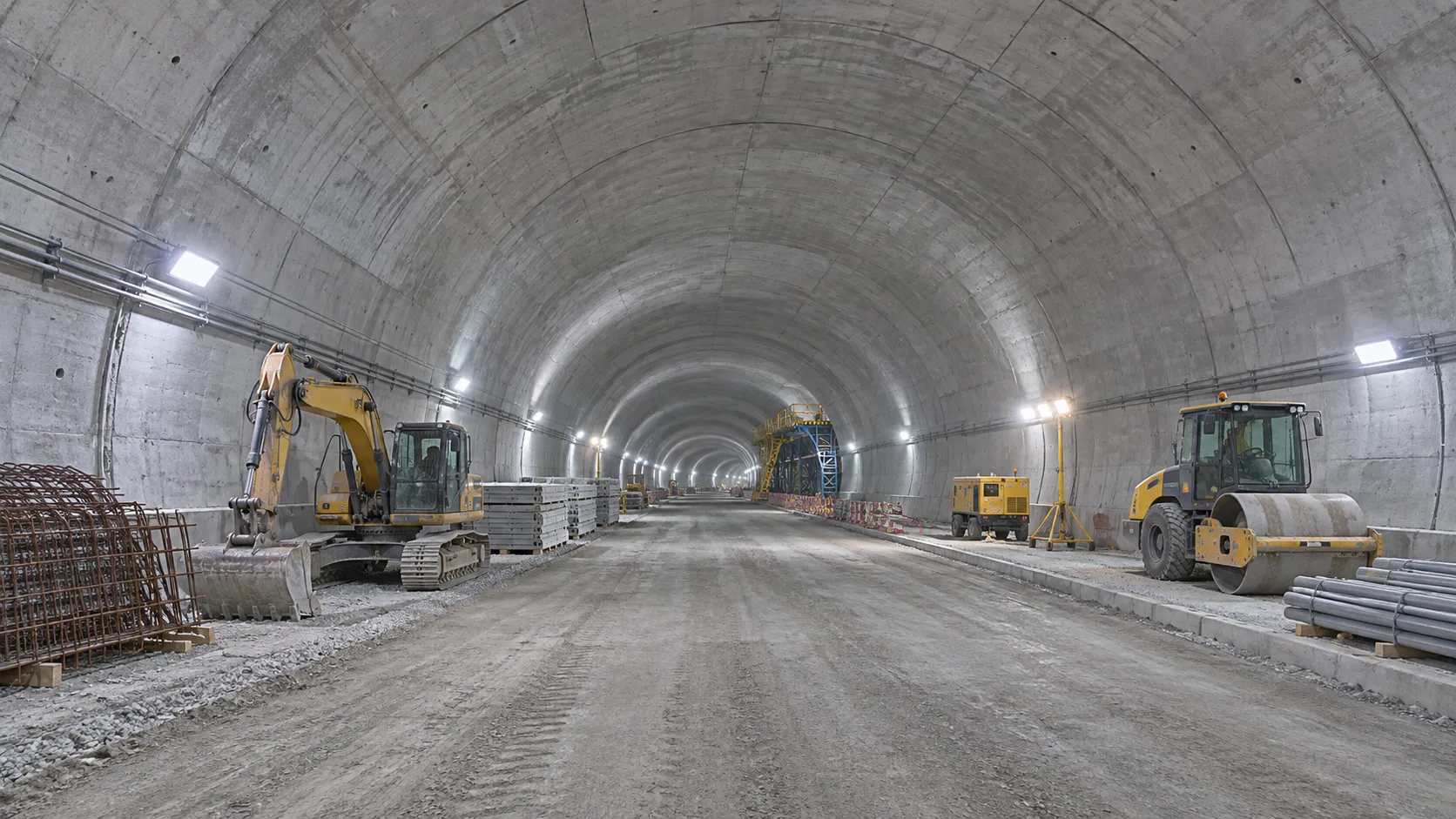
China’s Transport Ministry Issues Highway Tunnel Upgrade Standard
China’s highway tunnel upgrade standard takes effect December 1, 2026. Explore potential implications for contractors, project owners and equipment suppliers.
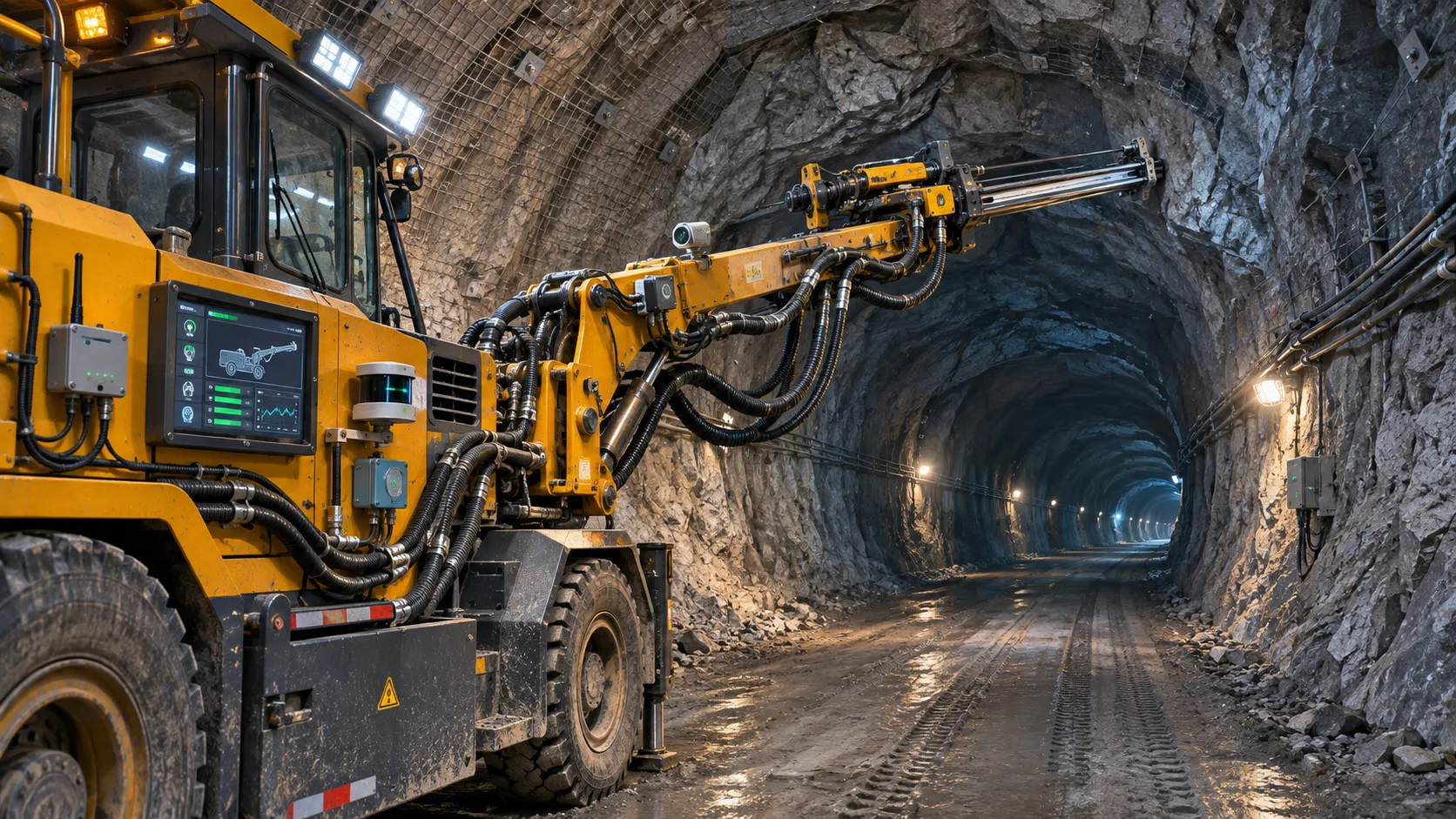
Smart Underground Mining Analytics: Using Equipment Data to Reduce Downtime
Smart underground mining analytics turns equipment data into actionable insights. Discover how to reduce downtime and improve maintenance decisions.
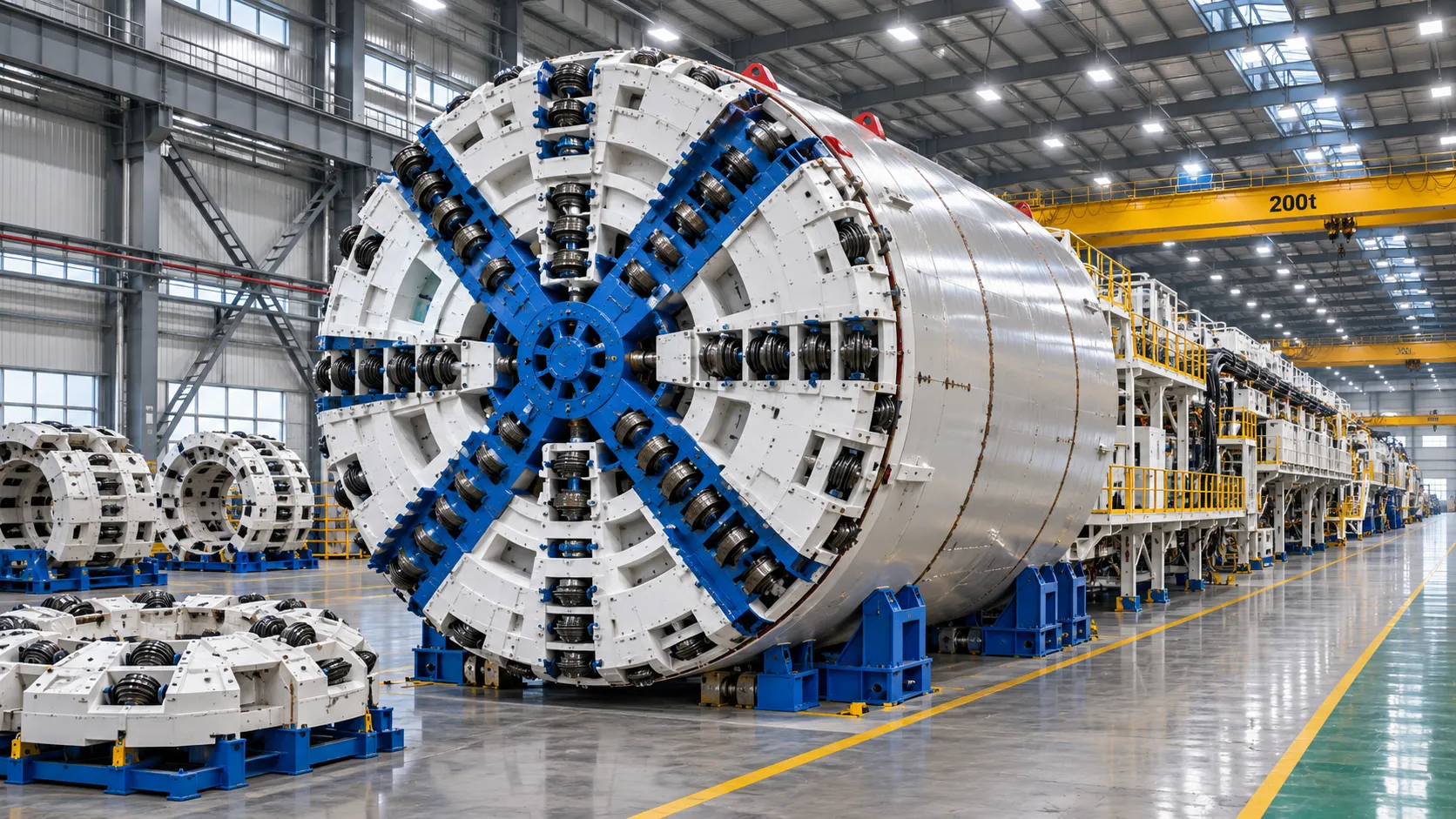
Three Export Control Notices Take Effect November 18, Adding Tunnel Boring Machines
China export controls add tunnel boring machines to the dual-use list. Explore potential licensing implications for equipment, components and project delivery.
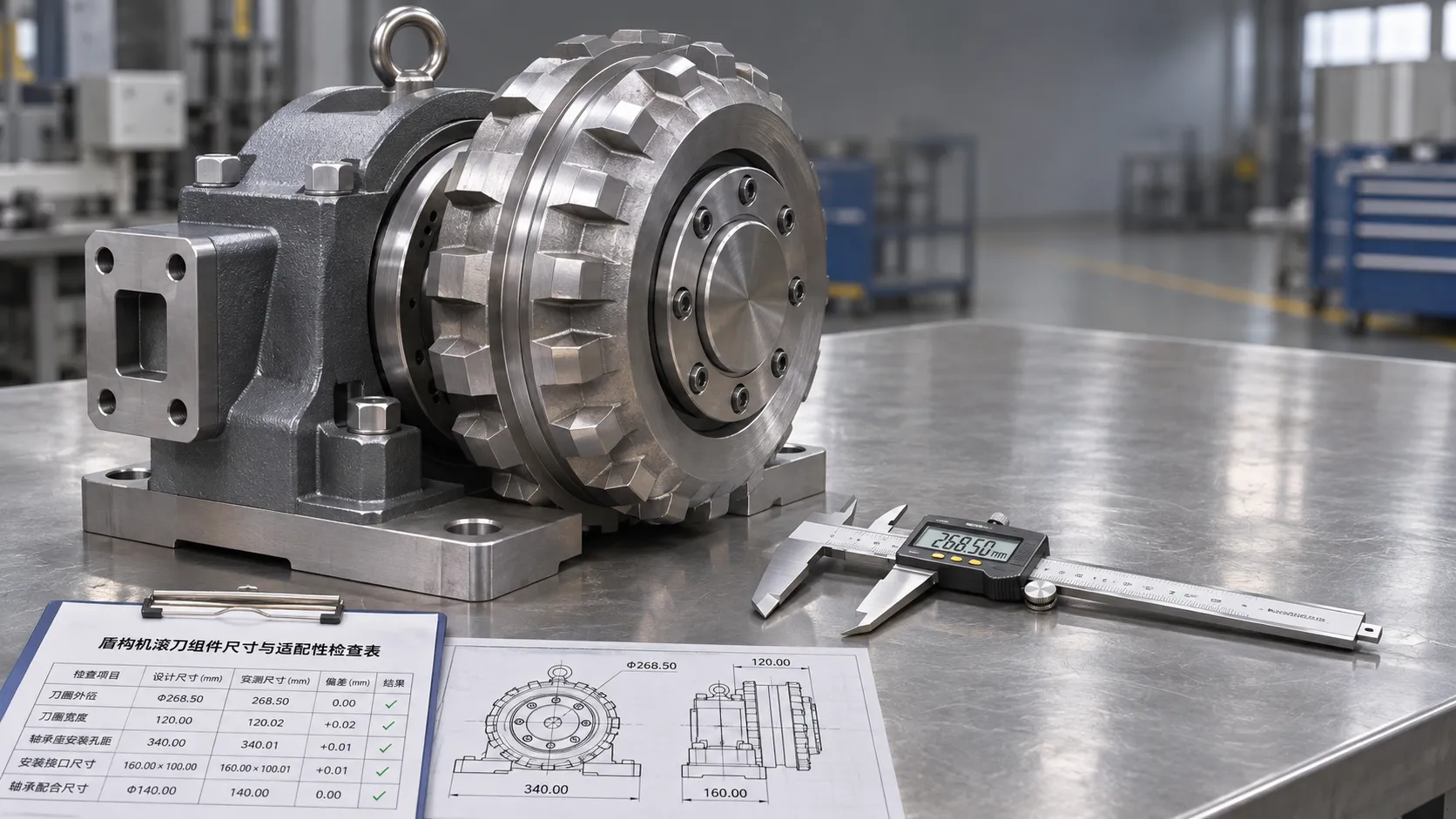
Choosing a TBM Components Supplier: Lead Times, Quality and Compatibility
Choose a TBM components supplier with confidence. Compare lead times, quality evidence and compatibility to reduce procurement risk and keep your project moving.
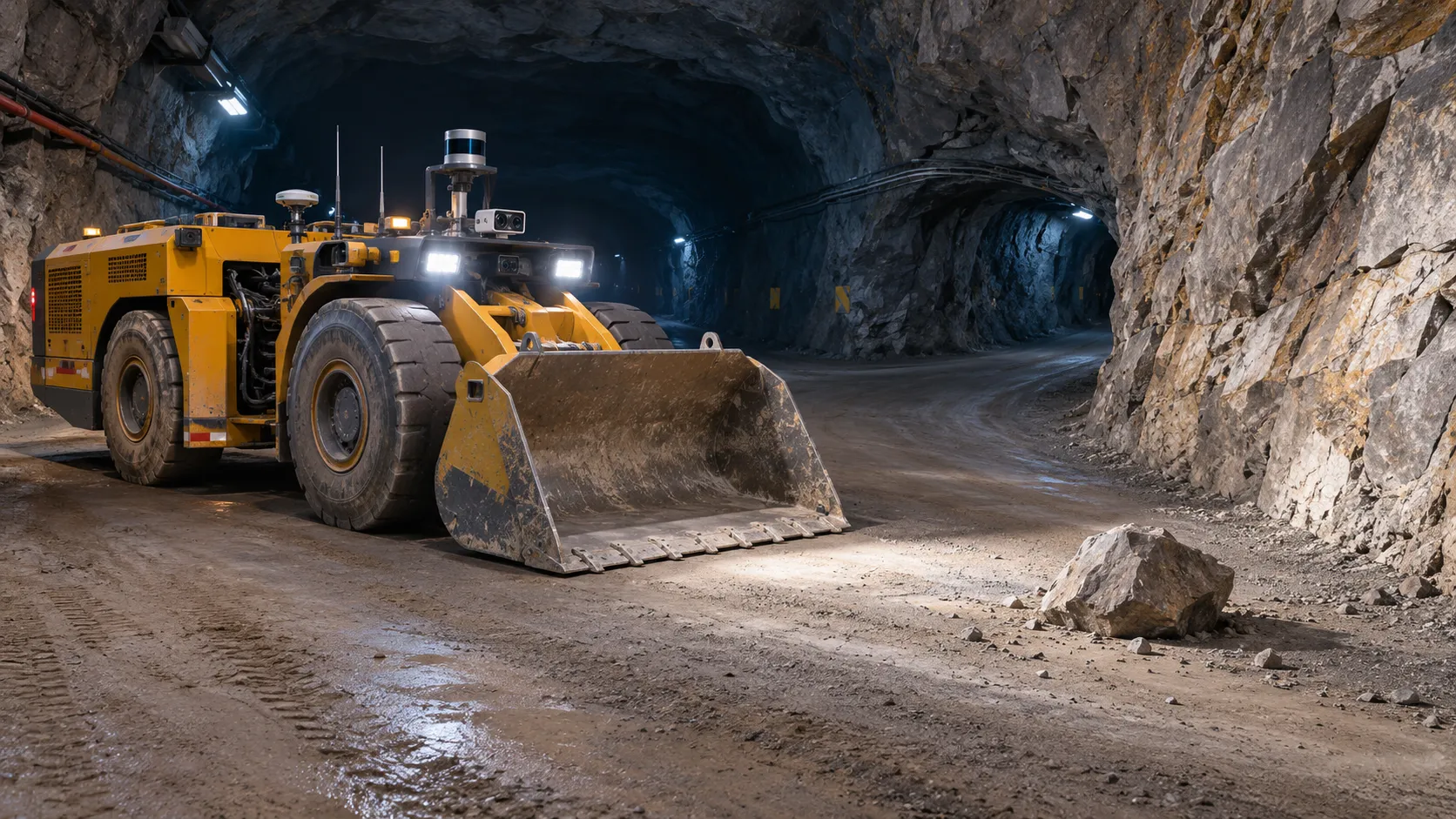
How Autonomous LHD Collision Avoidance Works in Underground Mines
Discover how autonomous LHD collision avoidance combines sensing, positioning and braking to manage underground hazards and support safer mine operations.
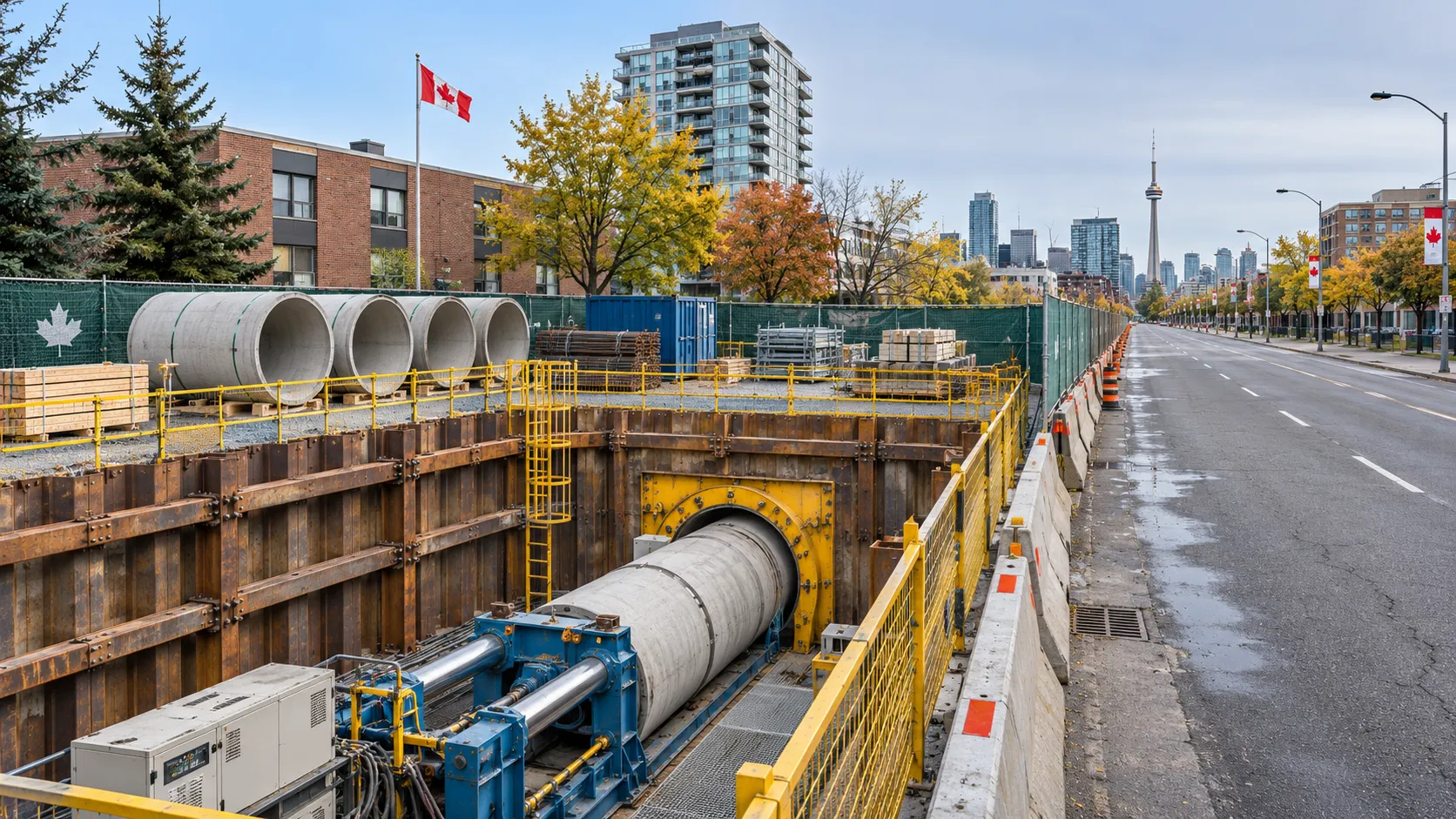
Selecting Municipal Trenchless Contractors in Canada: Key Bid Criteria
Municipal trenchless construction contractors Canada buyers can trust: compare bid criteria, technical risks and costs to make a confident award decision.
Related News
- 00
0000-00
Mega Tunnel Contractors: How to Evaluate Experience and Project Risks - 00
0000-00
Hudson Tunnel Project’s Second TBM Begins Excavating South Tunnel - 00
0000-00
How Bolting Jumbo Automation Works in Underground Rock Support - 00
0000-00
China’s Transport Ministry Issues Highway Tunnel Upgrade Standard - 00
0000-00
Smart Underground Mining Analytics: Using Equipment Data to Reduce Downtime
Weekly Insights
Stay ahead with our curated technology reports delivered every Monday.