
Metro Tunnelling Cost: How Ground Conditions and Tunnel Depth Affect Budgets





Metro tunnelling cost is shaped as much by what lies beneath a city as by the length of the route. Soft ground, hard rock, groundwater and tunnel depth can all influence excavation methods, support requirements, construction schedules and risk allowances.
For project managers, understanding these interactions early is essential to building a realistic budget and selecting the right tunnelling strategy. This article examines how ground conditions and depth affect major cost drivers, from tunnel boring machine selection to shafts, ground treatment and contingency planning.
The central budgeting lesson is that the lowest-cost alignment is not necessarily the shallowest or shortest. A deeper route may reduce property and utility conflicts while increasing shaft, station and groundwater costs.
Compare options across the entire underground works package, using consistent scope and risk assumptions. Excavation rates alone cannot show which route offers the best value or the most reliable delivery programme.
Which Ground Conditions Have the Greatest Impact on Cost?
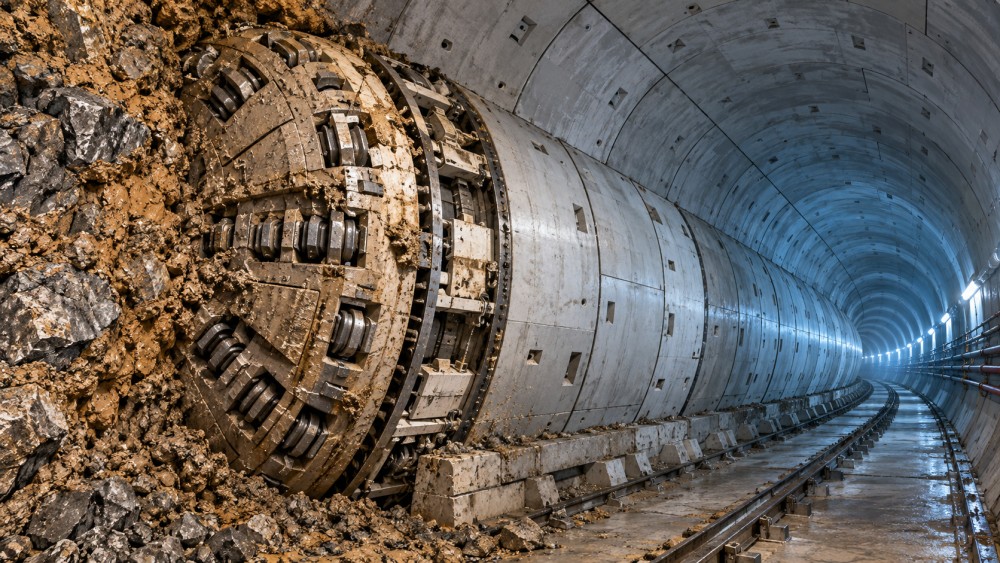
Ground conditions affect equipment selection, excavation speed, support design and the probability of interruption. Their financial effect depends on how frequently conditions change and where difficult sections occur.
Soft ground: Clay, silt and sand can require controlled face pressure to limit settlement. The budget may include a pressurised tunnel boring machine, segmental lining, monitoring and measures to protect nearby structures.
Soft ground is not automatically expensive: predictable material can support efficient production. Costs rise when weak zones, sensitive buildings or variable permeability demand slower advance and additional intervention.
Hard rock: Strong rock can provide a stable excavation, but abrasive minerals and high strength may accelerate cutter wear. Replacement cutters, inspection stops and reduced penetration rates can materially affect the programme.
Rock quality matters as much as strength. Fractures, faults and water-bearing zones can require probe drilling, grouting or additional support, even where adjacent rock is competent and comparatively straightforward to excavate.
Mixed ground: A tunnel face containing both rock and soil can create uneven cutting forces and complicate face control. Transitions may require a machine configured for multiple conditions and more conservative production assumptions.
Made ground and obstructions: Old foundations, buried structures and undocumented utilities may require investigation, removal or local treatment. Their impact is especially significant near stations, shafts and shallow tunnel sections.
For budgeting, divide the alignment into geotechnical zones rather than assigning one average advance rate. Link each zone to expected treatment, support, consumables and credible downtime scenarios.
How Does Tunnel Depth Change the Budget?
Depth changes more than the amount of material above the tunnel. It affects access, groundwater pressure, station construction, emergency arrangements and the time required to move people and materials underground.
A shallow alignment may reduce shaft depth and make some station works easier. However, it can intersect utilities, foundations and contaminated ground, while settlement controls and traffic management increase surface-related costs.
A deeper alignment can avoid some surface constraints or reach a more consistent geological layer. Those savings must be weighed against longer access routes, deeper excavations and potentially higher groundwater pressures.
Station costs deserve particular attention. A deeper platform may need larger or deeper excavations, longer escalators, additional lifts and more complex passenger evacuation arrangements, subject to the design and local requirements.
Depth can also increase the effort needed for ventilation, dewatering, spoil removal and emergency access. These effects depend on the construction method and shaft arrangement, not depth alone.
Do not assume that groundwater pressure always rises in direct proportion to tunnel depth. Groundwater levels, permeability, connected aquifers and the project’s hydrogeological setting determine the pressures and inflows encountered.
The practical test is whether the deeper option saves more in avoided constraints and reduced ground risk than it adds in stations, access, logistics and financing costs.
Where Do Ground and Depth Affect Major Cost Items?
Machine selection and procurement: Earth pressure balance, slurry and hard-rock TBMs address different ground and groundwater conditions. Machine configuration, delivery, assembly and retrieval must match the anticipated alignment.
A machine capable of handling difficult transitions may cost more upfront but reduce intervention and delay risk. Its value depends on the likelihood and consequences of encountering those transitions.
Excavation and consumables: Production assumptions determine labour, plant utilisation and time-related overheads. Include cutter wear, conditioning materials, maintenance and realistic allowances for planned stoppages.
Ground treatment: Grouting, ground freezing or other measures may be needed at launch and reception shafts, cross passages or difficult geological zones. Price the treatment and its effect on the critical path.
Lining and support: Segment design, temporary support and waterproofing respond to loading, ground behaviour, groundwater and durability requirements. Higher loads or aggressive groundwater can change both material specifications and installation work.
Shafts and stations: Deep excavations often demand substantial retaining structures, temporary works and groundwater control. Restricted urban sites can add staging, property access and traffic-management costs.
Logistics and disposal: Spoil classification, transport distance, disposal capacity and working-hour restrictions influence unit costs. Contaminated material may need separate handling and approved treatment or disposal routes.
Time-related costs: An excavation delay can extend site supervision, equipment hire, financing and interfaces with station or systems contractors. Estimate these consequences separately from the direct cost of correcting the problem.
How Should Project Managers Compare Alignment Options?
Begin with a common scope. For each option, include running tunnels, stations, shafts, cross passages, surface works, utilities, property impacts and relevant project overheads.
Record exclusions explicitly. A per-kilometre tunnel construction figure that excludes stations and land cannot be compared directly with a full metro project budget that includes those items.
Next, map each alignment against ground models, groundwater conditions, existing assets and access constraints. Identify where the route changes geology or approaches structures with tight settlement tolerances.
Build a base estimate using quantities and production assumptions appropriate to each geological zone. Show machine utilisation, treatment volumes, shaft construction durations and disposal routes as visible inputs.
Then test uncertainty. Model plausible changes in penetration rate, cutter consumption, water inflow and treatment extent, including the schedule consequences and dependencies between risks.
For example, compare a shallow alignment crossing numerous utilities with a deeper route through more consistent rock. Include utility relocation and settlement protection in one case, and deeper stations and shafts in the other.
Present decision-makers with a range, not just a single total. Explain which assumptions drive the difference, which investigations could narrow uncertainty and which risks remain outside the project team’s control.
Where operating implications materially differ, consider them separately alongside capital expenditure. Longer passenger access routes, additional equipment and maintenance requirements may affect the wider investment case.
When Is More Ground Investigation Worth the Investment?
Investigation spending is valuable when it can change an alignment, machine specification, treatment strategy or risk allocation. Prioritise information that affects high-cost decisions or could prevent long delays.
Early desk studies can identify existing boreholes, historical construction, buried assets and known geological structures. Their usefulness depends on location, age, quality and relevance to the proposed tunnel depth.
Targeted boreholes, in-situ testing, laboratory testing and groundwater monitoring can improve the ground model. Geophysical methods may help interpret conditions between investigation points, but results still need appropriate verification.
Focus investigation around geological transitions, station boxes, launch and reception sites, cross passages and locations where settlement-sensitive assets are close to the works.
Investigation cannot eliminate uncertainty between sampling locations. Maintain a record of assumptions, alternative interpretations and residual risks, then update it as design advances and new data becomes available.
Before commissioning further work, compare its cost and timing with the decisions it supports. An investigation result arriving after machine procurement may have less value than one available before specification.
How Should Contingency and Risk Be Managed?
Separate the base estimate from contingency. The base should reflect the defined scope and reasonable planned quantities; contingency should address uncertainty and identified risks that could change the outcome.
A percentage applied uniformly to every package can obscure the real exposure. Instead, assess risk events by likelihood, potential cost and schedule effect, and use the method appropriate to project maturity.
Examples include encountering an unanticipated fault, needing additional ground treatment or losing access to a disposal facility. Avoid counting the same allowance in both package rates and project contingency.
Test combined scenarios as well as individual events. Poorer ground may simultaneously reduce advance rates, increase cutter consumption and delay a station interface, creating effects that are not independent.
Contract strategy also matters. Define how ground information, unforeseen conditions and changes are addressed, and assess whether the party carrying each risk can reasonably investigate, price and manage it.
As construction progresses, reconcile observed conditions and actual production against the baseline. Update the forecast cost and completion date, and retain a clear record of contingency commitments and remaining exposure.
What Should Be in the Final Budget Review?
Before approving a preferred option, check that cost comparisons use the same scope, price basis, schedule assumptions and treatment of escalation, financing, taxes and contingency where applicable.
Ask the team to identify the largest geological unknowns, the cost of resolving them and the latest date at which new information can influence design or procurement.
Review the sensitivity of the estimate to advance rates, groundwater control, shaft depth and station construction. Confirm that the schedule includes realistic interfaces, intervention time and urban working restrictions.
Finally, document what would trigger a change in strategy: for example, evidence of a major transition, higher groundwater pressure or an unacceptable settlement risk near a critical asset.
Metro tunnelling cost is best managed as a relationship between ground, depth, design and delivery risk. The strongest budget makes those relationships explicit and directs early investment toward the uncertainties that matter most.
Related News
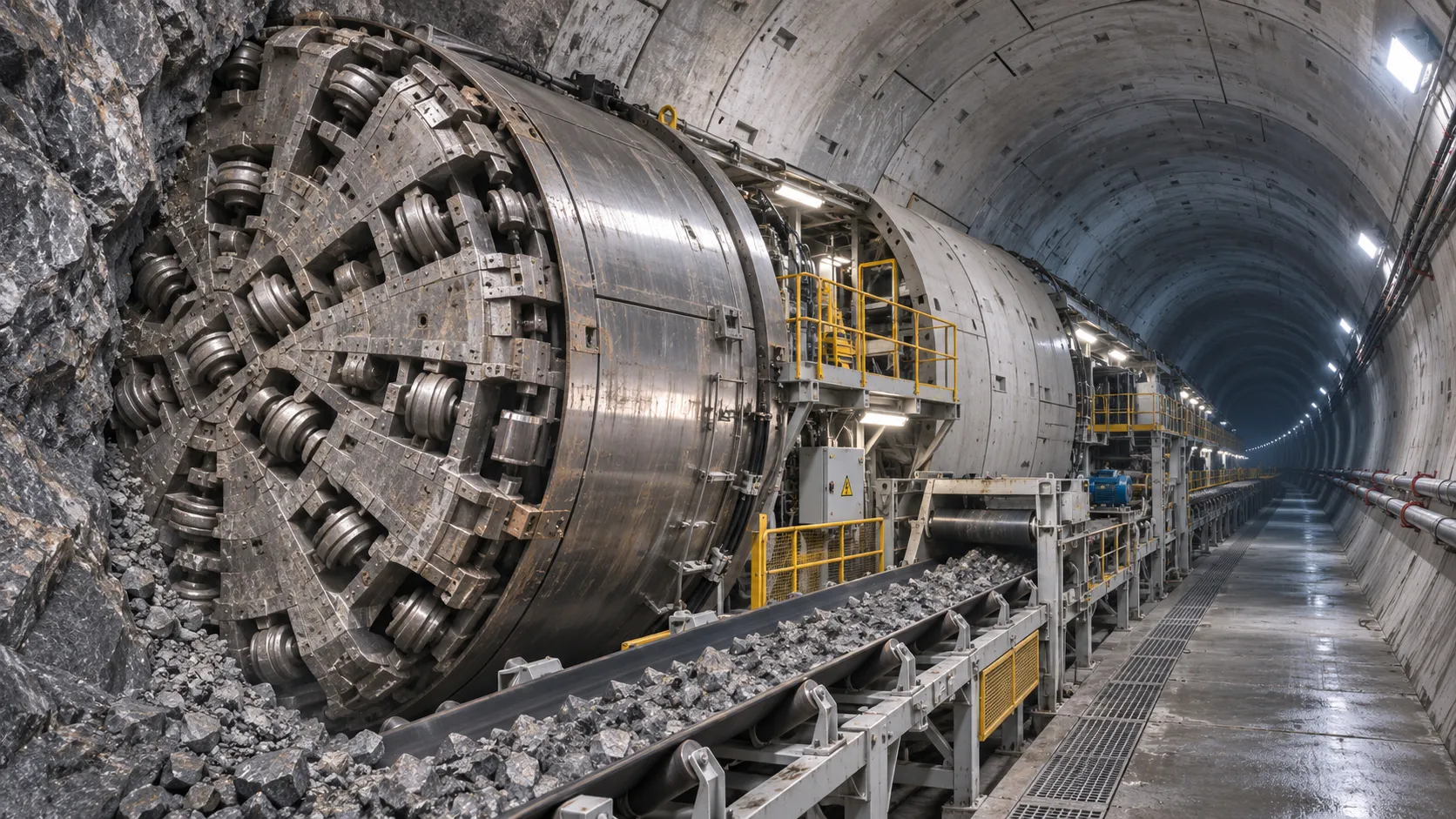
How TBM Excavation Works in Rock and Soft Ground: A Practical Guide
TBM Excavation in rock and soft ground explained: compare machine types, ground support, spoil removal, and the factors that guide smarter project planning.
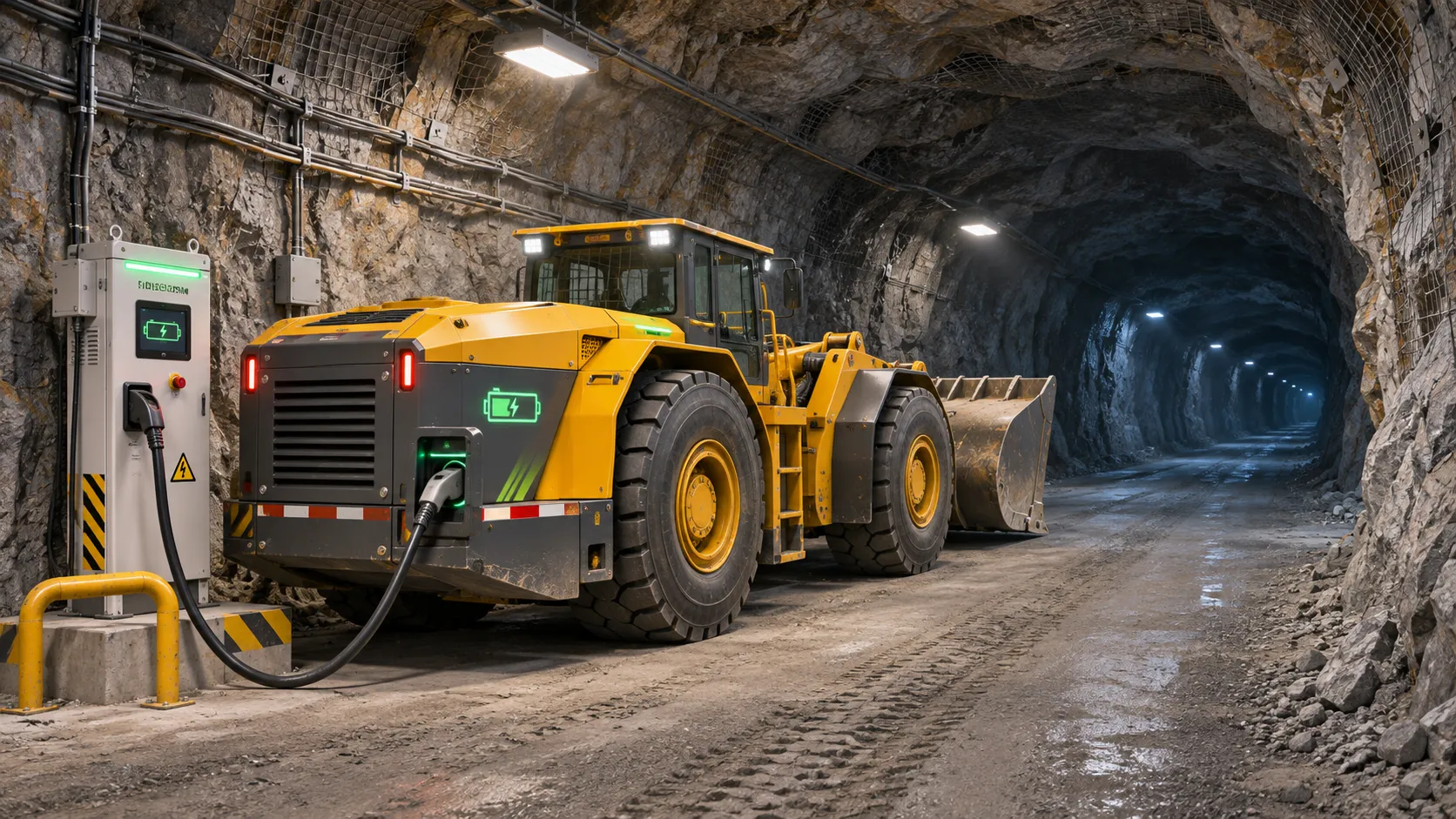
Choosing a Zero-Emission Underground Equipment Supplier: What to Check
Choosing a zero emission underground equipment supplier? Compare duty-cycle performance, charging, safety, total costs and support before you commit.
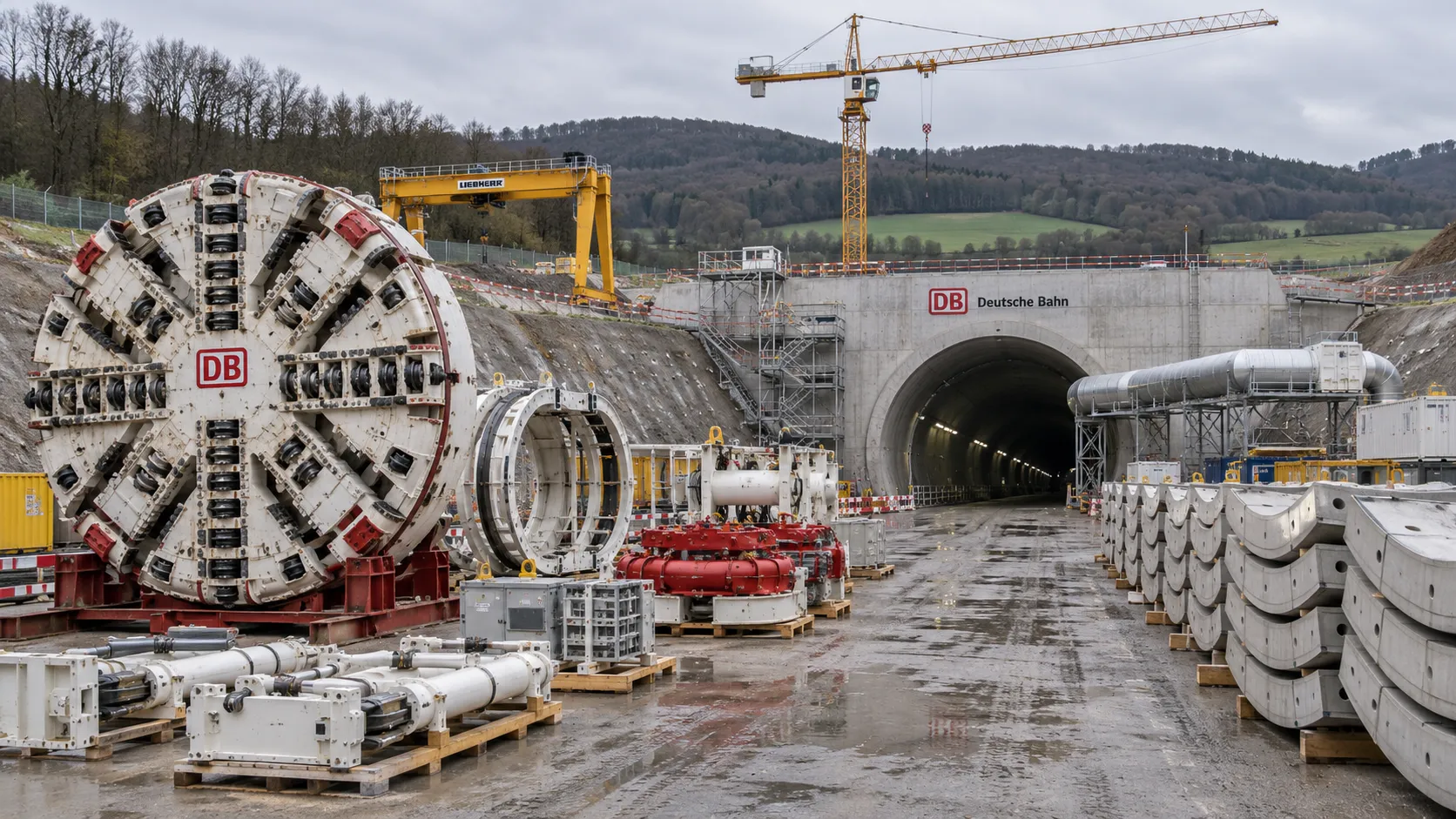
Construction Starts on Germany's Pfaffensteig Rail Tunnel, With Two TBMs Planned
Pfaffensteig rail tunnel construction is underway in Germany. Discover how two planned TBMs will support the 11-kilometre project near Stuttgart.
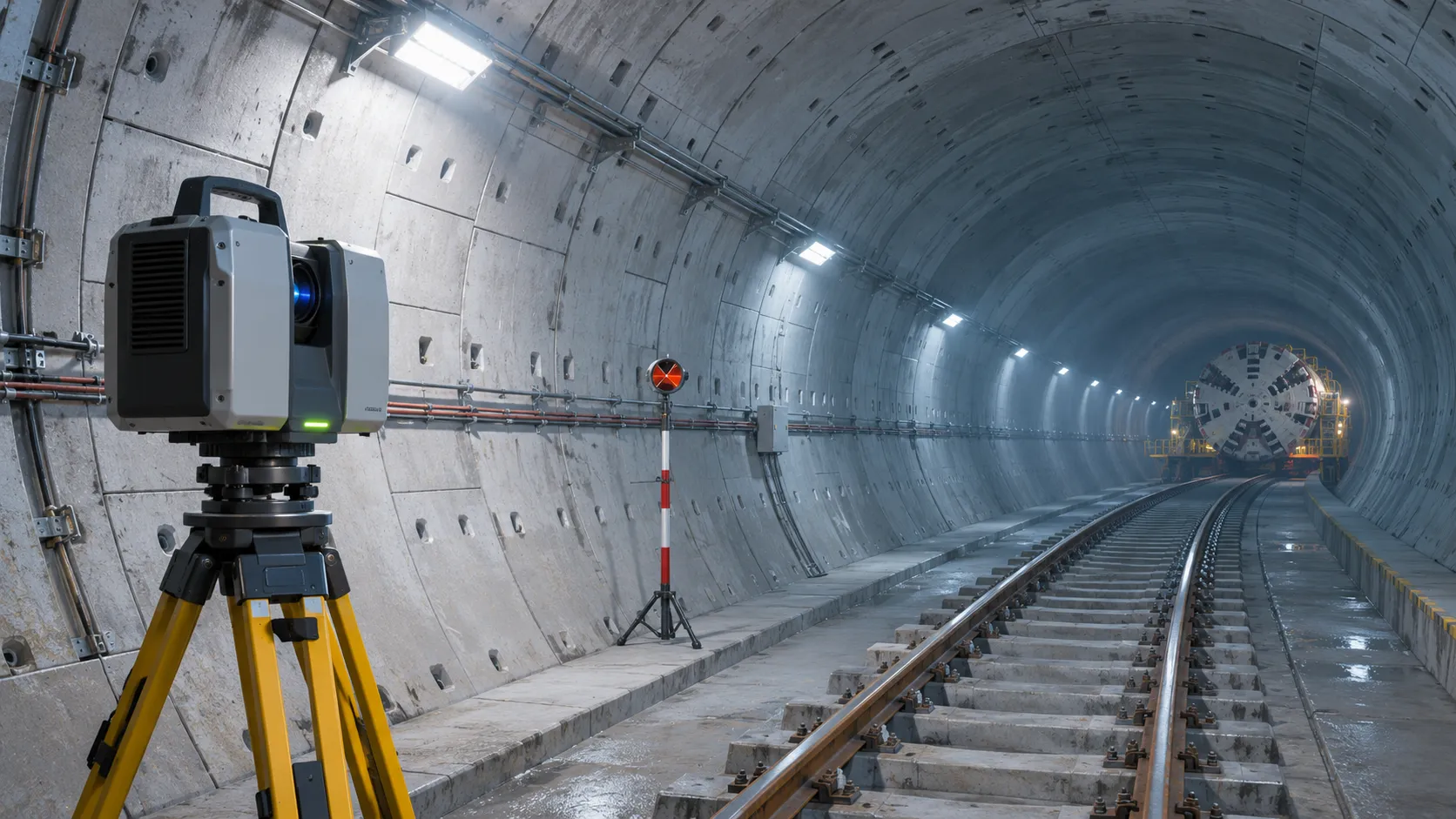
How Real-Time Underground Mapping Systems Work in Tunneling
Discover how real-time underground mapping systems guide tunneling teams, integrate sensor data, and support confident decisions with verified accuracy.
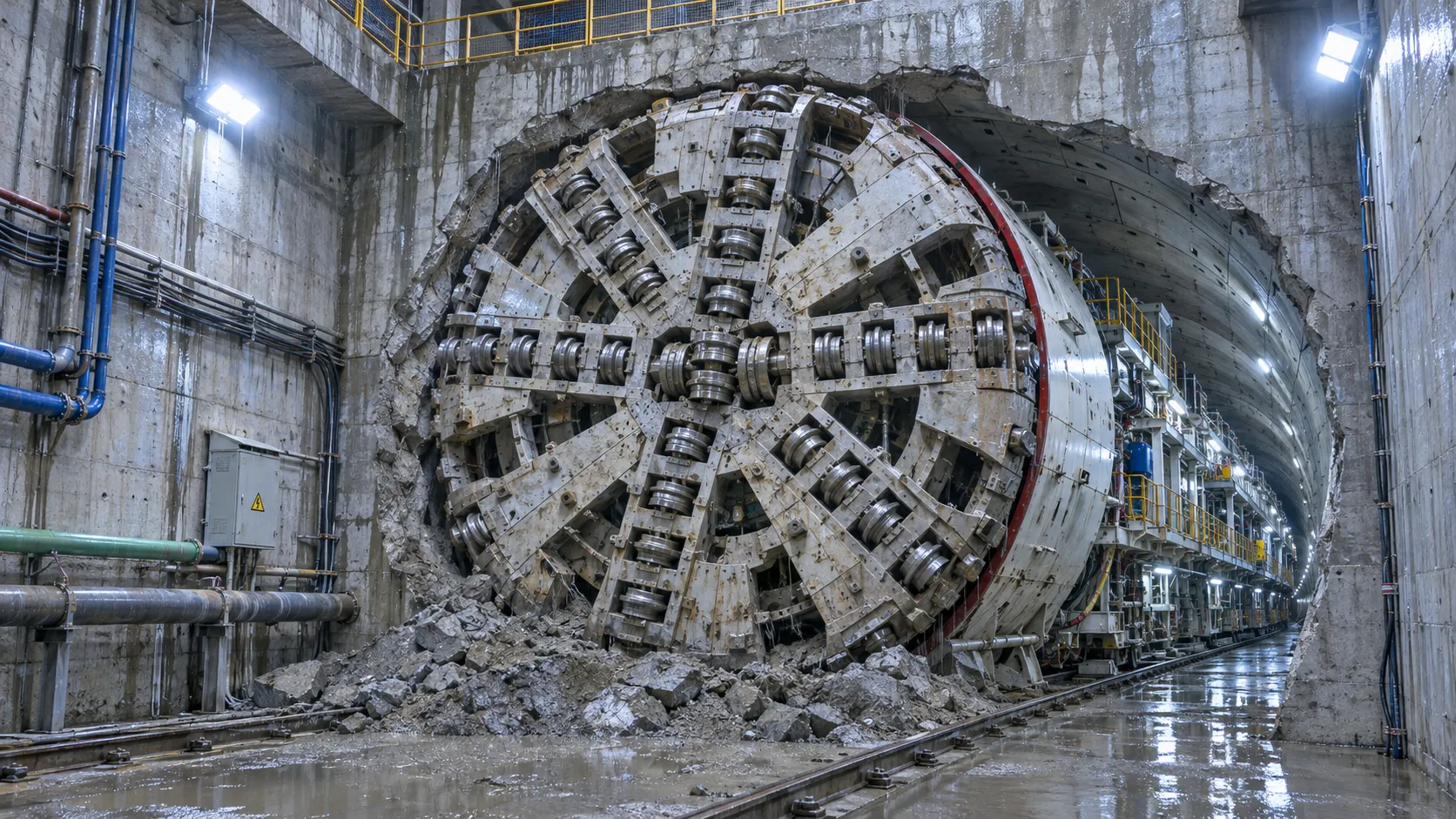
First Mechanized Tunnel Crossing Beneath the Panama Canal Completed
Panama Canal tunnel crossing: Explore the reported Metro Line 3 milestone and what it could mean for future underwater tunneling projects.
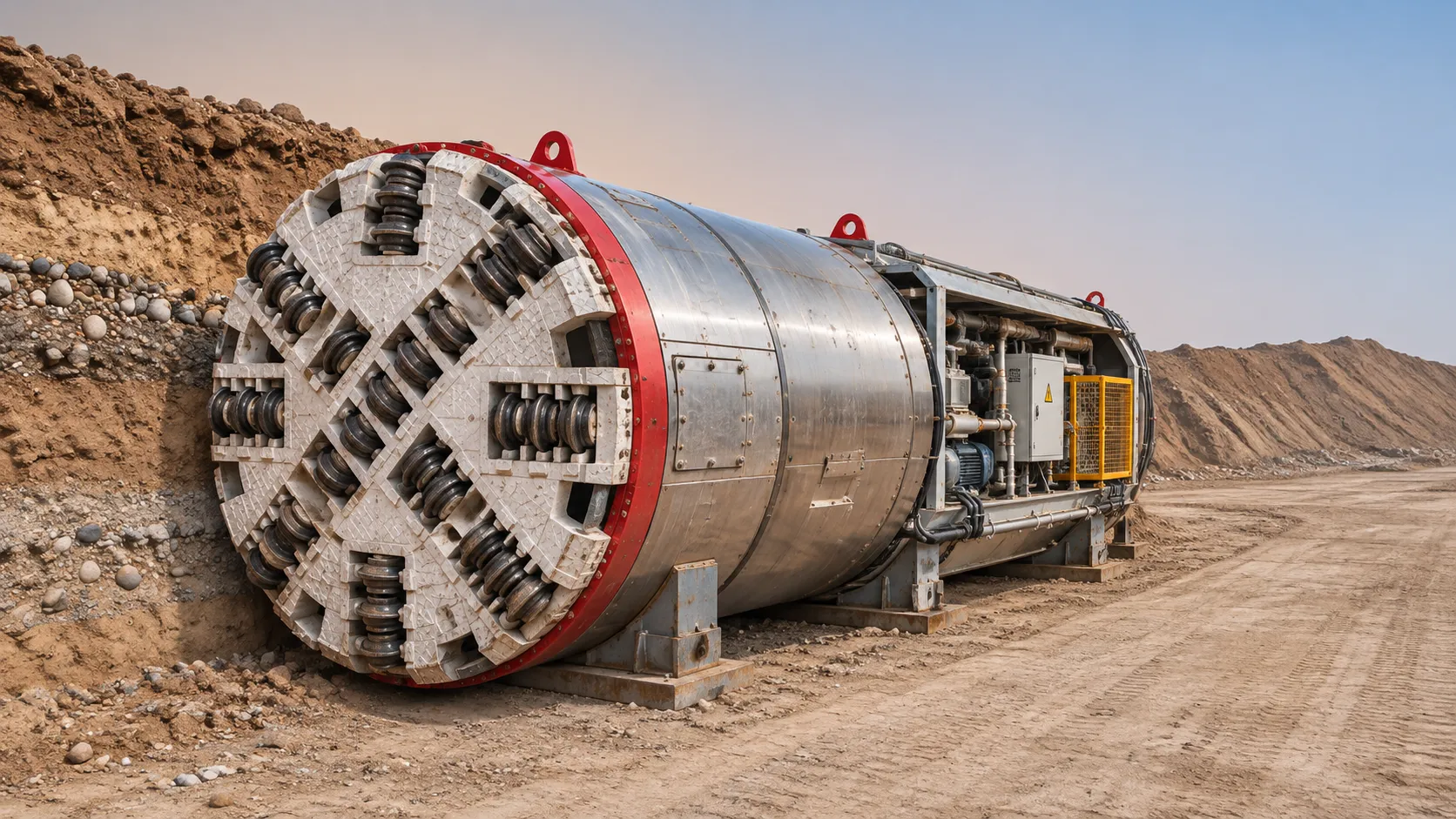
Underground Utility Construction Equipment: Choosing by Ground Conditions
Choose underground utility construction equipment with confidence. Compare trenching, HDD, microtunnelling and TBMs by ground conditions, risk and cost.
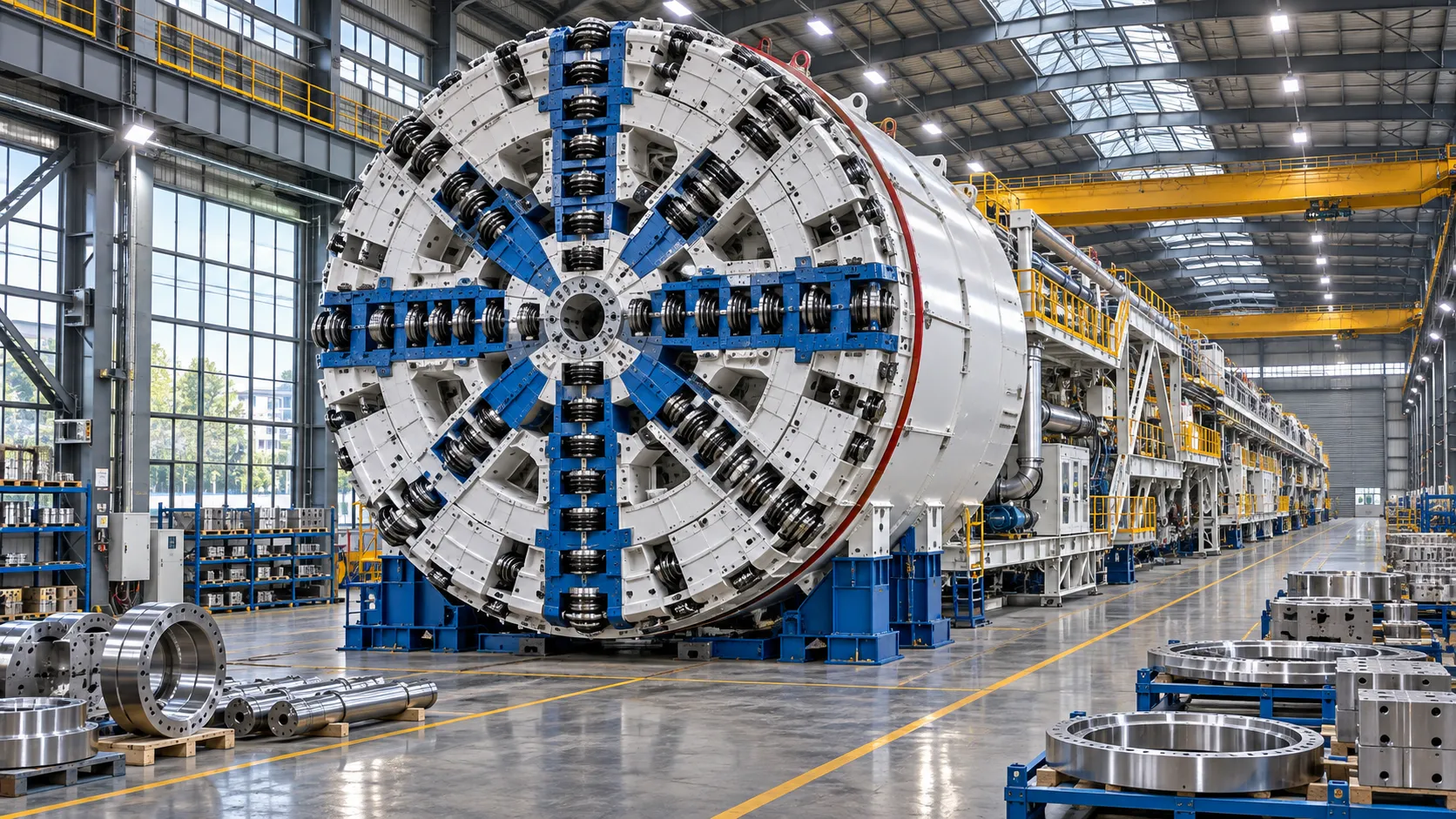
China Sets Tunnel Boring Machine Export Controls as India Pushes Local Production
China tunnel boring machine export controls could reshape procurement as India pushes local production. Explore potential supply and project impacts.
Choosing a Trenchless Pipeline Installation Contractor: Key Qualifications
Choose a trenchless pipeline installation contractor with confidence. Learn how to assess experience, equipment, safety, costs, and project risks before you hire.
China's 70% TBM Share and Export Controls Challenge India's Local Production
China's TBM export controls could challenge India's local production and infrastructure sourcing. Explore the potential risks and procurement options.
Related News
- 00
0000-00
How TBM Excavation Works in Rock and Soft Ground: A Practical Guide - 00
0000-00
Choosing a Zero-Emission Underground Equipment Supplier: What to Check - 00
0000-00
Construction Starts on Germany's Pfaffensteig Rail Tunnel, With Two TBMs Planned - 00
0000-00
How Real-Time Underground Mapping Systems Work in Tunneling - 00
0000-00
First Mechanized Tunnel Crossing Beneath the Panama Canal Completed
Weekly Insights
Stay ahead with our curated technology reports delivered every Monday.