
Choosing an Underground Construction Equipment Supplier: Parts and Service Checks





Choosing an Underground Construction Equipment Supplier: Parts and Service Checks
A competitive equipment quote means little if a critical spare part takes weeks to arrive or service support cannot reach your jobsite. Choosing an Underground Construction Equipment supplier requires checking more than machine specifications and purchase price. Parts availability, component traceability, technician coverage, and enforceable response commitments all influence downtime risk and lifecycle cost.
The difficult questions usually sit between departments. Purchasing sees a stocked warehouse; maintenance needs to know whether it contains the correct controller revision. A service manager promises rapid attendance; the site team needs someone authorised and equipped to work underground. Those gaps deserve attention before an order becomes a contract.
Start with what can actually stop production
Do not begin by asking for the supplier’s entire spare-parts catalogue. Begin with the proposed machine configuration, operating conditions, and consequences of failure. A pipe-jacking machine beneath a busy road has different recovery constraints from an underground loader that can be replaced temporarily by another fleet unit.
For a TBM, examine cutting tools, seals, hydraulic equipment, drive components, and control hardware against geology, access arrangements, and the maintenance strategy. For a drilling jumbo, look at drifter support, feed components, hoses, and control-system diagnostics. Battery-electric loaders introduce another dependency: competent support for batteries, charging equipment, thermal management, and high-voltage isolation.
Ask engineering and maintenance to separate routine consumables from components whose failure stops excavation or haulage. Then distinguish items replaceable underground from those requiring lifting equipment, major disassembly, or machine recovery. A spare on the shelf is not a complete recovery plan if it cannot be installed at the workface.
Test “available from stock” against a real parts list
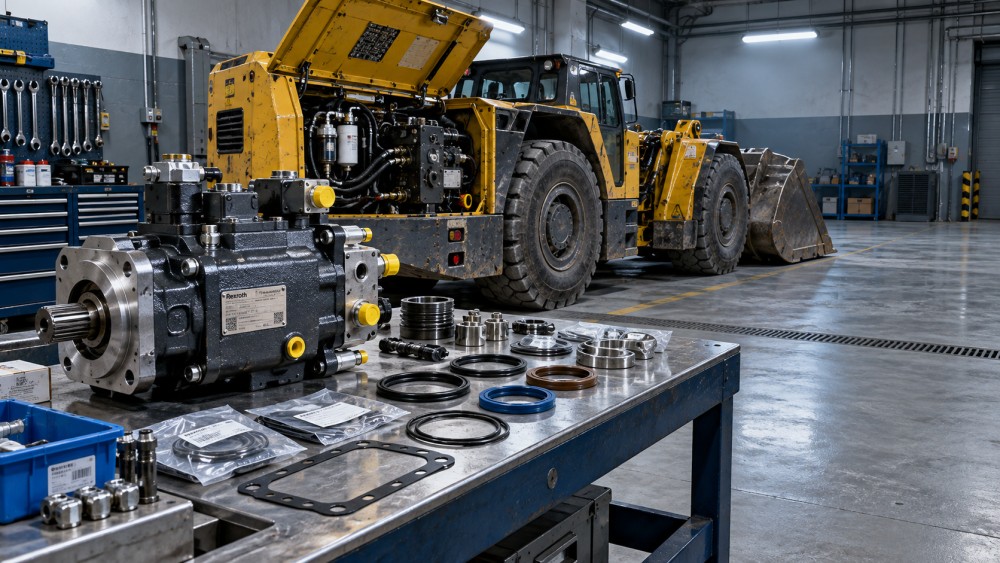
Give shortlisted suppliers a project-specific list of critical parts and request written availability against each part number. “Regional stock” may mean a warehouse across a border, inventory allocated to another customer, or a distributor that must obtain factory approval before release.
Useful evidence includes dated inventory records, physical stock locations, allocation status, replenishment arrangements, and dispatch cut-off times. Where a distributor supplies the machine, confirm its authority to sell parts and process warranty claims. A warehouse visit or live stock check can be worthwhile for high-consequence items.
Ask suppliers to distinguish order processing, picking, transport, customs clearance, and final delivery. These are different intervals. An ex-warehouse dispatch promise does not tell you when a component will reach a remote tunnel portal.
- Wear parts: Check replenishment against expected consumption, geology, abrasivity, and duty cycle rather than machine count alone.
- Repairable assemblies: Establish whether exchange pumps, drifters, motors, or drives are available, including core-return conditions.
- Long-lead components: Agree a contingency for items that cannot reasonably be held locally, such as selected major bearings or bespoke assemblies.
- Electronic parts: Verify hardware revision, firmware compatibility, parameter files, and whether replacement requires supplier commissioning.
Exchange-unit pricing deserves particular care. A low advertised price may depend on returning a repairable core within a specified period. Clarify inspection criteria, transport responsibility, and charges if the returned assembly is rejected.
Traceability matters most when a substitute is offered
An alternative part is not automatically a poor choice, and an OEM label does not eliminate the need for verification. The question is whether the component is suitable for the application and whether responsibility remains clear if it fails.
Request identification linking supplied parts to the machine serial number and current bill of materials. Depending on the component, supporting records may include manufacturer identification, batch or serial traceability, inspection records, material documentation, or test results. Documentation should match the part’s function and risk; demanding identical paperwork for every washer only creates noise.
Be stricter with braking, steering, lifting, pressure-containing, and electrical protection components. Where equipment operates in a classified hazardous area, replacement suitability must also be checked against the applicable equipment approval and local requirements. Physical fit alone is insufficient.
Require written approval before substitutions. That approval should address compatibility, warranty consequences, installation requirements, and any revised inspection interval. Verbal assurances that a component is “equivalent” leave too much unresolved.
Service coverage must reach the machine, not just the country
A service office in the same country can still be a long journey from the workface. Ask where technicians are based, which equipment families they support, and what happens when the nearest specialist is already committed elsewhere. Request role-specific competence records rather than relying on the size of the service team.
For underground work, mobilisation can involve site induction, medical clearance, travel permissions, underground access training, and appropriate tools. High-voltage work or specialist drive repairs may require a different technician from routine mechanical maintenance. Confirm these needs during tender clarification, not after a breakdown.
Run a practical scenario with the supplier: a drive fault occurs during the night shift, the machine cannot move, and underground connectivity is intermittent. Who answers? Can they interpret the fault log? Who authorises attendance? What equipment travels with the technician? A credible response identifies people, escalation routes, and limits.
Remote diagnostics can help, but only if the connection, permissions, and technical capability exist. Check whether fault histories remain accessible offline, whether remote access needs a subscription, and who controls access to machine data. Where site policy restricts external connections, agree an alternative diagnostic process.
Define response milestones separately
“Twenty-four-hour support” is not a measurable restoration commitment. It may describe nothing more than a staffed telephone line. Service agreements should distinguish acknowledgement, competent technical contact, remote diagnosis, mobilisation, site arrival, and the recovery plan.
Avoid demanding a universal repair deadline that neither party can realistically guarantee. Instead, agree measurable milestones, escalation triggers, reporting duties, and remedies for failures within the supplier’s control. Define when the clock starts and which delays are excluded. Site access, missing lifting equipment, and customs holds should not become vague excuses applied after the event.
Compare the cost of support on a common basis
Two machine quotations are not comparable if one includes commissioning, training, diagnostic access, and starter spares while the other excludes them. Ask suppliers to price the same operating period, expected utilisation, service scope, and delivery destination.
Build the comparison around acquisition, planned maintenance, wear parts, repair exposure, service travel, software charges, and inventory carrying cost. Add downtime scenarios using your own project assumptions. An idle loader may have a practical substitute; a stopped TBM can interrupt several linked activities. Do not assign both the same hourly consequence.
There is a genuine trade-off between holding more spares and tying up capital. Prioritise stock by failure consequence, replenishment uncertainty, and interchangeability across the fleet. Some expensive, rarely used assemblies may suit a shared exchange arrangement better than outright ownership, provided availability and allocation are contractually clear.
Check whether you can maintain the equipment without permanent dependence
Modern underground equipment combines mechanical systems with software-controlled drives, sensors, and safety functions. This makes documentation and access rights part of the purchasing decision, not an administrative handover task.
Request current electrical and hydraulic schematics, maintenance procedures, parts catalogues, diagnostic instructions, and backup arrangements for machine settings. Establish which repairs your team may perform, which require specialist authorisation, and what training is included. Safety-related changes should remain subject to the appropriate approval and validation process.
For battery-electric or automated equipment, also clarify software support periods, replacement-controller commissioning, battery repair boundaries, and update responsibilities. A machine expected to remain in service needs a plan for discontinued electronics, not merely mechanical spares.
This connection between equipment technology and supportability runs across UTMD’s coverage of TBMs, trenchless machinery, drilling systems, and smart underground transport. Electrification and automation change the support skills a buyer needs to verify; they do not remove the need for local repair capability.
Make unresolved support risks visible before award
Before selecting an Underground Construction Equipment supplier, bring procurement, maintenance, operations, and commercial staff into one review. Record each critical dependency, the evidence received, the responsible party, and any unresolved exposure. Let minimum requirements—such as safe maintenance access and essential diagnostic capability—act as pass-or-fail gates rather than weaknesses that a low price can offset.
Attach agreed stock commitments, service milestones, training deliverables, and documentation requirements to the contract. Where possible, verify key deliverables before dispatch or acceptance, when missing items are easier to correct.
The final test is practical: if a critical component fails on the next shift, can your team identify it, obtain it, fit it safely, and return the machine to service? Any uncertain step is a procurement issue worth resolving before the equipment arrives.
Related News
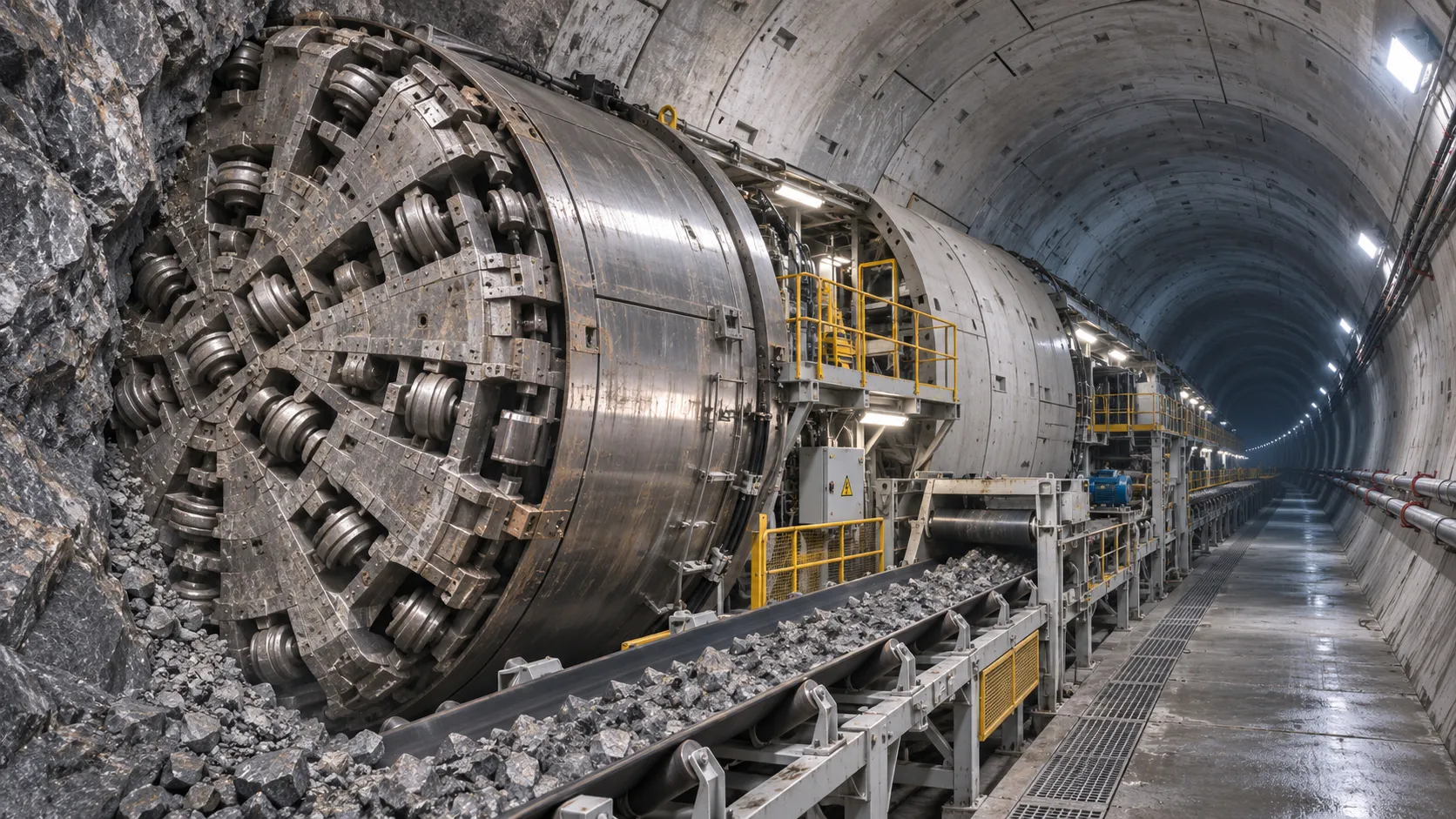
How TBM Excavation Works in Rock and Soft Ground: A Practical Guide
TBM Excavation in rock and soft ground explained: compare machine types, ground support, spoil removal, and the factors that guide smarter project planning.
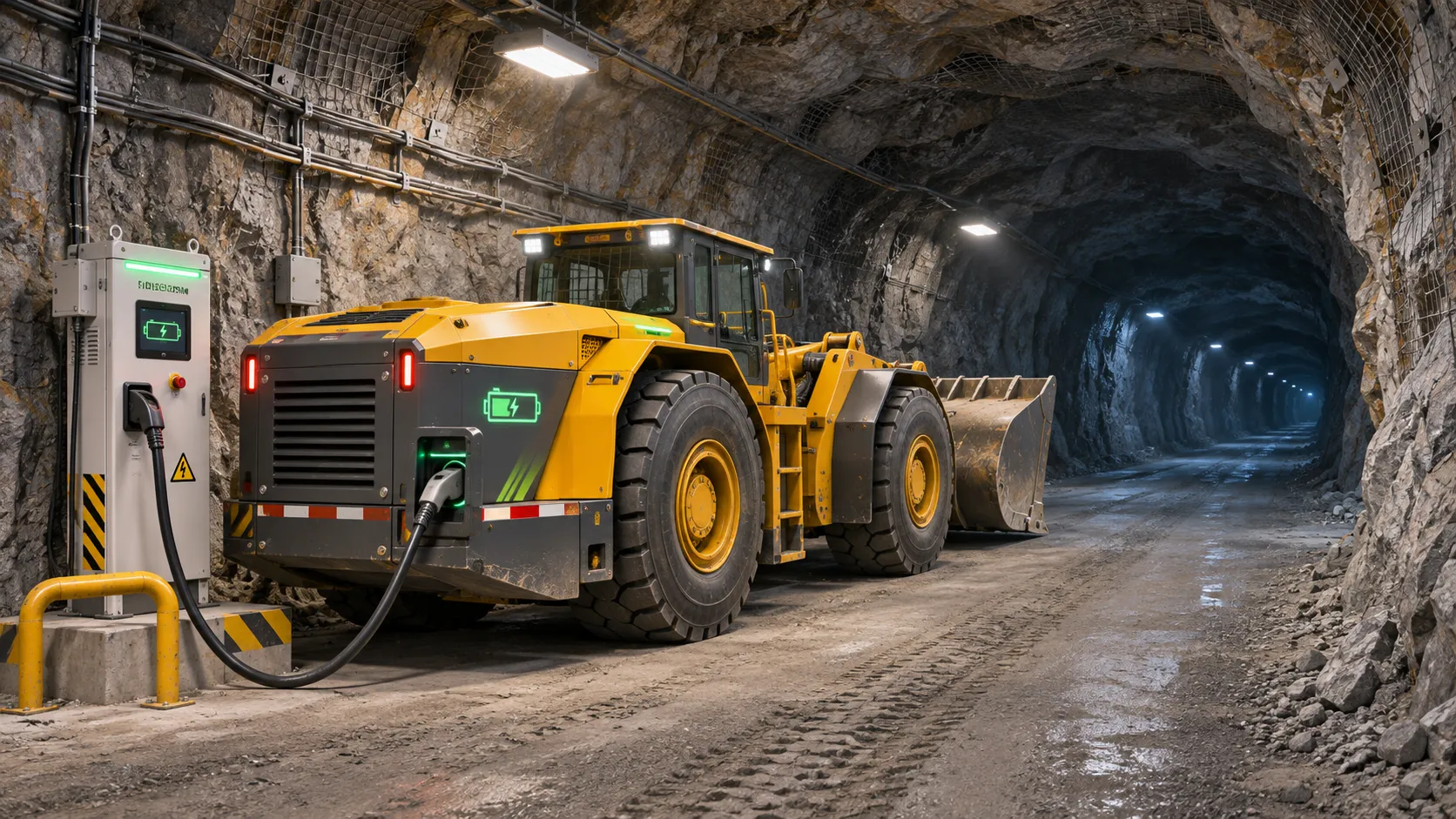
Choosing a Zero-Emission Underground Equipment Supplier: What to Check
Choosing a zero emission underground equipment supplier? Compare duty-cycle performance, charging, safety, total costs and support before you commit.
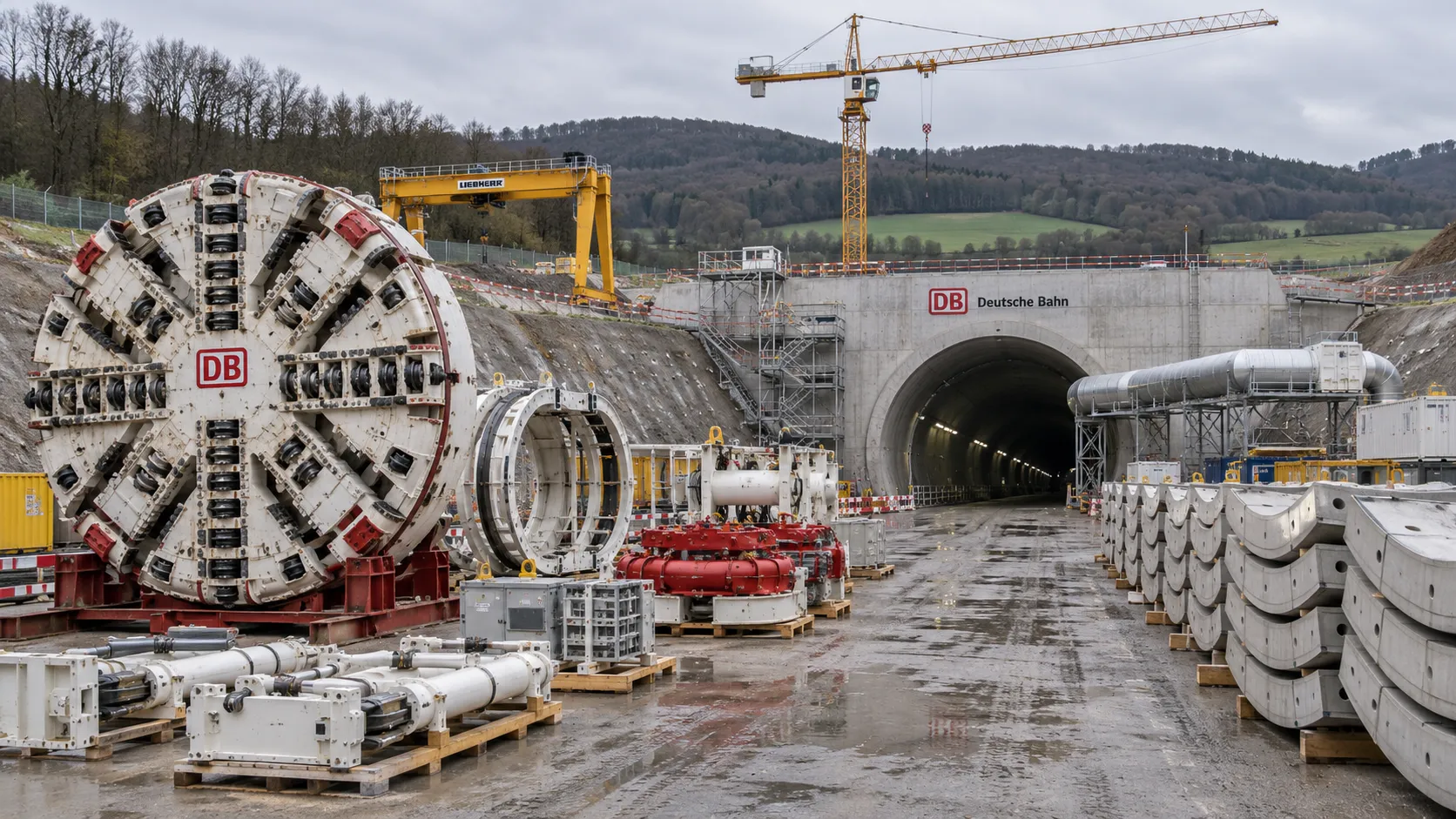
Construction Starts on Germany's Pfaffensteig Rail Tunnel, With Two TBMs Planned
Pfaffensteig rail tunnel construction is underway in Germany. Discover how two planned TBMs will support the 11-kilometre project near Stuttgart.
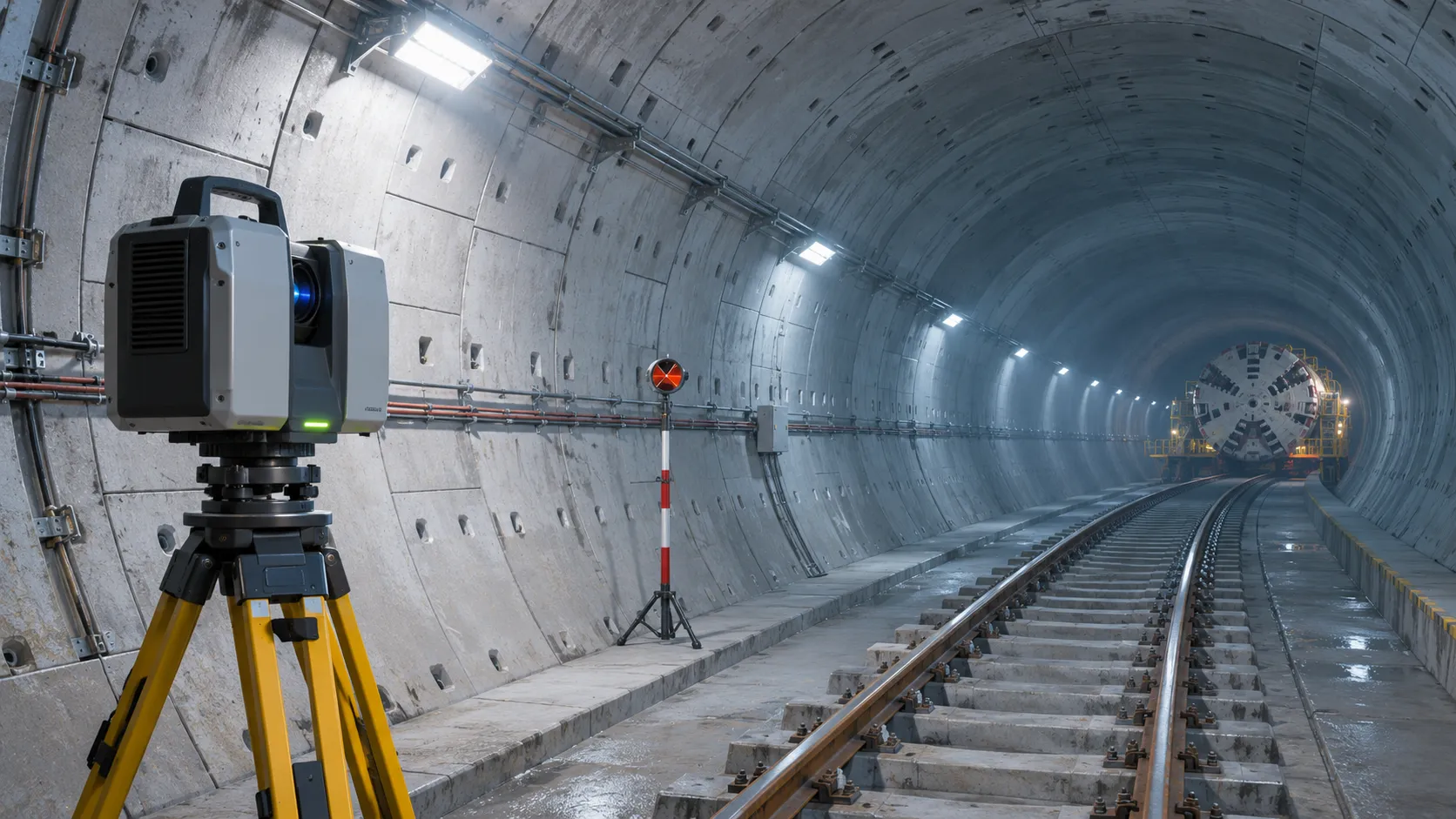
How Real-Time Underground Mapping Systems Work in Tunneling
Discover how real-time underground mapping systems guide tunneling teams, integrate sensor data, and support confident decisions with verified accuracy.
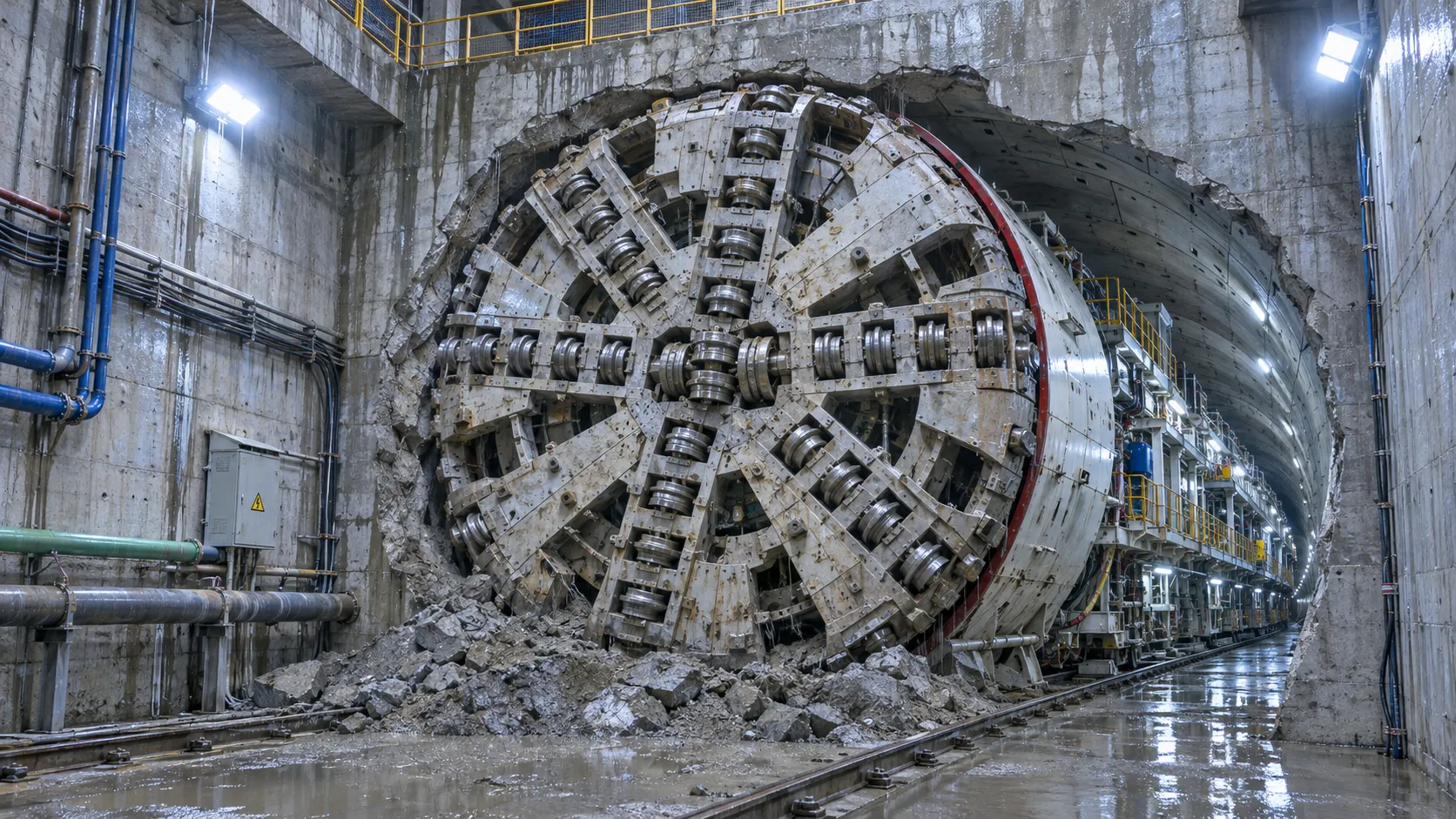
First Mechanized Tunnel Crossing Beneath the Panama Canal Completed
Panama Canal tunnel crossing: Explore the reported Metro Line 3 milestone and what it could mean for future underwater tunneling projects.
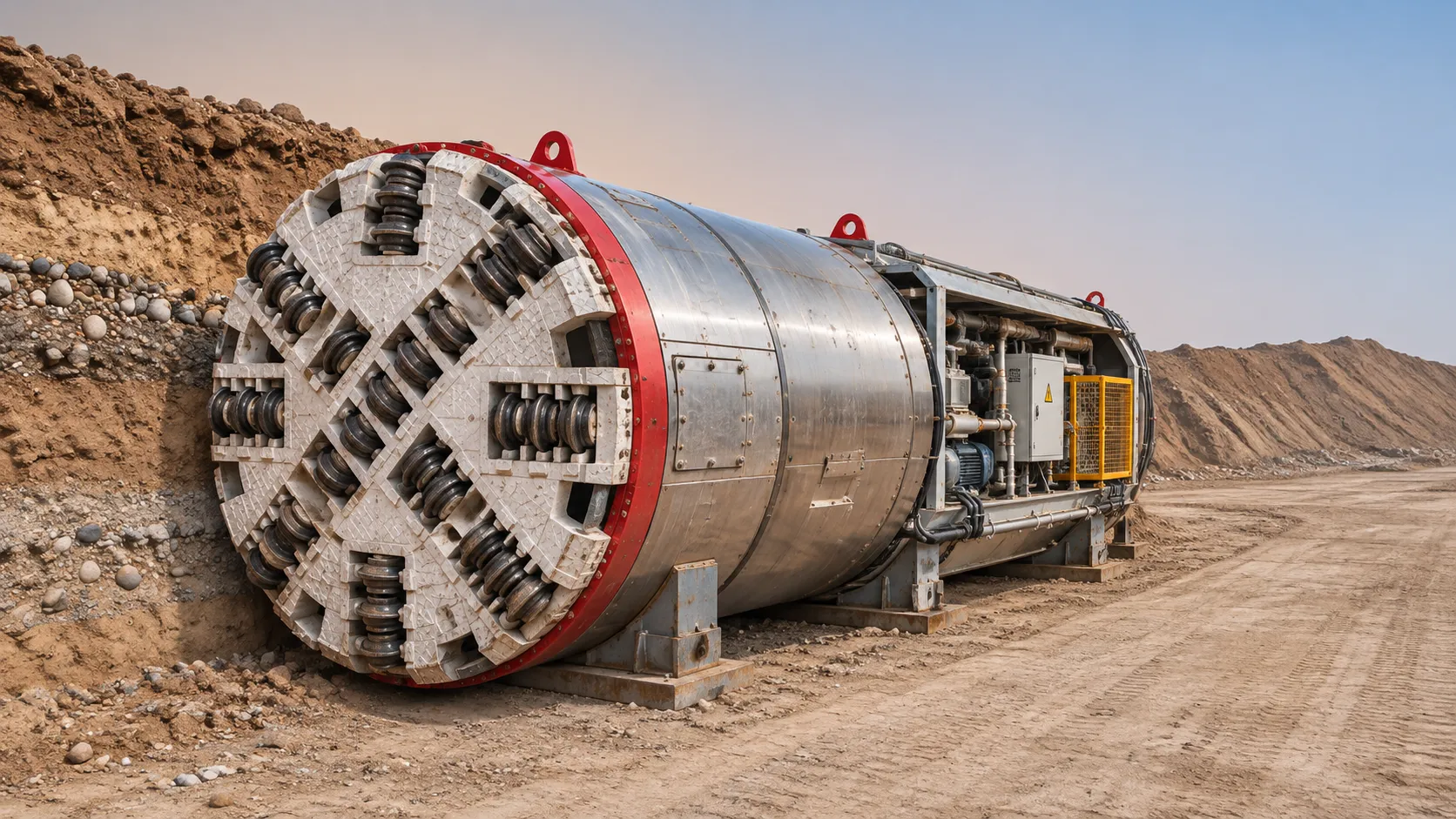
Underground Utility Construction Equipment: Choosing by Ground Conditions
Choose underground utility construction equipment with confidence. Compare trenching, HDD, microtunnelling and TBMs by ground conditions, risk and cost.
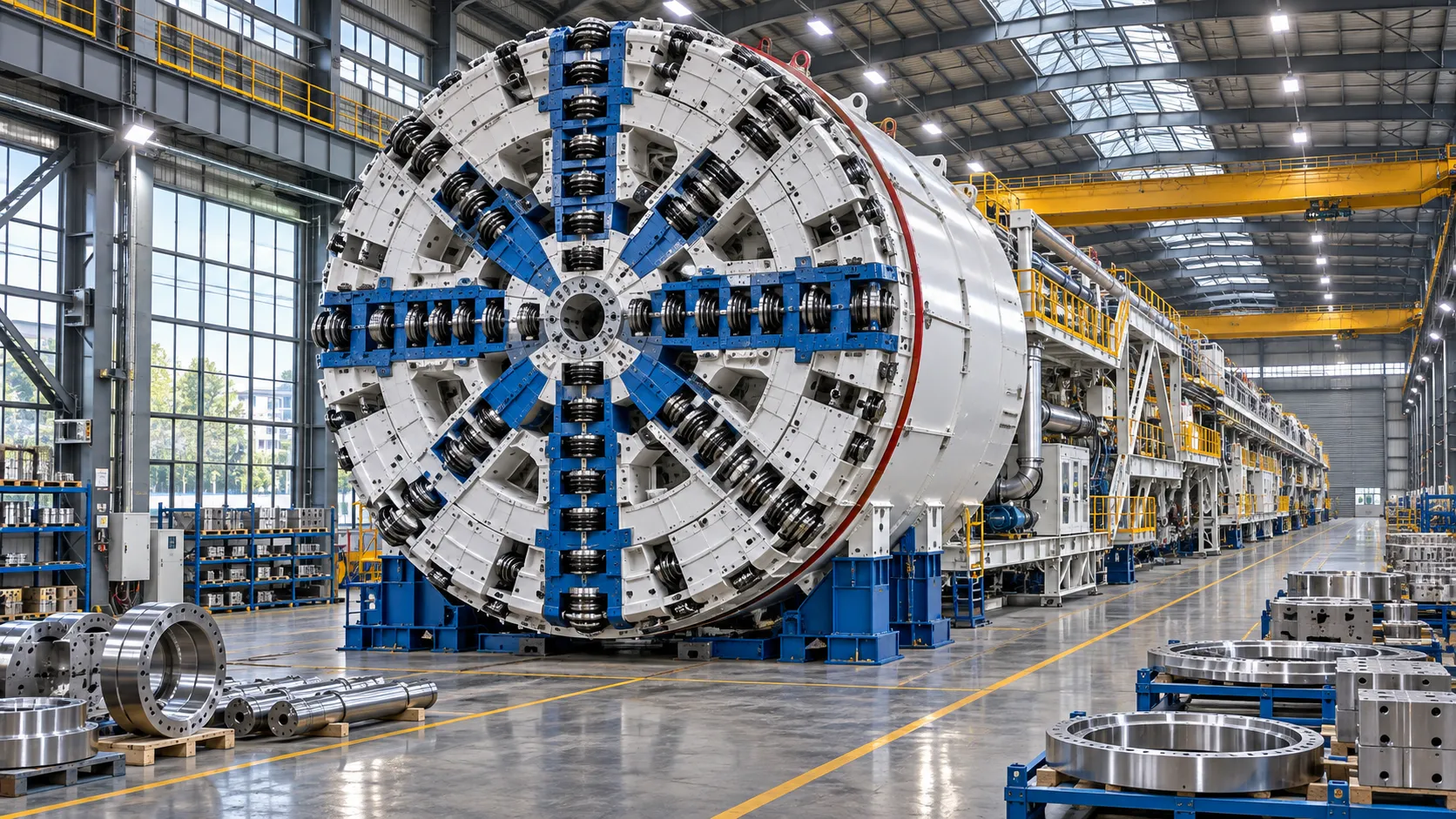
China Sets Tunnel Boring Machine Export Controls as India Pushes Local Production
China tunnel boring machine export controls could reshape procurement as India pushes local production. Explore potential supply and project impacts.
Choosing a Trenchless Pipeline Installation Contractor: Key Qualifications
Choose a trenchless pipeline installation contractor with confidence. Learn how to assess experience, equipment, safety, costs, and project risks before you hire.
China's 70% TBM Share and Export Controls Challenge India's Local Production
China's TBM export controls could challenge India's local production and infrastructure sourcing. Explore the potential risks and procurement options.
Related News
- 00
0000-00
How TBM Excavation Works in Rock and Soft Ground: A Practical Guide - 00
0000-00
Choosing a Zero-Emission Underground Equipment Supplier: What to Check - 00
0000-00
Construction Starts on Germany's Pfaffensteig Rail Tunnel, With Two TBMs Planned - 00
0000-00
How Real-Time Underground Mapping Systems Work in Tunneling - 00
0000-00
First Mechanized Tunnel Crossing Beneath the Panama Canal Completed
Weekly Insights
Stay ahead with our curated technology reports delivered every Monday.