
Heavy Equipment Reliability Matters More Than Purchase Price





For underground engineering, mining, and major infrastructure programs, Heavy Equipment Reliability shapes financial outcomes more than a lower purchase price. In demanding duty cycles, every hour of stoppage can delay blasting, haulage, lining, or material delivery.
This is especially true where tunnel boring machines, drilling jumbos, mining dump trucks, pipe jacking systems, and underground LHD loaders work under constant load. Reliability protects schedule certainty, workforce safety, maintenance planning, and lifetime asset value.
UTMD tracks this shift across global tunnelling and mining operations. The evidence is clear: when utilization is high and access is difficult, the cheapest machine often becomes the most expensive asset in service.
Why Heavy Equipment Reliability becomes critical in high-risk operating scenarios
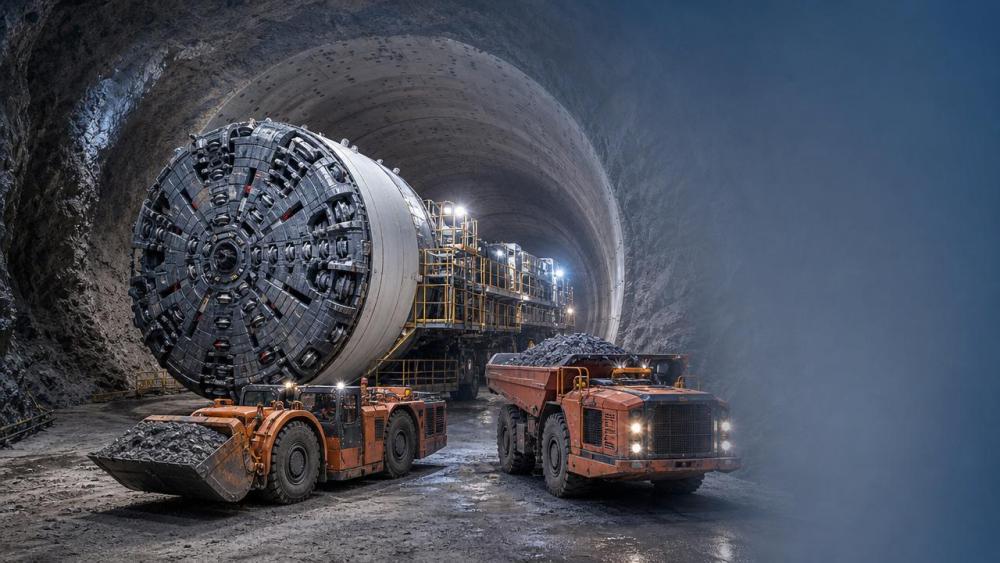
Heavy Equipment Reliability matters most when downtime affects an entire production chain. A stalled TBM can stop segment installation, logistics flow, ventilation planning, and crew allocation at the same time.
In open-pit and underground mines, one unreliable haulage unit can disrupt crusher feed, loading sequences, shift planning, and battery charging or fueling windows. Purchase price savings disappear quickly under these conditions.
Reliability also means predictable maintenance behavior. Components that fail less often, wear more evenly, and provide better diagnostic signals support stable operations and reduce emergency interventions.
Key cost drivers hidden behind a low purchase price
- Lost production during unplanned downtime
- Higher spare parts consumption
- More service labor in difficult access zones
- Safety risks during failure recovery
- Reduced asset life and lower resale value
Scenario judgment: where Heavy Equipment Reliability changes investment logic
Not every project values reliability in the same way. The importance of Heavy Equipment Reliability rises when repair access is limited, downtime costs are concentrated, or machine fleets are tightly synchronized.
Scenario 1: Deep tunnel boring with limited intervention windows
In deep tunnelling, failure recovery is slow and expensive. Mechanical, hydraulic, and electrical faults can require specialist teams, delayed parts delivery, and long stoppages in confined spaces.
Here, Heavy Equipment Reliability should outweigh procurement discounts. Cutterhead systems, bearing life, seal integrity, conveyor continuity, and sensor stability become the real profit drivers.
Scenario 2: Urban trenchless work with strict disruption limits
Pipe jacking and trenchless projects often operate under traffic, settlement, and community constraints. A machine stoppage can create social costs and contractual penalties beyond direct repair expenses.
In this setting, Heavy Equipment Reliability supports precise control, low-vibration operation, and consistent progress. Reliable guidance, lubrication, thrust systems, and spoil removal are more valuable than a lower entry price.
Scenario 3: Hard-rock drilling and blast preparation
Drilling jumbos work in repetitive, high-impact conditions. If feed systems, booms, rock drills, or automation modules fail, the entire blast cycle can move off target.
Reliable drilling performance improves hole accuracy, consumable life, and shift utilization. Heavy Equipment Reliability in this case directly supports advance rates and reduces rework after blasting.
Scenario 4: Electrified haulage in large mining operations
Battery-electric or trolley-assisted mining trucks promise lower emissions and energy savings. Yet weak thermal management, software instability, or charging bottlenecks can erase these gains.
For this scenario, Heavy Equipment Reliability must include drivetrain durability, battery consistency, regenerative braking performance, and digital fault transparency. Reliability is no longer only mechanical.
Scenario 5: Narrow-vein underground loading and hauling
Underground LHD loaders operate in restricted tunnels, poor visibility, and harsh moisture conditions. Service access is difficult, and ventilation strategy is closely linked to machine uptime.
Heavy Equipment Reliability here depends on traction control, battery swap interfaces, remote operation response, and structural endurance. Small failures can cascade into safety and scheduling issues.
How different scenarios change reliability requirements
Practical ways to evaluate Heavy Equipment Reliability before buying
A strong evaluation framework compares expected uptime, serviceability, and lifecycle support across operating scenarios. This approach is more useful than comparing headline prices alone.
Use these decision filters
- Measure mean time between failures in similar geology or haul profiles.
- Check parts availability for high-wear and critical failure components.
- Review onboard diagnostics, remote monitoring, and fault history visibility.
- Assess maintenance access in actual underground or field conditions.
- Compare total cost per operating hour, not only purchase cost.
- Validate OEM support speed, commissioning quality, and training depth.
UTMD intelligence shows that the most resilient fleets usually combine hardware quality with data-driven service planning. Reliability improves when operations, engineering, and digital monitoring work together.
Common misjudgments that weaken reliability-focused decisions
One common mistake is treating all downtime hours equally. In reality, stoppages during critical advance windows or peak haul cycles carry a much higher cost than routine delays.
Another mistake is focusing only on engine power, payload, or cutter size. Heavy Equipment Reliability also depends on controls, cooling, sensors, software logic, and technician access.
A third error is assuming electrification automatically lowers risk. Electric fleets can reduce emissions and maintenance, but only when charging design, battery health, and control systems are reliable.
Some projects also overlook environmental fit. Machines proven in moderate climates may perform differently in abrasive rock, water ingress, steep gradients, or hot underground headings.
A scenario-based path to stronger equipment investment outcomes
The best equipment decision begins with the operating scenario, not the invoice. Define downtime consequences, repair access limits, utilization targets, and environmental stress before comparing offers.
Then rank machines by Heavy Equipment Reliability, maintainability, digital transparency, and support readiness. This method creates better long-term value across tunnelling, trenchless construction, and mining systems.
UTMD helps connect these reliability signals with real-world underground equipment trends. For complex projects, the smarter next step is to evaluate assets through lifecycle performance, not just purchase price.
Related News
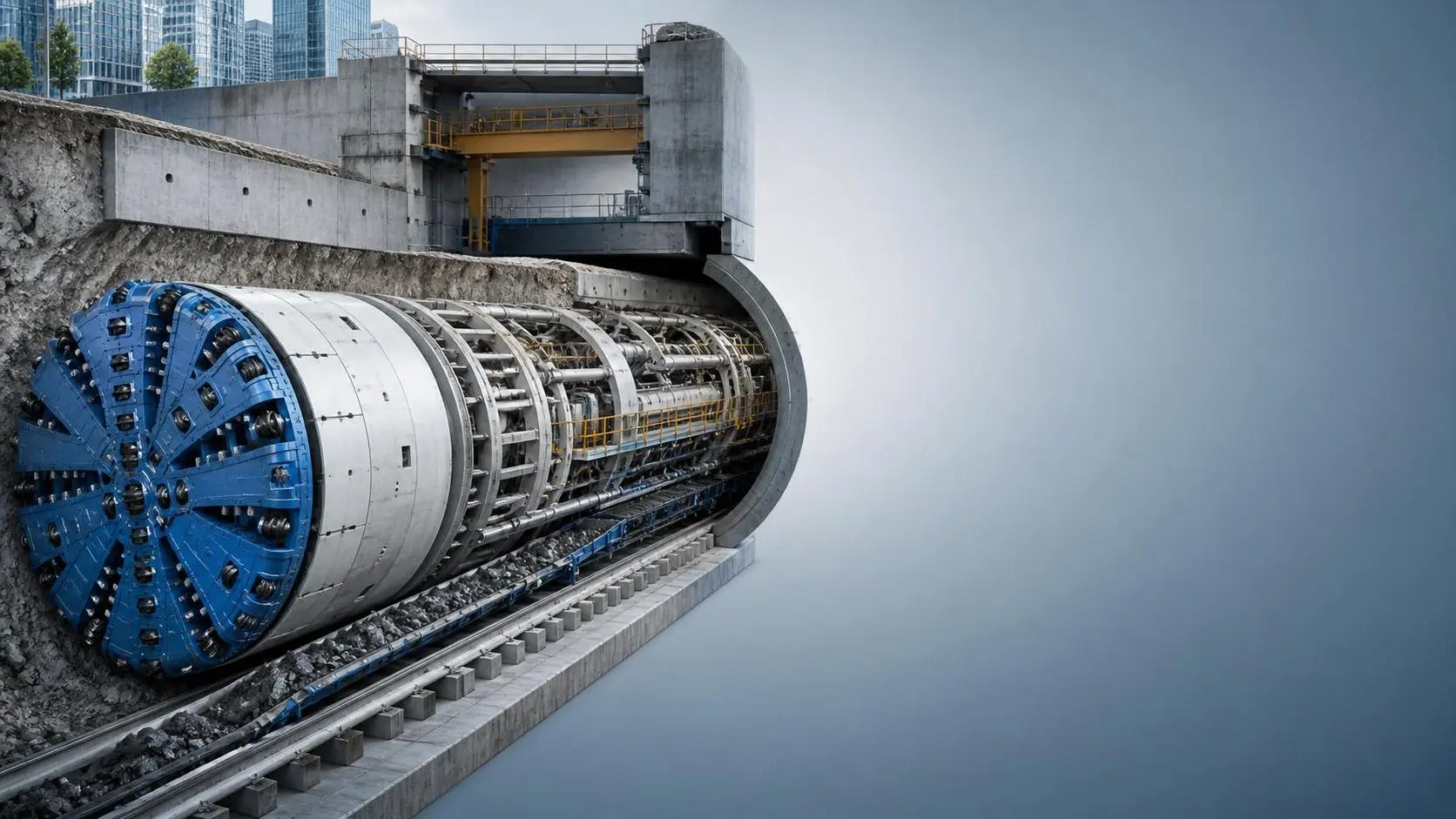
What Drives TBM Excavation Cost in Urban Tunneling Projects?
tbm excavation cost in urban tunneling depends on geology, shafts, segment lining, logistics, and risk. Discover the key cost drivers and compare bids with greater confidence.
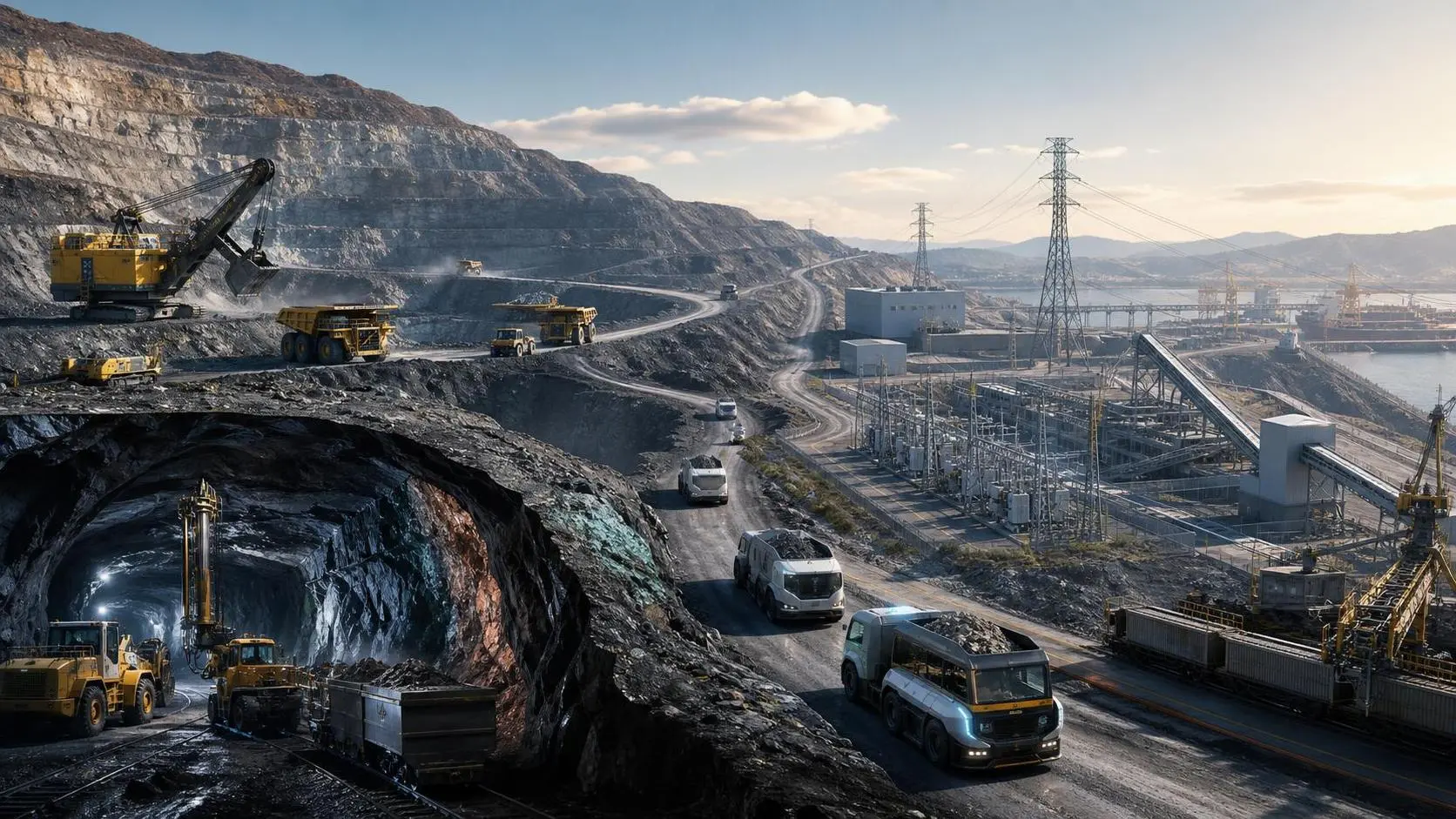
What Does Energy Metals Mining in Australia Mean for Supply, Cost, and Project Risk?
Energy metals mining Australia is reshaping supply, cost, and project risk. Discover what it means for buyers, investors, and operators.
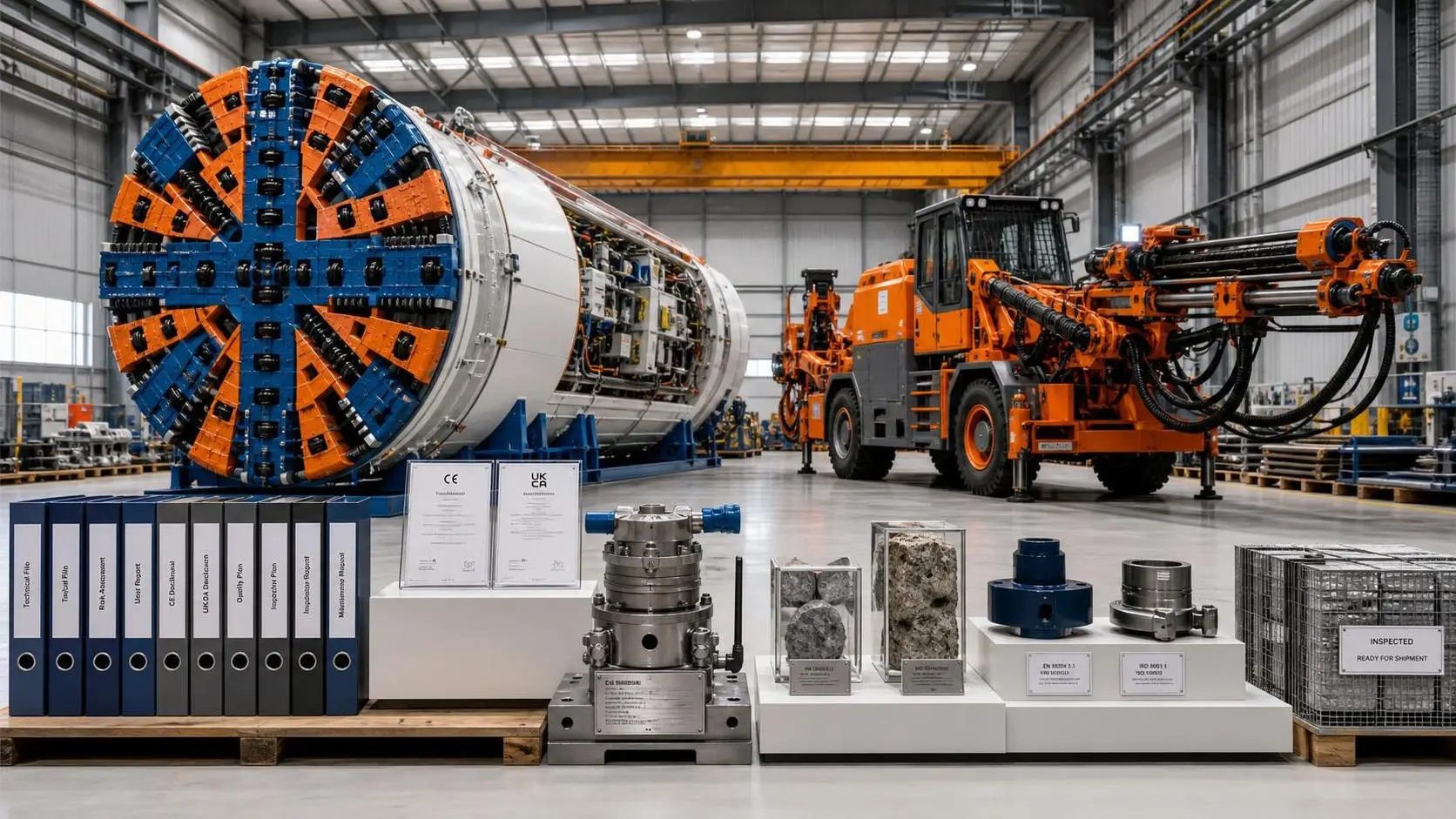
EU Eases Dual CE and UKCA Path for Chinese Tunnel Boring Equipment
EU eases CE and UKCA certification for Chinese tunnel boring equipment, cutting compliance time and helping importers move faster.
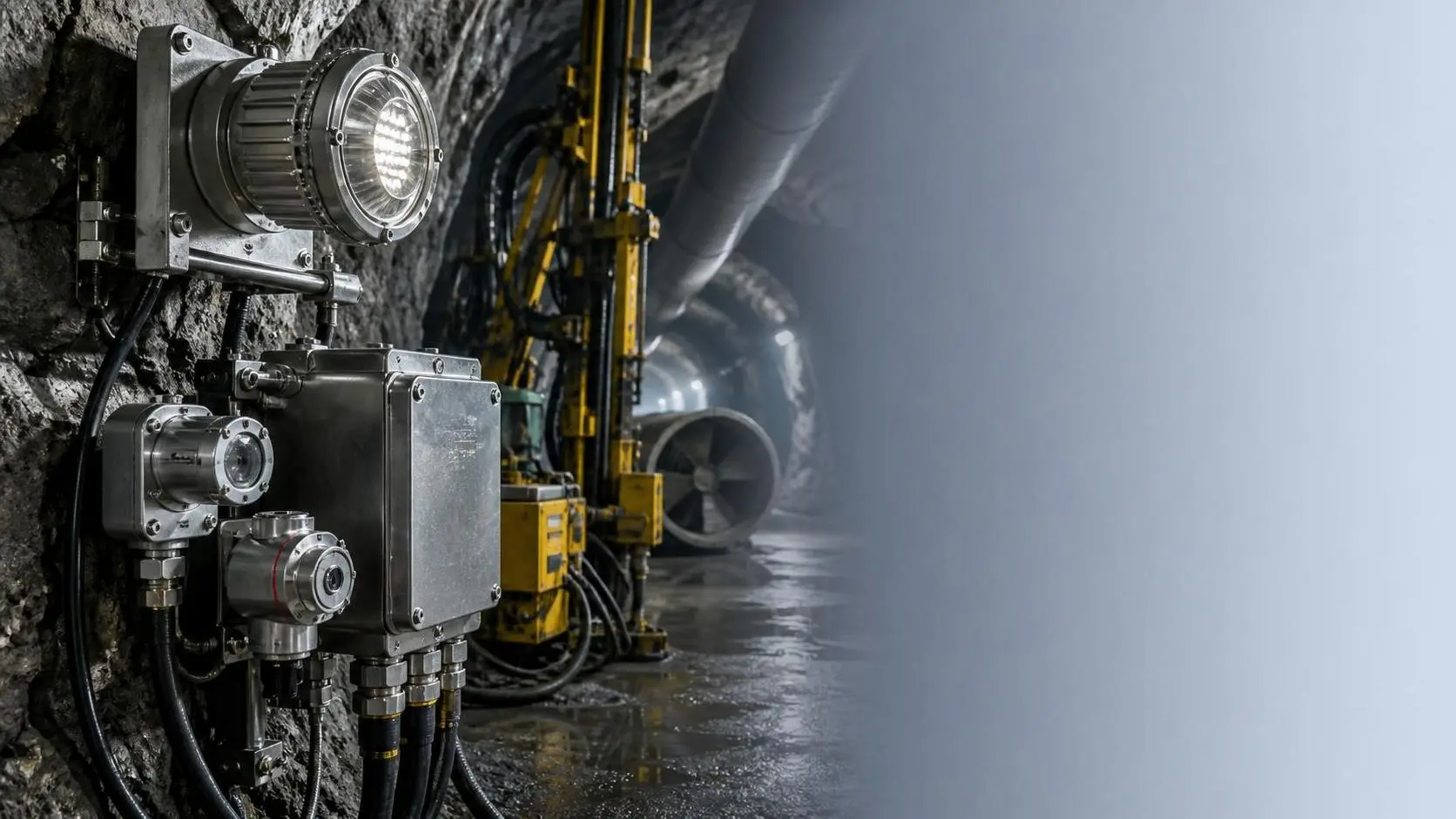
Flameproof Underground Safety Equipment: What Mine Teams Should Check Before Buying
Underground Safety Equipment flameproof buying guide: learn how mine teams should verify certification, durability, serviceability, and supplier support before purchase.
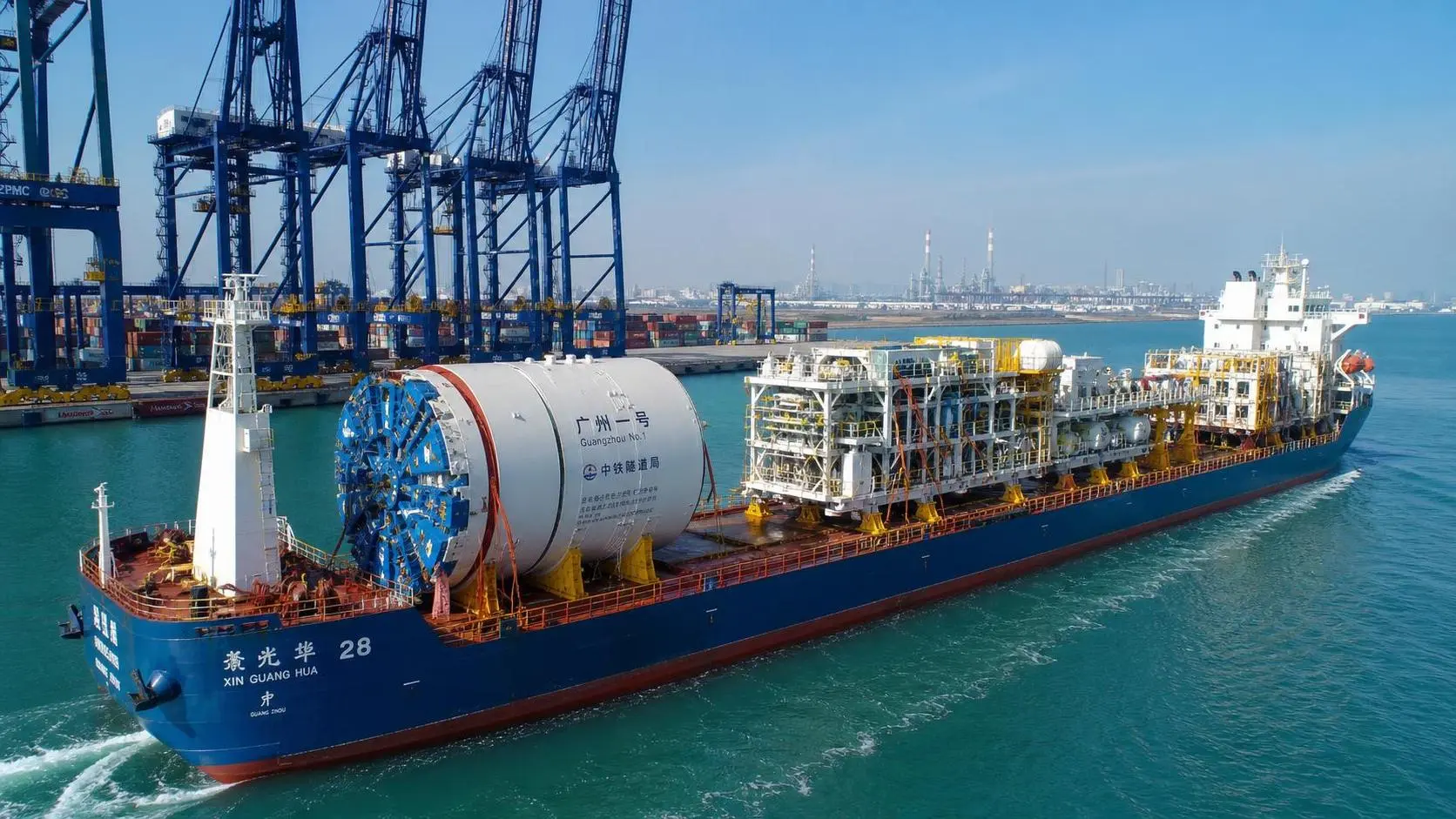
China-UAE Direct Sea Route Cuts TBM and Large Tunneling Equipment Lead Times
China-UAE direct sea route shortens TBM and large tunneling equipment lead times by 12–15 days, improving delivery predictability for major infrastructure projects. Read the full impact.
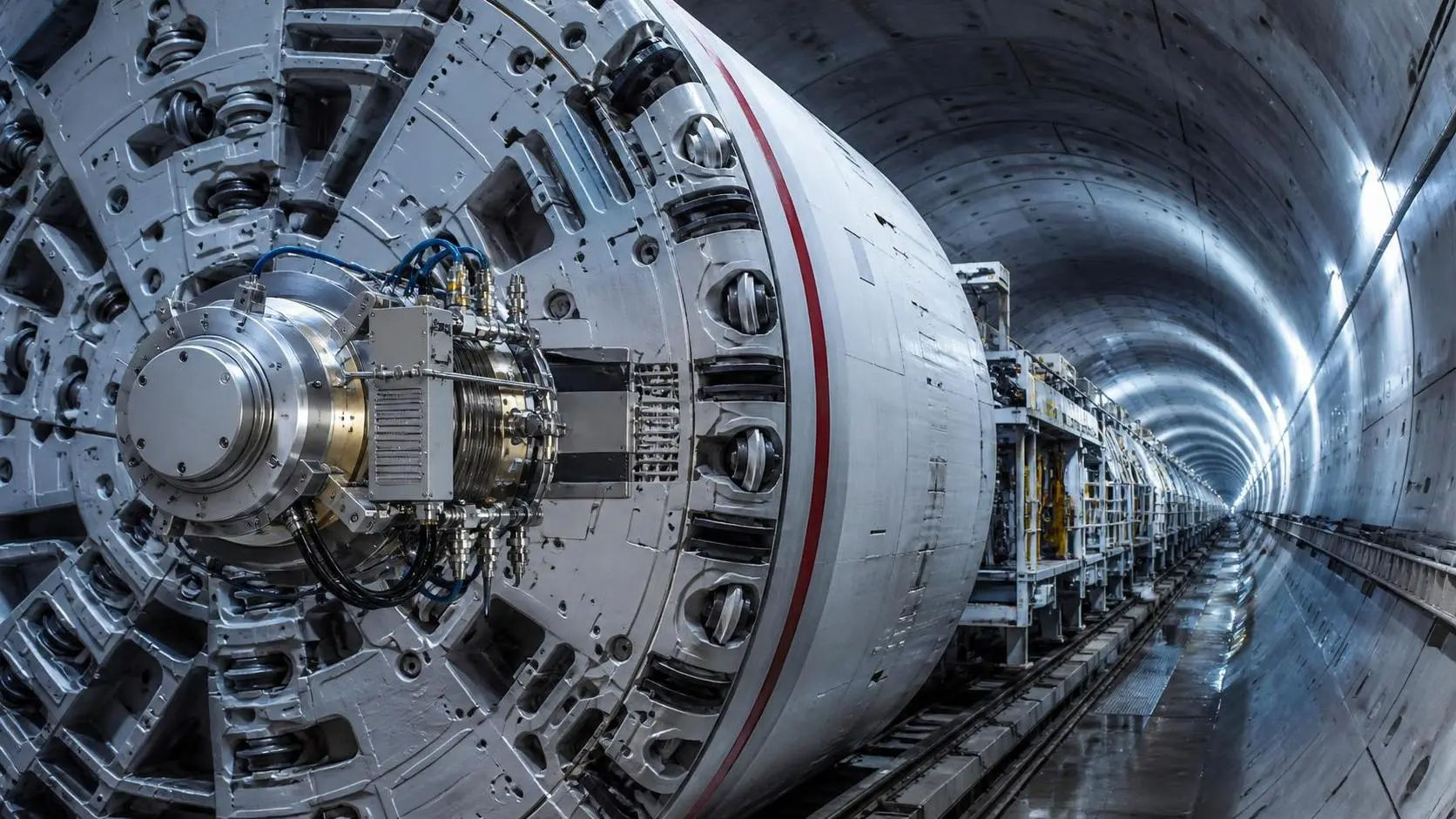
What Is a TBM Guidance System Gyroscope, and Why Does It Matter Underground?
TBM Guidance Systems gyroscope improves underground accuracy, reduces drift, and helps tunnel boring machines stay on line in harsh conditions.

China to Roll Out Nationwide Local and Foreign Currency Cash Pools for Multinationals on Sept. 14
China will roll out nationwide local and foreign currency cash pools for multinationals on Sept. 14, streamlining cross-border treasury management and boosting liquidity efficiency.
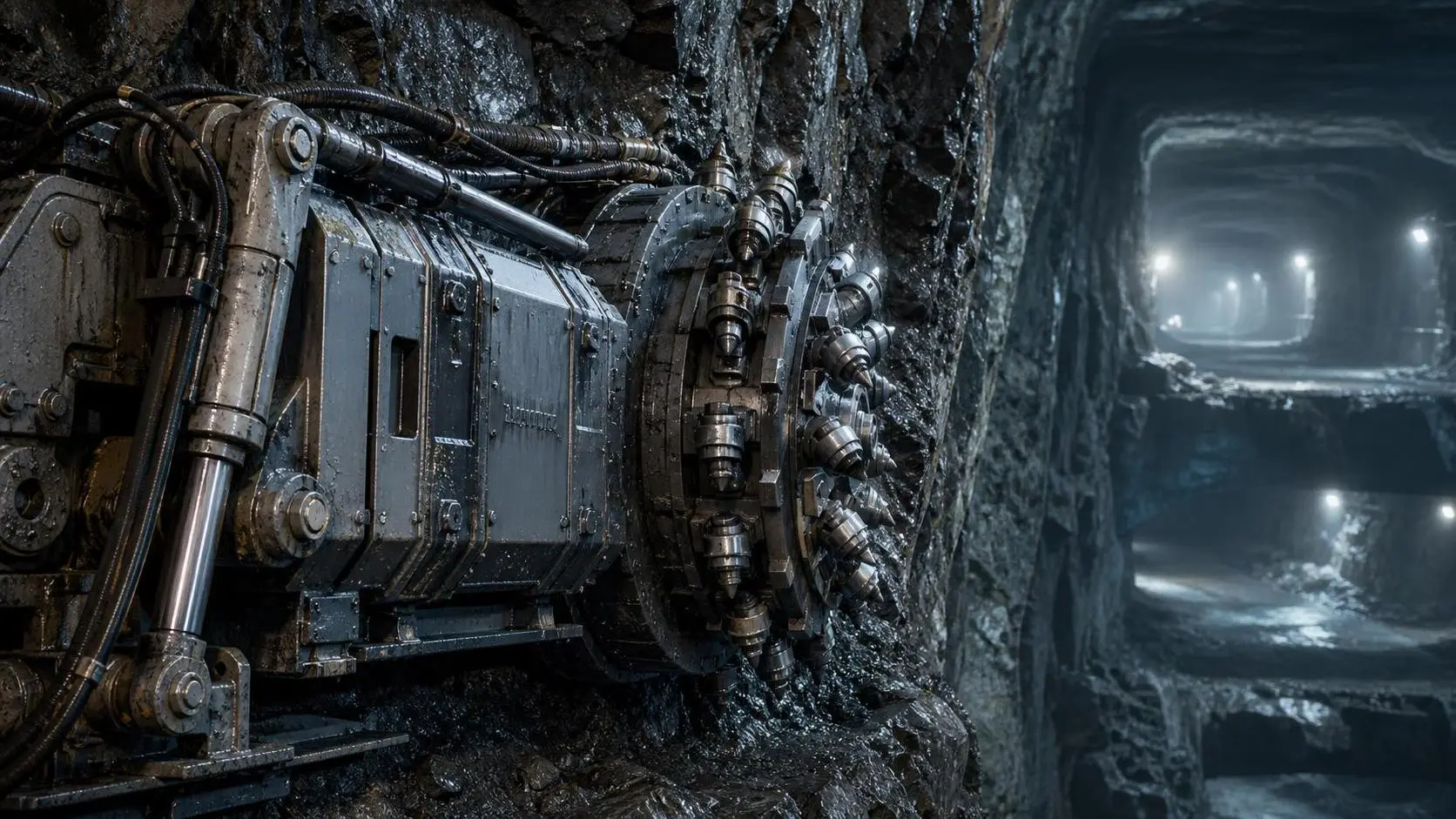
How to Choose a Reliable Underground Mining Equipment Supplier for Harsh Site Conditions
Find a reliable underground mining equipment supplier for harsh site conditions with rugged, maintainable solutions that boost uptime, reduce risk, and support long-term production.
China Customs Tightens TBM Export Checks from Aug. 16
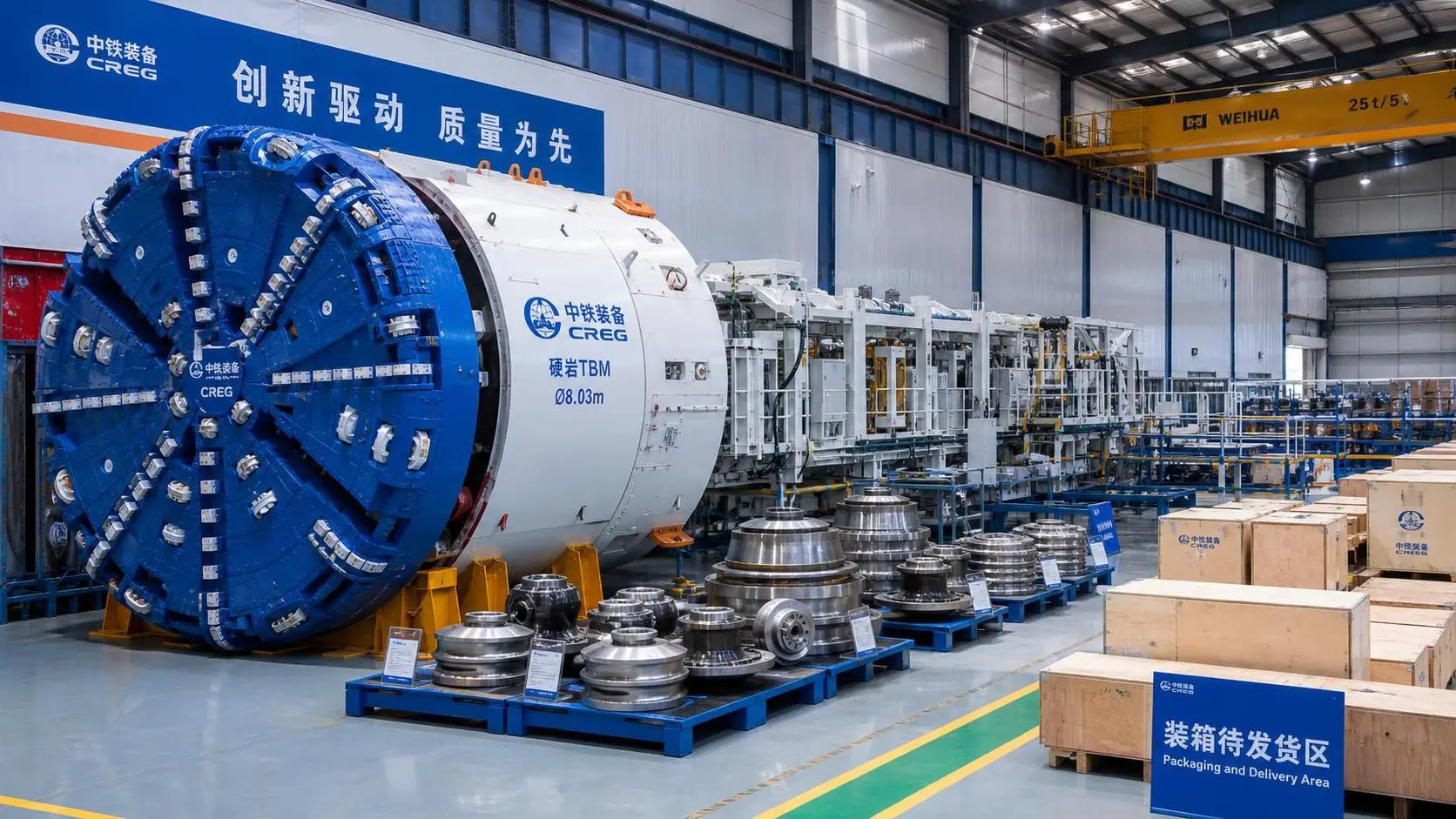
China Customs tightens TBM export checks from Aug. 16, 2026. Learn how new mandatory inspections may affect tunnelling equipment shipments, compliance, and delivery plans.
Related News
- 00
0000-00
What Drives TBM Excavation Cost in Urban Tunneling Projects? - 00
0000-00
What Does Energy Metals Mining in Australia Mean for Supply, Cost, and Project Risk? - 00
0000-00
EU Eases Dual CE and UKCA Path for Chinese Tunnel Boring Equipment - 00
0000-00
Flameproof Underground Safety Equipment: What Mine Teams Should Check Before Buying - 00
0000-00
China-UAE Direct Sea Route Cuts TBM and Large Tunneling Equipment Lead Times
Weekly Insights
Stay ahead with our curated technology reports delivered every Monday.