
When Deep Underground Engineering Becomes a Cost Trap





When Deep Underground Engineering turns from a strategic asset into unchecked spending, project economics can deteriorate quickly.
Capital intensity is only the visible layer. Hidden losses often come from geology uncertainty, underused equipment, weak digital coordination, and delayed maintenance.
In tunnel construction, trenchless works, and mining transport, one early design error can echo across years of operations.
This is why Deep Underground Engineering demands more than cost tracking. It requires intelligence on machine selection, rock interaction, energy use, reliability, and asset lifecycle.
The real question is simple: where do underground projects become cost traps, and how can better decisions restore value?
What makes Deep Underground Engineering vulnerable to cost traps?
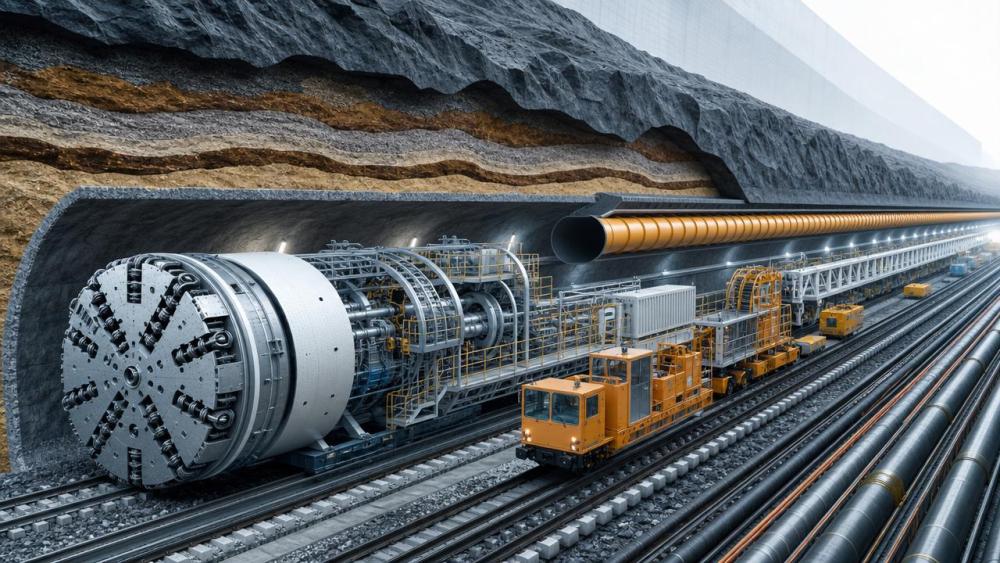
Deep Underground Engineering operates in spaces where correction costs are unusually high. Access is limited, environmental conditions are harsh, and downtime multiplies across connected systems.
A cost trap develops when spending rises faster than value creation. This may happen long before a project officially misses budget targets.
Typical warning signs include poor cutter life, unstable advance rates, ventilation inefficiency, overdesigned support systems, and transport bottlenecks underground.
On paper, each issue can appear manageable. In practice, they interact and amplify one another.
For example, a TBM facing unexpected abrasive rock may consume tools faster. Tool change frequency slows excavation. Schedule pressure then increases labor, energy, and contractual penalties.
The same logic applies in mining. If underground LHD loaders cannot maintain haulage continuity, ore flow weakens, crushers idle, and fixed costs spread over fewer productive hours.
Deep Underground Engineering becomes especially risky when management treats machine purchase price as the main economic indicator.
In reality, lifecycle performance matters more than entry cost. Reliability, maintainability, automation readiness, and energy profile often decide whether investment compounds or collapses.
Which hidden costs are most often underestimated?
The biggest hidden costs in Deep Underground Engineering are rarely isolated line items. They are system penalties that emerge from weak technical alignment.
1. Geology mismatch
Insufficient ground characterization can distort machine choice, support design, and advance assumptions.
A machine optimized for one rock regime may underperform badly in fractured, water-bearing, or mixed-face conditions.
2. Tool wear and consumables drift
Disc cutters, drill steels, tires, wear plates, hydraulic parts, and ground support materials can exceed budget through gradual escalation.
Because the rise is incremental, leadership teams often react too late.
3. Energy inefficiency underground
Ventilation, dewatering, haulage, and rock breaking consume major power. Poor route design or outdated fleets can sharply inflate operating expenditure.
In deeper operations, the energy penalty becomes more severe with every added meter.
4. Downtime from fragmented systems
Deep Underground Engineering depends on synchronization. Excavation, mucking, lining, ventilation, charging, and maintenance must work as one chain.
If one stage loses rhythm, the entire project pays.
5. Delayed digital adoption
Manual reporting hides inefficiency. Without telemetry, utilization data, and predictive maintenance signals, cost leakage remains invisible.
This is especially damaging in automated tunnelling and battery-electric mining fleets.
How do equipment choices change the financial outcome?
Equipment selection is one of the most decisive financial levers in Deep Underground Engineering.
A lower-priced machine may appear efficient at procurement stage. Yet poor adaptability can trigger years of hidden operating losses.
Consider several examples across underground sectors:
- A TBM with weak cutterhead optimization may reduce penetration in hard rock and extend project duration.
- A pipe jacking machine without proper steering control may increase alignment correction costs.
- A drilling jumbo with limited automation may create inconsistent blast quality and raise downstream scaling needs.
- A diesel mining dump truck may carry lower initial risk, yet ventilation and fuel costs can outweigh savings.
- An underground LHD loader without battery strategy planning may suffer charging delays and weak utilization.
The deeper lesson is that Deep Underground Engineering should evaluate equipment as part of a production ecosystem, not as isolated hardware.
Selection should include rock mechanics fit, cycle-time compatibility, maintenance access, energy demand, operator support, and automation pathway.
Smart underground projects increasingly favor fleets that generate usable operational data. Information quality now influences commercial value as much as mechanical strength.
When does automation reduce costs, and when does it disappoint?
Automation in Deep Underground Engineering is not automatically a savings engine. Results depend on process maturity, site conditions, and integration quality.
It reduces costs when repetitive cycles are stable, sensor inputs are reliable, and workforce transition is planned properly.
Tunnel boring operations can benefit from automated guidance, segment handling, and condition monitoring. Underground mining can gain from remote LHD control and autonomous haulage loops.
However, automation disappoints when legacy workflows remain unchanged. A modern control system cannot compensate for poor mine layout or inconsistent face preparation.
Another common mistake is pursuing advanced autonomy without fixing data foundations. Inaccurate localization, weak connectivity, and disconnected maintenance records degrade outcomes.
Deep Underground Engineering gains the best return from staged automation.
- First, measure actual cycle losses.
- Second, standardize critical operating steps.
- Third, digitize equipment health and location data.
- Then, automate the most stable high-impact tasks.
This sequence reduces the chance of turning expensive software and controls into another cost trap.
How should project value be judged beyond upfront budget?
The strongest evaluation model for Deep Underground Engineering uses lifecycle economics instead of procurement-only thinking.
A realistic framework should test five dimensions:
This approach helps expose whether Deep Underground Engineering investment is building durable productive capacity or simply accumulating capital burden.
It also aligns with current ESG pressure, electrification goals, and the need for stronger technical credibility in global infrastructure and mining markets.
What practical steps help prevent Deep Underground Engineering from becoming a cost trap?
Prevention starts with disciplined intelligence, not optimism.
The following actions can materially improve outcomes in Deep Underground Engineering:
- Stress-test geological assumptions with multiple operational scenarios.
- Compare equipment by lifecycle cost, not purchase price alone.
- Map bottlenecks across excavation, haulage, support, and maintenance chains.
- Quantify ventilation and electrification effects before fleet transition.
- Deploy telemetry early to capture utilization, wear, and delay patterns.
- Build automation in stages, linked to measurable production constraints.
- Review spare parts strategy for remote or deep-access environments.
For complex tunnel and mining programs, intelligence platforms add value by connecting equipment trends, rock mechanics, electrification economics, and global project signals.
That wider perspective matters because underground cost traps are rarely caused by one bad machine alone.
They usually emerge from weak coordination between design, equipment, data, and long-term operating logic.
Quick FAQ: how can cost risks be checked early?
When Deep Underground Engineering is judged only by capital budget, hidden losses stay buried until recovery becomes difficult.
A stronger method looks at rock conditions, machine fit, energy burden, utilization, automation readiness, and service resilience together.
That is where strategic intelligence becomes commercially important. It helps separate necessary investment from avoidable expenditure.
For any organization following tunnel boring machines, trenchless systems, drilling jumbos, mining dump trucks, or underground LHD loaders, the next step is clear.
Audit the hidden cost drivers, compare lifecycle scenarios, and use deeper operational intelligence before the next decision locks in long-term risk.
Related News
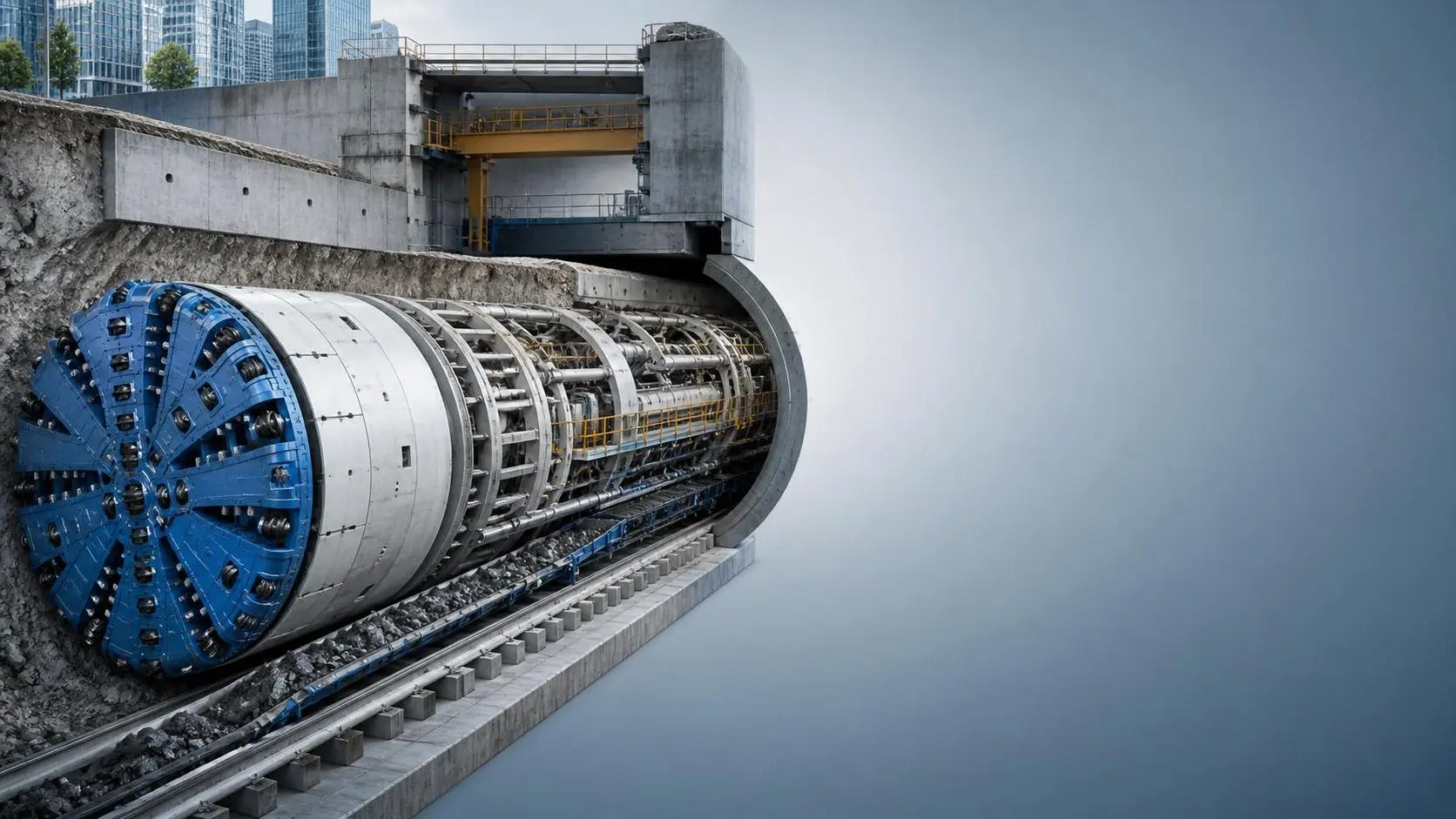
What Drives TBM Excavation Cost in Urban Tunneling Projects?
tbm excavation cost in urban tunneling depends on geology, shafts, segment lining, logistics, and risk. Discover the key cost drivers and compare bids with greater confidence.
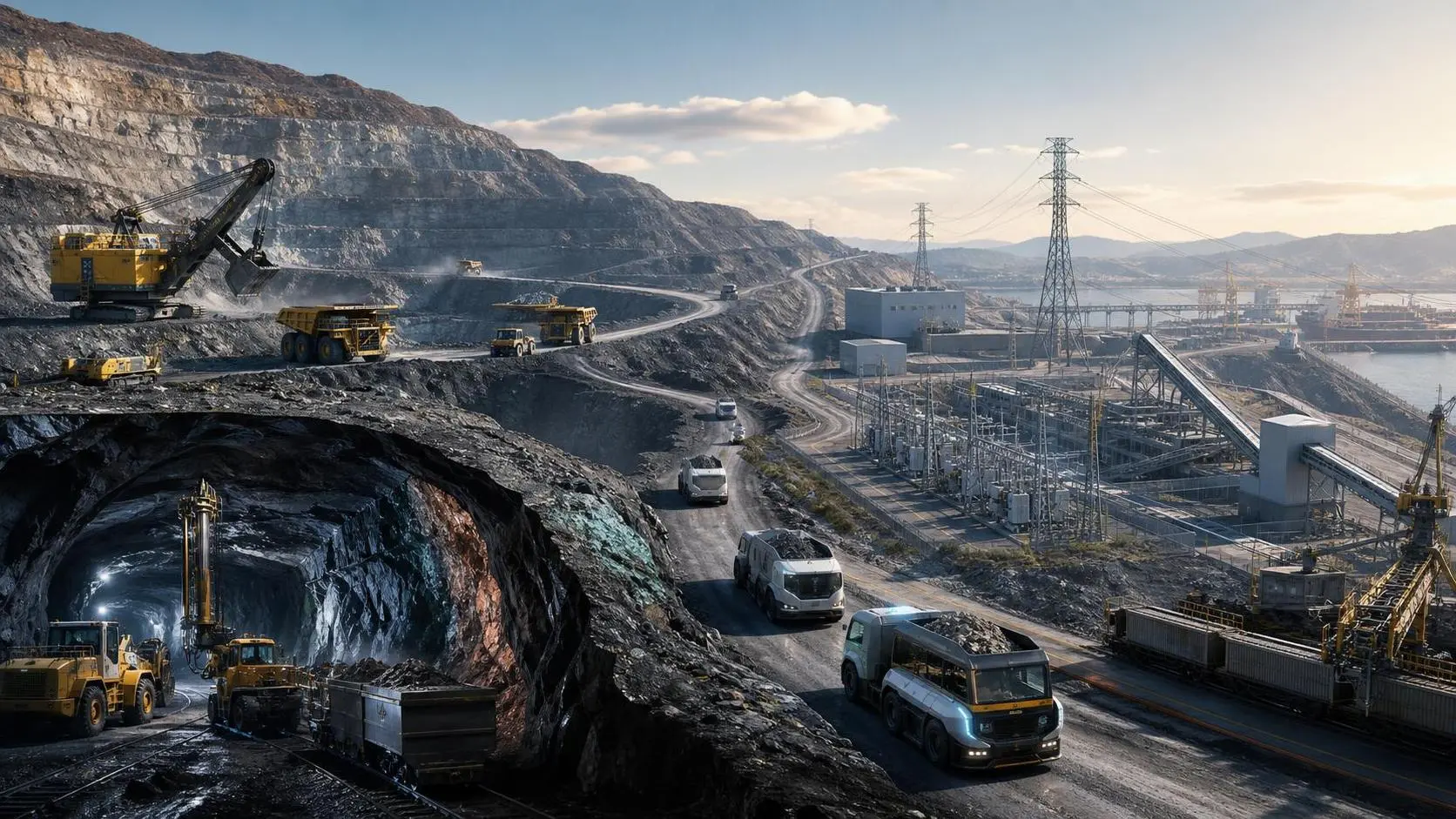
What Does Energy Metals Mining in Australia Mean for Supply, Cost, and Project Risk?
Energy metals mining Australia is reshaping supply, cost, and project risk. Discover what it means for buyers, investors, and operators.
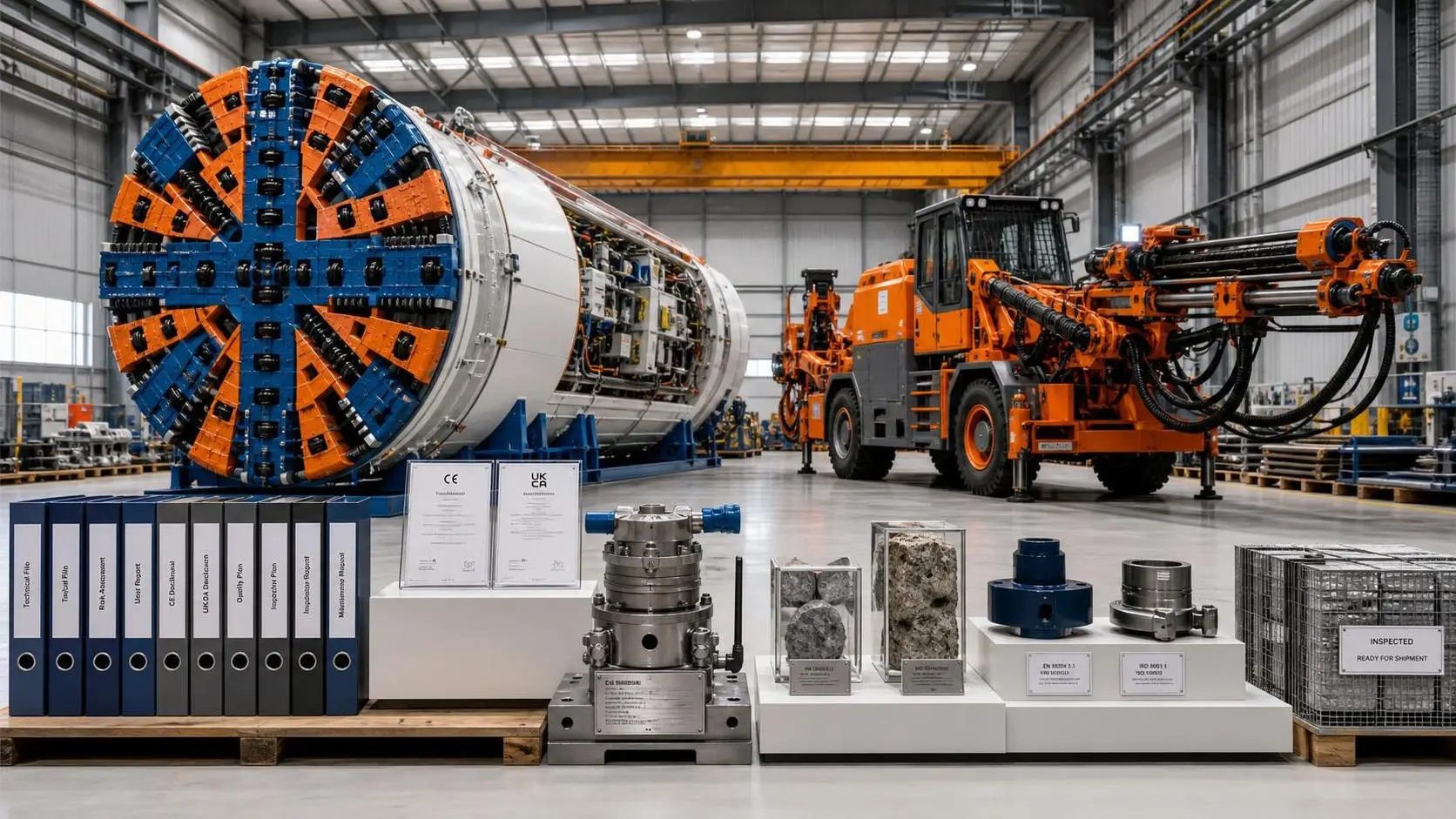
EU Eases Dual CE and UKCA Path for Chinese Tunnel Boring Equipment
EU eases CE and UKCA certification for Chinese tunnel boring equipment, cutting compliance time and helping importers move faster.
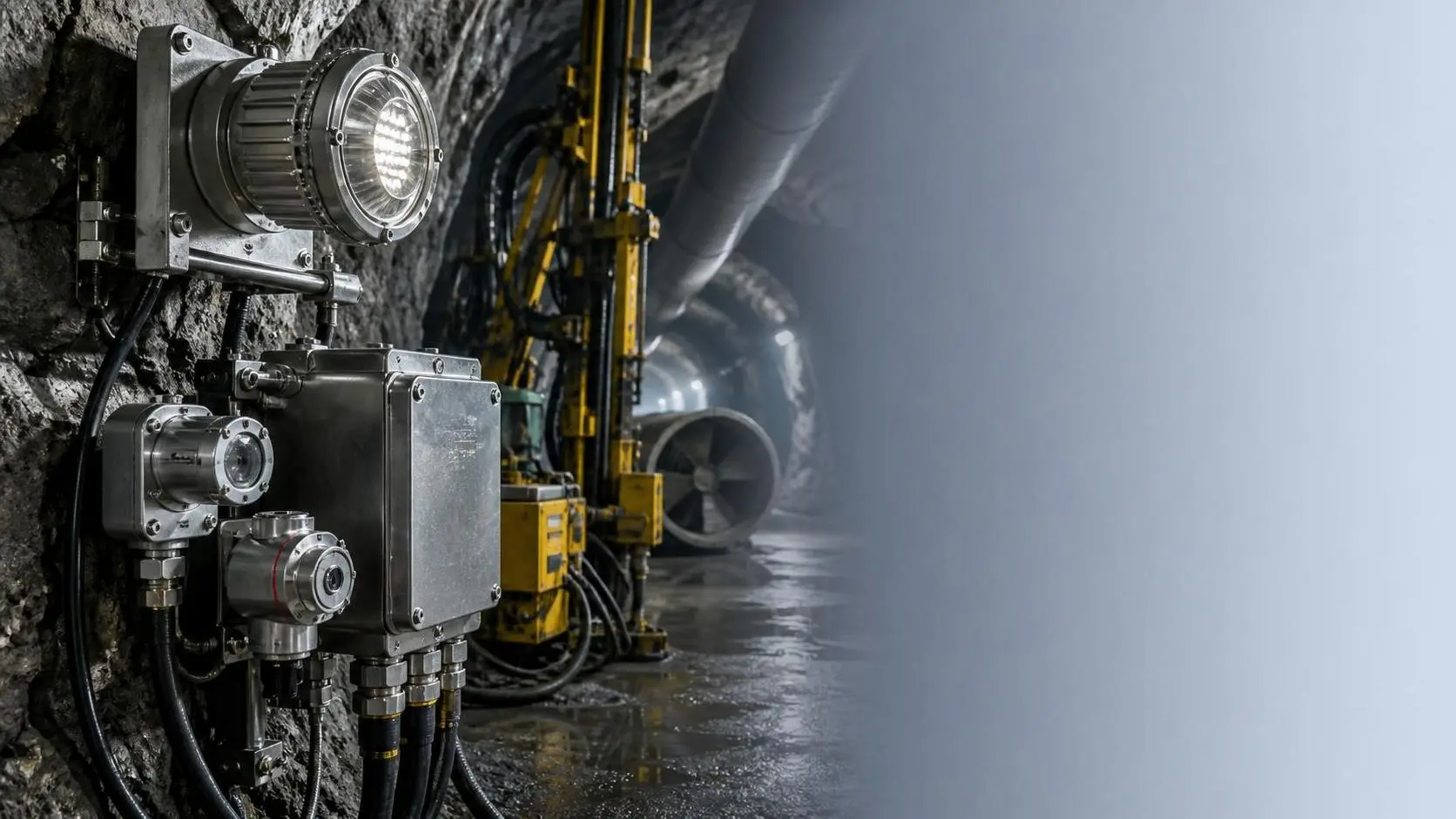
Flameproof Underground Safety Equipment: What Mine Teams Should Check Before Buying
Underground Safety Equipment flameproof buying guide: learn how mine teams should verify certification, durability, serviceability, and supplier support before purchase.
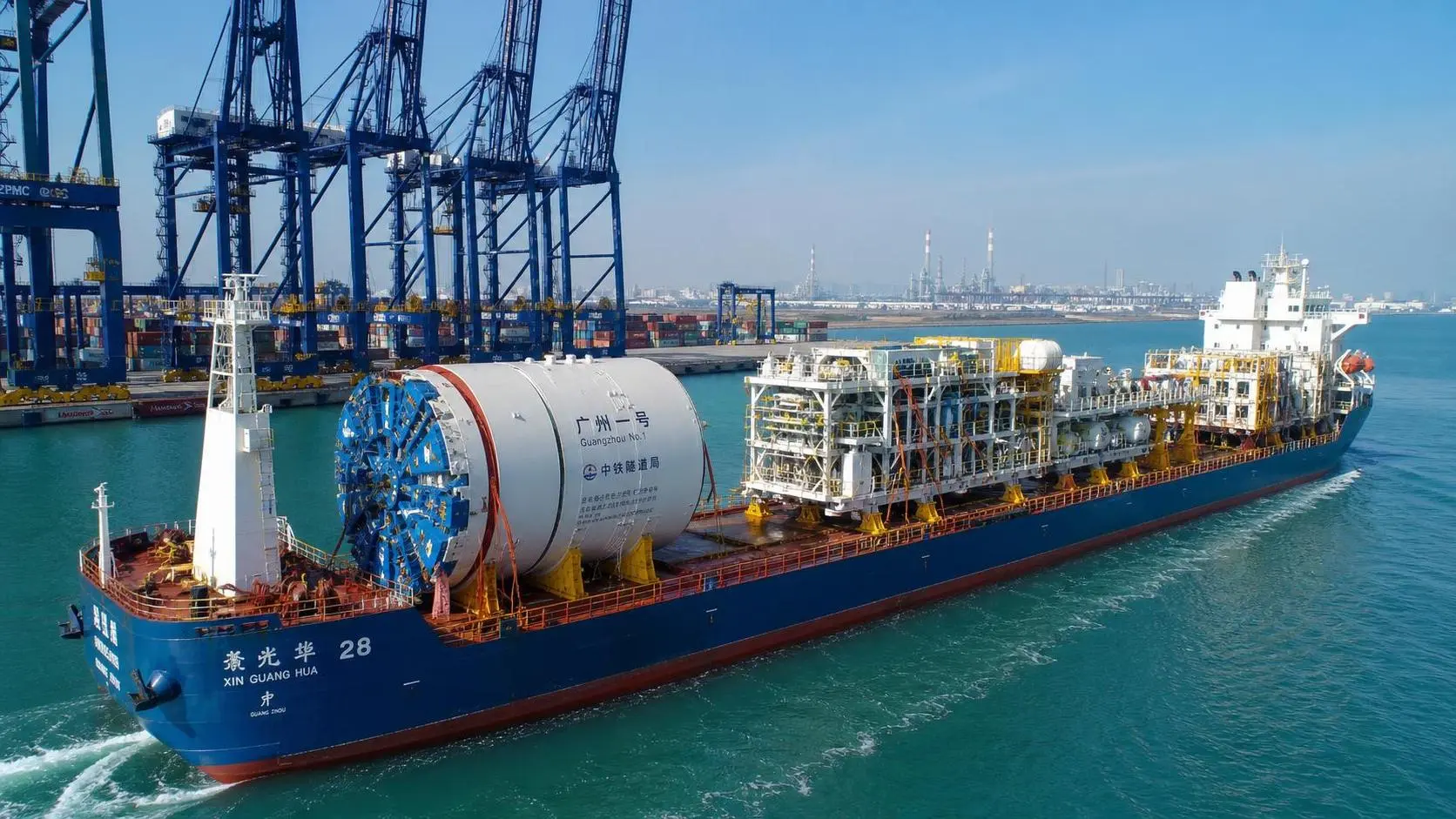
China-UAE Direct Sea Route Cuts TBM and Large Tunneling Equipment Lead Times
China-UAE direct sea route shortens TBM and large tunneling equipment lead times by 12–15 days, improving delivery predictability for major infrastructure projects. Read the full impact.
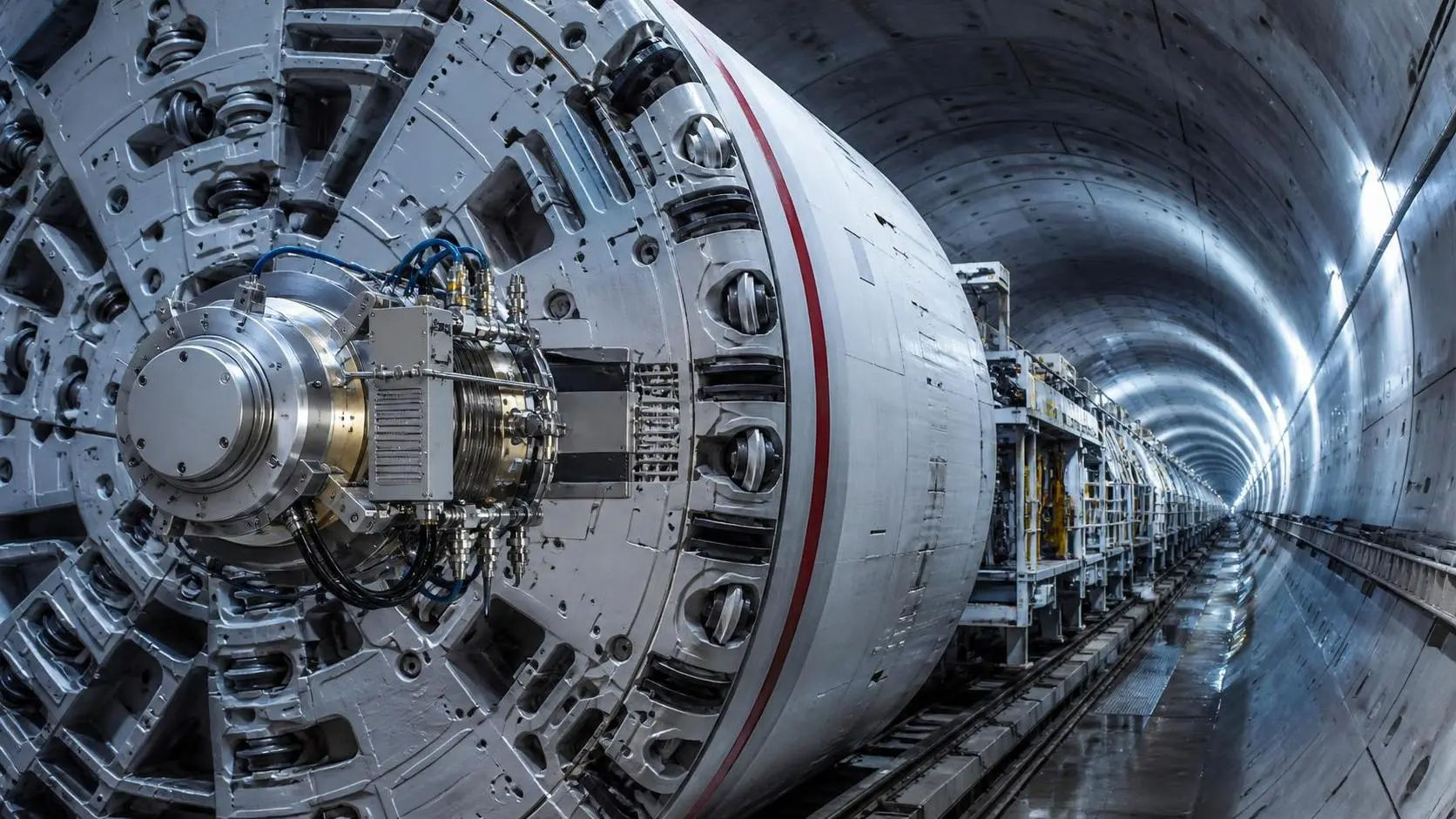
What Is a TBM Guidance System Gyroscope, and Why Does It Matter Underground?
TBM Guidance Systems gyroscope improves underground accuracy, reduces drift, and helps tunnel boring machines stay on line in harsh conditions.

China to Roll Out Nationwide Local and Foreign Currency Cash Pools for Multinationals on Sept. 14
China will roll out nationwide local and foreign currency cash pools for multinationals on Sept. 14, streamlining cross-border treasury management and boosting liquidity efficiency.
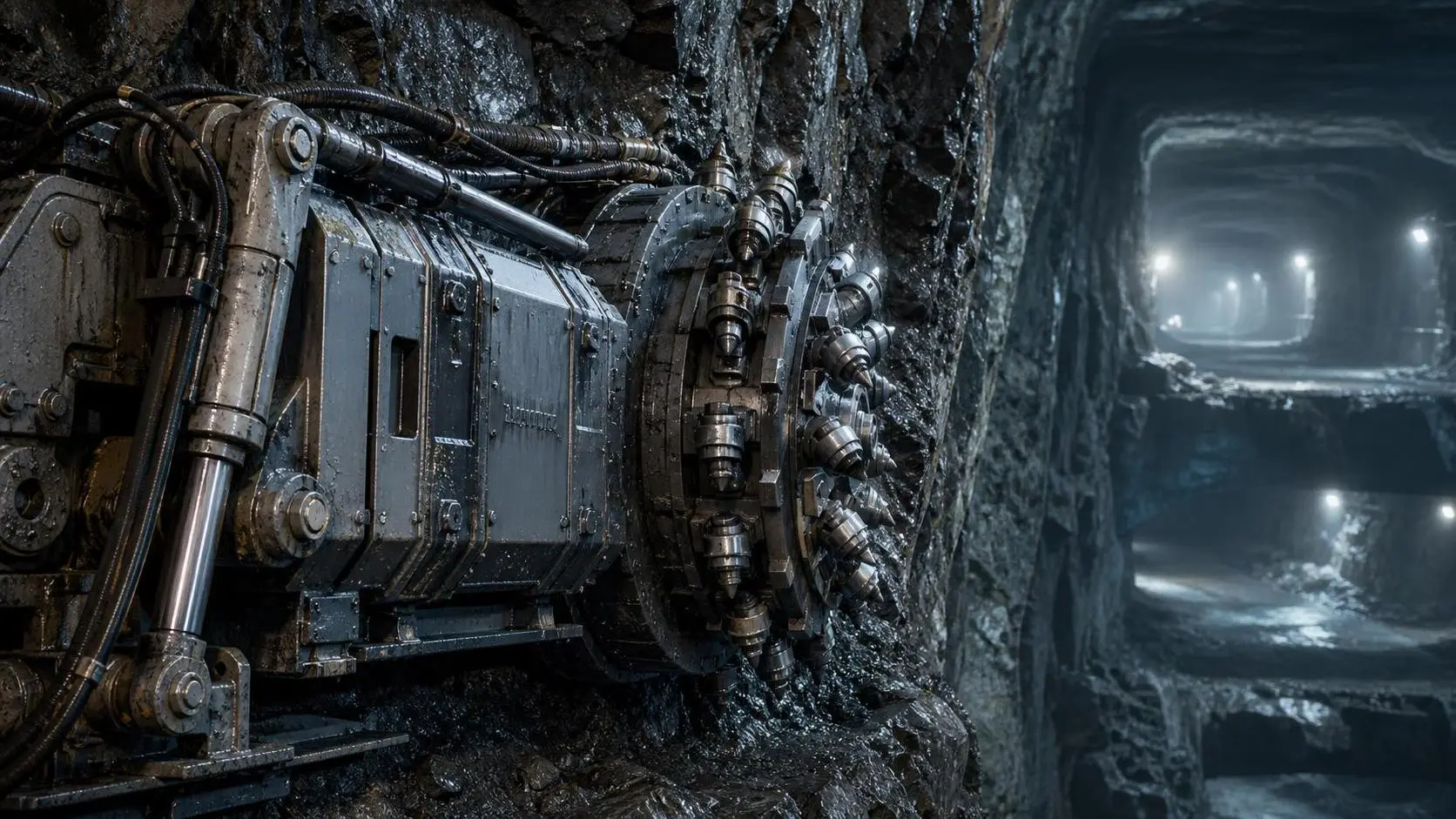
How to Choose a Reliable Underground Mining Equipment Supplier for Harsh Site Conditions
Find a reliable underground mining equipment supplier for harsh site conditions with rugged, maintainable solutions that boost uptime, reduce risk, and support long-term production.
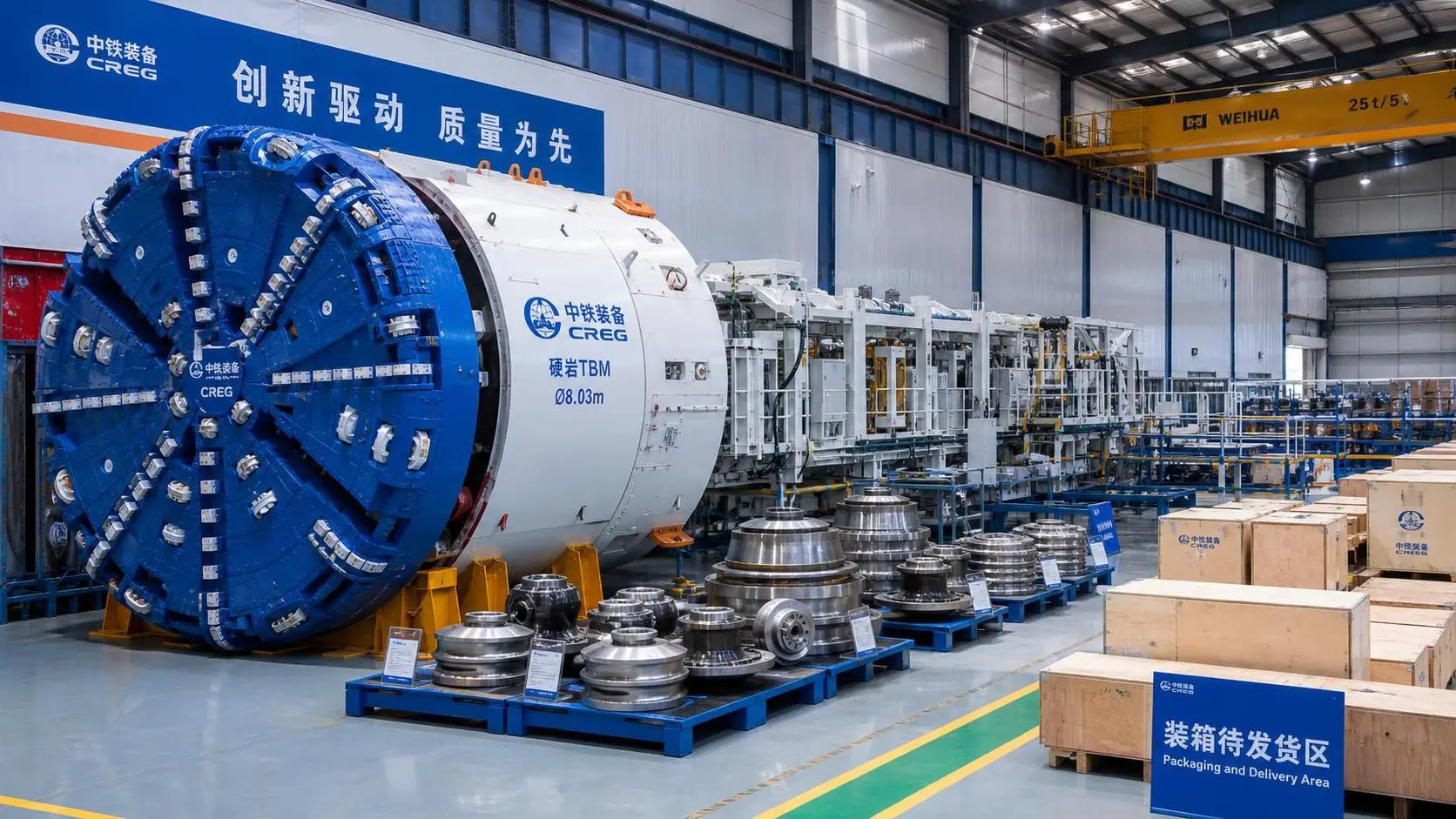
China Customs Tightens TBM Export Checks from Aug. 16
China Customs tightens TBM export checks from Aug. 16, 2026. Learn how new mandatory inspections may affect tunnelling equipment shipments, compliance, and delivery plans.
Related News
- 00
0000-00
What Drives TBM Excavation Cost in Urban Tunneling Projects? - 00
0000-00
What Does Energy Metals Mining in Australia Mean for Supply, Cost, and Project Risk? - 00
0000-00
EU Eases Dual CE and UKCA Path for Chinese Tunnel Boring Equipment - 00
0000-00
Flameproof Underground Safety Equipment: What Mine Teams Should Check Before Buying - 00
0000-00
China-UAE Direct Sea Route Cuts TBM and Large Tunneling Equipment Lead Times
Weekly Insights
Stay ahead with our curated technology reports delivered every Monday.